Life span of a lake trout in Vermont lakes
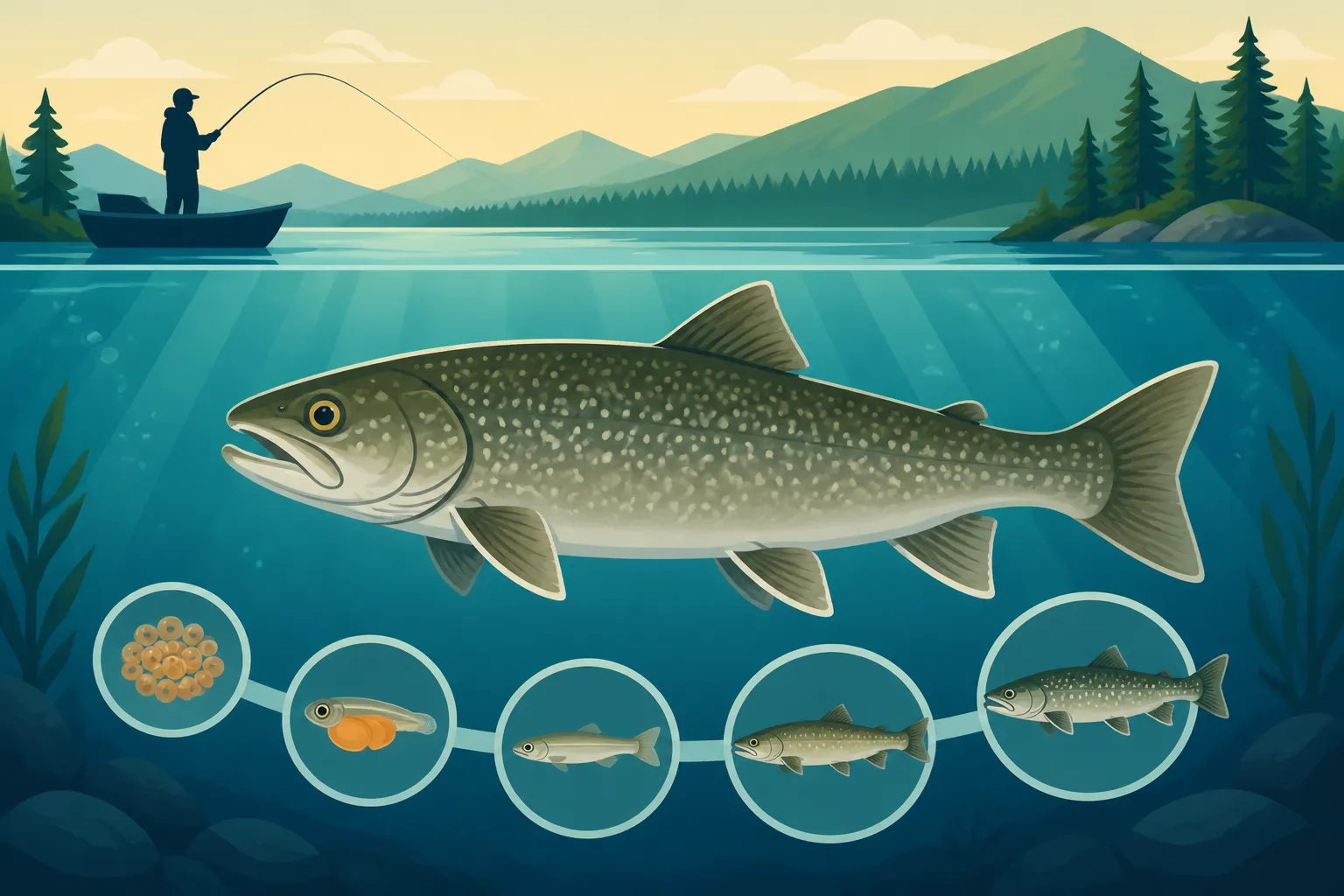
It's an age-old question that many anglers ponder while reeling in a magnificent laker: just how old is this fish, and how long do these incredible creatures live in Vermont's cold, deep waters? The lifespan of a lake trout is a fascinating topic, deeply intertwined with their environment, genetics, and the fishing pressures they face. This guide will dive into the factors that dictate how many years these freshwater giants grace our lakes, offering insights into their journey from tiny fry to venerable elders.
What Influences a Lake Trout's Lifespan in Vermont?
The life of a lake trout in Vermont's waters is far from simple; it's a complex dance influenced by a myriad of factors. Understanding these elements can help us appreciate not only the fish themselves but also the delicate balance of their ecosystems. It's not just about surviving; it's about thriving against the odds.
Habitat and Water Quality
Just like us, lake trout need a good home to live a long, healthy life. For these cold-water specialists, that means deep, clear, oxygen-rich lakes. Vermont is blessed with several such bodies of water, from the vast expanse of Lake Champlain to the pristine depths of Lake Willoughby. The very nature of these environments plays a crucial role in how long a lake trout can survive.
Poor water quality, whether from pollution, excessive nutrient runoff causing algal blooms, or even rising water temperatures due to climate shifts, can drastically reduce oxygen levels in the deeper parts of a lake where lakers prefer to dwell. When oxygen becomes scarce, it stresses the fish, making them more susceptible to disease and reducing their growth rates. Think of it like trying to live in a house with bad air quality – it just wears you down faster. Lakes with stable, cold water year-round, like those with significant deep zones that don't stratify too severely, offer lake trout a refuge, allowing them to conserve energy and grow steadily. Conversely, shallower lakes or those with warmer average temperatures might struggle to support older, larger lake trout, forcing them to live in less-than-ideal conditions, which naturally shortens their potential lifespan.
Food Availability and Growth Rate
A well-fed lake trout is a healthy lake trout, and consistent access to a rich diet is paramount for achieving a long life. Lake trout are apex predators in their ecosystems, and their diet often includes smaller schooling fish like rainbow smelt, cisco (lake herring), and even smaller yellow perch. The abundance of these forage fish directly impacts a laker's growth rate and overall vigor.
In lakes with a robust forage base, lake trout can grow quickly, reaching maturity and larger sizes more efficiently. Faster growth typically translates to healthier fish with stronger immune systems, better able to withstand environmental stressors and reproduce successfully. However, if the forage base declines, perhaps due to overfishing of baitfish, competition with other species, or changes in water conditions affecting the baitfish populations, lake trout can experience stunted growth. They might spend more energy hunting for less food, leading to slower growth, lower fat reserves, and a reduced capacity to recover from spawning or injuries. This can significantly reduce their lifespan, as they become more vulnerable to predators, disease, or even starvation during lean times. Think of it like a human needing consistent, nutritious meals to stay strong and vibrant – the same applies to these magnificent fish.
Fishing Pressure and Management
While natural factors are certainly important, human influence through fishing pressure is perhaps one of the most direct impacts on a lake trout's lifespan, especially when it comes to trophy-sized fish. In heavily fished waters, older, larger lake trout are often the first to be targeted and harvested, simply because they are the most desirable catch.
Vermont's Fish and Wildlife Department implements various regulations, such as slot limits, daily bag limits, and length restrictions, precisely to manage this pressure and protect different age classes of fish. For instance, some regulations aim to protect younger fish, allowing them to grow to maturity, while others might protect larger, older spawning fish to ensure genetic diversity and future populations. If these regulations are not effective or if anglers don't adhere to them, fishing pressure can lead to a fishery dominated by younger, smaller fish, as the older ones are continually removed before they can reach their full lifespan potential. This isn't just about individual fish; it affects the entire population structure. A healthy lake trout population needs a good mix of age classes, including those venerable old fish that have survived many seasons. Vermont Fishing Regulations Explained delves deeper into these critical rules.
Genetics and Disease
Like all living things, genetics play a role in a lake trout's potential longevity. Some individual fish, or even certain strains within a population, might simply be predisposed to living longer lives due to their genetic makeup. They might have a natural resistance to certain diseases, a more efficient metabolism, or a genetic predisposition for larger size and slower senescence (aging).
However, even the most genetically robust fish can fall victim to disease. Pathogens, parasites, and bacterial or viral infections can sweep through fish populations, especially when fish are stressed due to poor water quality or scarce food. Certain diseases, like furunculosis or viral hemorrhagic septicemia (VHS), can be particularly devastating, causing widespread mortality regardless of a fish's age or genetic predisposition. While some diseases might be natural occurrences, environmental changes or the introduction of non-native species can exacerbate disease outbreaks. For example, invasive species can introduce new pathogens or alter the ecosystem in ways that stress native fish, making them more susceptible. The health of the overall ecosystem, therefore, becomes a critical component in ensuring that lake trout can live out their full, genetically determined lifespan without succumbing to illness. Invasive Fish Species in Vermont Waters touches on the broader issue of species impacting native populations.
How Long Do Vermont Lake Trout Typically Live?
So, after considering all those influencing factors, what's the actual number? How many birthdays does a typical Vermont lake trout get to celebrate? It’s a question that doesn't have a single, simple answer because "typical" can vary widely depending on the specific lake and conditions.
Average Lifespan vs. Maximum Potential
In many of Vermont's lakes, especially those with good forage and moderate fishing pressure, the average lake trout might live for 10 to 20 years. These are robust, long-lived fish compared to many other freshwater species. During this time, they grow steadily, reaching impressive sizes and contributing multiple generations to the fishery. For instance, a 10-pound lake trout from Lake Champlain could easily be 15 years old or more. You'd be amazed how many years it takes for them to pack on that size!
However, the "maximum potential" is a whole other story. Under ideal conditions – think deep, cold, pristine waters with abundant food and minimal stress – lake trout are known to live significantly longer. It's not uncommon for individual lake trout in some northern, untouched waters to live for 30 years, 40 years, or even beyond 50 years! While it's rare to encounter a 50-year-old laker in Vermont's more accessible waters, the genetic blueprint for such longevity certainly exists. These ancient fish are truly living relics, having survived countless winters, spawning cycles, and encounters with predators (both natural and human). When you hear stories of monster lake trout, you're often hearing about one of these exceptional old-timers.
Age and Size: Understanding the Connection
It's natural to assume that a bigger fish is an older fish, and while that's generally true for lake trout, it's not always a perfect linear relationship. Two lake trout of the exact same length might be several years apart in age, and vice versa. Their growth rate, as we discussed, is highly dependent on food availability, water temperature, and individual genetics.
Consider two hypothetical lake trout:
- Lake Trout A: Lives in a highly productive lake, like parts of Lake Champlain, with an abundance of rainbow smelt. This fish might grow relatively quickly, reaching 15 pounds in 15 years.
- Lake Trout B: Lives in a more nutrient-poor, high-elevation lake with a sparser forage base. This fish might take 20 years to reach the same 15-pound weight, or even longer, and still not be as robust.
So, while size is a good indicator, it's not a definitive age marker on its own. A deep-bodied, powerfully built 20-pound lake trout from a rich ecosystem might be younger than a lanky, same-weight fish from a less fertile water body. Understanding this variability is important for anglers who are trying to gauge the age of their catch or appreciate the growth potential of a particular lake. Lake Trout Average Size in Vermont Lakes explores this concept further.
Here’s a simplified look at how various factors can influence the expected lifespan of a lake trout in Vermont:
| Factor | Impact on Lifespan | Typical Effect | Example Scenario |
|---|---|---|---|
| Water Quality | Moderate to High | Good: Longer life, faster growth; Poor: Shorter life, stress, disease | A lake with consistent cold, oxygen-rich deep water allows lakers to live past 20 years, while a warming lake with low oxygen might only support fish up to 10-15 years. |
| Food Availability | High | Abundant forage: Faster growth, healthier fish; Scarce forage: Stunted growth, stress | Lakes rich in smelt or cisco produce faster-growing fish that reach older ages, while barren lakes see slower growth and reduced longevity. |
| Fishing Pressure | High (for trophy fish) | High pressure: Fewer older, larger fish; Low pressure: More trophy potential | A heavily fished lake might see most lakers harvested by age 10, whereas a remote, less-fished lake could have fish living well into their 20s or 30s. |
| Genetics | Moderate | Predisposition to longevity/disease resistance | Some individual fish simply have the genetic makeup to live longer and be more resilient than others, regardless of external factors. |
| Disease/Parasites | High (during outbreaks) | Widespread mortality, reduced health | A disease outbreak can decimate an entire age class, regardless of other positive factors, significantly shortening the average lifespan. |
| Water Temperature | Moderate to High | Consistent cold: Optimal metabolism; Warming: Stress, habitat compression | Lakes that maintain stable, cold temperatures throughout summer offer ideal conditions, promoting health and longevity. |
The Science of Aging a Lake Trout
It's truly incredible how much information a fish carries about its own life within its body. For scientists and fishery managers, understanding the age structure of a fish population is paramount for effective management. They don't just guess; they have some very clever ways to pinpoint how old that laker really is.
Scales and Otoliths: Nature's Records
When a biologist wants to determine the age of a lake trout, they typically turn to two main sources: scales or otoliths. These are like nature's growth rings, similar to what you'd see in a tree trunk.
-
Scales: Fish scales, especially those of bony fish like lake trout, grow throughout the fish's life. As a fish grows, its scales develop concentric rings called annuli (singular: annulus). During periods of rapid growth (like summer), the rings are widely spaced. During slower growth (like winter), they are closer together and form a distinct mark. By carefully examining a magnified scale, a skilled technician can count these annuli to determine the fish's age. It's a bit like reading a very detailed calendar written on a tiny translucent disc. Taking scale samples is often preferred because it's non-lethal and less invasive if the fish is to be released.
-
Otoliths: These are small, calcified structures found in the inner ear of fish, often called "ear stones." Unlike scales, otoliths grow continuously and lay down annual rings, much like tree rings, that are even more reliable for aging, especially in older fish where scale annuli can become difficult to interpret. Otoliths are less affected by scale loss or regeneration, offering a more complete and accurate record of a fish's life. The downside is that obtaining otoliths requires sacrificing the fish, so this method is usually reserved for fish that have already been harvested or for specific research projects. Scientists meticulously section the otolith, polish it, and then examine it under a microscope to count the growth rings.
These methods provide invaluable data, allowing biologists to paint a detailed picture of how a lake trout population is structured by age, how quickly they're growing, and if any particular age class is struggling or thriving.
Why Age Matters for Fishery Management
Knowing the age structure of a lake trout population is not just a scientific curiosity; it's a cornerstone of responsible fishery management in Vermont. If all the fish being caught are young, small fish, it suggests that the older, larger fish aren't surviving to their full potential, possibly due to overfishing or habitat issues. Conversely, if there's a healthy mix of age classes, it indicates a sustainable fishery.
Fishery managers use this age data to:
- Set Regulations: They can adjust bag limits, size limits, and season dates to protect vulnerable age classes or allow more fish to grow to trophy size. For example, if studies show that lake trout aren't surviving past 15 years in a particular lake, managers might implement a protected slot limit to ensure more fish reach that age. Vermont Fishing Season Dates and Closures and Vermont Bag and Possession Limits by Species are designed with this kind of data in mind.
- Monitor Health: Changes in average age or growth rates can signal environmental problems, like declining forage fish populations or warming waters, allowing managers to intervene before a crisis.
- Evaluate Stocking Programs: If a lake is stocked, age data helps determine if those stocked fish are surviving and thriving, or if the stocking strategy needs adjustment. Vermont Fish Stocking Search Tool, Explained can show you where fish are introduced.
Ultimately, understanding the life span of a lake trout, and how to accurately determine it, allows us to be better stewards of Vermont's aquatic resources. It ensures that future generations can continue to enjoy the thrill of catching these magnificent, long-lived fish.
Implications for Vermont Anglers
As anglers, our actions directly impact the lifespan and overall health of the lake trout populations we cherish. Understanding the longevity of these fish should empower us to make choices that contribute to their continued well-being. It's not just about what we take home, but how we interact with every fish we encounter.
Catch and Release Practices for Longevity
When you hook into a magnificent lake trout, especially a larger one that has clearly lived many years, the decision to release it or keep it carries significant weight. For those fish you choose to release, your handling practices are absolutely critical to their survival and their ability to continue their long journey. A poorly handled fish, even if it swims away, might not survive for long after.
Here are some best practices for catch and release that support a lake trout's longevity:
- Minimize Fight Time: The longer a fish fights, the more exhausted and stressed it becomes. Use appropriate tackle to bring the fish in relatively quickly. You can find quality gear for this purpose on Amazon, including heavier rods and reels that allow for quicker landings without undue strain on the fish.
- Handle with Care: Keep the fish in the water as much as possible. If you must lift it, support its entire body horizontally, never by just the jaw, which can cause internal damage. Wet your hands before touching the fish to protect its protective slime coat.
- Quick Release: Have your camera ready (if you plan to take a photo) and your pliers/dehooker easily accessible. The goal is to get the fish back into the water as quickly as possible.
- Proper Dehooking: Use needle-nose pliers or a dehooking tool to remove hooks cleanly. If a fish is deeply hooked, especially in the gills, it might be better to cut the line as close to the hook as possible rather than tearing tissue trying to remove it.
- Revive Gently: If the fish seems sluggish, hold it upright in the water, facing into a gentle current (or moving the boat slowly forward if boat fishing) until it regains its strength and swims away on its own power. Don't simply toss it back.
By practicing careful catch and release, especially for those older, larger fish that contribute significantly to spawning, we directly help to extend their individual lifespans and bolster the population. Best Landing Net for Trout or even a specialized net for larger species can make a huge difference in safe handling.
Respecting the Resource
Beyond individual fish handling, respecting the lake trout resource means understanding and adhering to all regulations, being mindful of where and when you fish, and appreciating the delicate balance of the ecosystem. It's about thinking long-term, not just about your immediate catch.
- Follow Regulations: Always check the latest Vermont Fishing Regulations Explained before heading out. These rules, including daily limits and size restrictions, are put in place by biologists who have studied the age and growth of fish in specific waters. They are designed to ensure sustainable populations.
- Educate Yourself: Learn about lake trout biology, their spawning habits (Lake Trout Spawning Season in Vermont), and their preferred habitats. The more you know, the better decisions you can make on the water. Many excellent books on cold-water fisheries, often available through retailers like Amazon, can deepen your understanding.
- Minimize Your Impact: Practice "Leave No Trace" principles. Take out everything you bring in, and avoid disturbing sensitive areas, especially during spawning periods. For those fishing from a boat, understanding Vermont Boating Laws for Anglers is also crucial.
- Support Conservation: Consider supporting organizations dedicated to cold-water fisheries conservation in Vermont. Your license fees certainly help, but additional involvement can make a difference.
Ultimately, the long lifespan of a lake trout is a testament to its resilience and the quality of Vermont's waters. As anglers, we have a unique opportunity and responsibility to help these magnificent fish live out their full potential, ensuring that the thrill of pursuing them remains a vibrant part of our state's angling tradition for generations to come. The effort we put into responsible fishing today will pay dividends in the health and longevity of these incredible fish for years into the future.
Disclaimer
This article is for general informational purposes only and does not constitute professional advice. Laws, prices and regulations vary by location and change over time. Consult a qualified professional for guidance on your specific situation.