What splake are and where they are stocked
When you hear about new fish species being introduced or discovered in Vermont waters, it can sometimes feel a bit like trying to solve a puzzle. You might wonder if it's a new native fish, or something entirely different. For many anglers, understanding exactly what a "splake" is and why it's swimming in some of our beloved lakes can be a real head-scratcher. This guide aims to clear up that confusion, diving deep into the fascinating world of splake – a unique hybrid trout specifically stocked to enhance fishing opportunities across Vermont.
Understanding Splake: A Unique Hybrid Fish
The world of fish species can be incredibly diverse and, sometimes, surprisingly complex, especially when you start talking about hybrids. Splake are a prime example of this complexity, being a deliberate crossbreed that combines the best traits of two distinct trout species. They're not a naturally occurring fish in the wild; instead, they are the result of careful fisheries management, designed to offer anglers something a little different and often a lot of fun to catch.
The Genesis of a Hybrid: Lake Trout Meets Brook Trout
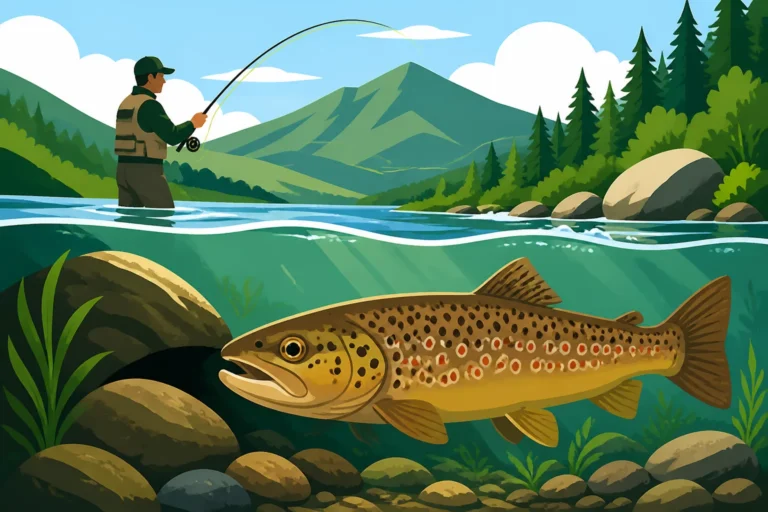
At its heart, a splake is a genetic blend of a male brook trout (Salvelinus fontinalis) and a female lake trout (Salvelinus namaycush). These two species belong to the char family, and while they share similarities, they typically occupy different niches in our waters. Brook trout are often found in cold, clear streams and smaller ponds, known for their vibrant colors and feisty fight. Lake trout, on the other hand, are residents of deep, cold lakes, growing to much larger sizes and often found lurking in the depths. The union of these two results in a fish that often inherits desirable characteristics from both parents. It's a testament to the science behind fisheries management, creating a fish that can adapt to environments where neither parent species might fully thrive in a stocked scenario.
Why Vermont Stocks Splake: Angler Benefits and Fisheries Management
So, why go through the effort of creating and stocking a hybrid fish? In Vermont, splake stocking is a strategic move to fill specific ecological and recreational niches. They're particularly valued for their ability to thrive in waters that might be too warm for brook trout but lack the deep, oxygen-rich environments that large lake trout require. This means they can utilize a broader range of habitats within a given lake. For anglers, this translates into more fishing opportunities in diverse waters. Splake are also known for their relatively fast growth rates and a willingness to strike a variety of lures and baits, offering an exciting challenge for those looking to expand their fishing repertoire beyond traditional trout species. They provide a unique angling experience, often biting more readily than lake trout and growing larger than many stocked brook trout.
Splake Behavior and Growth Patterns
Splake exhibit a fascinating mix of behaviors derived from their parentage. They tend to be less shy than pure brook trout but aren't quite as deep-dwelling as lake trout. You'll often find them cruising shallower waters, especially during cooler periods of the year, before retreating to deeper, cooler zones as surface temperatures rise. This makes them accessible to both shore anglers and boaters at different times. Their growth rate is another attractive feature; splake typically grow faster than brook trout and often reach a respectable size within a few years of stocking. While they might not achieve the immense sizes of true trophy lake trout, they offer a substantial fight for their length and girth. This combination of accessibility, growth, and fighting spirit makes them a sought-after species among Vermont anglers.
Identifying Splake: Key Characteristics
When you pull a fish from the cool waters of a Vermont lake, especially if it looks like a trout but you're not quite sure, it could very well be a splake. Knowing how to identify them correctly is crucial, not just for bragging rights, but also to ensure you're adhering to any specific regulations that might apply. They share features with both brook and lake trout, making identification a fun, albeit sometimes tricky, challenge.
Distinguishing Features from Lake Trout
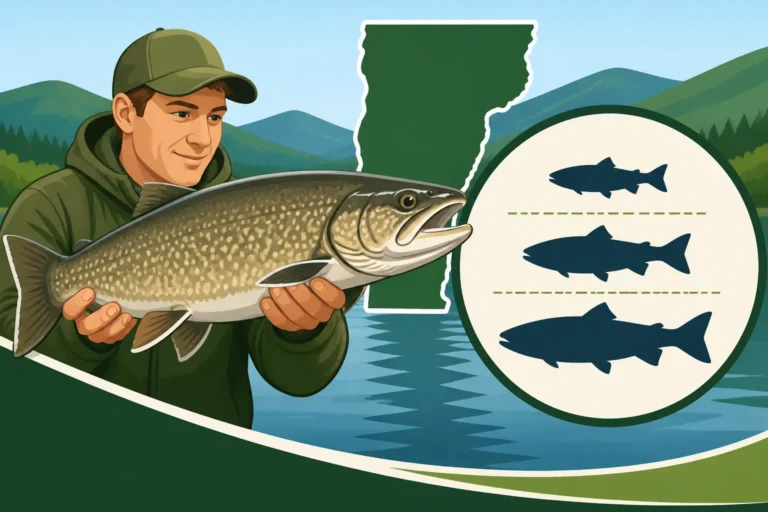
One of the first things you'll notice about a splake, when comparing it to a pure lake trout, is its shape. Splake tend to have a more streamlined, torpedo-like body, often less robust than the stout lake trout. Look closely at the tail fin: a splake's tail is typically less deeply forked than that of a lake trout, leaning more towards the square or slightly notched tail of a brook trout. The coloration is also a good indicator. While lake trout usually have lighter spots on a darker body, splake often display a more intricate pattern, a blend of the vermiculations (worm-like markings) of a brook trout and the spots of a lake trout. The overall color can vary depending on their diet and habitat, but a strong hint of brook trout patterning is often present.
Distinguishing Features from Brook Trout
Conversely, when comparing a splake to a brook trout, several differences become apparent. The most striking is usually size; splake grow considerably larger than most brook trout, especially in lakes where food is abundant. While brook trout are famed for their vibrant red and orange fins with distinctive white leading edges, splake will often show these white edges, but less prominently, and their fins might lack the intense coloration of a pure brook trout. The body markings are key: a brook trout has distinct vermiculations on its back and dorsal fin, along with blue halos around its red spots. Splake will have these vermiculations, but often interspersed with more spots, and their red spots (if present) are usually less defined and lack the strong blue halo effect. The tail, as mentioned, is another giveaway: splake will have a slightly more forked tail than the distinctly square tail of a brook trout.
Common Misconceptions and Identification Challenges
It's easy to get a splake confused with its parent species, especially if you're not looking closely or if the fish is on the smaller side. A common misconception is to mistake a large splake for a small lake trout, or a smaller splake for a robust brook trout. Water clarity, light conditions, and even the fish's diet can influence its coloration, making field identification challenging. The key is to look for a combination of traits: the less-forked tail compared to a lake trout, the presence of both spots and vermiculations, and the overall body shape that falls somewhere between the two. When in doubt, consulting a detailed fish identification guide or even taking a clear photograph can help confirm your catch. Remember, careful identification ensures you're following local fishing regulations, such as those covered in Vermont Bag and Possession Limits by Species.
Here's a quick comparison table to help differentiate:
| Feature | Splake | Brook Trout | Lake Trout |
|---|---|---|---|
| Tail Fin | Slightly forked to moderately forked | Square or very slightly notched | Deeply forked |
| Body Markings | Mix of spots and vermiculations | Pronounced vermiculations, red spots with blue halos | Light spots on darker body |
| Pectoral/Pelvic Fins | White leading edge, less vibrant than brook trout | Prominent white leading edge with black strip, vivid coloration | Often no distinct white edges, subtle fins |
| Body Shape | More streamlined, intermediate | Stout, stocky body | Elongated, robust body |
| Habitat Preference | Adaptable, cooler mid-depths | Cold, clear streams/ponds | Deep, cold lakes |
Splake Habitat and Preferred Conditions in Vermont
Understanding where splake prefer to hang out is key to finding them. These fascinating hybrids have a knack for utilizing parts of the aquatic environment that might not be ideal for other trout species, making them a unique addition to Vermont's fisheries. Their specific needs, largely inherited from their parent species, dictate their movements and where they can successfully thrive once stocked.
Ideal Water Temperatures and Depths
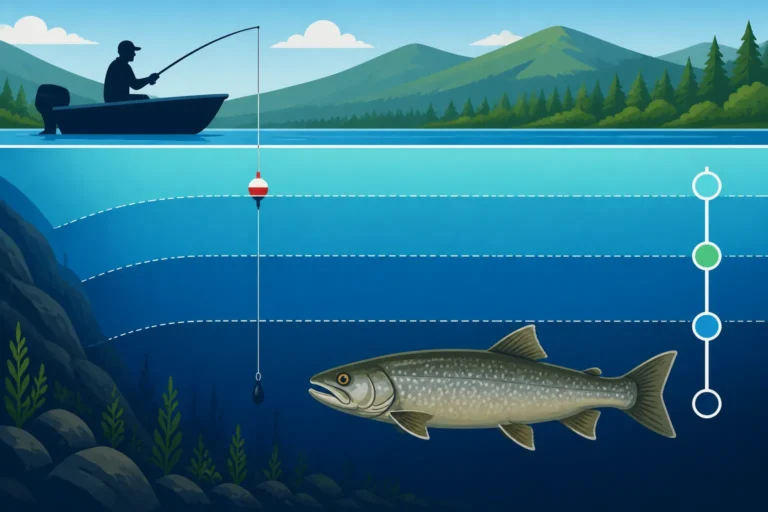
Splake, being a hybrid of lake trout and brook trout, tend to prefer water temperatures that fall somewhere between their parents' ideal ranges. They generally thrive in cooler waters, typically between 45°F and 60°F (7°C to 15°C). In Vermont's lakes, this often means they'll be found in shallower depths during the spring and fall, when the entire water column is cooler. As summer progresses and surface waters warm, they'll retreat to deeper, cooler thermocline layers, much like lake trout. However, unlike pure lake trout that can tolerate extreme depths, splake usually don't go as deep. They're often found in the upper reaches of the thermocline, making them somewhat more accessible than their deep-dwelling relatives. Their ability to adapt to these intermediate conditions is one of the reasons they are stocked in specific lakes that may not be deep enough for a robust lake trout population but too warm for brook trout to sustain themselves year-round.
Forage Preferences and Diet
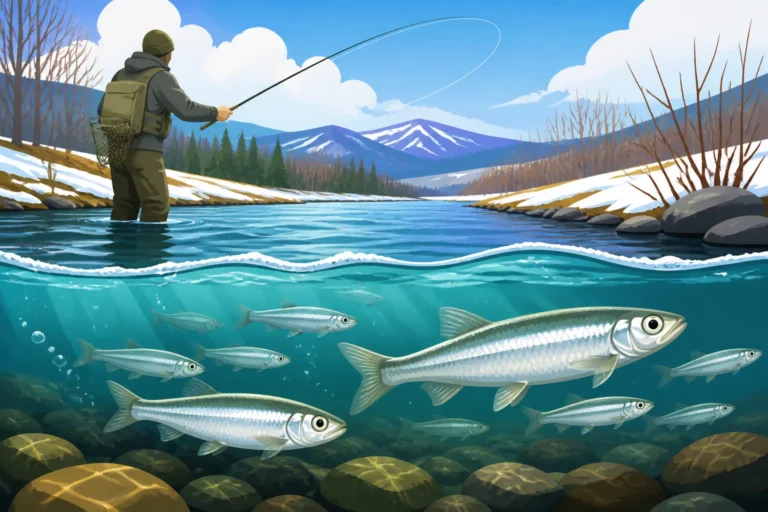
What do splake eat? Much like their parent species, splake are opportunistic predators. Their diet largely consists of smaller baitfish, such as rainbow smelt, shiners, and perch fry, if available. In lakes lacking a significant baitfish population, they'll readily consume aquatic insects, crustaceans, and even smaller invertebrates. Their adaptability in feeding habits makes them a resilient species. When Vermont fisheries managers stock splake, they assess the available forage base to ensure the young fish have plenty to eat, promoting good growth rates. Knowing what the splake are feeding on in a particular lake can give you a significant advantage when selecting your lures and baits.
Seasonal Movements and Habits
Splake display distinct seasonal movements that anglers should be aware of. In spring, shortly after ice-out, they're often found in relatively shallow waters, actively feeding as the lake warms. This is a prime time for shore anglers or those fishing from small boats. As summer heat intensifies, they move deeper, seeking out the cooler water just above or within the thermocline. Locating this specific depth can be crucial for summer success. Fall brings a return to shallower waters as the lake begins to cool and "turn over," mixing the water column. And, of course, winter sees them as a popular target for ice anglers, often found near structure or drop-offs in moderate depths. Understanding these shifts is vital for year-round angling success, tying directly into the broader topic of Best Time of Year to Fish in Vermont.
Where Splake are Stocked in Vermont: Key Waters
Vermont's Fish and Wildlife Department carefully selects waters for splake stocking, focusing on maximizing recreational opportunities while maintaining ecological balance. These decisions are based on a variety of factors, including water temperature, depth, existing fish populations, and public access.
Vermont's Stocking Program: Goals and Locations
The goal of Vermont's splake stocking program is to provide unique coldwater fishing opportunities in lakes and ponds that might not otherwise support a thriving trout fishery. They are often introduced in waters that have adequate forage but might struggle with natural reproduction of other coldwater species or where the habitat is a bit marginal for pure lake trout. The program focuses on creating a "put-grow-and-take" fishery, meaning the fish are stocked at a size where they can grow significantly before being harvested by anglers. This offers a different experience than stocking catchable-sized trout, encouraging anglers to target larger, more mature fish. For current and historical stocking data, the Vermont Fish Stocking Search Tool, Explained is an invaluable resource.
Notable Lakes Known for Splake Populations
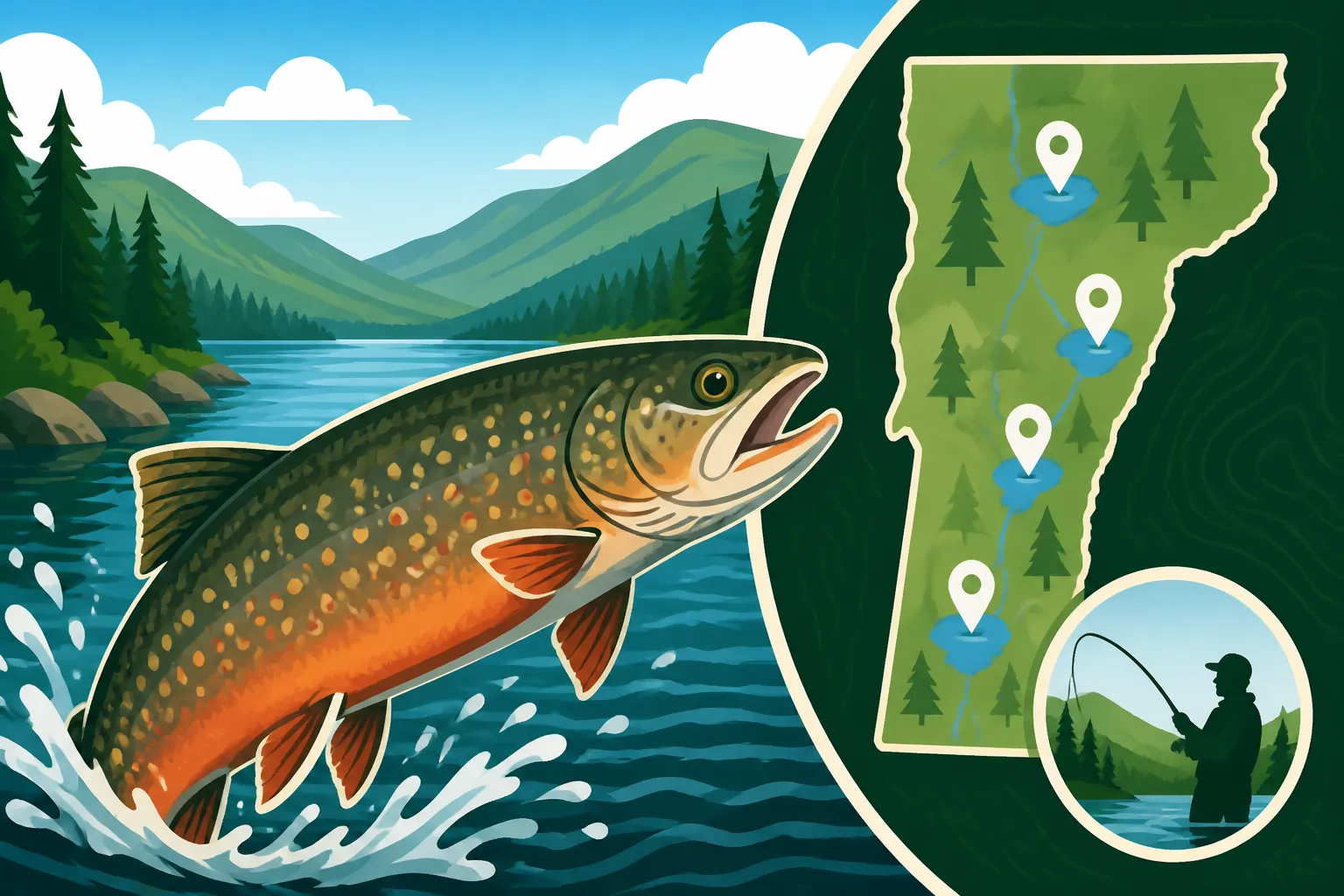
While stocking locations can shift based on management objectives and environmental conditions, certain Vermont lakes are historically known for their splake populations. These include picturesque bodies of water where splake have demonstrated good survival and growth rates, often providing excellent angling. For example, lakes like Lake Bomoseen, Lake Dunmore, and portions of Lake Champlain can sometimes have splake, though other trout species might be more prevalent. It's not always the largest or deepest lakes; sometimes smaller, mid-sized lakes with specific thermal profiles are ideal. Remember, conditions and stocking priorities can change, so always check the latest information from the Vermont Fish and Wildlife Department. Many of these waters are also excellent for other species, as highlighted in guides like Best Fishing Lakes in Vermont.
Checking Current Stocking Schedules and Resources
Staying informed is key to successful splake fishing. The Vermont Fish and Wildlife Department publishes annual stocking reports and often has interactive tools on their website where you can look up which waters have received splake and when. These resources are invaluable for planning your fishing trips. Beyond official sources, local tackle shops and fishing forums are great places to get real-time intel from other anglers. Sometimes, a dedicated fishing guide or map of a specific lake, which you might find readily available on platforms like Amazon, can offer insights into likely splake haunts, especially if it details depths and structures. Always do your homework before heading out!
Fishing for Splake: Tips and Techniques
Once you understand what splake are and where they live, the next exciting step is figuring out how to catch them. Because they are a hybrid, fishing for splake often involves borrowing techniques from both brook trout and lake trout angling, with a few unique twists. Their willingness to bite and decent fighting spirit make them a rewarding target.
Best Lures and Baits for Splake
Splake are not particularly picky, but certain lures and baits tend to be more effective. For artificials, spoons are often a top choice, mimicking injured baitfish. Colors like silver, gold, blue/silver, or even fluorescent patterns can be very effective, especially when tipped with a piece of bait. Small crankbaits and stickbaits that dive to appropriate depths can also entice strikes, particularly during warmer months when splake are deeper. Jigs, tipped with a small minnow or a scented soft plastic, are excellent for vertical jigging, especially during ice fishing or when targeting suspended fish. Fly anglers can find success with streamer patterns that imitate smelt or other baitfish, or even larger nymphs and wet flies, especially in spring and fall. When it comes to natural bait, live minnows, worms, or even pieces of cut bait can be incredibly effective, often fished under a bobber or on the bottom.
Effective Fishing Methods: Trolling, Jigging, and Ice Fishing
Given their varied habitats and seasonal movements, several methods prove effective for splake.
- Trolling: In open water, trolling with spoons, stickbaits, or even cowbells with a worm can cover a lot of ground and help locate active fish. Adjust your depth to match where the splake are holding – often just above the thermocline in summer. Techniques similar to Trolling Techniques for Vermont Lake Trout can be adapted, but perhaps at slightly shallower depths.
- Jigging: Whether from a boat or through the ice, vertical jigging is a highly effective technique. Use spoons, blade baits, or heavy jigs, dropping them to the desired depth and imparting an erratic retrieve. This method is particularly effective for suspended fish or when you've located a school on your fish finder.
- Ice Fishing: Splake are a popular target during Vermont's hardwater season. Anglers often use tip-ups rigged with live bait (like minnows) or jigging rods with small spoons or jigs tipped with bait. Ice Fishing in Vermont offers more general tips, but remember that splake might be found in slightly shallower depths than pure lake trout in winter.
- Shore Fishing: During spring and fall, when splake move into shallower areas, shore fishing with bait or casting spoons and small crankbaits can be very productive. Look for drop-offs, points, or areas with submerged structure close to shore.
Seasonal Considerations for Splake Angling
Your approach to splake fishing will need to change with the seasons.
- Spring: As the ice melts and water temperatures are cool throughout the lake, splake are often found near shorelines, points, and shallow flats. They are actively feeding after the long winter, making them eager biters.
- Summer: The heat of summer pushes splake into deeper, cooler waters. You'll need to use electronics to locate the thermocline and target fish holding at those depths, often using trolling or deep jigging methods.
- Fall: Similar to spring, cooling water temperatures will bring splake back into shallower areas, making them more accessible. This can be an excellent time for casting lures from shore or a boat, as they aggressively feed in preparation for winter.
- Winter (Ice Fishing): Splake remain active under the ice. Focus on moderate depths, looking for structure or transitions in the lake bottom. They often cruise somewhat shallower than lake trout during this time. Remember to check local regulations for specific ice fishing rules, as detailed in Vermont Fishing Regulations Explained.
No matter the season, patience and adaptability are your best tools when chasing these unique Vermont hybrids.
Disclaimer
This article is for general informational purposes only and does not constitute professional advice. Laws, prices and regulations vary by location and change over time. Consult a qualified professional for guidance on your specific situation.