Vermont state record black crappie weight
Every angler who's spent time on Vermont's serene lakes and winding rivers knows the thrill of a good tug on the line. But there's a different kind of excitement that comes with dreaming of, and perhaps even catching, a truly monumental fish – one that sets a new standard. Many of us chase bass, trout, or walleye, but sometimes the unassuming panfish, like the black crappie, can deliver the biggest surprise. This guide is all about that ultimate crappie catch, specifically, the current Vermont state record for black crappie weight, what it means for anglers, and how you might just land a lunker that rivals it.
The Allure of Trophy Crappie Fishing in Vermont
Crappie, with their distinctive dappled patterns and delicate mouths, are often seen as a fantastic fish for beginners or a reliable meal for the frying pan. They're accessible, they fight hard for their size, and they're abundant in many Vermont waters. But don't let their commonality fool you; a trophy crappie is a whole different beast. It's the kind of fish that makes your heart pound and your hands shake when you finally get it into the net. The dream of a state record black crappie isn't just about bragging rights; it's about connecting with something truly exceptional that our Vermont waters can produce. It's about knowing you outwitted a fish that has grown old and wise, navigating the challenges of its environment for years.
Understanding Black Crappie in Vermont Waters
Black crappie, or Pomoxis nigromaculatus, are a beloved species here in Vermont. They thrive in clear, vegetated lakes and ponds, often gravitating towards submerged timber, weed lines, and brush piles. Unlike some fish that prefer open water, crappie are structure-oriented, making them a fun challenge to locate. A typical crappie caught in Vermont might be anywhere from 8 to 12 inches, providing a delightful pan-sized dinner. These fish are known for schooling, so where you find one, you often find many. However, a true lunker, the kind that might challenge a state record, stands out. These bigger fish have managed to avoid predators and anglers, finding consistent food sources and optimal conditions to grow beyond the average. Their longevity and ability to find prime feeding grounds are key to their impressive size. If you want to dive deeper into these fascinating fish, check out our guide on Black Crappie in Vermont Waters.
Why Pursue a State Record?
For most of us, fishing is about relaxation, time in nature, and maybe a tasty meal. But for a select few, there's an additional drive: the pursuit of a record. It's an affirmation of skill, patience, and a bit of luck. Landing a state record crappie means you've caught a fish that represents the very best of its kind in our state's waters. It's a testament to the health of the fishery and the potential of specific lakes. Beyond the personal satisfaction, a new state record contributes valuable data to our understanding of fish populations and growth rates. It fuels conversation among anglers, inspiring others to spend more time on the water, honing their craft, and perhaps, discovering the next hidden gem of a crappie lake. It adds to the rich tapestry of Vermont's angling history, a story passed down from one generation to the next.
Unveiling Vermont's State Record Black Crappie
So, let's get to the exciting part. What exactly is the Vermont state record for a black crappie? It's a common question, and one that sparks a lot of awe among those who regularly fish for these panfish. This record stands as a benchmark, a testament to what our waters are truly capable of producing. Imagine reeling in a crappie so large it defies expectations, a fish that weighs more than any other black crappie officially documented in the Green Mountain State. It’s a moment that stays with an angler forever, a true highlight of a lifetime on the water.
The Record-Breaking Catch Details
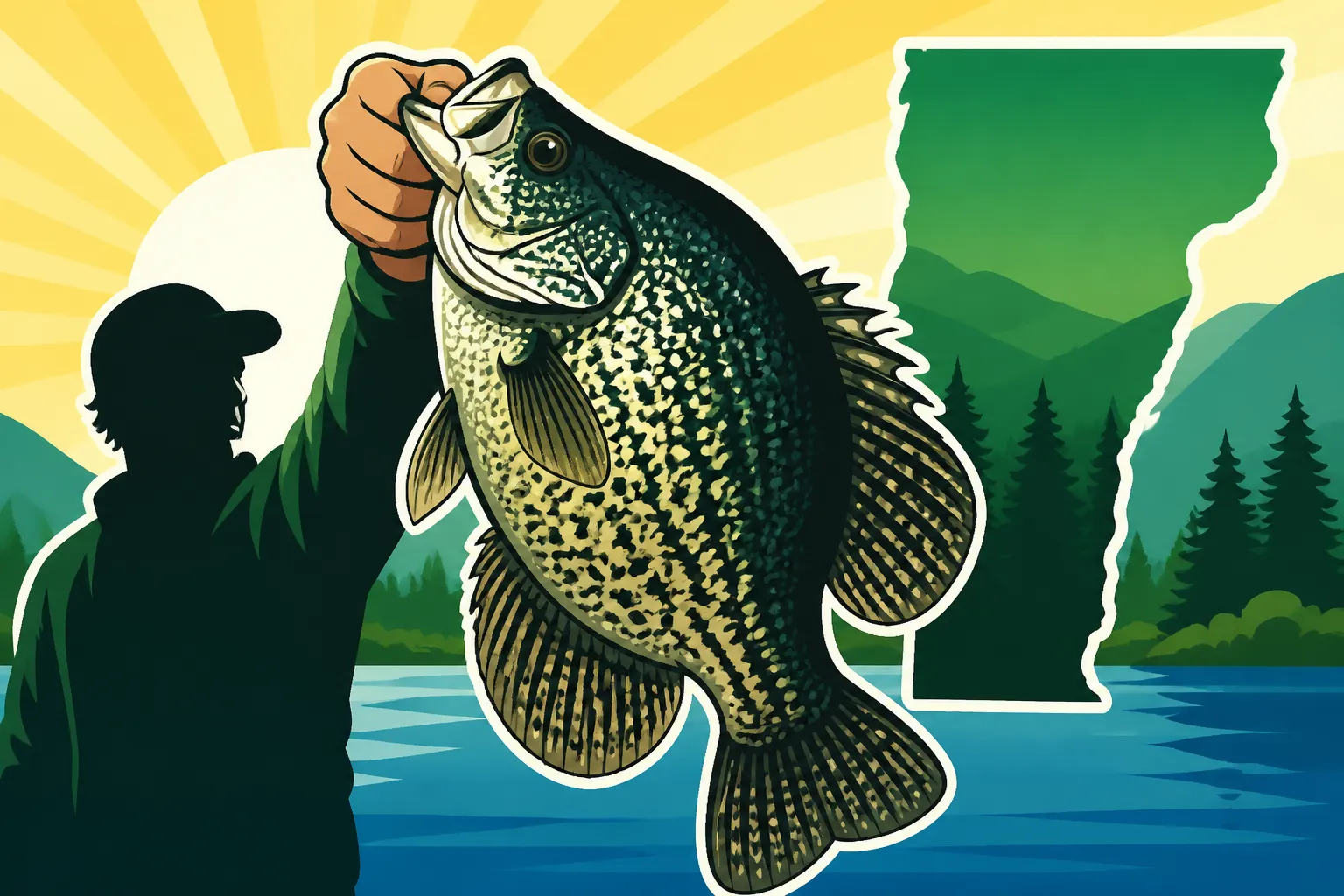
The Vermont state record for black crappie stands at an impressive 3 pounds, 10 ounces. This monumental fish was caught by an angler named Andrew Graham, back in 2004, from the waters of Lake Champlain. Just think about that for a moment: 3 pounds, 10 ounces! Most crappie you encounter would fit in your hand; this one would have filled a good-sized platter. This record highlights Lake Champlain's potential for producing truly exceptional fish, not just its famous bass and walleye, but also these often-underestimated panfish. This fish likely spent many years growing, feasting on abundant forage like insect larvae and smaller baitfish, and finding refuge in the lake's vast and varied structure. The sheer size speaks to a perfectly balanced ecosystem where this crappie thrived.
Where Do Trophy Crappie Hide?
While the record was set on Lake Champlain, it's important to understand that trophy crappie can potentially be found in any healthy Vermont waterbody with the right conditions. These giants typically inhabit areas that offer a combination of deep water access, abundant submerged structure, and a consistent food supply. Think about old river channels, sunken timber, extensive weed beds, or even bridge pilings. These locations provide cover from predators and ambush points for foraging. Look for areas where sudden depth changes occur, often referred to as "breaks" or "drop-offs," especially near the transition zones between shallow and deep water. Places like Lake Bomoseen, Lake St. Catherine, and even some of the larger ponds can hold big crappie. Exploring different lakes and their unique features is half the fun. For more ideas on where to cast your line, our Best Fishing Lakes in Vermont guide can point you in the right direction. And don't forget, sometimes the smaller, less pressured waters can surprise you with a hidden gem!
Strategies for Targeting Vermont's Biggest Crappie (and Maybe the Next Record!)
Chasing a state record crappie isn't just about luck; it's about strategy, knowing your quarry, and having the right tools. While you might stumble upon a giant crappie accidentally, intentionally targeting these larger specimens requires a more focused approach. It’s about understanding their habits, their preferences, and presenting an offering they simply can’t refuse. This isn't just fishing; it's a dedicated hunt for something truly special.
Essential Gear for Trophy Crappie
When you're trying to coax a potentially record-breaking crappie from its lair, your gear becomes incredibly important. You need sensitivity, strength, and finesse.
- Rod and Reel: An ultralight or light action spinning rod, typically 6 to 7 feet long, paired with a small, sensitive spinning reel (like a 500 or 1000 size) is ideal. The sensitive tip allows you to detect the often subtle bite of a crappie, while the light action ensures you can fight a larger fish without overpowering your delicate lures. You can find some excellent options for these setups on sites like Amazon, giving you plenty of choices for various budgets. If you're looking to upgrade, our Best Ultralight Rod for Panfish guide offers some great insights.
- Line: Light line is crucial. Many anglers prefer 4 to 6-pound test monofilament for its stretch and knot strength. However, some opt for a thin braided line (like 6-pound test) for its incredible sensitivity and zero stretch, often tying on a 4-pound fluorocarbon leader for stealth in clear Vermont waters.
- Lures and Baits: Small jigs are the bread and butter of crappie fishing. Think 1/32 to 1/16 ounce jigs tipped with small plastic bodies (tube jigs, grub tails, tiny swimbaits in white, chartreuse, or black/chartreuse combinations). Live bait, especially small minnows, can be incredibly effective, often fished under a slip bobber. Small spoons or blade baits can also tempt larger, more aggressive crappie. For a comprehensive look at what to use, explore Best Tackle for Panfish.
Top Techniques for Giant Crappie
Once you have your gear dialed in, it's time to talk tactics. Trophy crappie are often holding deeper or tighter to structure than their smaller counterparts.
- Vertical Jigging: This is a fantastic technique, especially when you've located a school on your fish finder. Position your boat directly over submerged timber, brush piles, or bridge pilings where crappie are holding. Drop a small jig straight down to their depth and gently "jig" it with subtle lifts and falls. The key is to keep your bait in their strike zone for as long as possible. Sometimes, barely moving the bait at all is the most effective approach.
- Slow Trolling: If crappie are scattered or you're trying to cover a large area, slow trolling can be very productive. Use an electric trolling motor to move slowly (0.5 to 1.5 mph) while dragging small crankbaits, tiny spinnerbaits, or jigs behind your boat. Experiment with different depths and speeds until you find what triggers bites. This technique allows you to present your lure to multiple fish as you glide over potential holding areas.
- Slip Bobber Fishing: This method is perfect for presenting live minnows or jigs at a precise depth, especially when crappie are suspended over structure. The slip bobber allows you to cast a long distance and then have the bait fall naturally to your desired depth. It’s a very visual way to fish, as the bobber dipping is your strike indicator. Patience is key with this method, letting the bait do the work in tempting those cautious, larger crappie. For more techniques specific to panfish, our Best Techniques for Panfish in Vermont article is a must-read.
Timing Your Trophy Crappie Hunt
The time of year, and even the time of day, can significantly impact your success when targeting big crappie.
- Seasons:
- Spring: This is arguably the best time to target trophy crappie. As water temperatures rise, crappie move into shallower waters to spawn. They'll be concentrated in bays, coves, and areas with submerged vegetation. They're also often more aggressive during this period.
- Fall: As summer heat fades and water temperatures drop, crappie begin to school up and feed heavily in preparation for winter. They'll often move to deeper transition areas, feeding on baitfish. This can be an excellent time for vertical jigging or slow trolling.
- Winter (Ice Fishing): Don't overlook ice fishing for crappie! They can be caught through the ice, often in deeper basins or over submerged humps. Small jigs and live minnows are deadly.
- Time of Day: Crappie are often most active during low-light conditions – dawn and dusk. Overcast days can also extend their feeding windows. On bright, sunny days, they tend to retreat to deeper, shadier areas. Understanding these seasonal and daily patterns, which we explore further in Vermont Fishing Seasons by Month and Best Time of Year to Fish in Vermont, will greatly increase your chances.
Record-Keeping and Responsible Angling
Catching a truly massive crappie is a phenomenal experience, but if you think you've caught a potential state record, there's a specific process to follow. Moreover, responsible angling practices are paramount, especially when handling these precious trophy fish. We want to celebrate these catches while ensuring the health of our fisheries for generations to come.
The Process of Certifying a State Record
If you land a crappie that looks like it could challenge the 3-pound, 10-ounce mark, here's what you need to do immediately:
- Don't delay: The fish must be weighed as quickly as possible on a certified scale. This means a scale that has been inspected and approved for commercial use, typically found at a local grocery store, bait shop, or post office.
- Witnesses: Have at least one witness, preferably two, present during the weighing. Their testimony will be crucial for verification.
- Photographs: Take clear, well-lit photographs of the fish from multiple angles. Include a photo of the fish next to a ruler or measuring tape to document its length, and definitely get a picture with the fish on the certified scale, showing the weight clearly.
- Species Verification: It's critical to correctly identify the species. While black crappie are distinct, misidentification can happen. If you're unsure, consulting with a local fisheries biologist or experienced angler can help.
- Contact the Vermont Fish & Wildlife Department: Reach out to them as soon as possible to report your potential record. They will guide you through the official paperwork and verification process. They have specific rules and forms that need to be completed within a certain timeframe. You can find general regulatory information in our Vermont Fishing Regulations Explained guide.
- Preservation (if necessary): If the fish is destined for mounting or needs to be kept for official verification, ensure it is properly cared for to maintain its condition.
Practicing Catch and Release for Trophy Fish
While the excitement of a state record can be overwhelming, consider the immense value of releasing truly large, healthy fish, especially if you decide not to pursue a record or after the official verification process. These larger fish are often the best breeders, contributing significantly to the genetic health and overall population of the fishery.
- Minimizing Stress: Handle the fish as little as possible. Keep it in the water as much as you can.
- Wet Hands: Always wet your hands before touching a fish. Dry hands can remove the protective slime coat, making the fish susceptible to disease.
- Proper Landing Net: Use a knotless, rubberized landing net to minimize damage to fins and slime coat. These types of nets are much gentler on the fish than traditional nylon nets. Our guide on Best landing net mesh for catch and release has some great recommendations.
- Quick Release: If you're taking photos, do so quickly and get the fish back into the water promptly. Support its body horizontally, especially larger fish, to avoid damaging internal organs.
- Revive the Fish: If the fish seems sluggish, hold it gently in the water, facing into a mild current if possible, until it kicks its tail and swims away on its own.
By being mindful and practicing responsible angling, you're not just ensuring the survival of that specific fish, but contributing to a thriving fishery for all Vermont anglers, helping ensure that future generations can also chase the dream of a record-breaking crappie.
| Characteristic | Typical Vermont Black Crappie | Vermont State Record Black Crappie |
|---|---|---|
| Weight (average) | 0.5 – 1.5 pounds | 3 pounds, 10 ounces |
| Length (average) | 8 – 12 inches | Over 18 inches |
| Typical Habitat | Weed lines, brush piles | Deep submerged timber, structure |
| Common Gear | Ultralight rod, 4-6 lb mono | Ultralight rod, sensitive line |
| Forage Base | Insects, small minnows | Larger baitfish, abundant insects |
| Growth Rate | Moderate | Exceptional |
Disclaimer
This article is for general informational purposes only and does not constitute professional advice. Laws, prices and regulations vary by location and change over time. Consult a qualified professional for guidance on your specific situation.