Rainbow Smelt as Forage Fish in Vermont Lakes
Many anglers in Vermont spend their days chasing the big game fish – the trophy lake trout, the elusive landlocked salmon, or the hard-fighting smallmouth bass. But what if I told you that the success of all these prized catches often hinges on a much smaller, often overlooked fish? Rainbow smelt are the unsung heroes of many of Vermont's most productive coldwater lakes, and understanding their role is absolutely crucial for any angler looking to truly crack the code on our state's incredible fisheries. This comprehensive guide will pull back the curtain on these vital forage fish, explaining their biology, their critical ecological function, and how knowing about them can dramatically improve your fishing strategies.
What Exactly Are Rainbow Smelt, Anyway?
Before we dive into their ecological importance, let's get acquainted with the rainbow smelt themselves. Often mistaken for small herring or minnows, these fish are a distinct species with unique characteristics that make them perfectly suited to the cold, deep waters of many Vermont lakes. They're an anadromous species, meaning they can live in both salt and fresh water, though in Vermont, we primarily encounter the landlocked populations that have adapted entirely to our freshwater environments.
Physical Characteristics and What to Look For
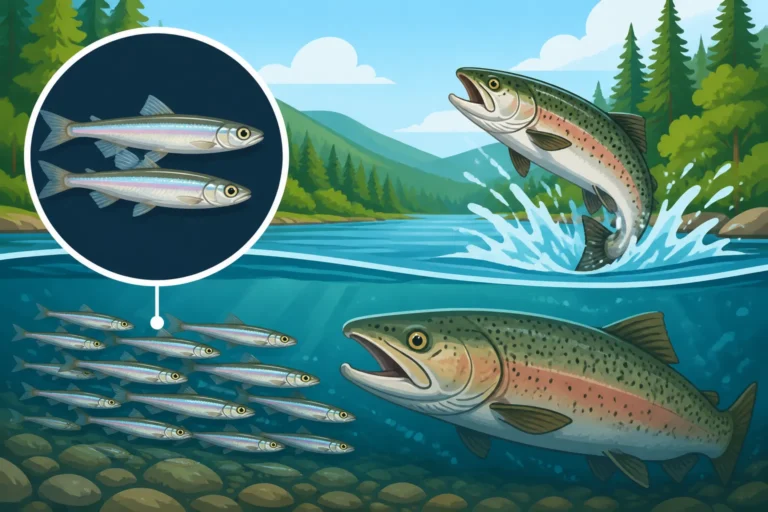
Rainbow smelt are truly beautiful fish, though you might not appreciate their subtle charm if you only see them flailing in a bucket! They typically boast a slender, elongated body, often olive-green on the back, fading to silvery sides and a bright white belly. What really makes them stand out is their distinctive adipose fin – that small, fleshy fin on their back between the dorsal fin and the tail, which is common in trout and salmon species but not in many other baitfish. Their mouth is fairly large, extending back to beneath the eye, and they have small, sharp teeth, indicative of their predatory nature on zooplankton and smaller invertebrates.
Another interesting characteristic, and one that lends them their common name, is their cucumber-like scent. Seriously, if you catch a fresh smelt, take a quick sniff – it's a very distinct, fresh, almost melon-y aroma! This scent is unmistakable once you recognize it and is a dead giveaway for identification. Size-wise, in Vermont, they generally range from a few inches up to about 8-10 inches, though some larger individuals can be found. They're fast swimmers, built for open water, and typically school in large numbers, which is a major part of their effectiveness as a forage fish.
Where Rainbow Smelt Thrive in Vermont
In Vermont, rainbow smelt are most prevalent in our larger, deeper, and colder lakes. Think of places like Lake Champlain, Lake Memphremagog, Lake Willoughby, and even some of the deeper state park ponds. These lakes offer the specific conditions smelt need: cold, oxygen-rich water, especially in the deeper zones during summer, and access to tributaries or shallow areas for their crucial spring spawning migrations.
They are schooling fish, preferring to stay together in large groups, often suspending in the water column over deeper basins. During the day, they'll typically be found deeper, trying to avoid predators, but as dusk approaches and into the night, they move higher in the water column to feed on zooplankton. This diurnal migration is a key factor that influences the feeding patterns of the game fish that rely on them. Understanding these preferred habitats and movements is the first step in understanding How rainbow smelt affect Vermont lake fisheries and ultimately, how to catch the fish that prey on them.
Why Rainbow Smelt Are the Linchpin of Vermont's Lake Ecosystems
It's not an exaggeration to say that without a healthy smelt population, many of Vermont's most celebrated coldwater fisheries would look drastically different, and not for the better. These small fish play an outsized role in connecting the base of the food web to the top predators, making them absolutely indispensable.
The Food Web's Unsung Hero: Smelt as Primary Forage
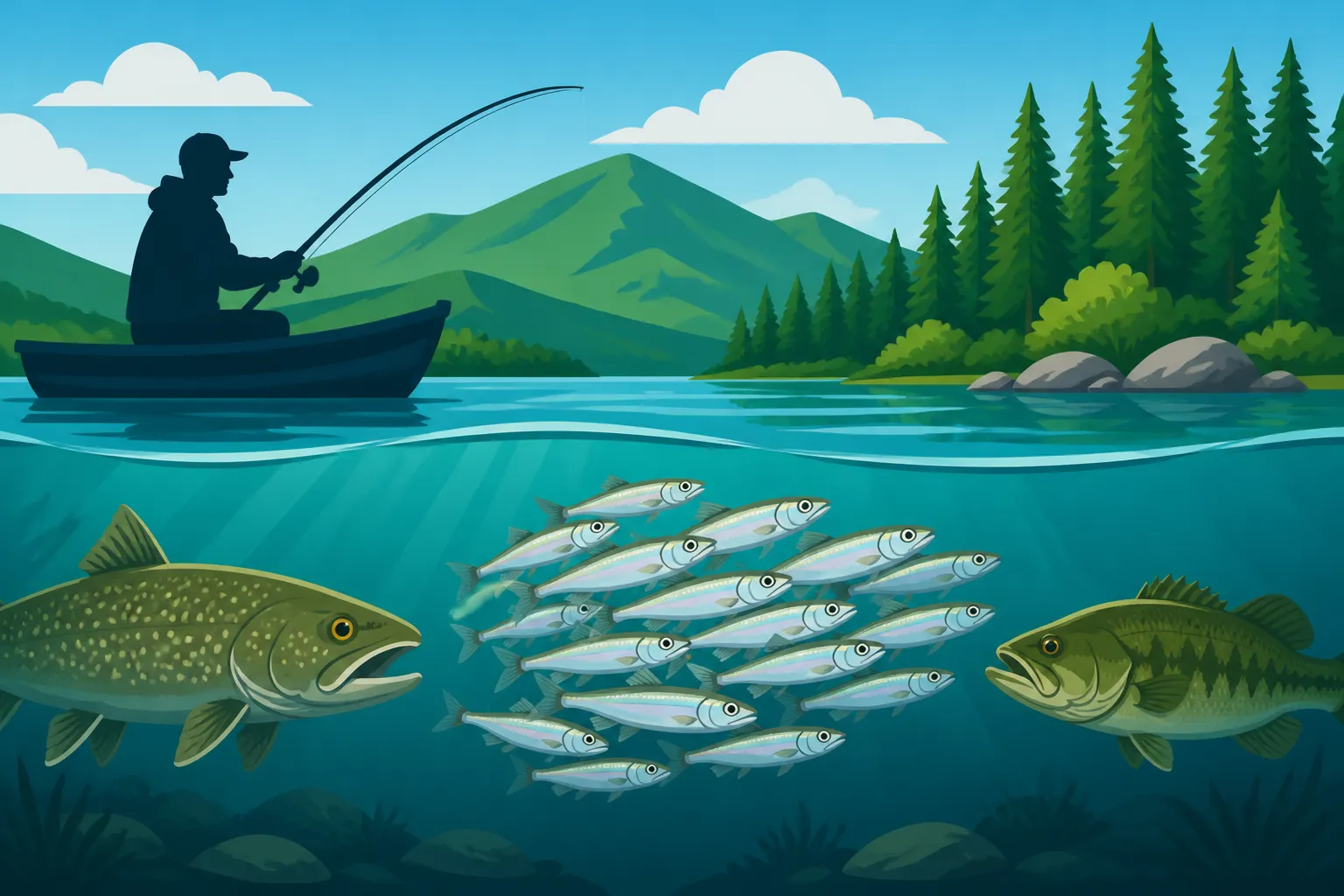
Imagine a pyramid where the base is made up of microscopic plankton and the very top is a massive lake trout. Rainbow smelt are like a critical middle layer, efficiently consuming those tiny plankton and then, in turn, becoming a high-energy food source for much larger fish. They are packed with fat and protein, essentially a perfect meal for a growing predator. This is especially true in oligotrophic (nutrient-poor, clear, cold) lakes where other large baitfish might be scarce.
Their schooling behavior also makes them an incredibly efficient food source. A predator doesn't have to chase down individual minnows; instead, it can slash through a dense school of smelt and grab several at once. This energy efficiency is crucial for the growth and survival of species like lake trout and landlocked salmon, which require a substantial caloric intake to reach their impressive sizes. What rainbow smelt are and why they matter to salmon cannot be overstated; they are often the primary driver of growth and condition for these salmonids. Without them, these apex predators would have to expend far more energy to find food, leading to slower growth rates and potentially smaller populations.
The Ripple Effect: How Smelt Populations Impact Predator Fish
The health and abundance of rainbow smelt directly dictates the health and abundance of many of our most sought-after game fish. When smelt populations are thriving, you often see fatter, healthier, and larger game fish. Conversely, a decline in smelt can lead to a cascade of negative effects throughout the ecosystem.
For instance, consider Lake Champlain's walleye fishery. While walleye eat a variety of things, when smelt are abundant and available, they become a prime target. The same goes for lake trout in Lake Willoughby or landlocked salmon in Lake Memphremagog. If smelt numbers drop, these predators might shift their diet, potentially increasing pressure on other, less resilient baitfish species, or simply grow slower due to a less optimal food source. Anglers would notice this as fewer bites, smaller fish, and perhaps less vibrant fisheries overall. The stability of the smelt population provides a consistent, high-quality food base that allows trophy fish to develop. This interconnectedness is why biologists closely monitor smelt numbers when evaluating the health of our larger lake fisheries and when planning stocking programs for game fish.
The Intricate Life Cycle of Vermont's Rainbow Smelt
Understanding the life cycle of rainbow smelt isn't just a biological curiosity; it offers invaluable insights for anglers. Knowing when and where these fish are most vulnerable, or concentrated, can directly inform your fishing strategies for the species that prey upon them.
Spawning Migrations: A Springtime Spectacle
For many Vermonters, the annual rainbow smelt run is a traditional springtime event, often coinciding with ice-out or shortly thereafter. As the water temperatures in their lake habitats begin to rise, typically in April or early May, mature smelt embark on their spawning migrations. This is a truly remarkable event where vast schools of smelt leave the deep, open waters of the lakes and move into the shallower areas, often ascending rivers and streams, or concentrating along rocky shorelines.
They're not picky about their spawning grounds; any clean gravel, rock, or even vegetation in shallow, flowing water will do. The females release their sticky eggs, which adhere to the substrate, and the males then fertilize them. This entire process usually happens under the cover of darkness, making night runs a popular (and often frigid) activity for those looking to catch smelt themselves. These spawning migrations are intense and relatively short-lived. Once the eggs are laid, the adult smelt quickly retreat back to the deeper, colder parts of the lake. This concentration of smelt in predictable, shallow areas is a huge boon for predators, offering an easy feast and often kicking off the spring feeding frenzy for species like pike, pickerel, and even early-season trout and salmon looking for a quick meal.
Early Life and Growth in Vermont Waters
After the eggs are laid, they typically hatch within a couple of weeks, depending on water temperature. The newly hatched smelt larvae are tiny and drift with the currents. They spend their earliest days feeding on minute plankton, growing rapidly. As they mature into juvenile smelt, they begin to exhibit the schooling behavior characteristic of the species and move into slightly deeper waters, though still often shallower than the adult populations.
Their growth rate is influenced by food availability and water temperatures. In a healthy lake with abundant plankton, smelt can grow quickly, reaching a size where they become a significant food source for predators within their first year. They typically reach sexual maturity around two to three years of age, at which point they'll join the spawning migrations themselves. The cycle then repeats. This continuous supply of young smelt throughout the summer and fall is vital, as it provides a sustained food source for predator fish, preventing boom-and-bust cycles in their feeding. Knowing that these younger, smaller smelt are present throughout the season means predators have a constant food supply, which is key for How to catch landlocked salmon in Vermont and other species through the warmer months.
Anglers and Smelt: How This Forage Fish Influences Your Fishing Success
Forage fish are called that for a reason: they are foraged upon. And understanding this fundamental relationship is one of the most powerful tools an angler can have. Rather than simply hoping for a bite, you can actively strategize based on smelt behavior.
Mimicking Smelt: Lures and Techniques for Predator Fish
The primary goal for many anglers targeting lake trout, landlocked salmon, walleye, and even larger bass is to "match the hatch" – or in this case, match the forage. Since rainbow smelt are often the dominant baitfish in coldwater lakes, lures that imitate their size, shape, and flash are incredibly effective.
Think about the classic slim profile of a smelt. Lures like slender spoons, stickbaits, and soft plastic swimbaits are designed to mimic this profile. Colors should often be silver, chrome, white, or light blue to imitate their iridescent flanks. When fishing for Lake Trout Fishing in Vermont or Landlocked Salmon Fishing in Vermont, trolling these types of lures at depths where smelt are schooling can be incredibly productive. Brands like Rapala, Acme, and even some of the more artisanal lure makers, offer excellent smelt-imitating options. On Amazon, you can find a vast array of these "smelt-imitator" lures, from trolling spoons to jerkbaits, that are perfect for Vermont's deep lakes.
For jigging, especially in winter during Ice Fishing in Vermont, or when targeting suspended fish, vertical jigs or blade baits can be highly effective. The idea is to make your lure flash and dart like a startled smelt. Even fly anglers get in on the action with streamers designed to look like smelt. These flies, often called "smelt patterns," feature long, slender bodies and plenty of flash, mimicking the real thing as they're stripped through the water. The key is presentation – whether trolling, casting, or jigging – make that lure look like a distressed or fast-moving smelt, and you'll often trigger a strike.
Timing Your Trips: Understanding Smelt Behavior for Better Catches
Beyond just lure selection, understanding smelt behavior helps you pinpoint the best times and places to fish. Remember their diurnal migration? Predator fish know this pattern well. In the low light of dawn and dusk, when smelt are moving higher in the water column to feed, predator fish often follow. This makes early morning and late evening prime times for targeting species like Walleye Fishing on Lake Champlain or Muskellunge Fishing on Lake Memphremagog, as the smelt are more accessible.
During the daytime, when smelt retreat to deeper, darker waters, the predators are usually right there with them. This means you might need to use downriggers or heavy jigs to get your offerings down to where the action is. After ice-out, when smelt are running up tributaries to spawn, the mouths of those rivers and the immediate surrounding lake areas become hotspots. Anglers targeting pike, pickerel, and even large trout will concentrate their efforts there, knowing that the smelt provide an easy meal.
Consider this table comparing how smelt behavior impacts angling tactics:
| Smelt Behavior/Location | Typical Timeframe | Predator Fish Targeted | Angling Tactic | Key Lure Characteristics |
|---|---|---|---|---|
| Deep, Suspended Schools | Mid-day, Summer | Lake Trout, Salmon, Walleye | Deep Trolling, Vertical Jigging | Long, slender spoons; heavy jigs; dark/natural colors |
| Moving to Shallows/Surface | Dawn/Dusk, Summer | Smallmouth Bass, Walleye, Pike | Topwater, Jerkbaits, Trolling | Surface poppers, stickbaits; silver/chrome/white |
| Spawning Runs (Tributaries/Shorelines) | Early Spring | Pike, Pickerel, Large Trout, Salmon | Casting, Still Fishing, Trolling (near mouths) | Large spoons, jerkbaits; bright or natural colors |
| Under Ice (Deep Schools) | Winter | Lake Trout, Walleye, Perch | Jigging, Tip-ups | Small jigs, blade baits; glow or silver |
By putting yourself where the smelt are, and using presentations that mimic them, you significantly increase your chances of connecting with Vermont's trophy fish. This is the essence of effective fishing in our smelt-driven lakes.
Challenges and Conservation: Protecting Vermont's Vital Smelt Populations
While rainbow smelt are incredibly resilient, they are not immune to environmental pressures. Maintaining healthy smelt populations is a crucial aspect of overall fishery management in Vermont, impacting everything from ecological balance to recreational angling.
Environmental Factors Affecting Smelt Numbers
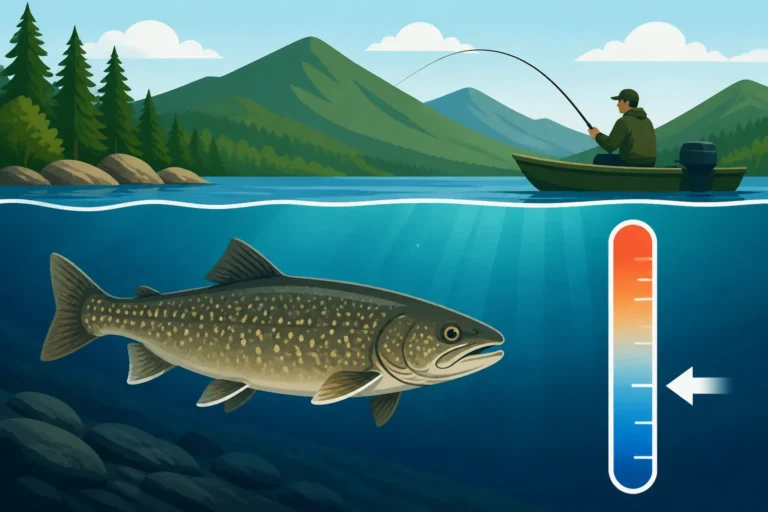
Several environmental factors can influence the abundance of rainbow smelt in Vermont's lakes. Water temperature is a major one; smelt are a coldwater species, and prolonged periods of unusually warm lake temperatures, particularly in deeper waters, can stress populations and impact their reproductive success. Climate change, with its potential for warmer waters and altered precipitation patterns, poses a long-term threat to these fish.
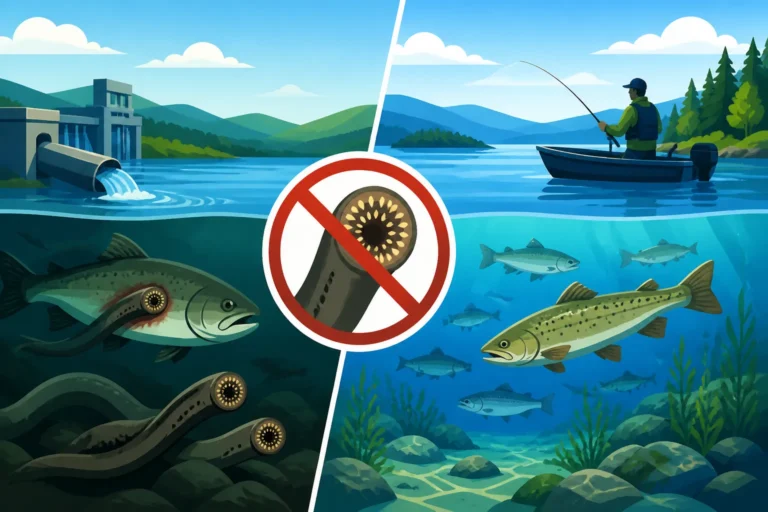
Water quality is another critical aspect. Smelt require clean, well-oxygenated water, especially during their sensitive spawning phases in tributaries. Runoff from agricultural or developed areas can introduce pollutants and sediment, degrading spawning habitats and harming eggs or larval smelt. The introduction of invasive species, such as alewives or zebra mussels, can also have indirect impacts. Alewives, for instance, are another pelagic (open-water) baitfish that compete with smelt for food and can even prey on smelt larvae. Zebra mussels, while not directly harming smelt, can alter the food web by filtering plankton, potentially reducing the food available for young smelt.
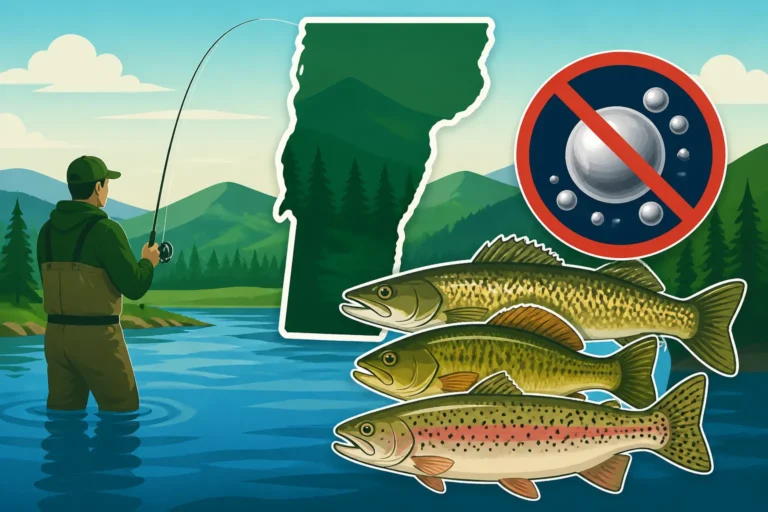
Understanding these threats helps us appreciate the delicate balance of lake ecosystems and why conservation efforts are so vital. When planning your fishing trips, always be mindful of Vermont Fishing Regulations Explained which often include rules designed to protect the overall health of the ecosystem.
Balancing the Ecosystem: Managing Smelt for a Healthy Fishery
Given their foundational role, managing smelt populations is a significant part of ensuring healthy game fish populations in Vermont. The Vermont Fish and Wildlife Department monitors smelt numbers through various surveys, using the data to inform decisions about predator fish stocking and overall lake health. If smelt numbers appear to be declining in a particular lake, managers might adjust stocking levels for lake trout or salmon to prevent over-predation on the dwindling forage base.
Conservation efforts often focus on protecting and restoring spawning habitats. Ensuring that the streams and shorelines used by smelt for spawning remain free of obstructions, pollution, and excessive development is paramount. For anglers, this means practicing responsible angling, minimizing disturbance during spawning periods, and adhering to regulations. While a certain amount of recreational smelt dipping is part of Vermont's tradition, it's generally managed to ensure sustainable harvest that doesn't significantly impact the overall population. The goal is always to strike a balance: allowing natural ecological processes to thrive, providing ample forage for our cherished game fish, and sustaining opportunities for anglers to enjoy Vermont's incredible fishing heritage. Vermont Fish Stocking Search Tool, Explained can give you an idea of how many game fish are being put into certain waters, which often correlates to the perceived health of the forage base in those lakes.
Disclaimer
This article is for general informational purposes only and does not constitute professional advice. Laws, prices and regulations vary by location and change over time. Consult a qualified professional for guidance on your specific situation.