Vermont fishing access area parking permit rules
It can be incredibly frustrating to plan a perfect fishing trip to one of Vermont's stunning lakes or rivers, only to arrive at the access area and find yourself scratching your head about parking rules. The last thing any angler wants is a ticket or, worse, their vehicle towed, all because they weren't clear on the local requirements. This comprehensive guide is here to untangle all the complexities surrounding parking permits for Vermont's fishing access areas, ensuring your next outing is smooth sailing from start to finish.
Understanding Vermont's Fishing Access Area System
Imagine waking up before dawn, the air crisp with the promise of a beautiful Vermont morning. You’ve got your gear packed, coffee in hand, and a prime fishing spot in mind. You pull into the parking lot of a public boat launch, only to see a sign talking about permits. It’s a moment that can instantly deflate your excitement. This frustration is real, and it often stems from not fully understanding the system.
Why Parking Rules Exist
Vermont is renowned for its incredible natural beauty and abundant fishing opportunities, from the vast waters of Lake Champlain to the tranquil mountain streams. With so many folks eager to enjoy these resources, managing access becomes absolutely essential. The Vermont Fish & Wildlife Department (VFWD) maintains a network of designated fishing and boating access areas across the state. These spots are built and maintained specifically to give us, the anglers and boaters, easy and safe ways to get to the water.
The parking rules and permit requirements aren't there to make our lives harder, even though it can certainly feel that way sometimes! Instead, they serve several crucial purposes. First, they help manage traffic flow and prevent overcrowding, especially during peak seasons like summer weekends or the frantic rush of trout opening day. Without some form of regulation, these popular spots could quickly become chaotic, damaged, or even unsafe. Second, the revenue generated from permits, or implicitly through fishing license sales, helps fund the ongoing maintenance, improvements, and even the expansion of these access areas. Think about the well-maintained boat ramps, clean facilities, and clear signage – that all costs money, and our contributions help keep it going. It ensures that these vital points of access remain available and in good condition for generations of anglers to come.
What Qualifies as a "Fishing Access Area"?
When we talk about "fishing access areas" in Vermont, we're specifically referring to those properties managed and maintained by the Vermont Fish & Wildlife Department. These are distinct from, say, a town beach with a small dock, or a pull-off along a riverbank that might be informal public access.
Typically, an official VFWD fishing access area will feature a paved or gravel parking lot, often with spaces designated for vehicles with trailers. You'll usually find a concrete boat ramp, making it easy to launch everything from a hefty bass boat to a modest aluminum skiff. For shore anglers, these areas often include clear paths or designated spots to cast a line without trespassing. You'll almost always see clear signage indicating it's a "Vermont Fish & Wildlife Access Area" at the entrance.
It’s important to remember that not every public access point you encounter falls under this specific VFWD umbrella. For example, many Vermont State Parks offer excellent fishing opportunities and boat launches, but they operate under their own fee structures and rules. You might pay a day-use fee to enter a state park, which covers your parking, rather than needing a separate fishing access permit. Similarly, some towns maintain their own municipal launches, which might be free, require a town sticker, or operate on a meter system. Always keep an eye out for official VFWD signs – they’re your best clue as to which rules apply! The VFWD website is an excellent resource for locating these specific access points and understanding their facilities.
The Nitty-Gritty of Parking Permits and Fees
This is where the rubber meets the road, or rather, where your tires meet the pavement and you wonder if you’re allowed to stay. It’s arguably the most confusing part for many people, but once you understand the core principle, it becomes much clearer.
Do I Always Need a Permit to Park?
Here's the direct answer, and it might surprise some: No, you don't always need a separate parking permit if you already hold a valid Vermont hunting or fishing license.
This is the golden ticket for most dedicated anglers. If you've gone through the process of getting your Vermont Fishing License Guide for 2026, whether it's an annual resident license, a non-resident multi-day permit, or a combination hunting and fishing license, you've already covered your parking fees for designated VFWD fishing access areas. Your valid license acts as your permit. The state figures if you're licensed to fish or hunt, you're contributing to the outdoor recreation fund, and that covers your use of these specific facilities.
However, this is where the nuance comes in. If you're visiting an access area but aren't going to fish or hunt – maybe you're dropping off an angler, or perhaps you just want to launch a kayak and you don't have a license – then yes, you would need a specific access area parking permit. This scenario often catches people off guard, especially those who enjoy other forms of water recreation like paddling or bird watching but don't happen to be anglers.
It’s also crucial to remember that this "license-as-permit" rule applies only to official Vermont Fish & Wildlife Department access areas. It does not apply to state parks (which have their own fees), private marinas, or municipal launches (which might have their own local rules). So, while your fishing license is your parking pass at many prime spots, always be aware of the specific signs at your chosen destination. Understanding the nuances of How Much Does a Vermont Fishing License Cost can also help you determine if it’s more cost-effective to simply get a license if you plan on using these access areas frequently.
Purchasing a Standalone Fishing Access Parking Permit
So, what if you find yourself in that situation where you need to park at a VFWD access area, but you don’t have a valid Vermont hunting or fishing license? No worries, the state has a solution: the annual Fishing Access Area Parking Permit.
You can purchase this permit directly from the Vermont Fish & Wildlife Department website, or sometimes through various license agents and vendors throughout the state. It's typically an annual permit, meaning it's valid for a full calendar year. While the specific cost can vary slightly from year to year, it’s designed for those who aren't engaging in licensed activities but still want to utilize these valuable public access points for other water-based recreation. A quick search on the VFWD website will give you the most current pricing for this standalone permit.
Compared to purchasing a fishing license, this permit is often a bit less expensive. However, if you have any intention of fishing, even for just a single day, it almost always makes more sense to buy a short-term or annual fishing license. For instance, the cost of a Vermont nonresident 1-day fishing license cost might be comparable to a parking permit, and then you get to actually fish! For residents, the difference between an annual fishing license and just a parking permit is usually negligible, making the fishing license the better value proposition.
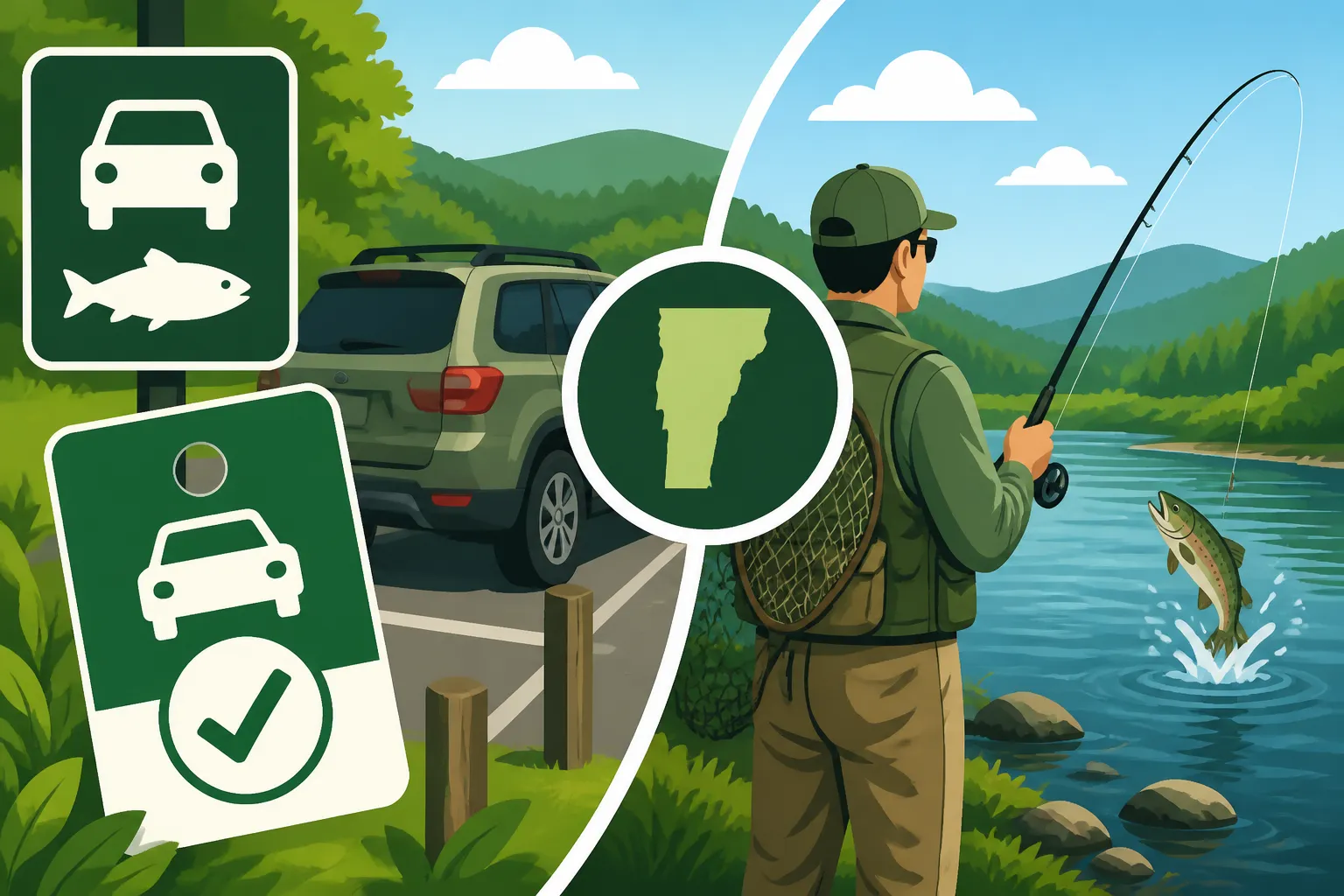
Once you have this standalone permit, it’s essential to display it correctly. These permits are usually stickers designed to be affixed to the inside of your vehicle’s windshield, in a spot where it’s clearly visible to anyone checking the parking lot. This allows enforcement officers to easily confirm your compliance without having to track down vehicle owners.
Exceptions and Special Cases
Vermont, like any state with a robust outdoor recreation system, has a few layers of rules. While your fishing license generally covers VFWD access area parking, there are important exceptions to keep in mind so you don't get caught off guard.
State Parks and Their Unique Rules
As mentioned, Vermont State Parks operate under a different set of guidelines. If you're heading to a lake or pond that's within a state park, such as Silver Lake State Park or Elmore State Park, you'll typically encounter a gatehouse and a day-use fee. This fee grants you access to the park's amenities, including their boat launches and parking, but it's separate from your fishing license. Even if you have a valid fishing license, you'll still need to pay the state park entrance fee or use a Vermont State Parks season pass. Always check the individual state park's website before you go to avoid any surprises.
Private Lands with Public Access Easements
Sometimes, you'll find fishing access points that aren't formal VFWD sites or state parks. These might be areas where the state or a conservation organization has secured an easement across private land to allow public access to a river or lake. Parking arrangements in these spots can vary wildly. Some might have designated, free parking areas, while others might be informal pull-offs where you need to be extremely mindful not to block private driveways or farm access. Look for specific signage here, as the rules might be dictated by a local land trust, the town, or even a generous private landowner. When in doubt, it’s always best to find an alternative or seek clarification from a local authority.
Municipal Access Points
Many towns across Vermont, especially those situated on popular lakes and rivers, maintain their own boat launches and fishing access points. Burlington, for example, has several access points on Lake Champlain. These municipal areas often have their own parking regulations. Some might be free, others might require a town-specific parking sticker (usually for residents), and some might even have metered parking, especially in more urban areas. Don't assume your state fishing license or even a VFWD parking permit covers these. A quick check of the town's website or local signage upon arrival is always a good idea.
Free Fishing Weekends
Vermont does offer a fantastic opportunity each year with its Vermont Free Fishing Weekend Dates, where residents and non-residents alike can fish without a license. This is a brilliant initiative to introduce new anglers to the sport. However, it's crucial to understand that while the license requirement for fishing is waived, the parking rules for designated VFWD access areas generally still apply. So, if you're using a VFWD access area during a free fishing weekend and you don't otherwise hold a valid fishing license (or a standalone parking permit), you would still need to purchase that access area parking permit to avoid a fine. Always keep an eye on the VFWD's official announcements for these weekends, as they will clarify any specific exceptions to parking rules.
Displaying Your Permit and Consequences of Non-Compliance
So, you've got your fishing license, or maybe that standalone access area parking permit. Great! But merely having it isn't enough; you need to make sure it's properly displayed. This might seem like a small detail, but it's a big deal to the folks enforcing these rules, and it can save you a heap of trouble.
Proper Display of Your License or Permit
If you're using a physical access area parking permit (the kind you buy if you don't have a fishing license), it almost always comes as a sticker that needs to be permanently affixed to your vehicle's windshield. The VFWD typically specifies a location, like the lower corner of the driver's side or passenger's side, where it's easily visible from outside the vehicle. The goal here is simple: allow a warden or parking enforcement officer to quickly glance at your car and confirm that you're compliant without having to get out their clipboard or bother you.
Now, if your valid Vermont fishing or hunting license is serving as your parking permit, things are a little different. You don't affix your license to your windshield! Instead, the expectation is that you have your license on your person, ready to present if asked. Vermont Fish & Wildlife wardens have access to a database that allows them to look up your license status based on your vehicle's license plate. However, it's always, always best practice to have your physical fishing license or proof of a digital license readily accessible. You can learn more about the options in Printing or Carrying a Digital Fishing License in Vermont. Keep it in your wallet, in a waterproof bag if you're wading, or even a clear plastic sleeve in your glove compartment. While the wardens can verify your license electronically, having it visible saves everyone time and avoids potential misunderstandings, especially if cell service is spotty at a remote access area.
It's also worth noting that in many cases, enforcement patrols are quite frequent, especially at popular access points during peak seasons. These officers are often looking for more than just parking compliance; they’re also checking for adherence to Vermont Fishing Regulations Explained and ensuring everyone is acting responsibly.
Penalties for Parking Without a Valid Permit
Nobody wants to come back to their car after a peaceful morning of fishing only to find a ticket under their wiper. The penalties for parking without a valid permit at a designated Vermont Fish & Wildlife access area can range from a monetary fine to, in severe cases, your vehicle being towed.
While specific fine amounts can vary and are subject to change, expect a penalty that's considerably more than the cost of an annual fishing license or parking permit. These fines are often designed to be a deterrent, making it far more economical to simply comply with the rules from the start. For example, a parking violation could set you back a hundred dollars or more, far outweighing the typical cost of an annual fishing license. Remember, ignorance of the law is rarely an excuse that holds up in court.
In situations where a vehicle is parked illegally and obstructs access (e.g., blocking a boat ramp, taking up multiple spaces for a single vehicle, or parking outside of designated areas), the VFWD or local law enforcement has the authority to have the vehicle towed. This is not only a massive inconvenience but also comes with hefty towing and impound fees, easily running into several hundred dollars.
It’s important to see these penalties not just as punishment, but as a mechanism to ensure the sustainability and usability of our shared resources. The funds collected from fines often go back into the state's Fish & Wildlife Fund, which directly supports the maintenance of these access areas, fish stocking programs, and other conservation efforts. So, while a ticket is never fun, understanding that it contributes to the greater good of Vermont fishing might soften the blow slightly. However, it's always best to avoid it altogether by being prepared! Don't forget that Fishing Without a License in Vermont: Penalties can also apply if you're fishing without a valid license, so double-check all your paperwork.
Making Your Trip Easier: Tips and Resources
Planning is your best friend when it comes to enjoying Vermont's fishing opportunities without a hitch. A little preparation goes a long way in ensuring your focus stays on the fish, not on parking woes.
Planning Ahead with the Vermont Fish & Wildlife Department
The Vermont Fish & Wildlife Department is our primary source of truth for all things fishing-related in the state. Their website is an invaluable tool for planning your trips. Before you head out, make it a habit to check their "Fishing Access Areas" section. Here, you can find detailed information about specific boat launches, shore access points, and their associated parking rules. Many listings include maps, directions, and descriptions of facilities, helping you gauge if a particular spot is suitable for your boat size or fishing style.
If you're ever unsure about the rules for a particular location, don't hesitate to reach out to a local VFWD office. The wardens and staff are incredibly knowledgeable and are there to help anglers understand and comply with regulations. It’s always better to ask a quick question than risk a citation.
For those of us who love to chase stocked trout, the VFWD website also hosts the fantastic How to use the Vermont fish stocking search tool. This tool not only tells you which waters have been stocked but often links directly to the nearest official VFWD access points. This is a brilliant way to plan a fishing excursion, ensuring you know exactly where to go and that parking will be covered by your license.
Essential Gear and Supplies for a Smooth Trip
Beyond your rod, reel, and tackle, having the right auxiliary gear can make your trip much smoother, especially when navigating access areas and spending time on the water.
Firstly, think about how you'll keep your catch fresh. A sturdy Best Cooler for a Fishing Boat is indispensable, whether you're bringing home a limit of panfish or keeping your lunch cool on a hot day. Many anglers opt for brands known for their ice retention, ensuring your bounty stays perfectly chilled until you get home. You can find a wide range of reliable coolers on Amazon, from compact personal sizes to large marine models.
If you're launching a kayak or canoe, or if you plan on wading, protecting your valuables is paramount. A good Best Dry Bag for Kayak Fishing is a must-have for keeping your phone, wallet, keys, and even your digital fishing license safe and dry. These come in various sizes and are easily purchased from outdoor retailers or online platforms like Amazon. Nothing ruins a day faster than a waterlogged phone!
For those who love to get out of the boat and into the stream, proper footwear is critical. Investing in a quality pair of Best Wading Boots for Rocky Streams will provide the grip and support you need on slippery rocks and uneven streambeds, making your wading experience safer and more enjoyable. Combined with a reliable pair of waders, you’ll be ready for almost any conditions.
And finally, always, always carry a copy of the official Vermont Fishing Regulations Explained manual, either a physical copy or a digital version on your phone. Regulations can change, and having the current rules at your fingertips can prevent accidental violations. Familiarize yourself with the Vermont Boating Laws for Anglers too, especially if you're using a motorized vessel, as these regulations are strictly enforced.
By combining careful planning with the right gear, you can ensure that your focus remains squarely on the joy of fishing, rather than the logistics of parking and compliance.
Quick Reference for Vermont Fishing Access Parking
To help keep everything straight, here's a handy table summarizing the key parking permit scenarios for Vermont's fishing access areas.
| Scenario | Parking Permit Required? | How to Obtain/Comply | Notes |
|---|---|---|---|
| You have a valid VT Fishing/Hunting License | No, license acts as permit | Display license prominently (if physical) or have ready for inspection | This is the most common scenario for active anglers and hunters. |
| You do NOT have a VT Fishing/Hunting License | Yes, specific permit required | Purchase Annual Access Area Parking Permit from VFWD | For non-anglers or those just using the launch facility for other recreation. |
| Parking at a Vermont State Park | Usually, separate fee | Pay park entrance fee or use a Vermont State Parks season pass | Rules vary by park; always check directly with the specific state park before visiting. |
| Parking at a Municipal Launch (e.g., town-owned) | Varies, check local signage | May be free, require local town sticker, or metered parking | Often specific to local town residents or users; state licenses typically do not apply. |
| During Vermont Free Fishing Weekend Dates | Yes (unless specified otherwise by VFWD) | License requirement for fishing waived, but parking permit rules generally still apply | Always double-check VFWD announcements for any specific exceptions to parking rules during these events. |
Disclaimer
Please be aware that fishing regulations and associated permit requirements, including parking rules, can change. While every effort has been made to provide accurate and up-to-date information, it is always your responsibility to consult the most current Vermont Fish & Wildlife Department regulations before engaging in any fishing or boating activity.