Best ice shanty for a family outing
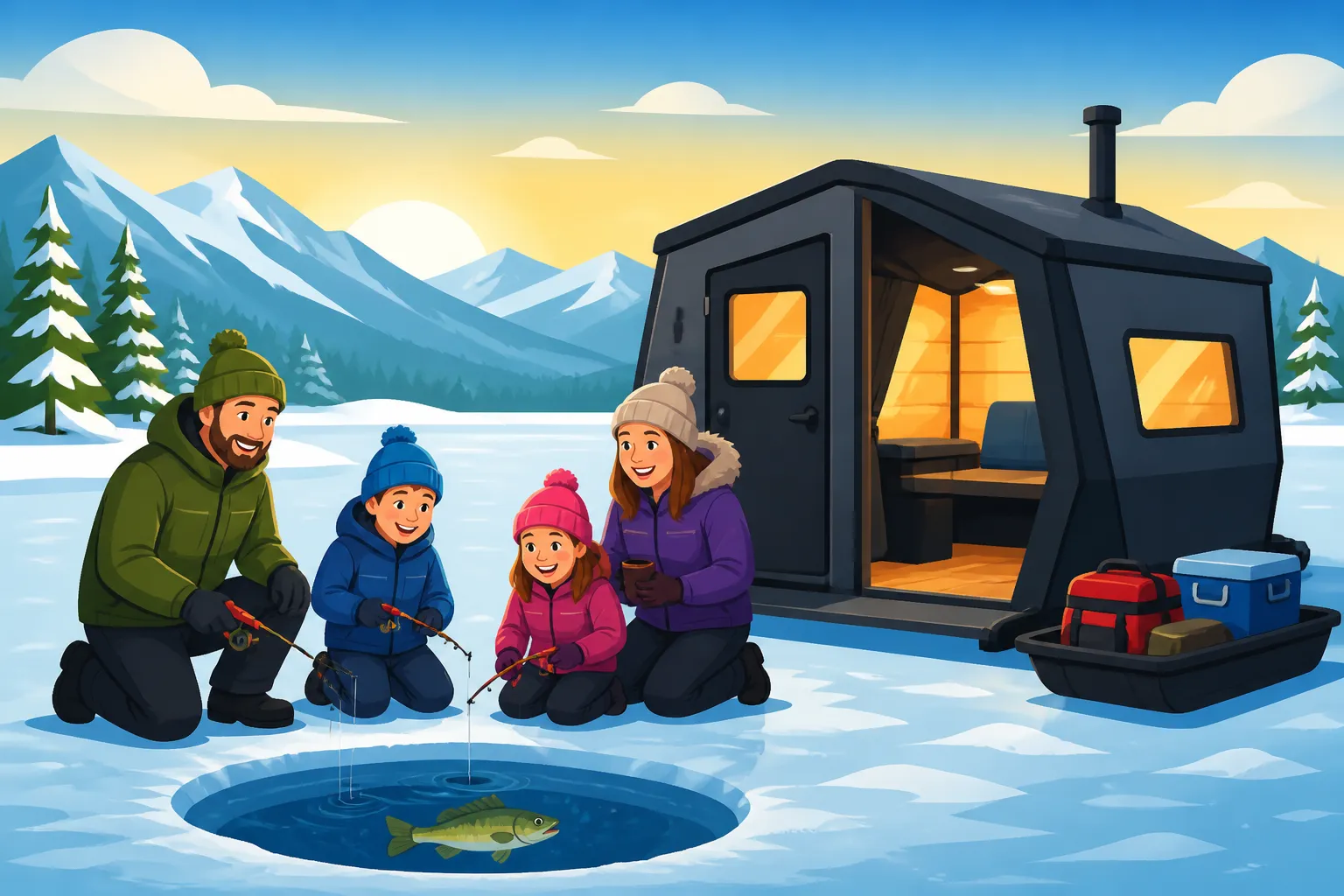
There's nothing quite like the crisp air of a Vermont winter, with a fresh blanket of snow turning the landscape into a wonderland. For many of us, that means hitting the ice for some hard water fishing! But if you're like me, and you love bringing the whole crew along – kids, grandparents, even the family dog – you know that a successful family outing hinges on one thing: comfort. Cramming everyone into a tiny, drafty shanty is a recipe for cold toes and short tempers. This guide is all about finding that perfect ice shanty that transforms your family's ice fishing trip from a chilly chore into a cherished memory.
Why a Family Ice Shanty Needs to Be Different
When you're heading out solo or with just one fishing buddy, you can get away with a pretty minimalist setup. A small, lightweight pop-up or even just an open sled might suffice if you're toughing it out for a few hours. But add a couple of energetic kids, maybe a spouse who appreciates a bit more warmth, and suddenly your needs shift dramatically. It's not just about fitting everyone; it's about providing a space where everyone can be comfortable, safe, and actually enjoy the experience, rather than just enduring it.
More Than Just Space: The Comfort Factor
Think about it: kids have shorter attention spans and get cold much faster than adults. If they're shivering, bored, or constantly bumping into each other, your peaceful fishing day will quickly devolve into a parental negotiation session. A good family shanty provides enough room for everyone to spread out, fish their own holes without tangled lines, and even have a little corner for snacks or games. It's about creating a miniature cozy cabin on the ice.
We're talking about being able to stand up and stretch, which is huge for morale on a long day. Imagine trying to help a little one with a snagged line while you're hunched over in a tiny space – it's just not practical. The comfort factor extends to things like having a designated spot for the heater so it's not a tripping hazard, or enough floor space that you're not constantly stepping on someone's lunch cooler. It makes a huge difference in how long your family will want to stay out there, turning a quick stop into a full day adventure.
Safety First: Especially with Little Ones
Ice fishing, while incredibly fun, does come with inherent risks, especially when kids are involved. A good family shanty helps mitigate some of these. First and foremost, a sturdy shanty provides a visual landmark on the ice, making it easier for everyone to find their way back if they wander off for a bit (always with supervision, of course!). More importantly, it offers a contained, warm environment where you can keep an eye on everyone.
Inside, the right shanty provides a space to manage hazards like portable heaters, augers, and sharp hooks. You can set up a heater safely away from flammable materials and curious little hands. It also gives you a place to quickly warm up cold fingers and toes, preventing frostbite. When you're out there, especially in the variable Vermont weather, having a reliable shelter is crucial for peace of mind. You need to know that if a sudden squall blows in, or someone takes an unexpected tumble in the slush, you have a warm, dry refuge waiting for them. Always remember to check How thick ice needs to be for Vermont anglers to walk on it before venturing out.
Key Features to Look for in a Family Ice Shanty
So, you're convinced you need a family-friendly shanty. Great! But walking into a Bass Pro Shops or browsing online at Amazon can feel overwhelming with all the options. Let's break down the most important features to keep in mind when you're shopping for that perfect home away from home on the ice.
Ample Space and Headroom
This is probably the most critical factor for a family outing. You need enough square footage to comfortably seat everyone, fish multiple holes, and have room for gear, food, and a heater. Look at the dimensions carefully. How many people is it rated for? If it says "4-person," remember that's usually 4 anglers packed in, not 4 people with all their winter gear, lunchboxes, and stretching room. For a true family outing with kids, I often recommend going one size up from what you think you need. A "6-person" shanty might be perfect for a family of four, allowing everyone room to breathe and relax.
Headroom is equally important. Being able to stand up straight, especially for taller adults, makes the day infinitely more enjoyable. Imagine trying to re-tie a knot or help a child land a fish while ducking your head for hours on end – it gets old fast. Look for peak heights that are at least 70-80 inches (around 6 to 6.5 feet) or more. This allows adults to stand fully upright and kids to run around without bumping their heads, making the shanty feel much larger and less claustrophobic.
Insulation and Wind Resistance
Vermont winters can be brutally cold and windy, and nothing sours an ice fishing trip faster than a drafty shanty. Insulation is your best friend. Look for models with thick, durable fabric, often denoted by terms like "thermal" or "insulated." These shanties usually have multiple layers of fabric, sometimes even a quilted interior, designed to trap heat and block wind. While they might be a bit heavier, the warmth they provide is invaluable.
Wind resistance is also paramount. You don't want your shanty flapping violently or, worse, collapsing in a strong gust. Look for sturdy poles and strong hub designs. Some shanties come with ice anchors and tie-down ropes, which are essential for securing your shelter. Don't skimp on this feature – a well-insulated, wind-resistant shanty will keep your family comfortable even when the thermometer dips and the wind howls. This means less time worrying about keeping warm and more time focusing on catching fish.
Ease of Setup and Portability
Let's be real, wrangling kids and gear onto the ice is already a production. The last thing you need is a complicated, frustrating shanty setup. For families, pop-up or hub-style shanties are generally the easiest to deploy. They're designed to expand quickly with minimal effort, often in just a minute or two. This means less time fumbling with poles in the cold and more time getting those lines in the water.
While large family shanties won't be as lightweight as solo models, look for features that aid portability. A durable carrying bag with shoulder straps or even wheels can make a huge difference in getting your shanty from the car to your fishing spot. If you're using a snowmobile or ATV, ensure the shanty packs down compactly enough to be easily transported. Remember, the easier it is to get out there and set up, the more likely you are to go!
Ventilation and Heating Options
Keeping warm is key, but so is good ventilation. When using a propane heater inside your shanty, carbon monoxide is a serious concern. Look for shanties with multiple zippered windows or vents that allow for adjustable airflow. It's vital to always provide some ventilation when running a heater. This is non-negotiable for safety.
Speaking of heaters, while the shanty itself won't come with one, consider how a heater will fit inside. Does it have enough clear space around it? Are there loops or pockets to keep propane tanks secure and upright? Many family-sized shanties are designed to accommodate popular portable propane heaters like those made by Mr. Heater, which are a common choice for their efficiency and safety features (like tip-over shut-off). Always bring a portable carbon monoxide detector – it's a small investment that could save lives.
Floor Options and Durability
Some ice shanties come with a floor, while others are floorless. For a family, a floor can be a fantastic feature for added warmth and cleanliness, especially for little ones who might be sitting or playing on the ice. A floor means less slush getting tracked in and better insulation from the cold ground. However, a floor also means you'll need to cut your holes through the floor, or reposition the shanty after drilling, so consider your fishing style.
Regardless of the floor situation, durability is crucial. The fabric should be tough enough to withstand punctures from augers or ice cleats. Reinforced corners and strong zippers are indicators of good quality. You want a shanty that will last for many seasons of family fun, not one that will start fraying after a couple of trips. Reading user reviews on sites like Amazon can be really helpful here, as people often share their experiences with a shanty's long-term durability.
Types of Family Ice Shanties: Pop-Up vs. Hub vs. Cabin
When you're sifting through options for a family ice shanty, you'll generally encounter three main categories: pop-up, hub, and cabin/permanent shanties. Each has its pros and cons, especially when considering a group outing in Vermont.
Pop-Up (Portable) Shanties
Pop-up shanties are the most common choice for families who want portability without sacrificing too much space. These are designed for quick deployment, usually collapsing into a compact sled or bag for transport. Many feature benches or seats integrated into the sled base, offering a ready-made seating arrangement.
Pros for Families:
- Quick Setup: Many models can be set up in mere minutes, which is fantastic when you have impatient kids or are battling cold winds. You just pull them out, pop them open, and you're ready to fish.
- Integrated Seating/Sled: The sled base often doubles as seating and a place to store your gear during transport. This means fewer items to carry separately.
- Good Portability: While larger than solo models, they are generally designed to be towed by hand, snowmobile, or ATV, making them accessible for various fishing spots.
- Insulation Options: Many pop-up models come with excellent thermal insulation, keeping the interior toasty even on frigid days.
Cons for Families:
- Limited Standing Room: While some models offer decent head height, the "flip-over" style often has sloped roofs, which can restrict standing room, especially for taller adults.
- Weight: They can be quite heavy due, especially the larger, fully insulated models with integrated sleds. Hauling them across deep snow can be a workout.
- Footprint: While offering good interior space, their overall footprint can be a bit large, requiring more open ice.
Ideal for: Families who prioritize quick setup, mobility, and integrated features, often venturing to different spots throughout the season. You can often find a great selection of these larger pop-up models at retailers like Bass Pro Shops, especially during pre-season sales.
Hub-Style (Shelter) Shanties
Hub-style shanties are essentially large, freestanding tents designed for the ice. They feature a central hub system that allows the walls to pop out, creating a spacious, cube-like interior. These are very popular for groups and families seeking maximum interior volume.
Pros for Families:
- Maximized Interior Space: This is where hub shanties truly shine for families. Their vertical walls mean almost all the floor space is usable, offering ample room to spread out, set up chairs, and have multiple holes.
- Excellent Headroom: Most hub shanties offer generous headroom, allowing even tall adults to stand and stretch comfortably.
- Easy Configuration: You can arrange your seating and gear however you like within the open space.
- Relatively Lightweight for Size: While large, the fabric and pole design can make them lighter than comparable pop-up sled styles. They fold down into a large duffel bag.
Cons for Families:
- Separate Seating/Gear: You'll need to bring all your own chairs, sleds for gear, and a portable heater separately.
- Anchoring Required: They need to be securely anchored to the ice with ice screws to prevent them from blowing away in the wind. This adds a few minutes to the setup.
- Less Protection from Elements During Setup: Unlike flip-over shanties that offer immediate shelter, hub shanties are fully exposed until deployed and anchored.
Ideal for: Families who want maximum comfort and space, plan to stay in one spot for an extended period, and don't mind bringing separate seating. They are fantastic for hosting a mini-party on the ice! Checking reviews on Amazon can give you a good sense of real-world experiences with different models.
Permanent or Cabin-Style Shanties
These are the traditional "shacks" you see dotted across bigger lakes like Lake Champlain during Vermont Ice Fishing Season Dates. They are typically wooden structures, often built on skis, designed to stay on the ice for the entire season.
Pros for Families:
- Ultimate Comfort and Space: They offer the most interior room, often with built-in benches, tables, and even small stoves.
- Maximum Warmth: Walls are often insulated, and they hold heat extremely well.
- Durability: Built to withstand the elements for weeks or months.
Cons for Families:
- Zero Portability: Once they're out, they're out. Moving them is a huge undertaking.
- Regulations: Many lakes have specific rules about when permanent shanties can be placed and must be removed. You'll need to understand Vermont Fishing Regulations Explained thoroughly.
- Cost and Maintenance: Building or buying one is a significant investment, and they require regular maintenance.
- Limited Access: Not suitable for smaller ponds or remote locations accessible only by foot or ATV.
Ideal for: Families who have a favorite, easily accessible spot on a large lake and plan to spend many weekends there. This is a commitment, but it offers unparalleled comfort.
Here's a quick comparison to help you weigh your options:
| Feature | Pop-Up (Flip-Over) Shanty | Hub-Style Shanty | Permanent/Cabin Shanty |
|---|---|---|---|
| Setup Time | Very fast (1-2 minutes) | Fast (5-10 minutes with anchoring) | Seasonal deployment/removal |
| Portability | High (sled for towing) | Medium (large bag, typically carry or pull) | None (fixed on ice for season) |
| Interior Space | Good, often with benches, but less headroom | Excellent, open floor plan, great headroom | Superior, true "room" experience |
| Warmth/Insulation | Very good (thermal options) | Very good (thermal options) | Best (heavy construction, often stove-heated) |
| Gear Required | Minimal (integrated seats) | Moderate (bring chairs, heater, sled) | Minimal (built-in features) |
| Cost | Moderate to High | Moderate to High | High (building or buying) |
| Ideal Family Size | Small to Medium (3-5 people) | Medium to Large (4-8+ people) | Any size (can be customized) |
| Vermont Regulations | Few restrictions on placement/removal | Few restrictions on placement/removal | Strict rules on placement, removal, marking |
Setting Up Your Family Ice Shanty Safely and Comfortably
Okay, you've chosen your shanty – maybe a spacious Eskimo FatFish 949i hub for the whole crew, or a portable Clam Voyager X for quick moves. Now, let's talk about making that ice fishing experience truly memorable and safe for everyone once you're on the ice.
Choosing Your Spot Wisely
Before you even think about setting up, pick your location carefully. Consider access, ice conditions, and proximity to other anglers. For families, being too close to a noisy group might not be ideal. Also, think about sun exposure; if you can get some passive solar heat on a clear day, that's a bonus! Look for areas near public access points that are easier to get to, especially if you're hauling a larger shanty and a bunch of kids. You might want to check out Best Ice Fishing Access on Lake Champlain or Best ice fishing access on Lake Memphremagog for ideas on popular family spots.
Once you're there, always check ice thickness thoroughly. Never assume! Use an ice chisel or an auger to drill test holes as you walk out. Always drill holes in different directions to confirm the thickness. Remember, ice conditions can vary widely across a single body of water.
The Setup Process: A Step-by-Step for Families
- Clear the Area: Find a relatively flat, clear patch of ice. Brush away any loose snow that might hinder setup or create tripping hazards.
- Unpack and Lay Out: Take your shanty out of its bag or sled. Lay it flat on the ice, making sure the door is facing a convenient direction (usually away from the prevailing wind).
- Deploy the Poles/Hubs: For hub shanties, simply push out each wall and the roof until they lock into place. For flip-over shanties, just flip it over! It's usually a very intuitive process.
- Anchor Securely: This is critical, especially for hub shanties. Use the provided ice anchors and ropes to secure your shanty firmly to the ice. I recommend at least one anchor on each side, more if it's windy. You don't want your shanty blowing away with your kids (or your lunch!) inside.
- Drill Holes: Once the shanty is up, decide where everyone wants their fishing holes. Use your ice auger (perhaps a new Best ice auger for Vermont lakes) to drill your holes inside the shanty. A good rule of thumb is to allow enough space between holes so lines don't tangle and people can move comfortably.
- Set Up Your Interior: Bring in your chairs, buckets, and any other seating. Place your portable heater in a safe, open area, away from the walls and any flammable materials. Always have your carbon monoxide detector ready and on.
- Organize Gear: Set up tackle boxes, bait buckets, and any other gear in an organized fashion. Having dedicated spots for things reduces clutter and tripping hazards. For smaller items, a Best dry bag size for a full day kayak trip can keep things dry and contained.
Maximizing Comfort Inside
Once your shanty is up and secure, it's time to make it truly comfortable.
- Warmth is Key: Beyond the heater, consider laying down foam mats or old carpets on the ice floor for extra insulation from the cold. This makes sitting and standing much more comfortable, especially for little feet. Layer up with warm clothing, even inside the shanty.
- Snacks and Drinks: Bring plenty of easy-to-eat snacks and warm drinks in a thermos. Hot cocoa can be a real morale booster on a cold day!
- Entertainment: While fishing is the main event, kids can get restless. Bring a small deck of cards, a book, or even a tablet with pre-downloaded games or movies for downtime. Keep them entertained, and your fishing day will be much longer and more pleasant.
- Bathroom Breaks: Plan for how you'll handle bathroom breaks. For smaller kids, a portable potty can be a lifesaver. For everyone else, locate the nearest tree line or designated facility beforehand.
- First Aid and Safety: Always have a well-stocked first aid kit on hand. Include extra hats, gloves, and dry socks for quick changes if someone gets wet or cold. A headlamp is also crucial for Best headlamp for night walleye fishing or simply packing up after dusk.
By taking these steps, you're not just setting up a shelter; you're creating a warm, inviting space where your family can make lasting memories on the frozen lakes and ponds of Vermont. Whether you're targeting perch, pickerel, or even some early-season trout, the right shanty makes all the difference for a fantastic family outing.
Maintenance and Storage for Longevity
Investing in a good family ice shanty means you want it to last. Proper care and storage are essential to ensure your shanty is ready for many more seasons of Vermont ice fishing adventures. Neglecting it after a long season can lead to mildew, damaged fabric, or rusty poles.
Cleaning After Each Trip
It might seem like a chore, but a quick clean after each outing will go a long way.
- Shake Out Snow and Slush: Before packing up, give the shanty a good shake to dislodge as much snow and slush as possible. If there's a floor, sweep it out thoroughly.
- Wipe Down Interior: Use a damp cloth to wipe down any wet or dirty surfaces inside. This helps prevent mildew and removes any fish slime or food spills.
- Address Stains Immediately: If you spill something like hot cocoa or a fishy drink, clean it up right away. The longer stains sit, the harder they are to remove.
- Inspect for Damage: Take a moment to check for any small rips, tears, or bent poles. Addressing minor damage promptly can prevent it from becoming a major issue later. A small tear in the fabric can quickly grow larger if left unattended.
Drying Is Crucial for Storage
This is arguably the most important step for preserving your shanty. Never store a wet or even damp shanty. Mildew will set in quickly, leading to a foul smell, degraded fabric, and ultimately, a ruined shanty.
- Hang it Up: Once you get home, open the shanty up completely and hang it in a warm, dry place. A garage, basement, or even a large spare room can work. If possible, set it up partially to allow air to circulate freely around all surfaces.
- Use Fans: If humidity is an issue, or you need to speed up the drying process, place a fan near the shanty.
- Check All Pockets and Crevices: Ensure all pockets, seams, and corners are thoroughly dry. Moisture can hide in unexpected places.
- Allow Ample Time: Depending on how wet it got, it might take a day or even several days for your shanty to dry completely. Be patient and don't rush this step.
Long-Term Storage Tips
Once your shanty is spotlessly clean and bone dry, it's ready for its off-season slumber.
- Fold Neatly: Fold your shanty according to the manufacturer's instructions. This helps prevent creasing and extends the life of the fabric.
- Store in Original Bag: Place it back in its original carrying bag. This protects it from dust, pests, and accidental damage.
- Cool, Dry Place: Store the bagged shanty in a cool, dry location, away from direct sunlight and extreme temperature fluctuations. Attics can get too hot, and damp basements are a no-go. A climate-controlled storage unit or a dry corner of your garage is ideal.
- Check for Pests: Before putting it away for months, ensure there are no bugs or rodents that might decide to make a home in your shanty. You can even place a few cedar blocks or pest deterrents nearby (but not directly in contact with the fabric) if you're concerned.
- Lubricate Zippers: Before storing, a quick application of a silicone-based lubricant to all zippers can keep them running smoothly and prevent sticking or corrosion over time.
By dedicating a little time to proper cleaning and storage, your family ice shanty will be a reliable source of warmth and fun for countless winters to come, making those memories on the ice even more special.
Disclaimer
This article is for general informational purposes only and does not constitute professional advice. Laws, prices and regulations vary by location and change over time. Consult a qualified professional for guidance on your specific situation.