Walleye Fishing on Lake Champlain
Oh, Lake Champlain walleye! There's something truly magical, and sometimes downright maddening, about chasing those elusive "eyes" on Vermont's biggest lake. Many anglers find themselves staring at sonar screens, wondering why the walleye aren't biting, or struggling to locate them across such a vast and diverse body of water. This comprehensive guide is here to unravel the mysteries of Lake Champlain walleye fishing, providing you with the insights, techniques, and knowledge to confidently pursue one of Vermont's most prized game fish.
Understanding Lake Champlain's Walleye Fishery
Lake Champlain isn't just a big lake; it's an entire ecosystem, a true inland sea that stretches over 120 miles. And within this incredible expanse, the walleye fishery thrives, offering some fantastic opportunities for anglers willing to learn its nuances. It’s not always easy, but the reward of a fresh walleye dinner or the thrill of a big fight makes it all worthwhile.
The Allure of Lake Champlain Walleye
Why do so many of us dedicate countless hours to pursuing walleye on Lake Champlain? For starters, they are phenomenal table fare, with their flaky white meat being a culinary delight. But beyond the plate, walleye offer an exciting challenge. They are often finicky, light-biting, and notoriously structure-oriented, meaning you really have to earn them. This challenge, combined with the sheer beauty of Lake Champlain and the possibility of hooking into a true trophy, creates an irresistible draw. The feeling of that subtle thump on your line, followed by the head shakes of a solid walleye, is an experience every angler cherishes. It’s not just fishing; it’s an adventure.
Walleye Biology and Habits in Lake Champlain
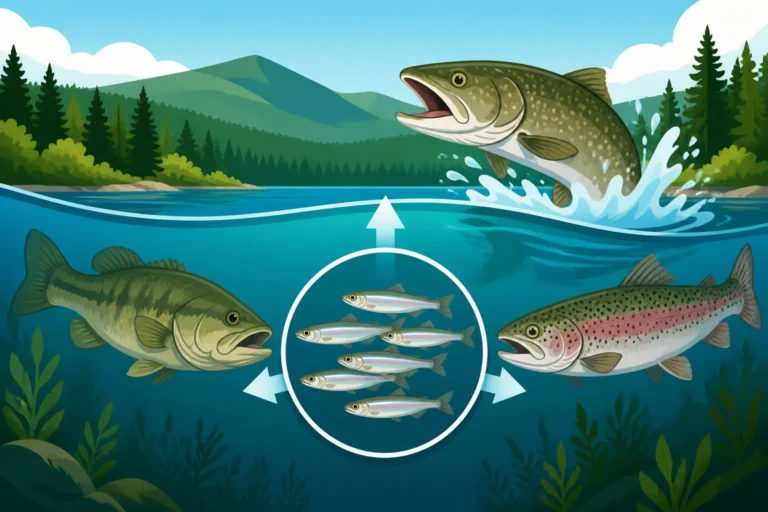
Walleye are fascinating fish. They are members of the perch family, known for their large, light-sensitive eyes – hence the name "walleye" – which allow them to see exceptionally well in low light conditions. This means dawn, dusk, and even nighttime can be prime fishing times, especially on clear days. In Lake Champlain, walleye feed primarily on baitfish like alewives, smelt, and yellow perch. Their diet dictates their location; find the bait, and you'll often find the walleye. They are ambush predators, often lurking near structure such as rocky points, submerged humps, weed lines, and current breaks. Understanding these basic biological traits is fundamental to successful walleye fishing. They prefer cooler water temperatures, which means they'll often be deeper in the summer or closer to the surface in spring and fall when temperatures are more favorable. Knowing What walleye eat on Lake Champlain can give you a huge advantage in selecting the right lures and baits.
Lake Champlain's Walleye Population Health
The walleye population in Lake Champlain is generally considered healthy, thanks to a combination of natural reproduction and ongoing stocking efforts by both Vermont and New York fish and wildlife agencies. This collaborative management helps ensure a sustainable fishery for generations of anglers. While natural reproduction occurs, particularly in certain river systems that feed into the lake, stocking supplements the population, especially in areas where natural recruitment might be limited. Anglers often wonder about Walleye Average Size on Lake Champlain. While average sizes vary, the lake is certainly capable of producing truly impressive fish, often tipping the scales at over ten pounds. Maintaining a healthy population means paying attention to regulations, practicing responsible catch and release, and being mindful of our impact on the lake's delicate ecosystem.
Key Seasons for Walleye Fishing on Lake Champlain
Just like with any species, walleye behavior changes dramatically with the seasons. Understanding these shifts is crucial for putting fish in the boat consistently. What works in spring won't necessarily work in mid-summer.
Spring Spawning and Post-Spawn Walleye
Spring is a time of intense activity for walleye, driven by their urge to spawn. Walleye Spawning Season in Vermont typically occurs when water temperatures reach the mid-40s to low 50s Fahrenheit, usually from late April into May. They migrate from the main lake into tributaries like the Missisquoi and Lamoille Rivers, or onto rocky shoals and reefs in the lake itself. This period can offer fantastic fishing opportunities, but it's also a time when anglers need to be particularly mindful of regulations to protect spawning fish.
After spawning, walleye enter a post-spawn recovery phase. They can be a bit sluggish initially, but as they recover and water temperatures rise, they become incredibly active and hungry. They'll disperse from spawning areas, often congregating in nearby shallower bays or on the edges of flats, looking for easy meals. Crankbaits, jigs, and live bait rigs fished slowly can be very effective during this transitional period.
Summer Deep-Water Walleye Strategies
As Lake Champlain warms up in late spring and early summer, walleye generally move deeper to find cooler, more comfortable water temperatures. This is when your electronics become your best friend. They'll often suspend over deeper flats, relate to thermoclines, or hold tight to prominent underwater structures like humps, rock piles, and submerged points. This is prime time for trolling. Downriggers and lead core line allow you to present baits at precise depths, crucial when walleye are holding in a narrow temperature band or close to bottom structure. Many anglers want to know How deep walleye go in summer on Lake Champlain, and the answer can vary greatly, but often ranges from 20 to 50 feet, sometimes even deeper, depending on water clarity and baitfish depth.
Fall Feeding Frenzy and Pre-Winter Tactics
Fall is another phenomenal time to target walleye on Lake Champlain. As water temperatures cool, walleye become increasingly active, going on a serious feeding binge to put on weight for the upcoming winter. They'll often move shallower, closer to weed lines, rocky points, and even some sandy flats, particularly during low light periods. Trolling crankbaits at varied depths, casting stickbaits, or even vertical jigging spoons can be incredibly productive. The fish are aggressive, and you can often find large schools grouped together. This pre-winter feed is a great opportunity for trophy walleye, as they are at their heaviest and most active.
Ice Fishing for Walleye on Lake Champlain
Yes, you can absolutely ice fish for walleye on Lake Champlain! While not as common as open-water fishing, dedicated hardwater anglers target walleye through the ice, especially in the northern bays and southern sections of the lake once safe ice forms. Early ice and late ice often provide the best opportunities. Walleye will relate to structure similar to open water, but you'll be using different tactics. Jigging spoons, lipless crankbaits, and tip-ups rigged with live minnows are go-to presentations. It requires patience and drilling a lot of holes to find those active fish, but landing a golden-sided walleye on a cold winter day is a truly rewarding experience. Just be sure to always prioritize safety and check ice conditions meticulously.
Prime Walleye Locations on Lake Champlain
Lake Champlain is huge, and trying to find walleye without a plan can feel like searching for a needle in a haystack. But with some understanding of their preferred habitats, you can narrow down your search considerably. Knowing where to start is half the battle.
Northern Lake Champlain Hotspots
The northern reaches of Lake Champlain, particularly areas around Missisquoi Bay, Alburgh Passage, and the Inland Sea, are renowned for their walleye fishing. These areas are characterized by shallower depths, abundant weed growth, and numerous river inputs that provide current and forage.
- Missisquoi Bay: This large, relatively shallow bay is a prime walleye nursery and holds fish throughout the year. Its extensive weed beds and mud flats are perfect habitat. Drifting with live bait or trolling shallow-running crankbaits are effective here.
- Alburgh Passage: This narrower section between the mainland and the Alburgh Peninsula acts like a funnel, concentrating baitfish and, consequently, walleye. Current breaks and rocky points along the passage can be excellent ambush spots.
- The Inland Sea: While often known for smallmouth bass, sections of the Inland Sea, especially around features like Knight Island and Providence Island, can hold walleye, particularly where deeper channels meet shallower flats.
These northern areas often fish well in spring and fall due to their shallower nature, but even in summer, walleye will use deeper channels and cooler pockets within these bays. For more granular detail, check out articles like Best walleye spots on Lake Champlain.
Central and Southern Lake Champlain Zones
Moving south, the main lake basin becomes deeper and more expansive, offering a different set of challenges and opportunities.
- Main Lake Basin: The deeper, central part of the lake requires more sophisticated electronics and trolling techniques. Look for walleye suspended over deep flats, congregating around submerged humps, or relating to sharp depth breaks. Points and offshore structure are key here. This is where How deep walleye go in summer on Lake Champlain becomes critical, as finding the thermocline or specific baitfish schools is paramount.
- Port Henry to Whitehall: In the southern, narrower sections of the lake, current becomes more of a factor, especially with the influence of the Champlain Canal system. River mouths, current seams, and rocky points are all excellent places to target. Shoreline changes from broad bays to more defined river-like sections.
When exploring these deeper zones, your fish finder is absolutely indispensable. You're not just looking for walleye; you're looking for baitfish schools and underwater structure that will attract them.
River Mouths and Tributary Influences
The rivers flowing into Lake Champlain are natural highways for walleye, especially during their spring spawning runs. But even outside of the spawn, these areas are magnets for walleye.
- Consistent Forage: Rivers constantly deliver nutrients and baitfish into the lake, creating rich feeding grounds at their mouths. This confluence of different water types and food sources makes river mouths highly productive.
- Current Breaks and Eddies: Walleye are adept at using current to their advantage. They'll sit in eddies or behind submerged features, waiting for baitfish to be swept past them. Fishing the seams where faster current meets slower water can be incredibly effective. Rivers like the Missisquoi, Lamoille, and Otter Creek all have significant influence on walleye distribution in the lake, particularly in the spring.
It’s always worth investigating the areas where these rivers spill into Lake Champlain, regardless of the season, as they often hold active fish.
Effective Techniques for Lake Champlain Walleye
Chasing walleye on Lake Champlain often means being versatile. There isn't one magic bullet, but rather a toolbox of techniques that work in different conditions and seasons. Experimentation is key!
Trolling with Crankbaits and Spoons
Trolling is arguably the most popular and effective method for covering water and locating walleye on Lake Champlain, especially in the warmer months and deeper sections.
- Crankbaits: These lures imitate baitfish and dive to various depths depending on their size and bill design. Long, slender crankbaits like those from Rapala, Berkley, or Bandit are popular choices. The key is to match your crankbait's depth and action to where the walleye are holding and what forage they are eating. Varying your trolling speed and making subtle turns can often trigger bites. Best Lures for Walleye Trolling on Lake Champlain will delve into specific lure models and colors.
- Spoons: Trolling spoons, often used in conjunction with downriggers or lead core line, are also highly effective, particularly for suspended walleye. Their wobbling action is irresistible to predatory fish. Colors can vary, but silver, gold, and various "perch" or "alewife" patterns are often productive.
- Trolling Setups: Many anglers use multiple rod setups with planer boards to spread out their lines and cover a wider swath of water. This allows you to present different baits at different depths and distances from the boat, helping you pinpoint what the fish are reacting to. On a day when the fish are finicky, trying a variety of presentations is crucial. When shopping for these, a quick search on Amazon can reveal a massive array of options, often with helpful reviews from other anglers.
Jigging and Bottom Bouncing
When walleye are concentrated in smaller areas, or when you're fishing vertical structure, jigging and bottom bouncing can be incredibly productive.
- Jigging: This involves vertically presenting a jig (either a lead head with a soft plastic body or a blade bait) directly below the boat. It's particularly effective when you mark fish on your sonar. The subtle action of a jig, lifted and dropped, can often entice bites from less aggressive fish. Live bait, such as a minnow or nightcrawler, tipped onto a jig can also be deadly. This technique works well in rivers, over humps, or when ice fishing.
- Bottom Bouncing: This is a fantastic technique for presenting live bait or slow-moving lures along the bottom. A bottom bouncer rig, typically a weighted wire frame, keeps your bait just off the lakebed. It’s excellent for covering ground slowly while maintaining bottom contact, which is where walleye often feed. This method is highly effective in areas with a relatively clean bottom.
Casting Stickbaits and Soft Plastics
Casting is a more active approach, often used when targeting shallower walleye or when fish are feeding aggressively.
- Stickbaits: Long, slender stickbaits, both suspending and floating models, are excellent for casting to rocky points, weed edges, or around submerged timber. They imitate injured baitfish and can be retrieved with a twitch-pause retrieve to mimic a struggling meal. Many of the same baits you'd troll can also be cast.
- Soft Plastics: Grubs, paddle tail swimbaits, and worm imitations rigged on a jig head can be deadly for walleye. The subtle action of soft plastics, combined with their realistic feel, often triggers strikes. They are versatile and can be fished with a slow retrieve, jigged along the bottom, or even pitched into cover. Picking up a variety of colors and sizes on Amazon is a great way to build your tackle box without breaking the bank.
Night Fishing Tactics for Walleye
Remember those light-sensitive eyes? That's why Night Fishing for Walleye on Lake Champlain can be absolutely epic. Walleye become far more active and move into shallower water under the cover of darkness.
- Shallow Water Movement: As the sun sets, walleye often push into shallower areas – rocky shorelines, sand flats, and weed edges – to ambush baitfish that have also moved up.
- Topwater and Shallow Crankbaits: While not exclusively topwater, shallow-running crankbaits, jerkbaits, and even some spinnerbaits are effective when cast and retrieved in these low-light conditions. Darker colors or those with UV finishes can be surprisingly effective.
- Safety First: Night fishing requires extra caution. Ensure your boat's navigation lights are fully functional, have a reliable headlamp, and always be aware of your surroundings. It's often best to fish familiar waters at night. The solitude and the thrill of a walleye strike in the dark are unforgettable.
Essential Gear for Walleye Anglers
Having the right tools for the job makes all the difference, especially when you're targeting a challenging fish like Lake Champlain walleye. Investing in quality gear isn't just about catching more fish; it's about making your time on the water more enjoyable and effective.
Rods, Reels, and Line Selection
The foundation of any good fishing setup starts with your rod, reel, and line.
- Rods: For walleye, a medium to medium-heavy action spinning or baitcasting rod, typically 6'6" to 7'6" in length, is a good all-around choice. A sensitive tip is crucial for detecting those subtle walleye bites, while enough backbone is needed to set the hook and fight a strong fish. If you're primarily trolling, a slightly longer, more forgiving rod with a moderate action can be better for absorbing shock and keeping lures running true.
- Reels: Matching your rod, a reliable spinning reel in the 2500-3000 size or a baitcasting reel with a smooth drag system is ideal. You want a reel with enough line capacity for longer runs and a consistent drag to prevent break-offs.
- Line: The choice of line is critical. Many anglers opt for braided line as their main line due to its strength, sensitivity, and lack of stretch, which helps with hook sets. A good starting point is 10-20 lb test braid. Pair this with a fluorocarbon leader (8-12 lb test) for its invisibility in clear water and abrasion resistance, especially when fishing around rocky structure. The low stretch of braid combined with the subtle presentation of fluorocarbon is a winning combination.
Lure and Bait Essentials
Your tackle box should be stocked with a variety of lures and baits to cover different conditions and techniques.
- Crankbaits: As mentioned, crankbaits are vital. Have a range of diving depths, colors, and sizes. Natural baitfish patterns (perch, smelt, alewife) are always good, but don't shy away from brighter colors like firetiger or chartreuse, especially in stained water or low light.
- Jigs and Soft Plastics: Keep an assortment of jig heads (1/8 oz to 1/2 oz, or heavier for deep water/current) and various soft plastic bodies like paddle tail swimbaits, grubs, and finesse worms. Again, both natural and bright colors are important.
- Spoons and Blade Baits: These are excellent for vertical jigging and trolling. Metals in silver, gold, and vibrant colors can be effective.
- Live Bait: Don't underestimate the power of live bait. Minnows (shiners, smelt), nightcrawlers, and leeches are walleye favorites. A simple jig and minnow or a bottom bouncer with a crawler harness can often outfish artificials, especially on tough days. Having a good livewell or bait bucket is key for keeping your bait lively.
Electronics and Boat Setup
Modern electronics have revolutionized walleye fishing, turning educated guesses into precise targeting.
- Fish Finder/Sonar: A quality fish finder with CHIRP sonar, side imaging, and down imaging capabilities is an absolute game-changer. It allows you to identify baitfish schools, locate individual walleye, and map out underwater structure with incredible detail. Brands like Humminbird and Lowrance offer excellent options.
- GPS/Chartplotter: Integrated with your fish finder, a GPS system with detailed Lake Champlain maps is essential for navigating, marking hotspots, and returning to productive areas. It helps you understand the contours of the lake bottom and pinpoint those subtle changes that hold fish.
- Trolling Motor: A bow-mounted electric trolling motor with GPS Spot-Lock technology is invaluable. It allows you to hold your position precisely over structure, creep along contour lines, or maintain a consistent trolling speed without constantly manipulating your main engine. This quiet operation is also less likely to spook fish.
- Boat: Whether it's a dedicated bass boat, a sturdy multi-species craft, or even a robust utility boat, Best Boats for Vermont Lakes and Rivers will offer more insights. For Lake Champlain's often choppy conditions, a boat that can handle rough water safely is paramount. Ensure you have all necessary safety equipment, including life jackets for all passengers. Before you head out, make sure your Vermont Boat Registration Requirements are up to date!
| Season | Primary Technique | Recommended Lure Types | Optimal Depths (Approx.) |
|---|---|---|---|
| Spring | Casting, Drifting | Jigs w/ live bait, Shallow crankbaits | 5-20 feet |
| Summer | Trolling, Jigging | Deep-diving crankbaits, Spoons, Jigs | 20-60+ feet |
| Fall | Trolling, Casting | Medium-diving crankbaits, Stickbaits | 10-35 feet |
| Winter | Ice Jigging, Tip-ups | Jigging spoons, Lipless crankbaits, Minnows | 10-40 feet |
Navigating Regulations and Conservation
Responsible angling is about more than just catching fish; it's about ensuring the future health of the fishery. Understanding and adhering to regulations, and practicing good conservation habits, are paramount for walleye fishing on Lake Champlain.
Vermont Walleye Regulations Overview
Fishing regulations exist to protect fish populations and ensure fair chase. For walleye on Lake Champlain, both Vermont and New York have specific rules that anglers must follow. These typically cover:
- Season Dates: When walleye fishing is open or closed, often with a period around spawning where harvest might be restricted.
- Minimum Length Limits: Fish must be a certain size to be legally harvested, allowing younger fish to mature and reproduce.
- Daily Bag and Possession Limits: The number of walleye you can keep per day and the total number you can have in your possession.
- Special Regulations: Certain areas might have unique rules, so always check the specific body of water you intend to fish.
It's critical to obtain your Vermont Fishing License Guide for 2026 and thoroughly review the current Vermont Fishing Regulations Guide before each season. Regulations can change, and ignorance is no excuse for non-compliance. You can usually find the most up-to-date information on the Vermont Fish & Wildlife Department website. For example, knowing the Vermont Walleye limit on Lake Champlain is absolutely essential before you even cast a line.
Best Practices for Catch and Release
While walleye are delicious, practicing catch and release, especially for larger breeding-size fish, is vital for conservation.
- Minimize Handling: Reduce the time the fish is out of the water. Handle them gently with wet hands or a wet towel.
- Use Barbless Hooks: Crushing the barbs on your hooks makes removal much easier and less damaging to the fish.
- Proper Hook Removal: Use needle-nose pliers or a hook remover tool to extract hooks quickly and cleanly. If a hook is deeply embedded, it’s often better to cut the line as close to the hook as possible, as the hook will usually rust out.
- Support the Fish: When holding a walleye for a photo, support its body horizontally. Never hold a large walleye vertically by the jaw alone, as this can damage its internal organs.
- Revive Carefully: If a fish seems stressed, hold it gently in the water, facing into the current, until it regains its strength and can swim away on its own.
By following these practices, we increase the survival rate of released fish, contributing to a stronger and healthier walleye population in Lake Champlain.
Conservation Efforts and Sustainable Fishing
The walleye fishery in Lake Champlain is a shared resource, and both anglers and management agencies play a role in its sustainability.
- Stocking Programs: Both Vermont and New York actively participate in walleye stocking programs, often raising fingerlings in hatcheries and releasing them into the lake. These efforts bolster natural reproduction and help maintain healthy population levels.
- Habitat Protection: Protecting spawning grounds and critical walleye habitat is crucial. This includes efforts to improve water quality, prevent habitat degradation, and manage invasive species.
- Angler Reporting: Anglers can contribute by accurately reporting their catches, especially those caught during creel surveys, which provide valuable data to fishery biologists.
- Respecting the Resource: Ultimately, sustainable fishing comes down to personal responsibility. Taking only what you need, respecting catch limits, and practicing sound catch-and-release techniques all contribute to ensuring that future generations can enjoy the thrill of walleye fishing on Lake Champlain.
This article is for general informational purposes only and does not constitute professional advice. Laws, prices and regulations vary by location and change over time. Consult a qualified professional for guidance on your specific situation.