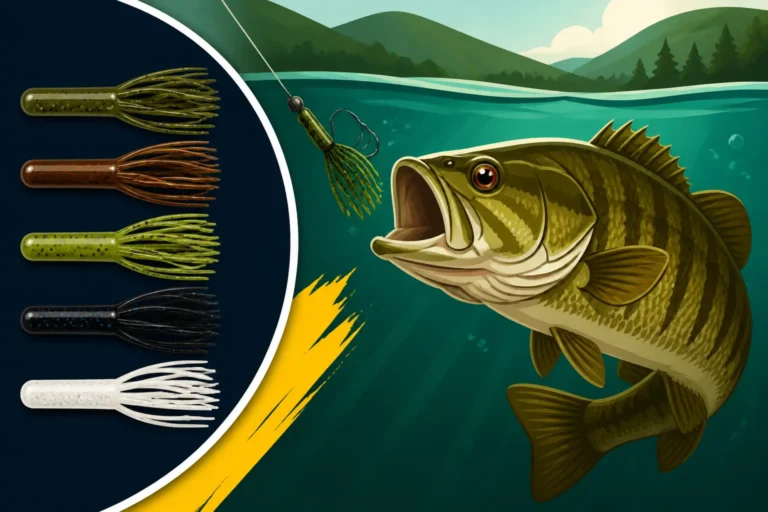
Best time to fish a stocked trout pond
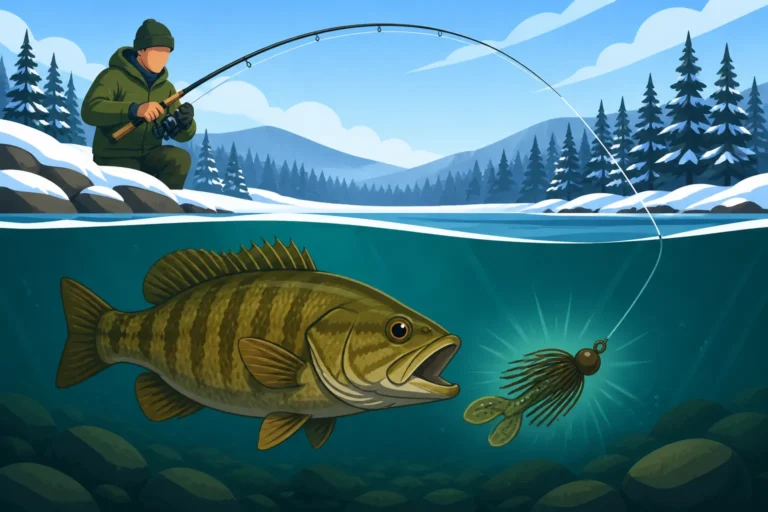
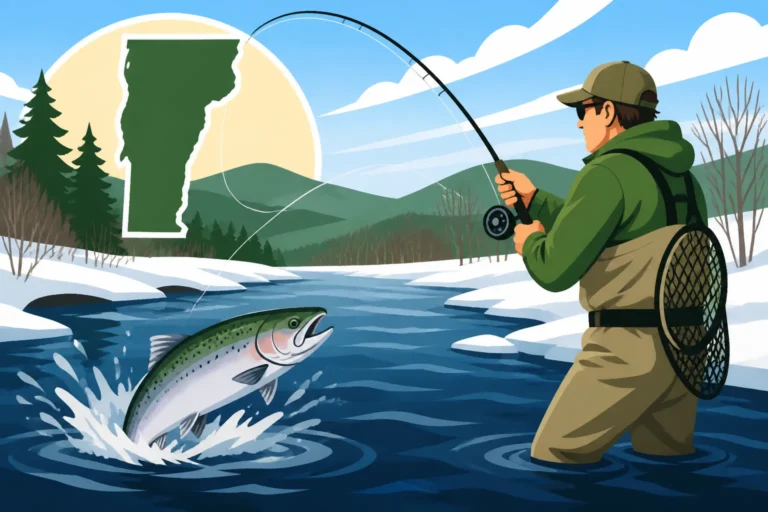
Oh, the stocked trout pond! It's a true blessing for many Vermont anglers, whether you're introducing a youngster to the joys of fishing or just looking for a more accessible way to get a bent rod. But if you've ever shown up at a pond only to find the fish are nowhere to be found, you know that just because they're stocked doesn't mean they're always easy. This guide is all about helping you crack the code on the best times to fish those wonderful stocked trout ponds here in Vermont, so you can maximize your chances of a successful and enjoyable outing.
The Immediate Aftermath: Fishing Right After Stocking
Let's be honest, the absolute best time to fish a stocked trout pond is often right after the fish trucks have rolled away. These trout, fresh from the hatchery, are typically disoriented, hungry, and not yet wise to the ways of wild predators or sneaky anglers. They're basically looking for an easy meal, and your bait or lure can look mighty appealing.
When the Vermont Fish and Wildlife Department releases trout into a pond, those fish are suddenly in a new environment, and their primary instinct is to feed. They've been accustomed to a consistent diet in the hatchery, so they're often less wary than wild trout. This window of opportunity can last anywhere from a few days to a couple of weeks, depending on the pond, how many fish were stocked, and how much fishing pressure they receive.
Think of it like this: these fish haven't seen a real worm, a shiny spinner, or a meticulously tied fly in their lives. They're often eager to bite at just about anything that looks like food. This is why you'll often see the biggest crowds at popular ponds immediately following a stocking. It's not just hype; there's a real advantage to being there during this initial period. Keep an eye on the Vermont Fish and Wildlife's stocking schedule or their official social media channels, if you can find them, to get a heads-up. Being among the first to arrive can truly make a difference. Knowing How to Catch Trout Right After Stocking in Vermont can turn a good day into a fantastic one.
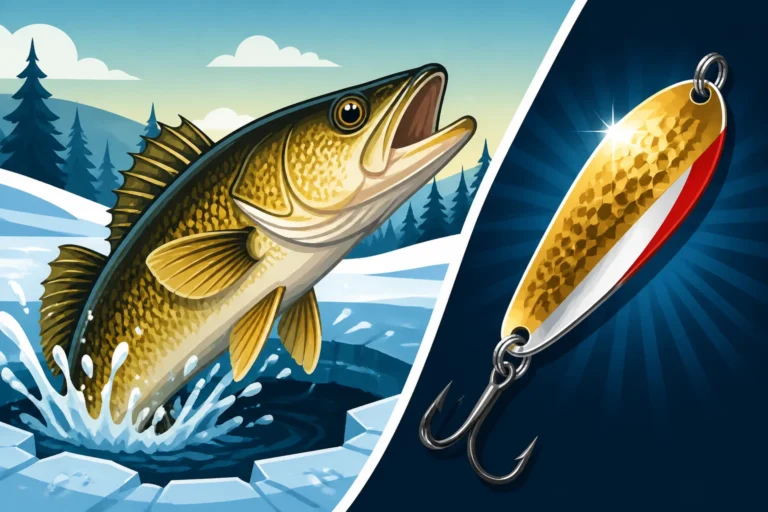
During this time, simple, confidence baits often work wonders. PowerBait in various colors, corn, or even a classic garden worm under a bobber are highly effective. For those who prefer lures, small inline spinners like a classic Mepps or a Rooster Tail can be deadly. Even a simple Kastmaster spoon can entice a strike. Many anglers stock up on these versatile options from retailers like Amazon before the season even begins.
Spring: The Prime Season for Vermont's Stocked Ponds
Beyond the immediate post-stocking frenzy, spring is undeniably the prime season for fishing Vermont's stocked trout ponds. The overall Best Time of Year to Fish in Vermont for trout often points to this window, and it's especially true for ponds. As the ice melts and the water temperatures begin to rise but remain cool, trout become very active. Their metabolism is kicking into gear, and they're looking to feed consistently.
Early spring, from ice-out through late May or early June, offers ideal conditions. The water is often well-oxygenated and cool throughout the water column, meaning trout aren't confined to specific depths. They'll cruise the shallows, investigate drop-offs, and generally be found in a wider range of areas, making them more accessible to anglers fishing from shore or small boats. The cooler water also means less stress on the fish when they do bite, which can be a plus for catch-and-release.
During this period, you'll want to focus on both natural baits and artificial lures. Worms, grubs, and even small shiners can be incredibly effective. For artificials, think bright colors and erratic movements that mimic injured baitfish or aquatic insects waking up from winter. Small spoons, inline spinners, and even some very slow-retrieved small stickbaits can perform well. Fly anglers will find success with nymph patterns fished under an indicator or even small streamers stripped slowly along the bottom contours. Don't forget to review the Vermont Trout Season and Stocking Rules to ensure you're fishing legally.
Angler pressure can be high in the spring, especially on weekends and holidays. To avoid the crowds, consider fishing during weekdays or hitting the ponds early in the morning, right at dawn, or later in the evening as the sun begins to set. Even an hour before or after the main rush can make a significant difference in your experience and success.
| Season | Water Temperature | Trout Activity | Best Depths | Recommended Baits/Lures | Angler Pressure |
|---|---|---|---|---|---|
| Early Spring (Post-Stocking) | Cold to Cool | Very High (Disoriented, hungry) | All depths, often shallow | PowerBait, worms, small spinners, small spoons | High (initially) |
| Mid-Spring (April-May) | Cool | High | Varied, cruising | Worms, small spinners, nymphs, small streamers | Moderate to High |
| Early Summer (June) | Warming | Moderate | Deeper during day, shallows at dawn/dusk | Small plastics, flies, light spinners | Moderate |
| Mid-Summer (July-August) | Warmest | Low | Deep, near springs/inlets, shade | Worms, micro jigs, deep-fished flies | Low to Moderate |
| Fall (September-October) | Cooling | High (Pre-winter feeding) | Varied, cruising shallows more | Spinners, spoons, streamers, worms | Moderate |
Summer's Slump and Strategies: When Ponds Warm Up
As Vermont transitions into the full swing of summer, fishing stocked trout ponds can become a bit more challenging. The water warms significantly, especially in shallower ponds, and this has a direct impact on trout behavior. Trout are cold-water fish, and high water temperatures mean lower oxygen levels. This makes them lethargic, less inclined to feed aggressively, and often drives them to seek out cooler, deeper water.
You'll find that during the hottest parts of July and August, trout in many stocked ponds will retreat to the deepest sections where the water remains cooler. Look for areas near spring-fed inlets, shaded spots from overhanging trees, or simply the deepest basin of the pond. If you're fishing from shore, targeting these spots can be tough, but if you have access to a kayak, canoe, or small boat, you can position yourself over these cooler pockets.
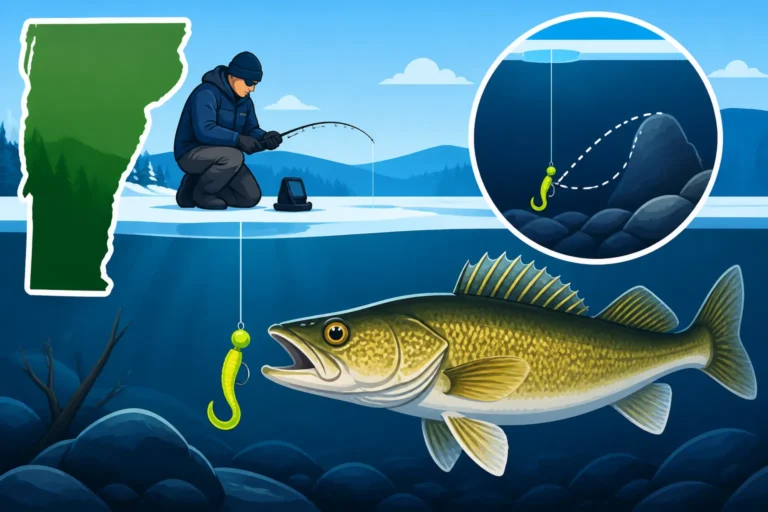
When the water is warm, trout also become more wary. They've likely seen a lot of fishing pressure by now, and their survival instincts kick in. This means you need to scale down your tackle and be more subtle in your approach. Using lighter lines, smaller baits, and slower presentations can make a big difference. Think micro jigs tipped with a piece of worm, or very small, natural-colored soft plastics fished slowly along the bottom. For fly anglers, deep-fished nymphs or small midge patterns can still entice a strike, especially in the early mornings or late evenings when the water is at its coolest. Best Gear for Vermont Trout Fishing in general tends to suggest lighter lines for trout, and that's especially true in summer.
One common frustration in summer is showing up to a pond that was great in spring, only to find it seemingly barren. Don't give up! Just adjust your strategy. Focus on the low-light hours of dawn and dusk when trout might venture into shallower feeding zones. During the day, fish slow and deep. Consider using a bobber and a worm or PowerBait suspended just off the bottom in the deepest section you can reach. Remember that trout in warmer water are trying to conserve energy, so an easy meal presented right in front of them is often the key.
Fall Revival: Cooler Waters and Renewed Action
Just as the leaves in Vermont begin to turn those glorious shades of red, orange, and gold, the fishing in stocked trout ponds often experiences a fantastic revival. Fall can be another prime time, second only to spring, for consistent action. As the air temperatures drop, the pond waters cool down, rejuvenating the trout and making them far more active than they were during the summer doldrums.
This cooling trend re-oxygenates the water and signals to trout that it's time to put on some weight before winter sets in. Their metabolism speeds up, and they become much more aggressive feeders. You'll find them cruising shallower areas more frequently, actively searching for food. This can make them easier to locate and entice with a wider variety of baits and lures.
During the fall, the tactics you used successfully in spring will often work again. Inline spinners, small spoons, and even crankbaits that imitate baitfish can be very effective. Natural baits like worms or even salmon eggs can also be deadly. Fly anglers will find success with streamers that mimic sculpins or baitfish, as well as a variety of nymph patterns. The trout are often less selective than they were in summer, and their renewed vigor makes for some exciting fights.
Another advantage of fall fishing is often reduced angler pressure. Many fair-weather anglers have packed up their gear, and the crowds from spring have thinned out considerably. This can lead to a more peaceful and productive fishing experience. It's also a beautiful time of year to be out on the water, surrounded by Vermont's stunning autumn scenery. If you're looking for a tranquil yet productive day, fall might just be your sweet spot. Checking the Vermont Fishing Season Dates and Closures is always a good practice, especially as some species have specific closures, but trout ponds are often open late into the season.
Daily Considerations: Time of Day and Weather Impact
While the season plays a huge role in when to fish a stocked trout pond, the time of day and prevailing weather conditions are equally critical, regardless of the month. Trout, like many fish, are highly influenced by light, temperature fluctuations, and atmospheric pressure.
Early Morning & Late Evening (Dawn & Dusk): These low-light periods are often considered the best times to fish any trout water, and stocked ponds are no exception. As the sun rises or sets, the light levels are dim, which makes trout feel more secure venturing into shallower feeding grounds. The water temperatures are also at their coolest during these times, especially in summer, which increases trout activity. This is when you'll often see the most surface activity, even in ponds. Consider going to Best shore fishing near Burlington Vermont for early morning opportunities.
Overcast Days: A cloudy day can be a godsend for trout fishing. Overcast skies reduce light penetration into the water, making trout feel less exposed and encouraging them to be active throughout the day, not just at dawn and dusk. They might be more willing to feed in shallower areas, which is great for bank anglers. A light drizzle, as long as it's not a torrential downpour, can also stimulate feeding as it washes insects and other food into the water.
Before a Cold Front: Believe it or not, fishing right before a major cold front moves in can be incredibly productive. As atmospheric pressure drops, fish often go on a feeding frenzy, sensing a change in weather and instinctively trying to gorge before conditions become less favorable. They know that a dip in temperature or a storm might mean harder fishing for a day or two. This is a great time to hit the pond, as long as you're not caught in the storm itself! Being aware of Best time to fish before a cold front can be a real game-changer.
After a Cold Front: Conversely, fishing after a strong cold front has passed can be tough. The drastic change in temperature and pressure often puts fish into a funk. They become sluggish and reluctant to bite. It's not impossible, but you'll likely need to fish slower, use smaller presentations, and be incredibly patient. Sometimes, waiting a day or two for conditions to stabilize is the best strategy.
Windy Conditions: A light to moderate breeze can actually be beneficial. It creates a ripple on the water's surface, which breaks up light penetration and makes it harder for fish to see you, making them less wary. The wind can also push baitfish and insects towards one side of the pond, creating a natural feeding zone. However, too much wind makes casting difficult and can make fishing unpleasant, so look for sheltered coves or lee sides of the pond.
By paying attention to these daily dynamics in conjunction with the seasonal trends, you'll greatly improve your chances of having a memorable and successful day on Vermont's beautiful stocked trout ponds. Remember, a lot of the joy of fishing comes from the process of learning and adapting, so don't be afraid to experiment! You can always find specific tools, like specialized thermometers or weather-resistant gear, on Amazon to help you track conditions.
Disclaimer
This article is for general informational purposes only and does not constitute professional advice. Laws, prices and regulations vary by location and change over time. Consult a qualified professional for guidance on your specific situation.