Best dry fly patterns for summer trout hatches
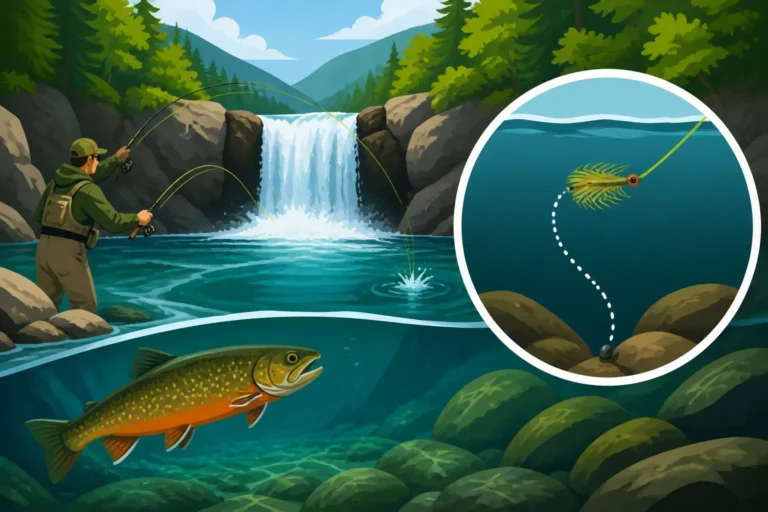
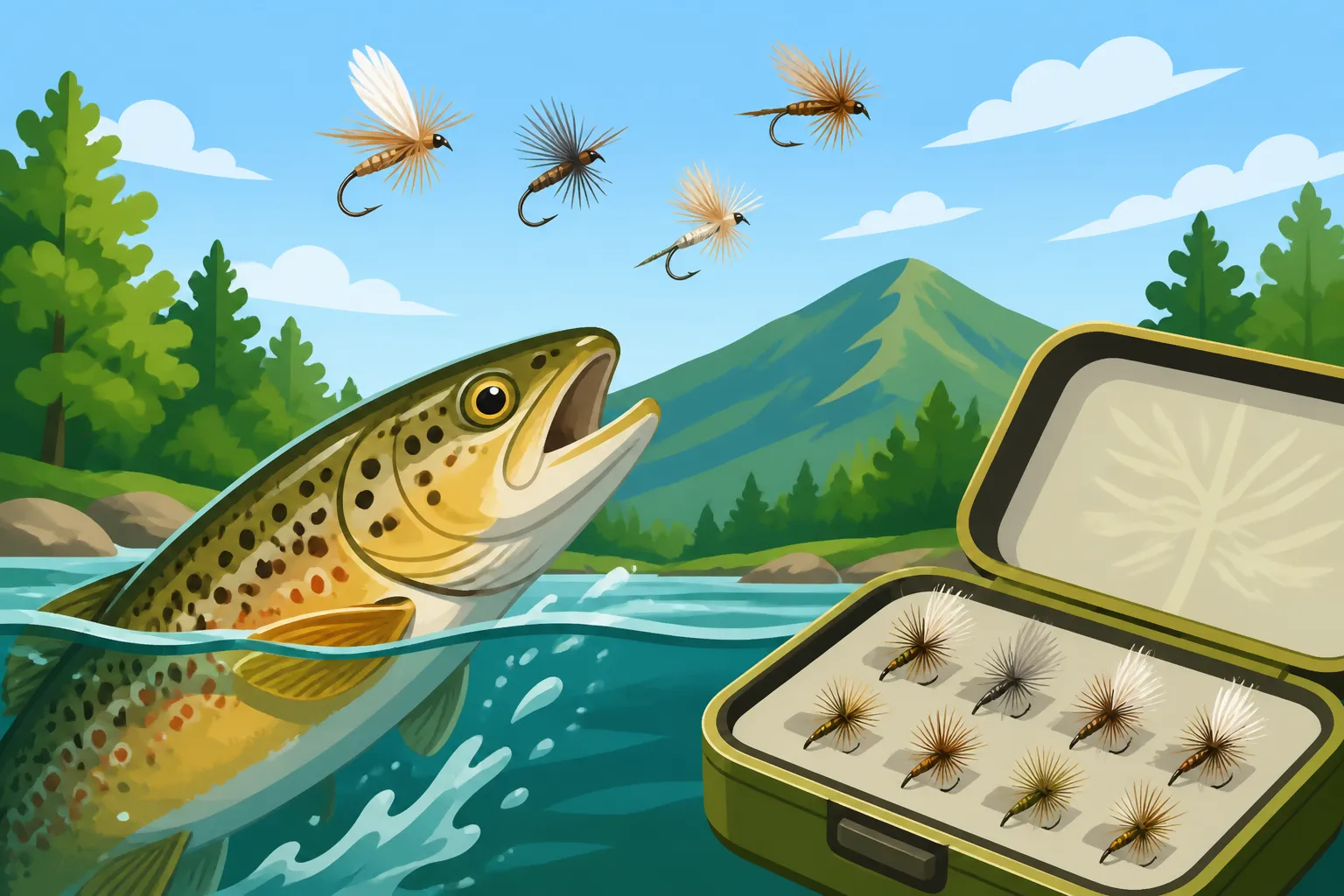
There’s nothing quite like the sight of a beautiful Vermont trout rising to sip a tiny insect from the surface film on a warm summer day. But let’s be honest, it can be incredibly frustrating to see those fish rising all around you, yet have them consistently ignore your fly. Summer trout can be notoriously selective, keying in on specific insect hatches. This guide is here to demystify summer dry fly fishing in Vermont, helping you pick the right patterns and tactics to entice those finicky feeders.
Cracking the Code of Vermont's Summer Hatches
Summer brings a different rhythm to trout fishing in Vermont. The high waters of spring recede, the sun warms the days, and the trout's diet often shifts dramatically to focus on the abundant insect life hatching from the rivers and falling from the banks. Understanding these changes is your first step to consistent dry fly success.
Why Summer Hatches Matter for Trout
As air and water temperatures climb, especially in our smaller freestone streams, trout often become less active during the hottest parts of the day. Their metabolism might slow a bit, and they seek cooler, oxygenated water in riffles, shaded pools, or the deeper pockets. However, the consistent emergence of insects, known as hatches, provides irresistible feeding opportunities. When trout begin to rise, they are often incredibly focused on a specific size, shape, and color of insect. It’s not enough to just throw a dry fly out there; you need to understand what they're actually eating. This selective feeding can be a real head-scratcher, especially when you see splashy rises but can’t get a take. It’s why honing your "match the hatch" skills is paramount during the warmer months. You'll find that having a solid understanding of these seasonal changes is a crucial part of knowing the Best Time of Year to Fish in Vermont.
Key Insect Families of a Vermont Summer
Vermont’s diverse aquatic environments, from the fast-flowing Battenkill to the serene mountain brooks, host a wide array of insects. During summer, three main categories dominate the dry fly scene: Mayflies, Caddisflies, and Terrestrials.
- Mayflies: These elegant insects are perhaps the most iconic for fly anglers. In summer, you'll encounter a variety. The "Sulfur" hatch (often Ephemerella dorothea or invaria), with its pale yellow-bodied duns, can provide fantastic evening fishing on many Vermont rivers. Later in the summer, especially in the early mornings, the tiny "Tricos" (Tricorythodes) create blanket hatches, requiring delicate presentations and microscopic flies. Larger mayflies like Isonychia (often called "Slate Drakes" or "White Glovers") are found in faster, oxygenated water and can elicit aggressive strikes.
- Caddisflies: Often overshadowed by mayflies, caddisflies are arguably more abundant in many Vermont streams, especially those with rockier bottoms. They're typically found in a wider range of water types and often hatch and fly in a more erratic, fluttering manner, which can drive trout wild. Species like the Hydropsyche (common net-spinning caddis) or Glossosoma (little black caddis) are ever-present. You'll see caddis hatches throughout the day, and sometimes even at night, particularly in tan, olive, and darker shades.
- Terrestrials: These are land-dwelling insects that accidentally fall into the water. Unlike aquatic insects, terrestrials aren't tied to specific "hatches" but are often most prevalent on windy days or when streams run close to grassy banks or overhanging vegetation. Ants, beetles, and grasshoppers are the most important. Trout, especially larger ones, will often cruise the banks looking for these calorie-rich meals. Don't underestimate the power of a well-placed terrestrial, especially when no discernible aquatic hatch is occurring.
Essential Dry Fly Patterns for Vermont's Summer Trout
Armed with an understanding of what trout are eating, it’s time to stock your fly box. Here are some indispensable dry fly patterns that you absolutely need for summer trout fishing in Vermont. Many of these reliable patterns can be found on platforms like Amazon, making it easy to replenish your supply.
Caddisfly Imitations
Caddisflies are super important throughout Vermont's summer. They're often more active than mayflies and their fluttering flight can really grab a trout's attention.
- Elk Hair Caddis: If there's one dry fly you should carry in multiple sizes and colors (tan, olive, black), it's the Elk Hair Caddis. It's incredibly versatile, floats well, and provides a realistic silhouette. You can dead-drift it, or give it a slight twitch to imitate a caddis bouncing on the surface. This pattern works almost anywhere you find trout.
- Goddard Caddis: For a caddis imitation with serious buoyancy, especially when fishing rough water or for bigger fish, the Goddard Caddis is a fantastic choice. Its spun deer hair body helps it ride high and can stand up to multiple fish.
- LaFontaine's Emergent Sparkle Pupa: Sometimes trout aren't taking adults on the surface; they're keying in on the emergers, those insects struggling to break free of the surface film. This pattern, with its trailing shuck, is perfect for imitating that vulnerable stage. Fish it just below or in the surface film.
Mayfly Imitations
Mayflies offer more delicate presentations and can lead to some truly rewarding fishing when you hit the hatch right.
- Parachute Adams: This is often called the "universal mayfly imitation" for a reason. Its mottled body and upright parachute post make it visible to both angler and trout, and it effectively imitates a wide range of mayfly duns. Carry it in sizes from #12 down to #20, and you'll be ready for most situations.
- Sulfur Dun/Spinner: When Sulfurs are hatching, trout often become singularly focused. Patterns like the Light Cahill (for larger sulfurs) or a specific Sulfur Comparadun (for a low-riding silhouette) are vital. Don't forget the spinner falls! After mating, many mayflies return to the water to lay eggs and die, forming "spinner falls." A Rusty Spinner pattern fished dead-drift can be deadly during these events, especially at dusk or dawn.
- Trico Dun/Spinner: Welcome to the world of micro-fishing! Tricos are tiny, black-bodied mayflies that hatch in massive numbers, typically in the very early morning. Trout will often sip these almost imperceptibly. You'll need patterns in sizes #20-26, and a keen eye. A Black Gnat or a specific Trico Dun/Spinner pattern will be your best bet.
- Isonychia Dun: These are larger, often reddish-brown mayflies that hatch in swifter water. Trout will often move aggressively for them. A high-riding Isonychia Dun or a similar pattern with a prominent wing will get the job done.
Terrestrial Patterns
When there's no visible hatch, or on blustery days, terrestrials can be the ultimate fallback and often tempt the largest fish.
- Ants (Cinnamon, Black): Often overlooked, ants are a constant food source for trout. They frequently fall from overhanging branches. Carry foam or traditional hackled ant patterns in sizes #14-20. Fish them tight to banks, under shade, or near structure. A small black ant can sometimes be a magical fly when nothing else works.
- Beetles (Foam Beetle, Charlie Boy Hopper): Beetles are another common terrestrial that tumbles into the water. Foam beetle patterns are durable, float well, and offer a juicy profile. The Charlie Boy Hopper, while having "hopper" in its name, also functions wonderfully as a general beetle or large terrestrial imitation.
- Hoppers (Dave's Hopper, Chernobyl Ant): For late summer, especially on grassy river sections or larger rivers like the White River or Otter Creek, grasshoppers become a major food source. Big, buoyant patterns like Dave's Hopper or the Chernobyl Ant (which also imitates other large insects) can draw explosive strikes from larger trout. Fishing these along cut banks or grassy edges is key. For more generalized patterns, you might want to consult a list of Fly Patterns for Vermont Trout Streams.
Mastering the Presentation and Strategy
Having the right flies is only half the battle. How you present them, and your overall strategy, will ultimately determine your success on the water. This is where the art of fly fishing really comes into play, especially when trout are finicky.
Reading the Water and the Trout
Summer trout behavior is often dictated by water temperature and food availability. Learning to read the water and the trout’s feeding habits is essential.
- Identifying Rises: Not all rises are created equal. A subtle "sip" often indicates a trout taking small, surface-film insects like Tricos or emergers. A more aggressive "splash" or "porpoise" might mean the fish is taking larger duns, caddis, or even terrestrials. Observing the rise form can tell you a lot about what the fish are eating and how they're eating it.
- Observing Naturals: Before you even cast, spend time watching the water. Are there bugs flying? Are shucks collecting in eddies? Are there naturals drifting on the surface? Turn over a few rocks in the riffles to see what larvae and nymphs are present. This detective work is critical for matching the hatch.
- Where Trout Hold: In summer, trout seek out cooler, oxygenated water. This often means faster riffles, the heads of pools where fresh water enters, shaded banks, undercuts, and areas with current seams. Look for natural breaks in the current where food might accumulate but the fish doesn't have to fight too hard. If the water gets too warm, trout can become stressed, and it's sometimes best to give them a break. Knowing When Vermont trout streams get too warm to fish is part of being a responsible angler.
Essential Gear and Tactics for Dry Fly Success
Your gear setup and how you approach the stream play a huge role in your dry fly game. Delicacy and stealth are your best friends.
- Appropriate Rods and Leaders: For most summer dry fly fishing in Vermont, a lighter weight fly rod (3-5 weight) with a moderate action is ideal. This allows for softer presentations and protecting lighter tippets. A longer leader (9-12 feet) with a fine tippet (5X-7X) is crucial for delicate presentations and avoiding spooking fish. The longer leader helps keep your fly line further from the fish's line of sight and allows for a more natural, drag-free drift. For more details on choosing your setup, check out guides on Best Fly Rods for Vermont Trout Streams.
- Tippet Selection: Always err on the side of lighter, finer tippet for dry flies. It helps achieve a more natural drift and makes your fly look less suspicious. However, balance this with the size of the fish and the presence of any snags.
- Flotation: Keep your dry flies floating high and proud. Carry a good desiccant (like Frog’s Fanny or Shimazaki Dry Shake) to absorb water and restore buoyancy, and a liquid floatant (like Gink) for initial dressing. A fly that sinks or drags poorly will rarely get a take.
- Stealth and Approach: Summer means lower, clearer water in many streams. Trout are more wary. Approach the water slowly, stay low, and cast from a distance. Avoid wading unnecessarily, and if you must wade, do so carefully to avoid disturbing the bottom or sending shockwaves through the water. This is especially true when you're trying Dry Fly Fishing Vermont Mountain Streams where fish are often wilder.
When to Switch It Up
Even with the perfect pattern, trout can be frustratingly selective. Don't be afraid to change your tactics if your initial offering is ignored.
- Dealing with Refusals: A trout rising to your fly only to refuse it at the last second is maddening. This is a clear sign you’re close but not quite right. First, check your drift – is it truly drag-free? Then, consider changing your fly. Go smaller, then larger. Change the color slightly. Sometimes, simply changing the exact pattern, even if it's the same size and color, can make a difference. If they're consistently refusing, think about what stage of the insect they might be keying on (dun, spinner, emerger, or even a nymph just below the surface).
- Thinking Beyond the Surface: While this guide focuses on dry flies, remember that not all trout feed on the surface all the time, even during a hatch. If you're seeing trout rise but can't get them to take a dry, consider tying on an emerger pattern or even a small nymph. Sometimes, trout will feed on nymphs just before a hatch, or when they’ve become conditioned to ignore poorly presented dry flies. Having a good variety of Best Fly Boxes for Trout Streams can make these quick changes much easier.
- Adapt to Conditions: Weather, time of day, and water conditions change constantly. A bright, sunny afternoon might call for terrestrials along shaded banks, while a cloudy evening might bring on a strong Sulfur hatch. Always be ready to adapt. The Vermont Fish and Wildlife Department often has information on specific species and their stocking schedules, which might indirectly affect feeding patterns by creating more active fish, as detailed in the Vermont Trout Season and Stocking Rules guide.
Here's a quick reference table for some common summer hatches and effective dry fly pairings:
| Insect Family | Common Hatch Timing | Water Type | Key Characteristics | Recommended Dry Fly Patterns |
|---|---|---|---|---|
| Mayflies | ||||
| Sulfurs | Mid-day to Evening | Moderate to Slower Currents | Pale yellow-bodied, medium size | Parachute Sulfur, Sulfur Comparadun, Light Cahill, Rusty Spinner |
| Tricos | Early Morning (often heavy) | Slower Glides, Flats | Tiny, black-bodied, micro-size | Trico Dun/Spinner, Black Gnat |
| Isonychia | Late Afternoon to Evening | Fast Riffles, Oxygenated Water | Larger, reddish-brown, active | Isonychia Dun, Comparadun, Gray Fox |
| Caddisflies | ||||
| Tan/Olive/Black Caddis | Throughout the day, sometimes evening | All water types, especially rocky | Erratic flight, tent-winged | Elk Hair Caddis (various colors), Goddard Caddis, X-Caddis |
| Terrestrials | ||||
| Ants | Mid-day, throughout summer | Near banks, overhanging vegetation | Small, black or cinnamon | Cinnamon Ant, Black Ant (foam or hackled) |
| Beetles | Mid-day, throughout summer | Near banks, slow water | Round, dark, clumsy | Foam Beetle, Charlie Boy Hopper (as general terrestrial) |
| Grasshoppers | Late Summer, sunny/windy | Grassy banks, larger rivers | Large, buoyant, often green/tan | Dave's Hopper, Chernobyl Ant, Madam X |
Remember, summer fishing can be incredibly rewarding, but it demands attention to detail and a willingness to observe and adapt. Many veteran anglers often spend as much time watching the water as they do casting, a valuable lesson for all of us. And don't forget, a fresh spool of tippet can often be found readily available on Amazon, ensuring you're always prepared for those delicate presentations.
Disclaimer
The information provided in this guide is for general informational purposes only. Fishing regulations in Vermont can change, and it is the angler's responsibility to always consult the most current Vermont Fish & Wildlife Department regulations before heading out on the water. Stay safe and fish responsibly.