Best Time of Year to Fish in Vermont
Few things are as frustrating as planning a much-anticipated fishing trip only to arrive and find the conditions all wrong, or your target species simply isn't biting. Vermont offers an incredible diversity of fishing, but knowing when to cast your line for the best results can be daunting. This comprehensive guide will meticulously break down the best times of year to fish in the Green Mountain State, ensuring your next angling adventure is perfectly timed for success.
Understanding Vermont's Seasonal Fishing Cycle
Vermont, with its distinct four seasons, provides a constantly evolving canvas for anglers. Each season brings unique challenges and unparalleled opportunities, driven by dramatic shifts in water temperature, fish behavior, and available forage. Trying to catch a big smallmouth bass in the dead of winter is likely to disappoint, just as chasing brook trout in a low, warm summer stream can be futile. Understanding this cycle is the first step to unlocking Vermont's full fishing potential.
The Four Seasons of Vermont Fishing: A Dynamic Landscape
The transition from one season to the next in Vermont isn't just a calendar change; it's a fundamental shift in the underwater world. Spring brings the thundering melt of snow and ice, surging rivers, and awakening fish as waters slowly warm. Summer stabilizes with warmer temperatures, longer daylight hours, and often heavy recreational boat traffic, pushing some species deeper while others thrive in the shallows. Fall ushers in crisp air, vibrant foliage, and often a feeding frenzy as fish prepare for winter, triggering aggressive bites from many popular game species. Finally, winter transforms lakes and ponds into frozen playgrounds for ice anglers, while rivers slow to a frigid pace. Each of these periods demands a different approach, different gear, and often, different target species.
Regulations and Opening Days: Your Essential Calendar
Before you even think about the "best time," you absolutely must familiarize yourself with the official rules and dates. Vermont's fishing regulations are not merely suggestions; they are the law, and they dictate precisely what species you can target and when. For instance, while trout might be available year-round in some specific waters, general season dates often dictate opening and closing times. Bass, too, have distinct seasons, including a crucial catch-and-release period. Missing these details can not only lead to a frustrating day but also legal penalties. Always consult the official Vermont Fishing Regulations Explained guide or the Vermont Fish & Wildlife Department website before heading out. They'll tell you when trout season opens, the specific dates for Vermont Bass Catch-and-Release Season, Explained, and any special regulations for specific waters you might be planning to visit. This foresight is critical for a legal and enjoyable trip.
The Transition Periods: Hit-or-Miss, But Often Rewarding
While we often categorize fishing by distinct seasons, the transition weeks between these periods can be some of the most fascinating and, at times, most productive for savvy anglers. Early spring, right after ice-out, or late fall, just before freeze-up, are prime examples. These aren't always easy fishing days; conditions can be wildly unpredictable with sudden temperature drops or surges, strong winds, or rapidly changing water levels. However, during these often-overlooked windows, fish can be concentrated and highly active as they adapt to new conditions or take advantage of fleeting opportunities. For example, early ice-out can lead to aggressive bites from northern pike that are hungry after a long winter, or an intense perch bite before they move to deeper summer haunts. The key to these transitional periods is flexibility, a willingness to adapt your techniques, and a keen eye on the weather forecast.
Spring Fishing: The Awakening Waters
Spring in Vermont is a period of dramatic change, a true awakening after winter's slumber. The ice recedes, rivers swell with snowmelt, and aquatic life begins to stir. This season, generally spanning March, April, and May, offers a wide range of opportunities, from icy post-thaw fishing to warm, pre-summer action.
Early Spring: Ice-Out and Cold Starts
As winter's grip loosens, usually in March, the first signs of open water appear. This "ice-out" period is often heralded by eager anglers targeting species that thrive in cold water. Lakes like Lake Champlain, Lake Memphremagog, and numerous smaller ponds see their ice cover diminish, creating prime conditions for northern pike and yellow perch. These fish, often lethargic under the ice, become surprisingly active, searching for easy meals in the newly accessible shallow bays and channels. Anglers often find success using dead bait or slow-moving lures that mimic stressed baitfish. The water is still frigid, so fish metabolism is slow, making a deliberate, patient approach essential. This is also the time when rivers, swollen from snowmelt, begin to clear enough for early trout fishing, though conditions can still be challenging with high flows and cold temperatures.
Many rivers and streams will still be running high and cold, but certain stretches might become fishable as runoff subsides. For dedicated trout anglers, there’s an anticipatory buzz leading up to the state's traditional Vermont Trout Opening Day Traditions, usually in April. While the general trout season might not be in full swing yet in all waters, this date marks the official start for many, sparking a tradition for countless Vermonters.
Mid-Spring: Warming Trends and Trout Stocking
By April and into early May, the warming trend becomes more pronounced. Water temperatures steadily rise, signaling to many fish species that it's time to feed aggressively. This is arguably the most popular time for trout fishing. The Vermont Fish & Wildlife Department is actively stocking thousands of brook, brown, and rainbow trout into rivers, streams, and ponds across the state. This influx of fresh, hungry fish often leads to fantastic catch rates. You can even track these stockings using the Vermont Fish Stocking Search Tool, Explained to pinpoint recently stocked waters.
Aside from stocked trout, native brook trout in smaller mountain streams begin to wake up as insect hatches become more regular. Fly anglers often have excellent success with nymphs and wet flies mimicking emerging insects. Meanwhile, in larger lakes and ponds, species like crappie and bluegill start moving into shallower areas to feed and prepare for spawning, offering fun action for light tackle anglers. Smallmouth bass, though often still in their catch-and-release season, also become more active, moving onto rocky points and flats to feed.
Late Spring: Bass Pre-Spawn and River Action
As May progresses towards June, Vermont enters a late spring phase, characterized by significantly warmer waters and increasing activity across most species. This is a crucial time for bass anglers, as both largemouth and smallmouth bass move into their pre-spawn patterns. They are often incredibly aggressive, feeding heavily to build energy for spawning, making them susceptible to a variety of lures like crankbaits, jerkbaits, and soft plastics. The Vermont Bass Catch-and-Release Season, Explained is typically in full swing during this period, allowing anglers to target these powerful fish responsibly before the harvest season opens.
Rivers and larger streams become prime for smallmouth bass and resident trout. The high, cold flows of early spring have usually subsided, and water temperatures are ideal. Wading opportunities are plentiful, and fish are actively feeding on a diverse range of insects and baitfish. This is a fantastic time for both spin and fly anglers to explore the many river systems, from the Lamoille to the Otter Creek, for consistent action. The overall productivity is usually very high, offering some of the best fishing of the entire year for many different species.
Summer Fishing: Warm Water & Long Days
Vermont's summer, from June through August, offers long, beautiful days perfect for being out on the water. However, the warmer water temperatures and increased recreational traffic mean anglers need to adapt their strategies to find success.
Early Summer: Post-Spawn Feasts and Lake Opportunities
The transition from late spring to early summer, typically in June, is a golden period for many fish species as they recover from spawning and begin a post-spawn feeding frenzy. Bass, especially, become incredibly active. After the rigors of reproduction, they are hungry and often aggressive, making them excellent targets. This is when the regular bass season usually opens, allowing for harvest within limits. Lakes like Lake Champlain, Lake Bomoseen, and Lake Dunmore are renowned for their smallmouth and largemouth bass fishing. Knowing How to Catch Smallmouth Bass in Vermont Lakes can be a game-changer during this period, as they often key in on specific structures or baitfish patterns.
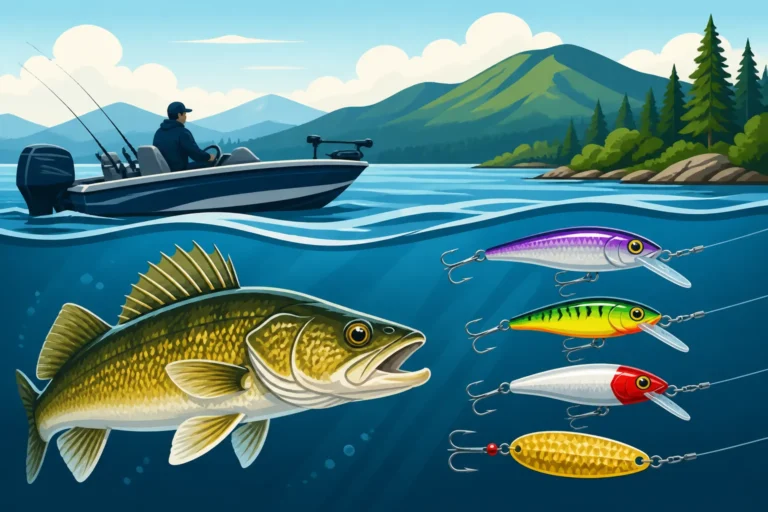
Walleye on Lake Champlain also enter a strong feeding pattern, often found in deeper waters or along structural edges. Trolling with crankbaits or nightcrawlers is a popular and effective method. Lake trout, still preferring cold water, can be found in the thermocline of deep lakes like Lake Champlain and Lake Willoughby, often requiring downriggers or heavy jigs to reach them. Panfish, such as yellow perch, bluegill, and crappie, are abundant in shallow, weedy areas, providing easy and fun fishing for families and beginners.
Mid-Summer: Dog Days and Deep Water Tactics
July and early August represent the "dog days" of summer. Water temperatures reach their peak, and bright, sunny conditions can make fishing challenging, especially during midday. Fish often become more lethargic or move to deeper, cooler waters. During this period, adapting your schedule is key. Early morning and late evening bites are often the most productive. The lower light conditions and slightly cooler temperatures encourage fish to move shallower to feed.
For those targeting walleye or lake trout, focusing on deeper structure and employing precise trolling or jigging techniques is essential. On Lake Champlain, you might find walleye suspended over deep flats or along ledges. Lake trout will be concentrated in the coldest, oxygenated water available. For bass, targeting shady areas, submerged vegetation, or fishing topwater lures at dawn and dusk can be incredibly exciting. Panfish often remain accessible in weedy shallows but might require a more subtle approach. Many anglers also turn their attention to species like northern pike, which can be found ambushing prey in the cooler, denser vegetation.
Late Summer: Transitioning to Fall Patterns
As August draws to a close and September approaches, subtle changes in weather patterns—cooler nights, shorter days—begin to influence water temperatures. This marks the beginning of the late summer transition, where fish start to sense the impending fall and often increase their feeding activity. While water temperatures are still warm, the overall trend is a gradual cool-down, which invigorates many species.
Bass may start to school up and follow baitfish into deeper pockets or along drop-offs. Walleye might become more aggressive as they sense the shifting season. This is an excellent time to cover water with search baits like crankbaits or spinnerbaits to locate active schools. For trout anglers, the higher elevation streams, which remain cooler throughout the summer, continue to offer good opportunities, but larger rivers might still be on the warmer side, making early morning fishing paramount. This period is essentially a prelude to the exceptional fall fishing, offering a chance to catch fish that are starting to bulk up.
Fall Fishing: Crisp Air and Aggressive Bites
Fall in Vermont is arguably the most beautiful season, with vibrant foliage blanketing the hillsides. For anglers, it's also one of the most productive times of year. The cooling waters and instinct to feed before winter drive many species into a frenzy.
Early Fall: Salmon and Lake Trout Runs
As September progresses, the significant drop in air temperatures directly impacts lake waters. This cooling trend triggers one of Vermont's most exciting fishing events: the landlocked salmon and lake trout spawning runs. These majestic fish, found in lakes like Champlain, Memphremagog, and Willoughby, begin to move from their deep summer haunts into shallower areas, especially near tributary mouths, rocky shoals, and breaklines, as they prepare to spawn.
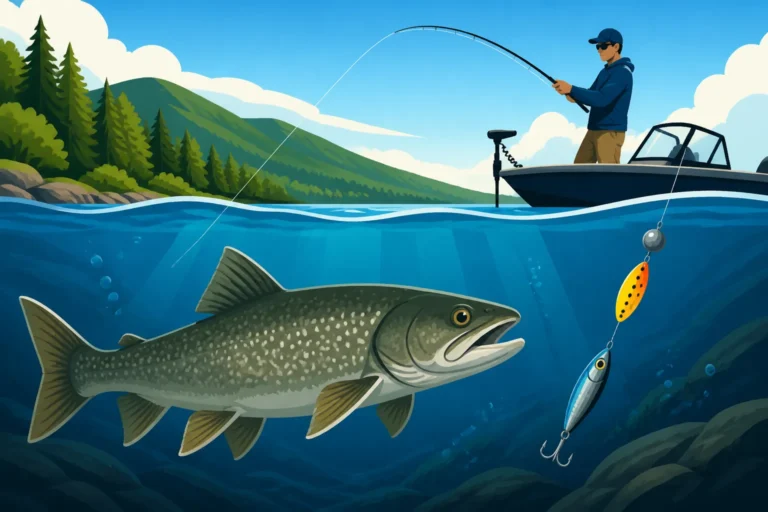
Anglers targeting How to Catch Landlocked Salmon in Vermont will find them highly active, responding to trolled spoons, stickbaits, or drifted bait. Shore anglers can also find success casting to these areas, particularly in low light conditions. Lake trout, too, become more accessible, often moving onto rocky reefs and humps where they can be targeted with jigging spoons or deep-trolled plugs. This pre-spawn activity makes them much more vulnerable and creates fantastic opportunities for trophy-sized fish.
Mid-Fall: Prime Trout and Bass Action
October truly shines for cold-water species. Trout are incredibly active, feeding aggressively in rivers and streams, taking advantage of abundant insect hatches and increasing flows from fall rains. Brown trout, in particular, become vibrant and territorial during their spawning period, offering excellent opportunities for fly anglers with streamers or spin anglers with lures that mimic baitfish. Many larger rivers, like the Battenkill or White River, offer fantastic wading.
Smallmouth bass, too, are in their prime. They school up in deeper lake sections, feeding heavily on baitfish like smelt and perch to put on weight for the lean winter months. They can often be found concentrated on rocky points, humps, and drop-offs. Vertical jigging, drop-shotting, or slow-rolling crankbaits can be incredibly effective. The bites are often strong and decisive, characteristic of fish that are feeding with purpose. This combination of comfortable weather, stunning scenery, and active fish makes mid-fall a top choice for many Vermont anglers.
Late Fall: Pre-Ice Fishing Opportunities
As November rolls around and the air takes on a distinct chill, fishing moves into its final open-water phase before freeze-up. Water temperatures continue to drop, and many species complete their spawning or move into deeper wintering areas. However, some fish remain highly active, sensing the fast-approaching winter.
Northern pike, in particular, can offer fantastic action in late fall. They are often found in shallow, weedy bays or cruising along deeper weed lines, ambushing baitfish. Large spoons, spinnerbaits, or dead bait under a bobber can be very effective. Walleye might still be found on deeper structures, though their bite can become more subtle. Panfish will start to congregate in deeper holes or sheltered basins, making them good targets for ice-fishing preparation or those willing to brave the colder temperatures. This period requires persistence and a willingness to fish slower, but the rewards can be significant, often yielding some of the largest fish of the year as they try to pack on calories.
Winter Fishing: Ice and Hardwater Adventures
Winter in Vermont is synonymous with ice fishing. From December through February, many lakes and ponds transform into bustling ice villages, offering a unique and often highly productive angling experience.
Early Ice: First Opportunities and Safety
The first weeks of safe ice, typically in December, are a highly anticipated time for dedicated hardwater anglers. Often, this "first ice" provides some of the best fishing of the entire season because fish are still relatively active and haven't experienced significant angling pressure. Species like yellow perch, bluegill, and crappie are usually the first targets, often found in shallower bays and near structure that holds submerged vegetation.
However, safety is paramount during this period. Ice conditions can be inconsistent, with varying thickness across a single body of water. Always check local conditions, talk to bait shops, and use appropriate safety gear. Knowing How thick ice needs to be for Vermont anglers to walk on it is not just important, it's a matter of survival. Four inches of clear, solid ice is the generally accepted minimum for foot travel. Carrying spud bars to test ice thickness as you go, and wearing ice picks around your neck, are essential practices. This early window is fantastic for getting out and enjoying the quiet solitude of the frozen landscape.
Mid-Winter: Consistent Ice and Deep Water
January and February generally offer the most stable and thick ice conditions, allowing anglers to venture further out and target deeper waters. This is the prime time for serious ice fishing pursuits, including targeting larger species like lake trout and walleye. Many dedicated ice anglers set up heated shanties for comfort, making long days on the ice more enjoyable. If you're looking to try ice fishing for the first time, check out our guide on Ice Fishing in Vermont.
Lake Champlain becomes a hub for ice anglers seeking walleye and lake trout, often using specialized gear like tip-ups with live bait or heavy jigging spoons dropped to the depths. Lake trout on Lake Willoughby or Seymour Lake might require even deeper presentations. Yellow perch continue to be a popular target, often schooling in large numbers. Jigging for Perch Through the Ice with small jigs tipped with bait is an incredibly effective and fun technique, often yielding consistent action. This mid-winter period offers the most reliable ice conditions, making it ideal for planning multi-day trips or targeting specific, harder-to-reach spots.
Late Winter: Approaching Ice-Out and Perch Runs
As February gives way to March, the days get longer, the sun grows stronger, and the ice begins its slow process of melting, leading up to the Vermont Ice Fishing Season Dates. This late winter period can be exceptionally productive, especially for yellow perch. As the ice thins and light penetrates deeper, perch often become very active, schooling up and feeding heavily in preparation for spawning, which occurs shortly after ice-out.
Anglers might find them concentrated in specific areas, sometimes relating to shallower water near inlets or points where early signs of open water appear. While ice conditions are still generally good, vigilance is crucial. Pay close attention to deteriorating ice, especially near shorelines, inlets, and outlets. The fishing during this time can be fast and furious, offering a last hurrah for the ice fishing season before open water returns. It's a bittersweet period, as anglers enjoy the final hardwater bites while also looking forward to the spring thaw.
Targeting Specific Species by Season
Vermont boasts a diverse array of fish species, each with its own preferred conditions and peak activity periods. Timing your visit to align with your target species' prime season is fundamental for success.
Trout Brook, Brown, Rainbow
Trout fishing in Vermont is a year-round passion for many, but the best times vary significantly depending on the species and location.
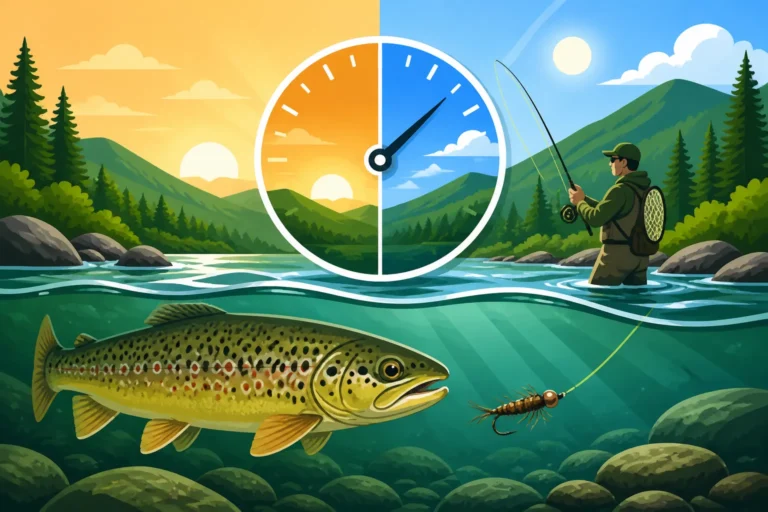
- Brook Trout: Vermont's native brook trout thrive in cold, clear, well-oxygenated streams and high-elevation ponds. Their peak activity is typically late spring through early fall, especially in cooler weather or during consistent insect hatches. Fly Fishing for Trout in Vermont is a classic method, with dry flies often effective in summer evenings, and nymphs or small spinners working well in spring and fall.
- Brown Trout: Known for their resilience and larger size, brown trout are found in many larger rivers and some lakes. Spring and fall are prime times, especially when they are actively feeding on baitfish or during their fall spawning runs. Large streamers and minnow-imitating lures can be very effective.
- Rainbow Trout: Often found in similar waters to browns, rainbows are energetic fighters. They are heavily stocked in spring, providing excellent opportunities, and then can be targeted throughout the summer in cooler waters and into the fall. They respond well to both bait (PowerBait, worms) and artificial lures (spinners, small spoons) and various fly patterns.
Bass Largemouth, Smallmouth
Vermont offers fantastic opportunities for both largemouth and smallmouth bass.
- Smallmouth Bass: Renowned for their fighting prowess, smallmouth thrive in rocky lakes and clear rivers. Their peak season is late spring through early fall. The pre-spawn and post-spawn periods (late May to July) are exceptional, with fish being aggressive and often in shallower water. Again, knowing How to Catch Smallmouth Bass in Vermont Lakes during these periods will maximize your chances. Fall also offers incredible action as they school up and feed heavily.
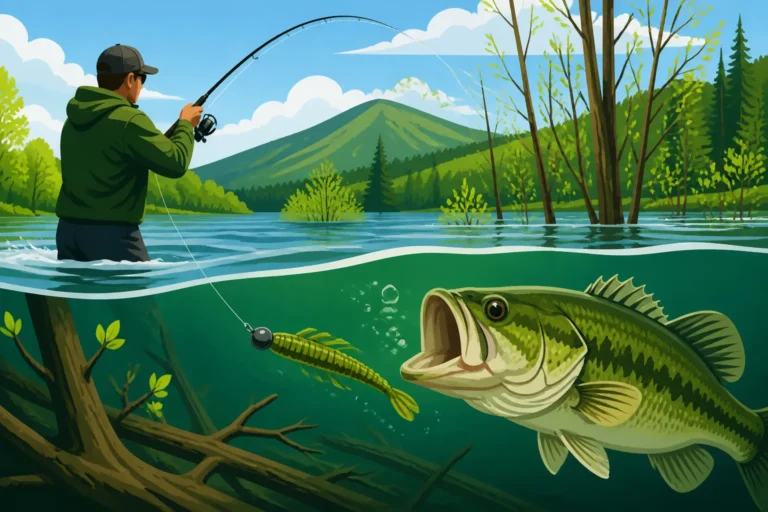
- Largemouth Bass: These "bucketmouths" prefer warmer, weedy, shallower waters. Their prime time mirrors smallmouth, from late spring through early fall, particularly during the spawn (late May to June) and post-spawn periods. Early mornings and evenings in summer are also fantastic for topwater action. Our guide on How to Catch Largemouth Bass in Vermont details the best approaches for these powerful fish.
Walleye
Lake Champlain is Vermont's premier walleye destination.
- Walleye: These delicious fish are most active during spring, early summer, and fall. In spring, they move shallower to spawn and feed heavily. Early summer sees them often deeper, requiring trolling with crankbaits or nightcrawlers. Fall is another peak period, as they feed aggressively before winter. Night fishing can also be exceptionally productive for walleye, especially during warmer months. During the winter, they are a prized target for ice anglers on Lake Champlain.
Landlocked Salmon & Lake Trout
These cold-water giants are highlights of Vermont's deeper lakes.
- Landlocked Salmon: Found primarily in Lake Champlain, Lake Willoughby, and Seymour Lake, landlocked salmon offer thrilling battles. The best times are after ice-out in spring and, crucially, in the fall when they move shallower for spawning runs. Trolling spoons or stickbaits is the most common method, but casting from shore can also yield results during these peak times. Read up on How to Catch Landlocked Salmon in Vermont for detailed strategies.
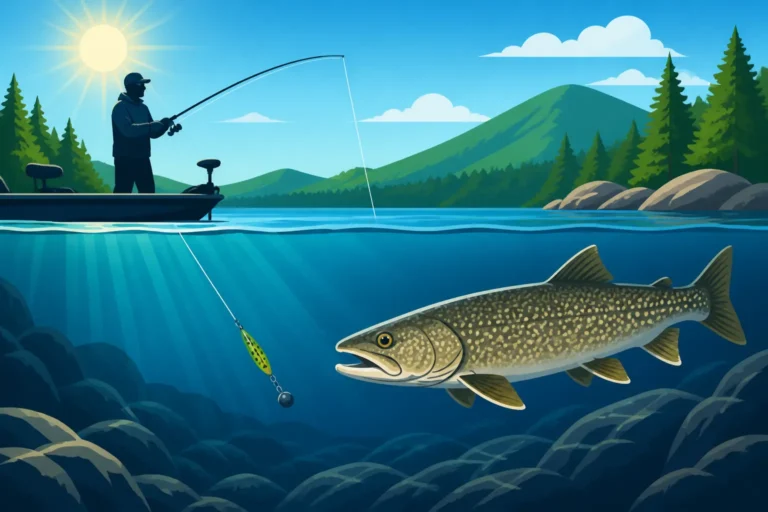
- Lake Trout: These deep-water residents are found in Lake Champlain, Lake Willoughby, and a few other deep cold lakes. They are targeted in spring and fall when they might be found shallower, but during summer, they require specialized deep-water trolling or jigging. Winter ice fishing for lake trout is also extremely popular, with anglers dropping heavy jigs or live bait to deep structure.
Panfish & Pike
Often overlooked but providing consistent action.
- Panfish (Yellow Perch, Bluegill, Crappie): These species are abundant and can be caught almost year-round. Spring and early summer are fantastic as they move shallow to spawn. They remain accessible throughout the summer, often found in weed beds. Winter ice fishing provides some of the most consistent and fast-paced action for perch and crappie.
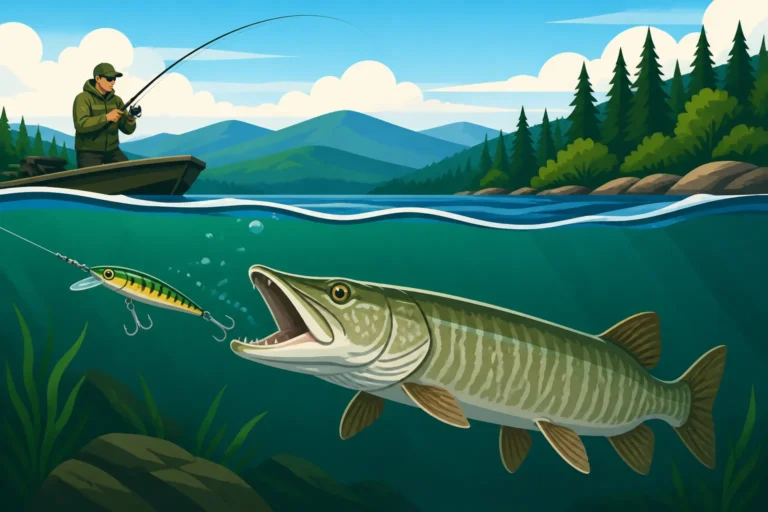
- Northern Pike: Aggressive predators, pike are active from ice-out in spring through late fall. They love weedy bays and shallow areas where they ambush prey. Ice fishing for pike is also a hugely popular winter activity, with tip-ups set with large dead bait.
Here's a quick reference table to help visualize peak fishing times:
| Species | Best Season(s) | Peak Months | Key Techniques |
|---|---|---|---|
| Brook Trout | Spring, Fall | Apr, May, Sept, Oct | Fly Fishing (nymphs, dry flies), Small Spinners |
| Brown Trout | Spring, Fall | Apr, May, Oct, Nov | Streamers, Minnow Lures, Bait |
| Rainbow Trout | Spring, Early Summer, Fall | Apr, May, June, Oct | Bait, Spinners, Spoons, Fly Fishing |
| Smallmouth Bass | Late Spring, Summer, Fall | May, June, July, Sep | Crankbaits, Jigs, Topwater, Drop-shotting |
| Largemouth Bass | Late Spring, Summer, Fall | May, June, July, Aug | Soft Plastics, Topwater, Spinnerbaits, Jigs |
| Walleye | Spring, Early Summer, Fall | May, June, Sep, Oct | Trolling (crankbaits, nightcrawlers), Jigging, Night fishing |
| Landlocked Salmon | Spring, Fall | Apr, May, Sep, Oct | Trolling Spoons/Stickbaits, Casting from Shore |
| Lake Trout | Spring, Fall, Winter | Apr, May, Oct, Jan | Deep Trolling (downriggers), Jigging (ice fishing) |
| Yellow Perch | Spring, Summer, Winter | Apr, May, July, Jan | Small Jigs, Worms, Small Spinners |
| Northern Pike | Spring, Fall, Winter | Apr, May, Oct, Jan | Large Spoons, Spinnerbaits, Dead Bait (tip-ups) |
Factors Influencing the Best Time to Fish
While seasonal patterns provide a great general guide, successful anglers know that fishing is rarely that simple. Many dynamic factors can influence fish behavior and, consequently, the best time to wet a line. Paying attention to these details can turn an average day into an exceptional one.
Weather Patterns and Water Temperature
The single most significant influence on fish activity, outside of spawning cycles, is weather and its direct impact on water temperature.
- Cold Fronts: A sudden drop in temperature and clear, high-pressure skies following a storm can shut down a bite for several days. Fish become lethargic and often move to deeper, more stable water. Patience and a finesse approach are usually required.
- Warm Fronts: Conversely, a warming trend can invigorate fish, making them more active and willing to feed. Overcast days with stable or rising temperatures often provide excellent fishing.
- Rain: Light, steady rain can sometimes be fantastic, especially in summer. It reduces light penetration, cools surface temperatures, and can stimulate insect activity or wash forage into the water. Heavy rains, however, can cause rivers to blow out with muddy, high flows, making fishing difficult.
- Water Temperature: Each species has an optimal temperature range. For instance, cold-water species like trout and lake trout become stressed in warm summer waters, seeking refuge in deeper, cooler areas. Warm-water species like bass and panfish thrive in higher temperatures but can become sluggish if it gets too hot. Monitoring water temperature with a thermometer is a crucial habit for informed angling.
Water Levels and Clarity
Especially in rivers and streams, water levels and clarity are critical.
- High Water: Can be a double-edged sword. While it might open up new areas for fish and provide increased oxygen, overly high and muddy water (often from heavy rain or snowmelt) can make fishing impossible as fish struggle to see lures and are scattered by current. Focusing on eddies, slower pockets, and slack water near banks can still yield results.
- Low Water: Common in late summer or during dry spells, low and clear water makes fish very spooky. They often seek refuge in deeper pools or under cover. A stealthy approach, long casts, and smaller, more natural-looking presentations are key. This can be particularly challenging for Fly Fishing for Trout in Vermont in smaller streams.
- Clarity: Clear water demands natural colors and finer lines; stained or muddy water allows for more vibrant colors and larger profiles to be seen.
Moon Phases and Tides (Minimal for VT)
While moon phases are a hot topic in saltwater fishing and even influence some freshwater species, their impact on landlocked Vermont's freshwater fisheries is generally considered less significant than weather and water temperature. Some anglers swear by full or new moon periods, but scientific consensus is mixed. Vermont does not have ocean tides, so that factor is completely irrelevant here. Focus your energy on local weather patterns and water temperatures instead of obsessing over lunar cycles.
Baitfish Movements and Insect Hatches
The food chain dictates much of fish behavior.
- Baitfish: The presence and movement of baitfish (like smelt, alewives, or shiners) are huge attractants for predatory species. When baitfish are schooling in certain areas, game fish won't be far behind. This is particularly true for walleye, salmon, lake trout, and bass. Learning about the annual smelt runs in certain tributaries, for instance, can pinpoint prime salmon fishing.
- Insect Hatches: For trout and fly anglers, specific insect hatches are paramount. Caddis, mayflies, and stoneflies all have distinct emergence periods. "Matching the hatch" with artificial flies can lead to incredible action on trout streams. Even spin anglers can benefit from knowing when hatches occur, as active feeding often makes trout less wary. Monitoring local fly shop reports or online forums can keep you informed about current hatches.
Planning Your Vermont Fishing Calendar
Bringing all this information together can help you create a personalized fishing calendar for Vermont that maximizes your chances of success. It's about combining general seasonal knowledge with real-time conditions and your personal angling preferences.
Utilizing Online Resources for Real-Time Conditions
While this guide provides an excellent foundation, conditions in Vermont are dynamic. Real-time information is invaluable.
- Vermont Fish & Wildlife Department Website: This is your primary source for up-to-date regulations, fish stocking schedules (remember the Vermont Fish Stocking Search Tool, Explained!), and important alerts or advisories.
- Local Bait and Tackle Shops: These are goldmines of local knowledge. Shop owners and staff are often on the water themselves or in constant contact with those who are. They can tell you what's biting, where, and with what bait or lure. Don't be afraid to stop in, buy some tackle, and ask questions!
- Online Forums and Social Media Groups: Many dedicated Vermont fishing communities exist online. These platforms can offer recent reports, photos, and discussions on current conditions and successful techniques. Just remember to take some online advice with a grain of salt and cross-reference with official sources.
Gear Preparation for Each Season
Each season in Vermont demands specific gear, not just for catching fish but also for your comfort and safety.
- Spring: Expect cold water, often chilly air, and potential rain. Waders (often chest waders), waterproof outerwear, and layering are essential. Your tackle box should include cold-water lures for pike and perch, and early season trout baits/flies.
- Summer: Lighter clothing, good sunscreen, polarized sunglasses (a must for spotting fish and structure), and insect repellent are key. Your tackle should focus on a variety of bass lures, panfish rigs, and deeper-running baits for walleye and lake trout. Consider a good cooler for your catch, readily available on Amazon.
- Fall: Layering is again crucial as temperatures can fluctuate wildly between morning and midday. Waterproof outerwear is still a good idea. Focus your tackle on aggressive presentations for salmon, lake trout, and bass, including larger spoons and stickbaits.
- Winter: This demands serious cold-weather gear: insulated boots, thermal layers, warm outerwear, hats, and gloves. Essential ice fishing gear includes an auger, tip-ups, jigs, and a sturdy spud bar for safety. A portable ice shanty, also available through retailers like Amazon, can be a lifesaver on windy days.
Connecting with Local Experts
Even with all the research in the world, nothing beats local knowledge. If you're new to an area or targeting a challenging species, consider hiring a local fishing guide. They can rapidly accelerate your learning curve, put you on fish, and teach you the nuances of local waters. Many guides offer half-day or full-day trips for a variety of species and techniques. They can be found through local tackle shops, tourism websites, or by searching online. The investment can pay off significantly in terms of a more successful and enjoyable experience.
Disclaimer
The information provided in this guide is for general informational purposes only and is not intended as legal advice. Fishing regulations in Vermont can change, and it is the angler's sole responsibility to consult the most current Vermont Fish & Wildlife Department regulations before engaging in any fishing activities. Always prioritize safety, especially when on or near water, and adhere to all local, state, and federal laws.