Best fishing spots within an hour of Rutland
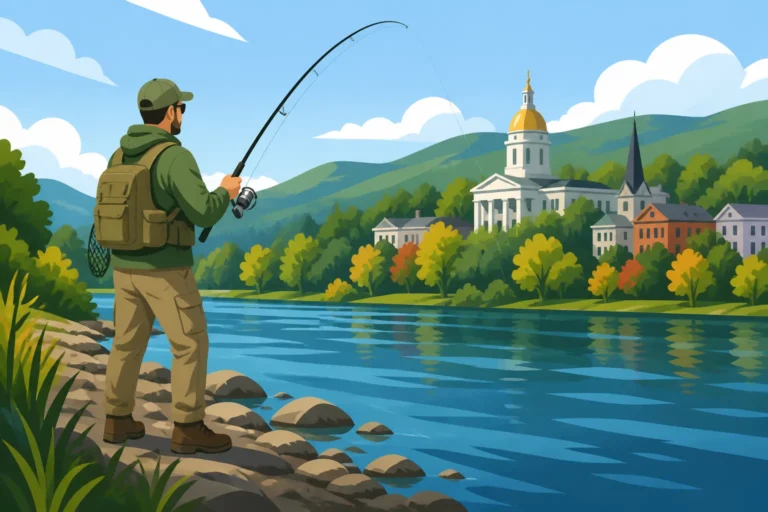
Let's be honest, finding that sweet spot for fishing—the one that promises a good bite without requiring you to pack a lunch for a three-hour drive each way—can feel like a treasure hunt, especially when you're based in a charming, central Vermont town like Rutland. You want to maximize your time on the water, not behind the wheel. This guide is all about cutting down that travel time and pointing you toward some truly fantastic fishing spots, all comfortably nestled within an hour's drive of Rutland, offering a variety of species and experiences for every angler.
Productive Lakes and Ponds Around Rutland
When you're looking for consistent action and a decent chance at a trophy, the lakes and ponds near Rutland are an absolute goldmine. Each offers its own unique charm and angling opportunities, from bustling bass fisheries to tranquil trout havens.
Lake Bomoseen and Lake St. Catherine: Southern Vermont's Gems
Just a short jaunt west of Rutland, roughly 20 to 30 minutes, you'll find two of Vermont's most beloved fishing destinations: Lake Bomoseen and Lake St. Catherine. These lakes are far more than just pretty scenery; they are vibrant ecosystems teeming with fish, making them absolute must-visits for any angler in the area.
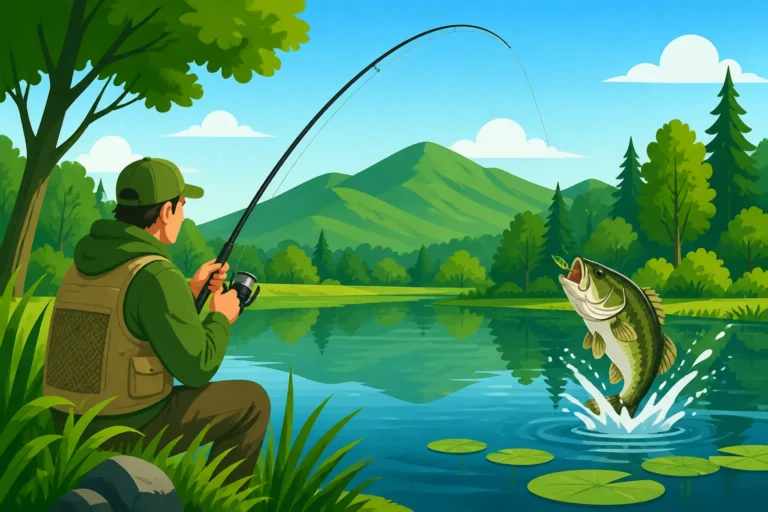
Lake Bomoseen, Vermont's third-largest lake, is a true all-around fishery. It's an absolute powerhouse for both largemouth and smallmouth bass. Imagine pitching jigs or casting topwater lures into the lily pads and rocky points, feeling that explosive strike that gets your heart racing. Beyond the bass, Bomoseen also holds impressive populations of northern pike, yellow perch, and various panfish. You can access the lake from a few spots, including the well-maintained facilities at Lake Bomoseen State Park, which offer boat launches and shore fishing opportunities. For an even deeper dive into this incredible body of water, you might want to check out our comprehensive guide on Lake Bomoseen Fishing Guide. It's a fantastic resource for understanding the lake's structure and seasonal patterns.
Just a little further south, Lake St. Catherine offers a similar, equally rewarding experience. It's another fantastic bass fishery, often producing hefty largemouth and smallmouth. But St. Catherine truly shines for its excellent black crappie fishing, especially in the spring and fall. These panfish are a blast to catch on light tackle and make for a delicious meal. Northern pike are also common here, lurking in the weedy bays, ready to ambush a passing lure. While not primarily a trout lake, some rainbow trout are stocked, particularly in deeper areas. Like Bomoseen, Lake St. Catherine State Park provides ample access, including boat launches. If you're keen on exploring what this lake has to offer, our Lake St Catherine Fishing Guide has all the details you need to plan a successful outing. Both of these lakes are also subject to specific rules regarding the Vermont Bass Catch-and-Release Season, Explained, so always be sure to consult the latest regulations before heading out.
Lake Dunmore and Silver Lake: Northeast of Rutland
Venturing slightly northeast from Rutland, about a 35 to 40-minute drive will bring you to the picturesque Lake Dunmore. This lake is a favorite among anglers for its crystal-clear waters and diverse fish populations. While it offers excellent smallmouth bass fishing along its rocky shores and submerged structures, Lake Dunmore is particularly renowned for its cold-water species. It's home to a healthy population of lake trout, which can be found in the deeper sections, especially during the warmer months. Rainbow trout are also stocked here, providing additional angling opportunities. Targeting the deeper sections with downriggers or heavy spoons can be incredibly productive for the lakers. For smallmouth, look for rocky humps and drop-offs.
Nestled right next to Lake Dunmore, often overshadowed but equally charming, is Silver Lake in Leicester. This smaller, tranquil lake is perfect for a more relaxed outing. While it doesn't boast the same trophy potential as Dunmore, Silver Lake is an excellent spot for panfish—think bluegill, pumpkinseed, and yellow perch—making it a fantastic destination for families or those looking for steady action on ultralight tackle. It also has a good population of largemouth bass, especially in its shallower, vegetated areas. Access to Silver Lake is often through Branbury State Park, which sits on the eastern shore of Lake Dunmore, requiring a short hike or paddle to reach Silver Lake. It’s a great way to experience two distinct fisheries in one trip. You can find more specific details about Lake Dunmore's offerings in our dedicated guide, Lake Dunmore Fishing Guide.
Chittenden Reservoir and Other Local Ponds: Hidden Opportunities
For those who prefer a more secluded, wilder fishing experience, the area around Rutland also offers the magnificent Chittenden Reservoir, located about 25 to 35 minutes to the east. This beautiful, expansive body of water is a true gem, particularly for trout anglers. It's known for its robust populations of brook, rainbow, and brown trout. What makes Chittenden Reservoir special is its "electric motors only" rule, which helps maintain a peaceful atmosphere and makes it a favorite among fly fishermen and those who prefer a quieter paddle. Imagine drifting silently, casting dry flies or nymphs to rising trout in a truly serene setting. It's an experience that really connects you with nature.
Beyond Chittenden, numerous smaller, often overlooked local ponds dot the landscape within an hour's radius. Ponds like Tinmouth Pond or, if you're willing to stretch the "hour" just a tad, Lake Hortonia offer excellent opportunities for panfish and smaller largemouth bass. These spots are typically less crowded than the larger lakes, making them perfect for a quick, impromptu fishing trip. Often, these smaller ponds are great for shore fishing or launching a kayak or canoe for easy access to productive coves and weed beds. For the avid fly angler looking for specific techniques on waters like Chittenden, our guide on Fly Fishing for Trout in Vermont provides invaluable insights. And if you're keen on targeting those smaller, feisty species, our Panfish Fishing in Vermont article is a great resource.
Rivers and Streams for Moving Water Anglers
While the lakes offer their own brand of excitement, there’s something undeniably captivating about the flow of a river or the gentle gurgle of a trout stream. The Rutland area is blessed with several excellent moving-water fisheries, each presenting unique challenges and rewards.
Otter Creek: A Diverse Fishery
Otter Creek, Vermont's longest river, literally weaves its way through the greater Rutland area, meaning some of its most productive sections are practically in your backyard, with others just a short drive north or south. This river is incredibly diverse, offering something for almost every type of angler. It's a renowned smallmouth bass fishery, with healthy populations of hard-fighting bronzebacks found throughout its various pools, riffles, and undercut banks. Casting spinnerbaits, crankbaits, or soft plastics can lead to some exhilarating strikes.
But Otter Creek isn't just about bass. It also holds a significant population of northern pike, particularly in its wider, slower-moving sections and backwater eddies. These toothy predators provide an exciting challenge. For those interested in a unique fight, common carp are also prevalent and can offer an incredible battle on appropriate tackle. And, depending on the section and time of year, you might even encounter trout, especially in the clearer, cooler headwaters or where tributaries merge. Access to Otter Creek is generally excellent, with numerous state fishing access areas and public lands providing bank access or launch points for kayaks and canoes. To really understand the nuances of this fantastic waterway, take a look at our Otter Creek Fishing Spots guide, which details specific locations and tactics. If you're specifically targeting those feisty smallmouth, our article on How to Fish a River for Smallmouth Bass offers some excellent techniques to try.
Black River and Clarendon River: Trout Country
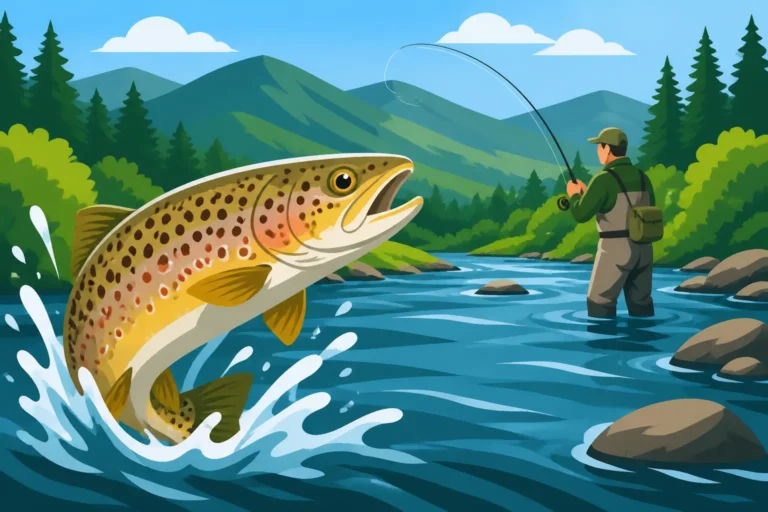
For the dedicated trout angler, the rivers and streams within an hour of Rutland offer fantastic opportunities, particularly during the spring and fall. The Black River, near Ludlow (about a 30 to 45-minute drive southeast of Rutland), is a prime example. This river is regularly stocked with brown and rainbow trout, making it a reliable destination for a productive day. The sections around Ludlow and further downstream offer a mix of riffles, runs, and deeper pools, perfect for both fly fishing and spin fishing. Small spinners, worms, or carefully presented nymphs and streamers can be incredibly effective here, especially in the weeks following stocking. The thrill of a trout rising to a perfectly placed dry fly on a crisp spring morning is an experience that keeps anglers coming back year after year.
Closer to home, the Clarendon River, which flows directly through and near Rutland, is another excellent option for trout. While it's a smaller stream compared to the Black River, it boasts a reputation for holding both wild brook trout and receiving periodic stockings of brown and rainbow trout. It’s an ideal stream for wade fishing, allowing you to stealthily approach pools and undercut banks where trout often lie in wait. Exploring its twists and turns can uncover some truly hidden gems. When fishing these trout streams, remember that proper presentation and understanding trout behavior are key. For specific strategies, especially during that exciting early season, you'll find a wealth of information in our Spring Trout Fishing Techniques for Vermont Streams article. Always remember to check the Vermont Trout Season and Stocking Rules for the most up-to-date information on stocking schedules and open seasons.
Essential Planning for Your Rutland Area Fishing Adventure
Even with the best fishing spots in mind, a successful and enjoyable trip hinges on proper preparation. From understanding the rules to having the right gear, a little foresight goes a long way.
Licenses, Regulations, and Staying Legal
First and foremost, before you even think about casting a line in any of these fantastic Vermont waters, you absolutely must have a valid Vermont fishing license. This isn't just a recommendation; it's the law. The state offers various license options, including resident and nonresident annual licenses, as well as shorter-term permits perfect for visitors. There are also specific rules regarding age requirements; for instance, children under a certain age might not need a license, but it's always best to verify.
The good news is that obtaining a license is incredibly straightforward. You can easily purchase one online through the Vermont Fish & Wildlife Department website, or you can visit one of the many authorized license vendors spread throughout the state, including many local bait shops and sporting goods stores in and around Rutland. For a detailed breakdown of all your options and answers to common questions, our comprehensive Vermont Fishing License Guide for 2026 is an indispensable resource. And once you've secured your license, you'll also want to understand the convenience of Printing or Carrying a Digital Fishing License in Vermont, which makes keeping your credentials handy a breeze.
Beyond the license itself, it's critical to familiarize yourself with the current Vermont Fishing Regulations Explained. These regulations cover everything from daily bag and possession limits for various species (like trout, bass, and pike) to minimum length limits and specific season dates for different waters. Vermont has some special regulation waters, including catch-and-release-only sections on certain trout streams, so always double-check the specifics for your chosen destination. Ignorance of the law is never an excuse, and violating regulations can lead to hefty fines and even loss of fishing privileges.
Finding Guides and Local Knowledge
While this guide offers a great starting point, nothing quite beats the insights of a local expert, especially when you're exploring new waters or trying to target a specific species that proves a bit elusive. This is where a professional fishing guide can be an absolute game-changer. They possess an intimate knowledge of the local waterways, understanding seasonal patterns, optimal techniques, and even the subtle nuances of fish behavior that only comes from years on the water.
Platforms like FishingBooker are incredibly useful for connecting with reputable, experienced local fishing guides right in the Rutland area. You can browse various charters and independent guides operating on lakes like Bomoseen or Dunmore, or even those who specialize in river trout trips on the Black River. A guide can provide not only their expertise but often all the necessary gear, bait, and even transportation to the best spots, taking all the guesswork out of your trip. Whether you're a seasoned angler looking to refine your skills or a beginner hoping to learn the ropes, a guided trip booked through FishingBooker can significantly enhance your chances of success and enjoyment. Plus, they can often navigate complex regulations or pinpoint exactly where the fish are biting on any given day. Don't underestimate the wealth of information a good guide can offer; it can turn a slow day into a memorable one.
Another fantastic source of local knowledge are the bait and tackle shops in and around Rutland. Places like Marty's Sports & Tackle in Rutland are often staffed by passionate anglers who live and breathe local fishing. They can offer real-time updates on what's biting, what baits are working, and any recent changes in water conditions. A quick chat with them can save you hours of fruitless searching.
Gear Up for Success
Having the right gear makes all the difference. For lake fishing targeting bass and pike, a medium-heavy spinning or baitcasting rod paired with matching reel and 8-12 lb test line is a versatile setup. Pack a variety of lures: crankbaits, spinnerbaits, soft plastics (worms, tubes, creature baits), and some topwater options for early mornings or evenings. For panfish, an ultralight setup with small jigs, bobbers, and worms or small artificials is perfect.
Trout fishing, especially on smaller streams like the Clarendon River or parts of the Black River, often calls for a lighter approach. A 5-7 ft light to medium-light spinning rod with 4-6 lb test line is ideal for casting small spinners (like Mepps or Panther Martin) or worms. If you're fly fishing, a 4-6 weight fly rod with a floating line will cover most trout situations. Waders and appropriate wading boots are essential for safely navigating riverbeds. Always remember a landing net; a rubberized net is best for catch-and-release to protect the fish's slime coat. And regardless of your target, always carry a small tackle box or bag with essential tools like pliers, line clippers, and extra hooks and weights. Checking the water temperature, especially for trout, is also crucial. When stream temperatures climb above 68-70°F, it's often best to avoid trout fishing to minimize stress on the fish.
Seasonal Insights for Rutland Fishing
Vermont's distinct seasons offer a continuously changing canvas for anglers, each period bringing its own unique opportunities and challenges. Understanding these shifts is key to maximizing your success around Rutland.
Spring into Action: Trout and Early Bass
As the long Vermont winter finally loosens its grip, spring ushers in some of the most anticipated fishing of the year. Once the ice clears from the lakes and ponds, and river flows stabilize, the fishing truly ignites. This is prime time for trout, particularly after the Vermont Fish & Wildlife Department begins its annual stocking programs. Streams like the Black River and Clarendon River receive regular infusions of eager brown and rainbow trout, creating fantastic opportunities for anglers employing both spin and fly fishing techniques. The waters are often cool and oxygenated, making trout very active.
During this period, focus on freshly stocked areas, as well as classic trout holding spots like pools, riffle edges, and undercut banks. For many, this also marks the official start of the fishing calendar, a tradition celebrated with Vermont Trout Opening Day Traditions. Beyond trout, as lake temperatures begin to climb into the 50s and 60s, both largemouth and smallmouth bass in lakes like Bomoseen and St. Catherine start to move into shallower, warmer waters, particularly sun-drenched coves and rocky points. They’ll be looking to feed aggressively after a colder winter, making them highly receptive to a variety of lures. It's truly one of the Best Time of Year to Fish in Vermont.
Summer's Bounty: Bass, Pike, and Deepwater Trout
Summer in Vermont, generally from late June through August, brings warmer water temperatures and longer days, translating into different tactics for anglers. The shallower areas of Lake Bomoseen, Lake St. Catherine, and even Lake Dunmore become absolute hotbeds for largemouth and smallmouth bass, especially during the early morning and late evening hours when they are most active near the surface. Topwater lures can be incredibly exciting at dawn or dusk, creating explosive strikes that are unforgettable. During the brighter, hotter parts of the day, bass often retreat to deeper structures, weed lines, or shady cover, requiring presentations like Texas rigs, Carolina rigs, or drop shots. Our guide on How to Catch Smallmouth Bass in Vermont Lakes offers specific tips for these summer patterns.
Northern pike remain active in the weedy flats and channels of Bomoseen and St. Catherine throughout the summer, often ambushing baitfish. For cold-water species like lake trout in Lake Dunmore, summer means they will be migrating to the deepest, coolest parts of the lake. This typically necessitates trolling with downriggers or employing vertical jigging techniques over deep structure. This deep-water pursuit for lake trout can be incredibly rewarding, and our article on Best Techniques for Deep Water Summer Lake Trout provides advanced strategies for targeting these magnificent fish.
Fall Colors, Hot Bites: Walleye and Aggressive Bass
As autumn paints the Green Mountains in vibrant hues, the fishing often experiences a resurgence, with many species going on a feeding frenzy to bulk up for the upcoming winter. This post-summer period, typically from September through November, can offer some of the most productive fishing of the entire year. Bass in lakes like Bomoseen and St. Catherine become incredibly aggressive, chasing down baitfish in shallower areas during cooler periods and moving to deeper breaks as water temperatures continue to drop. Crankbaits, jerkbaits, and larger swimbaits can be particularly effective.
While walleye fishing isn't as prominent directly within an hour of Rutland, the general principle of fall feeding frenzies applies to other predatory species like pike and larger perch in the local lakes. Fish are often found schooled up, making it possible to have incredible catch rates once you locate them. This is a fantastic time to target trophy-sized fish across many species.
Winter Wonders: Ice Fishing Opportunities
When winter settles over Vermont and the lakes finally cap with safe ice, a whole new world of angling opens up: ice fishing. Lake Bomoseen and Lake St. Catherine are popular ice fishing destinations, easily accessible from Rutland. Anglers bundle up and venture onto the ice, drilling holes to target yellow perch, black crappie, northern pike, and even some trout. The slower pace and unique camaraderie of ice fishing offer a distinctly different, yet equally rewarding, experience.
Jigging with small lures tipped with bait for perch and crappie is a common and productive method, while setting tip-ups with live bait is ideal for pike. Safety is paramount during ice fishing; always check ice thickness and conditions before venturing out. It's crucial that How thick ice needs to be for Vermont anglers to walk on it is well understood to ensure your safety. For a comprehensive guide to enjoying this frosty pursuit, our article on Ice Fishing in Vermont covers everything from gear to safety tips.
| Fishing Spot | Primary Fish Species | Drive Time (from Rutland) | Key Features / Access | Best Season(s) |
|---|---|---|---|---|
| Lake Bomoseen | Largemouth/Smallmouth Bass, Pike, Perch, Panfish | 20-25 minutes | State Parks, public boat launches, varied structure | Spring, Summer, Fall, Winter (Ice) |
| Lake St. Catherine | Bass, Crappie, Pike, Trout | 30 minutes | State Park, multiple access points | Spring, Summer, Fall, Winter (Ice) |
| Lake Dunmore | Smallmouth Bass, Lake Trout, Rainbow Trout, Perch | 35-40 minutes | State Park, deep water, rocky shores | Spring, Summer, Fall |
| Chittenden Reservoir | Brook, Rainbow, Brown Trout | 25-35 minutes | Fly fishing focus, electric motors only, remote feel | Spring, Summer, Fall |
| Otter Creek | Smallmouth Bass, Pike, Carp, Panfish | 0-20 minutes | Extensive river access, diverse fishery | Spring, Summer, Fall |
| Black River | Brown, Rainbow Trout | 30-45 minutes | Regularly stocked, wade fishing | Spring, Fall |
| Clarendon River | Brook, Brown, Rainbow Trout | 15-25 minutes | Smaller stream, wild trout, wade fishing | Spring, Fall |
Disclaimer
Fishing regulations and conditions in Vermont can change, sometimes without much notice. Always double-check the latest rules and safety advisories from the Vermont Fish & Wildlife Department before heading out on any fishing trip. Be aware of private property boundaries and respect the environment. Fishing, like any outdoor activity, carries inherent risks; exercise caution and good judgment.