Best fly fishing access on the Battenkill
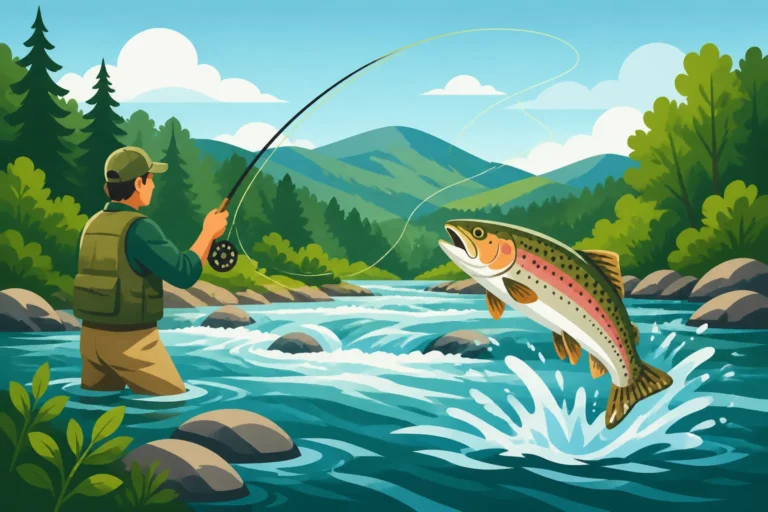
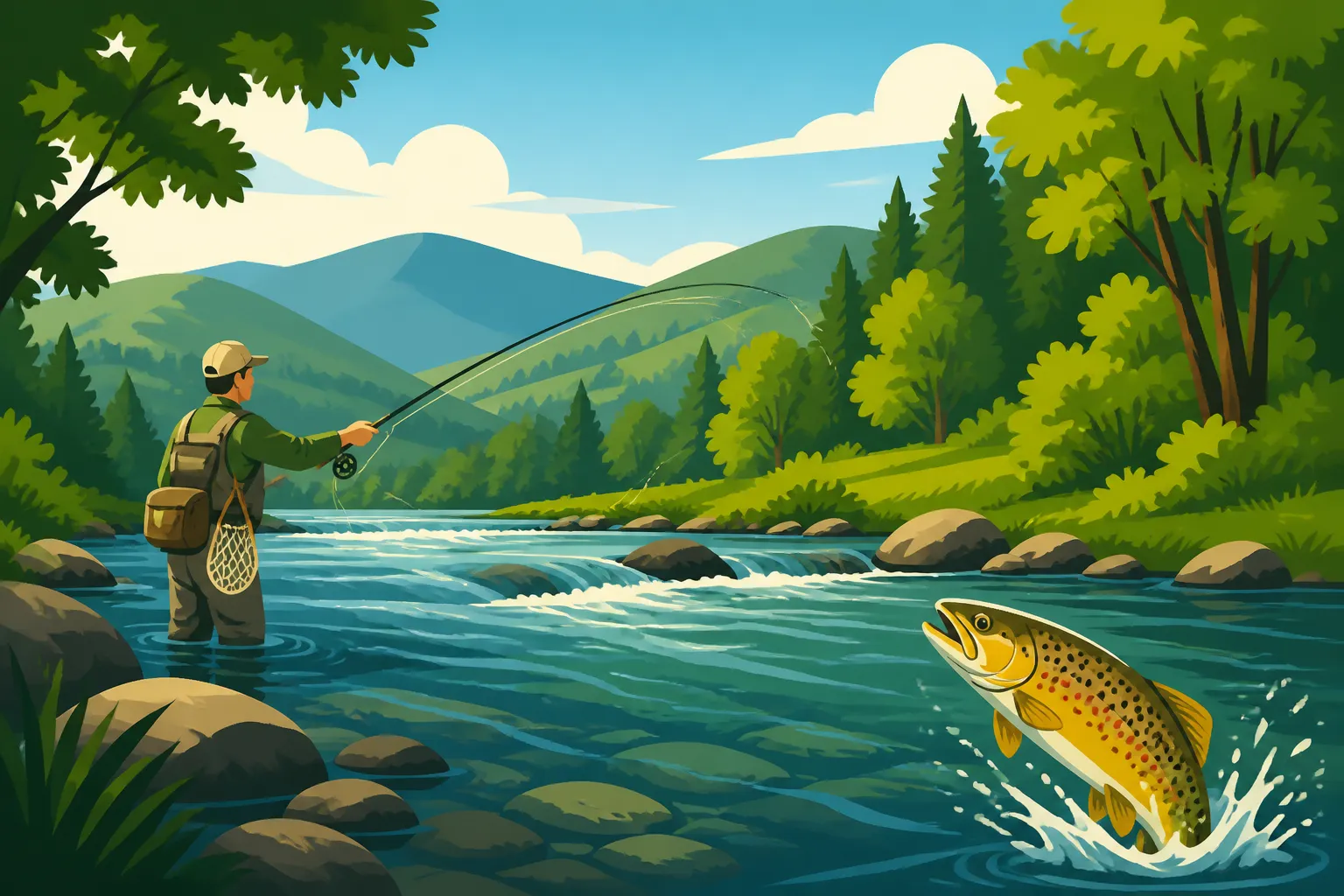
Oh, the Battenkill! It's a name that echoes with legend among fly anglers, a true hallowed ground in the world of wild trout fishing. But let's be honest, dreaming of casting a perfect drift on its fabled waters is one thing; actually finding reliable, legal public access on this often-elusive river can feel like trying to find a needle in a haystack for many. This guide is here to cut through that frustration, pinpointing the best, most accessible fly fishing spots on the Vermont stretch of the Battenkill River so you can spend less time searching and more time fishing.
Understanding the Battenkill's Unique Character for Fly Fishing
The Battenkill isn't just any trout stream; it's a living legend with a personality all its own. Its waters hold a special mystique, attracting anglers from all over the world, and for good reason. Before you even tie on your first fly, it helps to understand what makes this river so distinctive and, at times, so wonderfully challenging.
The "Wild Trout" Challenge and Habitat
One of the biggest draws of the Battenkill, particularly the Vermont section, is its reputation for wild, naturally reproducing brown and brook trout. Unlike many other rivers that rely heavily on stocking programs, the Battenkill offers a truly authentic wild trout experience. This means the fish are often more wary, more selective, and incredibly rewarding to catch. They're not going to jump on just any fly you present; you'll need stealth, precision, and an understanding of their behavior.
The river itself is a tapestry of different habitats, from classic riffles and runs to deep, slow pools and undercut banks. These varied environments provide excellent cover and feeding lies for trout. You'll find sections with gravel bottoms, perfect for wading, and others with rocky, slippery streambeds that demand careful footing. The wild nature extends to the surrounding landscape, too—dense vegetation, mature trees, and often, a sense of quiet solitude that makes every cast feel like an adventure. While Vermont does stock trout in some areas, the Battenkill's wild populations are what truly make it shine, and this natural abundance is something the Vermont Fish and Wildlife Department works hard to protect. If you're looking for an unforgettable experience chasing wary, beautiful fish, the Battenkill delivers, but be prepared for a bit of a puzzle.
Navigating Public vs. Private Waters
Here's where the frustration often sets in for newcomers: the Battenkill, especially the prime sections, is a patchwork of public and private land. Many sections are privately owned, and trespassing is a real concern, both legally and ethically. It's not always obvious where private land ends and public access begins, and showing respect for landowners is paramount to maintaining good relations for all anglers. You can't just pull over anywhere and hop in; you need to know exactly where you're allowed to be. This challenge is why guides are so popular, and why services like FishingBooker often list local experts who know these boundaries intimately.
Understanding riparian rights in Vermont is key. Generally, anglers have the right to wade or boat in navigable waters, but accessing those waters often means crossing private land, which requires permission. The good news is that the state of Vermont and various conservation organizations have worked diligently to secure and mark public fishing access points. These designated spots often have parking areas and clear signage, making it much easier to enjoy the river without worry. Always look for "Public Fishing Access" signs, and if in doubt, choose another spot. It's always better to be safe than sorry, and respecting these boundaries ensures these precious fishing opportunities remain available for everyone. Knowing the specific public access points is crucial for a stress-free day on the water.
Key Public Access Points on the Vermont Battenkill
While the Battenkill might seem intimidating to access, there are several well-known and generously managed public access points along its Vermont stretch. These spots offer fantastic opportunities to experience the river's legendary fly fishing. Each area has its own unique character, offering different challenges and rewards for the diligent angler.
Arlington Area Access: Route 313 to River Road
One of the most popular and easily identifiable areas for public access on the Vermont Battenkill is centered around Route 313 in Arlington. This main road runs parallel to the river for a significant stretch, providing various entry points. You'll often find pull-offs and small parking areas managed by the Vermont Fish & Wildlife Department. The section from the state line, where the river flows from New York into Vermont, down towards Arlington offers a classic Battenkill experience.
A prime access point is often found near the intersection of Route 313 and River Road. Here, you can typically find designated parking and clear pathways down to the water. The river in this area tends to be a mix of riffles, runs, and some deeper pools, perfect for drifting nymphs, swinging streamers, or presenting dry flies during a hatch. This section is known for holding a good population of wild brown trout, along with some brook trout further upstream in the smaller tributaries. Wading can be good here, but always be aware of the current and depth, especially after heavy rains. It's a great spot for anglers looking to explore various techniques, and you'll often see a healthy number of anglers, especially on weekends. Remember to check the current Vermont Fishing Regulations Explained before you go, as specific rules for certain sections can vary.
West Arlington and Sunderland Access: Historic Waters and Covered Bridges
Moving further downstream into West Arlington and Sunderland, the Battenkill continues to offer exceptional public access, often intertwined with picturesque Vermont scenery. This section of the river is particularly rich in history and offers some truly iconic fly fishing backdrops, including historic covered bridges. The fishing here can be truly magical, especially during the prolific insect hatches.
One notable access point is often found near the famous Arlington Covered Bridge. While the bridge itself is a landmark, nearby state-managed access points provide entry to excellent stretches of water. You might find parking areas off River Road or other smaller side roads. These sections tend to feature more pronounced bends, deeper pockets, and classic boulder-strewn runs that hold plenty of trout. It’s not uncommon to find areas where the river widens, offering more casting room, while other spots are tighter, demanding accurate presentations. This area is a fantastic place to try your hand at dry-fly fishing when conditions are right, as the wild trout here are known to rise to a well-presented pattern. For a comprehensive understanding of specific species limits, consult the Vermont Bag and Possession Limits by Species guide, as wild trout limits can be quite restrictive to protect the resource.
Another excellent area lies further downstream in Sunderland, often accessible via sections of Route 7A or adjacent smaller roads. Look for clearly marked public access signs. The river character here can become a bit larger and more diverse, with some deeper sections and longer runs. This part of the river can offer some larger wild browns for those who are patient and skilled. When planning your trip, consider reaching out to a local guide through platforms like FishingBooker if you want to unlock some of the less obvious, but equally productive, access points in this historically rich area. They often know the subtle nuances of these stretches and can significantly enhance your experience.
Shushan Bridge and Downstream Waters
While primarily known for its New York side, the Shushan Bridge area, which spans the border, also provides access to the lower Vermont Battenkill. It’s an interesting area where the character of the river begins to change slightly as it progresses towards its confluence with the Hudson River. Although the most famous "Battenkill" fly fishing is often associated with the upstream Vermont stretches, the waters around and below Shushan Bridge still hold excellent opportunities, especially for those seeking a different challenge.
Public access points in this general vicinity on the Vermont side, while perhaps less numerous than in Arlington, do exist and are worth exploring. These can include state-owned easements or designated fishing access areas off county roads that parallel the river. The fish here are still wild and demand respect, but the river may offer slightly different holding patterns and forage. Anglers often find success targeting deeper pools and current seams with nymphs or streamers. The river might be a bit wider in some of these downstream areas, which can be advantageous for longer casts. Remember, a valid Vermont Fishing License Guide for 2026 is always required for fishing on the Vermont side of the river, even near the border. Always confirm your exact location and the relevant regulations. This lower stretch offers a chance to experience the Battenkill's continued beauty and its wild inhabitants without the higher angling pressure sometimes found upstream.
| Access Area | Key Landmarks / Features | Primary Species | Wading Difficulty | Best For |
|---|---|---|---|---|
| Arlington | Route 313, River Road, State Access Points | Wild Brown Trout, Brook Trout | Moderate (some slippery rocks) | Nymphing, Dry Fly, Streamer |
| West Arlington | Covered Bridges, River Road | Wild Brown Trout, Brook Trout | Moderate to Difficult (variable depths) | Dry Fly (hatches), Technical Nymphing |
| Sunderland | Route 7A, State Access Points | Wild Brown Trout, Occasional Rainbow | Moderate (wider sections) | Nymphing, Streamer, Longer Drifts |
| Shushan Bridge | Border Waters, County Roads | Wild Brown Trout | Moderate | Deeper Pools, Streamer Fishing |
Essential Tips for Fly Fishing the Battenkill's Access Points
Alright, you've found your access point on the Battenkill – fantastic! But knowing where to go is just the first step. To truly have a successful and enjoyable day on this legendary river, a few key considerations about gear, technique, and river etiquette will make all the difference. This isn't just about catching fish; it's about connecting with a truly special wild place.
Gear and Fly Selection for the Battenkill
The Battenkill demands a thoughtful approach to gear. This isn't a river where you can often get away with heavy lines and sloppy presentations. Most experienced Battenkill anglers favor a 3-weight or 4-weight fly rod, typically between 8.5 to 9 feet in length. This lighter setup allows for delicate presentations, which are absolutely crucial when targeting the river's notoriously wary wild trout. Pair it with a matching fly reel and a good quality floating fly line. When it comes to leaders and tippets, think long and light. A 9-foot leader tapering to 5X or even 6X tippet is often the standard, especially in low, clear water conditions. The longer, finer tippet helps achieve those drag-free drifts that wild trout demand. You might find some excellent specific recommendations in a guide like Best Fly Rods for Vermont Trout Streams.
As for fly selection, "match the hatch" is the golden rule, but having a diverse box is always a smart move. Nymphs are often the most productive flies year-round, mimicking the aquatic insects that make up a large part of the trout's diet. Think patterns like Pheasant Tails, Hare's Ears, Caddis Larva, and stonefly imitations in various sizes. When hatches occur, be ready with dry flies such as Hendrickson, March Brown, Sulphur, Green Drake, and various caddis patterns. Don't forget terrestrial patterns like ants, beetles, and hoppers for summer fishing. Streamers, especially smaller patterns like Woolly Buggers or sculpin imitations, can also be effective, particularly for larger brown trout, especially in off-color water or during aggressive feeding periods. Consult a resource like Fly Patterns for Vermont Trout Streams for more detailed suggestions. Being prepared with a variety of patterns will set you up for success, no matter what the river throws at you.
Etiquette and Conservation on a Pristine River
Fishing the Battenkill isn't just a sport; it's a privilege, and treating the river, its fish, and fellow anglers with respect is paramount. The wild trout populations are fragile, and our actions directly impact their future. Most of the Vermont Battenkill operates under special regulations, often requiring artificial lures only, single hooks, and sometimes catch-and-release only. Always verify the specific regulations for the stretch you are fishing. Vermont Trout Season and Stocking Rules will give you a detailed breakdown of regulations by water body.
Practicing catch-and-release with care is crucial for the wild populations. Handle fish minimally, keep them in the water as much as possible, and use a de-barbed hook to reduce harm. When it comes to fellow anglers, maintain a respectful distance. If someone is already fishing a run, move far enough upstream or downstream to avoid disturbing their water. It’s common courtesy to give at least 50-100 feet of space, if not more, especially on a technical river like the Battenkill. Always pack out everything you pack in, and perhaps even a little extra litter you find. Leaving no trace ensures that this pristine environment remains that way for generations to come. Your fishing license helps fund conservation efforts, so make sure you have it readily available, whether it's a printed copy or a digital one on your phone. See Printing or Carrying a Digital Fishing License in Vermont for details.
Planning Your Battenkill Fly Fishing Trip
A successful Battenkill trip starts long before you make your first cast. Beyond knowing your access points and having the right gear, thinking about the timing and conditions is vital. Spring and fall are often considered prime times for fly fishing the Battenkill. Spring brings eager fish after the long winter and the emergence of early season hatches. Fall offers cooler temperatures, stunning foliage, and often very active fish preparing for winter. Summer can be excellent, but you need to be mindful of water temperatures. When the water gets too warm (above 68°F), trout become stressed, and it's best to give them a break, perhaps exploring higher elevation streams like those in the Green Mountain Trout Stream Access guide.
Checking river flows and weather forecasts before you head out is non-negotiable. High, turbid water after heavy rains can make fishing challenging, if not impossible, and wading dangerous. Low, clear water demands even more stealth and finesse. Online resources often provide real-time streamflow data for the Battenkill. Consider staying in the local area; towns like Arlington and Manchester offer charming accommodations, dining, and local fly shops where you can get up-to-the-minute reports and advice. If you're new to the river or fly fishing in general, hiring a local guide is an invaluable investment. They know the subtle nuances of the river, the current hatches, and can often put you on fish when you might struggle alone. Services like FishingBooker can connect you with experienced, local Battenkill guides who can significantly enhance your trip and teach you the tricks of this beautiful river. By planning meticulously and respecting the river, your Battenkill fly fishing experience will be truly unforgettable.
Disclaimer
Please be aware that fishing regulations, access points, and environmental conditions can change. Always consult the official Vermont Fish & Wildlife Department website for the most current regulations and information before planning your trip. The information provided here is for general guidance and educational purposes only.