Lake Bomoseen Fishing Guide
The allure of a new fishing spot can be incredibly exciting, but the reality often hits when you arrive at a vast, unfamiliar body of water and have no idea where to start. You’ve heard whispers about Lake Bomoseen in Vermont, maybe seen a few pictures of monster bass or northern pike, and now you’re itching to experience it yourself. This guide is designed to cut through that initial overwhelm, providing you with a veteran angler’s insight into navigating Lake Bomoseen’s diverse fishery, understanding its unique quirks, and ultimately helping you find success on the water.
Lake Bomoseen at a Glance: What Makes it Special?
Lake Bomoseen, nestled in the towns of Castleton and Hubbardton, isn't just Vermont's largest lake entirely within its borders; it's a true gem for anglers seeking a diverse and vibrant fishery. This lake offers something for everyone, from families looking to catch a stringer of panfish to serious trophy hunters targeting massive bass or toothy pike. Its unique blend of shallow, weedy bays and deeper, rocky structures creates a complex ecosystem that supports a wide array of species, making every trip an adventure.
Geography and Key Features
Lake Bomoseen stretches approximately 8 miles long and up to 1.5 miles wide, covering an impressive 2,410 acres. While it's relatively shallow overall, with an average depth of about 27 feet, there are several deep pockets plunging down to around 65 feet. This variety in depth is crucial for understanding fish behavior throughout the year. The lake's irregular shape, featuring numerous coves, points, and islands like Neshobe Island, provides an abundance of distinct fishing habitats.
The lake is characterized by extensive weed beds, particularly in its northern and southern sections and in many of the shallow bays. These weed lines, often a mix of milfoil, pondweed, and lily pads, are absolute magnets for largemouth bass, chain pickerel, and panfish, offering them both cover and a rich food source. Interspersed with these weeds are rocky points and drop-offs that transition into deeper water, which are prime territories for smallmouth bass and northern pike. Anglers often find success by focusing on these transitional zones where different habitats meet, creating ambush points for predatory fish. The structure here is not just natural; you'll also find some submerged timber and old cribs, particularly around developed shorelines, that can hold significant fish.
Primary Fish Species You'll Find
Lake Bomoseen is renowned for its diverse fishery, boasting healthy populations of several highly sought-after species. The superstars of the lake are undoubtedly both largemouth and smallmouth bass. You'll find chunky largemouth hiding deep in the weed beds and under docks, while aggressive smallmouth patrol the rocky humps and points, especially those exposed to the main lake. These bass provide exhilarating action, whether you prefer flipping plastics or burning crankbaits.
Beyond the bass, northern pike are a major draw, with many anglers specifically targeting these powerful predators. Bomoseen is known for producing some truly large pike, often found lurking along the edges of the extensive weed beds or suspended over deeper structure. Chain pickerel, another toothy relative, are also abundant and can provide fast action, especially in the shallower, vegetated areas. For those looking for consistent bites and delicious table fare, the panfish populations are outstanding. You'll encounter healthy schools of yellow perch, black crappie, bluegill, and pumpkinseed sunfish, making it a fantastic destination for family fishing trips or just a relaxed day of catching. While trout are not the primary target in Bomoseen, the Vermont Fish and Wildlife Department does occasionally stock various trout species into some of Vermont's lakes, and while not a consistent stocker for Bomoseen, it's always good to be aware of what might be lurking in deeper, cooler waters elsewhere, as covered in a guide like Vermont Trout Season and Stocking Rules.
Seasonal Fishing Overview
Understanding the seasonal patterns on Lake Bomoseen is key to maximizing your success. Each season presents unique opportunities and challenges.
Spring (Ice-out through May): As soon as the ice melts, usually in late March or early April, the fishing really picks up. This is a fantastic time for northern pike, which become very active in the shallower bays as they prepare for and complete their spawn. Largemouth bass will also start moving into shallower, warmer waters, particularly those with dark bottoms that absorb the sun's heat. Smallmouth bass will follow, often found staging on rocky points near their spawning grounds. Panfish, especially yellow perch and crappie, will congregate in vast schools, making for some incredible early-season action. Water temperatures are still cool, so slower presentations are often best. You can find more details on this transition period in a resource like Vermont Fishing Seasons by Month.
Summer (June through August): Summer is peak season for all species on Lake Bomoseen. The water warms up, and fish spread out to utilize the entire lake. Largemouth bass will be tightly associated with the thickest weed beds, lily pads, and docks, making topwater baits, flipping jigs, and soft plastics incredibly effective. Smallmouth bass will often relate to deeper rock piles, humps, and points, especially during the brighter parts of the day, but can be found shallow at dawn and dusk. Northern pike will continue to haunt the weed lines and drop-offs. Panfish provide consistent action throughout the summer, with crappie often found suspended over deeper bait schools and bluegill abundant in shallow cover. Early mornings and late evenings are often the most productive times during hot summer days.
Fall (September through November): As the days shorten and water temperatures begin to drop, fish enter a feeding frenzy, packing on weight for the upcoming winter. This is arguably the best time to target trophy-sized fish on Lake Bomoseen. Both largemouth and smallmouth bass become very aggressive, often feeding heavily on baitfish schools. Smallmouth in particular can offer incredible action on rocky structures. Northern pike are also incredibly active, chasing down anything that moves. Panfish will start to school up in deeper parts of the bays and flats, making them easier to locate. The colder water often means fish are less pressured and more willing to strike a well-presented lure.
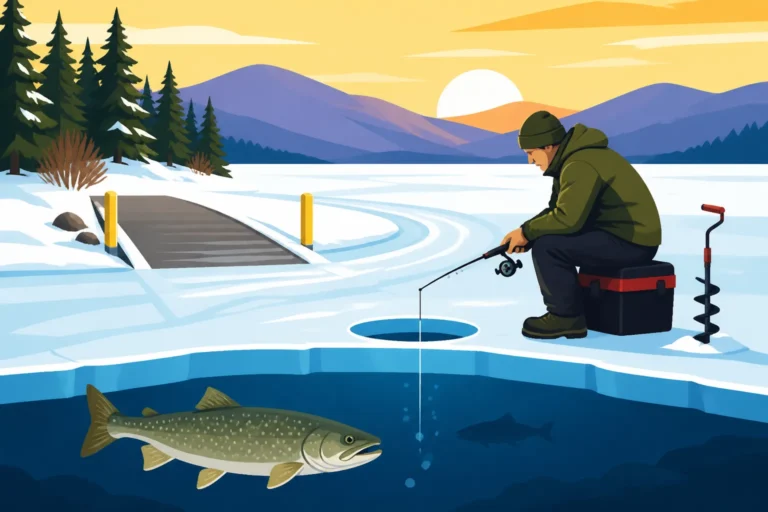
Winter (December through March): Lake Bomoseen is a very popular ice fishing destination. Once the ice is safely thick, anglers flock to the lake for excellent hardwater action. Yellow perch are a primary target, with anglers often catching large numbers. Crappie also bite well through the ice, frequently found in deeper basins. Northern pike and chain pickerel are also popular targets, with tip-ups being a highly effective method to cover water. While less common, some anglers also target smallmouth bass through the ice, typically in deeper, rocky areas. Always prioritize safety on the ice, checking thickness regularly and being aware of local conditions.
Mastering Bass Fishing on Lake Bomoseen
If you’re coming to Lake Bomoseen, chances are you’re looking to tangle with some of its famous bass. Both largemouth and smallmouth thrive here, offering distinct challenges and rewards. Understanding their preferred habitats and behaviors will drastically improve your chances of success. It’s a dynamic fishery, and adapting your approach based on the conditions and the specific type of bass you’re targeting is absolutely crucial.
Largemouth Bass Strategies
Lake Bomoseen's largemouth bass population is robust, with plenty of fish to go around, including some true giants. These fish are cover-oriented, meaning they love to hide in and around dense vegetation, submerged timber, and man-made structures like docks and boat lifts. Your primary focus for largemouth should be the extensive weed beds found in the shallower bays and along the lake's more gradual slopes. Look for areas with a mix of different types of vegetation, such as milfoil mixed with lily pads, as these transitional zones often hold the most fish. The northern and southern ends of the lake, as well as many of the smaller coves, are prime largemouth territory.
Effective techniques for Bomoseen largemouth vary with the season and the density of the cover. In spring and early summer, when bass are shallower and cruising, a topwater frog or a weightless soft plastic senko cast into pockets within lily pads or along weed edges can be incredibly exciting. As the summer progresses and the weeds become super thick, flipping and pitching jigs or Texas-rigged soft plastics (creatures or worms) into the densest cover becomes the most productive method. Don't be afraid to use heavy line, like 20-pound fluorocarbon or even braided line, to winch these fish out of the salad. Crankbaits and spinnerbaits can also be effective when fished along weed lines or over submerged grass in slightly deeper water. If you want to dive deeper into general strategies, check out How to Catch Largemouth Bass in Vermont. Remember that during the bass spawn, which typically peaks in late spring to early summer, many anglers practice catch-and-release to protect the future of the fishery, a practice highlighted in Vermont Bass Catch-and-Release Season, Explained.
Smallmouth Bass Tactics
While largemouth dominate the shallow cover, Lake Bomoseen's smallmouth bass patrol the open water, rocky structures, and deeper transitions. These bronzebacks are known for their powerful fights and acrobatic jumps, making them a favorite target for many anglers. Key areas for smallmouth include rocky points, humps, submerged ledges, and offshore reefs, particularly those that drop into deeper water. Neshobe Island and other prominent points on the main lake are excellent starting points for smallmouth searches. Smallmouth are also often found following baitfish schools, so keeping an eye on your fish finder for schools of perch or smelt is a good strategy.
When targeting smallmouth, focus on presentations that mimic their natural forage and can effectively cover rocky bottom. Drop shots, Ned rigs, and tube jigs are phenomenal for finesse fishing these deeper structures, especially when the fish are less active or under heavy fishing pressure. Small swimbaits, jerkbaits, and blade baits are excellent choices for covering water and triggering strikes from aggressive fish. During low light conditions or when smallmouth are pushing bait to the surface, topwater baits like walking baits or poppers can provide explosive action on rocky points. Trolling deep-diving crankbaits can also be effective for locating schools of smallmouth over larger offshore structures. For a broader understanding of how to approach these fish, consider reading How to Catch Smallmouth Bass in Vermont Lakes.
Chasing Pike and Panfish: Other Exciting Opportunities
While bass often steal the show, Lake Bomoseen offers fantastic fishing for northern pike and a smorgasbord of panfish species. Don't overlook these fisheries; they provide consistent action, and the chance at a true trophy pike can be just as thrilling as a big bass. Plus, panfish offer a wonderful opportunity for beginners or anyone looking to enjoy a relaxing day with plenty of bites.
Northern Pike Hotspots and Techniques
Northern pike are apex predators in Lake Bomoseen, known for their aggressive strikes and impressive size. These fish are generally found in and around the same areas as largemouth bass—shallow, weedy bays, along extensive weed lines, and near drop-offs where they can ambush baitfish. Look for the densest weed beds, especially those with adjacent deeper water, as pike love to sit on the edge of cover and wait for an unsuspecting meal. The mouths of coves and areas where creeks enter the lake can also be productive, as these often concentrate baitfish.
Targeting pike effectively requires robust gear and an aggressive approach. Large spoons, spinnerbaits with big blades, inline spinners, and swimbaits are all excellent choices. Jerkbaits are also highly effective, especially when twitched erratically along weed edges. For live bait enthusiasts, suspending a large shiner or sucker under a bobber near a weed line is a classic and highly effective method, particularly during the colder months or through the ice. Always use a steel or heavy fluorocarbon leader when fishing for pike, as their razor-sharp teeth will make short work of standard monofilament or fluorocarbon line. When handling pike, use caution and a proper landing net like the ones discussed in Best Landing Net for Muskellunge to protect both yourself and the fish.
Panfish Bonanza: Crappie, Perch, and Bluegill
Lake Bomoseen is a fantastic destination for panfish, offering abundant populations of yellow perch, black crappie, bluegill, and pumpkinseed sunfish. These species are not only fun to catch but also provide excellent table fare. Panfish are widely distributed throughout the lake, making them accessible to anglers of all skill levels, including those new to fishing or families with children.
Yellow Perch: These striped beauties are incredibly popular, especially for ice fishing, but they provide great action year-round. They typically school up and can be found in various habitats, from shallow weedy areas to deeper flats and humps. Small jigs tipped with a grub, worm pieces, or a small minnow are incredibly effective. During the open water season, they often hang out around the same structures as smallmouth bass, just in larger schools.
Black Crappie: Crappie are often found suspended in schools over deeper water, particularly around brush piles, submerged timber, or bridge pilings if available (though less common on Bomoseen). They also relate to the deeper edges of weed lines. Small jigs (1/32 to 1/16 oz) fished under a bobber, tiny crankbaits, or minnows are your best bet. Crappie bite can be subtle, so a sensitive rod is helpful.
Bluegill and Pumpkinseed Sunfish: These colorful panfish are abundant in the shallow, weedy bays and around docks. They are perfect for beginners, as they are usually eager to bite. A simple setup with a bobber, a small hook, and a piece of worm, corn, or even a tiny jig is all you need. Focus on areas with lily pads, submerged logs, or dense weed patches.
For panfish, light tackle is the key to maximizing the fun. An ultralight spinning rod with 4-6 pound test line will allow you to feel the subtle bites and enjoy the fight of even small fish. If you're looking to gear up, a guide to Best Tackle for Panfish might be helpful, or even a general guide like Best Rod and Reel Combo for Beginners for those just starting out. No matter the species, Lake Bomoseen's panfish offer consistent action and a rewarding experience.
Essential Gear and Access Points for Lake Bomoseen
Having the right gear and knowing where to launch your boat or find a spot to cast from shore can make or break your fishing trip to Lake Bomoseen. Being prepared for the lake's specific conditions and the species you're targeting will ensure a smoother, more enjoyable, and ultimately more successful day on the water.
Recommended Tackle and Lures
For Lake Bomoseen, versatility is a huge advantage, as you might be targeting multiple species in a single outing. Here's a breakdown of what you'll want to have on hand:
Bass Fishing:
- Rods & Reels: For largemouth, a medium-heavy to heavy power casting rod (6'6" to 7'6") paired with a baitcasting reel spooled with 15-20 lb fluorocarbon or 30-50 lb braid is ideal for flipping, pitching, and working heavy cover. For smallmouth, a medium-light to medium power spinning rod (6'6" to 7') with a spinning reel spooled with 8-12 lb fluorocarbon or braided line with a fluorocarbon leader is excellent for finesse techniques like drop shots, Ned rigs, and tube jigs.
- Lures for Largemouth: Jigs (weedless pitching jigs, swim jigs), Texas-rigged soft plastics (worms, creatures, senkos), topwater frogs and poppers, spinnerbaits, and crankbaits.
- Lures for Smallmouth: Drop shot worms, tube jigs, Ned rigs, jerkbaits, small swimbaits, crankbaits, and topwater walking baits.
Pike Fishing:
- Rods & Reels: A medium-heavy to heavy power spinning or casting rod (7' to 8') with a reel spooled with 20-30 lb monofilament or 50-65 lb braided line.
- Lures: Large spoons (Daredevils, Little Cleos), spinnerbaits (large-bladed models), large inline spinners, swimbaits (soft and hard), and jerkbaits. Don't forget those steel or heavy fluorocarbon leaders!
Panfish Fishing:
- Rods & Reels: Ultralight spinning rods (5' to 6'6") paired with small spinning reels spooled with 4-6 lb monofilament or fluorocarbon.
- Baits/Lures: Small jigs (1/32 to 1/16 oz) tipped with plastic grubs or pieces of worm, live bait (minnows for crappie/perch, worms for bluegill), small spinners, and tiny bobbers.
Remember to bring a good pair of fishing pliers, a multi-tool, and a measuring tape or bump board to ensure you adhere to Vermont Bass Minimum Length Limits and other regulations.
Public Access and Boat Launches
Lake Bomoseen offers several excellent public access points, making it easy for both boaters and shore anglers to enjoy its waters.
Boat Launches:
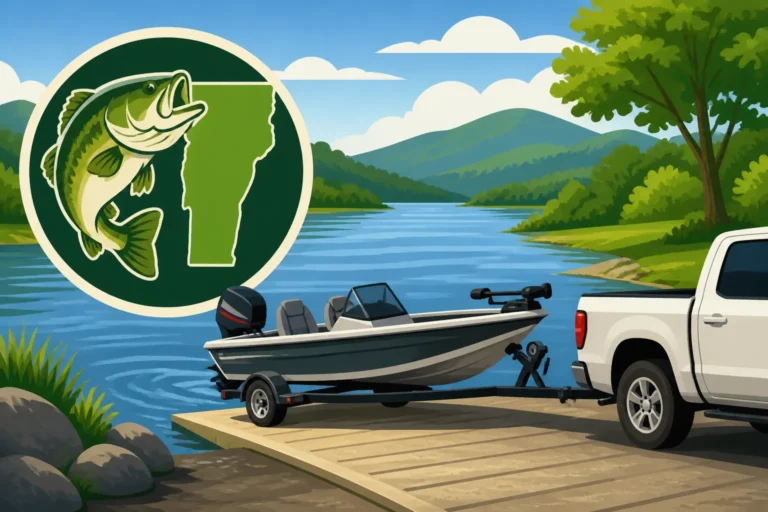
- Bomoseen State Park Boat Launch: Located on the eastern shore in Castleton, this is one of the most popular launches, offering concrete ramps, ample parking, and easy access to the central part of the lake. It's suitable for all types of trailered boats. During peak season, it can get busy, so plan accordingly.
- Crystal Beach Boat Launch: Also on the eastern shore, a bit further north than the State Park. This is another popular public ramp with good facilities and parking.
- Keho Park (Hubbardton): On the western side, near the southern end of the lake. This launch provides access to the western and southern sections of Bomoseen, which are known for their shallower, weedy areas. It's often less crowded than the eastern launches.
Shore Fishing Spots:
- Bomoseen State Park: Besides the boat launch, the park itself offers various spots for shore anglers, particularly around the picnic areas and along the shoreline.
- Crystal Beach: The beach area itself provides some opportunities for shore fishing, especially for panfish.
- Keho Park: The shoreline around this park also offers good access for casting from the bank, again, focusing on panfish or casting into the weed edges for bass and pike.
- Roadside Access: There are occasional pull-offs and public easements along the lake's perimeter roads, particularly Route 30 on the eastern side. Always be mindful of private property and respect landowners' rights.
If you’re traveling to the area and looking to connect with a local expert, online platforms like FishingBooker can be a great resource to find experienced guides who know Lake Bomoseen inside and out, ensuring you make the most of your time on the water, even if you don't have your own boat. For those who prefer smaller craft, Lake Bomoseen is also a great spot for kayak fishing, and you can learn more about suitable locations in Best Kayak Fishing Spots in Vermont.
Navigating Lake Bomoseen Safely
While Lake Bomoseen is generally a safe and enjoyable body of water, responsible boating and fishing practices are essential.
Boating Regulations: Always be aware of Vermont's boating laws. This includes having proper safety equipment on board, such as life jackets for everyone, especially children under 12 who are required to wear them when underway on any vessel. For more details on this, you can refer to Life Jacket Requirements for Vermont Boaters. Know the rules of the road for boats and respect speed limits, especially in marked no-wake zones near shore, docks, and swimming areas. Enforcement is present on the lake, particularly during busy summer weekends.
Navigational Hazards: While not riddled with extreme hazards, Bomoseen does have some shallower rocky areas, especially around points and islands. Be cautious, especially if you are new to the lake or operating a larger boat. Having a good navigation chart or a GPS unit on your fish finder can help you avoid unexpected encounters with submerged rocks or sudden shallow spots. The extensive weed beds can also pose a challenge for propellors, so be mindful of your trim and propeller depth when navigating through weedy areas. It's always a good idea to pay attention to other boaters' routes and observe where they go and where they avoid.
Weather Awareness: Vermont weather can change quickly. Always check the forecast before heading out and be prepared for sudden thunderstorms or strong winds, which can quickly turn calm waters choppy. If you see dark clouds gathering or hear distant thunder, it's wise to head for shore. Dressing in layers is always a good idea, as early mornings can be chilly even in summer.
Understanding Vermont's Fishing Regulations on Bomoseen
Fishing in Vermont is a privilege, and it comes with the responsibility of understanding and adhering to the regulations set forth by the Vermont Fish and Wildlife Department. These rules are in place to ensure healthy fish populations for generations to come. While this guide focuses on Lake Bomoseen, many regulations apply statewide. Being informed prevents fines and helps protect the fishery.
License Requirements and General Rules
Before you even wet a line in Lake Bomoseen, you need a valid Vermont fishing license. This applies to most individuals aged 15 and older. Residents and non-residents have different license types and costs. Children under 15 generally do not need a license, but it's always best to check the latest regulations for specific age requirements, which can be found in more detail in a guide like Vermont Fishing License Age Requirements. You can purchase licenses online, at various vendors across the state, or through the Vermont Fish and Wildlife Department offices. It's crucial to have your license on you while fishing, either a printed copy or a digital version on your phone, as detailed in Printing or Carrying a Digital Fishing License in Vermont.
Beyond the license, general rules include:
- Fair Chase: Fish must be caught by hook and line, and snagging is generally prohibited.
- One Rod Rule: Typically, only one fishing rod or line is allowed per angler when actively fishing, although there are exceptions for ice fishing and specific situations like trolling.
- Bait Restrictions: Understand any bait restrictions that might apply to certain waters to prevent the spread of invasive species. While live bait is generally permitted on Bomoseen, be aware of where your bait comes from.
- Respect Private Property: Always ask for permission before accessing private land.
Specific Bag and Length Limits for Bomoseen Species
Lake Bomoseen, like other Vermont waters, has specific bag and possession limits, as well as minimum length limits for certain species. These are designed to protect spawning fish and allow fish to reach a mature size before being harvested. Always consult the most current Vermont Fish and Wildlife Department fishing guide, available online or at license vendors, for the exact and up-to-date regulations.
Here are some general guidelines for common Bomoseen species, but always double-check the official regulations:
| Species | Minimum Length Limit | Daily Bag Limit | Notes |
|---|---|---|---|
| Largemouth Bass | Varies by season | Varies by season | Specific slot limits or catch-and-release periods apply. |
| Smallmouth Bass | Varies by season | Varies by season | Specific slot limits or catch-and-release periods apply. |
| Northern Pike | Typically 20 inches | 10 fish | |
| Chain Pickerel | No minimum | No limit | |
| Yellow Perch | No minimum | No limit | |
| Black Crappie | No minimum | No limit | |
| Sunfish (Bluegill/Pumpkinseed) | No minimum | No limit |
Please note: These are general examples and must not be taken as current official regulations. Always consult the most recent Vermont Fish and Wildlife Digest for precise rules before fishing, as they can change annually.
For bass, pay very close attention to whether it's a catch-and-release only season, especially in the spring before the general opener. This is a critical rule to protect the spawning population and ensures fantastic fishing for years to come.
Catch and Release Best Practices
Many anglers on Lake Bomoseen, especially those targeting larger bass or pike, practice catch and release to preserve the fishery and allow trophy-sized fish to grow even larger and reproduce. If you plan to release your catch, follow these best practices to maximize the fish's survival:
- Minimize Handling: Try to keep the fish in the water as much as possible. If you must handle it, do so gently with wet hands to protect its slime coat.
- Quick Release: Release the fish quickly. Prolonged fighting and air exposure can be very stressful for fish.
- Proper De-hooking: Use needle-nose pliers or a de-hooking tool to remove hooks cleanly and quickly. If a fish is deeply hooked, cut the line as close to the hook as possible rather than trying to rip it out.
- Support the Fish: For larger fish, support their body horizontally. Avoid holding them vertically by the jaw, as this can damage their internal organs and spine.
- Revive if Necessary: If a fish appears lethargic, hold it gently in the water, facing into the current, until it regains strength and can swim away on its own.
By following these practices, you contribute to a thriving fishery on Lake Bomoseen, ensuring that this incredible resource remains healthy and productive for future generations of anglers. Whether you're a seasoned pro or just starting out, Lake Bomoseen offers a memorable fishing experience, full of potential for exciting catches and peaceful moments on the water.
Disclaimer
The information provided in this guide is for general informational purposes only and is subject to change. Fishing regulations, license requirements, and local conditions can vary and be updated frequently. It is the responsibility of the angler to consult the most current Vermont Fish and Wildlife Department regulations and local advisories before engaging in any fishing activities. Always prioritize safety on the water and adhere to all applicable laws.