Best Trout Streams in Vermont
Trying to figure out which Vermont trout streams offer the best chances for a memorable day on the water can feel like searching for a needle in a haystack, especially with so many hidden gems. Anglers often struggle with where to focus their efforts, unsure if they'll find wild, wary natives or freshly stocked beauties, and what regulations might apply. This comprehensive guide aims to cut through that confusion, revealing Vermont's top trout streams, detailing their unique characteristics, and equipping you with the knowledge to make your next fishing adventure a success.
Why Vermont is a Trout Angler's Paradise
Vermont, often called the Green Mountain State, truly lives up to its name, especially when you consider its abundant, pristine waterways. This isn't just a state with pretty scenery; it's a haven for trout, offering diverse environments that cater to every angler's dream, from wild brook trout in secluded mountain brooks to robust brown and rainbow trout in larger, more accessible rivers.
The Unique Appeal of Vermont's Waters
What sets Vermont apart for trout fishing is the sheer quality and variety of its waters. The state is blessed with thousands of miles of cold, clean rivers and streams, fed by mountain springs and dense forests that keep water temperatures consistently cool, even during the warmer months. This natural refrigeration is crucial for trout, which thrive in oxygen-rich, cool environments. The geology of Vermont, with its rocky bottoms, gravel beds, and varied topography, creates ideal habitats: deep pools for refuge, riffles for feeding, and undercut banks for shelter. You’ll find everything from roaring mountain torrents to lazy, meandering meadow streams, each offering a distinct challenge and reward. This natural diversity means there's always a new stretch of water to explore, a different technique to master, and another stunning view to take in.
Native Brook Trout vs. Stocked Species
Vermont is home to a proud population of native brook trout, often considered the crown jewel of the state's fisheries. These vividly colored fish, with their worm-like markings and crimson spots, are a testament to the pristine quality of the smaller, colder headwater streams. Chasing these wild brookies in remote areas is an experience in itself, requiring stealth, skill, and a deep appreciation for untouched wilderness. However, Vermont's trout scene isn't just about native fish. To supplement the wild populations and provide more accessible fishing opportunities, the Vermont Fish and Wildlife Department actively stocks numerous rivers and streams with robust rainbow trout and hardy brown trout. These stocked fish are often larger and more eager to bite, making them excellent targets for beginners or those looking for more consistent action. Understanding the Difference between wild and stocked trout in Vermont can significantly influence your approach and expectations for a given stream, ensuring you're using the right gear and techniques for the fish you're targeting.
Understanding Vermont's Trout Stream Classifications
Navigating the world of trout fishing in Vermont isn't just about knowing where the fish are; it's also about understanding the rules of engagement. The state's waters are managed with care, and that means various classifications and regulations are in place to protect these valuable resources and ensure sustainable fishing for generations to come.
General Regulations vs. Special Regulation Waters
When you're out on the water in Vermont, it's crucial to understand that not all streams are treated equally by the law. Most streams fall under the state's Vermont Fishing Regulations Explained, which cover general season dates, daily limits, and tackle restrictions. These are usually straightforward, but you should always check the most current guide. However, many of Vermont's most celebrated trout streams, particularly those known for their wild or trophy-sized fish, operate under "Special Regulation Waters." These areas often have stricter rules, such as catch-and-release only policies, limitations on artificial lures or flies only, or even extended seasons. For example, some sections of the Battenkill are strictly fly-fishing only, and knowing this beforehand will save you a lot of hassle. Always consult the Vermont Fish and Wildlife Department's official fishing guide, or check their website, before heading out to a new stream to avoid any unintended violations.
Wild Trout vs. Stocked Waters
Vermont distinguishes between waters managed for wild, self-sustaining trout populations and those that are primarily stocked to enhance fishing opportunities. Wild trout waters are typically smaller, colder streams, often nestled in remote, forested areas, where native brook trout (and sometimes wild browns or rainbows) reproduce naturally. These areas are prized for the challenge and reward of catching truly wild fish, which tend to be more elusive and require a more delicate approach. The Vermont wild trout waters regulations often reflect a conservation-first mindset, aiming to protect these fragile ecosystems.
On the other hand, List of Vermont stocked trout waters are those where the Vermont Fish and Wildlife Department regularly releases hatchery-raised trout. These streams are usually more accessible and provide a fantastic opportunity for anglers of all skill levels to enjoy consistent action, especially right after a stocking event. The Vermont Trout Season and Stocking Rules are important to follow, as stocking dates can dramatically influence fishing success. While these fish might not have the same wild pedigree, they provide invaluable recreational opportunities and help to take pressure off more delicate wild populations. Knowing whether you're on a wild or stocked stream will directly influence your gear choices, presentation, and even your expectations for the day.
Iconic Trout Streams in Central and Southern Vermont
When anglers think of premier trout fishing in Vermont, their minds often drift to the storied waters of the southern and central regions. These rivers, rich in history and teeming with fish, have earned their reputation as must-visit destinations for anyone passionate about chasing trout.
The Battenkill River
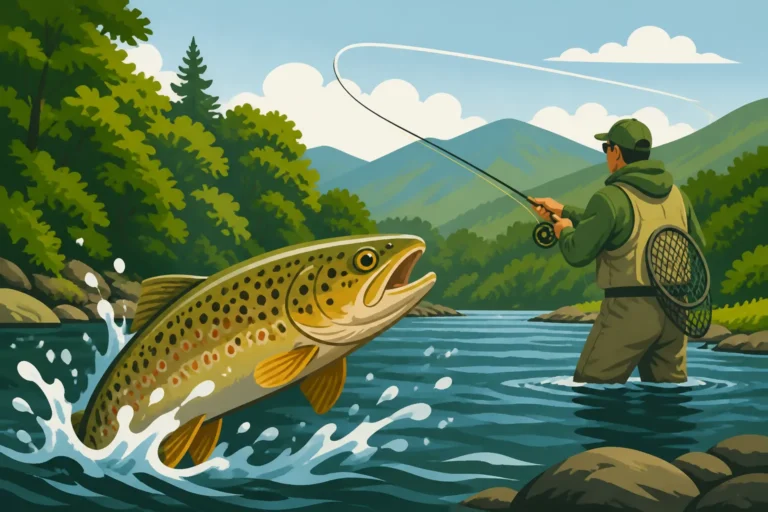
Ah, the Battenkill. Just uttering its name conjures images of classic fly fishing, wary wild trout, and challenging, clear waters. Flowing from the hills of Vermont into New York, the Battenkill is legendary, particularly for its self-sustaining population of wild brown and brook trout. This river isn't for the faint of heart or the inexperienced; its incredibly clear water and heavily pressured fish demand skill, precision, and an understanding of trout behavior. Many sections are designated Vermont Catch and Release Fly Fishing Only Waters, preserving the quality of the fishery.
The river's character varies significantly along its length. Upstream, closer to Manchester, the river is smaller, brushier, and often holds a good mix of wild brookies and browns. As it widens, particularly near Arlington and West Arlington, it becomes a textbook dry fly stream, with beautiful riffles, runs, and deep pools. This is where the Battenkill River trophy trout section can truly shine, but you'll need to be on your game. Successfully navigating its currents and presenting flies without spooking the resident trout is a badge of honor for any fly angler. If you're looking to hone your skills or experience a piece of angling history, the Battenkill is an unparalleled choice. It's a river that truly teaches patience and respect for the fish. For those new to the Battenkill, consider checking out resources on Where to wade the Battenkill for trout for safe and effective access points.
The White River System
Further north and east, the White River system offers a different, yet equally rewarding, trout fishing experience. Originating in the Green Mountains, the White River itself is a significant waterway, but it's its numerous tributaries that truly shine for trout. Rivers like the First Branch, Second Branch, and Third Branch of the White River, along with other smaller feeders, provide a vast network of coldwater habitat. This system is a fantastic example of a mixed fishery, holding both robust populations of wild brown and brook trout, as well as regularly stocked rainbows and browns in more accessible sections.
The White River and its branches are generally more forgiving than the Battenkill, making them excellent choices for anglers of varying skill levels. You'll find a wide array of water types, from tumbling mountain freestone streams to wider, flatter stretches suitable for drift fishing. The accessibility is generally quite good, with numerous bridges and public access points. Anglers often find success here with both spin fishing and fly fishing, adapting their tactics to the water conditions and the specific branch they're exploring. The White River Fishing Guide is an invaluable resource for understanding its diverse sections and finding the best spots.
Otter Creek
As Vermont's longest river, Otter Creek presents a unique and often overlooked trout fishing opportunity. While much of its lower section, particularly closer to Lake Champlain, is known for warmwater species like bass and pike, its upper reaches and colder tributaries hold a surprisingly good population of trout. Starting high in the Green Mountains, the headwaters of Otter Creek are quintessential brook trout territory—small, cold, and wild.
As the river flows through communities like Brandon and Middlebury, it transforms into a larger, more meandering waterway. Here, you'll find a mix of stocked rainbow and brown trout, along with some holdover fish that have grown quite large. The river's character changes frequently, offering a diverse array of pools, riffles, and slower stretches. While not as famous purely for trout as the Battenkill, Otter Creek offers consistent action in its upper and middle sections, especially during the cooler parts of the season. It's a great option for anglers looking for a slightly larger river experience or those seeking a more accessible stream near central Vermont towns. Consulting an Otter Creek Fishing Spots guide can help pinpoint the best areas for trout.
Northern Vermont's Pristine Trout Fisheries
While southern Vermont boasts some legendary streams, the northern part of the state offers an equally impressive, if sometimes more rugged and remote, trout fishing experience. These rivers cut through pristine wilderness and offer a chance to escape the crowds, particularly in the wilder sections.
The Lamoille River
The Lamoille River, winding its way through north-central Vermont before emptying into Lake Champlain, is a highly versatile fishery that holds significant trout populations in its upper and middle stretches. Originating in the mountainous terrain near Craftsbury, the river starts as a classic freestone trout stream, providing excellent habitat for both wild brook and brown trout. As it grows, the Lamoille River Fishing Guide reveals a diverse character, transitioning from swift riffles and deep pools to slower, wider sections.
Anglers targeting trout on the Lamoille often focus on the areas upstream of Morrisville and Johnson, where the water remains cold and oxygenated. This river is known for its accessibility in many areas, with state fishing access points and road-side pull-offs providing good entry points. Fly anglers will appreciate the consistent hatches, while spin anglers can find success with small spinners and bait. It's a river that rewards exploration, and a day on the Lamoille often means encountering a mix of trout species, showcasing the rich biodiversity of Vermont's waterways. The surrounding landscapes, especially in the fall, add to the charm of fishing here, with vibrant foliage creating a stunning backdrop.
The Missisquoi River
The Missisquoi River is a true northern Vermont gem, known for its wild character and strong populations of native brook trout in its headwaters, as well as robust brown and rainbow trout in its larger, more accessible sections. Originating in the rugged mountains of the Northeast Kingdom, near Lowell, the Missisquoi flows north into Quebec before looping back into Vermont and eventually joining Lake Champlain. This unique path means it experiences various changes in habitat and fishing opportunities.
The upper Missisquoi, particularly in the Montgomery and Enosburg Falls areas, offers incredible solitude and a chance to target wild brook trout in a quintessential northern New England setting. These sections are often characterized by rocky bottoms, swift currents, and dense riparian vegetation, requiring careful wading and presentation. Further downstream, as the river widens and deepens, it becomes excellent habitat for brown and rainbow trout, often stocked to bolster populations. The Missisquoi River Fishing Guide highlights areas like those near Richford and Swanton, where the river becomes more approachable for different fishing methods, including fly fishing, spin casting, and even some light conventional gear. Its diverse nature ensures that every trip to the Missisquoi can offer a unique adventure, especially if you’re willing to hike into more secluded spots.
Winooski River
The Winooski River, one of Vermont's largest, winds its way across the entire state from the forested hills near Cabot to Lake Champlain in Burlington. While portions closer to the lake are often associated with warmwater species, the upper and middle sections of the Winooski River Fishing Spots are prime trout territory. These areas, particularly upstream of Montpelier and Waterbury, offer excellent opportunities for catching rainbow and brown trout, with wild brook trout inhabiting its numerous feeder creeks.
The Winooski is a powerful river in many places, offering a diverse range of conditions from fast-flowing riffles to deep, slow pools. Its proximity to several larger towns means it’s often more accessible than some of the more remote mountain streams, yet it still provides a quality fishing experience. Anglers should pay attention to water levels, especially during spring runoff, as the river can become quite high and swift. Spin fishermen will find success with a variety of lures, while fly anglers will encounter a range of insect hatches throughout the season. The Winooski is a testament to how a major river can support thriving trout populations even as it passes through more developed areas, offering a convenient yet rewarding option for many local anglers and visitors.
High-Elevation Gems: Mountain Brook Trout Streams
For the angler seeking solitude, rugged beauty, and the pure thrill of pursuing Vermont's native fish, the high-elevation streams of the Green Mountains are unparalleled. These aren't your easily accessible, roadside fisheries; they demand effort, but the rewards are truly exceptional.
Green Mountain National Forest Streams
Deep within the sprawling Green Mountain National Forest lies a network of countless small streams and feeder creeks, many of which hold robust, self-sustaining populations of wild brook trout. These are the untouched gems, where the only sounds you'll hear are the rushing water, the wind in the trees, and maybe the rustle of wildlife. Accessing these streams often requires hiking into the backcountry, navigating uneven terrain, and sometimes bushwhacking through dense forest. But for those willing to put in the effort, the experience is incredibly rewarding.
These streams are typically characterized by cold, crystal-clear water, steep gradients, and abundant natural cover in the form of fallen logs, undercut banks, and rock formations. The brook trout here, while generally smaller than their stocked cousins, are exquisitely colored and fiercely wild. They're often eager to strike a well-presented dry fly or small spinner, making for exhilarating light-tackle action. Fishing these remote waters offers a profound connection to nature and a sense of accomplishment that's hard to find elsewhere. Resources like Green Mountain Trout Stream Access can provide starting points, but true discovery often comes from exploring topo maps and following your instincts. It's a fantastic way to combine hiking with fishing.
Small Headwater Creeks
Beyond the named rivers and larger tributaries, Vermont is crisscrossed by an untold number of tiny headwater creeks and rivulets. These are the true veins of the Green Mountains, often no more than a few feet wide, tumbling down steep slopes and through dense canopy cover. While they might seem insignificant on a map, these small waters are vital nurseries and strongholds for wild brook trout. You might even find some sections that feel like Best high-elevation trout streams in the Green Mountains.
Fishing these micro-streams requires a completely different approach. Stealth is paramount, as the fish have very little room to escape. Short, accurate casts with small, subtle presentations are key. Often, you're not casting so much as "dapping" a fly into tiny pockets and plunge pools. These fish are opportunists, and even a well-placed artificial ant or small wet fly can elicit an aggressive strike. While the fish might be small, the sheer number of them and the untouched beauty of their habitat make these small creeks a unique and incredibly satisfying challenge. It's an experience that truly embodies the spirit of exploration and discovery, often leading to hidden waterfalls and serene forest clearings that few people ever see.
Essential Gear and Techniques for Vermont Trout Streams
Tackling Vermont's diverse trout streams effectively requires more than just knowing where to go; it demands the right tools and a smart approach. Whether you're a seasoned fly fisher or prefer the simplicity of a spinning rod, adapting your gear and techniques to the specific water you're fishing will significantly enhance your success.
Fly Fishing vs. Spin Fishing
The debate between fly fishing and spin fishing for trout is as old as the hills themselves, and in Vermont, both methods have their devout followers and their ideal applications.
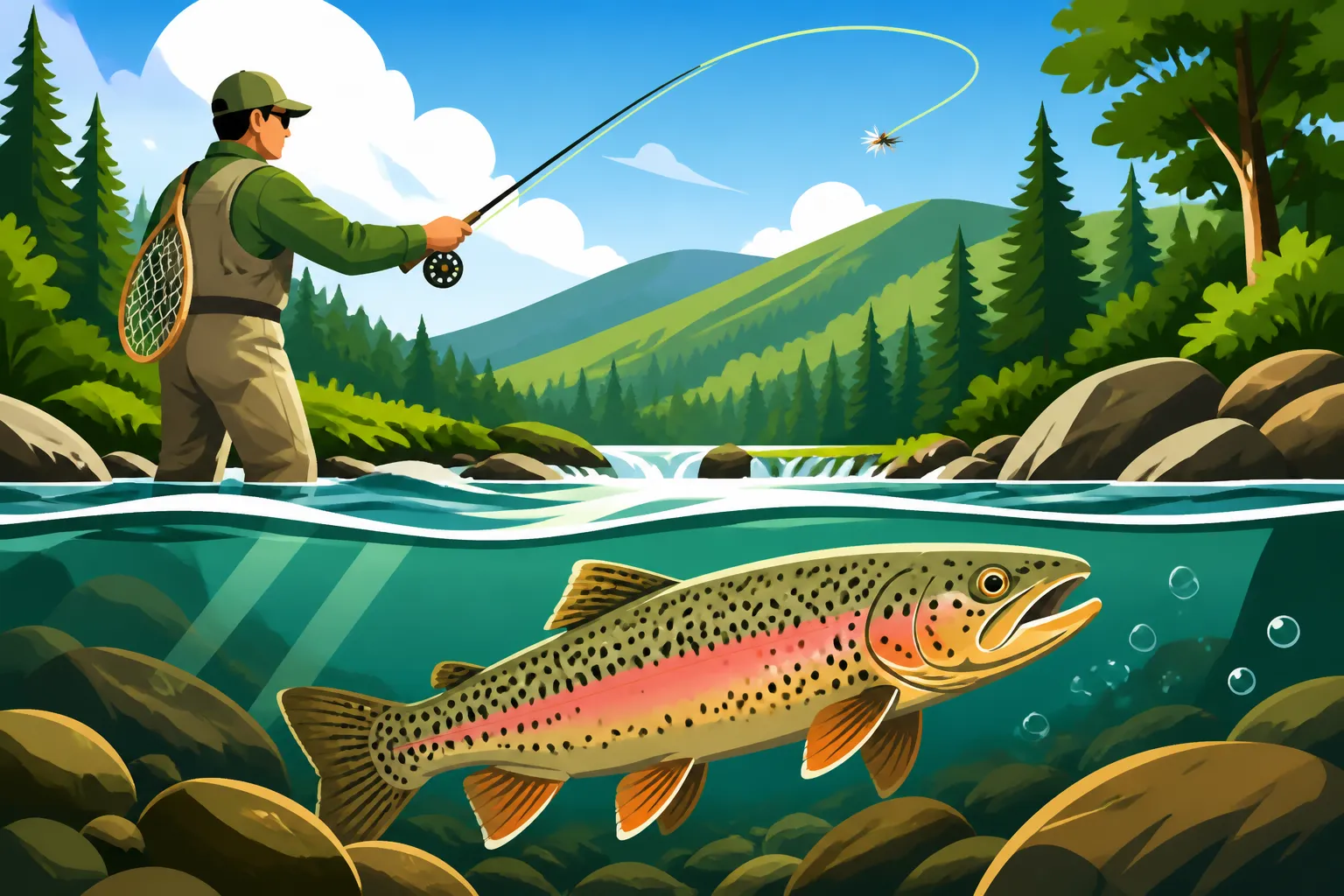
Fly fishing often gets the nod for its elegance and ability to mimic natural insect hatches. For many of Vermont's celebrated streams, particularly those with special regulations, fly fishing is the only allowed method. A 3- to 5-weight fly rod, paired with a matching reel and a floating line, is a versatile setup for most trout streams. When it comes to specific techniques, Euro Nymphing Vermont Trout Streams has gained popularity for its effectiveness in turbulent waters, while Dry Fly Fishing Vermont Mountain Streams offers the thrill of seeing a trout rise to your imitation. For larger browns or rainbows, especially in deeper pools or during cooler months, streamers can be incredibly effective. The key with fly fishing is understanding insect hatches and presenting your fly naturally, often requiring precise casts and mends. Many anglers find the art of Fly Fishing for Trout in Vermont deeply satisfying, offering a nuanced connection to the environment.
Spin fishing, on the other hand, offers an accessible and often highly effective alternative, especially for beginners or when fishing stocked waters. A light or ultralight spinning rod (5-foot to 6.5-foot range) paired with a small reel spooled with 4- to 6-pound test monofilament or fluorocarbon line is a perfect setup. Small spinners like Mepps Aglias or Panther Martins, spoons, and small crankbaits are highly productive. For bait fishing, worms, corn, or powerbait can be deadly, particularly for freshly stocked trout. The advantage of spin fishing lies in its ease of casting in tight quarters, ability to cover water quickly, and often a higher hook-up ratio, especially with aggressive, recently stocked fish. Ultimately, the best method depends on the stream, the regulations, and your personal preference. Many anglers carry both, adapting as conditions or locations dictate.
Reading the Water and Approaching Fish
One of the most crucial skills for any trout angler, regardless of gear choice, is the ability to "read the water" – understanding where trout are likely to hold and feed. Trout are creatures of comfort and efficiency; they seek out spots that offer food, shelter from predators, and a break from strong currents.
Look for areas where fast water meets slow water, creating current seams. These are prime feeding lanes where trout can intercept drifting insects or baitfish without expending too much energy. Deep pools, especially those with undercut banks, fallen logs, or large boulders, provide excellent cover and refuge. Riffles and runs, with their aerated water and insect activity, are often prime feeding zones, particularly in the mornings and evenings. Pay attention to changes in water depth, color, and flow, as these can all indicate holding areas.
Equally important is your approach. Trout, especially wild ones, are incredibly wary. Any sudden movements, heavy footsteps on the bank, or even your shadow cast over the water can send them scattering. Approach the stream cautiously, staying low and out of sight as much as possible. When wading, move slowly and deliberately. If you can, try to fish upstream, presenting your lure or fly to fish that are facing away from you, as this minimizes your visibility. Learning Wading Techniques for Vermont Trout Streams is crucial not only for safety but also for stealth. On smaller streams, even crawling on your hands and knees might be necessary to get close enough for a cast without spooking the fish. By combining careful observation with a stealthy approach, you'll dramatically increase your chances of success on Vermont's challenging and rewarding trout streams.
Conservation and Ethical Angling Practices
As anglers, we're privileged to enjoy Vermont's incredible natural resources. With that privilege comes a responsibility to protect these waters and the fish that inhabit them. Practicing conservation and ethical angling isn't just about following the rules; it's about ensuring these pristine environments remain healthy and vibrant for future generations.
Catch and Release Best Practices
Many of Vermont's best trout streams, particularly those managed for wild or trophy trout, are either designated catch-and-release only or benefit greatly from voluntary catch-and-release practices. The goal is to minimize stress and injury to the fish, maximizing their chances of survival after being caught.
Here are some key best practices:
- Use Barbless Hooks: Crushing the barb on your hooks (or buying barbless hooks) makes removal much easier and reduces tissue damage.
- Minimize Handling: Try to keep the fish in the water as much as possible. If you must handle it, do so with wet hands and avoid squeezing, especially around the gills or belly.
- Quick Release: Don't play the fish to complete exhaustion, especially in warm water. Land it quickly but gently.
- Proper Hook Removal: Use hemostats or needle-nose pliers to carefully remove the hook. If the hook is deeply ingested, cut the line as close to the hook as possible rather than tearing at the fish's throat.
- Revive Gently: Hold the fish upright in the water, facing into the current, until it can swim away under its own power. Don't push it back and forth, as this forces water over the gills unnaturally. Let it tell you when it's ready.
By following these simple steps, you significantly increase the chances that the trout you catch today can be caught again tomorrow, or, more importantly, survive to spawn and contribute to the fishery. Always check the Vermont daily trout limit and Vermont Trout Limit and Possession Rules for specific waters if you do plan to keep fish.
Respecting Private Land and Public Access
Vermont has a strong tradition of public access to its waterways, but much of the land bordering streams and rivers is privately owned. It is absolutely paramount to respect private property rights. Trespassing not only puts you at risk of legal trouble but also jeopardizes future public access for all anglers.
Always look for designated public access points, such as those maintained by the Vermont Fish and Wildlife Department. These Vermont Fishing Access Area Parking Permit Rules are often clearly marked. If you want to fish on private land, always ask for permission from the landowner first. A simple, polite request can often open up access to incredible fishing spots. A good rule of thumb is to assume land is private unless otherwise marked or known to be public. Leaving gates as you found them, packing out all your trash, and generally being a courteous visitor are small actions that build goodwill between anglers and landowners.
Furthermore, consider the impact you have on the environment. Avoid trampling sensitive vegetation, stick to established paths where possible, and never leave any litter behind. If you use a guide service, especially for new or challenging waters, consider booking through a reputable platform like FishingBooker, which often connects anglers with local experts who know the nuances of access and regulations. By being responsible stewards of the land and respectful guests, we ensure that Vermont's trout streams remain open and enjoyable for everyone for years to come.
Choosing Your Next Vermont Trout Stream Adventure
With so many incredible options, deciding where to cast your line next in Vermont can be a delightful challenge. Each stream offers a unique character, different species, and varying levels of accessibility and challenge. To help you narrow down your choices, here’s a quick overview of some of the streams we've discussed, along with what you can typically expect.
| Stream Name | Primary Trout Species | Typical Experience | Recommended Gear | Accessibility | Notes |
|---|---|---|---|---|---|
| Battenkill River | Wild Brown, Wild Brook Trout | Challenging fly fishing, clear water, stealth required | 3-5 wt Fly Rod, light leaders, small flies | Moderate | Known for wary fish, some catch-and-release sections. |
| White River System | Wild/Stocked Brown, Rainbow, Brook | Diverse, good for both fly & spin, varied water types | 4-6 wt Fly Rod or Ultralight Spin, general purpose | Good | Many tributaries offer excellent, less pressured fishing. |
| Otter Creek | Stocked Rainbow, Brown, Wild Brook (upper) | Larger river, good for beginners in some stocked areas | Light Spin, 5-6 wt Fly Rod, bait/lures/flies | Good | Upper reaches are best for trout, lower sections more warmwater. |
| Lamoille River | Wild/Stocked Brown, Rainbow, Brook | Scenic, varied fishing, good all-around | 5-6 wt Fly Rod or Light Spin, various lures/flies | Good | Excellent during spring and fall, strong hatches. |
| Missisquoi River | Wild Brook, Brown, Rainbow | Remote (upper), varied fishing (lower), wild feel | Ultralight Spin, 3-5 wt Fly Rod, small lures/flies | Moderate to Hard | Upper river is very remote, ideal for solitude. |
| Winooski River | Stocked Rainbow, Brown, Wild Brook (upper) | Accessible, large river, diverse fishing | 5-7 wt Fly Rod or Light/Medium Spin, varied tackle | Good | Watch water levels, especially after rain. |
| Green Mtn. Headwaters | Wild Brook Trout | Remote, challenging hike, rewarding wild fish | Ultralight Spin or 2-4 wt Fly Rod, small lures/flies | Hard | True wilderness experience, small fish but plentiful. |
This table should give you a starting point for planning your next trip. Remember, local conditions always vary, so it's wise to check current weather, water levels, and Vermont Fishing Season Dates and Closures before you head out. Whether you're chasing trophy browns on the Battenkill or tiny wild brookies in a secluded mountain creek, Vermont's trout streams promise an unforgettable adventure. If you're new to an area or want to maximize your time on the water, consider hiring a local guide. Services like FishingBooker can help you find experienced guides who know the specific nuances of Vermont's diverse trout streams and can put you on the fish.
Disclaimer
The information provided in this guide is for general informational purposes only and does not constitute legal advice. Fishing regulations in Vermont are subject to change, and it is the angler's responsibility to consult the most current Vermont Fish and Wildlife Department regulations before engaging in any fishing activities. Always adhere to local laws, respect private property, and prioritize safety and conservation.