Vermont fishing derby permit requirements
Organizing a fishing derby in Vermont might seem like a straightforward way to bring people together, enjoy the outdoors, and maybe even raise some money for a good cause, but many organizers find themselves quickly confused by the permit requirements. This guide is here to walk you through the ins and outs of obtaining a Vermont fishing derby permit, ensuring your event is both successful and fully compliant with state regulations.
Understanding Vermont Fishing Derbies
When you think of a fishing derby, you might picture a local community event with kids reeling in sunfish from a pond. While that's certainly one type, the term "fishing derby" in Vermont covers a broader spectrum of organized fishing activities. Understanding what exactly triggers the need for a permit is your crucial first step to avoid any last-minute headaches or, worse, fines.
What Qualifies as a "Fishing Derby" in Vermont?
In Vermont, a "fishing derby" isn't just about who catches the biggest fish. The Vermont Fish and Wildlife Department defines a fishing derby as any organized fishing activity where prizes are awarded, or participation fees are charged. It doesn't matter if it's a huge charity event on Lake Champlain or a small neighborhood competition on a local pond; if there's an entry fee or a prize involved, it generally falls under this definition. This even includes things like "biggest fish" contests run by local clubs or even informal gatherings where friends chip in for a prize pot. The key is the organized aspect and the presence of either a fee or an incentive.
For instance, if you're planning a friendly get-together on Lake Dunmore and everyone just wants to enjoy the day, that's fine. But as soon as someone suggests a five-dollar entry fee to see who can catch the longest bass, or a local tackle shop donates a rod and reel as a prize, you've likely crossed the line into needing a permit. This distinction often catches people off guard, so it’s always best to err on the side of caution and check with the Vermont Fish and Wildlife Department (VFWD) if you're unsure. The regulations are in place to manage the impact of concentrated fishing efforts and protect Vermont's valuable fisheries.
Why Do You Need a Permit?
The VFWD doesn't just hand out permits to be bureaucratic. There are very real, very important reasons behind these requirements, all centered around conservation, safety, and ensuring fair play for everyone who enjoys Vermont's waters. Imagine a hundred anglers descending on a small pond without any oversight; the potential for overfishing, litter, and even safety hazards like too many boats in one area is significant.
One of the primary reasons is conservation. Derbies, by their very nature, concentrate fishing pressure. A permit allows the VFWD to monitor and manage these events, ensuring that sensitive fish populations aren't unduly stressed or overharvested. For example, if a derby targets a specific species during its spawning season, the VFWD might impose special rules to protect that population. Another critical aspect is public safety. Derbies can involve many participants, sometimes on crowded waters or in challenging conditions, especially during ice fishing season. The permit process encourages organizers to think through safety plans, including emergency procedures and ice safety protocols. Lastly, permits help maintain fairness and order. They ensure that all events operate under a clear set of guidelines, preventing conflicts and promoting a positive experience for all participants and other recreational users of Vermont's lakes and rivers.
Who is Responsible for Obtaining the Permit?
This is a question that sometimes causes a bit of finger-pointing when planning an event. Simply put, the individual or group organizing the fishing derby is responsible for securing the necessary permit. This usually means the club, association, business, or even an individual who is spearheading the event. It’s not the responsibility of each individual angler to get a derby permit; their responsibility is to have their own valid Vermont fishing license, which we'll talk more about later.
If you're part of a larger organization, say a local Lions Club putting on a charity ice fishing derby, the club itself, or a designated member of its leadership team, would be the applicant. They are the point of contact for the VFWD and ultimately accountable for ensuring all permit conditions are met. This also means they need to disseminate information about specific derby rules and regulations to all participants. It's a significant responsibility, but it's essential for the smooth operation and legality of your event.
Navigating the Vermont Fish and Wildlife Department Permit Process
Once you've determined that your event requires a permit, the next step is to actually get it. The Vermont Fish and Wildlife Department (VFWD) is the agency that handles these applications. While it might seem daunting, breaking it down into manageable steps makes the process much clearer. They’re there to help, not hinder, so don't hesitate to reach out if you have questions.
Step-by-Step Application for a Fishing Derby Permit
The application process typically starts with obtaining the correct form from the VFWD website. You can usually find this under the "Licenses & Permits" or "Organized Events" section. It's important to download the most current version, as requirements can sometimes change from year to year.
- Obtain the Application Form: Head to the official Vermont Fish and Wildlife Department website. Look for sections related to permits or organized events. They typically have a dedicated "Special Event Permit" or "Fishing Derby Permit" form.
- Read Instructions Carefully: Before you fill out a single field, read all the instructions. This is where most errors occur, and a careful read can save you a lot of back-and-forth. The instructions will detail what supporting documents, if any, are needed.
- Gather Required Information: Before you start filling, have all the necessary details at hand. This includes dates, locations, contact information, proposed rules, and emergency plans. We'll detail this in the next section.
- Complete the Form Accurately: Fill out every section completely and honestly. Incomplete forms are the most common reason for delays. If a section doesn't apply, mark it as "N/A" rather than leaving it blank.
- Develop a Safety Plan: This is crucial. The VFWD wants to know you've thought about participant safety, especially on ice or large bodies of water. Include details on first aid, emergency contacts, communication methods, and any specific precautions.
- Submit with Ample Time: The VFWD recommends submitting your application at least 30 days in advance of your event. For larger or more complex derbies, 60 days is even better. This allows them time to review, request clarification, and issue the permit without you stressing about the deadline. You can usually submit applications via mail or email, depending on the VFWD's current procedures.
- Follow Up (Politely): If you haven't heard back within a couple of weeks, a polite email or phone call to the VFWD's Law Enforcement Division (who typically oversees these permits) can be helpful. Have your application date and event details ready.
Key Information Required for Your Application
The VFWD needs a comprehensive picture of your event to ensure it complies with all regulations and doesn't negatively impact the environment or public safety. Expect to provide a lot of detail.
Here's a breakdown of the typical information they'll ask for:
- Organizer Information: Full legal name of the individual or organization, contact person, mailing address, email, and phone number.
- Event Name and Purpose: A clear title for your derby and a brief explanation of its goals (e.g., "Annual Youth Fishing Day," "Charity Ice Fishing Fundraiser").
- Date(s) and Time(s) of Event: Exact start and end dates and times, including any setup or breakdown periods.
- Location(s): The specific body of water (e.g., "Lake Bomoseen," "Connecticut River near Brattleboro") and precise access points or areas of concentration. If multiple locations, list them all.
- Target Species: Which fish species are participants encouraged to catch? (e.g., "Trout," "Smallmouth Bass," "Yellow Perch"). This helps the VFWD assess potential impact on local fish populations and align with Vermont Bag and Possession Limits by Species.
- Number of Participants: An estimated number of anglers you expect. This helps them gauge the scale of the event.
- Entry Fees and Prizes: Details on any fees charged and the nature and value of prizes to be awarded.
- Derby Rules: A copy of the specific rules for your event, including things like fishing methods allowed, minimum length limits for prizes (if different from state regulations), and weigh-in procedures.
- Safety Plan: As mentioned, this is critical. Details on how you will ensure participant safety, especially concerning ice conditions, boating safety, first aid, and emergency communication.
- Waste Management Plan: How will you ensure proper disposal of trash and prevent littering? This is especially important for popular fishing spots like those along the Winooski River Fishing Spots or when dealing with larger crowds.
- Contingency Plans: What happens if there's bad weather, unsafe ice, or other unforeseen circumstances?
Common Pitfalls and How to Avoid Them
Even with the best intentions, organizers can sometimes stumble. Knowing the common pitfalls can help you navigate the process smoothly and avoid unnecessary delays or complications.
The absolute biggest mistake is submitting the application too late. The VFWD needs time for review, and if they have questions or need more information, that adds to the timeline. Trying to rush an application a week before your event is a recipe for disaster. Plan ahead! Another frequent issue is incomplete or inaccurate information. Double-check every field. Did you forget to list a contact number? Is the lake name misspelled? Did you attach your proposed rules? A quick review by a second pair of eyes can often catch these errors.
Overlooking specific regulations is another trap. Your derby rules cannot supersede state fishing regulations. For example, if your derby targets smallmouth bass, participants must still adhere to the Vermont Bass Minimum Length Limits and daily limits, regardless of what your prize structure might incentivize. It's vital to have a clear understanding of the broader Vermont Fishing Regulations Explained before drafting your derby-specific rules. Furthermore, remember that all participants, regardless of age, still need a valid Vermont fishing license unless they fall under specific exemptions like during Vermont Free Fishing Weekend Dates or certain youth age cutoffs. Make sure you communicate this clearly to everyone signing up, reminding them where and how to buy a Vermont fishing license.
Specific Considerations for Different Types of Derbies
Not all fishing derbies are created equal, and some types of events come with their own unique set of considerations and specific permit requirements. Understanding these nuances can save you a lot of hassle and ensure your event runs smoothly.
Ice Fishing Derbies: Unique Rules and Safety Protocols
Ice fishing derbies are incredibly popular in Vermont, especially on larger bodies of water like Lake Champlain or Lake Memphremagog. However, they introduce a whole new layer of safety and regulation due to the inherent risks of being on frozen water. The VFWD is particularly strict about ensuring participant safety for these events.
First and foremost, ice thickness is paramount. Organizers must have a clear plan for monitoring ice conditions before and during the event. This usually involves regular measurements and having designated safety personnel on hand. Many derbies will cancel if ice conditions are deemed unsafe, and your permit application will need to detail how you'll make this determination and communicate it. You should also outline what emergency equipment will be available, such as throw ropes, ice picks, and rescue sleds. The VFWD will also want to know how you plan to manage traffic, both foot and vehicular (if allowed), on the ice. While there aren't explicit ice shanty registration rules for derbies, it's a good practice to encourage participants to mark their shanties clearly. Given that participants will be on the ice for extended periods, organizers should also think about things like portable restrooms and trash management to keep the ice clean. It's also worth reminding participants about proper gear and knowing how thick ice needs to be for Vermont anglers to walk on it.
Youth Fishing Derbies: Encouraging Participation and Simpler Rules
Youth fishing derbies are fantastic events that introduce the next generation to the joys of angling. The VFWD generally supports these initiatives, and while a permit is still required if prizes or fees are involved, the focus often shifts to education and accessibility.
For these events, the VFWD may be more flexible with certain aspects, understanding the goal is to foster a love for fishing. However, standard fishing license requirements still apply, though it's crucial to understand Vermont Youth Fishing License Rules by Age and What age can you fish without a license in Vermont. Often, children under a certain age don't need a license, making participation simpler for the youngest anglers. Organizers should highlight any educational components of their derby, such as casting clinics, fish identification stations, or conservation talks. Prizes can still be awarded, but emphasizing participation and learning over competitive catching is a common theme. These derbies are also an excellent opportunity to partner with local conservation groups or tackle shops who might offer support or donations. Remember, even in youth derbies, adherence to species-specific limits and seasons, such as Vermont Trout Season and Stocking Rules, is still required.
Charity and Fundraising Derbies: Balancing Fun with Regulations
Charity and fundraising derbies are a popular way to combine a love for fishing with community support. Whether you're raising money for a local school, a veterans' organization, or a specific conservation effort, these events require careful planning, especially when it comes to the financial aspects and promotion.
The permit application for a charity derby will still require all the standard information, but you might also need to provide details on the beneficiary of the funds and how the money will be handled. The VFWD wants to ensure transparency. When promoting your event, be clear about any entry fees and how they contribute to the cause. If you're relying on sponsorships or donations, these also need to be clearly outlined. Sometimes, certain non-profit organizations or events that align with conservation goals might qualify for assistance or simpler processes, so it's always worth discussing your specific situation with the VFWD. Keep in mind that while the cause is noble, all participants must still adhere to fishing license laws and regulations, even if the event is free for them to enter. Also, consider reaching out to local businesses; they might offer prizes, which you can easily source from places like Amazon, or support, helping you keep costs down and maximize your fundraising efforts.
Beyond the Permit: Other Important Regulations to Remember
Obtaining your fishing derby permit is a huge step, but it's important to remember that this permit doesn't exempt your participants from other general Vermont fishing regulations. Everyone involved needs to be aware of and comply with the broader rules that govern angling in the Green Mountain State.
Fishing License Requirements for Participants
This is perhaps the most critical point after securing your derby permit: every participant who is legally required to have a fishing license must possess a valid Vermont fishing license. There are very few exceptions, such as the annual Vermont Free Fishing Weekend Dates or individuals who fall under specific age categories. For most adults and many youth, a license is mandatory.
It’s the organizer's responsibility to clearly communicate this requirement to all participants. You should advise them on how and Where and How to Buy a Vermont Fishing License, whether it's online, at a local vendor, or through the VFWD office. Many anglers find the convenience of printing or carrying a digital fishing license in Vermont to be a real time-saver. Emphasize that conservation officers can and do check licenses at derbies, and fishing without a license in Vermont can lead to penalties. Double-check the Vermont Fishing License Age Requirements and confirm What age can you fish without a license in Vermont to properly inform younger participants. It's a simple step, but one that can cause significant trouble if overlooked.
Bag and Length Limits for Derby Fish
Just because it's a derby doesn't mean it's a free-for-all when it comes to keeping fish. All state-mandated Vermont Bag and Possession Limits by Species apply to fish caught during your derby. This means daily limits, minimum length limits, and any special slot limits must be strictly observed by every angler.
For example, if your derby focuses on bass, participants must still adhere to the Vermont Bass Minimum Length Limits for both largemouth and smallmouth bass. If the derby is for trout, they must follow the Vermont Trout Limit and Possession Rules. Your derby rules can, of course, impose stricter limits (e.g., catch-and-release only, or higher minimum lengths for prize qualification), but they can never be more lenient than state law. It's a good idea to have copies of the relevant regulations available for participants, or at least signage clearly stating the rules. This ensures ethical angling practices and helps sustain Vermont's fish populations for future enjoyment.
Boating and Safety Regulations for Water-Based Derbies
If your derby involves fishing from boats, whether it's powerboats, canoes, or kayaks, then all applicable Vermont Boating Laws for Anglers and safety regulations must be followed. This is especially crucial on large bodies of water like Lake Champlain, where vessel traffic can be heavy.
Key boating safety elements to stress include:
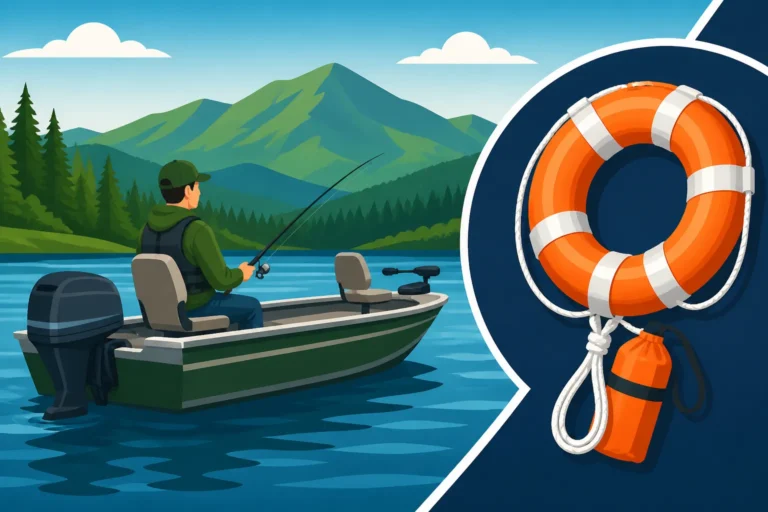
- Life Jackets: Everyone on board a vessel must have access to a Coast Guard-approved life jacket, and children under 12 are often required to wear them at all times while underway. Ensure all participants understand these Life Jacket Requirements for Vermont Boaters. You might even suggest they check out comfortable, high-quality life jackets on Amazon before the event.
- Boat Registration: All motorized vessels and sailboats over a certain length must be registered with the state of Vermont. Make sure participants are aware of Vermont Boat Registration Requirements.
- Safe Boating Practices: Encourage participants to operate their vessels safely, maintain appropriate speeds, and be aware of other boaters and anglers. This includes knowing navigational rules and avoiding reckless behavior.
- Required Safety Equipment: Beyond life jackets, boats must carry other safety equipment, such as throwable devices, sound-producing devices, and navigation lights for night operation.
By keeping these additional regulations in mind and communicating them clearly to all participants, you ensure that your fishing derby is not only permitted but also safe, legal, and respectful of Vermont's natural resources and fellow outdoor enthusiasts.
| Requirement Category | Key Considerations for Derby Organizers | Importance |
|---|---|---|
| Permit Application | Submit 30-60 days in advance, complete all sections, include detailed safety/waste plans. | Legal necessity, VFWD oversight, event approval |
| Participant Licenses | Ensure all eligible anglers have a valid Vermont fishing license. Communicate age exemptions clearly. | Legal compliance, avoiding penalties |
| Derby Rules | Must align with or be stricter than state bag, length, and possession limits. | Conservation, fair play, avoiding fines |
| Safety Protocols | Especially crucial for ice derbies (ice thickness, emergency plans) and water-based derbies (life jackets, safe boating). | Participant well-being, liability |
| Environmental Impact | Plan for trash disposal, minimize disturbance to sensitive areas. | Resource protection, public perception |
| Communication | Clearly inform participants of all state and derby-specific rules, changes, and safety guidelines. | Smooth event, participant satisfaction |
Disclaimer
Please note that while this guide provides comprehensive information on Vermont fishing derby permit requirements, regulations can change. Always consult the official Vermont Fish and Wildlife Department website or contact them directly for the most current and specific information regarding your event. This guide is for informational purposes only and does not constitute legal advice.