Boat size that requires a throwable device in Vermont
Navigating the myriad of boating safety regulations can feel like trying to untangle a particularly stubborn fishing line, especially when you're just trying to enjoy Vermont's beautiful waters. It’s easy to get confused about what exactly you need on board, and forgetting a crucial piece of safety gear could not only put you at risk but also lead to a hefty fine from the Vermont State Police or Coast Guard. This comprehensive guide is here to clear up the confusion specifically around throwable personal flotation devices (PFDs) and what size boat requires them, ensuring you're fully prepared and compliant for your next adventure on Lake Champlain, the Connecticut River, or any of Vermont's stunning lakes and ponds.
Understanding Vermont's Throwable Device Requirements by Boat Size
When you're out on the water, whether you're chasing walleye on Lake Champlain or enjoying a serene paddle on a smaller pond, safety should always be your top priority. One of the most common questions new boaters, or even seasoned ones with a new vessel, have is about throwable flotation devices. Vermont's boating laws, much like federal regulations, are quite specific about these items, and it's essential to understand them to avoid penalties and, more importantly, to ensure everyone's safety.
What is a Throwable Device and Why is it Necessary?
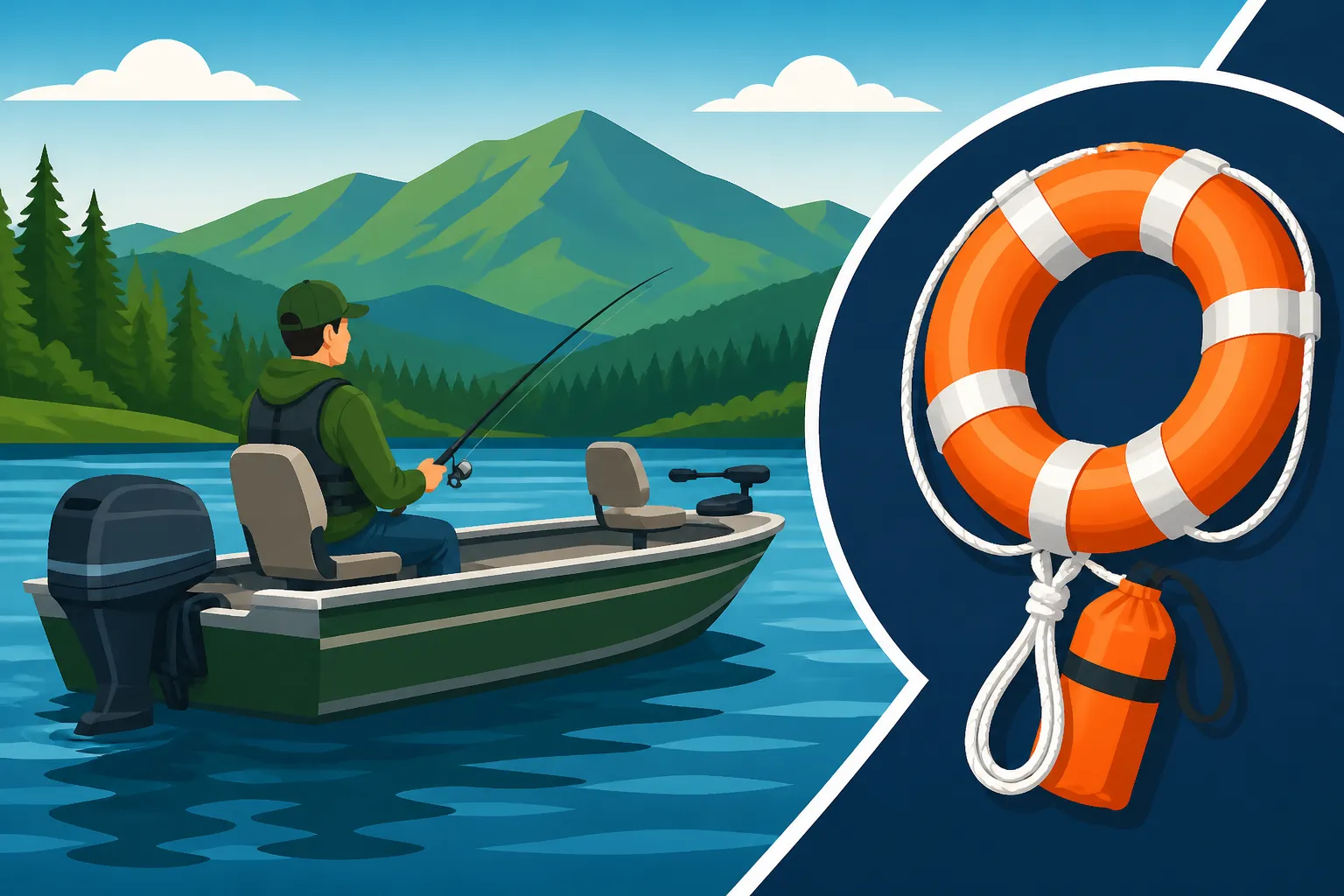
A throwable personal flotation device, often referred to as a Type IV PFD, is a piece of safety equipment designed to be thrown to a person in the water, rather than worn. Unlike the vests you might wear, these are meant for emergency situations where someone has unexpectedly fallen overboard and needs immediate flotation assistance. Common examples include ring buoys (the classic life preserver ring) or buoyant cushions. They are not intended for long-term support or for unconscious individuals, which is why they complement, but do not replace, wearable PFDs.
The necessity of a throwable device becomes starkly clear in a "man overboard" scenario. Imagine you're fishing with a buddy, and they unexpectedly lose their balance and fall into the cold waters of Lake Bomoseen. If they're far from the boat or if you need to maneuver quickly, a throwable device offers an immediate lifeline. It gives the person in the water something to hold onto while you bring the boat around, or while another person dons a wearable PFD to assist them. Without it, precious seconds are lost, and the risk of hypothermia or drowning increases significantly. These devices are especially critical in Vermont's often chilly waters, where even a brief immersion can quickly sap a person's strength. Having one easily accessible means you can act fast, potentially saving a life. You can find a good selection of Coast Guard-approved throwable devices on platforms like Amazon, making it convenient to acquire this vital piece of gear.
Specific Boat Lengths and Corresponding Requirements
Vermont's boating regulations align closely with U.S. Coast Guard standards, which means the rules for throwable devices are largely consistent across the country. The critical threshold for requiring a throwable device is dictated by your boat's length.
Any recreational boat 16 feet or more in length is required to carry at least one Coast Guard-approved Type IV (throwable) PFD.
This applies to a wide range of vessels, from larger fishing boats and pontoon boats enjoying the expanse of Lake Champlain, to sailboats, cabin cruisers, and even some longer canoes or kayaks if they meet the length requirement. The device must be readily accessible, meaning it shouldn't be stowed away in a locker under a pile of gear. It needs to be immediately available for use, often placed on deck, in an open compartment, or easily grabbed from its mounting. If your boat is shorter than 16 feet, a throwable device isn't technically mandated by law, but it's still an incredibly wise safety item to have on board. Think of it as cheap insurance for peace of mind. For those interested in the broader context of what’s required, our guide on Vermont Boating Laws for Anglers provides a comprehensive overview.
Here’s a quick breakdown of boat length and throwable device requirements:
| Boat Length Category | Throwable Device (Type IV PFD) Required | Examples |
|---|---|---|
| Under 16 feet | No (but highly recommended) | Small fishing boats, rowboats, most canoes, most kayaks, stand-up paddleboards |
| 16 feet and greater | Yes, at least one | Larger fishing boats, pontoon boats, sailboats, cabin cruisers, certain larger canoes or kayaks, personal watercraft (PWC) if over 16 feet and not exempt. (Note: PWCs have specific requirements for wearable PFDs, but typically don't require throwables due to their design.) |
It's important to remember that this specific regulation refers to the recreational vessel's structural length, not necessarily the length overall with engines or accessories. Always measure your boat correctly to ensure compliance. If you're unsure about your specific vessel, checking your boat's registration documents will usually provide the official length. Speaking of registration, you might want to check out our article on Vermont Boat Registration Requirements for more details on that process.
Beyond Throwable Devices: Essential Safety Gear for Vermont Boaters
While understanding the requirements for throwable devices is crucial, it's just one piece of the overall boating safety puzzle in Vermont. State and federal regulations mandate several other pieces of equipment to ensure the safety of everyone on board. Overlooking these could lead to serious consequences, both legally and in a real-world emergency.
Personal Flotation Devices PFDs
This is perhaps the most fundamental safety requirement: everyone on board a recreational vessel must have access to a wearable, Coast Guard-approved personal flotation device (PFD). This isn't just a suggestion; it's a critical law. While a throwable device is there for someone who has already gone overboard, a wearable PFD is designed to keep you afloat if you suddenly find yourself in the water.
In Vermont, not only must you have a PFD for every person, but they must also be of the appropriate size and in good, serviceable condition. That means no torn straps, ripped fabric, or broken buckles. Children under 12 years of age must wear a Coast Guard-approved PFD at all times when on the open deck or in the cockpit of any recreational vessel while it is underway. This is a non-negotiable rule aimed at protecting our youngest and most vulnerable passengers. Furthermore, anyone on a canoe, kayak, or paddleboard must also have a wearable PFD readily accessible, and generally, wearing it is the safest bet, especially in cold water or strong currents. For a deep dive into these rules, check out our guide on Life Jacket Requirements for Vermont Boaters. When shopping for PFDs, look for well-known brands that meet Coast Guard standards; many options are available on Amazon.
Fire Extinguishers and Visual Distress Signals
Beyond flotation, other hazards on the water demand specific safety equipment. For boats with internal combustion engines, permanent fuel tanks, or enclosed compartments where flammable vapors could accumulate, a fire extinguisher is a must-have. The type and number of extinguishers depend on the size and type of your vessel, but generally, Class B extinguishers are required for flammable liquids. Having a properly charged and easily accessible fire extinguisher can mean the difference between a small flare-up and a catastrophic blaze on your boat. Just imagine a fuel leak sparking near the engine – quick action with an extinguisher could save your boat and lives.
Visual distress signals (VDS) are another crucial component, especially for boats operating on federally controlled waters (which includes Lake Champlain and parts of the Connecticut River). These signals help alert others to your distress in an emergency. Depending on the size of your boat and when you're operating, you might need both day and night signals. Common day signals include orange flags or hand-held smoke signals, while night signals often consist of flares or electronic distress lights. Always check the expiration dates on pyrotechnic flares, as they do expire and become ineffective. These are not items you want to discover are faulty when you truly need them.
Sound-Producing Devices and Navigation Lights
Even the most serene Vermont waters can become hazardous if visibility drops due to fog, rain, or nightfall. That's where sound-producing devices come in. All recreational vessels are required to carry a sound-producing device (whistle, horn, bell) capable of producing an efficient sound signal. This allows you to signal your intentions to other vessels, warn of your presence in low visibility, or alert for assistance. A simple mouth-operated whistle is sufficient for smaller boats, while larger vessels may require a horn or a bell. It's not just about avoiding collisions; it's about clear communication on the water, especially in Vermont's often-variable weather conditions.
When it comes to operating after sunset or before sunrise, or in periods of restricted visibility, navigation lights are absolutely essential. These lights indicate your vessel's position, direction, and whether it's underway or at anchor. Powerboats typically require a masthead light, sidelights (red for port, green for starboard), and a stern light. Sailboats have slightly different requirements. These lights are critical for preventing nighttime collisions. Trying to navigate in the dark without proper lighting is incredibly dangerous, both for you and for any other boats sharing the waterway. Think of it as the headlights and taillights for your boat – just as crucial for safety on the water as they are on the road. Remember, understanding the full scope of your obligations, including what's on the Vermont required boat safety equipment checklist, is key to a worry-free season.
Practical Tips for Ensuring Your Boat is Compliant
Knowing the regulations is the first step, but putting them into practice is where the rubber meets the road—or rather, the hull meets the water! Ensuring your boat is consistently compliant requires a bit of diligence, but it’s a habit that pays off immensely in terms of safety and avoiding frustrating encounters with enforcement officers.
Regular Equipment Checks and Maintenance
Boating equipment isn't a "set it and forget it" kind of deal. Just like you wouldn't drive your car for years without an oil change or tire rotation, your boat's safety gear needs regular attention. Before every outing, especially at the start of a new season, make it a ritual to check all your required safety equipment.
For throwable devices, ensure they are not waterlogged, torn, or faded to the point of being brittle. Their ropes, if applicable, should be in good condition and free of tangles. For wearable PFDs, inspect them for tears, mildew, and ensure all zippers, buckles, and straps are fully functional. Test their buoyancy periodically if you can, perhaps in a pool, especially older ones. Fire extinguishers need their pressure gauges checked to ensure they are in the green, and visual distress signals like flares should be verified for expiration dates. Even something as simple as a whistle or horn needs to be checked for proper function. Imagine needing it in an emergency only to find it's clogged or broken. This proactive approach will save you headaches and potentially dangerous situations. Keep a small checklist on your boat to run through before you launch, a simple habit that significantly enhances safety.
Where to Acquire Approved Safety Equipment
Acquiring the right safety equipment is easier than ever, thanks to a variety of retailers specializing in marine supplies. You want to ensure that whatever you buy is U.S. Coast Guard-approved, as this is the standard Vermont enforces.
Local marine supply stores, such as West Marine or smaller independent shops near popular boating areas like Lake Champlain or the Inland Sea, are excellent resources. These stores often have knowledgeable staff who can help you select the correct type and size of PFDs, the right class of fire extinguisher for your vessel, and appropriate visual distress signals. They can also provide advice on mounting and accessibility. For those who prefer the convenience of online shopping, major retailers like Amazon offer a vast selection of Coast Guard-approved boating safety equipment. Just be sure to double-check the product descriptions for the "USCG approved" label. When purchasing online, pay close attention to reviews and ensure the seller is reputable. It's always a good idea to cross-reference product specifics with the official Vermont Fish & Wildlife Department guidelines or the U.S. Coast Guard Auxiliary's resources to ensure full compliance. Remember, while things like Are Kayaks Required to Be Registered in Vermont? are important, having the right gear on board is paramount. Even for smaller craft often exempt from registration, ensuring you have at least one Best life jacket for Lake Kayak Fishing is non-negotiable for personal safety. If you're outfitting a new vessel, or just updating your gear, take a look at our guide on the Vermont non-motorized boat registration exemption which might also include some helpful accessory advice.
Disclaimer
The information provided in this guide is intended for general informational purposes only and does not constitute legal advice. While we strive to provide accurate and up-to-date information, boating regulations can change. It is always the responsibility of the boater to consult the most current Vermont boating laws and U.S. Coast Guard regulations to ensure full compliance. Neither the author nor the publisher assumes any liability for the use or misuse of the information contained herein. Always prioritize safety and exercise good judgment on the water.