Best dry bag size for a full day kayak trip
There’s nothing quite like launching your kayak onto a glassy Vermont lake at dawn, or navigating a winding river bend, the promise of a biting fish just around the next corner. But as many of us have learned the hard way, the magic can quickly fade if your phone gets soaked, your extra layers are wet, or you realize you left critical gear behind because you couldn't fit it. This guide is all about helping you nail down the perfect dry bag size for a full day of kayak fishing in Vermont, ensuring your essentials stay bone-dry and easily accessible.
Why Dry Bag Size Matters for a Full Day Outing
When you're planning a full day on the water in your kayak, whether it's exploring the vastness of Lake Champlain Fishing Guide or paddling a smaller, intimate stream, the size of your dry bag isn't just a minor detail—it's a critical component of your comfort, safety, and overall enjoyment. The wrong size can truly detract from the experience, leading to either unnecessary bulk or, worse, missing essentials.
Overpacking: The Burden on the Water
Picture this: you're trying to wedge a monstrously oversized dry bag into the stern hatch of your kayak. It barely fits, and when you finally get it in, it takes up so much space you can't access anything else. Or maybe it's strapped to your deck, creating a huge, cumbersome lump that catches the wind and throws off your balance every time you paddle. This isn't just an annoyance; it impacts your kayak's stability, makes paddling harder, and can even be a safety hazard in choppy water. When you're constantly fighting against your gear, you're not focusing on the subtle bite or enjoying the stunning Vermont scenery. A dry bag that's too big often leads to bringing unnecessary items "just in case," adding weight and bulk that you truly don't need for a full day. It’s like carrying a suitcase for a day trip—overkill and inconvenient.
Underpacking: Critical Gear Left Behind
On the flip side, trying to squeeze a full day's worth of necessities into a dry bag that's too small is a recipe for frustration. You're forced to make tough choices: do I bring the rain jacket or the extra snacks? The headlamp for late evening fishing or the specialized lure box? Inevitably, something important gets left behind or, equally bad, it’s crammed into a less-than-waterproof compartment on your kayak, leaving it vulnerable to splashes or an accidental capsize. Imagine being miles from shore on a beautiful, clear morning, only for an unexpected shower to roll in, and your "water-resistant" jacket in the mesh pocket is now soaked. Or, you hook into a trophy fish right at dusk, but your phone, which you need for that photo, is sitting at home because it wouldn't fit in your tiny dry bag alongside your wallet and keys. Kayak fishing in Vermont means being prepared for changing weather and opportunities, and an undersized dry bag limits that preparation.
Understanding Your Full-Day Kayak Gear Needs
Before you can choose the best dry bag size, you need a realistic understanding of what gear constitutes "full-day essentials" for a Vermont kayak trip. This isn't just about fishing tackle; it's about personal comfort, safety, and being ready for whatever Mother Nature or the fish throw your way. Thinking through these categories will give you a much clearer picture of the volume you need to protect.
Essential Personal Items
For a full day on the water, you're not just bringing your rod and reel. Your personal comfort and safety often rely on items that need to stay dry. This usually includes your wallet, car keys, cell phone (for photos, emergencies, and staying in touch), and any personal medications. Beyond that, think about hydration and sustenance: a water bottle, maybe a thermos of coffee for a chilly morning, and a decent supply of snacks or a packed lunch. Even on a sunny day, sunscreen and insect repellent are often non-negotiables, especially if you're exploring some of Vermont's more remote Best Fishing Rivers in Vermont. A small first-aid kit, even just a few band-aids and antiseptic wipes, can turn a minor mishap into a non-event. If the weather is at all questionable, or if you plan to be out from dawn until dusk, a light jacket or rain shell and an extra pair of socks are smart additions. All these items, seemingly small individually, start to add up in terms of volume.
Fishing-Specific Gear Considerations
Now, let's talk about the fun stuff—your fishing gear! While your rod and reel will be out and ready, many accessories need dry protection. This can include extra spools of line, leader material, specific fly boxes for Fly Fishing for Trout in Vermont, or a specialized box of lures for targeting Smallmouth Bass Fishing in Vermont or Walleye Fishing on Lake Champlain. Don't forget your fishing license! While you might carry a Printing or Carrying a Digital Fishing License in Vermont on your phone, having a physical backup or a dedicated waterproof pouch for it is wise. Depending on your target species and technique, you might have specific scent attractants, pliers, a small scale, or a measuring tape that you want to keep secure and dry. If you use a Best Portable Fish Finder for Kayak Fishing, sometimes its delicate components or extra battery packs need careful, dry storage when not in use or during transport. Think about the "consumables" – extra hooks, weights, indicators – that you'll want handy but protected.
Safety and Emergency Supplies
Even on what seems like a perfectly calm day, things can change quickly on the water. A good dry bag isn't just for convenience; it's for critical safety items. A small marine radio or a personal locator beacon (PLB) should always be in a readily accessible, dry spot. A whistle, a small signal mirror, and a basic multi-tool can be invaluable. If you're venturing further out, a flashlight or headlamp (even if you don't plan to be out after dark, equipment failures happen) with extra batteries is a must. Many anglers also carry a small rope or tow line. Remember, while your Best Life Jacket for Lake Kayak Fishing is worn, anything that needs to stay dry inside it should be in a small, separate waterproof pouch, and other emergency gear needs its own dedicated, dry space. These items are often small but absolutely crucial, and their protection from water is paramount.
Recommended Dry Bag Sizes for Full-Day Vermont Kayak Trips
Okay, so you've thought about all the gear you're packing. Now, how does that translate into actual dry bag sizes? It's not a one-size-fits-all answer, but we can break it down into common categories based on typical full-day needs. Remember, these are guidelines, and your personal gear loadout might shift you up or down a category.
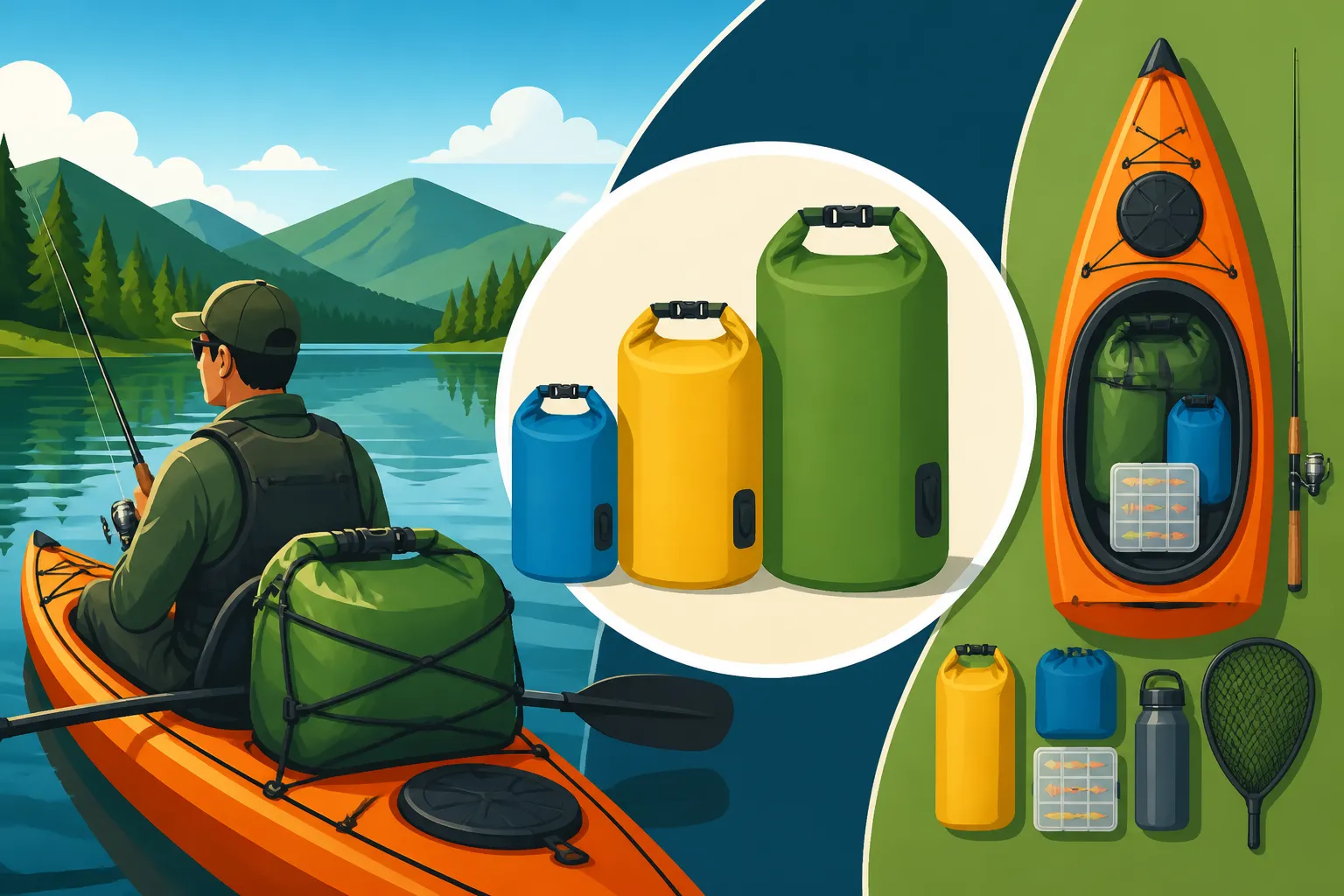
The Compact & Nimble (10-20L)
This size range is perfect if you're a minimalist angler or if you plan to use multiple smaller dry bags to organize your gear. A 10-20L dry bag is ideal for protecting your absolute personal essentials: phone, wallet, keys, a small first-aid kit, a couple of energy bars, and perhaps a light hat or a pair of gloves. It’s also great for a single category of fishing gear, like a couple of fly boxes and leader material for a quick trout session on the Battenkill, or a selection of smaller bass lures if you're focusing on Best Tackle for Vermont Smallmouth Bass.
For a full day, you might consider this size if you have generous waterproof hatches on your kayak already, and you just need to ensure the most critical items have absolute protection. It's often the choice for those who want to keep their deck as clear as possible for easier paddling and fishing. You can tuck these smaller bags into a hatch or bungee them to the deck in an unobtrusive spot. Many anglers find these perfect for items they might need to access frequently but still need protection from spray, like a camera or a waterproof map of Lake Memphremagog Fishing Guide.
The Versatile All-Rounder (25-40L)
For most kayak anglers embarking on a full-day trip in Vermont, the 25-40L range is the sweet spot. This size offers enough capacity for all your personal essentials (phone, wallet, keys, snacks, water, sunscreen, bug spray, first-aid kit) plus your primary fishing gear items like several tackle boxes, extra line, maybe a compact rain jacket or a fleece layer, and even a small Best Cooler for a Fishing Boat for a packed lunch.
This range allows you to consolidate most of your critical gear into one easily manageable and highly protective container. It's a fantastic option for trips where the weather might be unpredictable, or you're planning to stay on the water for many hours, requiring more sustenance and comfort items. A 30L dry bag, for example, can comfortably swallow a compact day pack's worth of items, making it perfect for an all-day paddle on Waterbury Reservoir Fishing Guide or a longer river float. This size typically fits well in larger stern hatches or can be securely strapped to the deck without becoming overly obtrusive. It strikes a great balance between capacity and portability, giving you peace of mind that you’re well-equipped.
The "Kitchen Sink" Option (45L+)
Sometimes, a full day really means being prepared for anything, or perhaps you're sharing gear with a partner in a tandem kayak, or you're outfitting a Best Kayak for Lake Champlain that has a ton of storage space. If you're planning an extended full-day adventure, perhaps even venturing into shoulder seasons where extra warm layers are crucial, or if you simply prefer to have all your gear in one place, then a 45L+ dry bag might be your best bet.
This larger size can accommodate multiple changes of clothes, heavier rain gear, more substantial food and water supplies, a larger first-aid kit, and an extensive array of fishing tackle. Think about those chilly mornings and warm afternoons that are common in Vermont spring and fall—you might need a heavy fleece and a rain suit, which take up significant space. If you're targeting specific species that require specialized gear, like the heavy tackle for Muskellunge Fishing on Lake Memphremagog, and want to keep all related items dry, a larger bag makes sense. While spacious, remember that these larger bags can be more challenging to fit into kayak hatches and can be cumbersome on the deck if not properly secured. They're best suited for kayaks with ample storage capacity or for anglers who prioritize maximum preparedness over minimalist packing. Many of these larger dry bags come with backpack straps, making them easier to carry from the car to the launch point, especially if you're buying from a place like Bass Pro Shops or browsing options on Amazon.
Tips for Choosing and Packing Your Dry Bag
Selecting the right size is just the first step. To truly maximize the effectiveness of your dry bag for a full day of Vermont kayak fishing, you also need to consider its construction, how you pack it, and whether a single bag or a multi-bag system is right for you. These nuances can make a big difference in your on-water experience.
Material and Closure Considerations
Not all dry bags are created equal. The material they're made from plays a huge role in their durability and waterproofness. PVC (polyvinyl chloride) dry bags are often very tough and puncture-resistant, making them excellent for rugged use or if you're frequently dragging your kayak over rocky shores. They can be a bit heavier, though. TPU (thermoplastic polyurethane) coated fabrics offer a lighter weight alternative, often with a softer feel, but still provide excellent waterproofing. Look for bags with welded seams, which are inherently more waterproof than stitched seams.
The closure system is equally important. The classic roll-top closure, where you roll the top down at least three times and buckle it, is the most common and reliable. Ensure the buckle is sturdy and easy to operate with cold or wet hands. Some dry bags feature a zipper closure, which can offer quicker access, but make sure it's a true submersible, waterproof zipper (like a T-Zip or similar brand-name zipper), not just a water-resistant one. For a full day of fishing, especially if there's a chance of heavy rain or an accidental dip, the robust roll-top is usually the safest bet. When shopping, whether in person or online at retailers like Amazon, pay close attention to user reviews regarding the durability of the material and the effectiveness of the closure.
Smart Packing Strategies
Even the perfect-sized dry bag can feel inadequate if you don't pack it smartly. Start by categorizing your items. Put things you might need frequently or quickly at the top (e.g., snacks, sunglasses, phone). Items you won't need until an emergency or a specific situation (e.g., first-aid kit, extra layers, a headlamp) can go towards the bottom. Consider using smaller, internal dry bags or waterproof pouches within your main dry bag to further organize and protect critical items. For example, your wallet and phone could go into a small 5L dry sack, which then goes into your larger 30L main dry bag. This "bag within a bag" approach adds an extra layer of protection and makes it easier to find small items without emptying everything.
When rolling down a roll-top dry bag, make sure to squeeze out excess air to make it more compact. However, don't completely vacuum-seal it; leaving a little air in can help it float if it goes overboard. Packing with purpose also means thinking about weight distribution in your kayak. If your dry bag is heavy, try to position it centrally or low in a hatch to maintain stability. For longer trips on larger bodies of water like Lake Champlain, where you might experience significant waves, keeping your center of gravity low is crucial.
Multiple Dry Bags vs. One Large One
This is a common dilemma for kayak anglers. There are pros and cons to both approaches.
One Large Dry Bag:
- Pros: Simplicity—one bag to manage, often easier to secure. Can be more cost-effective.
- Cons: Can be bulky and harder to fit into tight spaces. If you need something from the bottom, you might have to unpack everything. If this single bag fails, all your gear is compromised.
- Best For: Minimalist packers, those with large hatches, or those primarily carrying bulky, less-frequently accessed items.
Multiple Smaller Dry Bags:
- Pros: Excellent organization—you can dedicate a bag to personal items, another to fishing tackle, another to emergency gear. Easier to access specific items without disturbing everything. Provides redundancy in waterproofing (if one fails, not all gear is lost). Easier to distribute weight in the kayak.
- Cons: More individual items to manage and secure. Can be slightly more expensive.
- Best For: Anglers with diverse gear needs, those who value quick access, or those fishing waters where a variety of conditions might demand different gear sets throughout the day, like a full day split between shallow river fishing and deeper lake sections, as described in Kayak Fishing Techniques for Vermont Lakes. Many anglers purchase smaller dry bags or waterproof stuff sacks from Bass Pro Shops or Amazon to supplement a main bag.
Ultimately, the choice often comes down to personal preference and the specifics of your kayak and your fishing style. For many full-day Vermont kayak trips, a medium-sized dry bag (25-40L) for most essentials, coupled with a small 5-10L dry bag for frequently accessed critical items like your phone and wallet, offers a fantastic balance of protection, organization, and accessibility.
| Dry Bag Size (Liters) | Typical Use for Full Day Kayak Fishing | Ideal Contents | Best Scenario |
|---|---|---|---|
| 5-10L | Minimal essentials, quick access | Phone, wallet, keys, small first-aid, snacks | Short trips, backup in main bag, frequent access |
| 15-20L | Personal essentials + small tackle box | Phone, wallet, keys, first-aid, snacks, water, light jacket, a few fly/lure boxes | Minimalist packing, good hatch space, shorter full days |
| 25-40L | Most common full-day loadout | All above + rain jacket, extra layers, full lunch, larger tackle, small camera | Most full-day Vermont kayak trips, versatile |
| 45-60L+ | Extensive gear, cold weather, multi-person | All above + heavy layers, cooking gear, more food/water, specialized large tackle | Extended full days, cold weather, tandem kayaks, maximum preparedness |
This article is for general informational purposes only and does not constitute professional advice. Laws, prices and regulations vary by location and change over time. Consult a qualified professional for guidance on your specific situation.