Growth rate of stocked splake in Vermont
Catching a fish you've never quite identified can be a fun mystery, but for many Vermont anglers, understanding the nuances of stocked species like splake means better fishing. One common question that pops up is, "Just how fast do these unique hybrids actually grow in our waters?" It's a valid curiosity, especially if you're hoping to target them, and knowing their growth rate helps set expectations and refine your techniques. This guide will dive deep into the world of splake in Vermont, exploring what influences their growth, what size you can typically expect to encounter, and what makes them such a special part of our fishing landscape.
Understanding Vermont's Unique Splake Fishery
Before we talk about how fast splake grow, it's really helpful to understand exactly what a splake is and why Vermont chooses to stock them. They're not a naturally occurring species; instead, they're a fascinating hybrid that brings together the best (or at least, some of the most interesting) traits of two distinct trout species.
The Hybrid Nature of Splake
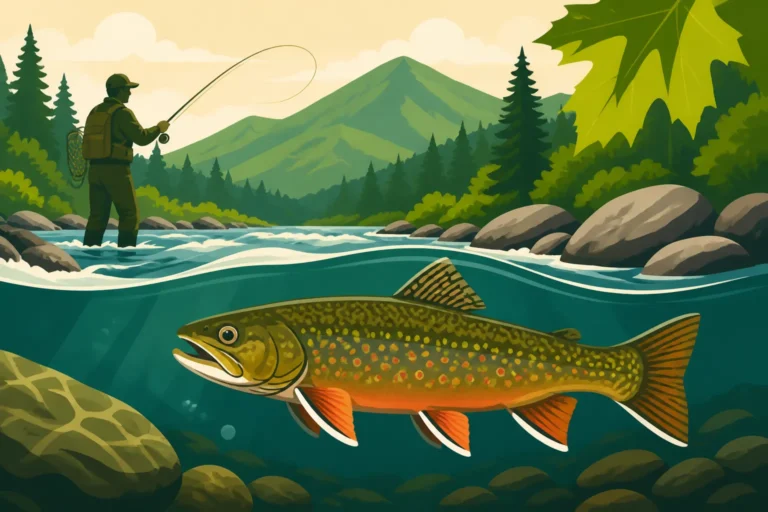
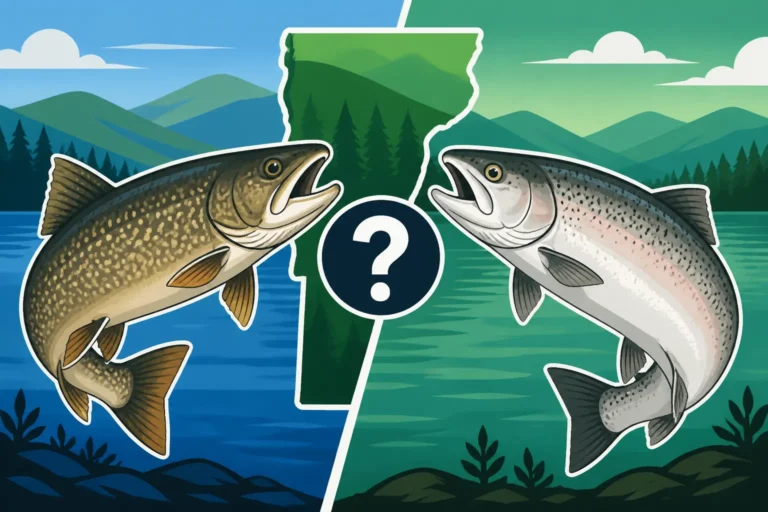
Imagine taking a brook trout, with its vibrant colors and affinity for cold, clear streams, and breeding it with a lake trout, a deep-dwelling leviathan of our largest lakes. The offspring of this cross is a splake – a fish that literally gets its name from "brook" and "lake" trout. They possess characteristics from both parents, often displaying the speckled pattern of a brook trout but with a body shape more akin to a lake trout, though typically less robust. Genetically, they are viable, meaning they can reproduce, but their natural reproduction rates are generally very low in the wild, which is why stocking programs are so vital to maintaining their presence in our lakes.
They offer a unique angling experience because they often inhabit water columns that might be too warm for pure brook trout but perhaps a bit too shallow for the deepest-dwelling lake trout. This makes them accessible to a wider range of anglers and fishing methods, filling a particular niche in the fishery.
Why Vermont Stocks Splake
So, why go through the effort of creating and stocking a hybrid fish? In Vermont, splake serve a specific purpose in our fisheries management. They provide a "middle ground" fishery, often growing larger and living longer than a typical stocked brook trout, but without the extreme deep-water requirements or slow growth rates of native lake trout. They can thrive in a variety of Vermont's coldwater lakes, especially those that have good forage bases but perhaps aren't ideal for self-sustaining lake trout populations due to habitat limitations or historical declines.
By stocking splake, Vermont Fish and Wildlife aims to create diverse angling opportunities. These fish offer a hard fight, can reach respectable sizes, and are often willing biters, especially in the cooler months. They provide an exciting challenge for those who enjoy targeting larger salmonids but might not have the specialized gear or access needed for true deepwater lake trout fishing. You can learn more about how the state manages these populations by checking out resources like Splake Stocking in Vermont Lakes.
Key Factors Driving Splake Growth in Vermont Waters
The growth rate of any fish isn't a simple, fixed number; it's a dynamic process influenced by a multitude of environmental and biological factors. For stocked splake in Vermont, these elements play a crucial role in determining how quickly they put on size and weight. Understanding these factors can help you predict where and when you might encounter larger fish.
Food Availability and Forage Base
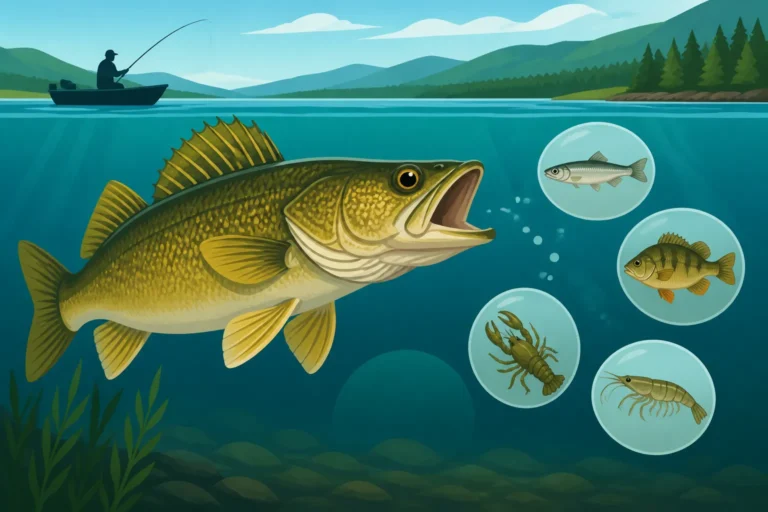
This is arguably the most critical factor. A splake, like any predatory fish, will grow as fast as its food supply allows. In Vermont's lakes, splake primarily feed on smaller baitfish like rainbow smelt, various minnow species, and invertebrates. Lakes with an abundant and healthy population of these forage fish tend to produce larger, faster-growing splake. If a lake has a sparse food source, even if other conditions are ideal, the splake will grow more slowly and typically remain smaller and leaner.
Consider a lake rich in Rainbow Smelt as Forage Fish in Vermont Lakes. Splake in such a lake will have a caloric surplus, allowing them to expend energy on growth rather than constantly searching for meager meals. Conversely, a lake with a declining smelt population might see a noticeable decrease in the average size of its splake over time. It's a delicate balance within the ecosystem, and any shifts in the forage base can directly impact the growth trajectory of these stocked fish.
Water Temperature and Oxygen Levels
Splake are coldwater fish, inheriting this preference from both their brook trout and lake trout parents. They thrive in water temperatures generally below 65°F (18°C), and optimal growth occurs in even cooler conditions, often in the 50s Fahrenheit. If water temperatures rise too high, especially during the summer months, splake become stressed. Their metabolism shifts from growth to survival, and they will seek out cooler, deeper waters, often reducing their feeding activity. Lakes with deep, cold, and well-oxygenated thermal refuges year-round will provide better conditions for sustained growth.
Shallow lakes or those with limited deep-water areas can become problematic for splake during prolonged hot spells. While they might survive, their growth will be stunted, and they may be more susceptible to disease. The Best Fishing Lakes in Vermont for splake often feature these crucial coldwater sanctuaries.
Lake Size, Depth, and Habitat Diversity
Larger, deeper lakes typically offer more diverse habitats and stable thermal conditions, which are conducive to better splake growth. A big lake provides ample room for both splake and their forage to spread out, reducing competition and ensuring access to various food sources throughout the seasons. Deeper lakes also provide those vital coldwater refuges during the summer, preventing stress and allowing for consistent feeding.
Habitat diversity, such as rocky shoals, submerged ledges, drop-offs, and areas with aquatic vegetation, provides both ambush points for splake and protection for their prey. A complex underwater landscape supports a richer food web, which in turn fuels faster growth for the splake at the top of their niche within that food web. It's about having the right structure, not just the right temperature.
Stocking Regimen and Initial Size
The Vermont Fish and Wildlife Department's stocking program plays a significant role in the initial growth potential of splake. Splake are typically stocked as fingerlings (small fish, usually a few inches long). The size at which they are stocked, the frequency of stocking, and the density of stocking can all impact their survival and subsequent growth. Larger fingerlings often have a better survival rate and a head start on growth, as they are less vulnerable to predation.
Consistent stocking ensures a steady supply of fish for anglers, but it also means there's a baseline population that will grow. If a lake is stocked with a good number of healthy fingerlings, and the environmental conditions are favorable, these fish will begin to grow immediately. You can often find details on specific stocking efforts using the Vermont Fish Stocking Search Tool, Explained.
Competition with Other Species
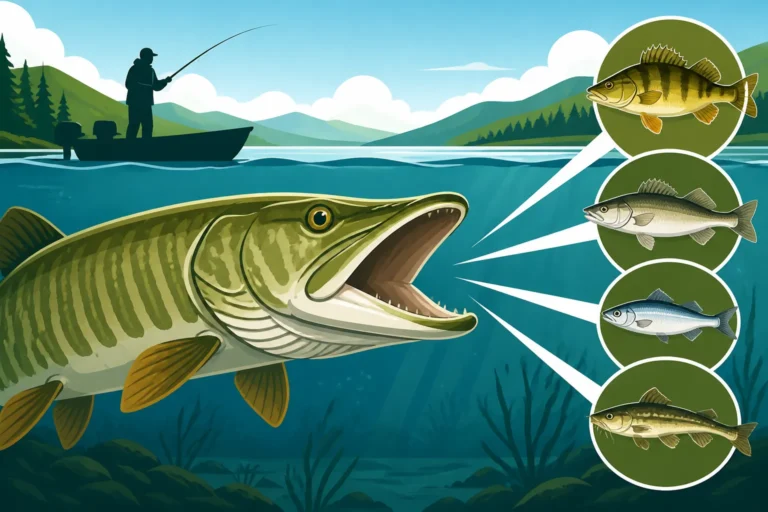
While splake fill a specific niche, they don't exist in a vacuum. They compete for food and space with other predatory species, including lake trout, brown trout, and even larger smallmouth bass or northern pike. If a lake has an overabundance of competing predators, the splake's access to forage might be limited, leading to slower growth rates.
Conversely, in lakes where splake are the dominant coldwater predator, or where competition is well-balanced, they have a better chance to grow larger. Fishery managers carefully consider these interspecies dynamics when deciding which lakes to stock with splake and at what numbers. This balance ensures a healthy ecosystem where all species can thrive to some extent, and provides a diverse angling experience.
What to Expect: Splake Size and Growth Timelines
So, with all those factors in mind, what does this actually mean for an angler hoping to catch a splake in Vermont? How big do they get, and how long does it take? It's important to remember that these are averages, and individual fish and specific lakes can always surprise you!
From Fingerling to Catchable Size
When splake fingerlings are first introduced into a Vermont lake, they are typically small, perhaps 3-6 inches in length. Their first year is critical for survival and establishing a feeding pattern. Given good forage and suitable temperatures, they can experience rapid growth.
- Year 1: By the end of their first year in the lake, these splake can often reach 8-12 inches. They are still relatively small but might already be considered "catchable" by some anglers, especially those targeting panfish or smaller trout. They are lean and fast, starting to develop the strong fight characteristic of their hybrid nature.
- Year 2: Entering their second year, splake continue to grow impressively. They can often be found in the 12-16 inch range, weighing between 1 to 2 pounds. At this size, they are definitely a worthy target for most anglers, offering a solid bend in the rod. This is often the size class most commonly caught.
- Year 3+: Beyond the second year, growth can slow down slightly, but mature splake will continue to add length and girth. Many Vermont lakes produce splake in the 16-20 inch range, often weighing 3-5 pounds. These are considered excellent fish and a real prize. It's not uncommon to hear of splake pushing 20-24 inches in some of Vermont's premier splake waters, reaching weights of 6 pounds or more, though these are less frequent.
The journey from a tiny fingerling to a respectable fish is a testament to the lake's health and the splake's adaptability.
Average Growth Rate and Maximum Size
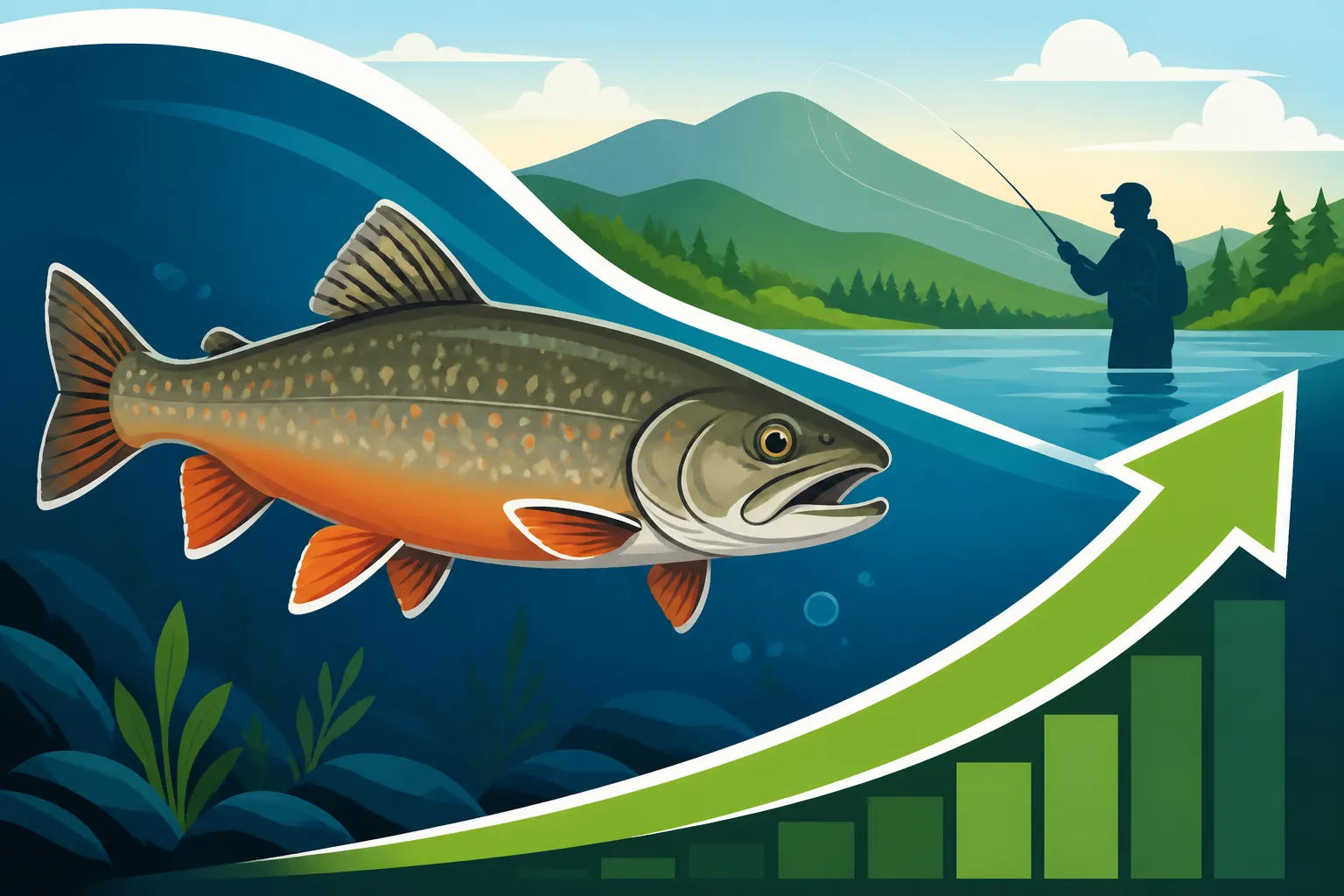
On average, you can expect stocked splake in Vermont to grow about 4-6 inches in length per year for their first two to three years, given optimal conditions. After that, their growth might be closer to 2-4 inches per year, with more emphasis on adding weight and girth as they mature.
| Age (Years) | Typical Length (Inches) | Typical Weight (Pounds) | Notes |
|---|---|---|---|
| Stocking | 3-6 | < 0.1 | Fingerling size when introduced |
| 1 | 8-12 | 0.25 – 0.75 | Rapid initial growth, might be caught as "pan-sized" trout |
| 2 | 12-16 | 1 – 2 | Good fighting size, commonly targeted |
| 3 | 16-20 | 3 – 5 | Excellent fish, approaching trophy class |
| 4+ | 20-24+ | 5 – 8+ | Trophy size, less common, found in prime waters with abundant forage |
It's important to note that very few splake will exceed 8-10 pounds in Vermont, and fish above 5 pounds are considered exceptional. The maximum size is often dictated by genetics (being a hybrid, they typically don't reach the massive sizes of very old lake trout) and the longevity of the fish in the system. The lifespan of a splake is generally shorter than that of a pure lake trout, typically living 4-7 years in Vermont waters, though some might make it longer in ideal conditions.
Variations Across Different Vermont Lakes
Not all Vermont lakes are created equal when it comes to supporting fast-growing splake. Lakes with abundant cold, clean water, and a robust forage base (especially smelt or other soft-rayed baitfish) will consistently produce larger splake. Conversely, lakes with marginal habitat or less abundant food might only grow splake to smaller average sizes.
For example, a lake that supports a healthy population of Lake Champlain Walleye Fishing might also have the forage base to grow substantial splake if the water temperatures are right. Lakes that get consistent stockings and have prime habitat, like some of the larger, deeper reservoirs or natural lakes, are your best bet for trophy-sized splake. Knowing the specific characteristics of the water you're fishing – its depth, temperature profiles, and known forage populations – will give you a significant advantage in understanding the growth potential of its splake.
Splake in the Ecosystem: Comparing Growth and Angling Value
Splake hold a unique position in Vermont's aquatic ecosystems and in the hearts of anglers. Their growth characteristics not only differentiate them from their parent species but also contribute to their distinct angling appeal.
Growth Compared to Brook Trout and Lake Trout
When we look at growth, splake often outperform pure brook trout in terms of sheer size and longevity in lake environments. Brook Trout: Vermont's Native Trout typically thrive in smaller streams and ponds, and while they can grow to impressive sizes in ideal conditions, they generally don't reach the same weights or lengths as mature splake in larger lakes. Splake benefit from the lake trout's genetic predisposition for a larger body size and longer lifespan, allowing them to utilize lake environments more effectively for sustained growth.
Compared to Lake Trout Fishing in Vermont, splake typically exhibit faster initial growth rates. Lake trout are known for being slow-growers, often taking many years to reach substantial size. Splake, on the other hand, seem to hit their stride quickly, providing anglers with a quicker turnaround from stocking to a respectable catch. However, pure lake trout, especially in very large and deep waters like Lake Champlain, have the potential to grow significantly larger and live much longer than splake, often reaching true monster sizes that splake rarely, if ever, achieve. So, splake offer a quicker path to a good-sized fish, but not necessarily the ultimate trophy potential of a very old lake trout.
Splake as a Unique Angling Opportunity
The growth rate and characteristics of splake make them a highly desirable target for many Vermont anglers. They grow quickly enough to provide consistent action with good-sized fish, without requiring the extreme patience or specialized deep-water gear sometimes needed for large lake trout. Their aggressive nature means they're often willing to hit a variety of lures and baits.
This makes them an excellent target during various Vermont Fishing Seasons by Month. In spring, after ice-out, they're often found cruising shallower waters, making them accessible to shore anglers or those in smaller boats. In summer, as the surface waters warm, they'll retreat to cooler depths but are still catchable with trolling or jigging techniques. For ice anglers, splake are a fantastic target through the hard water, often found actively feeding under the ice. Their blend of brook trout hardiness and lake trout size makes them a compelling fish for both new and experienced anglers seeking a challenge.
Recommended Gear for Splake Fishing
Given their size and fight, having the right gear is key. For splake in the typical 1-5 pound range, a medium-light to medium power spinning rod, 6-7 feet in length, paired with a reel spooled with 6-10 pound test monofilament or fluorocarbon, or even lighter braided line, is a great all-around setup. You'll want something sensitive enough to feel subtle bites but with enough backbone to handle a strong, surging fish. Many anglers find excellent options for these setups on Amazon, which offers a wide range of brands and prices to suit any budget.
When targeting larger, trophy-sized splake, you might want to bump up to a medium-heavy setup, especially if you're trolling with heavier spoons or stickbaits. A good quality, sharp hook is essential, as splake can have surprisingly tough mouths. Don't forget a sturdy landing net, which is crucial for safely landing and releasing these fish, especially if you plan to practice catch and release. You can explore a range of suitable options, from ultralight setups for smaller splake to more robust trolling gear, on retail sites. Remember, gear appropriate for Vermont trout fishing or even light Best Tackle for Vermont Smallmouth Bass can often cross over effectively for splake.
Conservation and Management of Vermont's Splake
The consistent growth and availability of splake in Vermont are not accidental; they are the result of careful management and ongoing conservation efforts by the state's Fish and Wildlife Department. These efforts ensure a sustainable and enjoyable fishery for everyone.
Role in Vermont's Fisheries Management
Splake play a specific and valuable role in Vermont's overall fisheries management strategy. Because their natural reproduction is limited, the state can precisely manage their populations through stocking programs. This allows them to enhance angling opportunities in specific lakes that might not support thriving populations of other coldwater game fish, or to diversify the angling experience in lakes already popular for other species.
Their intermediate growth rate and size help bridge the gap between smaller, pan-sized trout and the long-term commitment often required for trophy lake trout. This helps distribute angling pressure across different species and waters, contributing to the health and balance of the entire system. Understanding Vermont Fishing Regulations Explained is critical for all anglers to support these management goals.
Stocking Programs and Monitoring
The Vermont Fish and Wildlife Department carefully selects lakes for splake stocking based on suitability criteria such as water temperature, depth, oxygen levels, and available forage. They monitor the success of these stockings by conducting creel surveys, netting surveys, and soliciting feedback from anglers. This allows them to adjust stocking numbers, locations, and even the size of stocked fish to optimize growth rates and angling success.
Anglers often contribute valuable data through catch reports and by adhering to regulations designed to protect the growing fish. Responsible angling, including proper catch-and-release techniques for fish you don't intend to keep, helps ensure that more splake can reach their full growth potential and provide future angling opportunities. Keep an eye on official state resources or fishing forums for updates on stocking.
Future of Splake Fishing in Vermont
The future of splake fishing in Vermont looks promising, largely due to continued scientific management and the unique niche these fish fill. As environmental conditions evolve, particularly with changing climate patterns, flexible management strategies that include adaptable species like splake will become even more important. Splake's ability to thrive in a range of coldwater lake environments makes them a resilient component of Vermont's diverse fishing portfolio.
For anglers, this means a consistent opportunity to target a strong-fighting, good-eating fish that offers a respectable size. Whether you're trolling, jigging, or fly fishing, understanding the growth rate of stocked splake in Vermont helps you approach your fishing with knowledge and realistic expectations, making every outing more rewarding. You might even find some specialized gear for targeting bigger splake, like deep-diving crankbaits or heavy spoons, available through retailers like Amazon, which can help you adapt your techniques to where these fast-growing fish are holding.
Disclaimer
This article is for general informational purposes only and does not constitute professional advice. Laws, prices and regulations vary by location and change over time. Consult a qualified professional for guidance on your specific situation.