Vermont Fishing Season Dates and Closures
Oh, the ever-confusing world of fishing season dates and closures! If you've ever found yourself scratching your head, staring at the Vermont Fish and Wildlife regulations handbook, trying to figure out if you can legally wet a line for that trophy bass or a feisty brook trout, you're definitely not alone. It can feel like decoding an ancient scroll sometimes, with different rules for different waters and species. This comprehensive guide is here to untangle that knot, providing you with a clear roadmap to understanding Vermont's fishing calendar, ensuring your angling adventures are both productive and perfectly legal.
Understanding Vermont's Fishing Calendar: Why Seasons Matter
Fishing seasons aren't just arbitrary dates thrown onto a calendar by some state official. They are carefully crafted regulations designed to protect Vermont's diverse fish populations, especially during critical times like spawning. Ignoring these seasons, even by accident, can have significant impacts on fish stocks and can lead to hefty fines for anglers. It's all about balancing the thrill of the catch with the responsibility of conservation, ensuring future generations can enjoy the same incredible fishing opportunities we do.
The Importance of Spawning Cycles and Conservation
Think about it: fish, just like any other wildlife, need a chance to reproduce successfully without undue pressure. Many of Vermont's most popular game fish, like trout and bass, have specific times of the year when they gather to spawn. During these periods, they can be particularly vulnerable to angling pressure. For instance, trout often spawn in the fall, while bass typically spawn in the spring and early summer. By implementing closures or catch-and-release-only seasons during these critical times, the Vermont Fish and Wildlife Department helps ensure that fish can complete their spawning rituals, laying eggs and guarding their nests, ultimately leading to healthier, more robust populations for years to come. It’s a vital aspect of sustainable angling, allowing our beloved fish to thrive.
Navigating the Vermont Fish and Wildlife Regulations Guide
The official "Vermont Fishing Regulations Guide" is your bible, your ultimate authority on all things legal in Vermont's waters. While this article aims to simplify things, there's no substitute for having the actual guide on hand. It's usually available for free wherever fishing licenses are sold, or you can find a digital version on the Vermont Fish and Wildlife Department website. It's packed with details, including specific exceptions for certain lakes, rivers, or even stretches of water. Before heading out, especially if you're exploring a new spot, always consult the most current guide. It often feels like a lot of information to sift through, but taking the time to understand it can save you a lot of headache and ensure you're compliant. For a more in-depth look, check out our guide on Reading the Vermont Fishing Regulations Guide.
General Statewide Open Seasons Explained
While there are many specific rules, Vermont does have general statewide open seasons for most species. These provide a baseline understanding for when you can typically target certain fish. For instance, many panfish like yellow perch and sunfish are open year-round, making them fantastic targets for casual outings or when other seasons are closed. However, species like trout and bass have more defined periods. Knowing these general dates is your first step to planning a successful fishing trip. Remember, "general" means there will almost always be exceptions, so a quick check of the regulations for your specific target water is always a good idea. It’s about being informed and prepared, much like double-checking your gear before a big trip—you wouldn't want to forget your favorite lures or your best fishing hat, would you?
Trout and Salmon Seasons: A Vermont Angler's Primer
Vermont's cold, clear waters are a haven for trout and landlocked salmon, making them highly sought-after species. However, their seasons are among the most regulated, primarily due to their sensitivity to environmental changes and the need to protect their spawning cycles. Anglers often anticipate "opening day" with the same excitement as a child on Christmas morning, eager to hit their favorite stream or lake. Understanding these specific dates is paramount to a successful and legal trout and salmon season.
Key Dates for Stream and River Trout Fishing Brook, Brown, Rainbow
For the stream and river enthusiasts, Vermont's general trout season traditionally kicks off on the second Saturday in April and usually runs through the last day of October. This applies to brook trout, brown trout, and rainbow trout in most rivers and streams. That glorious opening day, often referred to as Vermont Trout Opening Day Traditions, is a rite of passage for many anglers, symbolizing the true start of spring after a long winter. During this period, you can find anglers wading the legendary Battenkill, the picturesque White River, or countless smaller mountain brooks, all hoping to entice a strike.
It's crucial to remember that while the general season is consistent, daily bag limits and length limits can vary, and some sections of rivers might have special regulations, such as catch-and-release only or fly-fishing-only rules. For instance, the famous "Trophy Trout" sections on rivers like the Black River and Otter Creek often have extended seasons or unique rules to promote larger fish. Always verify the specifics for the particular stretch of water you plan to fish, perhaps using a detailed map or an app on your phone to keep track of boundaries.
Lake Trout and Landlocked Salmon Seasons on Major Lakes
When it comes to the colder, deeper waters of Vermont's larger lakes, the season dates for lake trout and landlocked salmon follow a slightly different pattern. These magnificent fish are often targeted by trolling or deep jigging, especially as the water warms. Generally, the season for lake trout and landlocked salmon in many larger lakes, like Lake Champlain and Lake Willoughby, opens on January 1st and closes on October 31st. This extended season allows for prime ice fishing opportunities in the winter and robust open water fishing through spring, summer, and fall.
However, just like with stream trout, there are important nuances. For example, on Lake Champlain, while the season is long, specific regulations might apply to daily limits or minimum lengths, particularly for lake trout. Lake Willoughby, renowned for its landlocked salmon and lake trout, also has its own set of rules that keen anglers should be familiar with. It's not uncommon for anglers to seek out specialized tackle and gear on platforms like Amazon, ensuring they have the right spoons, flashers, or downriggers to target these deep-water species effectively. Always make sure you're aware of the latest Vermont Landlocked Salmon Regulations before you head out.
Special Regulation Waters and Catch-and-Release Seasons
Vermont has numerous "Special Regulation Waters" that deviate from the general statewide rules. These areas are established for various conservation reasons, such as protecting unique fish stocks, providing specific angling experiences (like fly-fishing only), or managing high-pressure fisheries. You'll find sections of rivers designated as Vermont Catch and Release Fly Fishing Only Waters, where barbed hooks might be prohibited, and all fish must be immediately returned unharmed.
For trout and salmon, these special regulations might include different opening and closing dates, extended seasons, reduced bag limits, or increased minimum length limits. They are clearly marked in the annual regulations guide, often accompanied by maps or detailed descriptions. A classic example is the "trophy trout" waters, which have specific seasons to allow fish to grow to impressive sizes. It’s imperative to understand these localized rules because violating them can result in significant penalties, even if you were just following the general statewide regulations. Always treat these special areas with extra care and respect.
| Species Category | General Open Season | Common Exceptions/Notes |
|---|---|---|
| Stream Trout | 2nd Saturday in April – October 31st | Many special regulation waters, catch & release only sections, or extended seasons. Always check local rules. |
| Lake Trout | January 1st – October 31st | Applies to most large lakes. Specific bag and length limits for Lake Champlain, Lake Willoughby, etc. |
| Landlocked Salmon | January 1st – October 31st | Applies to most large lakes. Specific bag and length limits for Lake Champlain, Lake Willoughby, etc. |
| Largemouth Bass | 2nd Saturday in June – November 30th | Early catch-and-release season (2nd Sat in April – 2nd Sat in June). |
| Smallmouth Bass | 2nd Saturday in June – November 30th | Early catch-and-release season (2nd Sat in April – 2nd Sat in June). |
| Walleye | January 1st – March 15th & 1st Saturday in May – March 15th (next year) | Closed March 16th – 1st Friday in May for spawning. Lake Champlain has specific rules. |
| Northern Pike | Open Year-Round | Some waters may have length limits. |
| Chain Pickerel | Open Year-Round | Some waters may have length limits. |
| Yellow Perch, Bluegill, Crappie | Open Year-Round | Generous limits, ideal for family fishing. |
Bass Fishing in Vermont: Navigating Open and Catch-and-Release Periods
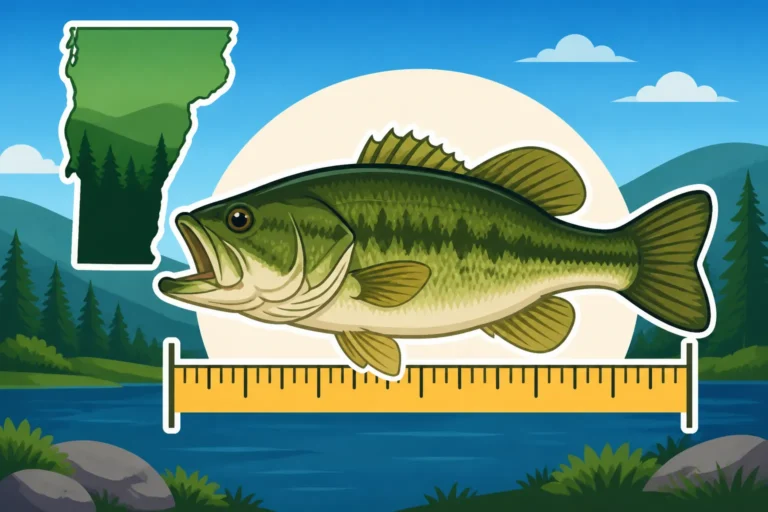
Bass fishing in Vermont has exploded in popularity over the past few decades, thanks to healthy populations of both largemouth and smallmouth bass in many lakes and rivers. Vermont's bass fishery is truly world-class, especially on Lake Champlain. However, like trout, bass seasons come with specific rules, particularly an important catch-and-release period that's crucial for their successful spawning. Understanding these periods ensures you're fishing responsibly and legally, helping to sustain this fantastic fishery.
Largemouth and Smallmouth Bass General Seasons
The general open season for harvesting largemouth and smallmouth bass in Vermont typically runs from the second Saturday in June through November 30th. This is the period when you can legally keep bass, provided they meet the minimum length requirements and you adhere to the daily bag limits. This late spring/early summer opening allows bass to complete their crucial spawning activities relatively undisturbed. By June, water temperatures have usually risen, and the bass have finished nesting, making them more actively feeding and less vulnerable to harvest pressure directly on their beds.
Many anglers consider this the prime time for bass fishing, as the fish are aggressive and often found shallower as they recover from spawning and feed heavily. From Lake Bomoseen to Waterbury Reservoir, anglers eagerly await this official opening, busting out their crankbaits, jigs, and topwater lures. It’s a time of exciting topwater blow-ups and hard-fighting fish, perfect for a relaxing day on the water.
The Critical Catch-and-Release Bass Season Explained
Perhaps the most important aspect of Vermont bass regulations is the catch-and-release season. This period generally runs from the second Saturday in April through the Friday before the second Saturday in June. During this time, you can fish for bass, but all bass caught must be immediately and carefully released back into the water. This regulation is specifically designed to protect bass while they are actively spawning and guarding their nests. Bass are often very visible on their beds, and without this regulation, they would be incredibly easy targets, leading to significant disruption of their reproductive success.
Adhering to the Vermont Bass Catch-and-Release Season, Explained is absolutely vital for the health of Vermont's bass populations. When practicing catch and release, handle fish minimally, keep them in the water as much as possible, and use barbless hooks or flatten barbs to minimize harm. This interim season provides a fantastic opportunity to get out on the water, shake off the rust, and enjoy some thrilling bass action without impacting future generations of fish. It's a testament to Vermont's commitment to conservation, and anglers wholeheartedly support it.
Lake Champlain Bass Fishing Specifics
Lake Champlain, a true jewel in Vermont's crown, is renowned as one of the best bass fishing destinations in the entire United States. While the general statewide bass seasons apply, the sheer size and diverse habitat of Lake Champlain often lead to specific nuances or considerations. For example, due to the lake's vastness and varied structure, bass movements and patterns can differ significantly from smaller, inland lakes. Anglers flock to its waters to target both largemouth in its many shallow bays and smallmouth on its rocky shoals and deeper structures. For an in-depth dive into the unique challenges and rewards of angling on this massive body of water, our Vermont Lake Champlain Fishing Rules guide offers invaluable insights.
Fishing for bass on Lake Champlain during the catch-and-release season can still be incredibly productive. Many tournaments operate during this period, focusing solely on catch and immediate release, showcasing the healthy populations without harvest pressure. When the general season opens in June, Lake Champlain truly shines, offering incredible opportunities for trophy-sized fish. You might find seasoned anglers stocking up on their favorite bass lures and tackle, perhaps even ordering specialized gear from online retailers like Amazon, to get ready for the open season on this magnificent lake.
Walleye, Pike, and Panfish: Year-Round and Specific Opportunities
Beyond the famous trout, salmon, and bass, Vermont's waters are home to a host of other exciting and delicious fish species. Walleye, northern pike, chain pickerel, yellow perch, black crappie, and bluegill all offer unique angling experiences, and their season dates vary considerably. Some are open year-round, providing endless possibilities, while others have distinct closures to protect their populations during critical periods.
Walleye Seasons and Lake Champlain Nuances
Walleye are a highly prized game fish, particularly for their delicious fillets. In Vermont, the walleye season has a split structure. It is generally open from January 1st through March 15th, offering excellent ice fishing opportunities, especially on Lake Champlain. Then, it closes for a spawning period, typically from March 16th until the first Saturday in May. Once that early May opening arrives, the season reopens and continues through March 15th of the following year. This closure is crucial, as it protects walleye when they are congregated for spawning, making them very vulnerable.
Lake Champlain is Vermont's premier walleye destination, and it's where most of the state's walleye fishing effort is concentrated. The lake's vastness means that walleye can be found in a variety of habitats, from shallow bays to deep main lake structure. While the statewide dates apply, specific bag and length limits are always important to verify for Lake Champlain, as they can sometimes be adjusted to manage this vital fishery. Many passionate walleye anglers spend hours poring over contour maps and depth finders to locate prime walleye spots, and you might see them equipping their boats with the latest electronics available, sometimes sourced through stores like Amazon.
Northern Pike and Chain Pickerel Opportunities
Northern pike and chain pickerel are two aggressive, toothy predators that offer exciting action, especially for anglers looking for a fight. The good news is that for most of Vermont's waters, the season for northern pike and chain pickerel is open year-round. This makes them fantastic targets when other species might be closed or harder to catch. They are often found in weedy bays, shallow coves, and slower-moving rivers, ambushing smaller fish.
While generally open year-round, always double-check the current Vermont Fishing Regulations Explained for any specific length limits or bag limits that might apply to certain waters, particularly for northern pike on larger bodies like Lake Champlain or Lake Memphremagog. These fish are known for their voracious appetites and can be caught using a variety of methods, from casting large spoons and spinners to still-fishing with live bait. They put up a spirited fight and provide a thrilling experience for anglers of all skill levels throughout the year.
Panfish Perch, Crappie, Bluegill – Often Year-Round
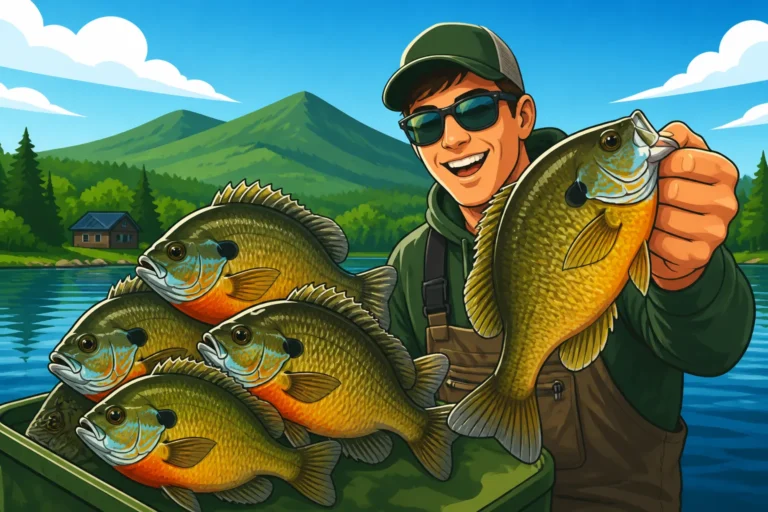
For many, panfish are the unsung heroes of Vermont fishing. Yellow perch, black crappie, and various sunfish (like bluegill and pumpkinseed) are abundant, readily caught, and provide fantastic fishing opportunities for anglers of all ages, especially beginners and families. The best part? In most Vermont waters, the season for these panfish is open year-round, with generous daily bag limits. This makes them an ideal target almost any time you want to go fishing, whether it's a warm summer afternoon or a cold winter day through the ice.
Panfish are often found in schools, making it possible to catch a good number once you locate them. They bite on a wide variety of baits and lures, from tiny jigs and worms to small spinnerbaits. Lakes like Lake Bomoseen, Lake Dunmore, and countless smaller ponds across the state offer excellent panfish action. These species are also excellent table fare, providing a delicious bonus to a fun day out. With their cooperative nature and year-round availability, panfish are the perfect gateway to enjoying Vermont's diverse fisheries.
Ice Fishing Seasons: When the Hard Water Heats Up
When the mercury drops and Vermont's lakes and ponds transform into vast sheets of ice, a whole new world of angling opens up. Ice fishing is a cherished tradition for many Vermonters, offering unique challenges and rewards. But just like open-water fishing, ice fishing has its own set of rules, dates, and safety considerations that are absolutely essential to understand before you venture out onto the hard water.
General Ice Fishing Season Dates and Considerations
The general ice fishing season in Vermont often begins on January 1st and can extend well into March, sometimes even early April, depending on ice conditions. However, the exact opening and closing dates for species vary, as outlined in the previous sections (e.g., walleye season reopens in January, trout/salmon are open). The most critical factor for ice fishing, however, isn't a calendar date but the actual ice thickness. The Vermont Fish and Wildlife Department, along with seasoned ice anglers, recommends a minimum of four inches of clear, solid ice for safe foot travel. You can find more details in our Vermont Ice Fishing Season Dates guide.
Safety is paramount, and ice conditions can change rapidly. Always check local ice conditions, fish with a buddy, bring safety gear like ice picks and a throw rope, and tell someone your plans. Areas with currents, inlets, outlets, or springs can have dangerously thin ice even when the rest of the lake is solid. While the season might technically be open, it's always up to the individual angler to assess safety before stepping onto the ice.
Species-Specific Ice Fishing Seasons
While many panfish are fair game year-round through the ice, some of Vermont's most popular ice fishing targets, like walleye, lake trout, and landlocked salmon, have specific seasons. As mentioned, walleye season reopens on January 1st, providing excellent early-season opportunities on lakes like Lake Champlain and Lake Carmi. Lake trout and landlocked salmon are also open from January 1st, making deep jigging or tip-up fishing for these cold-water predators a thrilling winter pursuit on waters such as Lake Willoughby, Lake Memphremagog, and many sections of Lake Champlain.
Northern pike and chain pickerel, with their year-round open season, are also prime ice fishing targets, often found in shallower, weedy areas. It's not uncommon to see a spread of tip-ups covering a large area, waiting for a flag to fly indicating a pike has taken the bait. Understanding these species-specific seasons allows anglers to plan their winter outings, targeting different fish depending on their preferences and the available opportunities. For serious ice anglers, having the right gear is key, and many find essential items like ice augers, portable shanties, and specialized jigs on sites like Amazon.
Safety and Regulations for Ice Shanties and Holes
Beyond the season dates, there are also regulations specific to ice fishing equipment and structures. In Vermont, if you plan to leave an ice shanty on the ice overnight, it generally needs to be marked with the owner's name and address. There are also rules about when shanties must be removed from the ice, typically before "ice-out" or by a certain date in March, to prevent them from sinking and becoming hazards or pollution. For example, on Lake Champlain, shanties must be removed by the last Sunday in March.
Regarding holes, while there are no strict limits on the number of holes an individual can drill, common sense and safety dictate reasonable practice. Also, it's generally illegal to leave baited lines unattended unless they are part of a legal tip-up setup with proper identification. These regulations are designed to ensure safety, prevent pollution, and promote ethical angling practices across Vermont's frozen landscapes. Always prioritize safety and environmental responsibility when enjoying the unique thrill of hard-water fishing.
Understanding Closures and Special Regulations: Beyond the Open Season
While knowing the open seasons is crucial, understanding the closures and when specific rules apply is equally, if not more, important. Vermont's fisheries management is highly nuanced, recognizing that different species and different bodies of water require tailored approaches to ensure long-term health and angling quality. Ignoring these specific closures or regulations can lead to wasted trips, or worse, legal trouble.
Seasonal Closures for Spawning Protection
Many of Vermont's seasonal closures are directly tied to protecting fish during their spawning periods, as we discussed earlier. The most prominent examples include the closure for trout in rivers and streams from November 1st until the second Saturday in April, and the walleye closure from March 16th until the first Saturday in May. These are times when fish are particularly vulnerable, either because they are actively migrating to spawning grounds, engaged in spawning itself, or guarding their nests.
These closures are a cornerstone of responsible fisheries management. For instance, brown trout and brook trout are fall spawners, so closing rivers in the late fall and winter protects their eggs and fry through the coldest months. Walleye are spring spawners, and their closure ensures they can complete their reproductive cycle without intense angling pressure. While it can be frustrating to see a favorite spot closed, these measures are vital for ensuring that when the season does open, there are healthy populations of fish to catch.
"No Fishing" Zones and Designated Areas
Beyond general seasonal closures, there are also specific areas in Vermont that are designated as "no fishing" zones, either permanently or during certain times of the year. These might include:
- Fishways and Dams: Areas immediately around fish ladders or dams are often closed to fishing to protect migrating fish.
- Fish Refuges: Specific areas might be set aside as fish refuges to protect critical habitats or vulnerable populations.
- Private Property: While not a "state" closure, fishing without permission on private land, even if it's along a stream, is illegal and essentially a "no fishing" zone for unauthorized individuals. Always respect private property signs and secure permission if in doubt.
- Specific Lake Sections: On very large lakes like Lake Champlain, certain bays or tributary mouths might have temporary or seasonal closures to protect spawning fish or critical nursery habitats.
It's your responsibility as an angler to be aware of these localized restrictions. The Vermont Fishing Regulations Explained guide will detail these areas, and often there will be signage posted at access points. If you're planning to fish a new area, particularly a smaller water body or a specific section of a river, it's wise to consult the regulations carefully or even call the Vermont Fish and Wildlife Department for clarification.
How to Identify Special Regulation Waters
Identifying special regulation waters requires careful attention to the official Vermont Fishing Regulations Guide. These waters are often listed in a dedicated section of the guide, detailing the specific rules that apply. They might include:
- Catch-and-Release Only: As mentioned before, these waters require all fish to be immediately released.
- Fly Fishing Only: Only artificial flies are permitted.
- Artificial Lures Only: Bait, including worms and minnows, is prohibited.
- Increased Minimum Length Limits: Fish must be larger than the general statewide minimum to be kept.
- Reduced Daily Bag Limits: You can keep fewer fish than the general statewide limit.
- Extended or Modified Seasons: The open and close dates might differ from the general season.
These Special Regulation Waters in Vermont are managed intently to offer unique angling experiences or to protect specific, often vulnerable, fisheries. For example, some sections of the Battenkill River are known for their strict fly-fishing-only, catch-and-release rules to foster a wild trout population. Always check the regulations specific to the water body you plan to visit. When in doubt, assume the most restrictive rules apply, or simply practice catch-and-release with artificial lures to ensure you're always in compliance. It's better to be overly cautious than to accidentally violate a regulation.
Permits, Licenses, and Staying Legal: Your Checklist
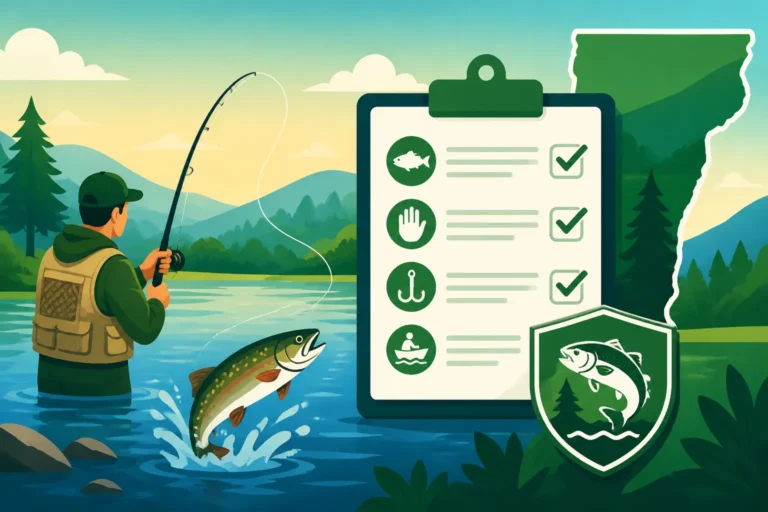
Understanding season dates and closures is a huge part of being a responsible angler, but it's just one piece of the puzzle. To truly stay legal and avoid any unwelcome surprises, you need to have your administrative ducks in a row too. This means knowing your license requirements, understanding bag limits, and being aware of the penalties for non-compliance. It's the less glamorous side of fishing, but arguably the most important for a worry-free experience.
Getting Your Vermont Fishing License in Order
Before you even think about checking a season date, the very first step for almost every angler is securing a valid Vermont fishing license. If you're 15 years old or older, you'll need one. There are different types of licenses: resident, nonresident, annual, 3-day, 7-day, and combination hunting and fishing licenses. The cost varies depending on your residency status and the duration of the license. You can purchase a license easily online, at many local general stores, sporting goods shops, or town clerk offices across the state. Many anglers find the convenience of purchasing their Vermont Fishing License Guide for 2026 online through the Vermont Fish and Wildlife Department's website invaluable.
There are also exceptions to the license requirement, such as for those fishing during Vermont Free Fishing Weekend Dates, or for youth under 15, who can fish without a license. Additionally, specific discounts or exemptions may apply to disabled residents or active military personnel. It's always a good idea to check the Vermont Fishing License Age Requirements before your trip. Always carry your license with you when fishing, whether it's a printed copy or a digital version on your phone, as wardens can and do check.
Knowing Your Bag and Possession Limits
Even if a species is in season, there are strict limits on how many fish you can keep (daily bag limit) and how many you can have with you (possession limit). These limits vary widely by species and often by individual water body. For instance, the general Vermont Trout Limit and Possession Rules might be a daily limit of 6 trout with a minimum length, but a special regulation stream could have a daily limit of 2 fish or even be catch-and-release only.
Possession limits are particularly important to remember for multi-day trips. If you catch your daily limit of fish, you can't go out and catch another limit the next day if you still have the previous day's limit in your possession. The possession limit is usually the same as the daily bag limit. These limits are designed to distribute the harvest among anglers and prevent overfishing of particular species. Always refer to the latest Vermont Bag and Possession Limits by Species section in the annual regulations guide. It's not uncommon for anglers to keep a small printout in their tackle box, or have a quick reference guide on their smartphone, just to be sure.
The Consequences of Violating Season Dates
Ignoring season dates, fishing without a license, or exceeding bag limits are not minor infractions in Vermont. Violations of fishing regulations can result in significant penalties, including substantial fines, seizure of fishing equipment, and even loss of fishing privileges. A simple mistake, like fishing for bass during the closed season or keeping an undersized trout, can turn a fun day into a costly and regrettable experience. For a comprehensive overview, read our article on Fishing Without a License in Vermont: Penalties.
Fish and Wildlife Wardens are actively patrolling Vermont's waters, especially during peak seasons, and they take their job of protecting the state's natural resources very seriously. They are trained professionals who are passionate about conservation. The best way to avoid any issues is to be fully informed, always carry your license, and respect all regulations. When in doubt about a specific rule or season date, always err on the side of caution or consult the official guide. Responsible angling is about more than just catching fish; it's about being a good steward of the environment and respecting the rules that keep our fisheries healthy for everyone.
Disclaimer
Please remember that fishing regulations, season dates, and limits are subject to change. While every effort has been made to provide accurate and up-to-date information in this guide, it should not be considered the definitive source. Always consult the most current official Vermont Fish and Wildlife Regulations Guide or visit their official website before heading out to fish. Your local bait and tackle shops are also great resources for the latest information. Stay safe, fish responsibly, and enjoy Vermont's incredible angling opportunities!