Vermont bluegill and sunfish limit
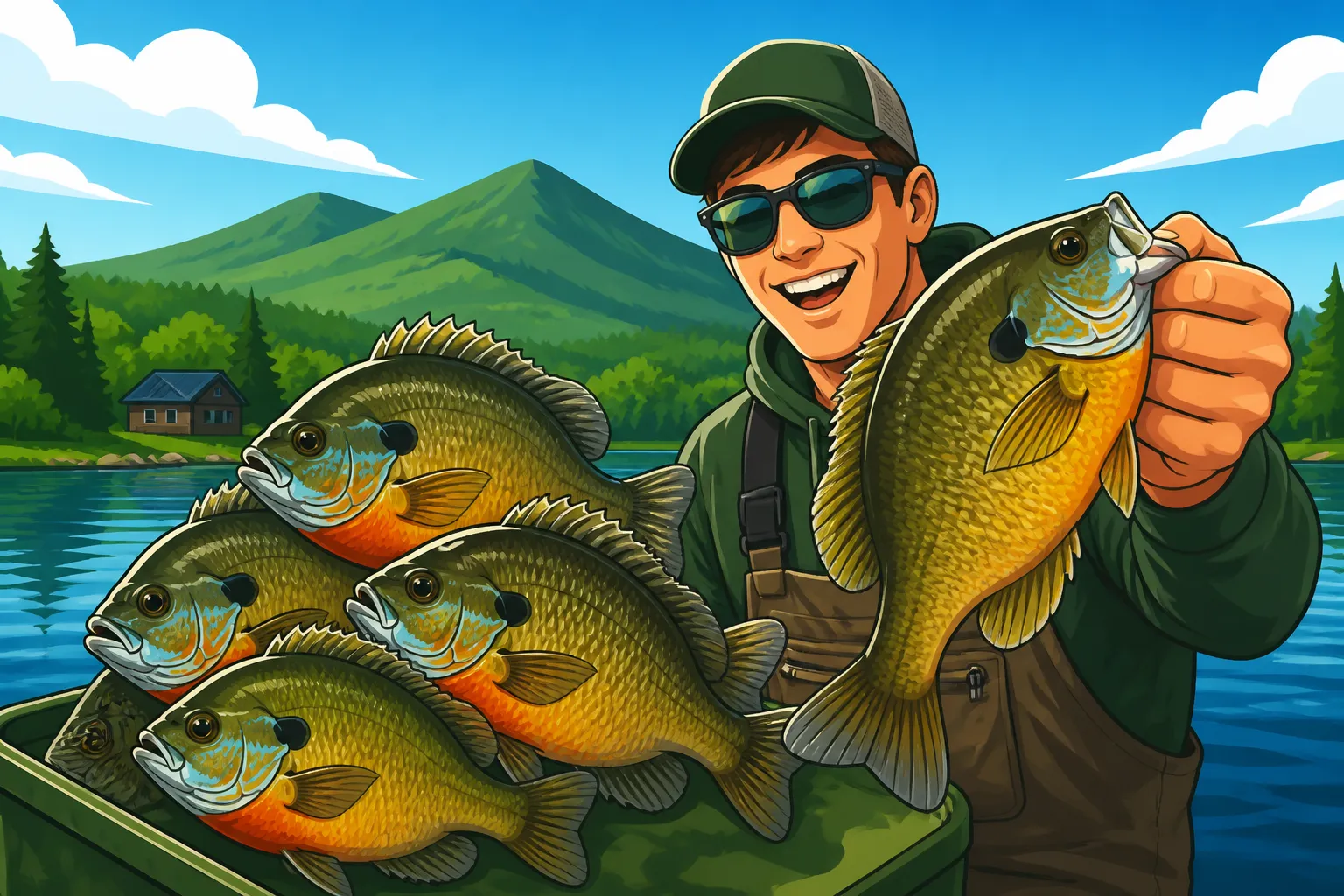
It's incredibly frustrating when you're just trying to enjoy a peaceful day on the water, maybe with the kids, targeting some accessible and fun panfish like bluegill and sunfish, only to second-guess yourself about the rules. Vermont's fishing regulations can sometimes feel like a maze, especially when you're trying to pin down specific limits for certain species. This comprehensive guide is here to untangle those rules, specifically focusing on the bluegill and sunfish limits, so you can fish with confidence and peace of mind.
Understanding Vermont's Panfish Regulations
Vermont understands the appeal of panfish – they're abundant, often willing biters, and a fantastic gateway for new anglers or a relaxing pastime for seasoned veterans. Because of their widespread presence and generally healthy populations, the regulations around bluegill and sunfish are usually quite straightforward, but it's always wise to know the specifics.
The Importance of Daily Limits and Possession Limits
When you're looking at fishing regulations, you'll almost always encounter two key terms: "daily limit" and "possession limit." It's easy to mix them up, but they mean very different things, and understanding the distinction is crucial for staying within the law and ensuring sustainable fishing practices.
The daily limit refers to the maximum number of a specific fish species you can catch and keep in a single calendar day. For example, if the daily limit for bluegill is 25, you can keep 25 bluegill between midnight and midnight. Once you've reached that number, any additional bluegill you catch must be immediately released back into the water unharmed. This limit is designed to prevent overharvesting on a day-to-day basis, ensuring that plenty of fish remain in the water to continue reproducing and growing. Think of it as your daily allowance.
The possession limit, on the other hand, refers to the total number of a specific fish species you can have in your possession at any given time. This includes fish at your campsite, in your cooler, in your vehicle, or back at home in your freezer. It's not uncommon for the possession limit to be equal to one or two times the daily limit, especially for species where anglers might take multi-day trips. For bluegill and sunfish, which are often caught in large numbers, the possession limit helps manage the overall take from the fishery over a longer period. If you're on a weekend trip and the daily limit is 25 and the possession limit is 50, you could theoretically keep 25 on Saturday and another 25 on Sunday, as long as you don't exceed 50 fish total in your possession at any point. Always check the official Vermont Fishing Regulations Explained to be absolutely certain, as these can vary.
Why Bluegill and Sunfish Are Grouped Together
You might notice that many regulations group "bluegill and sunfish" together, rather than listing each individual sunfish species. This isn't just a simplification; it reflects a practical reality for anglers. Many species within the Lepomis genus (the sunfish family) look incredibly similar, especially to the casual observer. For instance, distinguishing a pumpkinseed sunfish from a redbreast sunfish, or even a hybrid sunfish, can be tricky. Bluegill, while distinct, share many common traits and habitats with other sunfish species.
By grouping them, the Vermont Fish & Wildlife Department streamlines the regulations, making them easier for anglers to understand and comply with. It removes the burden of precise species identification for every single fish caught, which could otherwise lead to accidental violations. Since these species often inhabit the same waters, respond to similar baits and lures, and generally thrive under similar environmental conditions, a blanket regulation helps manage their populations collectively. This approach acknowledges that panfish, by their nature, are often caught in quantity, and the goal is to manage the overall panfish biomass rather than hyper-focusing on individual, often hard-to-distinguish, sub-species.
General Statewide Bluegill and Sunfish Limits
Alright, let's get to the brass tacks, what everyone is really here for! For the vast majority of waters across Vermont, the bluegill and sunfish limit is pretty generous, reflecting their healthy populations and the joy they bring to anglers of all ages.
The general statewide daily limit for bluegill and sunfish (combined) is 25 fish.
And what about the possession limit? It's typically the same: the general statewide possession limit for bluegill and sunfish (combined) is also 25 fish.
This means that on any given day, and at any given time, you can have up to 25 bluegill and sunfish in your possession. This limit is designed to allow anglers to take a good mess of fish home for a tasty fry while still protecting the overall population. It's a common and consistent rule that makes it easy for most anglers to follow without much fuss.
Here's a quick summary for clarity:
| Species Group | Daily Limit | Possession Limit |
|---|---|---|
| Bluegill and Sunfish | 25 | 25 |
This table simplifies it, but remember, there can always be exceptions, which we'll dive into next. Always cross-reference with the latest "Vermont Bag and Possession Limits by Species" if you have any doubt, as regulations can change from year to year. A quick look at the current year's guide from the Vermont Fish & Wildlife Department (which you can often find online or pick up at a local sporting goods store, or even order through Amazon) is always your best bet.
Navigating Specific Waterbody Regulations
While the statewide limit for bluegill and sunfish is usually 25, it's absolutely critical to understand that Vermont, like many states, implements special regulations on specific bodies of water. This isn't just for bluegill and sunfish; it applies to virtually all species, from trout to bass to walleye. These localized rules are put in place for very good reasons, often to protect unique fisheries, support conservation efforts, or address specific biological needs of fish populations in that particular lake or river.
Special Regulations for Bluegill and Sunfish
You might encounter waters where the bluegill and sunfish limit is different from the statewide general rule. For example, a particular pond might have been recently stocked with a unique strain of panfish, or perhaps it's a smaller, more sensitive ecosystem where even common species need stricter management to thrive. Conversely, some waters might have an overabundance of smaller panfish, and the department might even increase the limit to encourage harvest and thin out the population, leading to larger, healthier fish overall.
Consider a hypothetical example: Let's say you're fishing a small, pristine mountain pond in the Northeast Kingdom. While the statewide limit is 25, the local regulations for that specific pond might state a limit of only 10 bluegill and sunfish, or perhaps even a slot limit, where you can only keep fish within a certain size range to protect larger breeding adults. These specific rules are often detailed in the "Special Regulation Waters in Vermont" section of the official fishing guide. Ignoring these localized rules, even if you’re following the general statewide limit, can lead to fines and legal trouble. Always assume there could be a special rule for the water you're fishing.
How to Find Water-Specific Rules
So, how do you make sure you're always fishing by the book, especially when these exceptions exist? The absolute best resource is the official Vermont Fish & Wildlife Department's annual fishing lawbook. This guide is your bible on the water.
-
Obtain the Official Guide: You can usually pick up a free physical copy at most bait and tackle shops, general stores, and town clerk offices throughout Vermont. The Vermont Fish and Wildlife Department website also provides a digital version that you can download as a PDF to your phone or tablet. Having this digital copy is incredibly convenient when you're out in the field. Reading the Vermont Fishing Regulations Guide thoroughly before your trip can save a lot of headaches.
-
Check for Sectioned Regulations: The guide is typically organized by general statewide rules first, followed by sections detailing specific regulations for individual lakes, rivers, or even sections of rivers. You'll want to navigate to the part that lists waters with special rules. They're often alphabetized by waterbody name, making it easy to find your specific fishing spot.
-
Use Online Tools (If Available): While Vermont Fish & Wildlife offers excellent resources, some states also provide interactive maps or search tools on their websites where you can type in a waterbody name and pull up all the relevant regulations. Always double-check that the information is current for the fishing season you're in. While Vermont doesn't have a specific "fish stocking search tool" that lists regulations per se, their main regulations page is well-maintained.
-
Ask Local Experts: Don't hesitate to ask proprietors at local bait shops or seasoned anglers you meet on the water. They often have invaluable local knowledge, especially for smaller, lesser-known spots. However, always verify what you hear with the official guide, just in case. They might be familiar with the "Vermont Lake Champlain Fishing Rules," for example, but not a small pond thirty miles away.
Remember, ignorance of the law is no excuse. Taking a few minutes to confirm the regulations for your chosen fishing spot will ensure a worry-free and enjoyable fishing experience for everyone.
Responsible Panfish Angling in Vermont
Fishing for bluegill and sunfish is a quintessential Vermont experience, often introducing new generations to the joys of angling. Because these fish are so accessible and often caught in good numbers, it's particularly important to practice responsible angling. This isn't just about following the daily and possession limits; it's about ethical behavior that ensures these vibrant fisheries remain healthy for years to come.
Best Practices for Catch-and-Release
Even if you plan to keep some panfish for dinner, you'll likely catch more than your limit or more than you intend to keep. This is where proper catch-and-release techniques become paramount. Panfish, while hardy, can still be harmed by improper handling.
- Minimize Fight Time: Bluegill and sunfish are usually not huge fighters, but try to land them quickly. A prolonged struggle exhausts the fish and increases the buildup of lactic acid, which can be detrimental to their survival after release.
- Use Barbless Hooks or De-barb Your Hooks: Barbless hooks make removal incredibly easy, minimizing damage to the fish's mouth. You can easily pinch down the barb on a regular hook with a pair of pliers. Many experienced panfish anglers swear by this, especially when targeting Panfish Fishing in Vermont for sport.
- Handle with Care: Wet your hands before touching the fish. Dry hands can remove the protective slime coat, leaving the fish vulnerable to infection. Hold the fish gently but firmly. Avoid squeezing their body or putting fingers into their gills.
- Quick Hook Removal: Use a pair of needle-nose pliers or a hook-remover tool (easily found on Amazon, often bundled with other fishing tools) to quickly and cleanly extract the hook. If the fish is deeply hooked and removing the hook would cause significant trauma, it's often better to simply cut the line as close to the hook as possible. The hook will eventually rust out, or the fish's digestive system may expel it.
- Revive if Necessary: If a fish looks sluggish after being unhooked, gently hold it in the water, facing upstream, allowing water to flow over its gills. Don't vigorously push it back and forth; this can actually harm them. When it starts to kick strongly, it's ready to be released.
These simple practices go a long way in ensuring that the fish you release survive to bite another day.
Minimizing Impact and Sustaining Populations
Beyond handling individual fish, responsible angling also means being mindful of your overall impact on the environment and the fishery.
- Leave No Trace: Pack out everything you pack in. This includes fishing line, bait containers, snack wrappers, and anything else you bring to the water. Litter degrades the environment and can harm wildlife.
- Respect Private Property: Always be aware of property lines. Most fishing regulations guides, including "Vermont Fishing Season Dates and Closures," don't give you free reign over private land. Public fishing access points are clearly marked, and it's essential to respect landowners' rights.
- Manage Your Harvest: Even if the limit is 25, you don't have to keep 25. If you only need a few for dinner, take only what you need. Selective harvest can actually improve the quality of a panfish fishery. For instance, if you're consistently catching smaller fish, keeping some of those smaller ones might reduce competition for food, allowing the remaining fish to grow larger. This is a common strategy discussed in "Best Techniques for Panfish in Vermont."
- Don't Introduce Invasive Species: Be meticulous about cleaning your boat, waders, and fishing gear between different waterbodies. This prevents the spread of aquatic invasive species, which can devastate native fish populations and ecosystems. The Vermont Fish & Wildlife Department has strict rules and advisories regarding this.
Essential Gear for Ethical Panfishing
Having the right gear isn't just about catching more fish; it's also about fishing more responsibly. For panfish, you don't need a massive investment, but a few key items can make a big difference in both your enjoyment and your ethical impact.
- Light Tackle: An ultralight or light spinning rod and reel combo is perfect for bluegill and sunfish. It makes the fight fun even with small fish and allows for gentle handling. You can find excellent starter combos on Amazon that won't break the bank.
- Small Hooks: Use appropriate hook sizes (e.g., sizes 8-12) for their small mouths. This increases your hook-up ratio and minimizes the chance of deep hooking, making catch-and-release easier.
- Needle-Nose Pliers or Hemostats: As mentioned, these are essential for quick and safe hook removal, especially with those tiny hooks panfish tend to swallow. Many anglers keep a pair of hemostats clipped to their vest or tackle box for instant access.
- Small Net (Optional but Recommended): A small, soft-mesh landing net can help you quickly and safely land a fish, especially if you're fishing from a boat or a high bank. It prevents the fish from thrashing on the ground and potentially injuring itself. Look for nets with knotless, rubberized mesh to protect fish slime coats.
- Tackle Box or Bag: An organized way to carry your hooks, sinkers, bobbers, and small lures. A simple "Best Tackle for Panfish" setup will serve you well.
By embracing these responsible angling practices and outfitting yourself with the right basic gear, you're not just fishing; you're contributing to the long-term health and enjoyment of Vermont's fantastic panfish resources.
Fishing for bluegill and sunfish in Vermont should be a relaxing and rewarding experience. By understanding the straightforward statewide limits of 25 fish, being vigilant for any specific waterbody regulations, and committing to responsible angling practices, you're ensuring that these feisty little fighters will continue to bring smiles to anglers' faces for generations to come. So, grab your ultralight rod, a handful of worms, and enjoy the beautiful waters of the Green Mountain State!
Disclaimer
The information provided in this guide is for general informational purposes only and is subject to change. While we strive to provide accurate and up-to-date information, fishing regulations can be complex and are regularly updated by the Vermont Fish & Wildlife Department. Always consult the official Vermont Fish & Wildlife Department fishing regulations guide for the current year before engaging in any fishing activities. Compliance with all state and local fishing laws is the sole responsibility of the angler.