What water temperature smallmouth bass prefer
One of the most frustrating things as an angler in Vermont is knowing the smallmouth bass are in a lake or river, but you just can't seem to find them or get them to bite. Often, the missing piece of the puzzle isn't your lure choice or casting accuracy, but a fundamental understanding of water temperature. Smallmouth bass are incredibly sensitive to temperature fluctuations, and knowing their preferred range can dramatically improve your success. This guide will dive deep into the ideal water temperatures for smallmouth bass, explaining how they react to different conditions and how you can use this knowledge to locate and catch more of these hard-fighting fish across Vermont's diverse waters.
The Thermometer is Your Best Friend: Understanding Smallmouth Bass Temperature Preferences
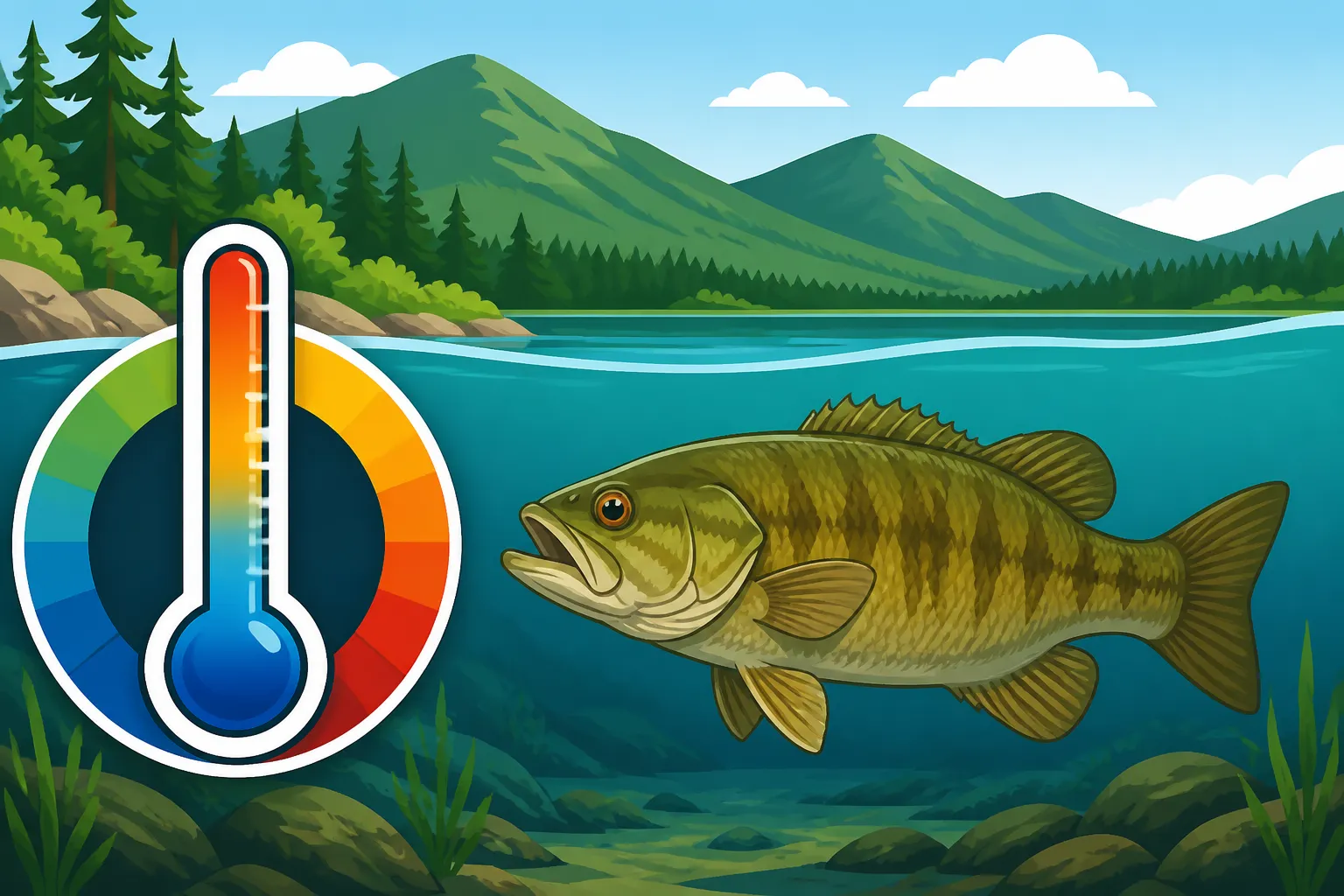
Think of smallmouth bass like Goldilocks; they don't want the water too hot, and they don't want it too cold. They're always searching for that "just right" zone where their metabolism is optimal, and they can feed efficiently. This preferred range isn't static, though, and understanding these shifts is key to consistent success.
The Ideal Strike Zone: Peak Activity Temperatures
When it comes to smallmouth bass, there's definitely a sweet spot where they're most active, aggressive, and willing to chase down a meal. Generally, smallmouth are most comfortable and active when the water temperature falls between 60 and 70 degrees Fahrenheit (15-21°C). In this range, their metabolism is humming, they're digesting food well, and they have plenty of energy to pursue prey. You'll often find them cruising shallower flats, rocky points, and submerged structure, actively hunting.
During these prime temperatures, they're not just existing; they're thriving. You'll observe increased schooling behavior, more frequent surface activity if baitfish are present, and a willingness to hit a wider variety of lures, from crankbaits to topwaters. This is when fishing can feel effortless, and every cast might bring a strike. For instance, on a lake like Lake Champlain, during late spring or early summer when the extensive flats are warming up into this range, smallmouth will be spread out and aggressively feeding. Knowing What water temperature smallmouth bass prefer in these conditions helps you choose the right depth and presentation.
Cold Water Blues: Pre-Spawn and Winter Habits
Venture outside that ideal 60-70 degree window, and smallmouth behavior changes dramatically. In colder water, below about 50-55°F (10-13°C), their metabolism slows way down. They become much more lethargic, less inclined to chase, and tend to hold tighter to structure. Think of it like us on a cold winter day – we're not eager to run a marathon!
In Vermont, this means during early spring when the ice has just come off (water in the low 40s to low 50s F) or late fall as temperatures plummet, smallmouth will congregate in deeper, more stable areas. They might be found near the bottom of deep rock piles, humps, or channel edges, often in large schools. They're conserving energy, so your presentations need to be much slower and more deliberate. Instead of aggressive retrieves, think slow drags, subtle jigs, or even dead-sticking baits. Understanding Best techniques for early spring trout can also give you some ideas for slow presentations, even though it's a different species, as fish in cold water often respond similarly. During Vermont's ice fishing season, for example, smallmouth will often suspend over deep structure or hug the bottom, requiring a very precise, slow jigging approach to entice a bite.
Summer Heat: Seeking Cooler Depths
On the flip side, extremely warm water above 75°F (24°C) can also make smallmouth uncomfortable. While they can tolerate brief periods of heat, prolonged exposure to high temperatures reduces dissolved oxygen levels and stresses the fish. When the surface water on a lake like Lake Dunmore heats up significantly in mid-summer, smallmouth will actively seek refuge.
This typically means moving to deeper water where temperatures are cooler and more stable. They'll also gravitate towards areas with current, such as river sections or bottlenecks in lakes, which introduce more oxygen. Look for them holding tight to deep rock piles, submerged timber, or along the edges of thermoclines—that distinct boundary where warmer surface water meets cooler deep water. They might also seek out shady areas under docks, overhangs, or dense vegetation in slightly shallower water if cooler options aren't available. Understanding Best techniques for deep water summer lake trout can often be adapted for deep-dwelling smallmouth, as both species seek cooler depths in summer. Fishing during low-light conditions like dawn, dusk, or even at night can also be productive in summer, as smallmouth might move shallower to feed when surface temperatures briefly drop.
Seasonal Temperature Swings and Smallmouth Movements in Vermont
Vermont's distinct four seasons mean that water temperatures are constantly fluctuating, and with them, the movements and feeding patterns of smallmouth bass. Mastering the seasonal calendar of smallmouth bass is less about hitting a specific date and more about understanding the typical temperature progression of their environment.
Spring: Following the Warmth to the Shallows
As winter ice melts and spring takes hold in Vermont, the lakes and rivers begin their gradual warming trend. Smallmouth bass, which have been relatively dormant in deep wintering areas, start to become more active. Their primary motivation in spring is to move from those deep haunts to shallower, warmer waters to feed and eventually spawn.
Early spring, when water temperatures are still in the 40s, finds smallmouth often near the deepest points adjacent to spawning areas. They'll make short forays into slightly warmer, sun-exposed shallow bays or dark bottom flats to feed on baitfish and crayfish. As the water creeps into the low 50s, they become more assertive, moving onto main lake points and rocky shorelines. The crucial pre-spawn phase typically occurs when water temperatures are in the high 50s, and they'll be actively feeding to build energy for spawning. Spawning itself usually commences when the water consistently reaches 60-65°F (15-18°C). During this time, male smallmouth will guard their nests on hard bottom like gravel or rock. Finding them here is often easiest, though disturbing spawning fish is generally discouraged to protect the fishery. For specific locations, consider exploring Lake Champlain Smallmouth Bass Fishing as its vastness offers many examples of this spring migration.
Summer: Thermoclines and Deep-Water Structure
Summer in Vermont brings beautiful warm days, but for smallmouth, it often means retreating from the hottest surface waters. As temperatures climb into the 70s and potentially even higher, particularly in shallower lakes or bays, smallmouth will seek thermal refuge. This often involves moving to the thermocline – a layer in deeper lakes where the warm upper water meets cooler, denser deep water. It's a goldilocks zone with stable temperatures and often higher dissolved oxygen.
In deeper lakes like Lake Willoughby or sections of Lake Champlain, smallmouth will relate heavily to deep structure: humps, submerged rock piles, ledges, and drop-offs that extend below the thermocline. They might stage on the cooler side of a deep point, or suspend over deeper water, only moving shallower during low-light conditions to ambush prey. Techniques like drop-shotting, deep cranking, or slow-jigging become incredibly effective here. You might also find them in areas with a steady current if you're fishing a larger river or the confluence of a river entering a lake, as the moving water is often cooler and more oxygenated. Best smallmouth bass spots on Lake Champlain will guide you to areas where you can apply these deep-water tactics.
Fall: The Feeding Frenzy Before Winter
Autumn in Vermont is a magnificent time, and it signals a critical period for smallmouth bass: the fall feeding frenzy. As water temperatures begin to cool, dropping from the 70s back into the 60s and then 50s, smallmouth sense the impending winter and become incredibly aggressive. They need to pack on fat reserves to survive the cold months.
This cooling trend often triggers a phenomenon called "fall turnover" in lakes, where the water column mixes, redistributing oxygen and nutrients. Smallmouth will respond by moving to areas where baitfish are abundant and vulnerable. They often gather in large schools on main lake points, rocky flats adjacent to deep water, and around schooling baitfish in open water. This can lead to incredible fishing, with multiple fish caught from a single spot. Crankbaits, jerkbaits, and swimbaits become highly effective as smallmouth chase down larger meals. As the water gets colder, into the low 50s and 40s, they'll gradually move back to their deeper wintering areas, much like in early spring, but with a full belly. For river systems, focusing on transitional areas between slower pools and faster runs can be productive. Consider checking out Battenkill River Trout Fishing for ideas on how river fish relate to current and structure, which can be adapted for smallmouth.
Practical Tips for Targeting Temperature-Sensitive Smallmouth
Knowing the preferred temperature ranges for smallmouth bass is powerful, but it's only half the battle. The other half is actually using that knowledge on the water. It requires a bit of detective work and some adjustments to your approach, but the rewards are well worth it.
Essential Gear: Taking the Water's Pulse
You can't effectively fish by temperature if you don't know what the water temperature is. This sounds obvious, but many anglers overlook this simple piece of information.
First and foremost, invest in a reliable water thermometer. This can be a simple, floating thermometer you toss in, or an integrated feature on your electronics. Many portable fish finders, even budget-friendly ones, have temperature sensors built into their transducers. You can find a wide range of options, from basic models to advanced units, on Amazon. Having this tool will immediately tell you if you're in the right ballpark for active fish. Take readings in different areas and depths to identify thermal breaks or warmer pockets. For example, a shallow, dark-bottomed bay might be several degrees warmer than a deep, main lake point, and that difference can be enough to hold a school of fish.
Beyond a simple thermometer, fish finders with advanced sonar and temperature readouts are invaluable, especially on larger waters like Lake Champlain. They can show you not only the surface temperature but also the temperature profile of the water column, helping you identify thermoclines where fish might be suspended. Good GPS mapping on these units can also help you mark these thermal hotspots and return to them. Best Fish Finders for Vermont Lakes offers more insight into these valuable tools.
Adjusting Tactics to the Thermometer
Once you know the water temperature, you can tailor your approach. This isn't just about lure selection; it's about presentation, depth, and even retrieve speed.
- In Cold Water (Below 55°F): Smallmouth are sluggish. Think slow, methodical presentations. Jigs, tubes, blade baits, and suspending jerkbaits are excellent choices. Let a tube jig sit on the bottom for extended periods, or twitch a jerkbait with long pauses. Work these baits very close to deep structure where fish are likely to be hunkered down. A quality set of tubes or jigs can be easily ordered from Amazon before your trip. Focus on vertical presentations if you're over deep water.
- In the Ideal Range (60-70°F): This is when smallmouth are aggressive and will chase. You can speed up your retrieve and use a wider variety of lures. Crankbaits, spinnerbaits, topwater lures, chatterbaits, and lipless crankbaits are all great options. Focus on covering water, casting to points, humps, rocky shorelines, and any visible structure. This is often when you'll find them actively schooling and feeding.
- In Warm Water (Above 75°F): Smallmouth will retreat to cooler, deeper water or seek shade. Focus your efforts on deep structure like offshore humps, ledges, and channel swings. Vertical presentations like drop-shotting, heavy jigs, or Carolina rigs become effective. You might also find them in areas with current, which tends to be cooler and more oxygenated. During low-light periods, they may move shallower for a brief feeding window, so have a topwater bait ready for those twilight hours.
Always pay attention to what the fish are telling you. If you're getting short strikes or no bites at all, consider if the water temperature is dictating a change in their behavior and, subsequently, your tactics. Sometimes, just changing your retrieve speed or the depth of your lure can make all the difference.
Here's a quick reference table to summarize smallmouth behavior and recommended tactics based on water temperature:
| Water Temperature Range | Smallmouth Behavior | Recommended Tactics & Lures | Prime Locations (Vermont Examples) |
|---|---|---|---|
| Below 50°F (10°C) | Lethargic, deep, tight to structure, schooling | Slow jigs, blade baits, suspending jerkbaits, dead-sticking | Deep humps, channel edges, steep drop-offs (e.g., Lake Champlain) |
| 50-59°F (10-15°C) | Pre-spawn, moving shallower, feeding but still slow | Tubes, jigs, jerkbaits, swimbaits, slow-rolled spinnerbaits | Rocky points, transition areas, shallow bays warming up (e.g., Lake Bomoseen) |
| 60-70°F (15-21°C) | Peak activity, aggressive feeding, spawning (mid-range) | Crankbaits, spinnerbaits, topwater, chatterbaits, jigs, tubes | Shallow flats, rocky points, submerged weedlines (e.g., Lake St Catherine) |
| 70-75°F (21-24°C) | Active, but may seek shade/depth during bright days | Crankbaits, topwater (early/late), jigs, drop-shots, Carolina rigs | Main lake points, ledges, brush piles, current seams (e.g., Otter Creek) |
| Above 75°F (24°C) | Seeking deep, cool water; less active, stressed | Deep jigs, drop-shots, vertical spoons, night fishing | Thermocline, deep structure, strong current (e.g., Lake Willoughby) |
Remember, these are general guidelines, and local conditions can always influence fish behavior. However, by keeping an eye on the thermometer and understanding how smallmouth bass react to these temperature shifts, you'll be well on your way to more consistent catches on Vermont's beautiful waters.
Disclaimer
This article is for general informational purposes only and does not constitute professional advice. Laws, prices and regulations vary by location and change over time. Consult a qualified professional for guidance on your specific situation.