Average size of stocked trout in Vermont
One common question I hear from fellow anglers, especially those new to Vermont's abundant waters, is about what size fish they can truly expect to pull in when they hit a stocked pond or stream. It can be a little disheartening to spend time and effort rigging up, only to catch fish that seem… well, a bit small. This guide will walk you through the average sizes of stocked trout in Vermont, what factors influence their growth, and how to temper your expectations while still having a fantastic time on the water.
Understanding Vermont's Stocking Philosophy and Initial Sizes
When Vermont's Fish & Wildlife Department stocks trout, they're not just dumping fish into a waterway; there's a careful plan behind it, designed to enhance angling opportunities and, in some cases, supplement natural populations. The initial size of these fish is a crucial part of that plan. Most trout stocked are often referred to as "catchable size," meaning they're big enough to put up a decent fight and be a rewarding catch, but generally not what you'd call a lunker right out of the hatchery.
Standard Stocker Dimensions
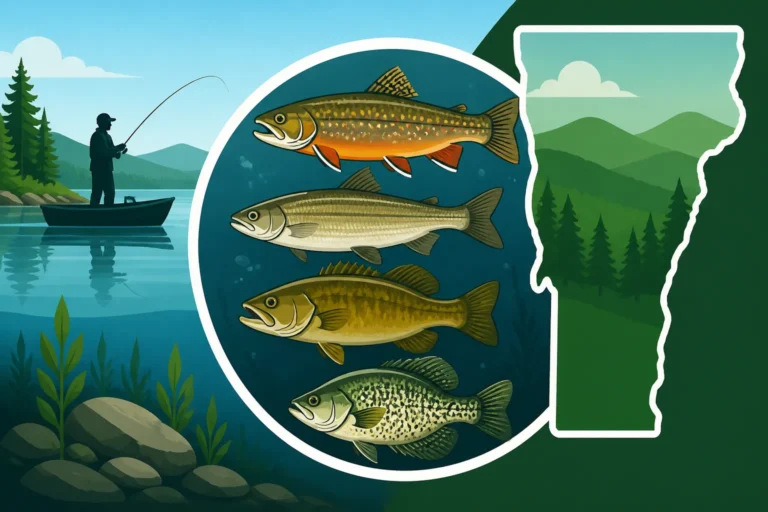
Generally, when we talk about freshly stocked trout in Vermont, you're looking at fish that are anywhere from 7 to 12 inches long. Rainbow trout and brown trout tend to be stocked at the upper end of this range, often closer to 9-12 inches, while brook trout, Vermont's native beauties, might come in a little smaller, usually in the 7-10 inch range. These are robust, healthy fish, raised in hatcheries specifically for this purpose. They're often eager to bite, making them excellent targets for beginners, kids, or anyone just looking for consistent action. Think of them as the perfect practice fish, or simply a delightful way to spend an afternoon enjoying the Vermont scenery. You can often find a good selection of Best Gear for Vermont Trout Fishing on Amazon that caters perfectly to these sizes of trout.
Immediate Post-Stocking Versus Holdovers
It's important to distinguish between trout that have just been stocked and those "holdover" trout that have survived previous stockings. Freshly stocked fish, especially those released in spring for Vermont Trout Opening Day Traditions, are generally uniform in size, reflecting their hatchery upbringing. They haven't had much time to grow or adapt to a wild diet, so their size is fairly predictable.
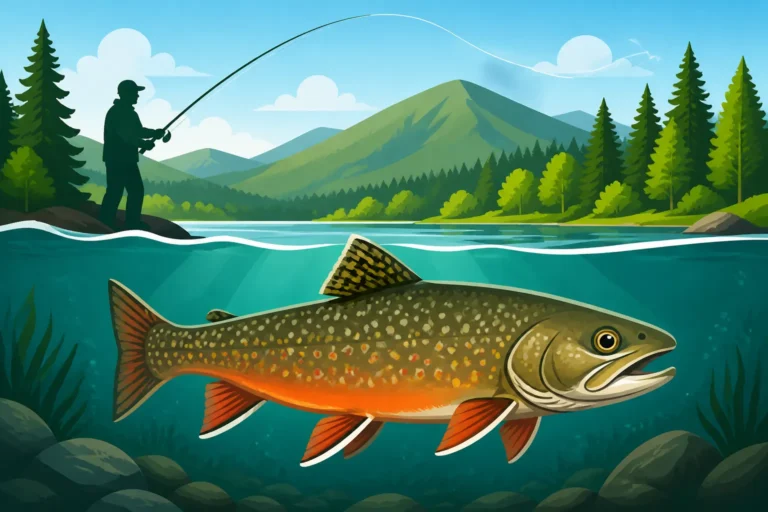
However, some stocked trout manage to survive the initial heavy fishing pressure, adapt to their new environment, and spend more time in the wild. These are what we call "holdovers." If a stocked fish has spent a season or two in a nutrient-rich Vermont lake or stream, its size can increase significantly. A 10-inch stocker could potentially grow into a 14-16 inch beautiful fish, displaying more vibrant colors and a wilder temperament. Understanding What a holdover trout is can truly change your approach and increase your chances of finding larger fish later in the season. These fish are a testament to the resilience of nature and the quality of Vermont's waters.
Factors Influencing the Size of Stocked Trout
The average size of a stocked trout isn't just a random number; it's the result of several deliberate decisions and natural influences. These factors combine to determine what you'll encounter on your fishing trips.
Species Specifics
Different trout species have different growth rates and typical adult sizes, even in hatchery environments.
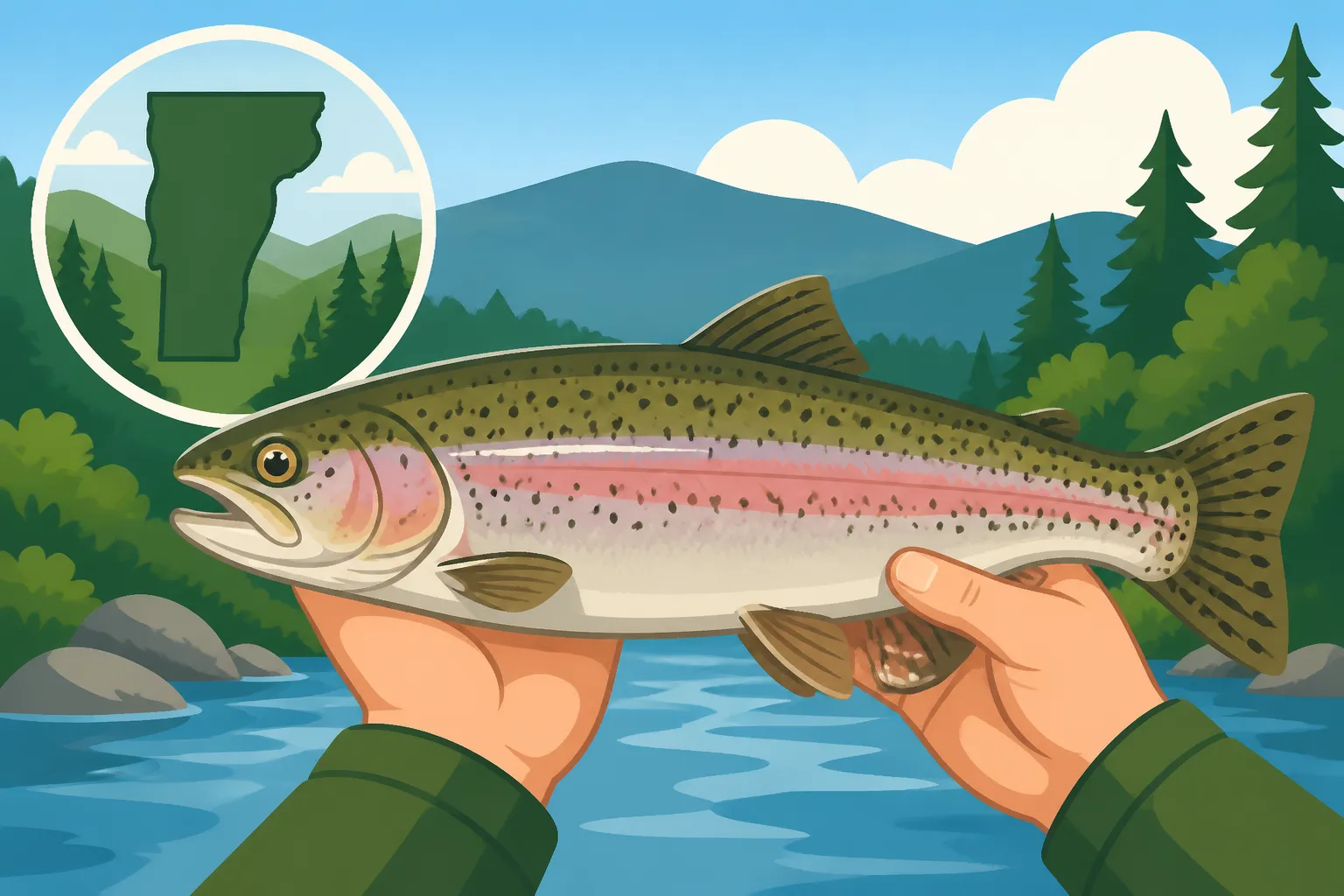
- Rainbow Trout: These are often a staple in stocking programs due to their fast growth and eagerness to strike. They generally hit that 9-12 inch mark quickly and can grow quite large if they survive to become holdovers. They're strong fighters for their size, making them a popular choice for many Vermont waters.
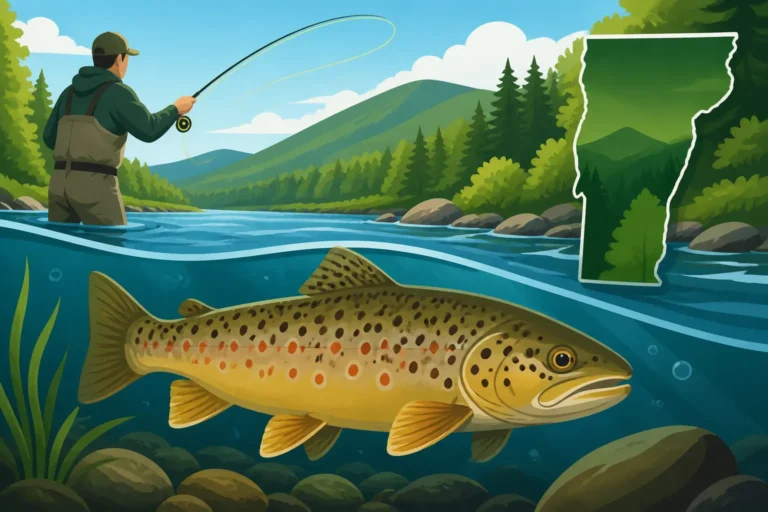
- Brown Trout: Known for their wariness and potential for trophy size, brown trout also grow well in hatcheries. When stocked, they're typically in the 9-12 inch range. However, given enough time and a good food source, brown trout are perhaps the most likely of the stocked species to become truly large, sometimes reaching impressive lengths in Vermont's rivers and lakes. Their predatory nature means they'll quickly transition to a diet of smaller fish and insects in the wild. If you're hoping for a bigger fish, targeting Brown Trout Habits in Vermont Streams can be a rewarding pursuit.
- Brook Trout: As Vermont's only native trout, brook trout hold a special place in many anglers' hearts. They are often stocked in smaller streams and ponds. Hatchery-raised brook trout are usually a bit smaller, often 7-10 inches, but their vibrant colors and wild beauty make up for any size difference. They thrive in colder, cleaner water, and while they don't typically reach the behemoth sizes of some brown trout, a holdover brook trout of 12-14 inches is a truly magnificent catch.
Hatchery Programs and Goals
The Vermont Fish & Wildlife Department manages several hatcheries, each playing a role in the state's stocking efforts. The size of fish produced depends on the hatchery's capacity, feeding regimens, and the specific goals for a given stocking event. For instance, a program aimed at providing high-volume "put-and-take" fishing in easily accessible ponds might focus on producing many 8-inch trout. Conversely, some stockings might include a percentage of larger fish, often called "broodstock," which are older, larger fish from the hatchery kept for breeding purposes and sometimes released to give anglers a shot at a genuinely big fish. This is often tied to special programs like Vermont Trophy Trout Program Waters. Knowing the details of these programs, which you can often research through the How to use the Vermont fish stocking search tool, helps set realistic expectations.
Time Spent in the Wild and Local Conditions
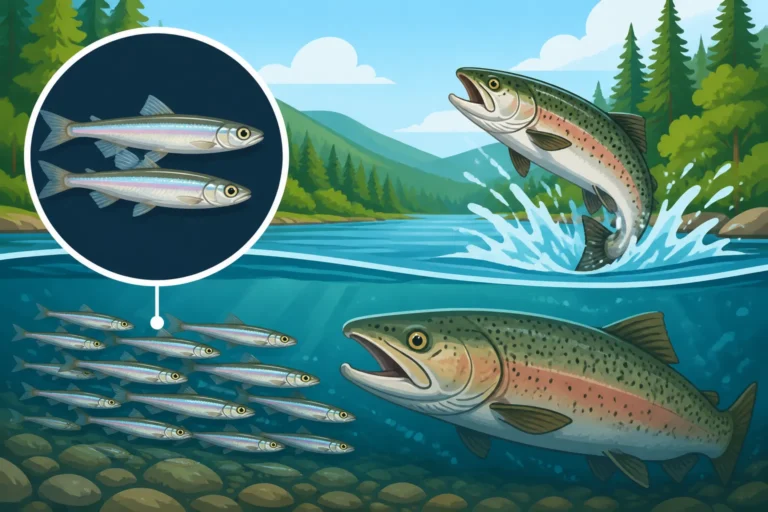
Once released, the trout are at the mercy of their new environment. The abundance of food, water temperatures, oxygen levels, and predation pressure all play a huge role in their survival and growth. A stocked trout released into a stream rich with aquatic insects and minnows, with good cover and stable water temperatures, has a much better chance of growing larger than one released into a less hospitable environment. This is where holdovers truly shine. They've proven their adaptability and found a way to thrive, often developing wilder instincts and becoming much more challenging to catch. The total number of List of Vermont stocked trout waters is extensive, and conditions vary greatly, making each fishing spot a unique experience.
Why Stocked Trout Size Matters for Your Fishing Experience
While some anglers might focus solely on trophy fish, the size of stocked trout impacts several practical aspects of your fishing trip, from the gear you choose to your overall enjoyment.
Matching Your Gear to the Fish
Catching an 8-inch trout on heavy bass gear can feel a bit like reeling in a wet sock. To truly appreciate the fight, it's essential to match your tackle to the expected size of the fish. For typical Vermont stocked trout, a lightweight spinning rod (ultralight to light action) with 4-6 pound test line is usually perfect. This setup allows you to feel every head shake and run, making even a modest trout feel like a champion. Similarly, for fly anglers, a 3-weight or 4-weight fly rod is ideal for presenting smaller flies and enjoying the sport with these fish. A simple, affordable rod and reel combo, easily found on Amazon, can make all the difference for this kind of fishing. If you're targeting those potential holdovers, you might bump up to a medium-light spinning rod or a 5-weight fly rod, just in case.
Setting Realistic Expectations
Walking into a stocked stream expecting to pull out a 20-inch behemoth when the average stocker is 10 inches is a recipe for disappointment. Knowing the typical sizes helps you set realistic goals for your outing. The goal of stocked fisheries, especially in easily accessible areas, is often to provide frequent action and a positive experience for all ages and skill levels. Many parents love taking their kids to these spots because the consistent bites keep young anglers engaged and excited.
| Trout Species | Typical Stocking Size (inches) | Potential Holdover Size (inches) | Average Weight (lbs) |
|---|---|---|---|
| Rainbow Trout | 8-12 | 12-18+ | 0.5 – 1.5 |
| Brown Trout | 8-12 | 12-24+ | 0.5 – 3.0+ |
| Brook Trout | 7-10 | 10-14+ | 0.3 – 0.75 |
Note: Holdover sizes and weights can vary significantly based on individual fish, forage availability, and water body.
Remember, the thrill of fishing isn't just about the size of the catch; it's about the peacefulness of the water, the challenge of the cast, and the joy of a tug on the line.
Understanding Regulations and Catch Limits
Vermont has specific Vermont Bag and Possession Limits by Species for trout. These limits are set not just to manage wild populations, but also to ensure a sustainable stocked fishery. For example, knowing that a stocked trout is typically 10 inches means you can quickly determine if it meets any minimum length requirements (if applicable to that specific water or species) before deciding to keep it or release it. Always consult the most current regulations for the specific water you are fishing, as special regulations can apply to certain lakes or streams. These regulations often tie directly into the expected sizes of fish in those waters. Checking Vermont Trout Season and Stocking Rules before you head out is always a smart move.
Beyond Average: Strategies for Finding Bigger Stocked Trout
Even though the average size of a stocked trout in Vermont might be on the smaller side, that doesn't mean larger fish are completely out of reach. With a bit of strategy and patience, you can increase your odds of hooking into a more substantial catch.
Targeting Holdovers and "Smarter" Fish
The biggest stocked trout are almost always holdovers. These fish have survived previous seasons, learned to forage more effectively, and often become warier of anglers. They've switched from a diet of hatchery pellets to natural insects, baitfish, and crustaceans, which fuels their growth. To target these fish, you need to think differently. Instead of focusing on popular, recently stocked areas with crowds of anglers, look for less pressured spots with good cover, deeper water, or consistent food sources. Larger lures or flies that imitate the natural forage in the water body, rather than typical opening day baits, will often be more effective. A good tackle box, perhaps one you picked up on Amazon, should have a variety of options for both fresh stockers and warier holdovers.
Exploring Trophy Trout Program Waters
Vermont's Fish & Wildlife Department has special initiatives like the Vermont Trophy Trout Program Waters. These waters are specifically managed or stocked with the intention of producing larger trout. This might involve stocking larger-than-average fish, or implementing specific regulations (like catch-and-release only or higher minimum size limits) to allow fish to grow. If your goal is to land a truly impressive trout, these designated waters are your best bet. Researching these programs and their specific locations can guide you to some incredible angling opportunities.
Adapting Your Techniques and Presentation
Larger trout, especially holdovers, tend to be more cautious. They won't always aggressively chase a brightly colored bait presented haphazardly. Finesse becomes key. This means lighter lines, more natural presentations, and often, more subtle lures or flies. For spinning gear, try slower retrieves with natural-colored spinners or small jerkbaits. For fly fishing, focus on accurate casts, realistic imitations of local insect hatches, or streamer patterns that mimic baitfish. Being observant of what natural food sources are present in the water (like minnows, crayfish, or hatching insects) and then matching your presentation accordingly can significantly improve your success rate for bigger, wiser trout.
The Role of Patience and Persistence
Fishing for larger stocked trout often requires more patience than simply "chasing the truck" on stocking day. You might need to make more casts, move to different spots, or wait longer between bites. However, the reward of hooking into a chunky holdover that really puts a bend in your rod is often worth the extra effort. Remember, even in stocked waters, nature still plays a huge role. Embrace the challenge, learn from each outing, and enjoy the process of deciphering what makes those bigger fish bite.
Disclaimer
This article is for general informational purposes only and does not constitute professional advice. Laws, prices and regulations vary by location and change over time. Consult a qualified professional for guidance on your specific situation.