Atlantic Salmon Restoration in the Connecticut River
It's a really heartbreaking thought to imagine a river that once teemed with massive, ocean-run fish, only for them to vanish almost entirely within a few generations. That's the story of the Atlantic salmon in the Connecticut River, a magnificent species that once provided a vital food source and cultural cornerstone for communities up and down its length. This guide is dedicated to exploring the ambitious, multi-decade journey to bring these incredible fish back, examining the history of their decline, the complex strategies being employed, and the ongoing challenges faced by restoration efforts.
The Lost Legacy: Atlantic Salmon in the Connecticut River
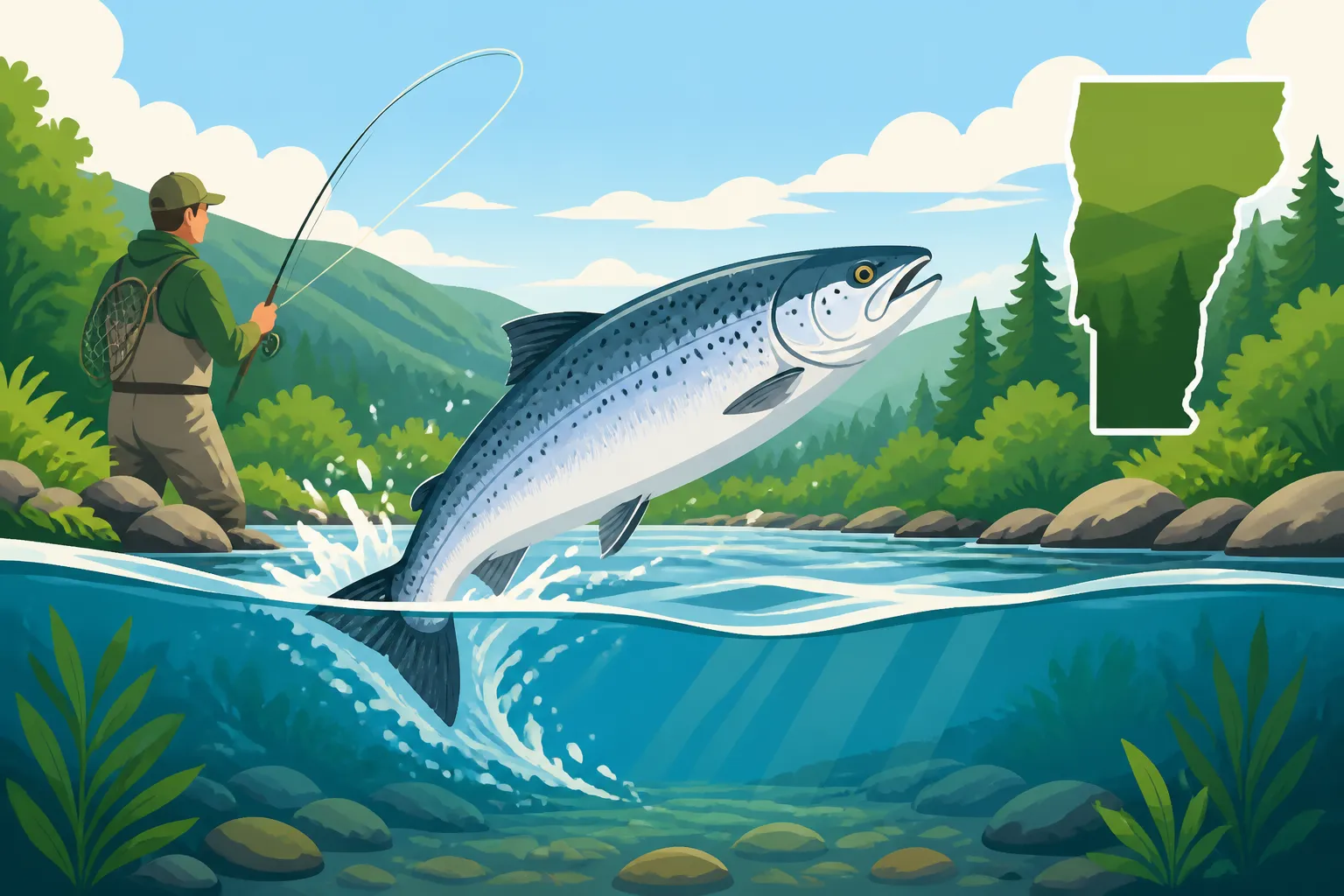
Before European settlement and the industrial revolution, the Connecticut River was a vibrant artery for one of nature's most epic migrations: the Atlantic salmon. These powerful, silver-sided fish would return from the ocean to spawn in the clear, cold tributaries that flow through states like Vermont. Their sheer numbers were astounding, supporting not only the ecosystem but also the indigenous peoples who lived along the river.
A River Teeming with Life: Pre-Colonial Abundance
Imagine looking at the Connecticut River hundreds of years ago, specifically near what is now the Vermont and New Hampshire border. During spring and fall, the river would have been alive with thousands, if not tens of thousands, of Atlantic salmon fighting their way upstream. They were an essential part of the river's ecological fabric, linking the nutrient-rich ocean to the freshwater streams. Early accounts from colonial settlers often described salmon runs so dense that one could practically walk across their backs, and they were a crucial protein source, sometimes even considered a common rather than prized fish due to their sheer abundance. This natural spectacle, a true testament to the river's health and productivity, profoundly shaped the landscape and the lives of those who depended on it.
Such abundance also fostered a deep understanding of the river's rhythms and the salmon's life cycle among the native populations. Their knowledge, passed down through generations, respected the balance of nature. However, this balance was soon to be irrevocably altered by human ambition and rapid development.
The Damming of the River: Industrialization's Impact
The arrival of European settlers brought a different vision for the Connecticut River. As towns grew and industries flourished, the river was seen not just as a source of fish, but as a source of power. Water wheels needed falling water, and that meant building dams. Starting in the late 17th and 18th centuries, and accelerating rapidly in the 19th century, dams began to spring up along the main stem and tributaries of the Connecticut River. These dams powered mills, factories, and eventually, hydroelectric plants.
While these structures were economic boons for the burgeoning nation, they were catastrophic for the Atlantic salmon. The salmon's life cycle absolutely depends on unimpeded access to their spawning grounds far upstream. Dams, even small ones, acted as insurmountable barriers, blocking their migration paths. One of the most significant barriers was the dam at Turners Falls in Massachusetts, effectively cutting off the entire upper Connecticut River basin, including the prime spawning habitats in Vermont, from the ocean. This single barrier, coupled with many others, shattered the salmon's ability to complete their ancient journey.
Extirpation: The Disappearance of a Great Fish
The consequences of damming were swift and devastating. With their spawning grounds blocked and their migratory routes severed, Atlantic salmon populations plummeted. The cumulative impact of dams, coupled with overfishing by early settlers and industrial pollution that degraded water quality in many areas, pushed the species to the brink. By the early 1800s, the great Atlantic salmon runs that once defined the Connecticut River were largely a memory.
By the mid-1800s, the Atlantic salmon was considered extirpated from the entire Connecticut River watershed, meaning it was locally extinct, though the species still existed elsewhere. This loss was not just an ecological tragedy; it represented the loss of a significant natural resource and a vital part of the region's heritage. The silence of the river, once punctuated by the splash of leaping salmon, became a stark reminder of what had been lost. Efforts to restore the species would not truly begin until more than a century later, a testament to the immense challenge of reversing such a profound environmental change. You can learn more about general fishing rules in the area by reading Vermont Fishing Regulations Explained.
Forging a New Path: Goals of the Restoration Program
The idea of bringing Atlantic salmon back to the Connecticut River basin might have seemed like a pipe dream for many years. However, by the mid-20th century, a growing environmental consciousness, coupled with advances in fish biology and engineering, sparked a renewed hope. This led to the formation of one of the most ambitious fisheries restoration programs in North America.
The Ambitious Vision: Bringing Salmon Home
The primary goal of the Connecticut River Atlantic Salmon Restoration Program, often referred to as CRASRP, was nothing less than to re-establish a self-sustaining, naturally reproducing population of Atlantic salmon throughout the Connecticut River watershed. This wasn't about simply stocking fish for anglers (though the possibility of future fishing was certainly a distant hope), but about restoring a vital ecological function and a piece of natural heritage that had been lost for over 150 years. The vision was holistic, encompassing everything from genetic preservation to habitat restoration, and crucially, reopening migratory pathways.
Imagine the complexity of such a task: you're trying to re-create a natural process that has been interrupted for generations, with an entire ecosystem changed around it. It requires a monumental effort, not just from biologists, but from engineers, landowners, government agencies, and even local communities. The aspiration was to see wild-born salmon fry emerging from gravel beds in Vermont tributaries, growing to smolts, migrating to the ocean, and then returning years later as magnificent adults to spawn. It's a testament to the dedication of many people that this vision has been pursued with such tenacity.
Multi-State and Federal Collaboration
One of the defining characteristics of the CRASRP has been its extensive collaborative nature. The Connecticut River is a massive system, flowing through four states: New Hampshire, Vermont, Massachusetts, and Connecticut. Moreover, the salmon themselves migrate to the North Atlantic, involving international waters. This meant that no single agency or state could undertake the restoration alone.
A consortium of federal and state agencies, including the U.S. Fish and Wildlife Service, the National Marine Fisheries Service, and the fish and wildlife departments of all four basin states (Vermont Fish & Wildlife Department, New Hampshire Fish and Game Department, Massachusetts Division of Fisheries and Wildlife, and Connecticut Department of Energy and Environmental Protection), formed the backbone of the program. These partners pooled resources, expertise, and political will to tackle the multifaceted challenges. This kind of collaboration is incredibly difficult to maintain over decades, navigating different state priorities, funding cycles, and scientific debates. However, it's absolutely essential when dealing with a species that spans such a vast and diverse geographic area. The success, or lack thereof, in one part of the river can directly impact efforts hundreds of miles away.
Defining "Success" in Restoration Efforts
For a program of this magnitude, defining success isn't as simple as counting fish. Initial metrics might focus on the number of hatchery-raised smolts released, the number of adult salmon returning to fishways, or the discovery of naturally spawned fry. However, the ultimate goal of "self-sustaining, naturally reproducing" is a much higher bar. It implies that the population no longer needs human intervention in the form of stocking; the salmon themselves are able to complete their life cycle unaided by hatcheries.
This involves looking at complex ecological indicators: adequate genetic diversity, sufficient numbers of returning adults to overcome natural mortality and predation, healthy spawning and rearing habitats, and unimpeded migratory corridors. It also means the river system itself must be healthy enough to support these fish at all life stages. The program constantly grapples with these definitions, often having to adjust strategies and timelines as new information emerges or environmental conditions change. It's a long-term commitment where progress is often measured in decades, not years, and involves significant research into areas like Landlocked Salmon Life Cycle in Vermont Lakes to understand fish behavior.
Strategies for Revival: How Restoration Works
Bringing Atlantic salmon back from extirpation requires a multi-pronged attack, addressing every stage of the salmon's complex life cycle. This isn't just about stocking fish; it's about rebuilding a functional ecosystem.
Hatchery Operations: Raising Future Generations
Given that wild Atlantic salmon were entirely gone from the Connecticut River, the restoration effort had to start with a foundation of hatchery-raised fish. The federal government, primarily through the U.S. Fish and Wildlife Service, established dedicated hatcheries like the White River National Fish Hatchery in Bethel, Vermont, and the Dworshak National Fish Hatchery in Idaho (which initially supplied eggs, later focusing shifted to local broodstock). These facilities served as the nurseries for the future generations of salmon.
Here's how it generally worked: Adult salmon that did manage to return through fishways, or those sourced from other healthy wild populations (with careful genetic consideration), would be used as broodstock. Their eggs would be fertilized, hatched, and the young salmon (called fry, then parr) would be raised in carefully controlled environments. The goal was to raise them to the "smolt" stage, which is when the young salmon undergo a physiological transformation that allows them to transition from freshwater to saltwater. These smolts, typically one to two years old, would then be released into the Connecticut River system, primarily in the upstream tributaries of Vermont and New Hampshire, in hopes they would migrate to the ocean. Without these dedicated hatchery programs, there would have been no salmon to re-introduce into the system. For anglers, understanding where fish come from is key to knowing Vermont Fishing Season Dates and Closures.
Fish Passage Facilities: Overcoming Obstacles
Releasing smolts into the river is only half the battle; they still need to get past the numerous dams on their journey to the ocean, and more importantly, returning adults need to get back upstream to spawn. This is where fish passage facilities become crucial. These are engineered structures designed to help fish navigate around or through dams.
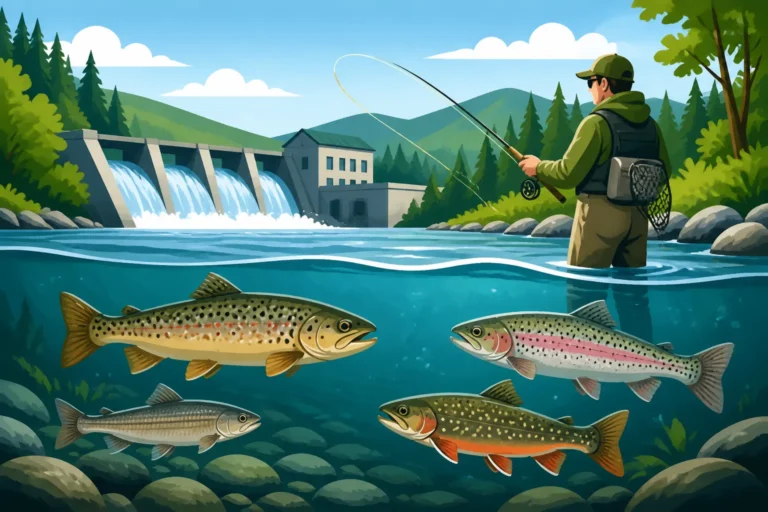
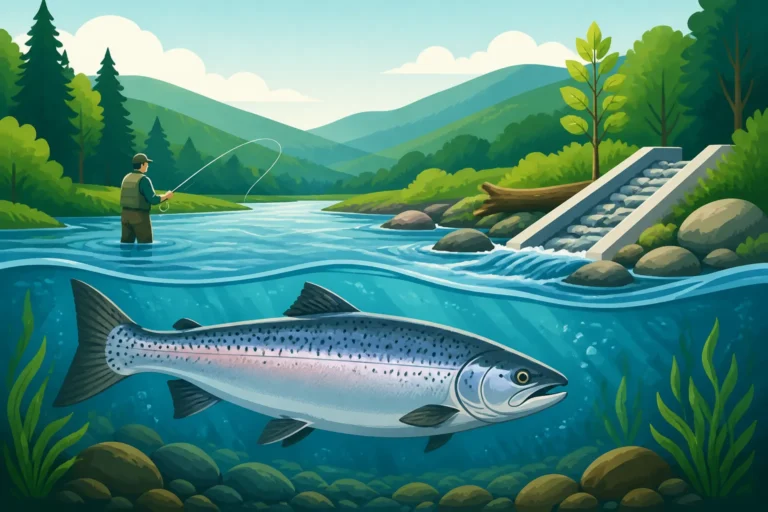
The most common types include fish ladders (a series of steps or pools that salmon can leap through) and fish lifts (an elevator-like system that physically collects fish and transports them over the dam). Significant investments were made to install and operate these facilities at major hydroelectric dams along the Connecticut River. For example, large fishways were constructed at dams like Holyoke and Turners Falls in Massachusetts. While these structures are vital, they are not perfect. Some fish may not find the entrance, or they may become stressed during passage. Furthermore, downstream passage for smolts can be even more challenging, as they must navigate turbine intakes. This often requires fine-screening, behavioral guidance systems, or even trapping and trucking smolts around dams to ensure their safe journey to the sea. You can often find general boating safety advice that applies to rivers with dams in resources like Vermont required boat safety equipment checklist.
Habitat Improvement and Protection
Even if salmon can get past dams, they still need healthy places to live, feed, and spawn. This means addressing the quality of the freshwater habitat throughout the watershed, especially in the headwater streams of Vermont where salmon would ideally spawn and their young would rear. Degraded habitat, caused by factors like logging, agricultural runoff, erosion, and channelization, reduces the suitability of these areas.
Restoration efforts involve projects aimed at improving water quality (reducing pollution), stabilizing stream banks to prevent erosion, planting riparian vegetation to provide shade and reduce water temperatures (which is critical for cold-water species like salmon), and restoring natural river processes. This might include adding large woody debris to streams to create complex cover and varied flow patterns, or removing obsolete small dams that no longer serve a purpose but still block fish passage. Protecting existing high-quality habitat is just as important as restoring degraded areas. This work often involves working with private landowners, local conservation groups, and municipal governments to ensure a holistic approach to river health. Information on Best Fishing Rivers in Vermont often highlights the importance of healthy habitats.
The Uphill Battle: Challenges and Setbacks
Despite decades of dedicated effort and significant financial investment, the Connecticut River Atlantic Salmon Restoration Program has faced immense challenges, leading to difficult decisions and a re-evaluation of its long-term viability. Bringing back an extirpated species is never easy, especially one with such a complex life cycle.
Dam Removal and Modern Hydroelectric Demands
While fish passage facilities like ladders and lifts have been installed at many major dams, they are imperfect solutions. The cumulative stress and delay of navigating multiple dams, both upstream for adults and downstream for smolts, can significantly impact survival rates. Biologists know that the most effective solution for fish passage is often dam removal, allowing the river to flow freely once more. However, removing dams, especially large hydroelectric dams, is an incredibly complex and often politically charged issue.
Hydroelectric dams provide a source of renewable energy, and their operators have permits and economic interests at stake. Negotiating agreements to install new fish passage, or even more challenging, to decommission and remove dams, is a lengthy and expensive process. While some smaller, obsolete dams have been removed in tributaries, the major main-stem dams on the Connecticut River remain. This creates a fundamental tension between the goals of salmon restoration and the economic and energy demands of modern society. Without truly unimpeded passage, the dream of a self-sustaining wild population remains severely hindered, leading to ongoing discussions about the most effective balance between human needs and ecological restoration.
Ocean Survival and Climate Change Impacts
Even if Atlantic salmon smolts successfully navigate the Connecticut River dams and reach the ocean, their journey is far from over. The biggest challenge, and perhaps the least controllable, lies in the vast North Atlantic. For many years, biologists observed that while good numbers of smolts were reaching the ocean, very few adults were returning. This pointed to poor survival rates at sea.
Scientists believe several factors contribute to this low ocean survival, many of which are exacerbated by climate change. Changes in ocean currents, water temperatures, and the distribution and abundance of key prey species (like herring and capelin) can dramatically impact salmon feeding success and exposure to predators. Furthermore, increased ocean acidity and shifts in marine food webs can directly affect salmon health and growth. There are also concerns about bycatch in commercial fisheries targeting other species and marine mammal predation. These factors are largely beyond the control of river basin management, making the restoration effort dependent on large-scale marine environmental health. It's a sobering reality that even if we fix the river, the ocean might not be ready for the salmon. This global challenge affects many species, including those discussed in Endangered and Protected Fish Species in Vermont.
Genetic Integrity and Wild vs. Stocked Fish
Another significant challenge involves maintaining the genetic integrity of the returning salmon population. When a species is extirpated and reintroduced from hatchery stock, there's always a concern about whether these fish possess the full genetic diversity and adaptations necessary to thrive in the wild. Hatchery environments, while well-intentioned, can lead to domestication selection, where fish become adapted to hatchery life rather than the rigors of the wild.
The program has worked diligently to use broodstock that is genetically as close as possible to the historical Connecticut River salmon, initially sourcing from other Atlantic salmon rivers in Maine and Canada, and later from any returning Connecticut River fish. The ultimate goal is for these fish to spawn naturally, allowing natural selection to once again shape the population. However, if hatchery fish dominate the spawning runs, or if their offspring are less fit than truly wild fish, the ability to establish a robust, wild-reproducing population is compromised. The debate often revolves around how much intervention is too much, and at what point stocked fish hinder the long-term goal of a naturally adapted population. It's a delicate balance between giving the population a kickstart and ensuring its long-term evolutionary fitness.
Measuring Progress: Successes, Learnings, and the Road Ahead
The story of Atlantic salmon restoration in the Connecticut River is not one of unmitigated success, but it is a story of incredible dedication, scientific learning, and persistent hope. While the ambitious goal of a self-sustaining population hasn't been met, valuable lessons have been learned.
Glimmers of Hope: Returning Adults and Spawning
Despite the formidable challenges, there have been genuine glimmers of hope throughout the decades of the restoration program. Each year, some adult Atlantic salmon, often identifiable by their adipose fin clip (indicating hatchery origin) and sometimes even by a tag, successfully navigated the ocean journey and the multiple fishways to return to the Connecticut River. Seeing these magnificent fish, often over 20 pounds, arrive back in the freshwater after years at sea, was always a powerful moment for biologists and conservationists.
Furthermore, evidence of natural spawning has been documented in various tributaries, especially in the cold, clear waters of Vermont and New Hampshire. Biologists have found wild-born fry and parr, indicating that some of the returning adults were indeed reproducing in the wild. While these numbers were never sufficient to create a self-sustaining population, they proved that the salmon retained their instinct to spawn and that parts of the river still possessed the necessary habitat conditions. These fleeting successes underscored the potential for the river to once again host Atlantic salmon, even if the scale of return was not what was initially hoped for. For those curious about the specifics of river access, Vermont fishing license reciprocity on Connecticut River boundary waters covers important jurisdictional details.
Scientific Research and Adaptive Management
One of the most significant legacies of the Connecticut River Atlantic Salmon Restoration Program is the vast amount of scientific research and knowledge generated. Over decades, scientists studied everything from fish passage effectiveness, smolt migration survival, ocean mortality factors, genetic analysis of returning fish, and habitat requirements for all life stages. This extensive data collection and analysis provided an unprecedented understanding of Atlantic salmon ecology in a large, modified river system.
This research led to an "adaptive management" approach, where strategies were continually refined based on new findings. When ocean survival plummeted, the program shifted focus to understanding marine factors. When hatchery programs showed limitations, efforts were made to improve genetic diversity or alter stocking methods. This iterative process of "plan, do, observe, learn, adapt" became a hallmark of the program. While the ultimate goal was elusive, the scientific rigor applied means that future restoration efforts, both for Atlantic salmon and other migratory fish species, can draw upon a wealth of experience and data. For general regulations that reflect this kind of scientific thought, look at Reading the Vermont Fishing Regulations Guide.
The Future of the Program and New Approaches
After decades of effort and significant investment, the multi-state and federal partners officially ended the primary stocking phase of the Connecticut River Atlantic Salmon Restoration Program in 2012. The decision was driven by the persistently low ocean survival rates and the realization that a self-sustaining wild population was not achievable under current conditions. This was a difficult but pragmatic decision, acknowledging the realities of the changing marine environment.
However, the story doesn't end there. While large-scale stocking ceased, monitoring and research continue. There's a renewed focus on improving overall river health for all native migratory fish species, such as American shad, blueback herring, and sea lamprey (which are native, despite their reputation, though lamprey control remains a focus in Lake Champlain). Some limited, targeted efforts for Atlantic salmon might continue, perhaps focusing on specific tributaries where conditions are most favorable, or exploring smaller-scale, more experimental approaches. The hope remains that if ocean conditions improve in the future, the foundational work done over decades—the fishways, the habitat improvements, and the scientific knowledge—will provide a better starting point for a potential future return of this iconic species. It serves as a powerful reminder of the complexities of large-scale ecological restoration and the interconnectedness of our river and ocean environments. You can still purchase historical accounts and books detailing these efforts, often found on Amazon, which document the journey of this monumental undertaking. Many anglers still wonder, Do Atlantic Salmon Still Run in Vermont Rivers?, and the answer is complicated, primarily due to these challenges.
How Vermont Plays a Critical Role in the Salmon's Potential Return
Vermont, with its numerous cold, clear tributaries feeding the Connecticut River, has always been recognized as a crucial piece of the Atlantic salmon puzzle. The success of any restoration effort would heavily depend on the ability of these streams to provide suitable spawning and rearing habitat.
The Headwater Havens: Ideal Spawning Grounds
The rivers and streams flowing from Vermont's Green Mountains and other highland areas into the Connecticut River possess many of the characteristics Atlantic salmon require for successful spawning and early life stages. These include:
- Cold Water Temperatures: Salmon are cold-water fish, and Vermont's mountain-fed streams maintain the necessary low temperatures, even during summer, which is critical for the survival of eggs and young fry.
- Clean Gravel Beds: Salmon require clean, oxygenated gravel to lay their eggs. Vermont's streams, particularly in less developed areas, often provide these ideal substrate conditions.
- Abundant Invertebrate Life: The streambeds and riparian zones support a rich diversity of aquatic insects, which are the primary food source for young salmon parr as they grow.
- Structured Habitat: Riffles, runs, and pools, along with woody debris, provide essential cover from predators and diverse feeding opportunities for juvenile salmon.
These headwater regions are less impacted by large-scale development compared to the mainstem river, making them natural sanctuaries. Many conservation efforts in Vermont have focused on protecting and enhancing these critical upstream habitats, recognizing their irreplaceable value for species like Atlantic salmon, and other native trout species. Understanding these ecosystems is essential for anyone interested in Trout Fishing in Vermont.
Collaborative Conservation Efforts within the State
The Vermont Fish & Wildlife Department, along with numerous local conservation groups and watershed associations, has played an active role in the overall restoration efforts for the Connecticut River. Their contributions extend beyond just hosting a federal hatchery.
They've engaged in vital habitat work, coordinating with landowners on riparian buffer planting projects, working to improve stream crossings for fish passage on smaller tributaries, and monitoring water quality. These localized efforts, though sometimes small in scale, collectively contribute to making the Vermont portions of the Connecticut River watershed more hospitable for migratory fish. Additionally, public education and outreach initiatives within Vermont help to foster a sense of stewardship for the river and its inhabitants, encouraging residents to understand and protect their local waterways. These efforts also complement broader regulations, such as those covered in Vermont Boating Laws for Anglers.
Long-Term Vision Beyond Direct Salmon Stocking
While the large-scale Atlantic salmon stocking program has concluded, Vermont's role in the long-term health of the Connecticut River ecosystem remains paramount. The infrastructure and knowledge gained from decades of salmon restoration are not lost. Fish passage improvements still benefit other native migratory species like American shad and sea lamprey, which are slowly making a comeback in parts of the river.
The focus in Vermont continues to be on improving overall watershed health. This includes ongoing efforts to reduce pollution, prevent erosion, and maintain healthy riparian zones, all of which create a more resilient ecosystem. Should ocean conditions ever become more favorable for Atlantic salmon in the distant future, the groundwork laid in Vermont's tributaries means there will be ready and willing habitat waiting. The commitment to a healthy river, no matter what species ultimately thrive within it, remains a core tenet of Vermont's conservation philosophy. This broader ecosystem approach is what will ultimately benefit all fish, including trout, as detailed in Best Trout Streams in Vermont.
Understanding the Journey: A Look at Atlantic Salmon Life Stages
To truly appreciate the monumental task of Atlantic salmon restoration, it helps to understand the incredible journey these fish undertake throughout their lives. Each stage presents unique challenges and requires specific environmental conditions.
From Egg to Parr: The Freshwater Nursery
The life of an Atlantic salmon begins in the gravel beds of cold, clean freshwater streams, ideally in tributaries like those found in Vermont. In late fall, adult salmon return from the ocean, find suitable spawning areas, and the female digs a "redd" (a nest) where she deposits her eggs, which are then fertilized by the male. The eggs remain in the gravel throughout the winter.
Come spring, these eggs hatch into alevin, tiny fish with a large yolk sac attached, from which they draw nourishment. They stay hidden within the gravel. Once the yolk sac is absorbed, they emerge as fry, actively feeding on small aquatic insects. As they grow, they develop into parr, characterized by distinctive vertical bar markings along their sides for camouflage in the streambed. Parr will spend 1 to 3 years in their natal stream, growing and developing, fiercely territorial, before they're ready for the next big transition. This freshwater rearing stage is incredibly vulnerable, and without pristine conditions, survival rates plummet.
The Smolt Transformation: A Journey to the Sea
After spending their juvenile years in freshwater, usually in the spring of their second or third year, the parr undergo a remarkable physiological transformation known as smoltification. They change physically, becoming silvery, streamlining their bodies, and developing the ability to survive in saltwater. This is when they are called smolts.
Driven by instinct and changing river flows, these smolts begin their perilous downstream migration to the ocean. This is a critical stage in restoration efforts, as they must navigate all the dams and associated passage facilities on the Connecticut River, as well as avoid numerous predators. Once they reach the estuary and then the open ocean, they transition to a marine diet and begin their ocean odyssey, which can take them thousands of miles across the North Atlantic to rich feeding grounds off the coasts of Greenland and Canada.
The Ocean Phase: Growth and Survival
The ocean phase is where Atlantic salmon grow to their impressive adult size. They spend typically one to three years feeding and maturing in the rich, cold waters of the North Atlantic. During this time, they accumulate the energy reserves necessary for their long migration back to freshwater and for the rigors of spawning.
However, as we've discussed, this is also the most challenging and unpredictable phase of their life cycle, largely due to factors beyond the control of river basin management. Ocean temperatures, prey availability, and predation rates all heavily influence how many salmon will ultimately survive to return to their home river. It's a vast and dangerous world out there, and only a small fraction of the smolts that enter the ocean will ever make it back to spawn. Understanding these complex interconnections is vital for anyone passionate about fishing, and you can explore more about species life cycles through resources like Landlocked Salmon Life Cycle in Vermont Lakes.
The Return Journey: Spawning and New Generations
For those fortunate few that survive the ocean, the instinct to return to their natal river and stream to spawn is incredibly powerful. As they approach the coast, they cease feeding and rely solely on their stored energy reserves. They use an extraordinary sense of smell to navigate back to the mouth of the Connecticut River, then push upstream, fighting currents and negotiating fishways, often leaping formidable obstacles.
These returning adults, known as kelts after spawning, are a testament to the resilience of nature. Once they reach their spawning grounds in the tributaries, the cycle begins anew. Some salmon, particularly those who return after only one year at sea ("grilse"), may survive to return and spawn in subsequent years, though this is less common for Atlantic salmon than for some Pacific salmon species. The success of the entire restoration program hinges on enough adults completing this arduous round trip, surviving to spawn, and producing enough viable offspring to perpetuate the species naturally.
Table: Key Stages of Atlantic Salmon Restoration Efforts
To summarize some of the key aspects and challenges involved in bringing Atlantic salmon back, here's a table outlining the primary focus areas and their associated difficulties.
| Restoration Stage | Primary Goal | Key Challenges | Relevant Vermont Context |
|---|---|---|---|
| Hatchery Production | Raise robust smolts for reintroduction | Genetic diversity, domestication, cost of operation | White River National Fish Hatchery in Bethel, Vermont |
| Fish Passage | Enable upstream/downstream migration past dams | Inefficiency of ladders/lifts, turbine mortality, stress on fish | Major dams on the lower Connecticut River; smaller dams on Vermont tributaries |
| Habitat Restoration | Improve spawning and rearing grounds in freshwater | Erosion, pollution, riparian degradation, land use issues | Headwater streams in VT for spawning/rearing, local conservation efforts |
| Ocean Survival | Ensure sufficient numbers survive at sea | Climate change, prey availability, predation, bycatch | Factors largely beyond river basin control, global marine health |
| Natural Reproduction | Establish self-sustaining wild populations | Low adult returns, limited genetic diversity, degraded habitat | Finding wild fry/parr in Vermont tributaries, proving long-term success |
This table highlights the interconnectedness of each stage and how a failure or limitation in one area can undermine efforts in others. It's a complex ecological puzzle with many moving pieces, some of which are very difficult for humans to control. For anyone venturing out to fish in Vermont, remember to always consult the current regulations, easily found in resources like Vermont Fishing License Guide for 2026 or Vermont fishing license age exemptions summary.
Disclaimer
This article is for general informational purposes only and does not constitute professional advice. Laws, prices and regulations vary by location and change over time. Consult a qualified professional for guidance on your specific situation.