What sea lamprey control means for Lake Champlain
Sea lamprey control programs in Lake Champlain protect lake trout and Atlantic salmon from parasitic fish attacks and blood loss.
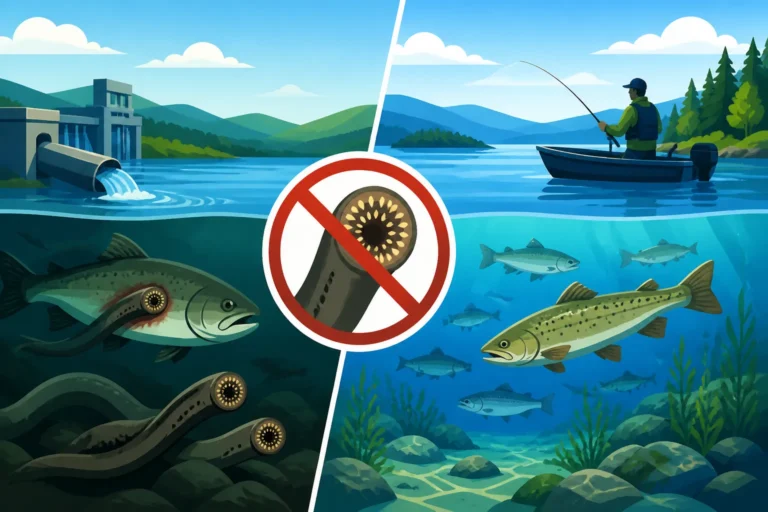
Sea lamprey control programs in Lake Champlain protect lake trout and Atlantic salmon from parasitic fish attacks and blood loss.
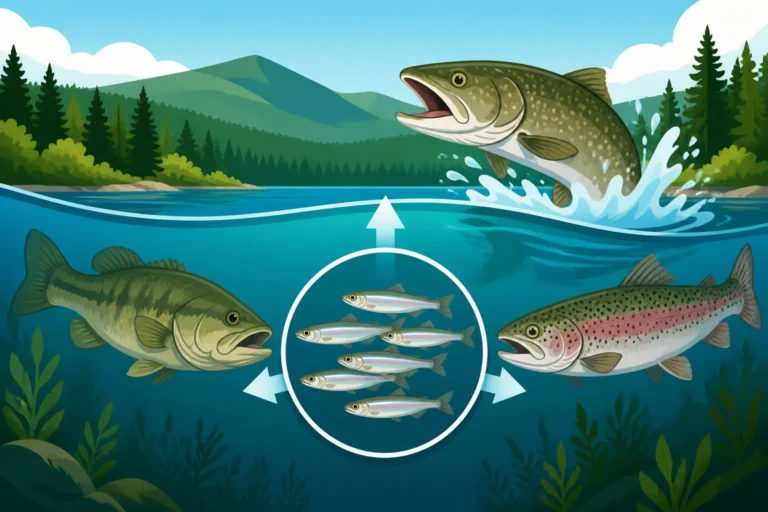
Rainbow smelt populations drive lake trout and landlocked salmon growth, dictating where and when anglers catch fish in deep Vermont lakes.
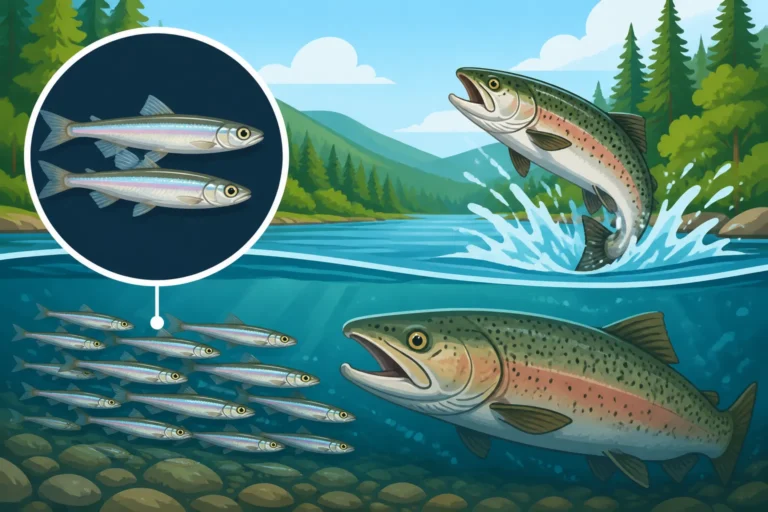
Rainbow smelt are small silver fish that inhabit Vermont lakes and provide primary food for landlocked salmon populations.
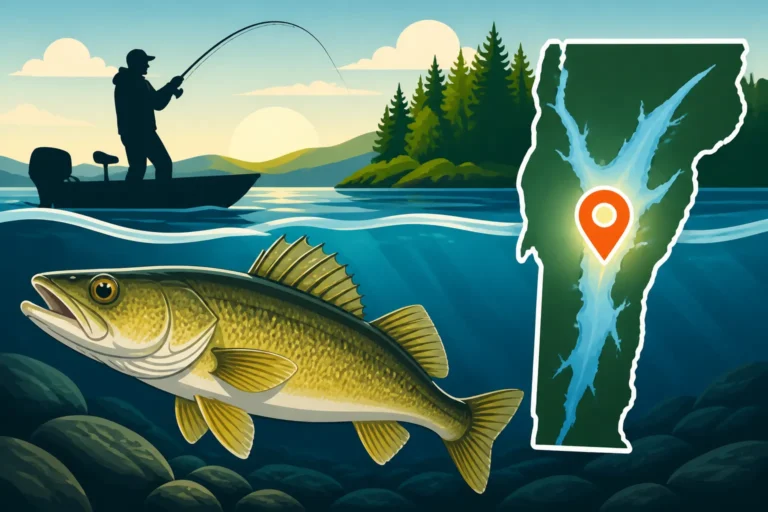
Lake Champlain walleye grow huge due to abundant baitfish, excellent water quality, deep water structure, and thermal refuges.
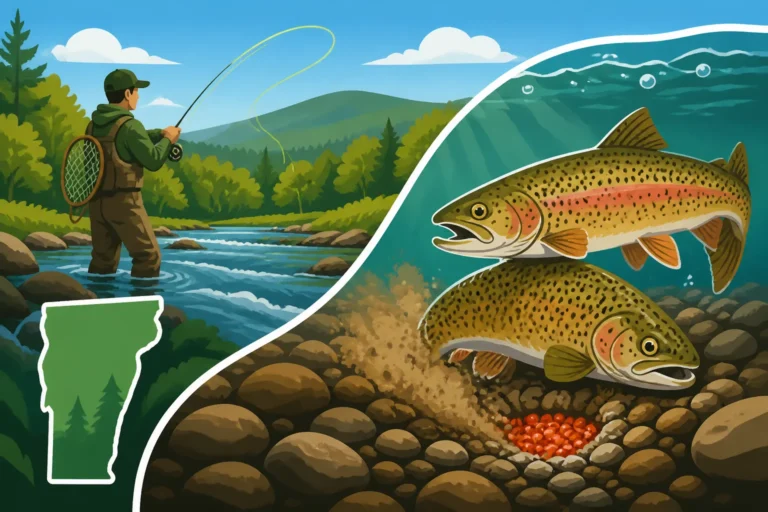
Vermont trout reproduction involves self-sustaining populations of wild fish spawning successfully in state streams without hatchery intervention.
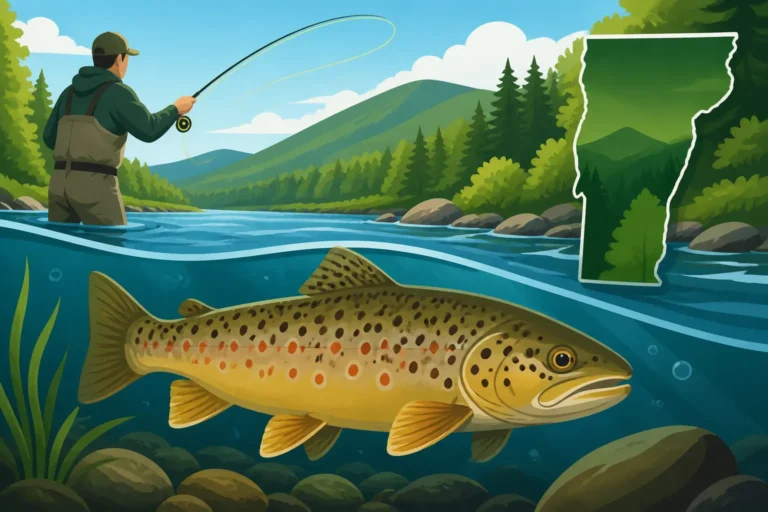
Holdover trout are state stocked fish that survived initial fishing pressure and overwintered in natural Vermont streams and ponds.
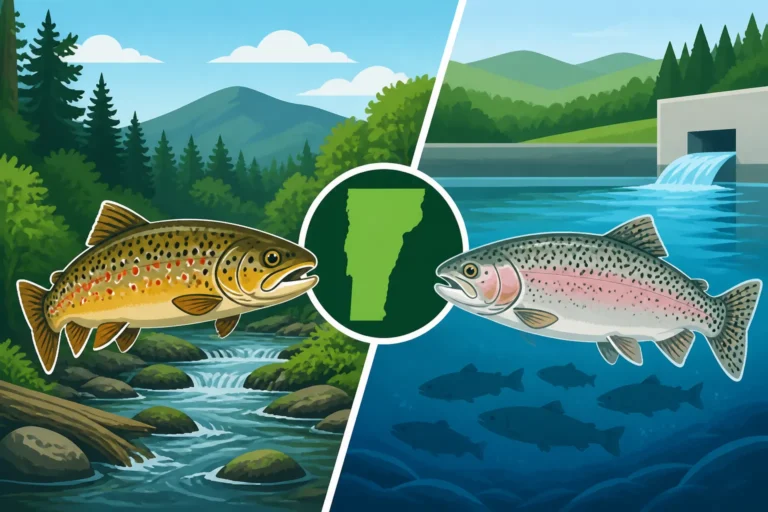
Wild and stocked trout in Vermont differ in hatchery origin, natural survival skills, behavior, and physical appearance.
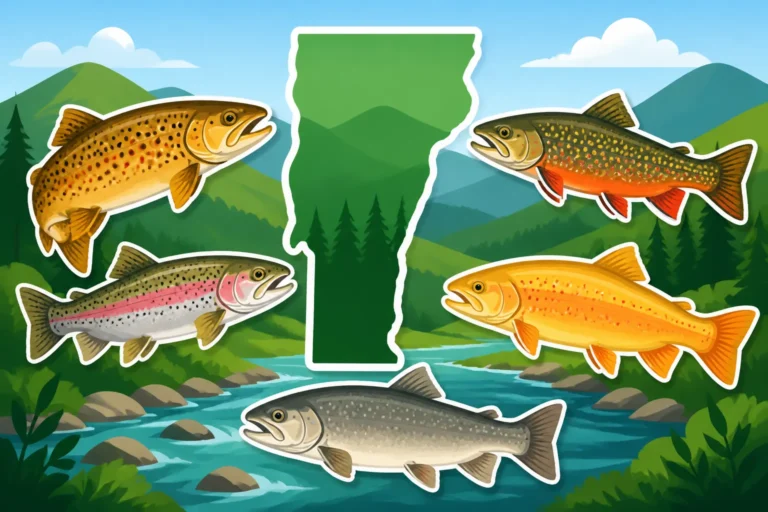
Vermont trout species and char include native brook trout, brown trout, and rainbow trout across local streams and lakes.
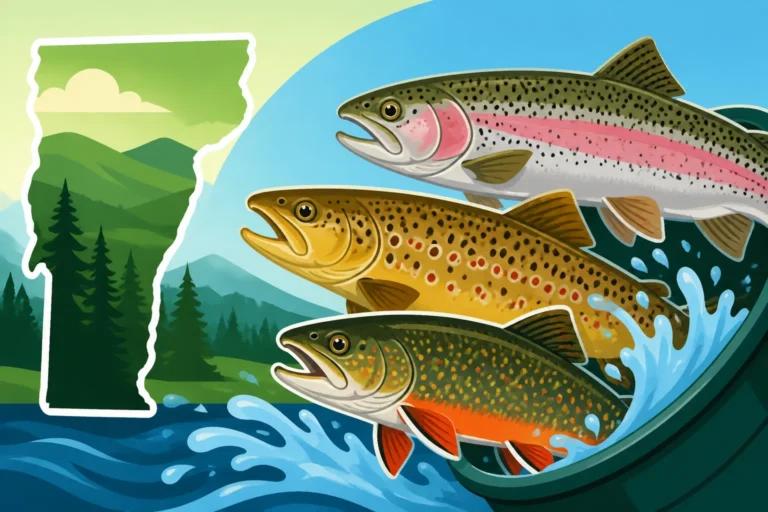
Vermont stocked non-native rainbow and brown trout, their identification, and reasons for introduction by state wildlife managers.
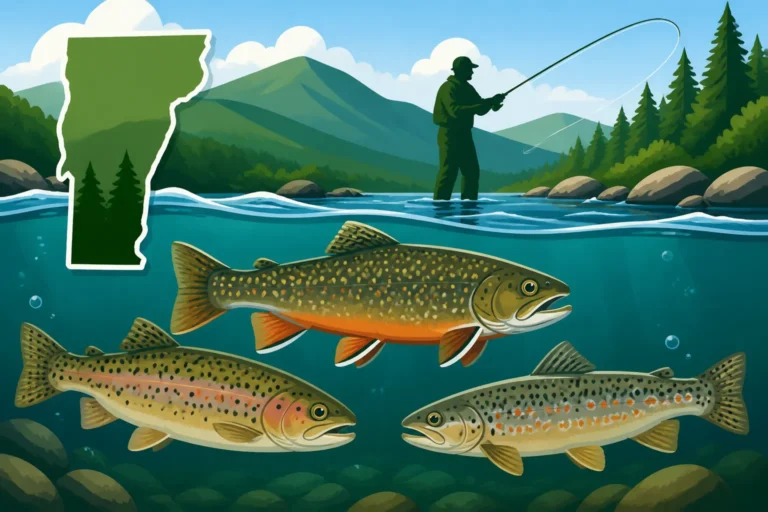
Vermont native brook trout and lake trout identification, explaining differences between wild, stocked, and native fish species.