Reading the Vermont Fishing Regulations Guide
Vermont fishing regulations protect aquatic resources and fish populations through specific rules on size, daily limits, and seasons.
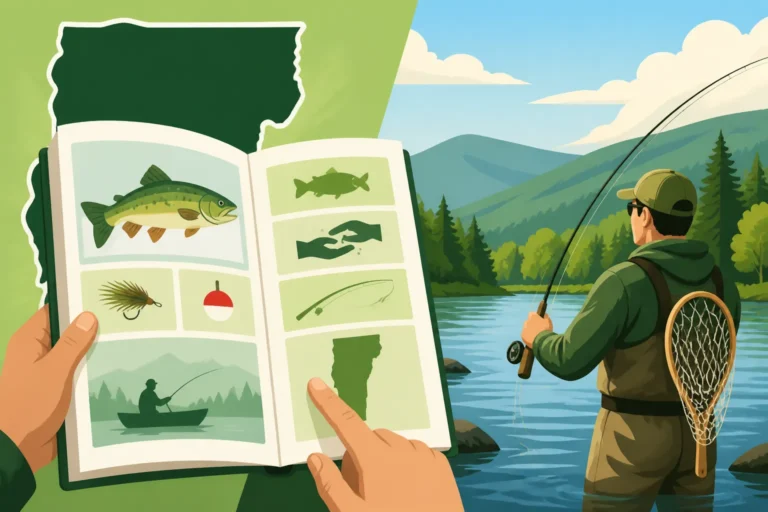
Vermont fishing regulations protect aquatic resources and fish populations through specific rules on size, daily limits, and seasons.
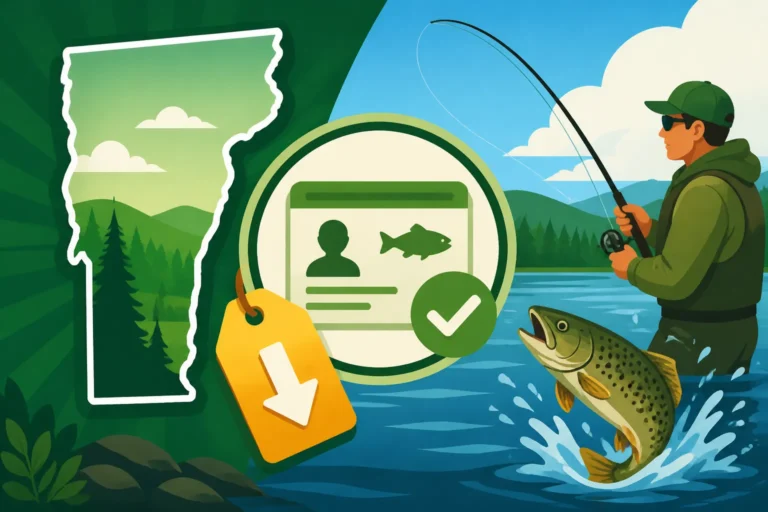
Vermont fishing license discounts and free options help residents, seniors, families, and anglers with physical challenges access state fisheries.
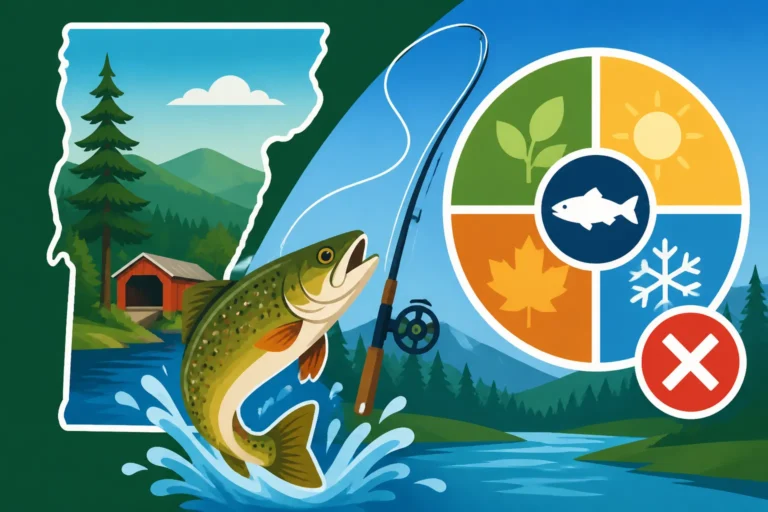
Vermont fishing season dates and closures explain general statewide open periods, conservation rules, and spawning cycles for trout and bass.
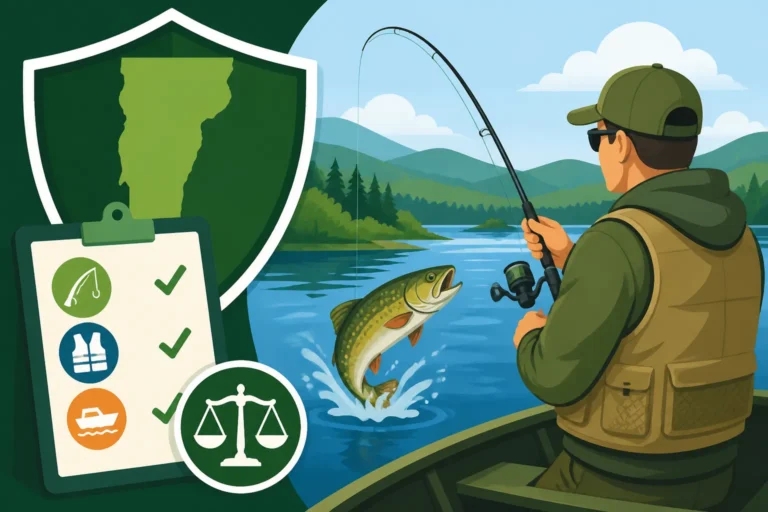
Vermont boating laws and registration rules for anglers explain when motorboats, sailboats, kayaks, and canoes require official state permits.

Vermont fishing license rules explain residency types, purchasing options, and age requirements for anyone fifteen and older.
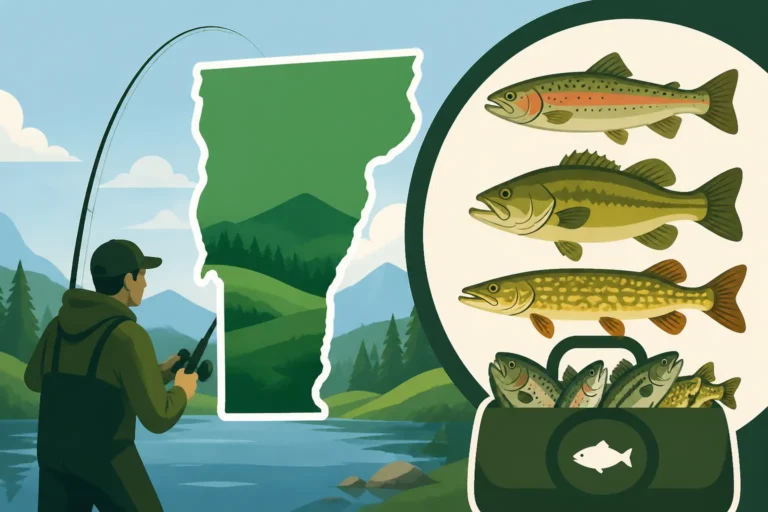
Vermont bag and possession limits outline the maximum number of fish anglers can legally catch and store in their coolers or freezers.
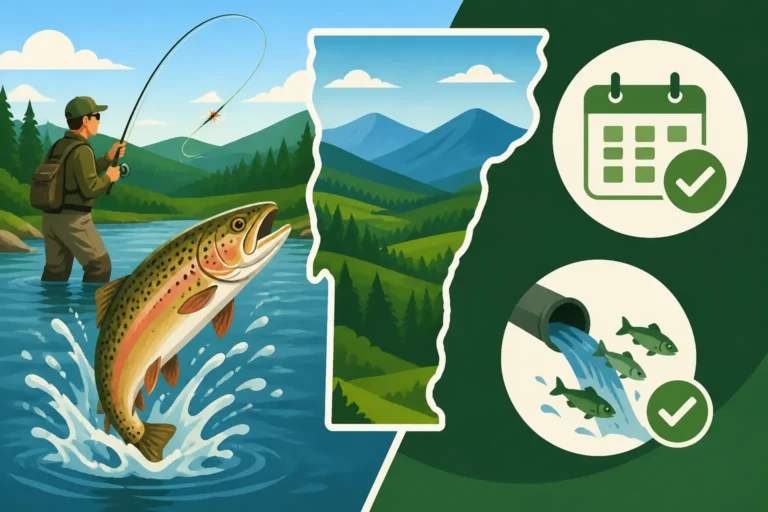
Vermont trout season dates, stocking programs, and special water exceptions explain state regulations for brook, brown, and rainbow trout.
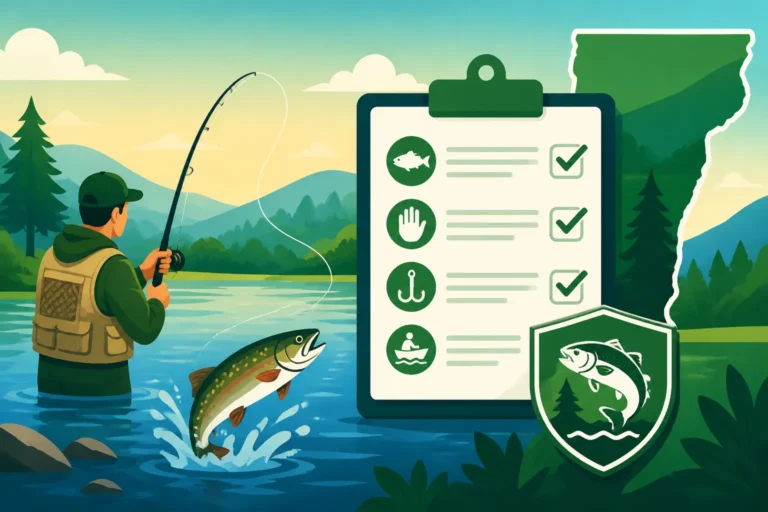
Vermont fishing regulations dictate bag limits, size restrictions, seasonal dates, and safety rules to protect aquatic ecosystems.
Vermont fishing license prices vary by residency and duration to fund conservation efforts, trout habitats, and fisheries management.
Vermont fishing license rules for 2026 explain age requirements, residency exceptions, fine penalties, and state conservation funding.