Do Vermont Lakes Have Northern Pike?
Northern Pike populations thrive in Lake Champlain, and anglers can identify them by bean-shaped spots and specific scale patterns.
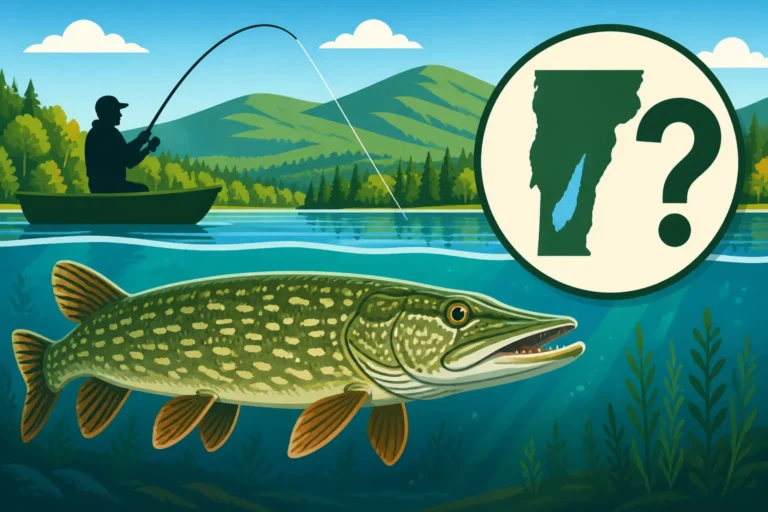
Northern Pike populations thrive in Lake Champlain, and anglers can identify them by bean-shaped spots and specific scale patterns.
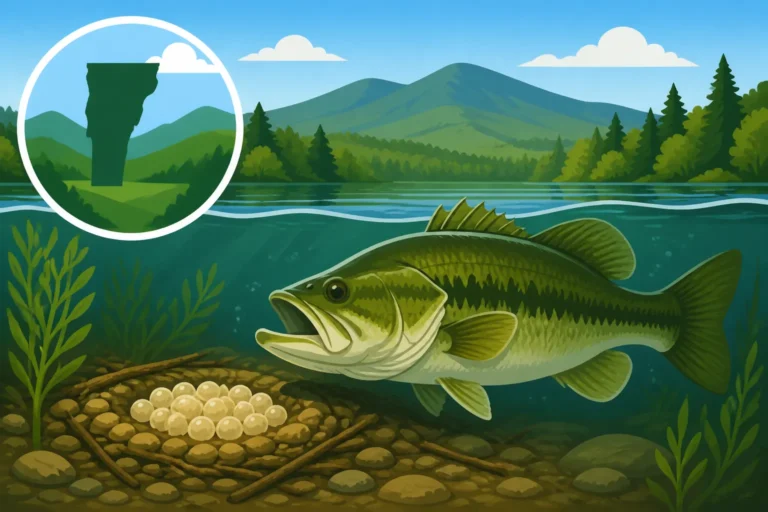
Largemouth bass in Vermont spawn when water temperatures reach sixty to sixty-eight degrees Fahrenheit in shallow areas.
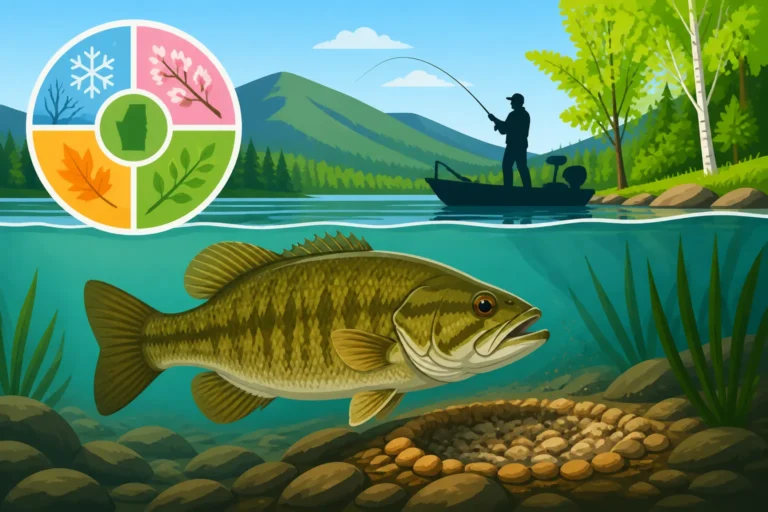
Vermont smallmouth bass spawning occurs from late May through June when water temperatures reach the mid-fifties to sixties.
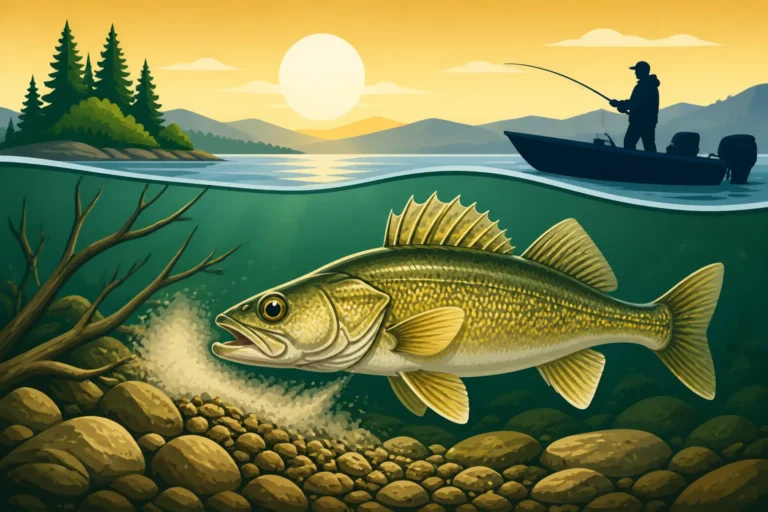
Lake Champlain walleye spawning occurs from early April to early May when water temperatures reach forty to fifty degrees.
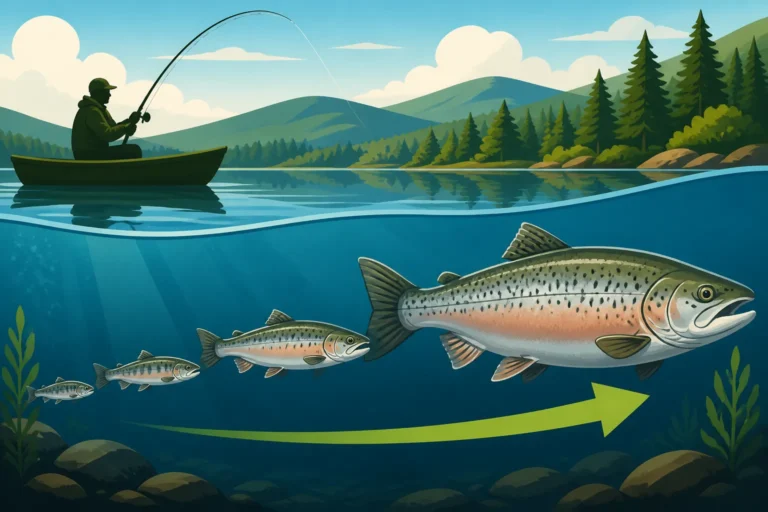
Vermont landlocked salmon growth rates depend on cold water ecosystems, food availability, and genetics across specific lakes.
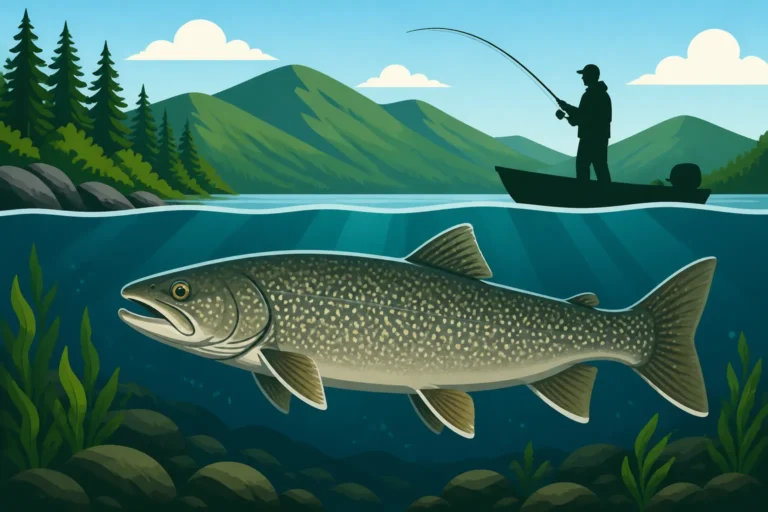
Vermont lake trout live in deep cold waters, reaching sexual maturity between five and seven years old and spawning in late fall.
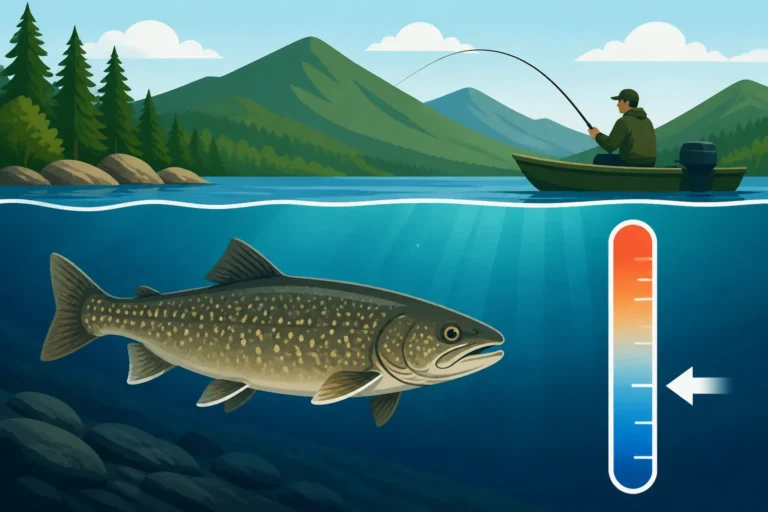
Lake trout prefer water temperatures from forty to fifty-five degrees, with an optimal comfort zone near forty-eight to fifty-two degrees.
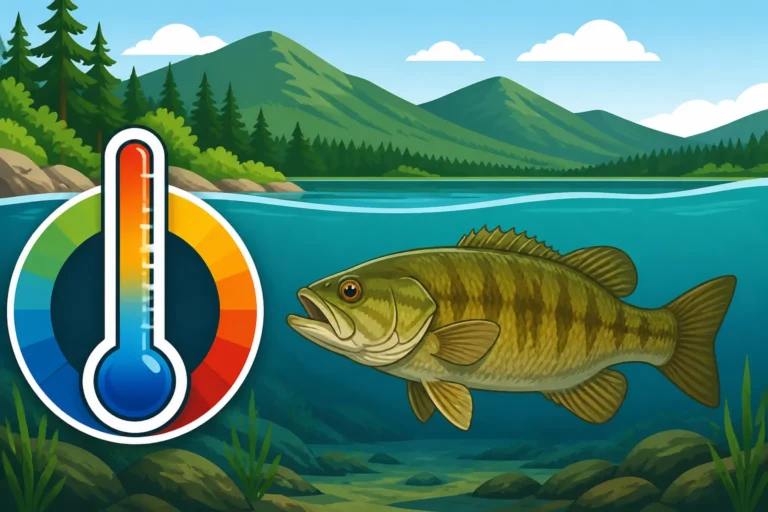
Smallmouth bass temperature preferences and ideal ranges help Vermont anglers locate and catch active fish in lakes and rivers.
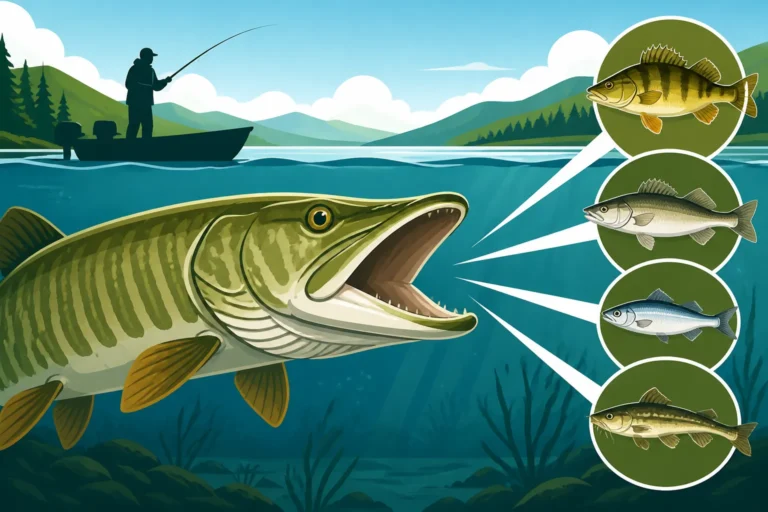
Lake Memphremagog muskellunge feeding patterns explain what these apex predators eat, including white suckers and perch.
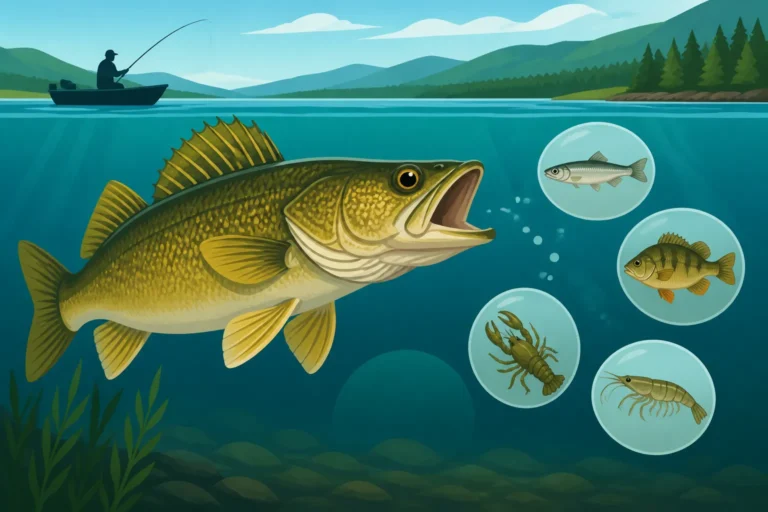
Lake Champlain walleye dietary habits and seasonal shifts explain how to choose the right bait for rainbow smelt forage.