Best technique for fishing pocket water
Anyone who's spent time on a fast-moving Vermont trout stream knows the frustration of pocket water. It looks incredibly fishy with all those churning currents and hidden seams, but trying to get a decent drift can feel like you're fighting the river itself. This guide is all about demystifying those frothy, tumbling sections, helping you unlock the secrets to consistently catching trout that hide in the eddies and calm pockets that make up these challenging, yet incredibly rewarding, stretches of water.
Understanding Vermont's Pocket Water Ecosystems
Before we even think about casting, let's get a handle on what pocket water truly is and why it holds such allure for Vermont's trout species. It's more than just a chaotic mess of rapids; it's a dynamic environment that provides everything a fish needs.
Defining Pocket Water in Vermont Streams
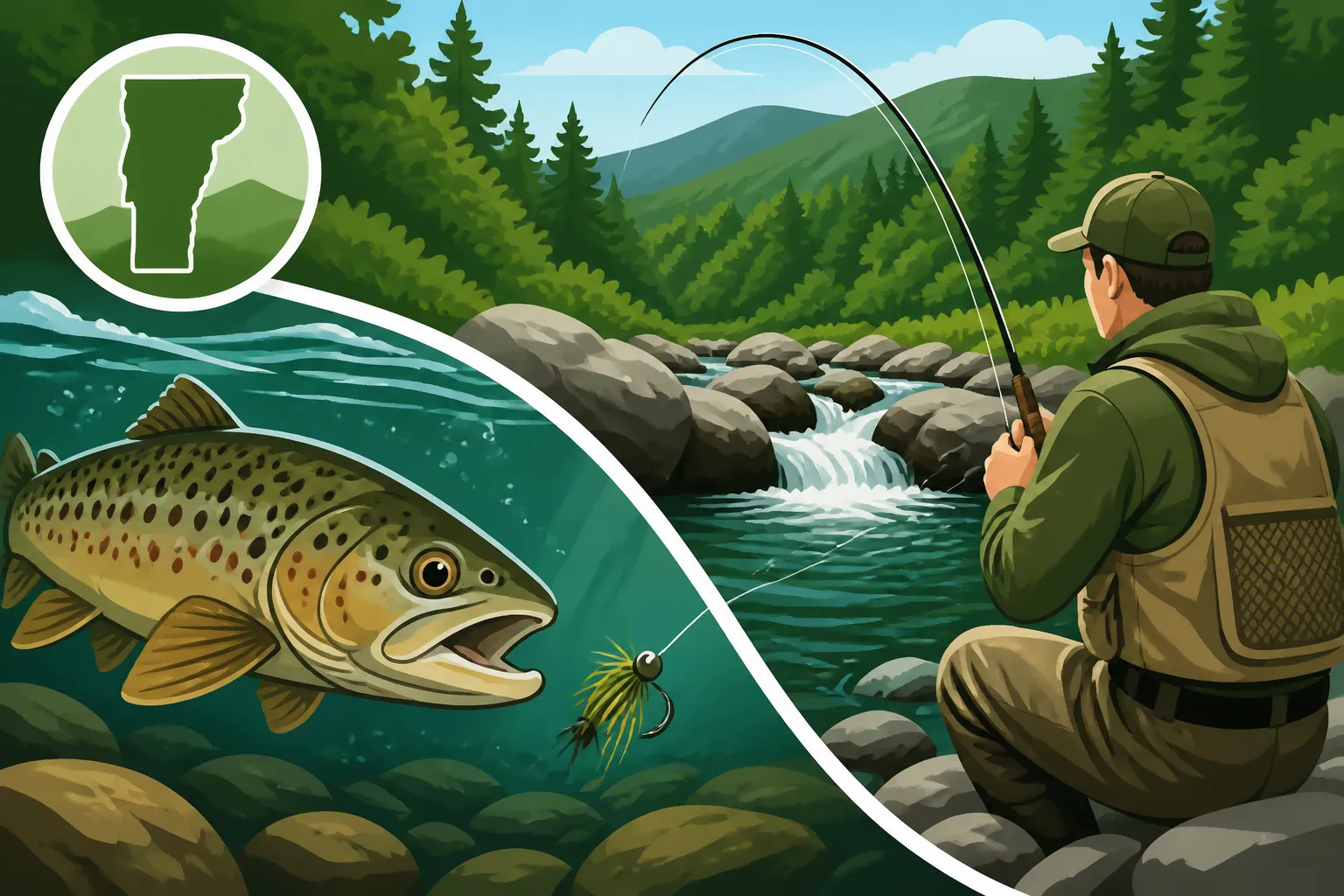
Pocket water refers to those sections of a river or stream characterized by a high gradient, meaning the water is dropping quickly over a short distance. This creates a chaotic mix of fast currents, whitewater, and, crucially, small, calmer areas or "pockets" behind obstacles like large rocks, boulders, logs, or even abrupt changes in the streambed. Think of your favorite mountain stream cascading down a rocky slope – those brief moments of relative calm amidst the rush are your pockets. The Battenkill River, certain sections of the White River, and countless smaller Green Mountain streams are classic examples of where you'll encounter this type of water. Each pocket, no matter how small, offers a momentary respite from the main current, a feeding lane, and a place for trout to hide.
The Unique Challenges of Fishing Pocket Water
Fishing pocket water can definitely test your patience, and many anglers shy away from it, which means more fish for those willing to learn! The primary challenge is managing your line and presentation. Those powerful, crisscrossing currents create incredible drag on your line, pulling your fly or lure unnaturally fast and making it impossible to get a good drift. Snags are another huge hurdle; the same boulders and logs that create the pockets are also magnets for lost tackle. Add in the need for precise, often short casts and the difficulty of reading water that's constantly boiling and swirling, and you can see why it feels like a puzzle. But don't despair! With the right approach, these challenges become opportunities.
Common Vermont Habitats for Pocket Water
You'll find prime pocket water fishing throughout Vermont, especially in our colder, higher-elevation streams and rivers. The more mountainous regions, particularly in the Green Mountains, are absolutely loaded with it. Streams like those feeding into the Winooski River or the Lamoille River often feature extensive stretches of pocket water, especially in their upper reaches. You might also find it where larger rivers narrow and pick up speed, or below natural features like waterfalls and ledges. These areas provide excellent oxygenation, constant food delivery, and abundant cover, making them irresistible to native brook trout, as well as wild and stocked brown and rainbow trout. Many of the waters listed in a Best high-elevation trout streams in the Green Mountains guide would be prime pocket water territory.
Essential Gear and Rigging for Pocket Water Success
Having the right tools for the job makes all the difference when tackling pocket water. You wouldn't use a sledgehammer to drive a finish nail, and the same principle applies here. Specialized gear helps overcome those inherent challenges we just talked about.
Rod, Reel, and Line Considerations
For pocket water, a shorter fly rod, typically in the 7 to 8.5-foot range, is often preferred, especially in tight quarters with overhanging branches. This length gives you better control for short, accurate casts and allows you to "high-stick" effectively, keeping as much line off the water as possible. A rod with a fast action and a sensitive tip helps detect those subtle takes in turbulent water. For spinning gear, a light or ultralight rod around 5.5 to 6.5 feet will offer similar advantages. Your reel should be reliable, primarily for holding line, as you'll be fighting fish mostly on the rod and not giving much line in tight spaces. For fly line, a weight-forward floating line is versatile. When it comes to leaders and tippets, you'll want something stout enough to handle abrasion from rocks and snags, but still fine enough not to spook fish. Fluorocarbon leaders, known for their abrasion resistance and low visibility, are a fantastic choice. If you're wondering where to start, looking into Best Gear for Vermont Trout Fishing can provide a good overview.
Streamlined Rigs for Navigating Turbulent Waters
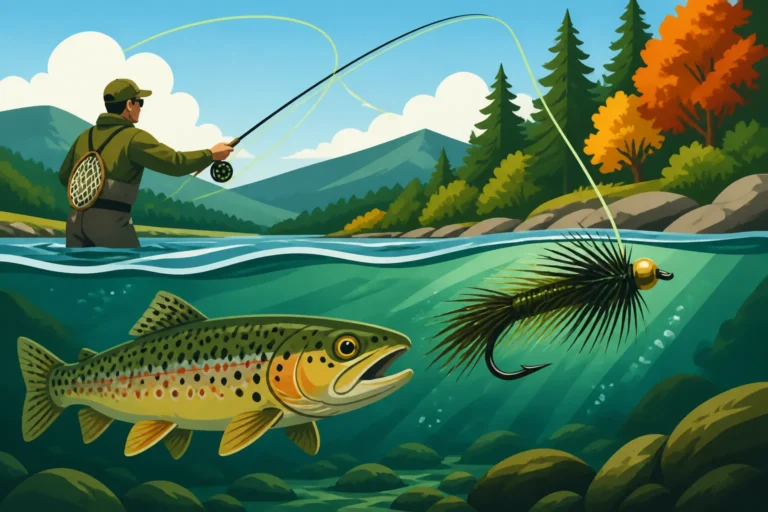
The name of the game in pocket water is minimizing drag, and your rig plays a crucial role. For fly anglers, tight-line nymphing (also known as Euro Nymphing) is almost custom-made for this environment. It involves using a longer leader, sometimes 10-15 feet, with heavy nymphs and minimal or no indicator, keeping the line tight to feel the strike. This allows your flies to sink quickly and drift naturally in complex currents. If you do use an indicator, choose a small, buoyant one that won't drag in the current. Split shot, if needed, should be strategically placed to get your flies down without hindering the drift. For spin anglers, a simple jig head or a small split shot above a bait or lure can be very effective, again, aiming for a quick sink and natural presentation.
Fly Patterns and Lure Choices
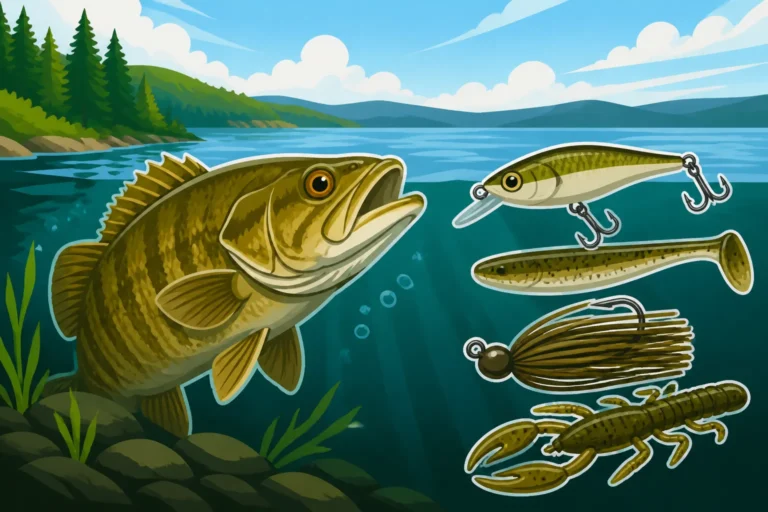
When it comes to what you're tying on, think heavy, buggy, and compact for flies. Bead-head nymphs like a Prince Nymph, Pheasant Tail, Hare's Ear, or Caddis Larva patterns are excellent because they sink fast and imitate common aquatic insects. Often, a combination of a heavier lead fly and a lighter trailing fly works well. Streamers, especially smaller ones like Woolly Buggers or sculpin patterns, can also be deadly when swung through pockets, mimicking baitfish. If you're a spin angler, small inline spinners (sizes 0-2) with a gold or silver blade, or tiny jigs tipped with a grub, are highly effective. For some specific inspirations, check out Fly Patterns for Vermont Trout Streams or consider what might be best for Best flies for Green Mountain brook trout.
Here's a quick comparison of popular pocket water fly types:
| Fly Type | Characteristics | Best Use | Advantage in Pocket Water |
|---|---|---|---|
| Bead Head Nymph | Weighted, imitates larvae/pupae | Subsurface fishing, getting deep quickly | Fast sink rate, mimics natural drift |
| Jig Nymph | Weighted, tied on jig hook | Subsurface, tight-line nymphing | Rides hook point up, fewer snags, quick sink |
| Streamer | Larger, imitates baitfish/leeches | Actively retrieved, covers wider area | Aggressive takes, works well in turbulent water |
| Soft Hackle | Unweighted, imitates emerging insects | Swing presentation, shallow to mid-depth | Natural movement, subtle presentation for wary fish |
Proven Techniques for Approaching Pocket Water
Now for the fun part: how do you actually fish these challenging spots? It's all about precision, stealth, and adapting to the river's constantly changing moods.
The Short Line Nymphing Approach
Short line nymphing, also known as Euro Nymphing or contact nymphing, is arguably the most effective technique for pocket water. The core idea is to maintain direct contact with your flies as they drift, keeping your rod tip high and your line mostly off the water. This virtually eliminates drag. You're not relying on a bobber to tell you when a fish bites; instead, you're feeling for subtle tugs, pauses, or even just a slight hesitation in your line. You'll typically cast a short distance upstream, then immediately raise your rod tip, following the drift with the rod, keeping your leader taut and your flies at the correct depth. It takes practice, but once you get the hang of it, you'll be amazed at how many fish you connect with. This technique is particularly effective in the rapid-fire situations that pocket water presents. Many anglers find that the Best time to nymph for trout on Green Mountain streams aligns perfectly with the opportunities presented by pocket water.
Precise Casting and Presentation
Accuracy is paramount in pocket water. You're often targeting very small seams and eddies, and an errant cast can mean your fly ends up in a snagsville or a fast current where no fish will see it. Roll casts and steeple casts are your friends here, allowing you to deliver your flies quickly and quietly without a lot of false casting, which can spook fish. The goal is to land your fly gently and precisely where you want it, letting it sink immediately into the target pocket. Remember, trout in pocket water don't have a lot of time to decide to eat, so your presentation needs to be spot-on and natural right from the start. A good drift is measured in seconds, not feet.
Reading the Water and Identifying Holding Lies
This is where the art of pocket water fishing truly comes in. You need to learn to "read" the river, understanding where trout will hold to conserve energy and ambush food. Look for:
- Seams: The visible lines where fast water meets slow water. Fish often sit in the slower water, darting out into the fast current to grab food.
- Eddies: Swirling pockets of calmer water often found behind large rocks or structure. These are prime resting and feeding spots.
- Plunge Pools: The deeper areas directly downstream of a cascade or rapid. The aerated water is highly oxygenated, and food is constantly being washed in.
- Current Breaks: Anything that breaks the main flow – a submerged log, a large boulder, or even a subtle change in depth. These create small zones of calm.
- Foam Lines: Often, foam collects in the slower currents where food also accumulates. Fish will hold just below these lines.
By observing how the water moves, you can predict where a trout might be waiting. Sometimes, you'll feel like you're playing a chess game with the river, but with practice, you'll start identifying these prime lies instinctively. This skill is transferable to any river, including learning How to fish a run and pool trout stream.
Overcoming Common Pocket Water Hurdles
Even with the right gear and techniques, pocket water throws curveballs. Knowing how to adapt on the fly (pun intended!) will significantly boost your success.
Dealing with Drag and Current Seams
Drag is the eternal enemy in pocket water. Because different currents move at different speeds, your line can get pulled in various directions, causing your fly to move unnaturally. The primary solution is to keep as much line as possible off the water, achieved through high-sticking (holding your rod high) and careful mending. Mending involves flipping a loop of line upstream or downstream to adjust your line's position and counteract the drag. It's a constant, subtle dance between you, your rod, and the currents. Learn to anticipate where drag will occur and proactively mend to extend your natural drift.
Maintaining Stealth and Position
Trout in pocket water, while often aggressive feeders, can still be surprisingly spooky. The turbulent water helps conceal your approach, but sudden movements, bright clothing, or casting shadows over the water can send them darting for cover. Approach pockets from downstream whenever possible, moving slowly and deliberately. Wear natural, muted colors. Pay attention to the sun's position to avoid casting a shadow directly over your target. Your position is also key; try to get an angle that allows you to present your fly effectively into the pocket without excessive line. Sometimes, a slight change in your wading position can make all the difference between a perfect drift and a tangled mess. For more on this, you might find useful tips in Wading Techniques for Vermont Trout Streams.
Safety First: Wading and Stream Crossing
Pocket water usually means slippery rocks, uneven footing, and strong currents. Your safety is paramount. Always wear appropriate footwear with good grip – felt soles offer excellent traction on slick rocks, though rubber soles are gaining popularity and may be better for hiking to spots. A wading staff is not optional; it's an essential tool that provides a crucial third point of contact, helping you maintain balance and test the depth and stability of the streambed before committing your weight. Best Wading Staff for Fast Current can give you some great options. Never wade deeper than your comfort level allows, and always be aware of your surroundings. If a crossing looks too risky, find an easier spot or fish from the bank. Even though the fish are tempting, no fish is worth a fall or injury. Consider wearing a life jacket, especially in unfamiliar or high-water conditions.
Fishing pocket water can be incredibly rewarding. It demands focus, skill, and a willingness to adapt, but the payoff of hooking a feisty Vermont trout from a tiny eddy in a roaring current is truly something special. So next time you see those turbulent sections, don't walk past them. Instead, get ready to dive in and discover the abundant life hiding within!
Disclaimer
This article is for general informational purposes only and does not constitute professional advice. Laws, prices and regulations vary by location and change over time. Consult a qualified professional for guidance on your specific situation.