Best technique for fishing muddy runoff conditions
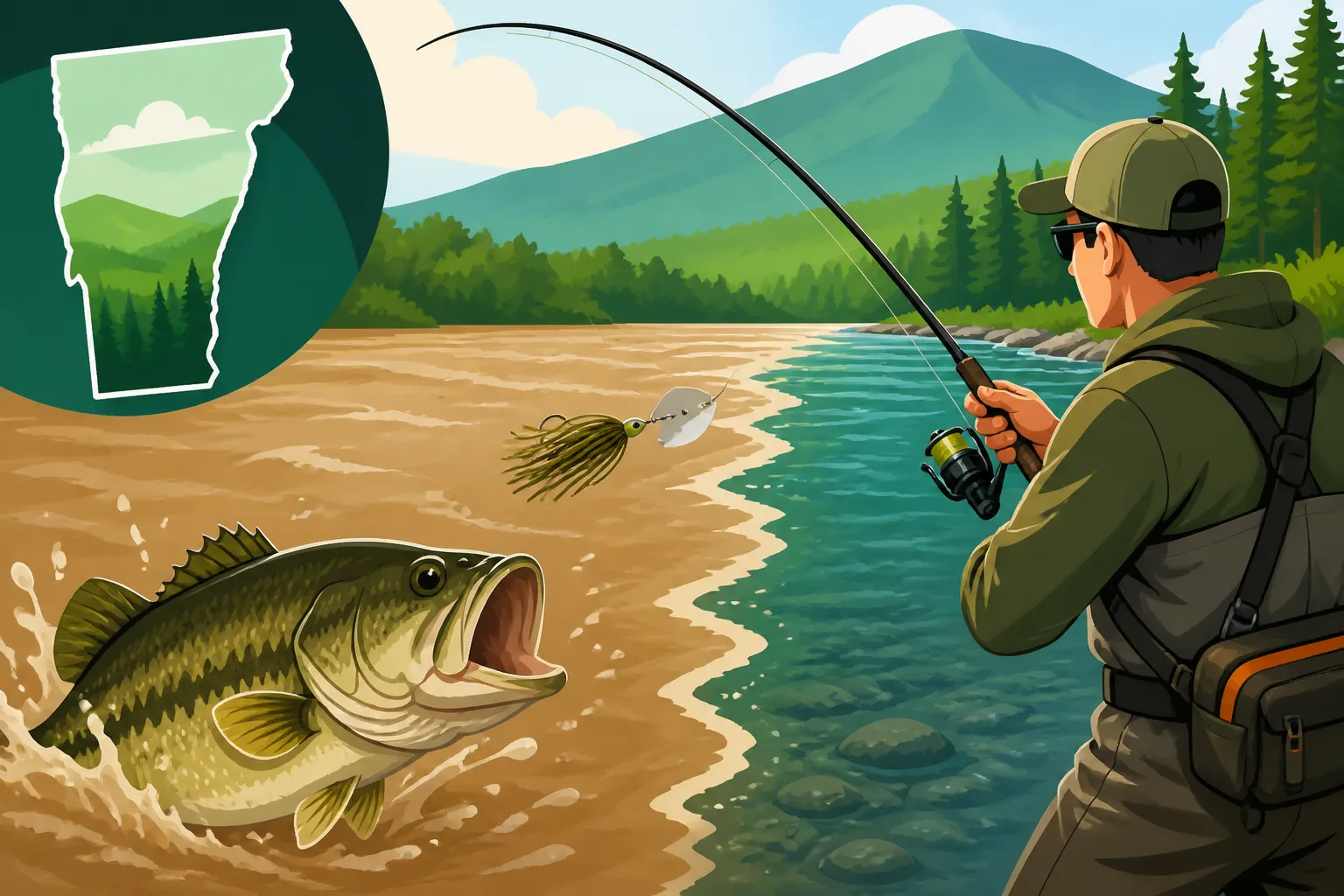
There's nothing quite as frustrating as waking up after a good rain, eager to hit your favorite Vermont fishing spot, only to find the water turned into a chocolate milkshake. Muddy runoff conditions can make you feel like packing up and heading home before you even cast a line, but don't despair! While challenging, fishing in turbid water can still be productive if you understand how fish react and adjust your approach. This guide will walk you through the best techniques, tackle, and strategies to make the most of those murky post-rain days in the Green Mountain State.
The Challenge of Muddy Runoff: How it Impacts Vermont's Waters and Fish
When heavy rains hit, especially after a dry spell, the ground can't absorb all the water. This leads to runoff carrying soil, silt, and debris from banks, fields, and forests into our beloved streams and lakes. This influx of suspended particles drastically reduces water clarity, creating a whole new set of challenges for anglers and fish alike.
Why Clarity Matters (and Why Fish Hate Losing It)
For fish, especially sight feeders, clear water is their world. It's how they spot prey, avoid predators, and navigate their environment. When the water turns muddy, their primary sense of sight becomes severely hampered. Imagine trying to hunt in a dense fog – that's what it's like for a fish in truly turbid conditions.
This reduced visibility doesn't just make it harder for fish to see your lure; it can also make them feel exposed and disoriented. They might retreat to cover, seek out areas with slightly clearer water, or become less aggressive in their feeding patterns. Scent trails, which are crucial for many aquatic creatures, also get diluted and dispersed, making it harder for fish to home in on food. Think of how a strong scent in a still room becomes almost undetectable in a windy storm – it's a similar principle underwater. The fish are still there, they're just harder to convince.
Reading the Water: When to Fish and When to Wait
While this guide focuses on how to fish in muddy conditions, there are times when it's simply better to wait. If the water looks like thick coffee, with barely an inch of visibility, you're likely facing an uphill battle that might not be worth the effort. A good rule of thumb is to check the water clarity. Can you see your lure a few inches below the surface? A foot? If you can't see it at all, or only for a couple of inches, it might be time for a coffee break and a re-evaluation.
However, if there's some visibility – say, six inches to a foot or more – you absolutely have a chance. Often, the very edges of the river or lake might clear up faster, or you might find pockets of less turbulent water. Keep an eye on stream gauges online if you're targeting rivers; a dropping water level, even if still high and dirty, signals improving conditions. It’s a nuanced judgment call, and sometimes, the best way to know is to just get out there and try. You might be surprised at what you find. For more on the seasonal flows, check out our guide on Vermont Fishing Season Dates and Closures.
Gear Up: Selecting the Right Tools for Turbid Vermont Fishing
When the water's murky, your usual go-to tackle might not cut it. Fish aren't relying on sight as much, so you need to appeal to their other senses: sound, vibration, and scent. This means making some strategic adjustments to your lure selection, line, and even rod choice.
Standing Out: Lure Colors, Vibration, and Scent
This is where you really need to think like a fish that can't see well. What would grab its attention?
First, color. Forget subtle, natural hues. In muddy water, you want high-contrast, bright colors that create a silhouette or flash that's still noticeable in low light. Chartreuse, bright orange, hot pink, and firetiger patterns are often phenomenal. Black or dark blue lures can also work wonders, as they create a very distinct silhouette against the slightly lighter murky water, making them easier for fish to detect even with limited vision. Don't be afraid to experiment with combinations, like a black and chartreuse jig.
Second, vibration and sound. Since sight is impaired, fish rely heavily on their lateral line to detect vibrations in the water. Lures that displace a lot of water or create distinct thumps and rattles become irresistible. Crankbaits with internal rattles, spinnerbaits with large thumping blades (like Colorado blades), bladed jigs (ChatterBaits), and even large soft plastics with paddle tails all generate significant vibration. You can find a huge variety of these types of lures on platforms like Amazon, offering different weights and colors to match the conditions. Even a simple heavy jig bumped along the bottom can send out detectable vibrations.
Third, scent. This is often overlooked but can be a game-changer. In muddy water, scent becomes an even more critical sense for fish to locate food. Using scented soft plastics, adding scent attractants to your lures, or fishing with natural baits like worms, PowerBait, or cut bait can significantly increase your strike chances. Even dousing your favorite crankbait in a scent spray can give it that extra edge. For a deeper dive into what works for certain species, explore articles like Best Baits for Smallmouth Bass on Lake Champlain.
Heavier Lines and More Sensitive Rods
Muddy water fishing isn't typically about finesse. You're often throwing larger, heavier lures that create more disturbance, and you're dealing with potentially stronger currents and debris. This often calls for a slightly heavier line than you might typically use. Moving up a size or two in fluorocarbon or monofilament can give you added confidence when retrieving through weeds or battling a strong fish in current. Braid is an excellent choice for its sensitivity and strength, but remember to use a fluorocarbon leader if you're worried about fish seeing your main line, although in truly muddy water, this concern is often diminished.
As for rods, sensitivity is still key, even if you're using heavier gear. While fish might hit harder in muddy water, feeling those subtle taps or detecting when your lure hits debris on the bottom is crucial. A fast-action rod with a sensitive tip allows you to feel what your lure is doing, even when you can't see it. This is especially important when fishing with jigs or bottom-bouncing techniques. A good quality medium-heavy spinning or casting rod will serve you well in most Vermont muddy water scenarios. If you're looking to upgrade, many reputable brands are available on Amazon.
Strategic Approaches: Techniques to Master Muddy Conditions
Now that you're geared up, let's talk about how to actually fish these challenging conditions. The core principle is simple: make your presence known, but do it in a way that allows fish to find and commit to your offering.
Slow, Low, and Precise Presentations
When fish can't see well, they're not going to chase a fast-moving lure very far. They're more likely to be hunkered down, waiting for an easy meal to come to them. This means slowing down your retrieve significantly. Lures that are worked slowly along the bottom or through the middle of the water column are often the most effective.
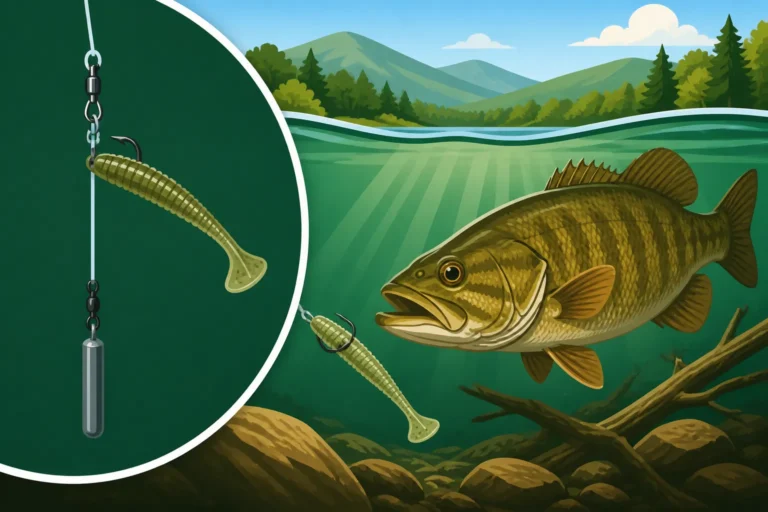
- Bottom Bouncing: Jigs, Texas-rigged worms, or even slow-rolled spinnerbaits worked right on or near the bottom are excellent. Fish often stick close to the bottom in muddy conditions, where current might be less severe and they might feel safer.
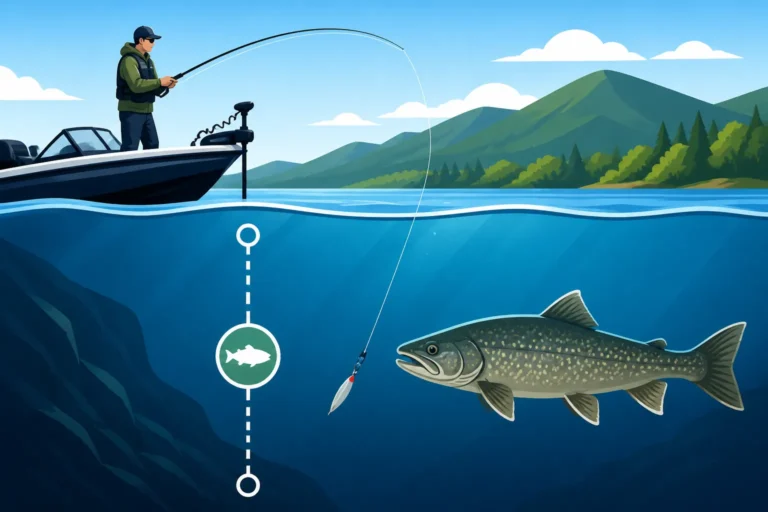
- Vertical Presentation: If you're in a boat and have electronics (or even just a good feel for the bottom), vertical jigging can be deadly. Dropping a jig or blade bait straight down and working it with short hops and pauses keeps the lure in the strike zone longer.
- Slow Roll: For spinnerbaits and crankbaits, use a retrieve that's just fast enough to keep the blades spinning or the lure wobbling. The goal isn't speed, it's consistent vibration and scent dispersion.
Remember, precision matters. When visibility is low, hitting your target — a log, a rock, a drop-off — is more crucial than ever. For more tips on reading the water, check out Spring Trout Fishing Techniques for Vermont Streams which often includes dealing with post-snowmelt turbidity.
Finding the Cleaner Water: Eddies, Inflows, and Backwaters
Even when an entire river or lake section is muddy, there are almost always pockets of clearer water. Fish, like us, seek refuge from harsh conditions.
- Eddies and Current Breaks: In rivers, look for eddies behind large rocks, fallen trees, or bends in the river. These spots offer a respite from the main current and often hold fish waiting for food to wash by. The water in an eddy can also be slightly clearer as the sediment settles out.
- Feeder Creeks and Inflows: If a smaller, clearer stream or spring enters a muddy larger body of water, the confluence point can be a goldmine. Fish will often stack up in the slightly clearer, less turbulent water where the two meet.
- Backwaters and Pockets: Explore stagnant backwaters, coves, and pockets off the main flow of a river or lake. These areas often experience less direct runoff and can clear up faster. Fish might retreat here for safety and to find food that's settled out.
- Lake Thermoclines: In larger lakes, deeper water might offer a cleaner refuge, especially if the runoff is confined to the surface layers. However, this depends heavily on the specific lake and the nature of the runoff.
Working the Banks and Shallow Cover
Don't neglect the shallow edges. While it might seem counterintuitive to fish shallow in dirty water, fish will often move into very shallow water when the main body of the lake or river is blown out. They might be looking for worms and insects washed in by the rain, or seeking warmer water if the runoff is cold.
- Bank Hugging: Cast your lures right against the shoreline, especially if there's any overhanging cover like bushes, fallen trees, or riprap. Fish will often tuck themselves right into these spots for security and ambush points.
- Submerged Cover: Look for submerged logs, rock piles, or weed lines (even if they're harder to see). These provide crucial ambush points and cover in turbid conditions. In lakes, even docks and boat houses can hold fish tight to the structure.
- Fan Casting: If you're unsure where fish are holding, make sure to fan cast an area thoroughly. Start close to shore and work your way out, covering different depths until you find where the fish are active.
Species-Specific Tactics for Vermont's Murky Waters
Different fish react to muddy water in different ways. Understanding these tendencies can help you tailor your approach for a specific target species.
Bass on the Hunt: Largemouth and Smallmouth in the Mud
Bass, particularly largemouth, are often quite tolerant of muddy water and can be surprisingly active. Their strong lateral line and sense of smell make them well-suited for these conditions.
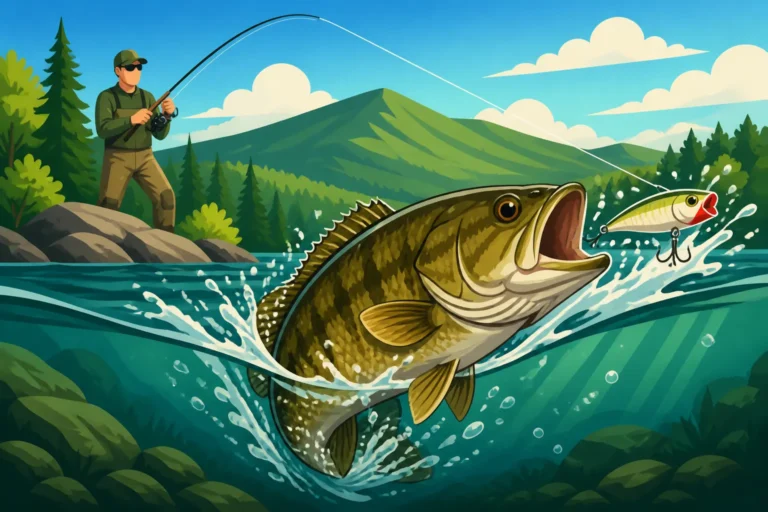
- Largemouth Bass: These opportunistic feeders thrive in cover and are often found in weed lines, submerged timber, and around docks. In muddy water, they'll often move even tighter to this cover. Big, noisy crankbaits, spinnerbaits with large thumping blades, and bladed jigs like a ChatterBait are excellent choices. Slow-pitched jigs with scented trailers can also entice a strike. Focus on casting right into the thickest cover you can find, and retrieve slowly. Many anglers find excellent success with these techniques for Largemouth Bass Fishing in Vermont.
- Smallmouth Bass: While smallmouth generally prefer cleaner water, they can still be caught in moderately turbid conditions. They'll often move to rocky areas, points, and current breaks where the water might be slightly clearer or where baitfish are congregating. Deep-diving crankbaits in bright colors, tube jigs bounced along the bottom, and heavier spinnerbaits can work well. You'll want to fish these spots slower and more deliberately than you would in clear water. For specific tips, see How to Catch Smallmouth Bass in Vermont Lakes.
Tempting Trout in Swollen, Dirty Streams
Trout can be trickier in muddy runoff because they are primarily sight feeders and generally prefer clear, cold water. However, it's not impossible, especially if you can find pockets of clearer water.
- Find the Edges and Pockets: As mentioned, look for eddies, backwashes, and the calmer inside bends of rivers where the current is less aggressive and the water might be slightly clearer. Trout will often stack up in these areas.
- Heavy Baits and Lures: Forget tiny nymphs or delicate dry flies when the water is truly dirty (though fly fishing can be productive if you find clean pockets, see Fly Fishing for Trout in Vermont for general techniques). Instead, opt for heavier, brighter spinning lures like inline spinners with large blades, small spoons, or heavily weighted jigs tipped with worms or PowerBait. These lures generate vibration and scent.
- Natural Bait is King: Live worms, salmon eggs, or even corn can be incredibly effective for trout in muddy water. The strong natural scent is often what it takes to get their attention. Fish these baits on the bottom with just enough weight to hold them in place, or drift them naturally into current breaks. For general trout insights, our Trout Fishing in Vermont article is a great resource.
Targeting Walleye and Pike When the Water's Dirty
Walleye and Northern Pike are both predators well-adapted to low-light conditions, which can give them an advantage in murky water.
- Walleye: These nocturnal hunters have excellent low-light vision and rely heavily on their lateral line. Muddy water can actually turn them on, making them more active during the day. Trolling with large, noisy crankbaits in firetiger or chartreuse is often very effective. Vertical jigging with large, scented jigs or blade baits on known structure or drop-offs can also be deadly. When the visibility drops, their superior senses become a major advantage. Our guide on How to Catch Walleye on Lake Champlain has more ideas that can be adapted for turbid conditions.
- Northern Pike: Pike are ambush predators that don't mind a bit of murk. They'll hide in thick cover or along weed lines, waiting for prey to blunder by. Large spinnerbaits with big thumping blades, oversized spoons, and brightly colored jerkbaits can all trigger aggressive strikes. Focus on slower retrieves and targeting visible cover or known pike hangouts. Use heavy leaders, as their teeth are no joke!
By understanding how fish adapt to muddy runoff and adjusting your techniques accordingly, those frustrating post-rain days can turn into some of your most memorable fishing trips. Don't let the color of the water discourage you; embrace the challenge and be ready for some exciting battles!
| Fish Species | Best Lure Types for Muddy Water | Recommended Colors | Key Technique |
|---|---|---|---|
| Largemouth Bass | Crankbaits (rattling), Spinnerbaits (Colorado blade), Bladed Jigs, Scented Jigs | Chartreuse, Black/Blue, Firetiger, Orange | Slow retrieve near heavy cover, pitches/flips |
| Smallmouth Bass | Deep-diving Crankbaits, Tube Jigs, Heavy Spinnerbaits | Chartreuse, Orange, Dark Blue, Pearl | Bottom bouncing, slow retrieve on rocky points |
| Trout | Inline Spinners, Small Spoons, Scented Jigs, Live Worms | Bright Orange, Chartreuse, Gold, Silver | Drift bait or slow retrieve in eddies/pockets |
| Walleye | Rattling Crankbaits, Blade Baits, Large Scented Jigs | Firetiger, Chartreuse, Orange, Gold | Trolling, vertical jigging on structure |
| Northern Pike | Large Spinnerbaits, Spoons, Jerkbaits | Chartreuse, Red/White, Firetiger, Bright Green | Slow retrieve near heavy cover, casting to edges |
Disclaimer
This article is for general informational purposes only and does not constitute professional advice. Laws, prices and regulations vary by location and change over time. Consult a qualified professional for guidance on your specific situation.