Best technique for largemouth bass in farm ponds
Many anglers dream of vast lakes and roaring rivers, but sometimes the most rewarding experiences are found in the quiet, unassuming waters of Vermont's farm ponds. If you've ever cast a line into one of these smaller impoundments, only to be met with frustrating silence, you're not alone. These intimate fishing spots often hold surprisingly robust populations of largemouth bass, but they require a specific approach. This guide will help you unlock the potential of these hidden gems, teaching you the best techniques to consistently hook into chunky largemouth bass in Vermont's farm ponds.
Understanding Vermont Farm Ponds and Largemouth Bass Behavior
Before we even think about casting, it's crucial to understand the unique characteristics of a Vermont farm pond and how largemouth bass adapt to these environments. These aren't miniature versions of Lake Champlain; they operate on a different scale entirely.
The Unique Challenges of Pond Fishing
Farm ponds are, by their very nature, enclosed ecosystems. They tend to be shallower than larger lakes, often feature abundant aquatic vegetation, and can experience more significant temperature fluctuations. This means everything from oxygen levels to available food sources can change rapidly. One day, the bass might be aggressively hitting topwater baits; the next, they could be buried deep in the weeds, seemingly dormant. The water clarity can range from crystal clear in some spring-fed ponds to murky and stained after a heavy rain.
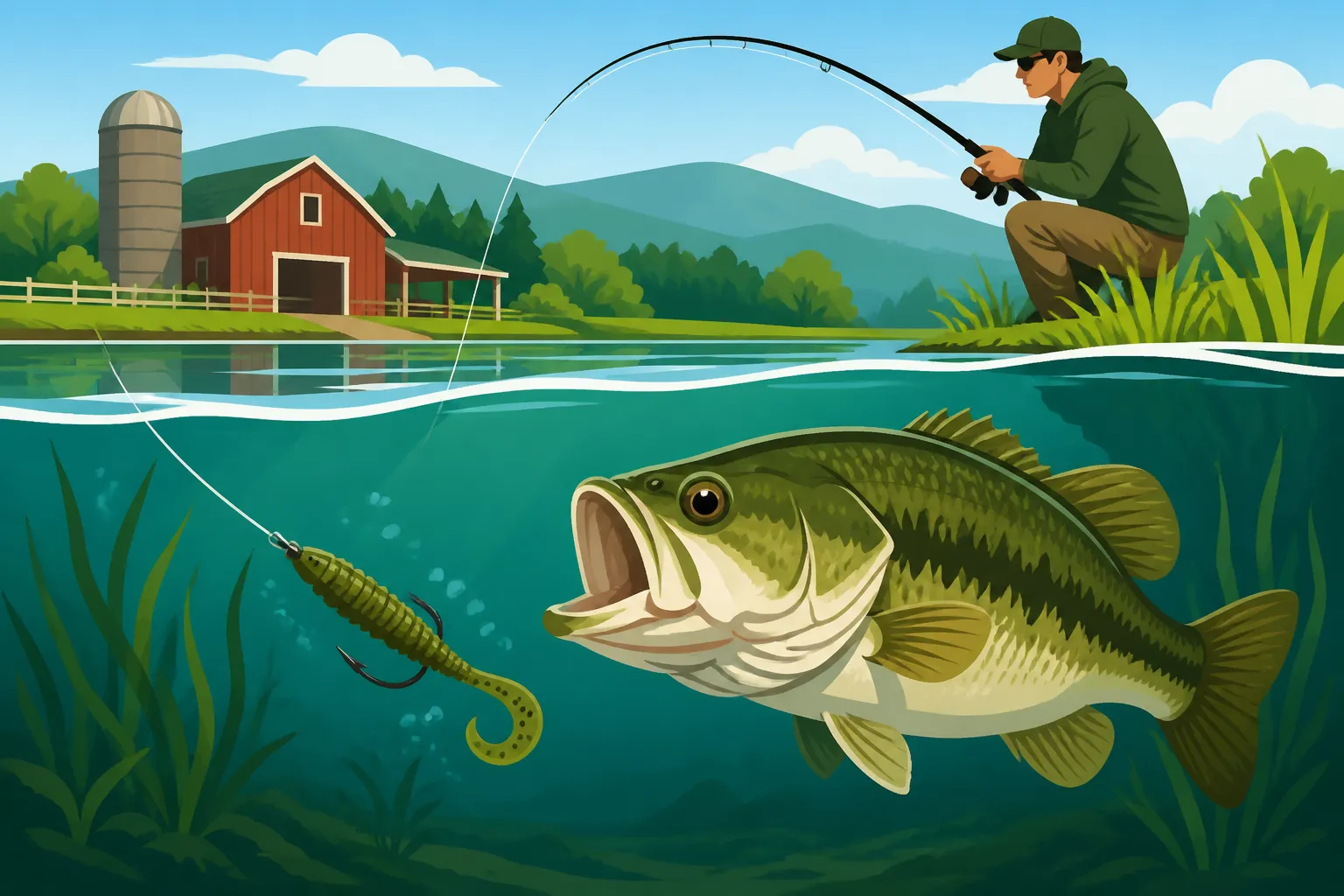
What makes them challenging also makes them exciting. Due to their smaller size, every cast matters more. You're often fishing a significant percentage of the available water, which increases your odds of encountering fish if you're in the right zone. However, this also means the fish are more aware of your presence. Noise, shadows, and boat movement (if you're in a small craft) can easily spook them. Unlike a sprawling reservoir, there’s often less complex deep-water structure, so bass tend to relate more to visible cover like lily pads, fallen trees, or even old tires and culverts.
Largemouth Bass Behavior in Smaller Waters
Largemouth bass in farm ponds, while still the apex predators of their domain, exhibit slightly different behaviors than their big-lake cousins. They can be incredibly opportunistic, quickly keying into whatever food source is most abundant, whether it's baitfish, frogs, crawfish, or even unlucky ducklings. Because the territory is smaller, they often have distinct "home" areas where they feel safe and where food is readily accessible. These areas typically involve dense cover.
You'll often find them more concentrated in specific areas, rather than spread out across vast flats. In spring, they'll seek out warming shallow coves to spawn, much like their larger counterparts. During the heat of summer, they'll retreat to the coolest, shadiest, and densest cover available – think thick mats of weeds, deep undercut banks, or the shade of overhanging trees. As fall approaches, they'll enter a feeding frenzy, bulking up for winter, and can be found actively patrolling weed edges or rocky points. Understanding these seasonal shifts is critical for knowing the Best time of year to fish in Vermont.
Essential Gear for Farm Pond Largemouth
You don't need a boatload of specialized equipment to fish farm ponds, but having the right tools for the job can make a world of difference. Simplicity and versatility are often key.
Rods, Reels, and Line Choices
When it comes to rods and reels for farm pond largemouth, I personally lean towards a setup that offers a good balance of power and sensitivity.
- Rods: A medium-heavy to heavy action spinning or baitcasting rod, typically 6'6" to 7'2" in length, is ideal. You need enough backbone to pull a feisty bass out of dense lily pads or retrieve a weedless frog from a thick mat. A fast or extra-fast tip is great for feeling subtle bites and making accurate casts into tight pockets of cover. For instance, if you're exploring the potential of a new setup, checking out options on Amazon might be a good starting point for finding the Best rod and reel combo for beginners.
- Reels:
- Baitcasting Reels: For baitcasting enthusiasts, a reliable reel with a fast retrieve ratio (7.1:1 or higher) is excellent for quickly taking up slack after a strike or burning baits back to the boat. This is especially helpful when pitching jigs or soft plastics into heavy cover, where precision is paramount. If you're looking to dial in your casting, considering the Best baitcaster for pitching jigs to laydowns could significantly improve your accuracy in tight quarters.
- Spinning Reels: For spinning gear, a 2500-3000 size reel is versatile enough for most pond applications. Look for one with a smooth drag system, as even pond bass can make strong runs.
- Line:
- Braided Line: For fishing in heavy cover, like thick weeds or around submerged timber, braided line (20-40 lb test) is a game-changer. It has no stretch, offering incredible sensitivity and the power to cut through weeds. Just remember to add a fluorocarbon or monofilament leader (10-20 lb test) for abrasion resistance and reduced visibility in clearer water.
- Fluorocarbon Line: For open water or less dense cover, 10-17 lb fluorocarbon is an excellent choice. It's nearly invisible underwater and has great abrasion resistance, making it perfect for crankbaits, jerkbaits, or Texas-rigged worms.
- Monofilament Line: While not as popular for heavy cover, 12-17 lb monofilament can still be effective, especially for topwater baits where its buoyancy helps keep the lure riding high.
Key Lures and Baits for Pond Bass
The beauty of farm pond fishing is that often, simpler baits are more than enough. You don't need a massive tackle box overflowing with every single lure. Focus on versatile options that excel in cover.
- Soft Plastics: These are arguably the most versatile pond bass baits.
- Texas-Rigged Worms/Creature Baits: A classic for a reason. Rigged weedless, they can be pitched into thick brush, heavy weeds, or around submerged timber without snagging. Colors like green pumpkin, black, and junebug are perennial favorites. Experiment with different sizes – sometimes a smaller bait gets more bites in pressured ponds.
- Senkos/Stick Baits: These simple, soft plastic sticks have an incredible wobble on the fall and are deadly when fished weightless or wacky-rigged. They're perfect for quieter presentations around docks or weed edges.
- Jigs: From finesse jigs to beefy flipping jigs, these are excellent for targeting bass around structure. Tip them with a crawfish-imitating trailer for added appeal.
- Topwater Lures: Nothing beats the excitement of a topwater strike!
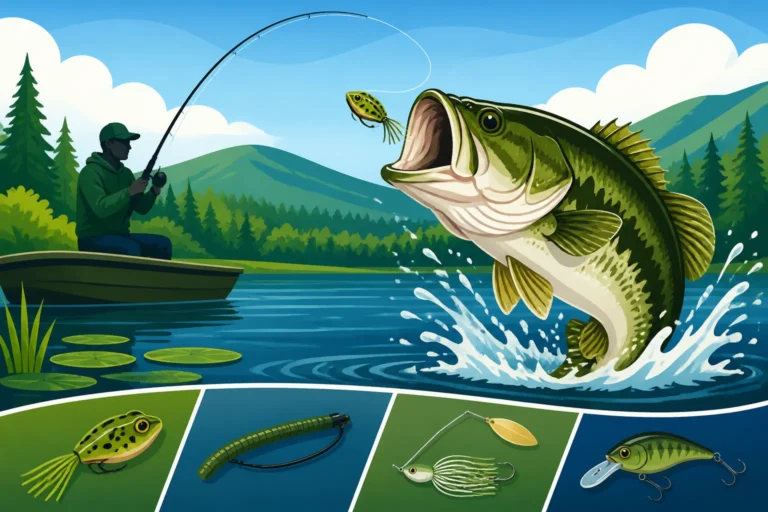
- Frogs: Soft plastic hollow-body frogs are phenomenal for fishing over dense lily pads or matted vegetation. They're almost completely weedless and provoke explosive strikes. You can find a great selection of these on platforms like Amazon.
- Poppers/Walk-the-Dog Baits: These are great for open water pockets within weed beds or along clearer shorelines. They create enticing surface commotion that draws bass up. The Best topwater lure for dawn bass fishing can often be one of these, especially on calm mornings.
- Spinnerbaits and Chatterbaits: When bass are active and feeding, these lures can cover water quickly and draw reaction strikes. They're relatively weedless, especially if you opt for a single hook design or dress them properly. Bright colors for stained water and natural tones for clear water are good starting points.
- Crankbaits and Jerkbaits: While not always the first choice for super weedy ponds, smaller, shallow-diving crankbaits and jerkbaits can be effective along clean weed edges, rocky banks, or around riprap. They're great for enticing reaction strikes.
Top Techniques for Success in Vermont Farm Ponds
Now that we've covered the gear, let's talk about the how-to. These techniques are tailored for the intimate, often cover-rich environment of a farm pond.
Stealth and Approach
This cannot be overstated: stealth is paramount. Unlike vast lakes where fish might not even know you're there, in a smaller pond, your presence is often immediately felt.
- Walk Lightly, Talk Softly: If you're bank fishing, avoid stomping heavily or making loud noises. Bass can feel vibrations through the water. Keep conversations to a minimum.
- Stay Low, Hide Your Shadow: Try to approach the water's edge low to the ground. Bass have excellent eyesight, and a standing human silhouette can send them fleeing. Pay attention to the sun's position and avoid casting your shadow over the water you intend to fish.
- First Cast Matters: Often, the first cast into a promising spot is your best chance. Make it count by being accurate and placing your lure precisely where you think a bass might be hiding.
- Kayaks and Canoes: If you're using a small boat, a kayak, or a canoe, paddle quietly and avoid bumping the sides. A stealthy approach in a kayak or canoe allows you to access areas that bank anglers can't reach, and can be incredibly effective for targeting tight cover. You can find various accessories to enhance your stealth, like silent anchors, on
Amazon.
Targeting Structure and Cover
Bass are ambush predators, and in farm ponds, they relate heavily to any available cover or structure. This is where they hide, ambush prey, and seek refuge from predators and harsh sunlight.
- Weed Lines and Mats: The edges of weed beds are prime ambush points. Cast your lure parallel to the weed line, allowing it to bump and tick along the vegetation. For dense, matted weeds, use a weedless frog or a Texas-rigged soft plastic and work it over the top of the mat, pausing in any open pockets.
- Fallen Trees and Brush Piles: These are absolute magnets for largemouth. They offer shade, protection, and a place to hide from baitfish. Pitch jigs or Texas-rigged creature baits into the tightest spots you can access. Be prepared for a fight, as bass will try to bury themselves in the branches.
- Docks and Piers: If the pond has any docks or piers, fish them thoroughly. Bass love the shade and structure these provide. Skip soft plastics or jigs underneath the dock, or run a spinnerbait along the pilings.
- Culverts and Inflows: Any culvert, pipe, or small stream flowing into the pond can be a hotspot, especially after a rain when fresh water and nutrients are washing in. Bass will often congregate here to feed.
- Bottom Changes: While not always visible, any subtle change in bottom composition (rocky to muddy, for instance) or depth can hold fish. Use a weight with your soft plastics to slowly feel the bottom and identify these transitions.
Seasonal Adjustments for Pond Bass
Largemouth bass behavior changes significantly throughout the year, and adapting your tactics to the season is crucial.
- Spring (Pre-spawn and Spawn): As water temperatures rise into the 50s and 60s, bass move into shallower coves and protected areas. This is a great time for lipless crankbaits, spinnerbaits, and jerkbaits to cover water and find active fish. Once they start building nests (around 60-70 degrees), sight fishing with soft plastics or jigs can be effective, but remember to release them quickly and gently to protect the spawn. For more on this, check out When largemouth bass spawn in Vermont.
- Summer: This is when farm ponds can get warm. Bass will seek out the densest cover and deepest, coolest water available. Think early mornings and late evenings for topwater action with frogs and poppers, especially over thick mats. During midday, punch heavy jigs or Texas-rigged plastics through thick vegetation or fish shady, deep banks. Consider trying the best technique for night fishing for bass in Vermont during the warmer months.
- Fall: As water temperatures drop and days shorten, bass enter a strong feeding period to put on weight for winter. They become very aggressive. This is an excellent time for crankbaits, spinnerbaits, and even larger soft plastics fished along weed edges and rocky points. Fish will be actively chasing baitfish.
- Winter (Ice Fishing): While not typically known for largemouth, some larger, deeper farm ponds can offer ice fishing opportunities. Largemouth will be sluggish and relate tightly to deep structure. Jigging spoons or deadsticking shiners can sometimes coax a bite. Remember to always check ice thickness and prioritize safety. Learn more about general ice fishing in Ice Fishing in Vermont.
Advanced Tips and Common Pitfalls
Even with the right gear and basic techniques, there are always ways to refine your approach and avoid common mistakes that might cost you fish.
Reading the Water for Hot Spots
Sometimes, the best spots aren't immediately obvious. Learning to "read the water" can give you a significant advantage.
- Subtle Surface Disturbances: Keep an eye out for nervous baitfish skipping across the surface, a sudden swirl, or even the subtle ripple of a bass cruising. These are all indicators of active fish.
- Shade Lines: Bass are extremely sensitive to light. Any shade provided by overhanging trees, docks, or tall weeds will almost certainly hold fish during bright conditions. Cast into these shaded pockets.
- Wind-Blown Banks: A gentle breeze pushing across a pond can concentrate baitfish and oxygen on the wind-blown bank. This can be a prime area for active bass. Work spinnerbaits or crankbaits along these edges.
- Temperature Differences: If you have a temperature gauge, look for subtle differences. A few degrees cooler in a particular spot could indicate a spring or deeper water, attracting bass during hot weather. Conversely, slightly warmer water in spring can draw bass seeking to spawn.
Avoiding Common Mistakes
We all make them, but recognizing and correcting these common errors can dramatically improve your success.
- Being Too Loud or Obvious: As mentioned, stealth is crucial. Don't be that angler who spooks all the fish before even making a cast.
- Fishing Too Fast: Unlike some river or big lake scenarios, pond bass often prefer a slower, more deliberate presentation. Work your soft plastics slowly, pause your topwater baits, and let jigs settle. Sometimes, simply letting a bait sit motionless for a few extra seconds is all it takes.
- Ignoring the Details: Don't just cast blindly. Pay attention to small changes in depth, subtle weed variations, or even a single stick protruding from the water. These seemingly minor details can be exactly where a bass is holding.
- Using Overly Heavy Gear (Sometimes): While power is needed for cover, sometimes finesse is key, especially if the pond sees a lot of pressure or the bass are finicky. Don't be afraid to drop down to a lighter fluorocarbon leader or a smaller profile bait if the bites are slow.
- Not Changing Up Lures/Techniques: If a particular lure isn't producing, don't be stubborn! Switch colors, sizes, types of lures, or even presentation styles. Bass can be incredibly particular one day and completely change their preferences the next. Have a variety of options ready in your tackle bag, like those useful for general Best tackle for panfish that might also entice a curious bass.
- Giving Up Too Soon: Persistence pays off in pond fishing. Work an area thoroughly before moving on. Sometimes it takes multiple casts from different angles to trigger a strike from a wary bass.
Here's a quick overview of some popular farm pond largemouth lures and their best applications:
| Lure Type | Best Application | Presentation Tips | Key Advantages |
|---|---|---|---|
| Soft Plastic Worms | Dense weeds, brush piles, docks | Texas-rigged, slow retrieve, shaky head | Weedless, versatile, natural action |
| Hollow Body Frogs | Heavy matted vegetation, lily pads | Walk-the-dog, short hops, pause in open pockets | Highly weedless, explosive topwater strikes |
| Spinnerbaits | Weed edges, open water, windy conditions | Steady retrieve, slow roll, stop-and-go | Covers water, vibration attracts fish, relatively weedless |
| Jigs (Flipping/Pitching) | Fallen timber, deep cover, heavy vegetation | Pitched precisely into cover, slight hops, slow retrieve | Mimics crawfish, good for precise targeting |
| Senkos / Stick Baits | Docks, clear water, subtle presentations | Weightless wacky-rig, Texas-rigged, slow fall | Natural fall, minimal angler input, subtle |
Farm ponds offer an intimate and often incredibly rewarding fishing experience for largemouth bass. By understanding their unique environment, equipping yourself with appropriate gear, and mastering specific techniques for stealth and cover, you'll find yourself consistently hooking into these feisty fish. Remember to be observant, patient, and always willing to adapt your approach. With these tips, you'll be well on your way to making your local Vermont farm pond your new favorite fishing spot. For deeper insights into bass behavior, consider exploring Largemouth Bass Fishing in Vermont and How to Catch Largemouth Bass in Vermont.
Disclaimer
This article is for general informational purposes only and does not constitute professional advice. Laws, prices and regulations vary by location and change over time. Consult a qualified professional for guidance on your specific situation.