Best technique for ice fishing lake trout
Many anglers dream of the thrill of battling a powerful lake trout through a small hole in the ice, but the reality can often be a lot of cold fingers and unanswered bites. It's truly disheartening to spend hours on the hard water without even a nibble, especially when you know those magnificent fish are down there somewhere. This guide is designed to cut through the guesswork, offering you proven strategies and insights into the best techniques for ice fishing lake trout in Vermont, transforming those frustrating days into memorable catches.
Understanding Lake Trout Behavior Under the Ice
Lake trout are formidable predators, and successfully targeting them through the ice means getting inside their heads, or at least understanding their preferred winter hangouts and feeding patterns. They aren't just swimming aimlessly; they have routines and preferred structures.
Where Lake Trout Hang Out in Winter
Unlike some species that might hug the shallows under the ice, lake trout are true cold-water specialists, often preferring the deeper, cooler parts of Vermont's larger lakes. Think deep basins, steep drop-offs, and prominent underwater humps and points. These structures provide them with ambush points and proximity to their primary food source: baitfish like smelt.
For instance, on a vast body of water like Lake Champlain, you're not going to find lake trout cruising in ten feet of water unless it's a very specific anomaly. They'll often be in depths ranging from 40 to over 100 feet, following the schools of baitfish that also seek out these deeper, more stable environments. Look for areas where the lake bottom changes dramatically, perhaps an old river channel cutting through a flat, or a steep drop-off leading into a trench. These are highway systems for baitfish, and where the baitfish go, the lakers follow. When you're scouting new water, definitely consult contour maps to pinpoint these transitions; it’s a game-changer.
Reading the Fish Finder and Identifying Prime Depths
Your fish finder, or sonar, is your absolute best friend when ice fishing for lake trout. Without it, you’re truly fishing blind, and that's a recipe for a very cold, unproductive day. These aren't like panfish where you might just drill a hole and drop a line. You need to know what's beneath you.
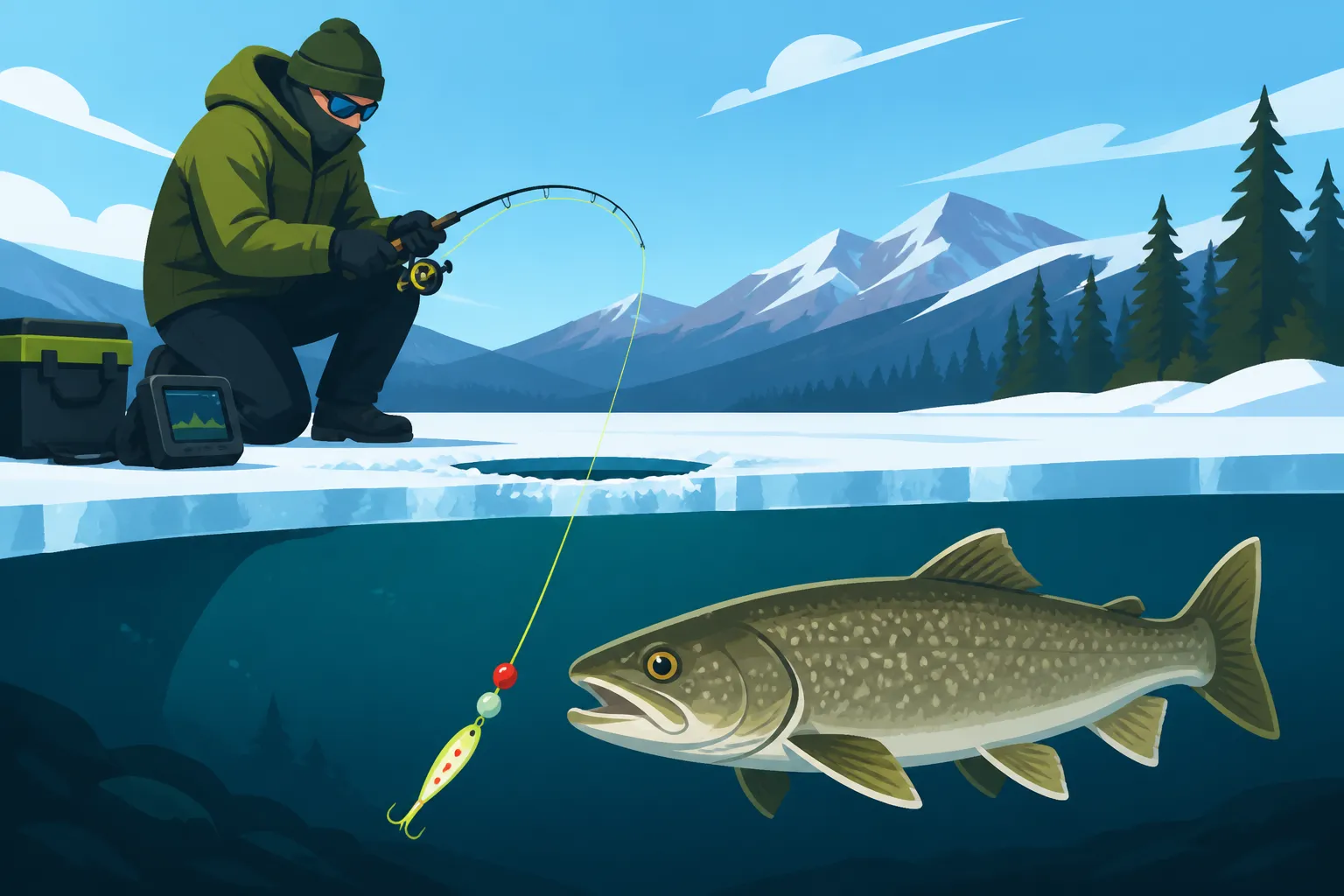
When you drop your transducer into the hole, you’re looking for a few key things. First, identify the bottom contour. Is it flat, or does it show a gradual slope or a sharp drop? Then, scan the water column for baitfish schools – they'll appear as clouds or tighter clusters on your screen. Finally, keep an eye out for larger, often distinct, arches or lines that represent the lake trout themselves. These can appear anywhere from just off the bottom to suspended much higher in the water column, actively chasing bait. The beauty of a good fish finder, like many portable models you can find on Amazon, is its ability to show your lure in relation to these fish. If you see a laker approaching your bait, you can adjust your jigging action in real-time, sometimes teasing them into a strike. While Best Fish Finders for Vermont Lakes often covers models for open water, many are adaptable and invaluable for ice fishing too.
Essential Gear for Targeting Lake Trout Through the Ice
Ice fishing for lake trout isn't like sitting on a bucket with a tiny jig for perch. These fish are big, powerful, and live in deep water, demanding specialized gear that can handle the fight and the cold.
Rods, Reels, and Line for Deep Water
You'll need a stout setup for lake trout. Forget your ultralight panfish rods; you need a medium-heavy to heavy action ice fishing rod, typically 30 to 40 inches long. These rods have enough backbone to handle the powerful runs and head shakes of a large lake trout, while still having a sensitive tip to detect subtle bites in deep water. Pair that with a strong spinning reel, size 2500-4000, known for its smooth drag system. A screaming drag is a beautiful sound, but only if it's holding up to the pressure!
For line, a braided main line of 15-30 lb test is highly recommended. Braid has almost no stretch, which is crucial for feeling those deep water bites and setting the hook effectively. However, lake trout can be line-shy, especially in clear Vermont waters. You'll want to add a 6-15 foot fluorocarbon leader of 10-20 lb test. Fluorocarbon is nearly invisible underwater and provides abrasion resistance against sharp ice edges or the fish's teeth. Ensure your knots are strong and reliable; a double uni knot or an FG knot are excellent choices for connecting braid to fluoro. If you're looking for quality line options, you can often find great deals on Amazon.
Augers, Shelters, and Safety Equipment
Drilling holes for lake trout means drilling many holes, and often through thick ice. A hand auger simply won't cut it for the numerous 8-10 inch holes you'll need. A power auger, whether gas, propane, or electric, is an absolute necessity. Modern electric augers, often discussed in guides like Best Ice Auger for Vermont Lakes, are quiet, clean, and incredibly efficient, making them a popular choice for serious laker anglers. You'll thank yourself when you're quickly punching through a foot or more of ice in frigid temperatures.
While not strictly "essential" to catch fish, a portable ice fishing shelter will dramatically improve your comfort and extend your fishing day. Whether it's a flip-over or a pop-up style, a shelter keeps you out of the biting wind and snow, allowing you to focus on your fishing. Staying warm is key to staying alert and enjoying the experience. If you're thinking about investing, check out options mentioned in Best Ice Shanty for Vermont Lakes.
Most importantly, never compromise on safety. Ice fishing, especially on large, unpredictable lakes, carries inherent risks. Always carry ice picks around your neck, so they're easily accessible if you fall through. A spud bar is invaluable for testing ice thickness as you move, particularly if you're venturing onto new areas. And a personal flotation device (PFD) or a specialized flotation suit could be a literal lifesaver. Before you even step foot on the ice, be sure to check the ice conditions and understand How thick ice needs to be for Vermont anglers to walk on it.
Baits and Lures That Attract Lakers
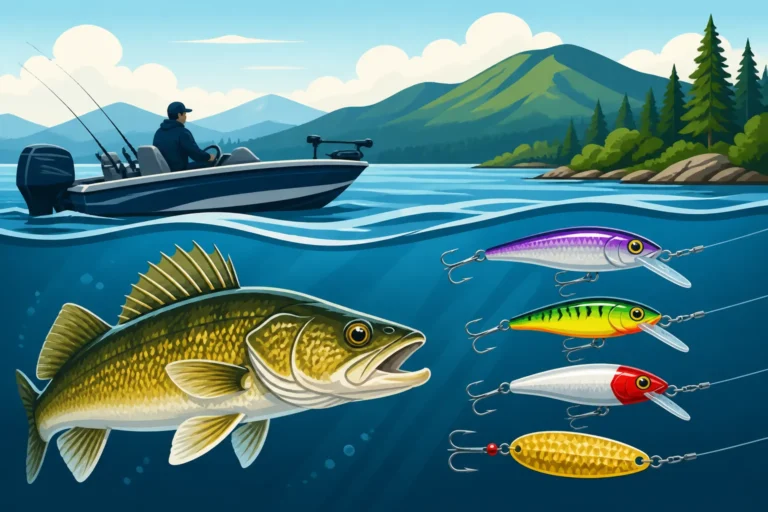
Lake trout are predatory, and their diet largely consists of other fish. Therefore, your lures should imitate these forage species. Heavy jigging spoons, like the Swedish Pimple, Kastmaster, or specialized vertical jigs, are top producers. Opt for silver, gold, white, or natural baitfish patterns. Glow-in-the-dark options can be incredibly effective in deeper, darker water. Sizes typically range from 1/2 oz to 2 oz, depending on depth and current.
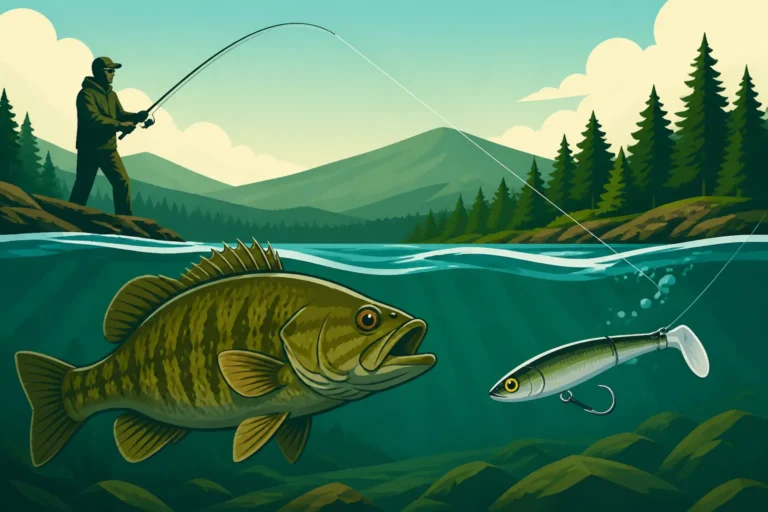
Tube jigs, especially those in white, smoke, or chartreuse colors, rigged on heavy jig heads (1/2 to 1 oz), are also deadly. Work them with a sharp jigging motion and then let them glide back down. Swimbaits, like those from manufacturers found on Amazon, that mimic smelt or shiners can also be fished vertically on heavy jig heads.
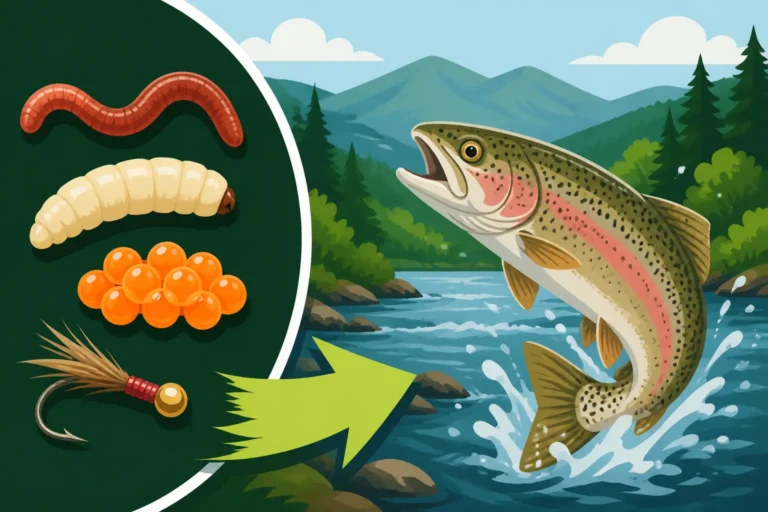
While artificials are popular, live bait can sometimes be the ticket when lakers are finicky. If permitted by regulations (always check Vermont Fishing Regulations Explained for your specific water body), a live smelt or large shiner fished under a tip-up can be irresistible. Be aware that many waters have restrictions on the use of live bait, so verify before you go!
Top Techniques for Ice Fishing Lake Trout in Vermont
Once you have your gear and a general idea of where the fish might be, it's time to talk tactics. Lake trout respond well to both active and passive presentations, and often, a combination of both is most effective.
Active Jigging Strategies
Active jigging is often the most productive way to put lake trout on the ice. This isn't just dropping a lure down and twitching it; it's a dynamic dance with the fish, especially when using your fish finder. Your goal is to attract them, trigger a chase, and then entice a strike. Many anglers find success with techniques described in Best technique for vertical jigging lake trout.
Start by dropping your lure to the bottom, then reel up a few feet. Begin with an aggressive jigging motion – sharp lifts of 1-3 feet, followed by a controlled drop. This creates a lot of flash and vibration, acting as a "call" to draw fish in from a distance. Watch your fish finder intently. If you see a fish respond and start to rise, slowly reduce the aggressiveness of your jig. If it holds at a certain depth, try raising your lure slowly, mimicking a fleeing baitfish. Sometimes a complete pause, letting the lure hang motionless, is what finally seals the deal. Other times, a subtle quiver is all it takes. Experiment with speed, height, and pauses until you find what the fish want that day. Sometimes, they want a fast, erratic retrieve, while other days, a slow, methodical lift-and-drop is more effective. Don't be afraid to change lures or colors if you're seeing fish but no bites.
Deadsticking and Tip-Up Setups
While active jigging is exciting, sometimes a more passive approach is incredibly effective, especially for wary lakers. This is where deadsticking and tip-ups come into play. A deadstick is simply a rod left in a rod holder, often with a live bait or a heavily scented artificial, presented relatively motionless. This can be placed in a hole near your active jigging hole, covering a different depth or simply providing an alternative presentation for fish that aren't interested in a chasing game.
Tip-ups are another excellent way to cover more water and offer a stationary presentation. A typical tip-up setup involves a spool of strong line (often braided Dacron), a fluorocarbon leader, and a live baitfish or a large chunk of cut bait. Set your tip-ups at various depths and distances from your main jigging area. For instance, if you're jigging in 70 feet, you might set a tip-up at 50 feet and another at 90 feet. When that flag flies up, it's an exhilarating dash across the ice! Remember to check Vermont Trout Limit and Possession Rules so you know your daily bag and possession limits for these magnificent fish.
Understanding Sonar Feedback for Optimal Presentation
Your fish finder isn't just for locating fish; it's a real-time communication device between you and the lake trout. Learning to interpret the feedback is crucial for optimal presentation. If you see a large arch moving in quickly, that might be an aggressive fish, and an active, flashy jig might be the ticket. If you see a fish rise slowly and then stop a few feet below your lure, it's probably curious but hesitant. This is when you might try a more subtle approach: a gentle quiver, a slight rise, or even dropping the lure a foot to make it seem like it's trying to escape.
Pay attention to how fish react to different jigging styles. If they spook when you jig aggressively, try toning it down. If they follow and then disappear, try speeding up your retrieve or changing the lure altogether. Sometimes, the smallest adjustment in your lure's action or depth can make all the difference between a follow and a strike. Experiment, watch your screen, and learn to speak the language of the lakers. This real-time feedback loop is one of the most exciting aspects of ice fishing.
Maximizing Your Success and Staying Safe
Ice fishing for lake trout in Vermont is an adventure, but like any outdoor pursuit, proper planning and safety are paramount. A successful trip isn't just about catching fish; it's about enjoying the experience and returning home safely.
Planning Your Lake Trout Ice Fishing Trip
Preparation is key. Start by researching which Vermont lakes are known for holding good populations of lake trout. Lake Champlain, Lake Willoughby, and Seymour Lake are often top contenders for Lake Trout Fishing in Vermont. Once you pick your destination, pore over bathymetric maps to identify those deep basins, humps, and drop-offs where lake trout tend to congregate in winter.
Always check the current weather forecast, not just for air temperature, but also for wind chill and snow accumulation. These factors dramatically impact comfort and safety. Before heading out, double-check the Vermont Ice Fishing Season Dates with the Vermont Fish and Wildlife Department to ensure you're fishing legally and within the correct season. Share your trip plans with someone reliable, letting them know where you're going and when you expect to return. This simple step can be critical in an emergency.
Responsible Angling and Conservation
Lake trout are a valuable resource, and responsible angling practices ensure their populations remain healthy for future generations. While it's thrilling to catch a trophy, consider practicing catch and release, especially for the largest, older breeders. These fish contribute significantly to the gene pool. If you decide to keep a fish within legal limits, dispatch it quickly and humanely.
Handle all fish with care. In cold weather, their eyes and gills are particularly vulnerable. Avoid dragging them on the ice; instead, use a proper landing net with rubberized mesh, or carefully lift them directly into your hole. Release them headfirst back into the water, ensuring they swim off strong. Always adhere to Vermont Trout Limit and Possession Rules for any waters you fish.
Finally, leave no trace. Pack out everything you pack in, including any trash, broken line, or bait containers. Our pristine Vermont lakes deserve our respect and protection.
Troubleshooting Common Ice Fishing Challenges
Even the most experienced ice anglers face challenges. Finicky fish are a common frustration. If you're seeing fish on your sonar but they aren't biting, try downsizing your lure, changing colors, or slowing down your presentation. Sometimes, switching from an aggressive jigging spoon to a subtle tube jig can make all the difference. Don't be afraid to experiment!
Changing weather and ice conditions can also present hurdles. A sudden drop in temperature can make fish lethargic, requiring even subtler presentations. Heavy snow can make travel difficult and obscure known hazards. Be adaptable, and if conditions become unsafe, it's always best to pack up and try another day. For staying comfortable in these conditions, ensure you have appropriate layers, waterproof outer shell, and good insulated boots. Many durable and warm outdoor gear items can be found readily on Amazon, making a significant difference in your comfort during a long day on the ice. Maintaining your gear in freezing temperatures is also important; keep extra line, leaders, and tools accessible but protected from the elements. A well-prepared angler is a successful angler!
| Gear Item | Importance for Lake Trout | Key Considerations |
|---|---|---|
| Heavy Action Rod | High | 30-40 inches, sensitive tip, strong backbone for powerful fish |
| Sturdy Spinning Reel | High | Size 2500-4000, smooth, reliable drag, good line capacity |
| Braided Line | High | 15-30 lb test, no stretch for sensitivity and hook sets |
| Fluorocarbon Leader | High | 10-20 lb test, invisible, abrasion resistant, 6-15 ft length |
| Power Auger | Very High | 8-10 inch hole, electric, gas, or propane for speed and efficiency |
| Portable Shelter | Moderate/High | Comfort, warmth, protection from elements (flip-over or pop-up) |
| Fish Finder/Sonar | Essential | Locating fish, identifying structure, real-time lure tracking |
| Jigging Spoons | High | 1/2 oz – 2 oz, silver, gold, white, glow, baitfish patterns |
| Tube Jigs/Swimbaits | High | 1/2 oz – 1 oz jig heads, natural colors, effective when fish are finicky |
| Tip-Ups | High | Cover more water, passive presentation with live/cut bait (check regulations) |
| Safety Gear | Essential | Ice picks, spud bar, PFD/flotation suit |
| Navigation | High | GPS, maps, compass (especially on large lakes like Lake Champlain) |
Disclaimer
This article is for general informational purposes only and does not constitute professional advice. Laws, prices and regulations vary by location and change over time. Consult a qualified professional for guidance on your specific situation.