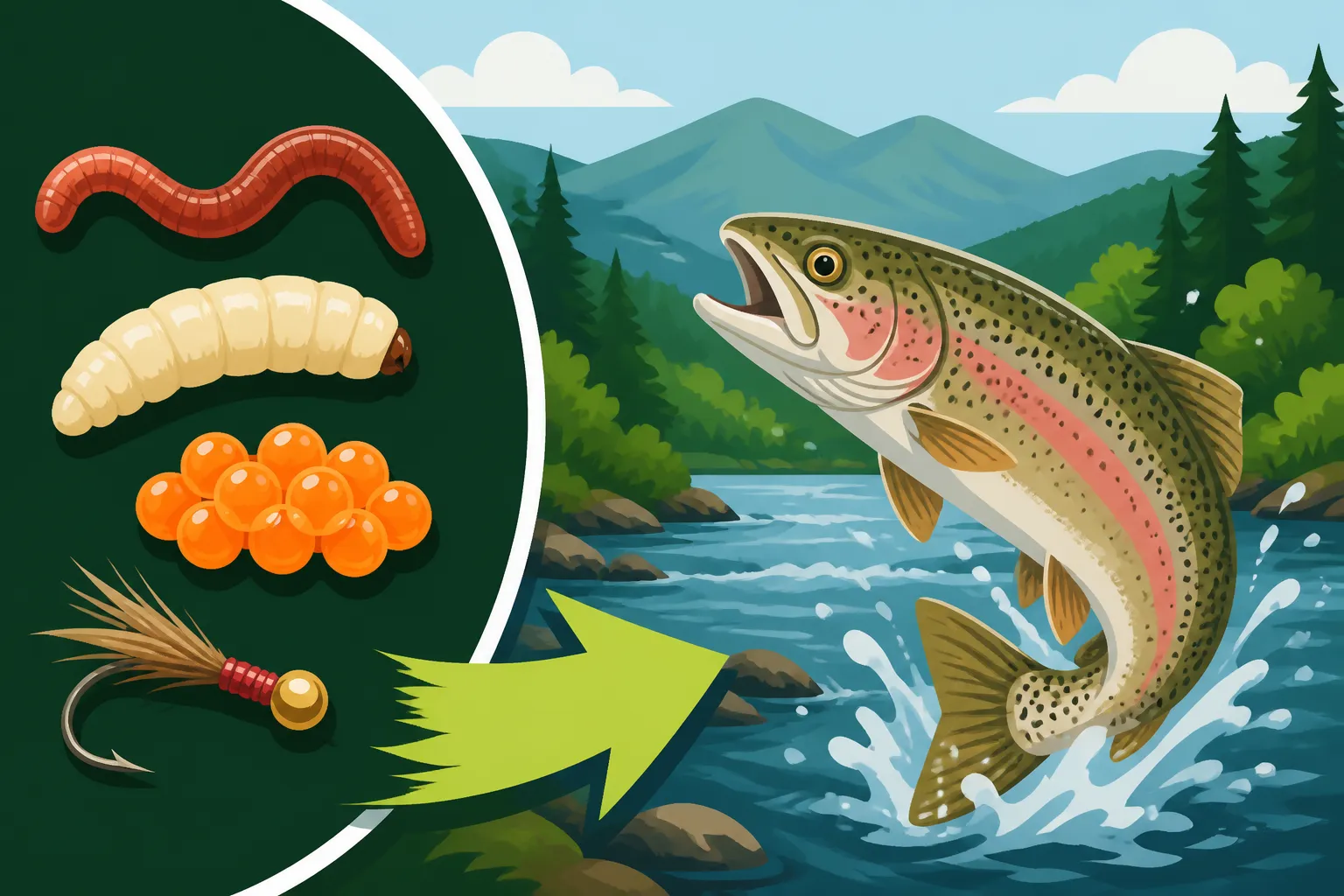
Best bait for opening day trout in Vermont
Opening day for trout in Vermont is a quintessential spring ritual, a potent mix of eager anticipation and the chill reality of cold water. You've bundled up, driven to your favorite stream or pond, and joined the ranks of hopeful anglers, only to find those newly stocked or wily holdover trout aren't exactly jumping onto your hook. The struggle is real; getting a bite when the water is frigid and the fish are still shaking off winter lethargy can be incredibly frustrating. This guide is dedicated to helping you overcome that opening day challenge, providing you with the definitive lowdown on the best bait for opening day trout in Vermont, along with practical tips to ensure your first outing of the season is a resounding success.
Understanding Vermont's Opening Day Trout Challenge
Before we even talk about bait, let's acknowledge what you're up against. Opening day isn't just another fishing trip; it's a unique environment shaped by specific conditions and angler pressure. Understanding these factors is key to choosing the right bait and presentation.
The Psychological Warfare of Winter-Weary Trout
Imagine waking up from a long, cold slumber. You're probably not in the mood for a massive feast, right? That's often how trout feel after a Vermont winter. Their metabolism is slow, their energy levels might be lower, and their feeding instincts aren't fully dialed in yet. This means they're often looking for an easy meal, something small, highly scented, and requiring minimal effort to chase down. They're not going to expend a lot of energy pursuing something that looks suspicious or requires a lot of work. This is why "junk food" baits, packed with scent and easy to spot, can be so effective on stocked fish, while a more natural, subtle approach is often needed for wilder trout that have survived the winter.
The Impact of Cold Water Temperatures on Trout Behavior
Vermont's opening day often means water temperatures that are still hovering in the low 40s or even upper 30s. This isn't just uncomfortable for you; it significantly affects the trout. Cold water slows down everything: digestion, movement, and their willingness to strike aggressively. Fish tend to hug the bottom or hold in slower, deeper pools where they can conserve energy. They won't chase a fast-moving lure or ascend quickly to snatch a fly off the surface. Your bait needs to be presented slowly, directly in their strike zone, and with enough appeal to overcome their lethargy. It’s a game of patience and precision, not speed and flash. The fish are there, you just need to coax them out of their winter doldrums.
Navigating Opening Day Crowds and Pressure
Let's be honest, opening day isn't usually a solitary endeavor. Popular spots, especially those known for a good Vermont Trout Season and Stocking Rules, can be packed with anglers. This human pressure can make already finicky trout even warier. They see shadows, feel vibrations, and might even get pricked a time or two by another angler's hook. This means stealth and a natural presentation become even more critical. You're not just competing with other anglers for a spot, but also for the attention of pressured fish. Sometimes, finding a less crowded, but still productive, access point can make all the difference, even if it means a little more walking. Always remember to be courteous to your fellow anglers and understand the Vermont Fishing Regulations Explained to avoid any conflicts.
Top Baits for Early Season Vermont Trout
Now that we've set the stage, let's dive into the main event: the baits that truly shine when the trout bite is tough on opening day. We'll cover everything from classic natural options to prepared powerhouses and even some artificial standbys.
The Unbeatable Power of Live Bait
There's a reason live bait has been a staple for generations of trout anglers: it's natural, it moves, and it smells like food. In cold water, these attributes are amplified.
Worms: The All-Season Classic
When in doubt, a worm is rarely a bad choice. On opening day, however, think small. While a big nightcrawler might seem like a hearty meal, a smaller red wiggler or a garden worm is often more effective.
- Why they work: Worms offer irresistible natural scent and movement. In cold water, trout are less likely to chase, so a wiggling worm drifting slowly past their nose is a low-effort meal. The earthy scent helps mask any unnatural odors from your line or hands. For recently stocked trout, worms are often a brand-new food source, making them particularly curious. For wilder trout, it's just a natural part of their diet, especially with spring thaws stirring up the streambed.
- Presentation tips: Rig a small worm on a size 8 or 10 hook, ideally a baitholder or Aberdeen style. Use minimal weight – a small split shot or two, just enough to get it down to the fish. Drift it naturally along the bottom in slower pools or eddies. A subtle twitch can sometimes entice a strike from a hesitant trout. You want it to look like a worm that's been dislodged and is floating helplessly downstream.
Small Minnows or Shiners: A Protein-Packed Offering
If legal in your fishing spot (always double-check local regulations!), small minnows or shiners can be absolutely deadly for larger, more predatory trout, especially brown trout and brook trout.
- Why they work: They offer a substantial, protein-rich meal that bigger trout simply can't resist. Their natural flash and subtle movements mimic stressed baitfish, an easy target for a hungry fish. In colder water, larger trout are still looking for calorie-dense meals to recover from winter, and a minnow fits the bill perfectly.
- Presentation tips: Hook a small minnow lightly through the lips or just behind the dorsal fin with a small, sharp hook (size 6 or 8). Fish it under a bobber or float in slow-moving water, or with a very light split shot near the bottom. Allow it to drift naturally. If fishing in still water, a very slow retrieve with occasional pauses can be effective, letting the minnow do most of the work with its natural swimming action. Some anglers swear by using a small treble hook when targeting larger trout with minnows, but this can make catch and release more difficult, so consider your approach carefully.
The Allure of Prepared Baits and Pastes
For stocked trout, especially, prepared baits are often the secret weapon. These brightly colored, highly scented concoctions are designed to attract attention and provide an easy target.
PowerBait (and similar dough baits): The Stocked Trout Magnet
No discussion of trout bait is complete without mentioning PowerBait, specifically the PowerBait Trout Dough. Other brands offer similar effective products.
- Why they work: Stocked trout are often raised on pellet feed, and the scent and texture of these dough baits can be remarkably similar, making them highly attractive. They come in a dazzling array of colors (chartreuse, rainbow, orange, pink are popular) and scents (garlic, cheese, corn). Many PowerBait varieties also float, which allows you to present them off the bottom, away from weeds and snags, directly in the trout's cruising path. This buoyancy is a huge advantage, especially when trout are sluggish and hugging the bottom.
- Presentation tips: Mold a small, pea-sized ball of PowerBait around a small treble hook (size 12 or 14) or a single salmon egg hook. Ensure the hook is completely covered. Use a very light leader (2-4 lb test fluorocarbon) and a small split shot or an egg sinker above a swivel. Cast it out and let it settle on the bottom. The floating bait will rise off the bottom, putting it right at eye level for hungry trout. Experiment with depth by adjusting your leader length. If fishing a stream, allow it to drift naturally through pools. Many anglers find a good selection of these power baits, along with other essential Best Tackle Box Setup for Vermont Anglers items, readily available on platforms like Amazon.
Marshmallows and Corn: Simple, Effective, and Often Overlooked
Yes, you read that right. Simple marshmallows and canned corn can be surprisingly effective for stocked trout on opening day.
- Why they work: Both offer a visual appeal and a distinct scent. Corn has a natural sweetness, and marshmallows float, mimicking the presentation of floating dough baits. Trout, especially recently stocked ones, are curious and will often investigate these novel food items. They're also soft and easy for a trout to mouth and swallow. The bright yellow of corn is also very visible in clear, cold water.
- Presentation tips: For marshmallows, use a small, white or pink mini-marshmallow hooked directly onto a small treble or salmon egg hook. Combine it with a single kernel of canned corn for added scent and appeal. This creates a "PowerBait-like" floating presentation. For corn alone, rig 2-3 kernels on a small hook. These baits are best fished slowly on the bottom, with just enough weight to keep them in place in a stream or castable in a pond.
Artificial Lures for Aggressive Opening Day Trout
While trout in cold water are often lethargic, there are times when an artificial lure can trigger an aggressive reaction strike, especially from larger, more active fish or holdovers.
Small Spinners: Flash and Vibration
Classic inline spinners like those from Mepps or Panther Martin have been fooling trout for decades, and opening day is no exception.
- Why they work: The spinning blade creates flash and vibration that can irritate or attract trout, even those that aren't actively feeding. The flash mimics a small baitfish, while the vibration signals movement in the water. For more active fish, this can be an irresistible target. These are particularly effective in moving water where the current helps activate the blade.
- Presentation tips: Choose small spinners, usually size 0, 1, or 2, with silver or gold blades. Cast upstream or across the current and retrieve slowly, just fast enough to get the blade spinning. In still water, vary your retrieve with pauses and twitches. The key is a slow, steady retrieve that keeps the lure in the strike zone without moving too quickly. When the water is very cold, a spinner that can be retrieved just above the bottom without snagging is ideal. You can find a wide variety of these tried-and-true spinners, including different weights and colors, on Amazon.
Small Spoons and Jigs: Subtle Action and Flash
Tiny spoons like the Kastmaster or Little Cleo, and small jigs, can also be surprisingly effective on opening day.
- Why they work: Spoons offer a wobbling action and flash that imitates a dying baitfish, while jigs provide a more vertical presentation that can be worked slowly along the bottom. Both can entice strikes from trout that are holding tight to cover or structure. The flash of a spoon can be seen from a distance, while a jig with a soft plastic body offers a subtle profile that might appear as a bug or minnow.
- Presentation tips: For spoons, cast out and retrieve with a slow, erratic action, incorporating pauses that allow the spoon to flutter down. For jigs, use very small sizes (1/32 to 1/8 oz) tipped with a tiny grub, a piece of a worm, or PowerBait. Fish them with a slow lift-and-drop retrieve, or simply bounce them along the bottom in a drift. This bottom-hugging presentation is often crucial when trout are glued to the streambed in cold water.
Strategies for Presenting Your Bait Successfully
Having the right bait is only half the battle. How you present it can make all the difference, especially on a challenging opening day.
Proper Rigging for Natural Presentation
The goal is to make your bait look as natural and unencumbered as possible. Trout are incredibly line-shy, especially in clear, cold water.
- Light Line and Leader: Use the lightest line you can get away with, typically 4-6 lb test monofilament or fluorocarbon main line, and a 2-4 lb fluorocarbon leader. Fluorocarbon is nearly invisible underwater and sinks, which is beneficial for bottom presentations. A longer leader (18-36 inches) can provide more natural movement for your bait.
- Minimal Weight: Resist the urge to use heavy sinkers. A small split shot or two, just enough to get your bait down and allow for a cast, is usually all you need. The less weight, the more natural the drift. If the current is strong, opt for a heavier, thinner pencil lead or worm weight that can slip through rocks without snagging, rather than bulky split shot.
- Small Hooks: Match your hook size to your bait. For worms and corn, a size 8 or 10 hook is appropriate. For PowerBait, a size 12 or 14 treble hook or salmon egg hook works best. Smaller hooks are less visible and easier for trout to swallow.
Finding the Right Depth and Current
Trout in cold water are often holding tight to the bottom in slower, deeper water. Your bait needs to get there.
- Focus on Depths: Don't be afraid to fish directly on the bottom or just a few inches above it. Look for deeper pools, the tail ends of runs, and areas with submerged structure like logs or rocks. These spots offer cover and a break from the current, allowing trout to conserve energy.
- Read the Water: In streams, identify eddies, current breaks, and seams where fast water meets slow water. Trout will often position themselves in these transition zones, waiting for food to drift by. In ponds and lakes, focus on drop-offs, points, and areas near inlets or outlets. These are prime spots where you'll often find actively feeding fish, as discussed in Best Techniques for Early Spring Trout.
- Slow Drift is Key: Whether you're using live bait or prepared bait, a slow, natural drift is paramount. Allow the current to carry your bait, mimicking natural food items. If using a bobber, make sure it's set to the right depth to keep your bait in the strike zone, and choose a sensitive one that signals even the slightest tap.
Adapting to Changing Conditions
Vermont weather is notoriously unpredictable, especially in spring. Be ready to adjust your tactics.
- Water Clarity: If the water is murky from snowmelt or rain, brighter colors (chartreuse PowerBait, silver spinners) and baits with strong scents will be more effective. If the water is crystal clear, opt for more natural colors, lighter lines, and a stealthier approach.
- Sun vs. Clouds: On bright, sunny days, trout might be more active but also more wary. Fish deeper or in shaded areas. On cloudy days, they might be more willing to move and feed in shallower water.
- Fish Activity: Pay attention to how the fish are reacting. If they're hitting aggressively, you might speed up your retrieve or switch to more active lures. If they're just nipping, slow down, try a smaller bait, or change your presentation. Don't be afraid to experiment with different baits and presentations until you find what works, even if that means cycling through options from this very list. Understanding how to use the Vermont Fish Stocking Search Tool, Explained can give you a heads-up on recently stocked waters where fish might be more predictable.
Essential Tips for a Great Opening Day Experience
Beyond the bait itself, a successful and enjoyable opening day in Vermont involves proper preparation and responsible angling.
Checking Regulations and Licenses
Before you even tie on your first hook, make sure you're legal! Regulations can change, and you don't want a costly surprise.
- Current Regulations: Always consult the official Vermont Fish & Wildlife Department regulations guide for the current season. This covers specific season dates, special regulations for certain waters (like Vermont Catch and Release Fly Fishing Only Waters), and any bag or possession limits like the Vermont daily trout limit. Trust me, ignorance is not a valid excuse when a game warden checks your creel.
- Valid License: Ensure your Vermont Fishing License Guide for 2026 is up-to-date. Whether you're a resident or a non-resident, youth or senior, there are different requirements. You can often purchase or renew your license online, from a local vendor, or at a town clerk's office. Make sure you have either a physical copy or a digital one on your phone when you're out on the water.
Being Prepared for the Elements
Opening day in Vermont can bring anything from glorious sunshine to snow flurries and biting winds. Being comfortable makes a huge difference in your enjoyment and patience.
- Layer Up: Dress in layers! Start with a moisture-wicking base, add insulating layers (fleece, wool), and finish with a waterproof and windproof outer shell. You can always shed layers if it warms up. Don't forget a warm hat, gloves, and waterproof boots.
- Rain Gear: A good set of rain gear is non-negotiable. Even if the forecast looks clear, a pop-up shower can drench you quickly, making you miserable and cutting your trip short. Consider investing in a quality set of Best Waders for Vermont Trout Streams to stay dry and warm.
- Food and Drink: Bring plenty of water and snacks. Staying hydrated and fueled will keep your energy up and your mind focused, especially if you're standing in cold water for hours. A hot thermos of coffee or tea can be a real lifesaver on a chilly morning.
Practicing Responsible Angling
Let's keep Vermont's beautiful fisheries healthy for generations to come.
- Leave No Trace: Pack out everything you pack in, including any discarded fishing line, bait containers, or food wrappers.
- Respect the Resource: If you're practicing catch and release, handle fish gently and release them quickly. Use barbless hooks when possible to minimize harm. If you're keeping fish, only keep what you'll eat and stay within the legal limits.
- Be Considerate: Share the water with other anglers, respect private property boundaries, and be a good steward of the environment. A pleasant opening day is a shared experience, and courtesy goes a long way.
Opening day trout fishing in Vermont is more than just catching fish; it's about the tradition, the fresh air, and the simple joy of being outdoors. By understanding the challenges, selecting the right baits, and employing smart presentation techniques, you'll dramatically increase your chances of success and, more importantly, have a truly memorable start to your fishing season. Good luck, and tight lines out there!
Disclaimer
This article is for general informational purposes only and does not constitute professional advice. Laws, prices and regulations vary by location and change over time. Consult a qualified professional for guidance on your specific situation.