Best bait for chain pickerel in weed beds
It's incredibly frustrating to spend a beautiful day on the water, only to come up empty-handed, especially when you know there are feisty chain pickerel lurking in those dense weed beds. These toothy predators are masters of ambush, making them a thrilling catch, but figuring out the best bait for chain pickerel in weed beds can feel like cracking a secret code. This guide is here to demystify the process, offering up proven strategies and bait selections that will help you entice those aggressive fish out of their leafy hideouts and onto your line in Vermont's diverse waterways.
Understanding Vermont's Chain Pickerel and Their Weed Bed Lairs
Chain pickerel are fascinating fish, known for their aggressive strikes and torpedo-like bodies. They're also incredibly habitat-specific, which is why understanding their preferred environment is key to selecting the right bait.
The Elusive Nature of Chain Pickerel
Chain pickerel, with their distinctive chain-like markings, are visual predators. They rely on stealth and speed, often camouflaged perfectly within their surroundings. Unlike some fish that actively cruise open waters, pickerel are ambush hunters. They prefer to lie in wait, perfectly still, until an unsuspecting baitfish or frog swims within striking distance. This means your bait needs to either mimic their natural prey flawlessly or annoy them enough to trigger a reactive strike. You can learn more about the specific traits and behaviors of these fish by diving into our article on Chain Pickerel Habits in Vermont Ponds.
Why Weed Beds are Prime Pickerel Real Estate
Weed beds aren't just an obstacle; they're a chain pickerel's five-star resort. These submerged vegetations offer everything a pickerel needs:
- Cover and Concealment: Dense weeds provide perfect camouflage for ambush predators. A pickerel can blend in seamlessly, waiting for its next meal.
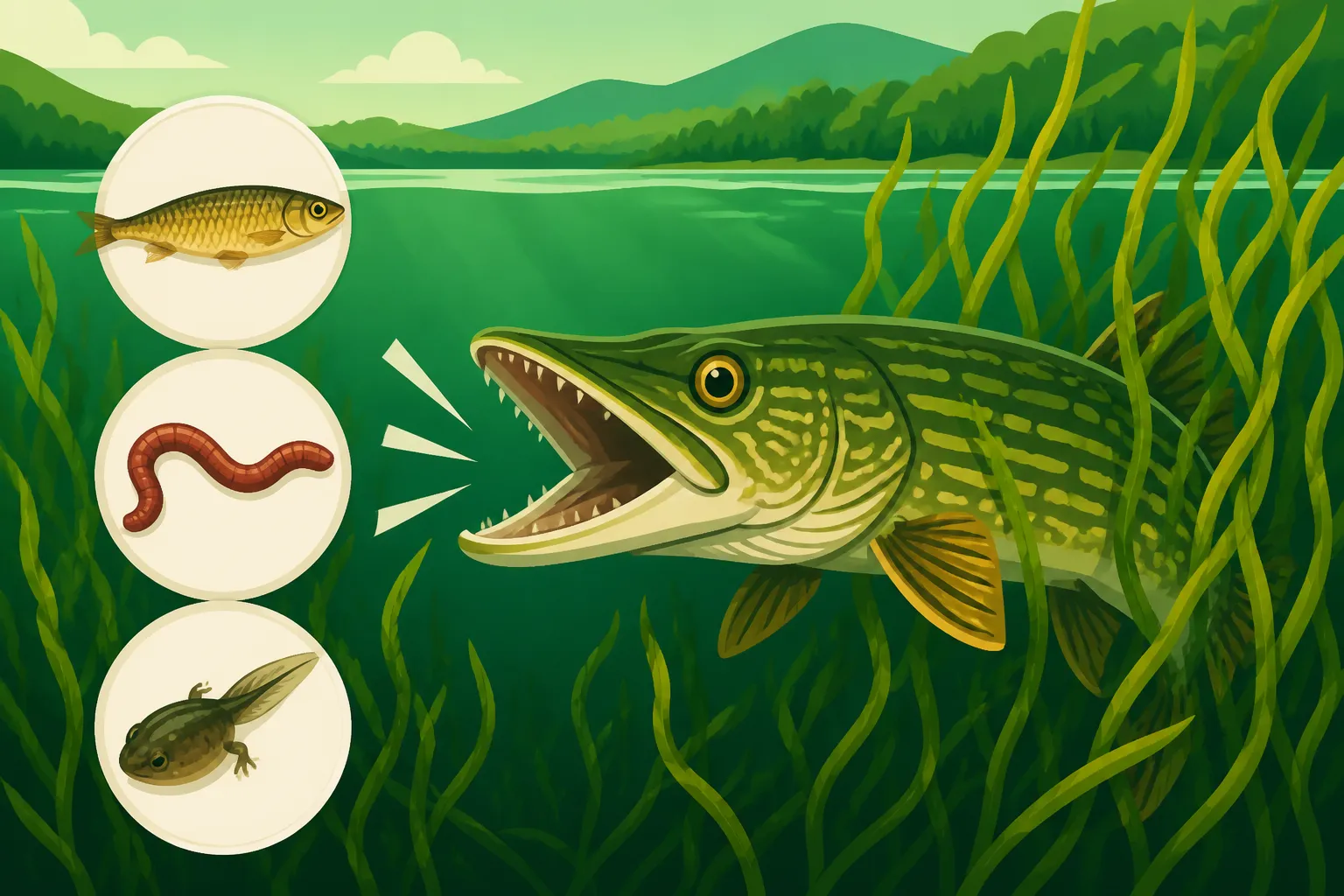
- Abundant Prey: Weed beds are nurseries and feeding grounds for countless baitfish, insects, and amphibians – the primary diet of a pickerel.
- Oxygenation and Temperature Regulation: Weeds photosynthesize, producing oxygen, and also provide shade, helping to regulate water temperature, especially during hot Vermont summers or cold winters.
- Structure: The edges, pockets, and lanes within weed beds create natural highways and ambush points for pickerel. These areas are precisely where you want to focus your efforts. Understanding What chain pickerel eat in Vermont ponds is crucial for selecting baits that truly stand out.
Vermont's lakes and ponds, from smaller, boggy waters in the Northeast Kingdom to the expansive bays of Lake Champlain, are often rich with these vital weed structures. Knowing Where chain pickerel live in Vermont often means looking for these lush underwater gardens.
Key Times and Conditions for Pickerel Activity
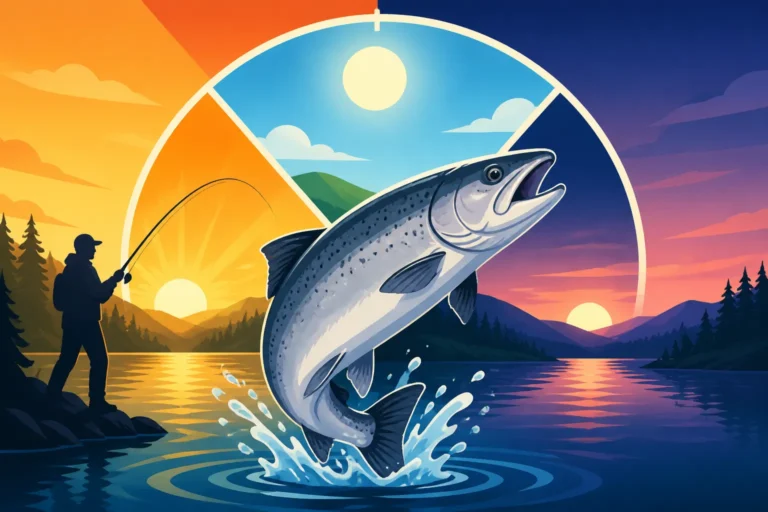
Chain pickerel are generally active throughout the day, but certain conditions can certainly spike their feeding frenzy. Early mornings and late evenings, when light levels are lower, are often prime times, as these conditions favor ambush predators. Overcast days can also be excellent, as the reduced sunlight allows pickerel to roam more freely from the cover of dense weeds.
Water temperature plays a significant role. Pickerel are cool to warm water fish, thriving in temperatures ranging from the mid-50s to low 70s Fahrenheit. During the peak of summer, they might retreat slightly deeper into cooler pockets within the weed beds or seek shaded areas. Conversely, during colder months, they remain active, often found in slightly deeper weed lines that hold warmer water. This year-round activity makes them a great target for anglers, even when other species are sluggish, which is why exploring Best Techniques for Winter Pickerel can be highly rewarding.
Top Live Bait Choices for Enticing Pickerel from the Weeds
When it comes to pure effectiveness, especially for triggering strikes from pickerel dug deep into the weeds, live bait is often unparalleled. Its natural movement, scent, and vulnerability are hard for a predatory fish to ignore.
The Irresistible Appeal of Minnows and Shiners
Minnows and shiners are, hands down, the top contenders for live bait when targeting chain pickerel. They are a natural and common food source, and their erratic movements are incredibly enticing.
- Golden Shiners: These are a classic choice. Their bright, silvery flash is highly visible, and they are generally quite hardy on the hook. Their size, typically 3-5 inches, is perfect for a pickerel's mouth.
- Fathead Minnows: While smaller, fatheads are often readily available and very lively. They work particularly well when pickerel are keying in on smaller prey or when fished in slightly shallower, denser weed pockets.
- Emerald Shiners: Another excellent option, these shiners have a subtle greenish tint that can be highly effective in clear water conditions, mimicking local forage.
The key is to use lively bait. A sluggish minnow will rarely draw the attention a vibrant, darting one will. Keep your bait fresh and aerated in a good bait bucket; you can even find excellent battery-powered aerators on Amazon to ensure your bait stays frisky all day long.
Rigging Live Bait for Optimal Presentation
Proper rigging is critical for presenting live bait effectively in weed beds without constant snags.
- Under a Float (Bobber): This is a time-tested method. Use a slip bobber rig, which allows you to adjust your depth easily. Set the bobber so your minnow swims just above or at the very edge of the weed tops. This keeps it visible without getting buried in vegetation. A size 1 or 2 treble hook or a wide-gap circle hook through the back, just behind the dorsal fin, will allow the minnow to swim naturally while minimizing harm and maximizing hook-ups.
- Weightless or Lightly Weighted: For casting into pockets within the weeds, a weightless or very lightly weighted presentation can be deadly. Hook a minnow through the lips or just under the dorsal fin with a small, sharp jig head or an Aberdeen hook. Let it swim freely, allowing it to dart and dive, mimicking a panicked baitfish. This approach works wonders along weed edges and over sparse patches.
- Wire Leaders are Essential: Pickerel have incredibly sharp teeth. A bite-off is almost guaranteed without a steel or heavy fluorocarbon leader (at least 20-30 lb test). Pre-made wire leaders are readily available and a small investment that will save you countless lost fish and lures.
Other Effective Natural Baits for Pickerel
While minnows reign supreme, other live baits can also be incredibly effective, especially if you're looking for something a little different or if minnows are scarce.
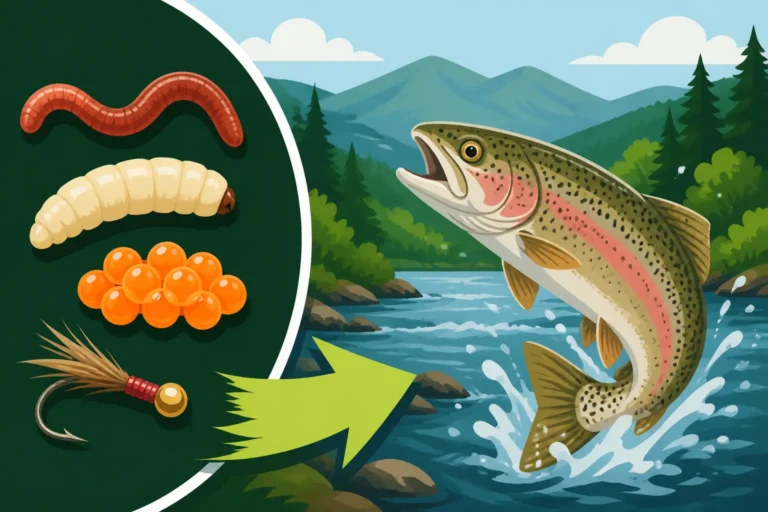
- Worms and Nightcrawlers: Believe it or not, large nightcrawlers can attract pickerel, particularly in stained water or if they are actively feeding on bottom-dwelling creatures. Thread them on a hook to create a wiggly, tempting meal.
- Leeches: Leeches are tough, lively, and attractive to many predatory fish, including pickerel. Hooked through the sucker end, they present a constant, subtle motion that can draw strikes. They are also incredibly resilient and difficult for a pickerel to tear off the hook.
- Frogs: In areas where frogs are abundant, especially during warmer months, small live frogs can be an absolute pickerel magnet. Rig them with a wide-gap hook through the lips or a hind leg and cast them near lily pads or thick emergent vegetation. This is an exciting topwater presentation that often results in explosive strikes.
Always remember to check Vermont Fishing Regulations Explained before using any live bait, as specific rules may apply to what you can use and where you can collect it.
Artificial Lures That Dominate in Vermont's Weed Beds
Sometimes, you want to cover more water, or perhaps you prefer the thrill of working a lure. Artificial baits are incredibly versatile and can be just as effective as live bait for pickerel in the weeds, provided you choose the right type and present it correctly.
Spinnerbaits and Inline Spinners: Flash and Vibration
These lures are phenomenal for pickerel because they combine flash, vibration, and often a weedless design, making them ideal for navigating thick vegetation.
- Spinnerbaits: The single, upward-pointing hook on a spinnerbait, often shielded by a wire frame and skirt, makes it incredibly weedless. The rotating blades create flash and vibration that pickerel can detect from a distance. For weed beds, choose models with single Colorado or Willowleaf blades, which provide maximum thumping vibration and flash, even at slow retrieve speeds. Colors like chartreuse, white, and firetiger are consistent producers. A 1/4 to 3/8 oz spinnerbait is usually a good starting point. Many anglers find great success with these, often available for purchase on Amazon.
- Inline Spinners: While more prone to snagging than spinnerbaits, inline spinners can be deadly in the open pockets and along the edges of weed beds. Their compact profile and continuous blade rotation send out irresistible signals. Brands like Mepps and Panther Martin are classic choices. Again, white, chartreuse, and bright orange are excellent color options. Use a retrieve speed just fast enough to keep the blade spinning, allowing the lure to wobble and flash through the water. Remember your wire leader, as pickerel will absolutely shred monofilament or fluorocarbon mainlines when they strike these lures.
Spoons and Jigs: Vertical Attraction
Spoons and jigs offer different presentations, often excelling in specific weed bed scenarios.
- Weedless Spoons: These are a secret weapon for many pickerel anglers. Spoons like the Johnson Silver Minnow are designed with a single weed guard over the hook, allowing them to glide over and through thick vegetation without snagging. The wobbling action on a steady retrieve, or a fluttering action on the fall, is incredibly attractive. Gold, silver, and firetiger patterns are perennial favorites. You can even tip them with a small piece of live bait, like a minnow head or a worm, for added scent and appeal.
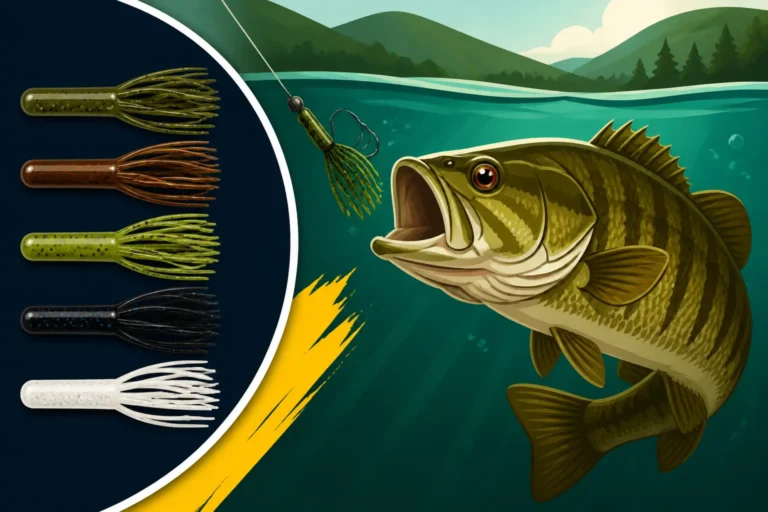
- Jigs with Soft Plastics: A simple jig head paired with a soft plastic grub, paddle tail, or worm can be incredibly effective, especially when pickerel are holding tight to cover. The key is to use a weedless jig head (like a bullet head or Arkie-style jig) or to rig your soft plastic Texas-style (hook point embedded in the plastic) to minimize snags. Pitch these into open pockets, along weed lines, or even skip them under overhanging branches. Colors that mimic baitfish, such as pearl white, smoke, or watermelon, are excellent. You'll want to have a good selection of these in your tackle box, and a quick search on Amazon will show you the vast array of options available.
Soft Plastics and Frogs: Weedless Wonders
For truly impenetrable weed beds, weedless soft plastics and topwater frogs are your best friends.
- Soft Plastic Jerkbaits and Swimbaits (Weedless Rigged): Rigging soft plastic jerkbaits (like a Zoom Fluke) or paddletail swimbaits on a wide-gap EWG (Extra Wide Gap) hook, Texas-style, makes them completely weedless. These can be retrieved with erratic twitches and pauses, mimicking a dying baitfish, or slowly swam through lanes in the weeds. The key here is to keep the retrieve varied and natural.
- Topwater Frogs: When lily pads and thick surface vegetation are present, nothing beats a hollow-bodied frog. These lures are designed to glide over the densest cover without snagging. Their realistic profile and action, combined with explosive topwater strikes, make for incredibly exciting fishing. Cast them deep into the cover and work them with short twitches, letting them sit occasionally. The "walk-the-dog" retrieve, where the frog zig-zags across the surface, is often irresistible.
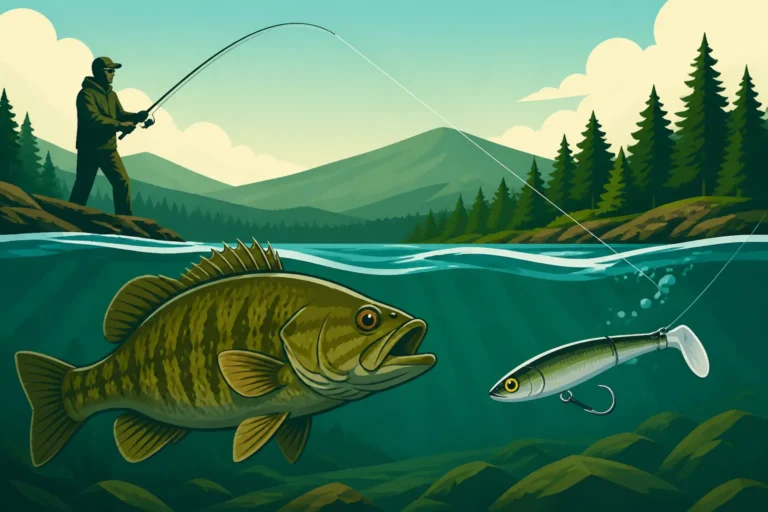
Remember, the goal is to make your lure look like easy prey. Don't be afraid to experiment with different retrieves and lure types to see what the pickerel are reacting to on any given day. If you're looking for more general artificial bait ideas, our guide on Best Baits for Smallmouth Bass on Lake Champlain might offer some crossover inspiration, as some lures work for both aggressive predators.
Mastering the Art of Fishing Weed Beds for Chain Pickerel
Getting your bait to the pickerel is only half the battle; knowing how to work it effectively and handle your catch safely makes all the difference.
Strategic Presentation and Retrieval Techniques
Fishing weed beds requires a thoughtful approach to maximize your chances and minimize frustration.
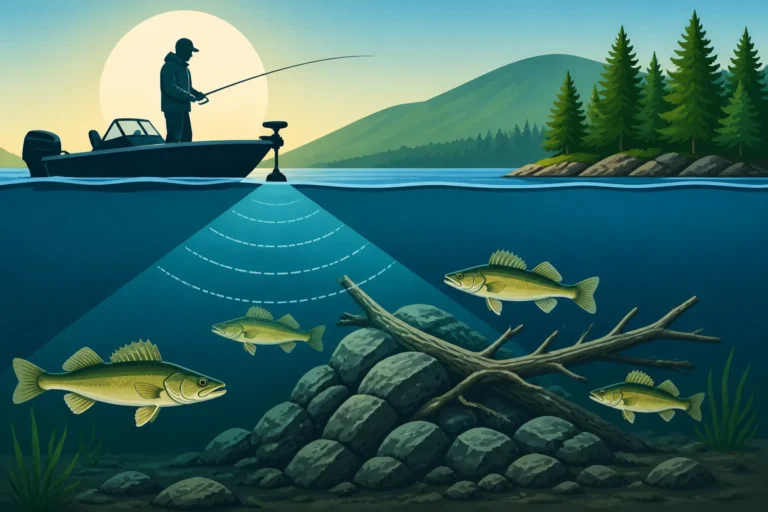
- Probe the Edges and Pockets: Pickerel rarely sit in the middle of a solid mat of weeds. They prefer the edges, open lanes, and pockets within the vegetation. Cast your bait along these transitions, where the weeds meet open water, or into any visible holes. These are classic ambush points.
- Vary Your Retrieve: A predictable retrieve is rarely the most effective. Experiment with speed, pauses, and twitches. A start-and-stop retrieve, where your bait darts and then sits, often mimics a wounded baitfish perfectly. This erratic action can be just the trigger a pickerel needs to strike. When using spinnerbaits or spoons, try a "stop and go" retrieve, letting the lure flutter on the pause.
- Patience and Persistence: Sometimes it takes multiple casts to the same spot to annoy a pickerel into striking. If you know fish are present, but they aren't committing, change your retrieve speed, try a different color, or even switch to a different lure type. Don't be afraid to spend 5-10 minutes thoroughly working a promising patch of weeds.
Essential Gear for Navigating and Fishing Weeds
Having the right equipment can make fishing weed beds much more enjoyable and productive.
- Rod and Reel: A medium-heavy to heavy power spinning or baitcasting rod, 6'6" to 7'6" in length, with a fast action tip, is ideal. This gives you the backbone to pull fish out of cover and the sensitivity to detect subtle strikes. Pair it with a sturdy reel spooled with 20-30 lb braided line. Braid is essential because it has no stretch, allowing you to cut through weeds and easily set hooks through tough mouths. For leaders, as mentioned, always use steel or heavy fluorocarbon (20-40 lb test) to prevent bite-offs.
- Boat or Kayak: While shore fishing can be productive along weed lines, a boat, canoe, or kayak gives you access to more prime pickerel habitat. Kayaks, in particular, excel at silently navigating shallow, weedy areas. If you're thinking about a paddle craft, consider reviewing our guide on Best Kayak for River Fishing in Vermont for some excellent options suitable for pickerel waters.
- Tools for Handling Pickerel: Pickerel have sharp teeth! Always carry a pair of long-nosed pliers or a fish gripper (like a BogaGrip or similar tool) for safe hook removal. A landing net with rubberized mesh can also be helpful for quickly subduing a fish without tangling hooks or harming its slime coat. Protecting your hands and the fish is paramount.
- Polarized Sunglasses: These are not a luxury; they are a necessity. Polarized lenses cut glare, allowing you to see deeper into the water, spot weed lines, open pockets, and even cruising pickerel. This visual advantage is invaluable when targeting fish in dense cover. You can find many good quality polarized sunglasses on Amazon.
Handling Pickerel Safely and Ethically
Catching a pickerel is exciting, but their sharp teeth and energetic thrashing require careful handling to protect both you and the fish, especially if you plan on releasing it.
- Unhooking Safely: Never stick your fingers into a pickerel's mouth. Use your long-nosed pliers to remove hooks. If the hook is deeply swallowed, a quick snip of the line and leaving the hook in is often better than risking serious damage to the fish by trying to extract it. Pickerel have remarkably tough stomachs and can often dissolve or pass a small hook.
- Support the Fish: If you're holding a pickerel for a photo, support its body horizontally with one hand under its belly and the other gently gripping the lower jaw or gill plate (being careful not to insert fingers into the gills). Avoid holding them vertically by the lip, as this can damage their jaw.
- Quick Release: Minimize the time the fish is out of the water. Get your photo, remove the hook, and gently release the fish back into the water, holding it upright until it swims away under its own power.
- Understanding Regulations: Always be aware of Vermont Bag and Possession Limits by Species. While pickerel limits are often generous, it's good practice to know the rules, especially if you're catching them as part of a mixed bag.
By understanding their habitat, selecting the right live or artificial baits, and employing effective techniques, you'll be well on your way to consistent success catching these aggressive and fun-to-catch chain pickerel from Vermont's beautiful weed-choked waters.
Summary of Top Baits for Chain Pickerel in Weed Beds
| Bait Type | Best Use Scenario | Pros | Cons | Recommended Colors/Sizes |
|---|---|---|---|---|
| Live Minnows | All-around, slow retrieves, tough bite | Natural movement, scent, high appeal | Requires care, can be fragile, snags easily | 3-5 inch Golden, Fathead, Emerald Shiners |
| Spinnerbaits | Covering water, moderate weeds | Weedless, flash/vibration, versatile | Can collect light weeds, less subtle | Chartreuse, White, Firetiger (1/4-3/8 oz) |
| Weedless Spoons | Dense weeds, shallow water | Highly weedless, good flutter | Less vibration than spinnerbaits | Gold, Silver, Firetiger |
| Soft Plastic Frogs | Thick surface mats, lily pads | Extremely weedless, explosive topwater | Limited to surface, specific conditions | Green, Black, Brown |
| Jigs with Soft Plastics | Pockets, weed lines, vertical jigging | Versatile, mimics various prey, subtle | Can snag if not rigged weedless | Pearl, Smoke, Watermelon (1/8-1/4 oz) |
| Inline Spinners | Weed edges, open lanes | High flash/vibration, compact | Prone to snagging in thick cover | White, Chartreuse, Orange |
Disclaimer
Fishing regulations can change, and it's always your responsibility to check the latest rules and advisories from the Vermont Fish & Wildlife Department before heading out. Be safe, fish smart, and always practice ethical angling.