Best time of day to catch landlocked salmon on Willoughby
It's a common frustration for anglers heading to Lake Willoughby: you know it's a gem, a deep, clear testament to Vermont's natural beauty, and teeming with magnificent landlocked salmon, but finding them can feel like searching for a needle in a vast, icy blue haystack. These fish are notoriously shy, driven by light and temperature, making the "when" just as critical as the "where." This comprehensive guide will help you decode the daily rhythms of Willoughby's landlocked salmon, pinpointing the optimal times to wet your line and boost your chances of a memorable catch.
Understanding Landlocked Salmon on Lake Willoughby
Lake Willoughby isn't just any lake; it's a glacial wonder, one of the deepest in Vermont, reaching depths of over 300 feet. This unique environment plays a massive role in how and when landlocked salmon feed and move. Without understanding their basic biology and the lake's influence, you're essentially guessing.
The Unique Environment of Lake Willoughby
Imagine a lake so clear you can see your lure disappear 20, 30, even 40 feet down on a calm day. That's Willoughby. This incredible clarity, combined with its profound depth and cold, oxygen-rich water, creates a specific habitat that landlocked salmon absolutely thrive in. Unlike many other lakes where fish might tolerate warmer, shallower water, Willoughby's salmon are creatures of the deep and the cool. They actively avoid bright light, which can stress them and make them feel vulnerable to predators. The sheer volume of water and the intricate underwater structure, from ledges to drop-offs, provide endless places for these fish to hide and ambush prey.
During the warmer months, the lake stratifies, meaning distinct layers of water form based on temperature. The deepest parts remain consistently cold, which is exactly where these cold-water species will spend their days. If you're not targeting those specific depths or times, you're likely fishing barren water.
Salmon Behavior Patterns Through the Day
Landlocked salmon, like many predatory fish, are opportunistic feeders, but their activity peaks when conditions are most favorable for hunting. Their eyes are highly adapted for low-light conditions, giving them a significant advantage over their prey when the sun isn't blaring. This means they tend to be most active and willing to chase lures during periods of reduced light.
Think about it from their perspective: when the sun is high and bright, they're more exposed, making them cautious. They'll retreat to the safety of deeper water or shaded areas, expending minimal energy. However, when the light dims, whether it's at dawn, dusk, or under heavy cloud cover, their confidence soars. This is when they move shallower, cruise ledges, and actively pursue baitfish like rainbow smelt, which are a primary food source in Willoughby. Understanding these fundamental behaviors is your first step to consistent success. For a broader look at these majestic fish, you might want to check out our guide on Landlocked Salmon Fishing in Vermont.
Prime Time: Deciphering the Best Hours to Fish
Given their light sensitivity, it's no surprise that certain times of day consistently outperform others for landlocked salmon on Lake Willoughby. If you're planning a trip, scheduling your efforts around these windows can make all the difference.
Dawn and Dusk: The Golden Hours
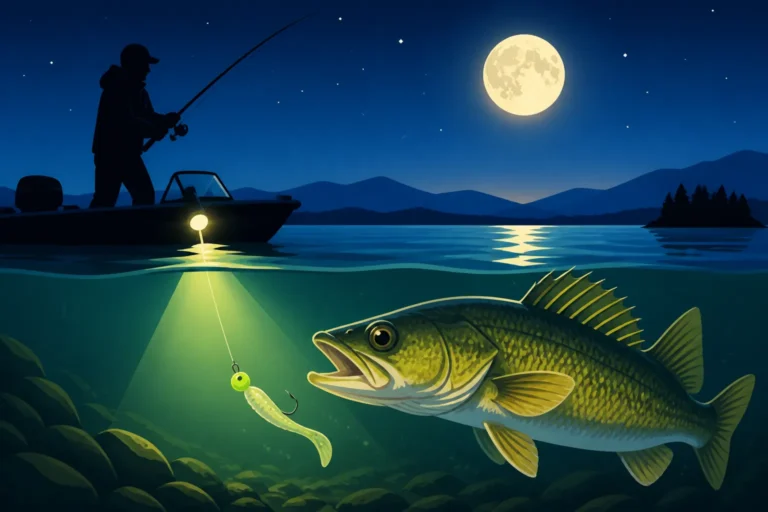
Hands down, the best time of day to catch landlocked salmon on Lake Willoughby is during the "golden hours" – that magical period from roughly an hour before sunrise until an hour or two after, and then again from late afternoon through sunset.
At dawn, as the first hint of light streaks across the eastern sky, the salmon begin to emerge from their deeper haunts. The water is often at its coolest and calmest, and baitfish, particularly schools of smelt, become more active, moving into shallower feeding zones. This creates a perfect storm for salmon, who will rise in the water column to intercept their prey. Trolling shallow running stickbaits or spoons near the surface, or just below, can be incredibly effective during this time. You'll often find them cruising points, drop-offs, and near the mouths of any feeder streams.
The same principles apply at dusk. As the sun dips below the western hills, the light intensity rapidly diminishes. This signals another burst of activity for salmon. They'll push baitfish against structure or into open water, providing excellent opportunities for anglers. Many experienced Willoughby anglers will dedicate their mornings and evenings specifically to salmon, often switching to other species like lake trout during the brighter midday hours. For a deeper dive into how landlocked salmon behave generally, our guide on How to Catch Landlocked Salmon in Vermont offers more insights.
Overcast Days and Deep Water Strategies
What if the sun is blazing and you can't hit the golden hours? Don't despair. Overcast days can extend those prime feeding windows significantly. A heavily clouded sky acts like a giant diffuser, reducing light penetration into the water and making salmon feel more comfortable in shallower water for longer periods. On such days, you might find active salmon throughout the morning and into the early afternoon, especially if there's a gentle chop on the water to further break up the light.
When the sun is bright and high, however, salmon will retreat to the sanctuary of deep, cool water. This doesn't mean they stop feeding entirely, but their activity becomes much more subdued. During these midday periods, you'll need to adjust your strategy to target them vertically. This means using downriggers or lead core lines to get your lures down to the thermocline – the layer where cold, oxygenated water meets warmer surface water. This is often where baitfish, and thus salmon, congregate during the bright part of the day. You might be targeting depths of 40 to 80 feet, or even deeper, depending on the season and specific water temperatures. Using a good fish finder to locate schools of baitfish and mark the thermocline is absolutely essential for midday success.
Key Factors Influencing Daily Salmon Bites
Beyond the simple time of day, several environmental factors work in concert to determine when landlocked salmon on Willoughby are most inclined to strike. Ignoring these can significantly reduce your chances.
The Impact of Light and Cloud Cover
We've touched on it, but the relationship between light and salmon activity is paramount. Landlocked salmon have excellent vision, crucial for hunting in clear waters. However, bright sunlight can hurt their eyes and make them feel exposed. Their lateral lines also help them detect vibrations, but visual cues are key for striking.
On a bright, sunny day with a flat calm surface, light penetrates deep into Lake Willoughby, pushing the salmon deeper or into shaded areas. They become "spooky," less likely to chase a fast-moving lure far from their comfort zone. If you're out in these conditions, slow down your presentation, use more natural bait colors, and focus on the deep water. Conversely, a good blanket of cloud cover, particularly if it's thick enough to make the day feel dim, can mimic dawn or dusk conditions, extending the salmon's feeding aggressiveness. A light ripple on the water's surface from a gentle breeze also helps by breaking up the light, offering salmon more confidence.
Water Temperature and Depth Stratification
Salmon are cold-water fish, ideally preferring water temperatures between 45 and 58 degrees Fahrenheit. Lake Willoughby's incredible depth means these ideal temperatures are always available, but their location in the water column changes dramatically throughout the seasons and even through a single day.
- Spring: After ice-out, the entire lake is cold, so salmon can be found from the surface down to moderate depths. They'll often cruise closer to shorelines as the ice retreats, searching for newly available food sources. This is a fantastic time for more surface-oriented techniques. For more specific tactics, check out How to Fish for Salmon Right After Ice-Out.
- Summer: This is when thermal stratification is most pronounced. A warm upper layer (epilimnion) forms, driving salmon (and their smelt prey) down to the cooler, oxygenated water of the thermocline or even deeper into the hypolimnion. Knowing the depth of the thermocline is critical, often found with a good fish finder.
- Fall: As surface waters cool, the thermocline breaks down, and salmon once again begin to move shallower, sometimes even to the very surface, especially during low light. This is also when they become more aggressive as spawning season approaches.
Understanding these temperature preferences and how they dictate depth is key to intercepting active fish.
Baitfish Activity and Migration
Landlocked salmon are primarily piscivorous, meaning they eat other fish, and on Lake Willoughby, rainbow smelt are their bread and butter. The daily and seasonal movements of these baitfish directly influence where and when the salmon will be found.
Smelt schools tend to move into shallower water during low light conditions – dawn, dusk, and overcast days – to feed on zooplankton and other small organisms. This is when salmon will follow, pushing them against structure or into open water. During bright midday periods, smelt often retreat to deeper, cooler water, and the salmon will follow suit. Using your fish finder to locate schools of baitfish is often the fastest way to find active salmon. If you see a dense bait ball, there's a good chance a predator isn't far behind. Many of the best lures mimic the appearance and action of a struggling smelt; in fact, understanding What lures imitate the smelt landlocked salmon eat can give you a significant advantage.
Seasonal Adjustments to Your Daily Schedule
While dawn and dusk are consistently excellent, the precise timing and depth of salmon activity on Lake Willoughby will shift with the seasons. A technique that worked wonders in May might be completely ineffective in August if you don't adjust. For a broader overview of fishing opportunities in Vermont, our Best Time of Year to Fish in Vermont offers some great insights.
Early Spring and Ice-Out Tactics
The period immediately following ice-out, typically late April to mid-May, is a fantastic time for landlocked salmon, and your "prime time" window can be significantly extended. The entire lake is cold, and the salmon haven't yet retreated to the depths. They'll often be found cruising the upper 10-20 feet of the water column, often close to shorelines, points, and stream inlets.
During this time, you can often find aggressive fish throughout the morning, and sometimes even into the early afternoon, especially if it's an overcast day. Trolling shallow-running stickbaits or spoons at varying speeds can be highly effective. The key is to cover water, as they'll be spread out more than in summer. Don't be afraid to cast from shore in accessible areas like the public beach or near the boat launch during low light, as they might be surprisingly close. You can also explore Lake Willoughby best shore fishing spots for options.
Summer's Deep Dive
Summer presents the biggest challenge for Willoughby salmon anglers, but it's far from impossible if you adapt. As the surface water warms significantly, landlocked salmon commit to the deep, cool water, often holding along the thermocline at depths of 40 to 80 feet, or even deeper.
While dawn and dusk remain the most active feeding times, even then, the salmon might not come right to the surface. Your early morning and late evening efforts will still likely focus on the upper part of the thermocline or just above it. During midday, you must target the deepest reaches. This means employing specialized trolling gear like downriggers, lead core lines, or substantial diving planers to get your lures into the strike zone. Slow trolling speeds are often more effective, as the fish are less inclined to chase far. This is also when your fish finder becomes an indispensable tool for locating specific depth contours and baitfish schools.
Fall Spawning Runs and Aggression
As summer fades and autumn colors sweep across Vermont, Lake Willoughby salmon undergo another behavioral shift. The cooling water prompts them to move shallower, and their aggressive pre-spawning instincts kick in. This is another excellent time to fish for them.
While dawn and dusk are still prime, salmon activity can be more sustained through the day, especially on overcast days or in the presence of strong winds that create chop. They will often concentrate near river mouths and rocky points, preparing to spawn. Trolling spoons and stickbaits that mimic smelt remains effective, but you might also find success by jigging in deeper pockets where they stage. The fish are often more willing to chase and strike, making for exciting battles. Knowing the Best Months to Catch Landlocked Salmon in Vermont can really help in planning your autumn excursions.
Techniques and Gear for Success on Willoughby
Catching landlocked salmon on Lake Willoughby demands precision, patience, and the right tools. Because they are often found in deep, clear water and are prone to spooking, your setup and approach matter immensely.
Trolling for Willoughby Salmon
Trolling is arguably the most effective technique for consistently catching landlocked salmon on Lake Willoughby, especially when targeting them at specific depths.
- Downriggers: These are essential for precisely presenting lures at exact depths, regardless of boat speed or line drag. They allow you to run multiple lures at different depths to find where the fish are holding. Many anglers on Willoughby use 10-pound cannonballs to keep their lines straight in the deep water.
- Lead Core Line: This colorful, weighted line sinks without additional weight, allowing you to achieve specific depths based on the amount of line let out and your trolling speed. It's a great option for targeting fish in the upper 30-50 feet without the complexity of downriggers.
- Planer Boards: While less common for deep-water salmon on Willoughby, inline planer boards can be effective for getting lures out to the sides of your boat, covering more water and targeting fish that might be spooky of the boat itself, especially in shallower spring or fall conditions.
- Trolling Speed: Generally, landlocked salmon prefer a faster presentation than lake trout. Experiment with speeds between 2.0 to 3.5 miles per hour. A good rule of thumb is to vary your speed with subtle S-turns; this makes your lures surge and drop, often triggering strikes. For more general trolling advice, our guide on Best Trolling Gear for Lake Champlain Walleye can provide useful insights into equipment that often crosses over for salmon. And don't forget to fine-tune your approach by understanding the Best Trolling Speed for Landlocked Salmon.
Recommended Lures and Baits
Choosing the right lure is critical, and for Willoughby salmon, imitating their primary forage – rainbow smelt – is key.
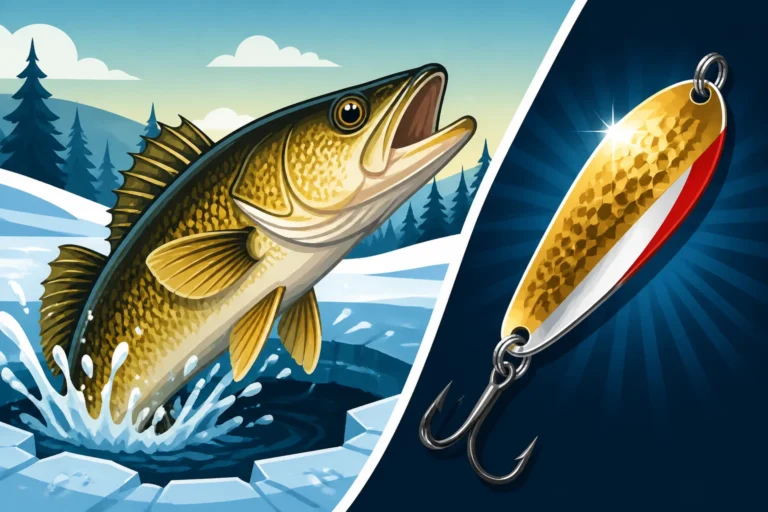
- Spoons: Classic trolling spoons like Mooselook Wobblers, DB Smelt, and Sutton Spoons are perennial favorites. Their wobbling action and reflective flash perfectly mimic a dying baitfish. Colors like silver, blue/silver, green/silver, and black/silver are often highly productive. You can find a vast selection of these on Amazon, often at competitive prices.
- Stickbaits: Long, slender stickbaits such as Rapala Original Floaters, Husky Jerks, or the Yo-Zuri Pin's Minnow are excellent, especially when trolled on light line or behind a downrigger. Their subtle wiggle is incredibly enticing.
- Live Bait: If legal (always check current regulations!), live smelt or shiners are incredibly effective. They can be slow-trolled or still-fished with a weight to get them to the desired depth. Rigging them properly, as outlined in guides like How to Rig Smelt for Landlocked Salmon Trolling, is crucial for a natural presentation.
When stocking your tackle box, prioritize lures that accurately imitate the size, shape, and color of smelt. Don't overlook the terminal tackle either – good quality swivels, snap swivels, and fluorocarbon leaders (from brands like Seaguar or Berkley, readily available on Amazon) can make a huge difference in clarity-sensitive Willoughby.
Essential Electronics and Safety
Modern technology has become indispensable for targeting deep-water species like landlocked salmon.
- Fish Finders/Sonar: A high-quality fish finder with side-imaging or down-imaging capabilities is a game-changer. It allows you to mark schools of baitfish, identify the thermocline, and even spot individual salmon holding on structure. Learning to interpret these readings will significantly improve your efficiency. Brands like Humminbird and Lowrance offer excellent models suitable for Lake Willoughby's depths.
- GPS/Chartplotter: Lake Willoughby has significant underwater structure, and marking productive trolling passes, drop-offs, or baitfish schools with a GPS is vital for replicating success. You can also use it to navigate safely, especially in foggy conditions or low light.
- Safety Gear: Beyond electronics, never underestimate the power and vastness of Lake Willoughby. Always carry appropriate safety gear, including Coast Guard-approved life jackets for everyone on board (plenty of options from brands like NRS or Onyx can be found on Amazon), a first-aid kit, anchor, paddles, and communication devices. The weather can change quickly on such a large body of water.
Here's a quick summary of optimal fishing times and conditions:
| Time of Day | Optimal Conditions | Depth to Target (Approx.) | Preferred Lures/Techniques |
|---|---|---|---|
| Dawn (1 hr pre-sunrise to 1-2 hrs post) | Low light, calm water, overcast | 0-30 feet (spring/fall), 20-50 feet (summer) | Shallow/mid-running stickbaits, spoons, surface trolling |
| Dusk (2 hrs pre-sunset to 1 hr post) | Low light, calm water, overcast | 0-30 feet (spring/fall), 20-50 feet (summer) | Shallow/mid-running stickbaits, spoons, surface trolling |
| Midday (Sunny) | Bright sun, calm surface | 40-100+ feet (thermocline) | Deep trolling with downriggers/lead core, jigging |
| Midday (Overcast) | Diffused light, light chop | 10-40 feet | Mid-depth trolling with spoons, stickbaits, lead core |
Remember, these are general guidelines, and adaptability is always your best tool on the water.
Disclaimer: Fishing regulations in Vermont can change. Always consult the most current Vermont Fish & Wildlife Department regulations before heading out on the water. This guide is for informational purposes only and does not constitute legal advice.