Best Techniques for Low Clear Water Conditions
We've all been there: you arrive at your favorite Vermont fishing spot, excited for a day on the water, only to find the river running low and clear, or the lake looking like a giant glass pane. It's beautiful, no doubt, but it can also be incredibly frustrating when the fish seem to vanish or spook at the slightest movement. This guide is here to walk you through the precise techniques and mental shifts you'll need to turn those challenging low, clear water conditions into successful fishing adventures.
The Frustration of Low, Clear Water: Why It's So Tough
Let's be honest, fishing in low, clear water can feel like you're playing a high-stakes game of hide-and-seek where the fish are always winning. It's a common scenario in Vermont, especially after a prolonged dry spell in our rivers and streams, or on many of our pristine, crystal-clear lakes. The conditions might look idyllic to a casual observer, but for us anglers, it often means a whole new level of challenge. The biggest hurdle is quite simple: everything is exposed.
Increased Visibility for Both Angler and Fish
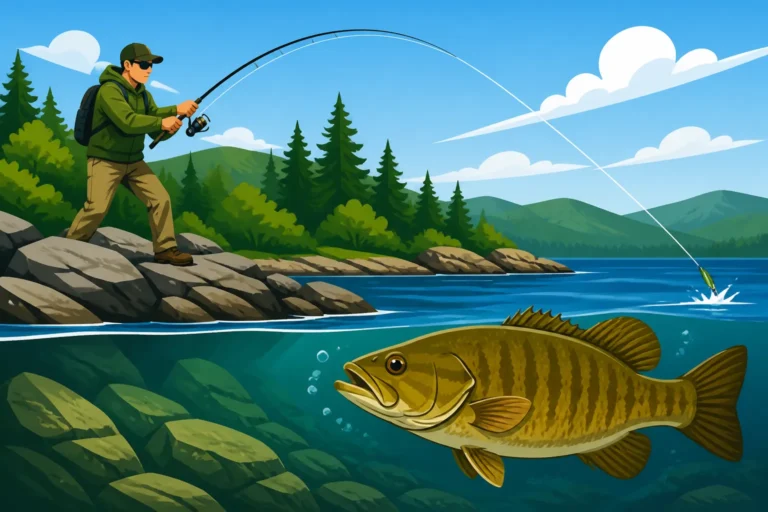
When the water levels drop and clarity increases, it's a double-edged sword. On one hand, you can often spot fish more easily, which can be exciting. You might see that trophy brown trout holding near a submerged log on the White River, or a smallmouth bass cruising a rocky flat on Lake Champlain. But here's the kicker: if you can see them, they can definitely see you. Fish are incredibly attuned to their surroundings, and a looming shadow, a splashy cast, or even the flash of your rod can send them darting for cover faster than you can blink.
This heightened visibility means your approach has to be flawless. It’s not just about the lure anymore; it’s about every single movement you make before your line even touches the water. If you're wading, every step needs to be deliberate to avoid stirring up sediment or creating vibrations that travel far in the still water. Even wearing bright clothing can be a disadvantage, as your silhouette against the sky can easily be detected by wary fish. Think of yourself as a hunter stalking prey, where every advantage is on the side of the animal.
Spooky Fish and Heightened Senses
In low, clear conditions, fish become incredibly wary. They're not just seeing better; their other senses are on high alert too. Sound travels efficiently through water, so heavy footsteps on the bank or an accidental bump against your boat can put every fish within a wide radius on lockdown. Vibrations from your line hitting the water too hard, or a lure landing with a plunk instead of a gentle kiss, are immediate red flags. It’s like trying to sneak up on a deer in an open field – every rustle of leaves is amplified.
This spookiness extends to their feeding behavior. Fish that might eagerly strike a noisy topwater lure in stained or high water will often ignore anything that looks even slightly unnatural in clear conditions. They'll scrutinize your offering, often following it for a long distance before deciding it's either a meal or a threat. This is where subtle details like leader diameter, lure color, and retrieval speed become absolutely critical. The pressure is on to present something that looks utterly authentic and moves with the natural grace of real prey.
Limited Cover and Retreat Options
Another major challenge in low, clear water is the lack of cover for the fish themselves. High water often provides submerged brush, deeper channels, or murky currents where fish can feel secure. When water levels drop, these hiding spots diminish, forcing fish into more exposed areas or concentrating them in fewer, smaller pockets of deeper water. This makes them feel vulnerable, and a vulnerable fish is a cautious fish.
In streams, riffles and shallow runs might become virtually unfishable, pushing trout into deeper pools or undercut banks. In lakes, expansive flats might suddenly offer nowhere for bass or walleye to hide, making them retreat to deep rock piles, dense weed beds, or structural elements that offer shade and security. Your job, then, is to figure out where these remaining sanctuaries are and how to present your bait to them without being detected yourself. It's like trying to catch a fish hiding in a bathtub – they're aware of every movement you make around the tub.
Stealth and Finesse: Your New Best Friends
When dealing with low, clear water, your old "chuck and retrieve" tactics are likely to fall flat. This is the realm where stealth, subtle movements, and delicate presentations become paramount. Think of yourself not as a predator, but as a ghost moving through the landscape, trying to interact with the fish without ever being truly seen or heard.
Approaching the Water Undetected
The moment you step out of your vehicle or approach the bank, your fishing trip has already begun. In clear water, every step counts. Instead of marching boldly to the edge, take a slower, more deliberate approach. Use any available cover – trees, bushes, even subtle changes in elevation – to break up your silhouette. Think about what the fish see looking up from the water: is there a large, dark shape against the sky? If so, you're busted before you even cast.
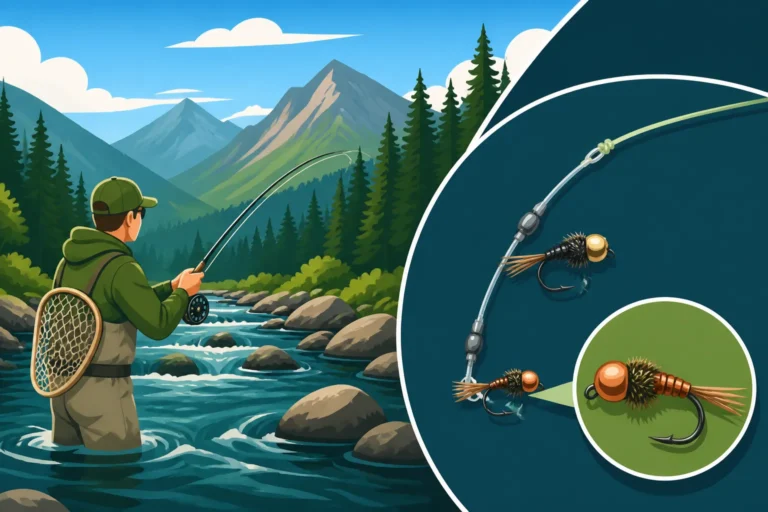
Wading anglers, particularly those pursuing trout in the Battenkill River or the Lamoille River, need to move like ninjas. Avoid splashing, shuffle your feet rather than lifting them high, and always assume there's a fish just ahead of you. If you're fishing from a boat, deploy your trolling motor well before you're in casting range of your target, or use oars/paddles to approach quietly. Kayak anglers have a distinct advantage here, being lower to the water and often much quieter than larger boats. Learning proper Kayak Fishing Techniques for Vermont Lakes can make a huge difference in these conditions. Consider wearing neutral-colored clothing, blending into the background rather than standing out.
The Art of the Delicate Presentation
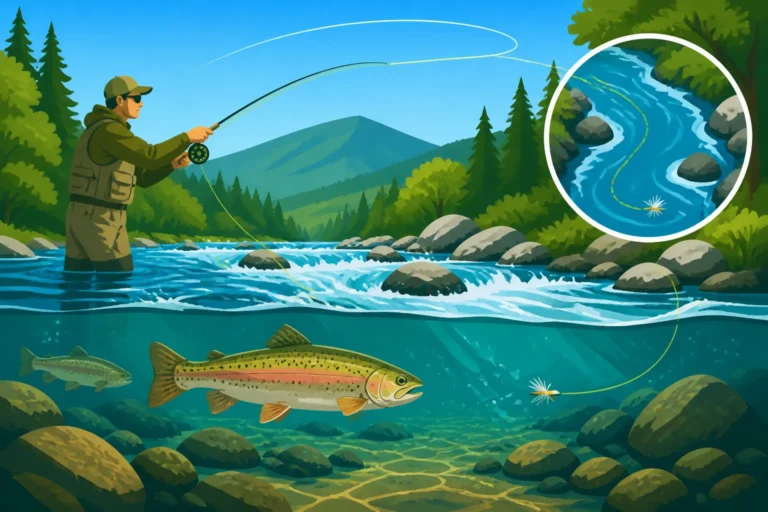
Once you've achieved stealthy proximity, the next challenge is getting your lure or bait into the strike zone without alarming the fish. This means mastering the delicate presentation. For fly anglers, this might involve learning Fly Fishing for Trout in Vermont with a soft landing, ensuring your fly drifts naturally without drag. Spin anglers need to focus on smooth, low-impact casts. Avoid overhead power casts that send your lure hurtling like a missile. Instead, use side-arm casts, roll casts, or even bow-and-arrow casts to gently lob your offering.
The goal is for your bait to enter the water with the absolute minimal disturbance, mimicking a natural insect or dislodged food item. If you’re fishing a river, cast upstream and allow your bait to drift naturally downstream into the target area before it even begins to sink or move artificially. In lakes, cast beyond your target and reel your lure slowly into the desired zone, letting it settle gently. Any splash, plunk, or unnatural movement will send a clear message to wary fish: "Danger!"
Downsizing Your Lures and Baits
This is a non-negotiable rule for low, clear water: go smaller. Larger lures create more disturbance, have a more aggressive profile, and are simply easier for fish to spot as something potentially unnatural. When fish are spooky and scrutinizing everything, a smaller, more subtle offering is often the key to eliciting a strike. This applies across the board, from trout to bass to walleye.
For trout, this means tiny nymphs, small dry flies, or minuscule spinners. For bass, think about finesse worms, small jigs, or downsized crankbaits instead of those big, flashy swimbaits. Walleye on Lake Champlain might respond better to lighter jigs tipped with a small minnow imitation or micro-crankbaits. Even your soft plastics should be scaled down – try a 3-inch finesse worm instead of a 6-inch one. This is where subtle differences can lead to big rewards. You can find a huge variety of these specialized, smaller baits on Amazon, often with reviews from other anglers that can guide your choices.
Adjusting Your Gear for Transparency
Just like a specialized surgeon needs precise tools for a delicate operation, fishing in low, clear water demands careful adjustments to your tackle. You can have the best technique in the world, but if your gear isn't up to snuff, you'll still struggle. This isn't about buying the most expensive items, but about making smart, subtle choices that enhance your stealth and presentation.
Choosing the Right Line and Leader
The line connecting you to your lure is often the most visible link in the chain, and in clear water, it can be a deal-breaker. The general rule is: go lighter and less visible.
- Fluorocarbon Leaders: This is perhaps the most critical adjustment. Fluorocarbon line has a refractive index very close to water, making it nearly invisible underwater. For trout fishing, you might normally use a 4lb test monofilament leader, but in clear water, stepping down to a 2lb or even 1lb fluorocarbon leader can make a huge difference, especially in special regulation waters like some of Vermont's Fly Fishing Only Special Regulation Waters. For bass or walleye, going from 10lb mono to 6-8lb fluorocarbon can be enough. The longer the leader, the better, often 6-8 feet or more, to separate your main line from your lure.
- Main Line Choice: If you're using braided main line, which is highly visible, always use a fluorocarbon leader. If you prefer monofilament, choose a low-visibility color like clear or green. Even better, opt for an ultra-thin monofilament to reduce its profile in the water.
- Line Diameter: The thinner the line, the less visible it is, and the less resistance it creates in the water, allowing for more natural drifts and less lure interference. Don't be afraid to drop down a test size or two from what you'd normally use.
Remember, the goal is to make your connection to the bait virtually disappear.
Rod and Reel Pairings for Finesse Techniques
Your rod and reel need to work in harmony to deliver those delicate presentations. Heavy, stiff rods and large, clunky reels are often counterproductive in clear water.
- Rods: Look for rods with a lighter power (e.g., Light or Ultra-Light) and a fast or moderate-fast action. A lighter power allows you to cast smaller lures accurately and protect lighter lines from breaking. The action refers to where the rod bends; a fast action rod tip will bend more readily, giving you excellent sensitivity for detecting subtle bites and making precise casts. For trout, a longer, softer rod is ideal for gentle fly presentations or delicate spinner casts. For finesse bass fishing, a 6'6" to 7' medium-light spinning rod is a fantastic choice.
- Reels: Pair your finesse rod with a lightweight spinning reel that has a smooth drag system. A smaller reel size (e.g., 1000 or 2000 series for spinning) will balance better with a light rod and facilitate casting lighter lures. A smooth drag is absolutely essential when using light line, as it prevents sudden breaks when a surprisingly strong fish takes your bait. You can find excellent, balanced rod and reel combos for finesse fishing on Amazon that won't break the bank.
Hook Selection and Sharpening
Often overlooked, hook choice and sharpness play a crucial role, especially when fish are merely "nipping" at your bait rather than aggressively swallowing it.
- Hook Size: Match your hook size to your downsized lures and baits. Using too large a hook on a small worm or fly will hinder its natural action and make it more visible. For small soft plastics, consider thin-wire finesse hooks. For bait fishing, use smaller, sharper hooks that are easily concealed within the bait.
- Hook Type: If you're using live bait, circle hooks can be excellent for promoting jaw hook-ups and reducing gut-hooking, which is especially important for catch and release in sensitive clear water environments. For lures, ensure the treble hooks are proportional and sharp.
- Sharpening: This cannot be stressed enough: a dull hook is a lost fish, particularly when bites are light and tentative. Carry a small hook sharpener and use it frequently. Even brand-new hooks can benefit from a quick touch-up to ensure a needle-sharp point that penetrates easily with minimal force. In clear water, fish often "mouth" a bait before committing, and a super-sharp hook dramatically increases your chances of a solid hookset.
Reading the Water and Finding Fish in Clear Conditions
Finding fish in low, clear water isn't always about seeing them; it's about knowing where they should be hiding. With the increased visibility and reduced cover, fish will seek out specific features that offer them security, food, or a break from direct sunlight. This requires a keen eye and a solid understanding of fish behavior.
Identifying Prime Holding Lies
In clear, shallow water, fish don't have the luxury of abundant hiding spots. They become incredibly selective about where they hold. Your job is to think like a fish and identify these prime locations.
- Deeper Pockets and Pools: In rivers and streams, any significant drop-off, deep pool, or eddy behind a large rock or log will become a fish magnet. These spots offer depth for security and often a break from strong currents, while still providing access to drifting food. On lakes, focus on creek channels, underwater springs, or depressions in otherwise flat bottoms.
- Undercut Banks and Overhanging Vegetation: These are classic hiding spots, offering both shade and physical cover. Fish can tuck themselves under a bank, obscured from view above, or hide beneath the canopy of overhanging branches. Cast parallel to these features, letting your lure drift or swim just along the edge of the cover.
- Submerged Structure: Logs, rock piles, ledges, and thick weed lines become even more critical in clear water. These provide ambush points, shade, and a sense of security. Always assume fish are tightly hugging these structures. For instance, on Lake Bomoseen, bass will often orient themselves directly within or beside dense weed beds when the water is clear, making them tough to see but predictable in location.
Exploiting Shadows and Structure
Shadows are a fish's best friend in clear water. They offer concealment from overhead predators (like eagles or ospreys) and respite from intense sunlight, which can be uncomfortable for many species.
- Morning and Evening: During sunrise and sunset, long shadows are cast by trees, banks, and other shoreline features. These become prime feeding grounds for fish venturing out from deeper cover. Target the edges of these shadow lines, as fish will often patrol them.
- Mid-day: When the sun is high and bright, look for permanent shadow lines – under docks, boat lifts, large overhanging trees, or even the shadows cast by bridge pilings. Any structure that creates a significant shadow is worth exploring.
- Water Structure Shadows: Even underwater, ledges, large rocks, or thick weed beds can cast subtle shadows on the bottom. Fish will often orient themselves on the shady side of these structures. Don't just cast at the structure; consider where the sun is and cast to the shaded side.
Understanding Fish Behavior in Low Flows
Fish behavior changes dramatically with water levels and clarity. A proactive understanding of these shifts is vital.
- Reduced Activity: In general, fish are less active and more cautious in low, clear water. They might not be aggressively chasing down prey. This means you need to slow down your presentation considerably.
- Tight to Cover: As mentioned, fish will hug cover extremely tightly. Your casts need to be precise, landing your lure within inches of logs, rocks, or undercut banks. A cast that lands a few feet away might be completely ignored.
- Ambush Predators: Even species that are typically active cruisers, like smallmouth bass, will often adopt more of an ambush predator mentality in clear conditions. They'll find a secure spot and wait for prey to come to them. Your job is to bring your lure right to their doorstep.
- Species Specifics: Consider the species. Trout, for example, become incredibly skittish. Learning how to identify Vermont wild trout waters regulations will give you clues as to how wary these fish can be. Bass might hold deeper or tighter to docks. Walleye on Lake Champlain, known for their light sensitivity, will likely retreat to deeper water or hold very tight to structure during bright, clear days. Adjust your tactics for each target species.
Top Lures, Baits, and Flies for Clear Vermont Waters
Choosing the right lure, bait, or fly is critical, but it's not just about what catches fish in general; it's about what catches fish when they're at their most discerning. In clear water, realism, subtlety, and natural action trump flash and noise every time.
Natural-Looking Soft Plastics and Jigs
Soft plastics and jigs are incredibly versatile and can be deadly in clear water due to their ability to mimic natural prey with subtle movements.
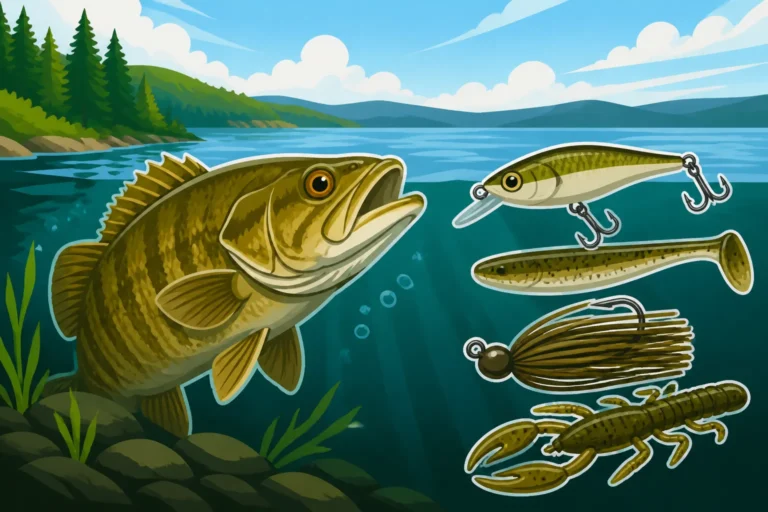
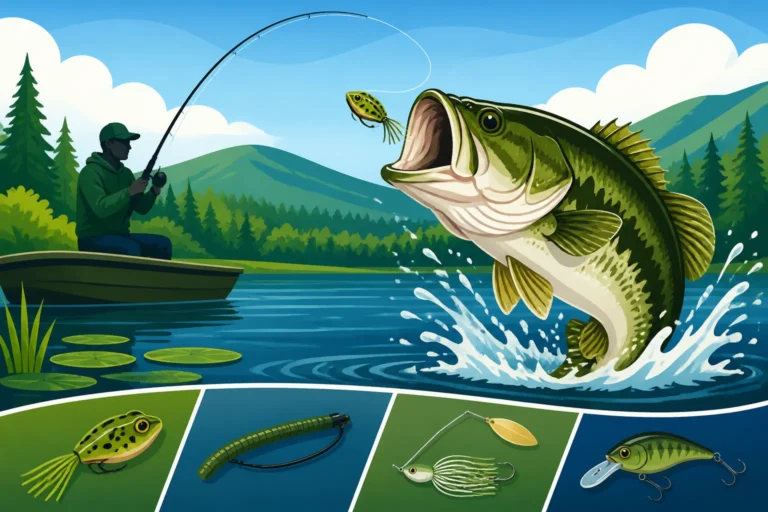
- Finesse Worms and Senkos: These are staples for bass fishing in clear water. Rigged weightless, Texas-rigged, or on a Ned rig, they offer a subtle, undulating action that is irresistible to wary largemouth and smallmouth bass. Colors like green pumpkin, watermelon, or natural brown are often best. A 3-5 inch model is usually perfect.
- Tube Jigs: For smallmouth bass, especially on clear lakes like Lake Champlain, tube jigs are hard to beat. Their spiraling fall and darting action when jigged imitate crayfish or baitfish. White, green pumpkin, and brown are excellent choices.
- Micro Jigs and Grubs: For panfish or even trout, tiny jigs (1/32 to 1/8 oz) tipped with a small grub or a piece of bait are incredibly effective. Their small profile and subtle action can tempt even the pickiest fish.
- Hair Jigs: For trout and smallmouth, small hair jigs (often bucktail or marabou) offer a natural, breathing action in the water, especially when dead-drifted or slowly retrieved. Colors that match natural forage like black, olive, or brown are excellent.
Small Profile Hard Baits and Spoons
While bigger crankbaits might be out, smaller, more subtle hard baits and spoons still have a place in your clear water arsenal.
- Downsized Crankbaits: Look for smaller crankbaits with natural finishes. Think about colors like natural baitfish patterns, perch, or bluegill. A retrieve that's slow and steady, with occasional pauses, often works best. These can be particularly effective for river smallmouth and trout in larger streams.
- Jerkbaits: Long, slender jerkbaits that suspend in the water column can be deadly. Their erratic darting action followed by long pauses can trigger reaction strikes from hesitant bass or even landlocked salmon. Clear or translucent colors are often favored.
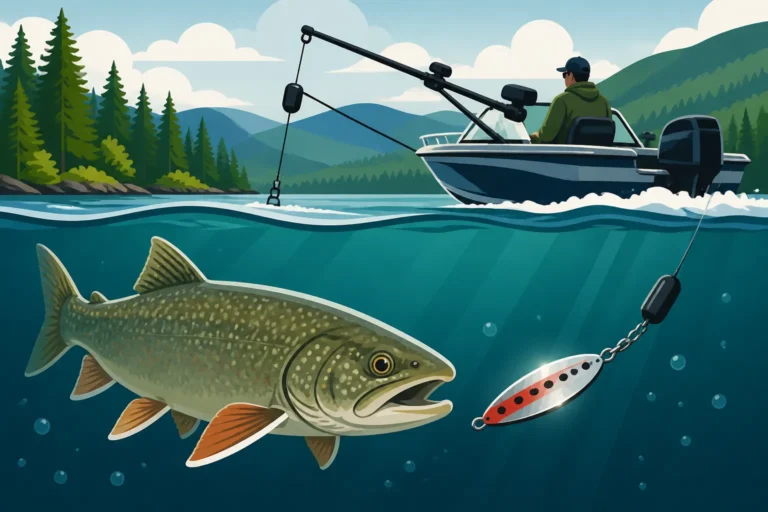
- Small Spoons: For lake trout, landlocked salmon on Lake Willoughby, or even walleye, small casting or trolling spoons can imitate dying baitfish. Colors like silver, gold, or subtle baitfish patterns are good. The key is a slow, erratic retrieve that gives the spoon plenty of flash but doesn't appear too aggressive.
Effective Fly Patterns for Clear Streams
Fly anglers already lean into finesse, but clear water demands even more precision in pattern choice and presentation.
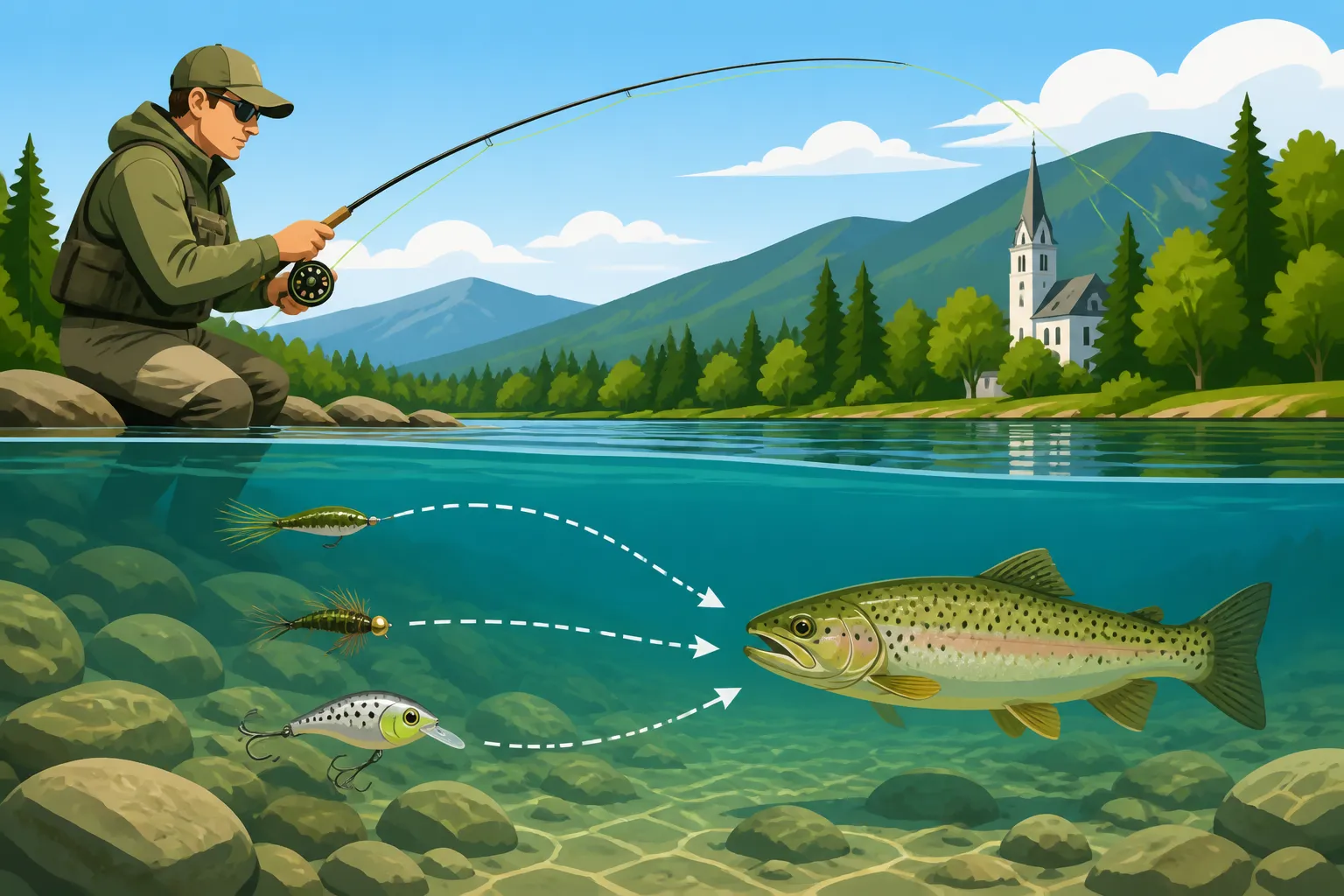
- Tiny Nymphs: When fish are highly selective, going down to smaller nymph sizes (e.g., #18-24) is often necessary. Patterns like Zebra Midges, Pheasant Tail Nymphs, Hare's Ear Nymphs, or small Caddis Larvae imitations in natural colors (olive, brown, black) are critical. A dead drift with no drag is paramount.
- Emergers and Dries: If fish are rising, small emerger patterns fished just subsurface, or tiny dry flies that perfectly match the hatch, are the ticket. Parachute Adams, BWO (Blue-Winged Olive) imitations, and small Caddis patterns are good starting points. The less tippet you can use, the better, often down to 6x or 7x for super wary trout. For more detailed insights, check out Best Fly Patterns for Vermont Trout Streams.
- Small Streamers: Sometimes, a small, subtle streamer can still trigger a strike from an opportunistic trout or bass. Think patterns like a small Woolly Bugger in olive or black, or a tiny Sculpin imitation, retrieved slowly and erratically along the bottom or near cover. The key is size and subtle movement.
Table: Recommended Lure & Bait Adjustments for Clear Water
| Fish Species | Typical Lure/Bait (Normal Conditions) | Recommended Clear Water Adjustment | Key Characteristics |
|---|---|---|---|
| Trout | Larger Spinners, Worms, #12 Nymphs | Tiny Nymphs (#18-24), Small Dry Flies, Micro Jigs (1/32 oz) | Natural profile, subtle action, small size, natural colors. |
| Smallmouth Bass | 4-6" Crankbaits, Large Topwaters, Spinnerbaits | Finesse Worms (3-5"), Tube Jigs, Small Jerkbaits, Ned Rigs | Lifelike appearance, slow fall, erratic dart, muted colors. |
| Largemouth Bass | Jigs (1/2 oz+), Large Plastics, Frogs | Finesse Worms, Small Jigs (1/4 oz), Tiny Crankbaits, Weightless Senkos | Subtle flutter, natural profile, weedless presentation. |
| Walleye | Large Jigging Raps, Big Crankbaits, Full Minnows | Small Jig Heads (1/8-1/4 oz) with plastics, Small Spoons, Micro-Cranks | Shimmering flash, slow retrieve, natural baitfish imitation, glow elements for low light. |
| Panfish | Worms, Small Bobbers, Tiny Jigs | Micro Jigs, Crappie Nymphs, Wax Worms, Bread Crumbs | Very small profile, slow sinking, natural scent/taste. |
| Landlocked Salmon | Large Smelt Imitations, Spoons | Smaller Spoons, Flies imitating juvenile smelt, Clear/Blue Jerkbaits | Slim profile, realistic flash, suspending action. |
Timing Your Attack: When and How to Fish Clear Water
Success in low, clear water often comes down to timing and patience. Fish aren't going to be as eager, so you need to capitalize on their most vulnerable moments and present your offerings with painstaking care. It's a game of chess, not checkers.
Best Time of Day and Weather Conditions
Just as with any type of fishing, certain times are more productive than others, but in clear water, these windows become even more defined.
- Low Light Conditions: This is your prime time. Early morning (dawn to an hour or two after sunrise) and late evening (an hour or two before sunset until dark) are typically the most productive. During these periods, the sun's glare is reduced, shadows are longer, and fish feel more confident venturing out from cover to feed. This is especially true for light-sensitive species like walleye.
- Overcast or Rainy Days: Cloudy skies act like a giant diffuser, reducing direct sunlight and making the water appear less glaring. Rain can also help by breaking up the surface, creating natural disturbance that masks your presence, and adding a bit of turbidity. A light, steady rain can be a blessing in clear conditions. However, avoid sudden heavy downpours that might blow out a river, leading to Best Techniques for High Water Spring Conditions which require a different approach.
- Before or After a Cold Front: Clear, still days often follow cold fronts, making fishing tough. The day before a cold front, when atmospheric pressure is falling, can often trigger a feeding frenzy, even in clear water. After the front passes, fish will be more lethargic, so you'll need to slow down your presentation even further. Pay attention to the weather patterns, and you can often predict when fish will be more willing to bite.
Slowing Down Your Retrieve
When fish are spooky and cautious, a fast, aggressive retrieve is usually a recipe for failure. They're not in a chasing mood; they're in an inspecting mood.
- Patience is Key: The golden rule for clear water is to slow everything down. Your retrieve, your jigging motion, your drift – all should be deliberate, subtle, and unhurried.
- Dead Drifting: For river trout, mastering the dead drift is paramount. Your fly, nymph, or small spinner should drift completely naturally, at the exact speed of the current, without any drag from your line. This makes it appear like a helpless, free-floating morsel. Check out Wading Techniques for Vermont Trout Streams to improve your drift control.
- Long Pauses: When retrieving lures like jerkbaits or soft plastics, incorporate longer pauses than you normally would. Often, a fish will follow a lure, and it's during those moments of stillness that they decide to strike. These pauses give the fish time to inspect the lure and commit.
- Subtle Jigging: If you're jigging, think about tiny twitches and lifts rather than aggressive rips. Just enough movement to impart action, but not so much that it looks unnatural or alarms the fish.
Dealing with Changing Conditions
Even on a clear water day, conditions can shift, and being adaptable is crucial.
- Sun Angle: As the sun moves across the sky, shadow lines will change. Continually adjust your position and casting angles to keep your lure in the shade or on the shaded side of structure.
- Wind: A gentle ripple on the surface can be your friend, breaking up the water's surface and making your presence less obvious. If a breeze picks up, don't be afraid to take advantage of it by casting into the chop. However, strong winds can make delicate presentations difficult, so consider switching to heavier lures that can cut through the wind or finding more sheltered areas.
- Pressure: Fishing pressure is amplified in clear water. If you see another angler has just worked a section of river or lake, move on. The fish there will likely be extremely wary. Seek out less-pressured areas or wait for a significant amount of time before re-approaching. This might mean exploring new areas or consulting guides like Best Fishing Lakes in Vermont or Best Fishing Rivers in Vermont for alternative spots.
- Experimentation: Always be willing to experiment. If one lure or retrieve isn't working, don't bang your head against the wall. Change your lure size, color, depth, or retrieve speed. Sometimes, a tiny alteration can make all the difference in triggering a bite from a hesitant fish. Don't forget that many species, like How to Catch Smallmouth Bass in Vermont Lakes, can be incredibly picky when the water is crystal clear.
By understanding the challenges, embracing stealth, refining your gear, reading the water with a sharp eye, selecting the right tools, and timing your efforts, you can transform those frustrating low, clear water days into surprisingly rewarding fishing experiences across beautiful Vermont.
Disclaimer
Please note that fishing regulations in Vermont can change. Always consult the latest Vermont Fish and Wildlife Department regulations guide before heading out on the water to ensure you are compliant with all current laws regarding licenses, seasons, and catch limits.