Best winter fishing spots in Vermont
Anglers often feel a pang of sadness when the open water freezes over, thinking their fishing season is done for the year. But here in Vermont, when the mercury dips and a solid sheet of ice blankets our beautiful lakes and ponds, a whole new world of angling adventure truly begins! If you’ve ever felt the urge to bundle up, grab your auger, and seek out some thrilling hardwater action, this comprehensive guide will show you the absolute best winter fishing spots across the Green Mountain State, ensuring your angling passion doesn't have to hibernate.
Embracing Vermont's Winter Fishing Scene
Winter fishing in Vermont is a unique experience, a blend of rugged outdoor adventure, peaceful solitude, and often, incredible action. It’s a chance to connect with nature in a different way, under crisp, clear skies, surrounded by snow-covered landscapes. Forget the idea that winter means putting your rods away – for many of us, it’s when the real fun starts!
The Allure of Hardwater Fishing
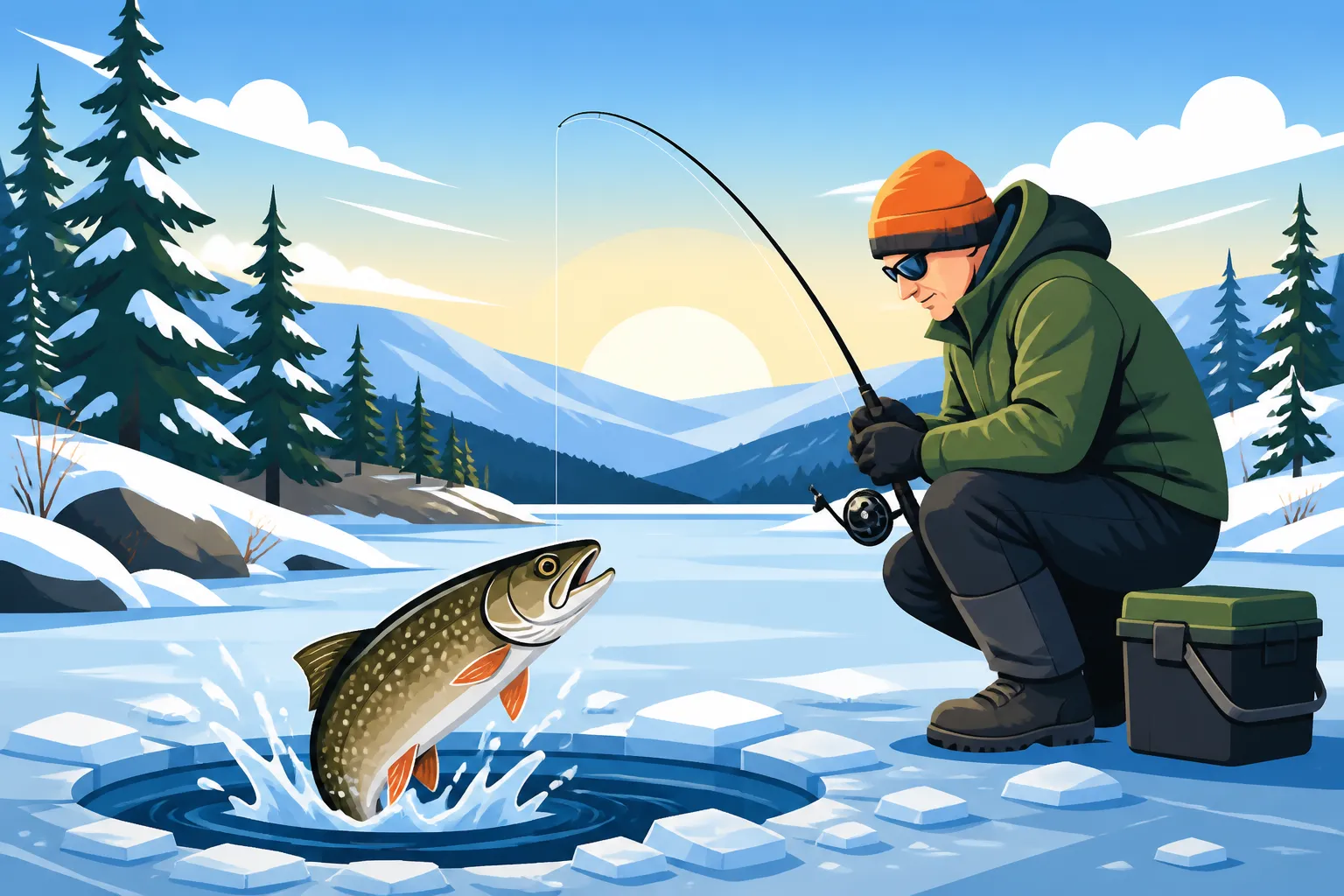
There’s something undeniably special about ice fishing. Picture this: you're out on a frozen lake, the air is cold but invigorating, and the only sound is the wind whistling past or the distant crack of the ice as it settles. You've drilled your holes, set up your tip-ups or jigging rods, and now you're waiting. Suddenly, a flag pops up, or you feel a subtle tug on your line, and the adrenaline kicks in! This isn't just fishing; it's an immersive, almost primal pursuit. Vermont's diverse aquatic ecosystems offer fantastic opportunities for targeting a wide range of species through the ice, from feisty yellow perch and crappie to powerful northern pike, elusive walleye, and even massive lake trout and landlocked salmon. Many anglers also find a strong sense of community on the ice, gathering in makeshift "ice fishing villages" with their shanties, sharing stories, tips, and the occasional hot coffee.
Winter Open-Water Opportunities
While ice fishing undoubtedly dominates the Vermont winter fishing scene, it’s worth noting that some very limited open-water opportunities can sometimes persist, especially in the earliest or latest parts of the winter. Certain rivers with strong currents or tailwater sections below dams might remain unfrozen, offering a chance for intrepid anglers to cast for trout. However, these conditions are highly dependent on weather and water flow, and safety is paramount. The vast majority of consistent and accessible winter fishing in Vermont, especially from mid-December through March, is found on the hardwater. This guide will primarily focus on these prime ice fishing locales, where the frozen surface provides a stable platform for unique angling pursuits.
Top Ice Fishing Destinations Across Vermont
Vermont is blessed with an abundance of lakes and ponds, and many of them transform into prime ice fishing grounds once safe ice forms. Knowing where to go and what to expect can make all the difference in your winter angling success.
Lake Champlain: A Winter Wonderland for Anglers
Lake Champlain, the largest lake in Vermont, is a monumental ice fishing destination, offering an incredible diversity of species and vast expanses of water to explore. Its sheer size means there are countless bays, coves, and points that freeze over, providing ample space for anglers to spread out. During the colder months, the lake becomes a major draw for targeting trophy walleye, abundant yellow perch, aggressive northern pike, and deep-dwelling lake trout.
Some of the most popular and productive areas on Lake Champlain for ice fishing include Malletts Bay, just north of Burlington, known for its excellent perch and pike fishing, and Shelburne Bay, further south, which also holds good numbers of panfish. Further north, Missisquoi Bay, particularly near the Canadian border, is another hotbed for walleye and northern pike, drawing anglers seeking those larger predators. Access to these areas is generally good, with many public access points and even dedicated ice fishing village setups in popular spots, which you can learn more about in a dedicated guide to the Lake Champlain Ice Fishing Village Guide. Before you head out, always make sure you're up to speed on the Vermont Lake Champlain Fishing Rules, as regulations can sometimes be complex on such a large, border-spanning body of water. For those new to the lake or looking to maximize their chances, consider booking a guided trip through platforms like FishingBooker, where experienced local guides can navigate you to the best spots and provide all the necessary gear.
Northeast Kingdom Gems: Lake Memphremagog and Lake Willoughby
Head to Vermont's remote and beautiful Northeast Kingdom, and you'll find two truly spectacular and challenging winter fishing destinations: Lake Memphremagog and Lake Willoughby. These deep, clear, and often less-pressured lakes offer a chance at some of Vermont's most coveted cold-water species.
-
Lake Memphremagog: This massive, international lake (straddling the US-Canada border) is legendary for its muskellunge and offers fantastic opportunities for landlocked salmon and lake trout through the ice. Fishing Memphremagog is an experience unto itself, requiring heavy gear and a good understanding of the lake’s depths and structures. Anglers targeting muskellunge here are often in search of a true freshwater leviathan, and these fish require patience and specialized techniques. It's crucial to be aware of the Vermont Lake Memphremagog Muskellunge Regulations, as these unique fish are highly protected. The lake’s vastness means you’ll often find solitude, but also means having reliable transportation on the ice and knowing the safe access points is key. Again, local guides, often found through services like FishingBooker, can be invaluable for tackling a lake of this scale and complexity, particularly if you're chasing the "fish of 10,000 casts."
-
Lake Willoughby: Nestled in the mountains, Lake Willoughby is famously deep, clear, and strikingly beautiful. It’s a favorite among anglers seeking landlocked salmon, lake trout, and even some rainbow trout. The sheer depth of Willoughby means that targeting these fish often involves specialized deepwater jigging techniques, sometimes in hundreds of feet of water. While challenging, the rewards can be magnificent, with healthy, hard-fighting fish. Its crystal-clear waters can make the fish wary, so stealth and finesse are often more important here than on murkier lakes. The ice on Willoughby can also be variable due to its depth and currents, so always exercise extreme caution and check conditions before venturing out.
Southern and Central Vermont's Productive Lakes
Beyond the giants of the north, central and southern Vermont offer a fantastic array of smaller to medium-sized lakes that provide excellent winter fishing opportunities, often with easier access and a more relaxed atmosphere. These lakes are perfect for a family outing or for those who prefer to avoid the larger crowds sometimes found on Champlain.
-
Lake Bomoseen: Located in Rutland County, Lake Bomoseen is a very popular spot for ice anglers. It’s known for its abundant panfish – yellow perch, bluegill, and crappie – which provide consistent action, especially for younger anglers. The lake also holds good populations of northern pike and both largemouth and smallmouth bass, which can be surprisingly active under the ice. Its diverse structure, including weed beds and rocky points, offers varied habitats for different species, ensuring there's always something biting.
-
Lake St. Catherine: Just south of Bomoseen, Lake St. Catherine offers similar fishing prospects, with plenty of panfish, pike, and bass to keep anglers busy. It’s a charming lake with good public access, making it another excellent choice for a day of hardwater fun. Both Bomoseen and St. Catherine tend to freeze reliably and are generally less intimidating to navigate than the larger, deeper lakes.
-
Harriman Reservoir (Lake Whitingham): Down in southern Vermont, the Harriman Reservoir, also known as Lake Whitingham, is a deep, cold-water fishery that can be incredibly rewarding for lake trout, brook trout, and rainbow trout. Its size allows for a feeling of remoteness, even though it’s relatively accessible. Anglers here often employ larger spoons and jigs, sometimes tipped with cut bait, to entice the deep-dwelling lake trout. While it might not offer the fast-paced panfish action of Bomoseen, it provides a solid chance at some quality cold-water species in a beautiful, serene setting.
Essential Winter Fishing Preparations and Safety
Venturing out onto the ice in Vermont demands careful preparation and a strong commitment to safety. The joy of a successful fishing trip can quickly turn to danger if you’re not properly equipped or if you disregard ice conditions.
Gear Up for the Cold and Ice
When it comes to winter fishing, being properly dressed and having the right equipment is non-negotiable. Layering is key: start with a moisture-wicking base layer, add insulating layers like fleece or down, and top it off with a waterproof and windproof outer shell. A good quality ice fishing suit, like those from Striker Ice or Clam, is designed for warmth and often includes flotation properties for added safety. Don't forget insulated boots, thick wool socks, warm gloves or mittens, and a hat that covers your ears.
Beyond clothing, your fishing gear needs to be adapted for hardwater. A good ice auger is essential – whether it’s a hand auger for thinner ice or a power auger for speed and thicker ice, such as models from Eskimo or ION. You’ll also want a comfortable ice shanty or portable shelter to protect you from the wind and cold, making your time on the ice much more enjoyable. For more detailed recommendations on what to bring, check out our guide on the Best Ice Fishing Gear for Vermont. Crucially, always carry safety equipment: ice picks (worn around your neck for quick access), a throw rope, and a spud bar to test ice thickness as you go. Consider a guided trip with a local outfitter found on FishingBooker; they provide all the specialized gear and ensure a safe, productive experience, especially for beginners.
Navigating Ice Conditions and Regulations
Safety on the ice cannot be stressed enough. Always assume ice is unsafe until you can verify its thickness and stability. A minimum of four inches of clear, new ice is generally recommended for foot travel, but this can vary depending on conditions like currents, springs, and fluctuating temperatures. Never rely solely on tracks or other anglers; always check the ice yourself with a spud bar or by drilling test holes as you venture out. Our comprehensive guide on How thick ice needs to be for Vermont anglers to walk on it provides critical details for your safety.
It’s also imperative to be familiar with Vermont’s specific fishing regulations for the winter season. The Vermont Ice Fishing Season Dates are important, as some waters may have different opening and closing times. Pay attention to daily bag and possession limits for each species, as well as any length limits. For instance, the number of lines you can use for ice fishing (typically two, with an additional three tip-ups for a total of five) differs from open-water regulations. Always carry a copy of the Vermont Fishing Regulations Guide or have it accessible on your phone, and consider consulting the comprehensive Vermont Fishing Seasons by Month to stay informed about all seasonal nuances.
Targeting Specific Species Through the Ice
Once you're geared up and on safe ice, understanding the behavior of winter fish and the best techniques to catch them is key to a successful outing. Different species require different approaches, but the cold water often means fish are less active, requiring a slower, more deliberate presentation.
Mastering Panfish: Perch and Crappie
For consistent action and a delicious meal, yellow perch and black crappie are winter favorites in Vermont. These schooling fish are often found in relatively shallower water, typically 10-30 feet deep, near weed lines, drop-offs, or submerged structure. The key to catching them is often finding the school. Once you locate them with your fish finder, the action can be non-stop!
For perch, small teardrop jigs tipped with a single wax worm, a piece of small plastic, or even a specialized micro-spoon are incredibly effective. Work your bait with subtle jigging motions – tiny lifts and pauses – to entice bites. For crappie, tiny jigs and small soft plastics, often in bright colors, fished just above the school or near submerged timber are excellent choices. Many anglers use ultralight rods for these species, which makes even a modest perch feel like a trophy. If you want to dive deeper into techniques, our guide on Jigging for Perch Through the Ice offers some fantastic strategies. Remember, the Best time to fish for perch in winter often coincides with late morning and early afternoon, when light penetration is best.
Chasing Larger Predators: Walleye, Pike, and Lake Trout
If you're after a bigger challenge and the potential for a trophy catch, Vermont's larger predatory species offer an exhilarating pursuit through the ice. These fish require heavier tackle and a bit more patience, but the reward is well worth the effort.
-
Walleye: Lake Champlain is a prime walleye fishery, and winter is a fantastic time to target them. Walleye are often found in deeper basins, sometimes 30-60 feet, relating to submerged humps, points, and drop-offs. They are notoriously light biters, so sensitive rods and keen attention are crucial. Effective techniques include vertical jigging with spoons, blade baits (like Rapala Jigging Raps), or soft plastics, as well as using tip-ups baited with live shiners or suckers fished just off the bottom. Remember that walleye are often most active during low-light conditions, particularly at dawn, dusk, and even after dark, so prepare for night fishing if targeting these elusive fish. Our guide on How to catch walleye at night on Lake Champlain can provide invaluable insights for these nocturnal hunters.
-
Northern Pike: Found in many of Vermont's larger lakes, including Champlain, Bomoseen, and St. Catherine, northern pike are aggressive predators that remain active under the ice. They often inhabit shallower, weedy bays and coves where they ambush unsuspecting baitfish. Large live shiners or suckers, fished under a tip-up, are the most common and effective method for pike. Make sure your leader is made of heavy monofilament, fluorocarbon, or even steel wire to prevent their razor-sharp teeth from cutting your line.
-
Lake Trout and Landlocked Salmon: For the ultimate cold-water challenge, target lake trout and landlocked salmon in deep, clear lakes like Champlain, Willoughby, and Memphremagog. These fish prefer very cold water and are often found suspended over vast depths or near underwater structures. Heavy jigging spoons, tube baits, or large soft plastics often tipped with a piece of cut bait are popular choices. A good fish finder is almost essential for locating these deepwater wanderers and presenting your bait at the correct depth. While they can be challenging, the powerful fight of a winter lake trout or salmon through a small ice hole is an unforgettable experience. To increase your chances, delve into the Best Techniques for Ice Fishing Lake Trout.
| Lake Name | Primary Winter Species | Key Characteristics | Best For |
|---|---|---|---|
| Lake Champlain | Walleye, Perch, Pike, Lake Trout | Vast, diverse habitat, multiple access points | Variety, trophy walleye, panfish |
| Lake Memphremagog | Muskellunge, Landlocked Salmon, Lake Trout | Deep, international waters, challenging | Trophy fish, unique experience |
| Lake Willoughby | Landlocked Salmon, Lake Trout | Very deep, clear, picturesque, pristine | Salmon & Trout, scenic fishing |
| Lake Bomoseen | Bass, Pike, Perch, Crappie | Moderately sized, good structure, family-friendly access | Panfish, active predator fishing |
| Harriman Reservoir | Lake Trout, Brook Trout, Rainbow Trout | Deep, cold, often less crowded | Solitude, deepwater trout |
Vermont's winter fishing season is a truly remarkable time to be on the water (or, rather, on the ice!). From the bustling ice shanties of Lake Champlain to the serene, majestic depths of Lake Willoughby, there's an adventure waiting for every angler. With the right preparation, knowledge, and a healthy respect for the conditions, you'll discover that winter is not the end of the fishing season, but a thrilling new beginning. Whether you're chasing panfish for a quick bite or patiently waiting for a trophy predator, the Green Mountain State offers some of the best hardwater opportunities you could ever hope for.
Disclaimer
Please remember that fishing regulations and ice conditions can change rapidly. Always consult the latest Vermont Fish & Wildlife Department regulations before heading out, prioritize safety, and ensure you have the necessary licenses. FishingBooker is a third-party service; always verify guide credentials and local regulations independently.