Best shore fishing near Montpelier Vermont
Finding reliable, accessible shore fishing spots near Vermont’s capital city, Montpelier, can feel like a puzzle for many anglers without a boat. You're keen to get your line in the water, but where do you go for that satisfying tug on the end of your line without needing a launch ramp? This guide is designed to cut through that frustration, revealing the best shore fishing locations just a stone's throw from Montpelier, highlighting the species you're likely to encounter, and arming you with the techniques to make your next outing a memorable success.
Identifying Prime Shore Fishing Locations Around Montpelier
Montpelier might be Vermont's smallest capital city, but it's surrounded by a surprising number of excellent fishing opportunities, many of which are perfectly suited for the shore angler. You don't always need a fancy boat to find great fishing; sometimes, all it takes is a keen eye and knowledge of local access points. Let's explore some of the top picks.
North Branch Park and the Winooski River
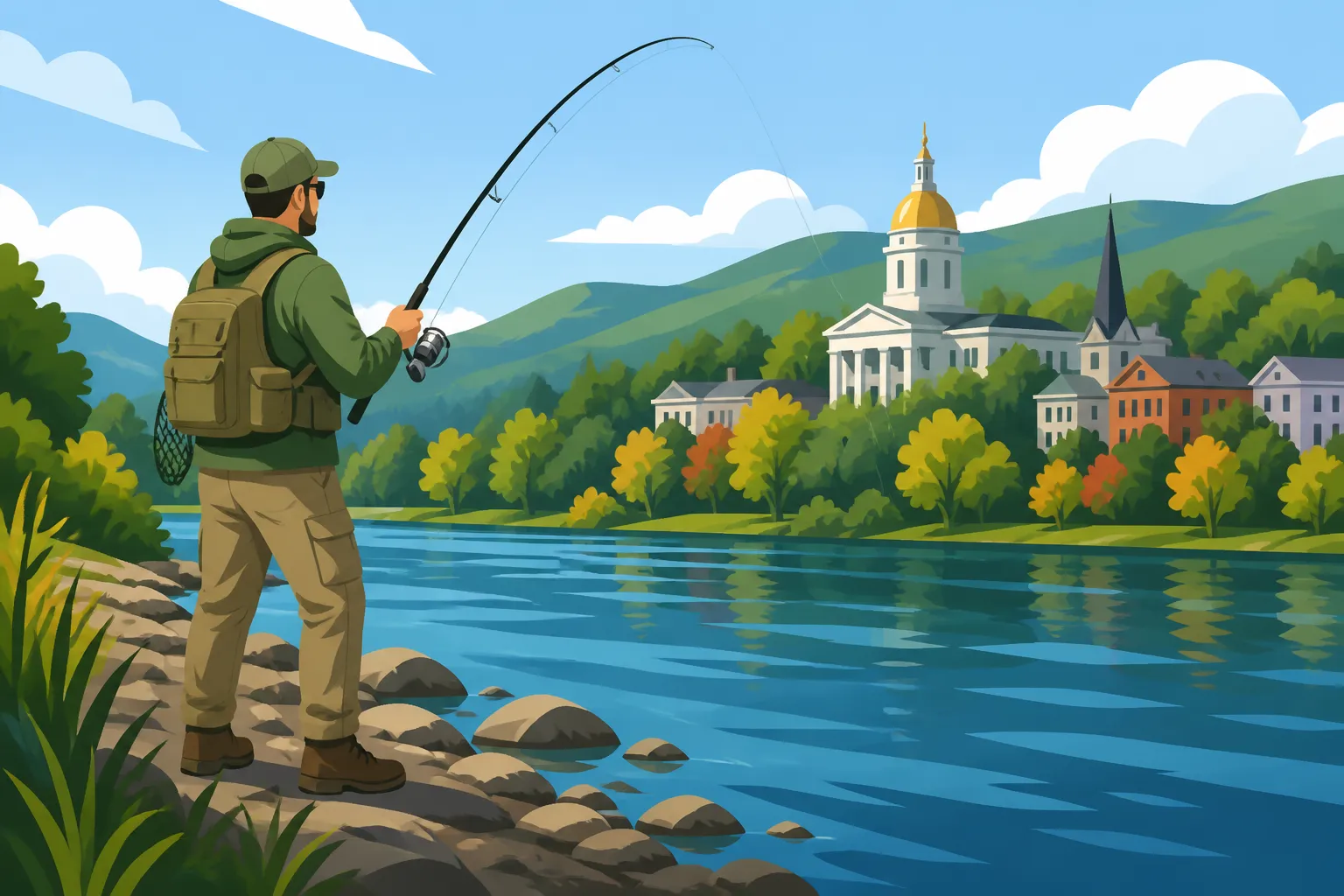
Right in the heart of Montpelier, the Winooski River, particularly sections around North Branch Park, offers fantastic and easily accessible shore fishing. This isn't some remote, bushwhacking adventure; it's right there, with convenient parking and walking trails that follow the riverbanks. The character of the river here changes, offering slower, deeper pools ideal for stationary bait fishing, alongside faster runs and riffles that are perfect for casting spinners or drifting worms.
Anglers often find smallmouth bass thriving in these waters, especially near current breaks, submerged logs, and bridge abutments. Imagine taking an evening stroll after work, casting a spinnerbait towards a promising eddy, and feeling that distinctive thump as a feisty smallmouth strikes. It's a truly rewarding experience, proving that urban fishing can be incredibly productive. Beyond bass, you might also hook into yellow perch, fall trout (often stocked upstream and migrating), and various panfish, making it an excellent spot for mixed bag fishing. The accessibility makes it perfect for a quick escape, or for introducing younger anglers to the joys of the sport. For more detailed insights into this waterway, check out our guide on the Winooski River Fishing Spots.
Wrightsville Reservoir
Just a short drive north of Montpelier, Wrightsville Reservoir is a beautiful, expansive body of water that provides ample shore fishing opportunities. This reservoir is known for its natural beauty, surrounded by hills and forests, offering a more serene fishing experience than the urban river. There are designated public access points, including areas near the dam and along sections of the multi-use recreation trails that skirt its edges. These trails make it possible to walk and explore different coves and points, giving you more flexibility than just a single roadside spot.
Wrightsville Reservoir is a consistent producer of smallmouth bass, which patrol the rocky shorelines and submerged structures. You'll also find a healthy population of yellow perch, which are always a blast to catch, especially for families. Chain pickerel lurk in the weedier bays, providing an exciting ambush predator challenge. Occasionally, the reservoir sees stockings of trout, particularly in the cooler months, adding another layer of opportunity for shore-bound anglers. The varied shoreline—from rocky banks to shallower, weedy areas—means you can adapt your approach based on what species you're targeting and what kind of structure you prefer to fish. It's a shining example of the Best Fishing Lakes in Vermont that are readily available to the public.
Little River State Park and Waterbury Reservoir
While slightly further afield, approximately a 20-minute drive from Montpelier, the Waterbury Reservoir within Little River State Park is an absolute must-visit for any shore angler in the region. This vast reservoir boasts over 85 miles of undeveloped shoreline, making it feel like a wilderness escape, even though it's relatively close to population centers. The sheer size and diverse habitats mean that while you might walk a bit to find your perfect spot, the rewards can be substantial.
Multiple public access points and boat launches exist within Little River State Park, but many sections of the shoreline are also accessible by foot. Look for areas near the state park day-use facilities or explore some of the less-trafficked hiking trails that offer glimpses of the water. Smallmouth bass are king here, with rocky points and submerged humps providing excellent cover. Northern pike also grow to impressive sizes, offering a thrilling fight for anglers casting larger spoons or swimbaits from shore. Yellow perch and other panfish are abundant, making it a great spot to fill a stringer or simply enjoy consistent action. The sheer variety of water types and the potential for larger fish make the short drive absolutely worthwhile. If you're looking for more information on fishing this incredible body of water, our detailed Waterbury Reservoir Fishing Guide is an invaluable resource.
Target Species and Seasonal Opportunities from Montpelier's Shores
Understanding what fish are biting and when is crucial for successful shore fishing. Montpelier's surrounding waters offer a distinct rhythm of species availability throughout the year, influenced by water temperature, spawning cycles, and stocking efforts. Knowing what to expect can significantly increase your chances of success.
Spring into Action: Early Season Opportunities
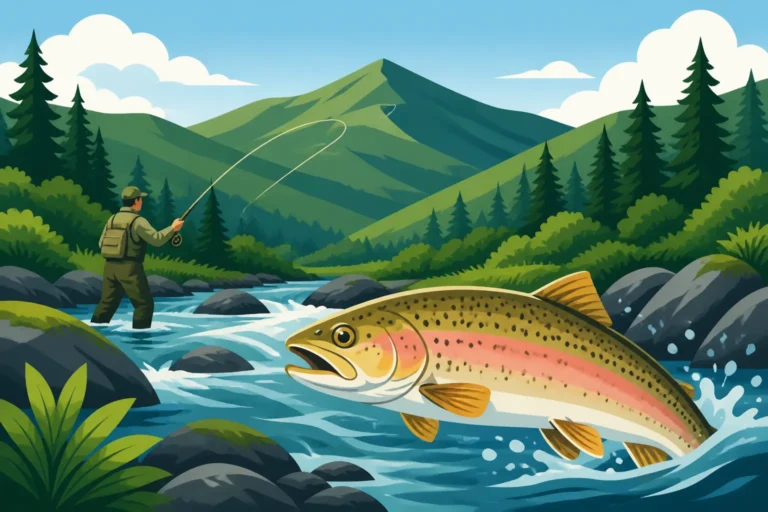
As the ice finally melts away and the crisp Vermont air gives way to warmer days, spring ushers in some of the most exciting shore fishing opportunities. The rivers, like the Winooski and North Branch, come alive as water temperatures rise, awakening fish from their winter lethargy. This is a prime time for trout, especially in areas that have recently received their spring stockings from the Vermont Fish & Wildlife Department. These freshly stocked fish are often eager to bite, making it an ideal time for both experienced and novice anglers.
Beyond trout, the warming waters of reservoirs like Wrightsville and Waterbury stimulate panfish activity. Yellow perch and sunfish, after a long winter, become incredibly active, gathering in shallower bays and sun-warmed coves. A simple worm on a hook under a bobber can lead to non-stop action, perfect for a family outing. For the more adventurous, hungry chain pickerel will also begin to move into shallower, weedy areas, ready to ambush anything that swims by. Early spring requires a focus on slower retrieves and presenting baits near potential holding areas, as fish are still somewhat sluggish from the cold. Our guide on Spring Trout Fishing Techniques for Vermont Streams offers excellent advice for this period.
Summer's Bounty: Bass, Perch, and Pickerel
When summer hits its stride, and the sun bakes the landscape, the fishing in central Vermont truly heats up, especially for warm-water species. Smallmouth bass become incredibly active, both in the Winooski River and the larger reservoirs. In the rivers, they'll hold in current seams and behind structure, ambushing baitfish. In the lakes, they'll patrol rocky points, humps, and submerged cover. Early mornings and late evenings often bring spectacular topwater action, with bass exploding on poppers and walk-the-dog baits near the shoreline. Imagine the thrill of a big smallmouth blowing up on your surface lure just yards from where you stand!
Yellow perch and other panfish remain abundant throughout the summer, providing consistent action for light tackle enthusiasts. They can be found near weed lines, docks, and submerged timber. Chain pickerel continue to stalk the shallower, weedy bays, offering exciting visual strikes. Summer fishing often means earlier starts or later finishes to avoid the midday heat, and adapting your techniques to deeper water or shaded areas during the brightest parts of the day. If you're keen on landing some of those feisty bronzebacks, our article How to Catch Smallmouth Bass in Vermont Lakes provides detailed strategies.
Fall Colors, Fall Bites: Trout and Transitioning Fish
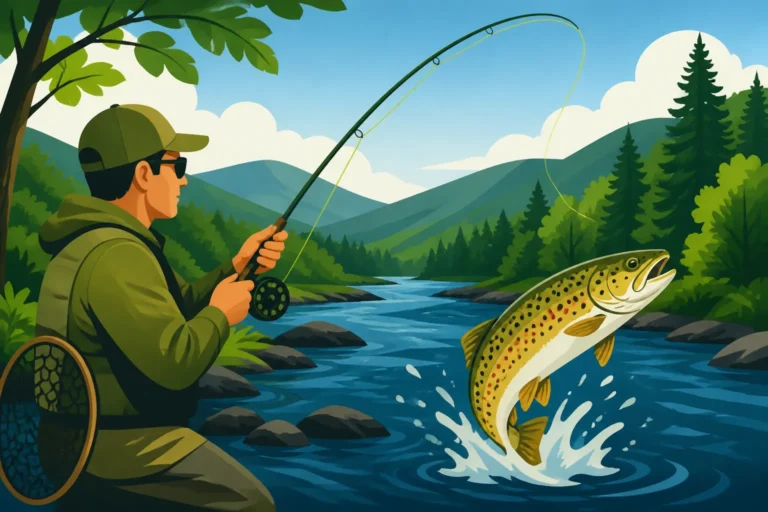
As the leaves turn brilliant shades of red and gold, fall offers some of the most picturesque and productive shore fishing in Vermont. The cooling water temperatures invigorate trout in the rivers once again, especially with additional fall stockings. Brown trout and rainbow trout, in particular, become more aggressive as they prepare for winter. The Winooski River and its tributaries around Montpelier can be fantastic during this time, with trout responding well to both artificial lures and natural baits. Remember to check the Vermont Trout Season and Stocking Rules as season dates and regulations can vary.
Beyond trout, the cooler water also signals a pre-winter feeding frenzy for bass, perch, and pickerel in the reservoirs. They'll actively chase baitfish, trying to pack on calories before the lean months of winter. This can lead to some of the year's best fishing, with aggressive strikes and larger fish. Fishing closer to deeper water access points from shore can be key, as fish begin to migrate towards their wintering grounds. The serene beauty of a fall day, coupled with excellent fishing, makes this a truly special time to be on the water.
Essential Gear and Techniques for Montpelier Shore Anglers
You don't need a boatload of expensive gear to have a successful shore fishing experience near Montpelier. A thoughtful selection of tackle and a few key techniques can put you on fish regularly. The trick is to be versatile and prepared for the different species and conditions you might encounter.
Rod, Reel, and Line Selection
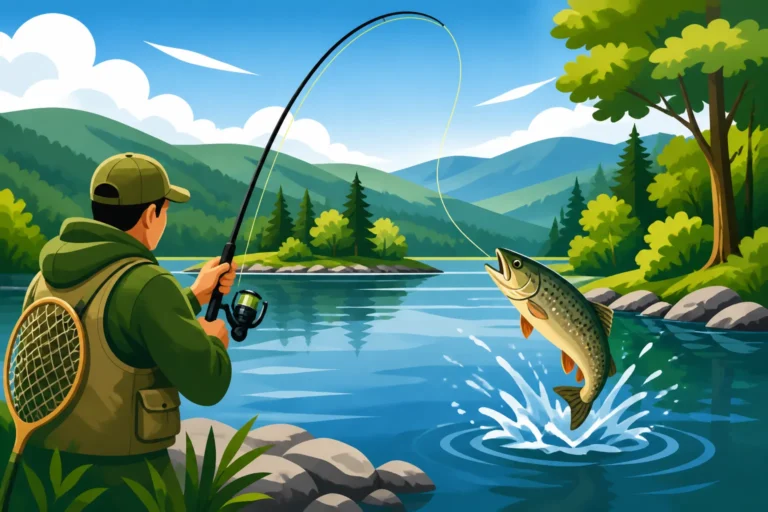
For general-purpose shore fishing in the Montpelier area, a versatile medium-light to medium power spinning combo is your best friend. A rod length between 6'6" and 7' is ideal, offering a good balance of casting distance and control. A longer rod will help you reach those far-off seams in the Winooski or cast across a wider cove on Wrightsville, while still being manageable in tighter bankside vegetation. A quality spinning reel, sized 2500 or 3000, will balance well with such a rod and provide enough line capacity for strong fighting fish.
Spool your reel with 6-10 lb monofilament line, which offers a good combination of abrasion resistance and ease of use. Alternatively, you could opt for 10-15 lb braided line, which provides superior casting distance and sensitivity, and then tie on a 6-10 lb fluorocarbon leader. Fluorocarbon is nearly invisible underwater, which can be a huge advantage when fishing clear waters for wary fish. This setup offers the sensitivity to feel subtle bites and the backbone to handle everything from panfish to feisty smallmouth bass. For a deeper dive into choosing the right equipment, you might find our guide on Best Fishing Rods for Vermont Lakes helpful.
Baits, Lures, and Tackle Box Essentials
Your tackle box for Montpelier shore fishing should be a mix of natural baits and versatile artificial lures. Live bait, particularly worms (nightcrawlers or garden worms) and small minnows (where legal and available), are incredibly effective for nearly all species, especially panfish, trout, and bass. For trout, PowerBait in various colors can also be a game-changer, especially on freshly stocked waters.
When it comes to artificial lures, start with a selection of small spinners like Mepps Aglias or Panther Martins, which are deadly for trout and smallmouth. Small crankbaits that mimic baitfish are excellent for bass, while soft plastics like tube jigs, grubs, and stick worms on a jig head or wacky rig can be incredibly versatile for bass and even larger perch. Don't forget an assortment of small jigs for panfish and even larger ones for bass. Terminal tackle essentials include various hook sizes (e.g., #8 for panfish, #4-2 for trout/bass), split shot and bullet sinkers for weight, swivels to prevent line twist, and a few bobbers for suspending baits. Sometimes, booking a guided trip, perhaps through services like FishingBooker, can be a great way to learn what local baits and lures the pros are using.
Mastering Shore Casting and Presentation
Effective casting from shore is paramount. Practice your overhead cast for maximum distance and your sidearm cast for precision under overhanging branches. More importantly, learn to read the water. Look for current seams where faster water meets slower water, eddies behind rocks, submerged logs, or noticeable drop-offs along the bank. These are prime ambush points for fish.
Your presentation is just as vital. For spinners and crankbaits, a steady retrieve often works well, but don't be afraid to add pauses or twitches to entice a strike. When using soft plastics or jigs, a slow, methodical retrieve with occasional lifts and drops can mimic a crawfish or wounded baitfish, irresistible to bass. When fishing with live bait, allow the current to drift your offering naturally or let it sit on the bottom in a promising spot. Remember to move slowly and quietly along the bank; fish are much more aware of their surroundings in shallower, clear water. Stealth can make all the difference, especially on popular fishing spots.
Navigating Regulations and Maximizing Your Outing
A successful and responsible fishing trip involves more than just knowing where to cast your line; it also means understanding the rules and being prepared for your time outdoors. Vermont has specific regulations designed to protect its fisheries and ensure sustainable angling for everyone.
Understanding Vermont's Fishing Regulations
Before you even tie a knot, it's absolutely critical to familiarize yourself with the current Vermont Fishing Regulations Explained. The Vermont Fish & Wildlife Department publishes a comprehensive guide each year, available online and at license vendors. This booklet is your bible for understanding what's legal and what's not.
Key things to look for include daily limits and possession limits for specific species, especially trout and bass, which often have minimum length requirements. Pay close attention to any special regulations for particular waters; some rivers or sections of reservoirs might have unique rules regarding tackle, bait, or catch-and-release only. And, of course, you’ll need a valid Vermont Fishing License Guide for 2026 if you are 15 years or older. Fishing without one can lead to hefty penalties, so it's simply not worth the risk. Make sure you know the Vermont Fishing Season Dates and Closures for your target species and waterbody, as these can vary.
Public Access and Respecting Private Property
Vermont prides itself on its public fishing access, but not every piece of shoreline is open to anglers. Always be on the lookout for "No Trespassing" signs or indications of private property. Respecting private landowners is paramount to maintaining good relationships and ensuring future access for all anglers. Stick to designated public access areas, state parks, and fishing access points marked by the Vermont Fish & Wildlife Department.
The Vermont Fish & Wildlife website is an excellent resource for finding public fishing access maps. These maps can show you exactly where you can legally access rivers and lakes from shore. When in doubt, assume it's private or ask permission if you can identify the landowner. Responsible access is a cornerstone of the Vermont angling community. Knowing Where and How to Buy a Vermont Fishing License will often connect you with local vendors who can also provide guidance on local access points.
Planning Your Montpelier Shore Fishing Trip
A little preparation goes a long way. Before heading out, check the weather forecast and pack accordingly. Vermont weather can be unpredictable, so layers are always a good idea, as is rain gear. Essential items for your pack should include water and snacks, insect repellent (especially during bug season), sunscreen, polarized sunglasses to help spot fish and structure, a small first-aid kit, and needle-nose pliers or a hook remover for safely unhooking fish.
Always remember the principle of "Leave No Trace." Pack out everything you pack in, and perhaps even pick up any litter you find. We want to keep Vermont's beautiful fishing spots pristine for generations to come. If you're new to the area or trying a new technique, sometimes booking a local guide through a platform like FishingBooker can offer invaluable local knowledge and tips to maximize your success. They can introduce you to the Best Time of Year to Fish in Vermont and the nuances of the local waters.
| Fishing Spot | Primary Target Species | Key Features & Accessibility | Ideal Conditions |
|---|---|---|---|
| Winooski River (Montpelier) | Smallmouth Bass, Perch, Fall Trout | Urban access, walking trails, parking near North Branch Park. | Moderate flows, varied current. |
| Wrightsville Reservoir | Smallmouth Bass, Yellow Perch, Pickerel | State Park access, walking trails, diverse shoreline. | Calm days, exploring coves and points. |
| Waterbury Reservoir | Smallmouth Bass, Northern Pike, Perch | Expansive, wilderness feel, multiple state park access points. | Calm to moderate winds, deeper water access. |
Disclaimer
Please be aware that fishing regulations, conditions, and access points can change. Always consult the latest Vermont Fish & Wildlife Department regulations before planning your trip. Fish consumption advisories may also be in effect for certain waters and species; check current public health guidelines. Exercise caution when on or near water, and always prioritize personal safety.