Best kayak fishing on Lake Willoughby
Navigating a new lake, especially one as deep and majestic as Lake Willoughby, can feel overwhelming when you’re trying to figure out the best spots to launch your kayak and where the fish are hiding. Many anglers struggle with locating prime fishing grounds from a small craft, often wasting precious paddling time in unproductive water. This comprehensive guide is designed to cut through that guesswork, giving you all the insider tips and specific locations for a successful kayak fishing adventure on Lake Willoughby, ensuring you spend less time searching and more time reeling in Vermont's prized fish.
Why Lake Willoughby is a Kayak Angler's Paradise
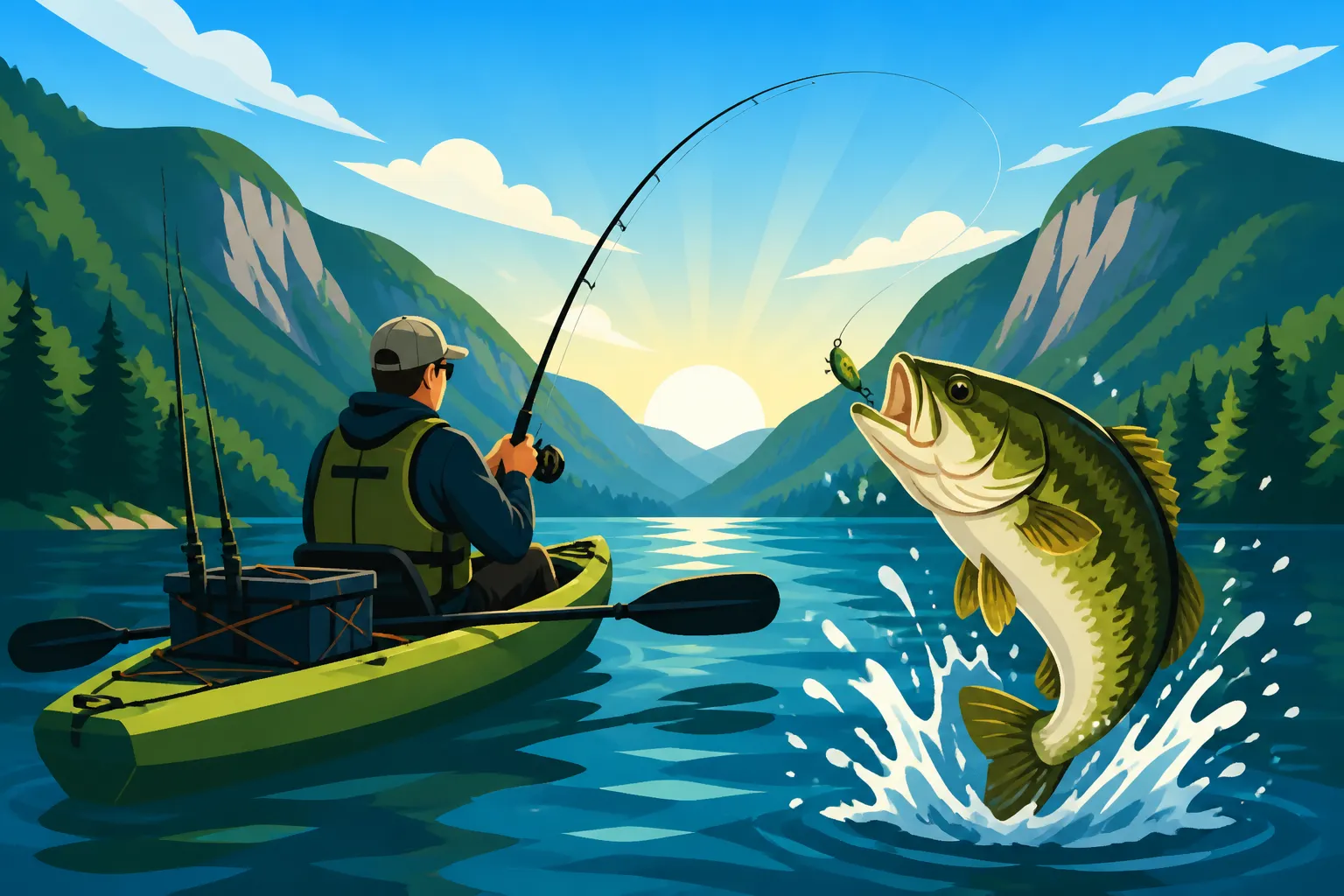
Lake Willoughby isn't just a pretty face; it's a deep, cold, oligotrophic lake, which in plain English means it's super clear, low in nutrients, and boasts incredibly clean, oxygen-rich water. These conditions are absolutely perfect for cold-water species like landlocked salmon and lake trout, making it a dream destination for anglers. For those of us who love the quiet intimacy of kayak fishing, Willoughby offers a unique advantage. Its steep, rocky shores and deep drop-offs often make shore fishing difficult, but a kayak allows you to access these prime areas easily. Plus, the sheer beauty of the surrounding cliffs, often called "Vermont's Lucerne" due to its fjord-like appearance, makes every paddle stroke a scenic experience.
The Unique Appeal of Deep, Clear Waters
The clarity of Lake Willoughby's waters is both a blessing and a challenge. On one hand, it allows you to sometimes spot fish or structure in shallower areas, which is a huge plus for kayak anglers. On the other, fish in clear water can be notoriously spooky, making stealth and long casts crucial. For kayak anglers, this means utilizing the quiet nature of your craft to your advantage. You can approach prime spots without the noisy disturbance of a larger motorboat, easing closer to submerged ledges and drop-offs where cold-water species like to ambush their prey. The absence of heavy boat traffic, especially during weekdays, further enhances the peaceful, productive fishing experience for those paddling a kayak.
Target Species: A Kayaker's Delight
Lake Willoughby is renowned for its landlocked salmon and lake trout, both of which grow to impressive sizes here. But don't overlook the opportunity for brook trout, especially in areas near cold water inflows or deeper, cooler pockets, and even smallmouth bass around rocky points and ledges during warmer months. These diverse populations mean you can tailor your day to target a specific species or simply enjoy the thrill of whatever bites. For many, the challenge of landing a powerful landlocked salmon from a kayak is an unforgettable experience, testing both angler and gear. Knowing the specific habits of these fish will greatly improve your chances, and you can learn more about how to specifically target these fish in our guide on how to catch landlocked salmon in Vermont.
Key Species to Target and Where to Find Them
Knowing what you're fishing for and where they like to hang out is half the battle, especially from a kayak on a big lake like Willoughby. Each species has its preferred haunts, and understanding these patterns will help you make the most of your paddling efforts.
Landlocked Salmon Hotspots
Landlocked salmon in Lake Willoughby are truly magnificent fish, known for their powerful runs and aerial acrobatics. From a kayak, targeting them often involves trolling. They tend to cruise the upper water column, especially during early morning and late evening, or on overcast days. Look for them over deep water, particularly along the north and south ends of the lake, where the bottom drops off dramatically. The steep rock walls and underwater ledges on the eastern and western shores also provide excellent ambush points. Trolling small spoons, stickbaits, or flies at varying depths can be incredibly effective. Consider using light tackle that matches the challenge of a fighting salmon, but ensures you can still enjoy the fight from your kayak.
Locating Lake Trout from Your Kayak
Lake trout are bottom-dwellers, preferring the coldest, deepest parts of the lake. This means you'll be looking for structure—underwater humps, deep rock piles, and points that extend into the abyss. From a kayak, targeting lake trout typically involves vertical jigging or slow trolling with downriggers if your kayak is equipped for it, or simply using heavy sinking lines. Focus your efforts in the central basin of Lake Willoughby, where depths easily exceed 300 feet. While you might not be fishing that deep from a kayak, knowing those extreme depths exist tells you that the fish will seek comfortable temperatures at shallower, accessible depths along structure. Pay close attention to your fish finder for schools of baitfish or arches near the bottom in the 40-80 foot range. For specific techniques, our guide on Trolling Techniques for Vermont Lake Trout offers valuable insights that can be adapted for kayak use.
Finding Brook Trout and Smallmouth Bass
While salmon and lake trout get most of the attention, Lake Willoughby also offers fantastic opportunities for brook trout and smallmouth bass, especially for the nimble kayak angler.
- Brook Trout: These beautiful native fish often hold close to cold water inlets and springs, which are more prevalent near the shallower coves and feeder streams around the lake. Look for them in the spring and fall closer to the surface, and in deeper, cooler pockets during the summer months. Casting small spinners, tiny spoons, or even fly fishing with a lightweight setup from your kayak can yield some stunning brookies.
- Smallmouth Bass: Smallmouth are structure-oriented fish, and Lake Willoughby has no shortage of rocky points, ledges, and submerged timber, particularly on the southern end and along the western shore. During summer, they'll be shallower, especially at dawn and dusk, or on cloudy days. Look for them around the large boulders and broken rock formations. Casting crankbaits, jigs, or soft plastics towards these structures from your kayak can be incredibly productive. Remember, the quiet approach of a kayak allows you to get right into these prime bass habitats without spooking them.
Here's a quick overview of what to target and where:
| Species | Preferred Habitat | Kayak Fishing Method | Best Time of Year |
|---|---|---|---|
| Landlocked Salmon | Open water, upper water column, near steep drop-offs | Trolling (spoons, stickbaits) | Spring, Fall |
| Lake Trout | Deep water, bottom structure, humps, ledges (40-80 ft+) | Vertical jigging, deep trolling | Year-round (ice fishing also) |
| Brook Trout | Cold water inlets, springs, deeper cool pockets | Casting (spinners, flies), Trolling | Spring, Fall, Summer (deep) |
| Smallmouth Bass | Rocky points, ledges, submerged timber (shallower) | Casting (crankbaits, jigs, plastics) | Late Spring, Summer, Early Fall |
Essential Kayak Fishing Gear for Lake Willoughby
Getting geared up properly for Lake Willoughby is critical, not just for success but for safety. This isn't your average pond; its size and depth demand a thoughtful approach to equipment.
The Right Kayak and Propulsion
For a lake of Willoughby's size, stability and efficiency are key. While a recreational sit-on-top kayak can certainly work for short trips close to shore, a dedicated fishing kayak with good tracking and ample storage is preferable. Pedal-drive kayaks, like those from Hobie or Old Town, are a game-changer on larger waters, allowing you to cover more distance, maintain speed for trolling, and most importantly, keep your hands free for fishing. Even a good quality paddle kayak with a comfortable seat and rod holders will serve you well. Just remember, wind can pick up quickly on Willoughby, so choose a kayak that handles chop reasonably well. If you're looking for more options, explore our guide on Best Kayaks for Vermont Fishing.
Crucial Safety Equipment
Safety isn't just a recommendation; it's a non-negotiable on Lake Willoughby. This deep, cold lake can be unforgiving. A properly fitted personal flotation device (PFD) is paramount – wear it at all times. A whistle, signaling mirror, and a bright flag (especially important if you're trolling) are essential for visibility. Always carry a spare paddle and ensure your phone is in a waterproof case or bag. A small first-aid kit, some extra layers of clothing in a dry bag, and plenty of water are also smart additions. Keep in mind that Vermont has specific Life Jacket Requirements for Vermont Boaters, which you should always adhere to.
Electronics and Navigation
While old-school map reading has its charm, a fish finder/GPS combo can drastically improve your odds on Lake Willoughby. It helps you identify underwater structure, pinpoint baitfish schools, and track your trolling speed and path. Models like those from Humminbird or Garmin offer excellent portable options suitable for kayaks. A small, reliable marine battery will power your electronics all day. Additionally, for navigation, a dedicated GPS unit or a reliable app on your phone (download offline maps!) will help you mark hotspots and safely navigate back to your launch point, especially if fog rolls in or darkness falls.
Rods, Reels, and Tackle
Your tackle selection should match the species you're targeting. For salmon and lake trout, a medium-light to medium action spinning rod or trolling rod (7-8 feet) paired with a reel spooled with 8-12 lb monofilament or braid (with a fluorocarbon leader) is a good starting point. For smallmouth, a medium-light spinning setup with 6-8 lb test works great.
- Lures for Salmon & Lake Trout: Small spoons (e.g., Mooselook Wobblers, Little Cleos), stickbaits (e.g., Rapala, Renosky), and dodgers/flashers paired with flies or small squids are effective for trolling. For jigging lake trout, heavy spoons (e.g., Kastmasters) or blade baits work well.
- Lures for Smallmouth Bass: Crankbaits, jigs (tube jigs, football jigs), soft plastics (senkos, creature baits), and topwater lures (poppers, walk-the-dogs) are all excellent choices.
Remember to bring a net with a rubberized mesh (it's gentler on the fish and prevents hooks from tangling) and a pair of long-nose pliers for hook removal.
Kayak Fishing Strategies and Techniques for Success
Success on Lake Willoughby from a kayak involves more than just having the right gear; it requires understanding how to approach the water and the fish throughout the year.
Seasonal Approaches and Timing
Lake Willoughby offers different opportunities throughout the seasons:
- Spring (Ice-out to early June): This is prime time! As the ice melts, salmon and lake trout will be shallower, actively feeding. Trolling near the surface or casting along the drop-offs can be incredibly productive. Smallmouth bass will also begin to move into shallower, rocky areas as water temperatures rise.
- Summer (June to August): The fish go deep. Landlocked salmon and lake trout retreat to the cooler, oxygen-rich depths. You'll need to focus your trolling or jigging efforts in the central basin or along steep contours in 40+ feet of water. Smallmouth bass will be found on deeper structures, moving shallower only during low light conditions. The early morning and late evening bites are crucial during summer.
- Fall (September to November): Another fantastic season. As water temperatures drop, salmon and lake trout become more active and once again move shallower, often following baitfish schools. The vibrant fall foliage also provides a stunning backdrop to your fishing. This is a great time to resume shallower trolling patterns.
Always check the local weather forecast before heading out, as conditions can change rapidly on such a large body of water.
Trolling and Jigging Tactics from a Kayak
Trolling is a cornerstone of salmon and lake trout fishing on Willoughby, and it's perfectly feasible from a kayak.
- Trolling: If you have a pedal drive, maintaining a consistent speed (1.5-2.5 mph is often ideal for salmon) is easier. Without one, a small electric trolling motor can be a huge asset. Focus your trolling passes along the deep contours, drop-offs, and open water areas. Vary your lure depth by using different line types (lead core, sinking braid) or small diving planes. Pay attention to fish finder readings to understand where the baitfish are holding.
- Jigging: For lake trout, vertical jigging directly over structure marked on your fish finder can be very effective. Use heavy spoons or vertical jigs, dropping them to the desired depth and imparting a sharp jigging motion. This is a great technique when you've located a school of fish holding tight to the bottom.
Casting and Presentation for Bass and Trout
For smallmouth bass and brook trout, casting techniques from your kayak will be your primary method.
- Casting for Smallmouth: Approach rocky points, submerged ledges, and transition zones quietly. Cast crankbaits, jigs, or soft plastics, working them slowly along the structure. In clear water, a subtle presentation is often best. Try to position your kayak so you can cast parallel to the structure, covering more potential holding areas.
- Casting for Brook Trout: Look for areas near cold water inflows, shaded banks, or submerged vegetation. Small spinners like Mepps or Panther Martins, tiny spoons, or even micro jigs are excellent. If you're into fly fishing, a lightweight fly rod allows for delicate presentations of dry flies or small nymphs in these sensitive areas.
Remember the clear water of Willoughby means fish can see well. Consider using lighter fluorocarbon leaders to make your presentation less visible. FishingBooker is a great resource if you're looking to connect with local guides who can teach you specialized techniques for these conditions.
Navigating Lake Willoughby: Access Points and Safety
Lake Willoughby’s grandeur also comes with considerations for access and safety, especially for those in kayaks. Planning ahead ensures a smooth and enjoyable trip.
Public Access and Launch Points
There are several public access points around Lake Willoughby, but for kayak anglers, finding the most convenient and safe launch is key.
- North Beach (Westmore): Located on the northern end, this is a popular access point with ample parking. It offers a gentle sandy launch, perfect for kayaks. From here, you can easily access the deep northern basin and the eastern and western shores.
- South Beach (Westmore): At the southern tip of the lake, South Beach also provides good access. This area tends to be shallower and offers excellent smallmouth bass opportunities around the rocky shorelines. Both north and south beaches are generally well-maintained.
- Willoughby State Forest: There are other more primitive access points along the eastern shore within Willoughby State Forest, often used by hikers. While these might require a short portage, they can offer secluded spots away from the main boat traffic, which is a significant advantage for a kayak angler seeking tranquility.
Always respect private property and ensure you are launching from designated public access areas. You'll also want to be familiar with general Vermont Boating Laws for Anglers, as some rules apply to all watercraft, including kayaks.
Understanding Weather and Water Conditions
Lake Willoughby can develop significant chop and waves quickly, especially when strong winds blow down its length. This can be dangerous for smaller kayaks.
- Monitor the Forecast: Always check a detailed marine or lake-specific weather forecast before you go and throughout your trip if possible. Look for wind speed and direction. West winds can make the eastern shore rough, and north or south winds can create big waves across the entire lake.
- Water Temperature: The water in Lake Willoughby remains cold year-round, even in summer. If you capsize, hypothermia is a real threat. Dress in layers made of synthetic materials (like fleece or merino wool) that retain warmth when wet, and always have a dry bag with spare clothes.
- Fog: Fog can roll in quickly, obscuring landmarks. A reliable GPS and compass are invaluable for navigation in low visibility.
It’s always a good idea to let someone know your float plan—where you’re going, when you expect to return, and what to do if you don’t check in. If you're planning a trip and want to maximize your chances of success, consider booking a local expert through FishingBooker to guide you on the lake's unique conditions. Don't forget, you'll also need a valid Vermont Fishing License Guide for 2026 before you even get on the water!
Respecting Regulations and the Environment
Fishing on Lake Willoughby, like all Vermont waters, comes with specific regulations to protect its precious fisheries. Be sure to check the latest Vermont Fishing Regulations Explained, paying close attention to species-specific limits and seasons. For instance, there might be specific regulations regarding the taking of baitfish or the use of certain types of lures.
- Catch and Release: Many anglers practice catch and release, especially for larger salmon and lake trout, to help sustain the fishery. If you do keep fish, understand the bag and possession limits.
- Leave No Trace: Pack out everything you pack in. Avoid disturbing wildlife or sensitive shoreline vegetation. Help keep Lake Willoughby pristine for future generations of anglers.
- Invasive Species: Always clean, drain, and dry your kayak and gear thoroughly before moving it to another body of water to prevent the spread of aquatic invasive species.
Kayaking on Lake Willoughby truly offers an unparalleled fishing experience. With the right preparation, respect for the environment, and a little local knowledge, you're set for an incredible adventure on one of Vermont's most stunning lakes.
Disclaimer
Please note that fishing regulations, conditions, and fish populations can change. Always consult the latest Vermont Fish and Wildlife Department regulations before planning your fishing trip to Lake Willoughby. This guide provides general information and recommendations, but local conditions can vary. Stay safe and enjoy your time on the water!