Ninevah Lake Fishing Guide
There’s nothing quite like the serene beauty of a Vermont lake, but sometimes finding a spot that’s both peaceful and productive can feel like searching for a needle in a haystack. Many of us have spent countless hours scouting maps or driving around, hoping to stumble upon that perfect fishing haven without hordes of crowds. If you’re looking for a delightful angling experience in a picturesque setting, Ninevah Lake offers a fantastic escape, known for its diverse fishery and tranquil atmosphere, and this guide is here to help you unlock its secrets.
Ninevah Lake: A Gem in the Green Mountain State
Ninevah Lake, tucked away in the town of Mount Holly in Rutland County, is one of Vermont's hidden treasures. It's not as large or famous as Lake Champlain, but that's precisely part of its charm. Anglers who appreciate a quieter, more intimate fishing experience often find themselves drawn to its inviting waters. This lake offers a refreshing change of pace, where the sounds of nature often drown out the hustle and bustle of everyday life.
Location and Overview
Ninevah Lake spans about 200 acres and, like many Vermont lakes, it's glacially formed, giving it some interesting contours and depths. Situated amidst rolling hills and lush forests, it truly embodies the "Green Mountain State" aesthetic. The lake is relatively shallow in some areas, particularly along its edges, but also features deeper pockets that provide excellent habitat for a variety of fish species. It’s a place where you can launch a small boat or kayak and feel like you have a piece of Vermont all to yourself. The surrounding area is primarily rural, with private residences dotting the shoreline, but there's good public access that ensures everyone can enjoy its bounty.
What makes Ninevah Lake stand out is its balance. It’s not overly pressured, meaning the fish often act a bit more naturally, and it retains a wild, untamed feel that some of the larger, more developed lakes can lose. It’s a fantastic spot for a family outing, a solo retreat, or even a day trip with a friend. The ease of access combined with its peaceful character makes it a perennial favorite for those in the know.
Lake Characteristics and Fish Habitat
Understanding a lake's structure is paramount to successful fishing, and Ninevah Lake has a mix of features that create excellent fish habitat. You’ll find a combination of sandy and rocky bottoms, particularly in different coves and points. There are also significant weed beds, especially in the shallower bays and along the shoreline, which are absolute magnets for largemouth bass and panfish. These weeds provide cover, ambush points, and a rich feeding ground for smaller baitfish and insects.
The deeper sections of the lake, reaching depths of around 40 feet in some spots, are crucial for cold-water species like trout, especially as water temperatures rise in the summer. These deeper basins offer thermal refuge and can hold significant schools of baitfish. Look for drop-offs where shallow flats quickly transition to deeper water – these are often prime locations for predatory fish to stage, waiting for an easy meal. Submerged timber, fallen trees, and rocky ledges also create structure that fish relate to throughout the year. Knowing how to read structure for walleye on Lake Champlain can give you insights applicable to finding fish in similar habitats at Ninevah. Even though it's not walleye territory, the principles of understanding fish behavior around structure hold true.
Target Species: What You'll Find Biting in Ninevah
Ninevah Lake boasts a healthy population of several popular game fish, making it an excellent destination whether you’re after a feisty trout or a hard-fighting bass. The Vermont Fish & Wildlife Department actively manages the lake, ensuring a good mix of species for anglers to pursue. It's truly a place where you can switch gears from one type of fishing to another if one bite slows down.
Trouts: Rainbow, Brown, and Brook
Ninevah Lake is regularly stocked with trout, primarily Rainbow and Brown Trout, offering fantastic opportunities for anglers, particularly in the spring and fall. These fish thrive in the cooler waters, and when they are first stocked, they tend to be quite active and willing to bite. You can learn more about Vermont Trout Season and Stocking Rules to time your visit perfectly for these eager fish.
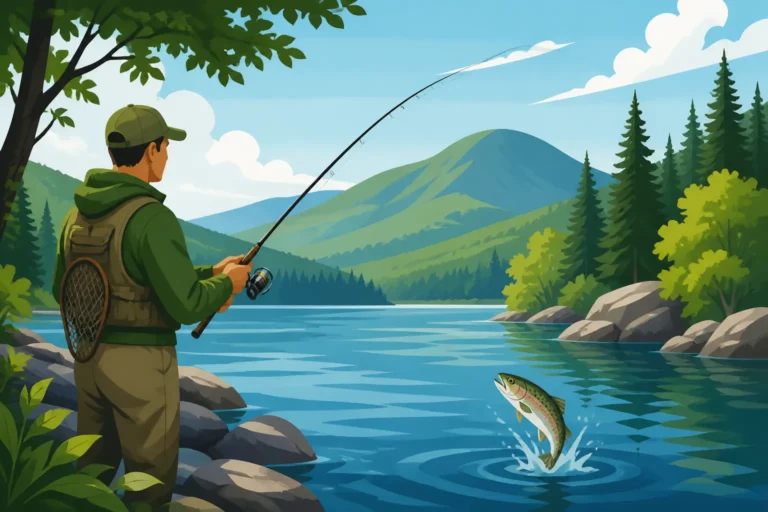
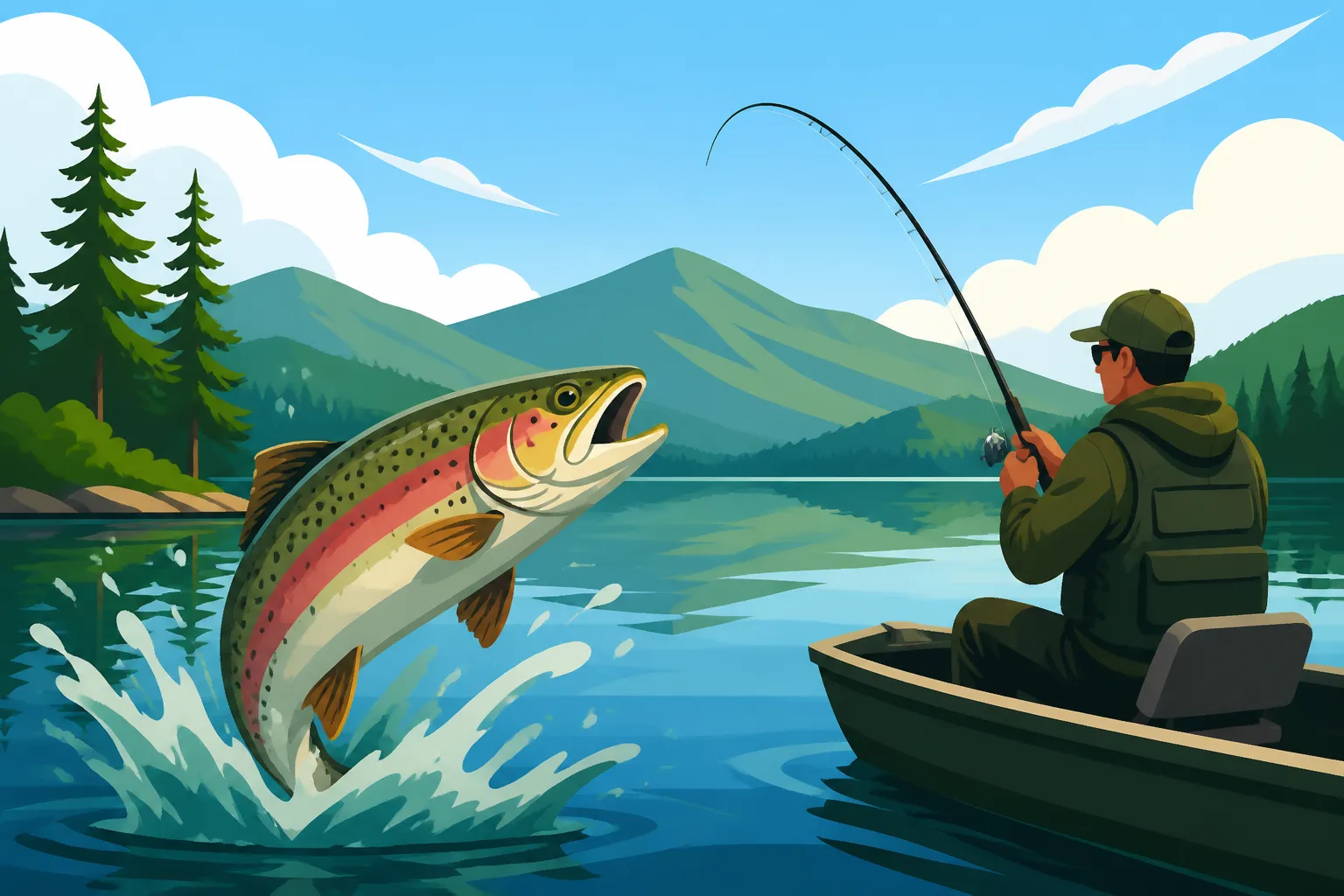
- Rainbow Trout: These acrobatic fighters are a joy to catch. After stocking, they often cruise the shallower areas, but as the water warms, they move to deeper, cooler sections of the lake. They'll readily hit a variety of baits, from PowerBait and worms to small spoons and spinners. Fly anglers also have good success stripping small streamers or nymphing near drop-offs.
- Brown Trout: Known for their elusive nature and often larger size, brown trout can provide a significant challenge. While many are stocked, some can become holdovers, growing to impressive sizes. They tend to be more wary than rainbows and often prefer baitfish imitations. Trolling with minnow-imitating crankbaits or spoons in the deeper water can be very effective for these bigger browns.
- Brook Trout: While not as heavily stocked as rainbows and browns, there's always a chance of catching a native brook trout, especially if smaller feeder streams flow into the lake. These beautiful, native fish prefer the coldest, cleanest water and are a prized catch for any angler. They usually respond well to small inline spinners or traditional worm and bobber setups, especially early in the season.
Bass: Largemouth and Smallmouth Opportunities
For bass enthusiasts, Ninevah Lake is a haven, with both largemouth and smallmouth bass present. The lake's varied habitat, from rocky points to extensive weed beds, provides ideal conditions for both species, making it a great destination for bass tournaments or simply a fun day of targeting these aggressive predators. If you're looking for more general information on how to catch Smallmouth Bass in Vermont lakes, many of those techniques will translate perfectly here.
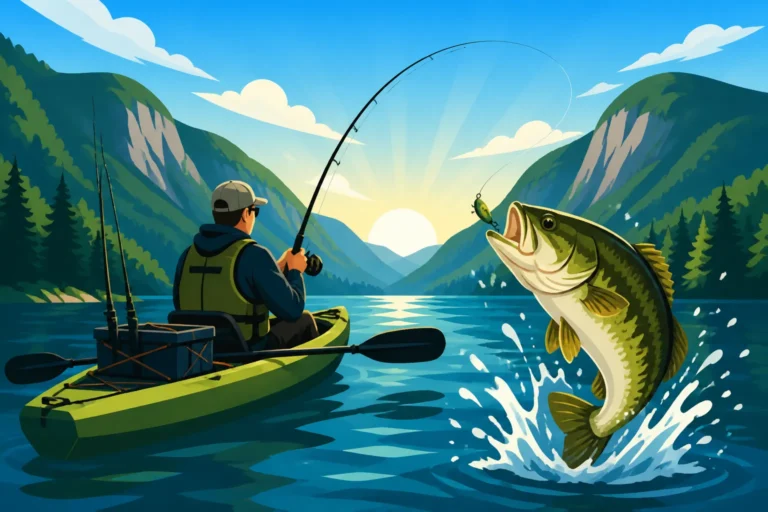
- Largemouth Bass: You'll find largemouths in the shallower, weedier sections of Ninevah Lake. They love to ambush prey from cover, so focus your efforts around lily pads, submerged timber, and dense weed lines. Topwater frogs, soft plastics (like Senkos or creature baits) Texas-rigged or Carolina-rigged, and spinnerbaits are all excellent choices. In summer, early mornings and late evenings are prime times for topwater action.
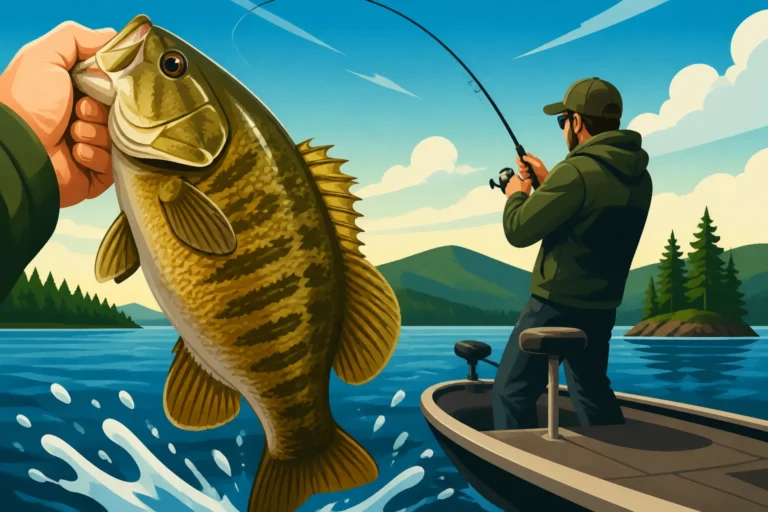
- Smallmouth Bass: These "bronze backs" prefer rocky areas, points, and drop-offs. They're known for their powerful fights and aerial acrobatics. Look for them cruising ledges or schooling over deeper structure. Jigs, tubes, drop shot rigs, and small crankbaits that mimic baitfish are highly effective. On windy days, smallmouth often push up onto rocky points to feed on disoriented baitfish.
Panfish Galore: Perch, Crappie, and Bluegill
Ninevah Lake isn't just for trout and bass; it's also a fantastic spot for panfish. These smaller species are perfect for younger anglers or anyone looking for consistent action, and they are also delicious table fare. They offer a relaxed fishing experience, where a simple setup can yield plenty of bites. Check out our comprehensive guide to Panfish Fishing in Vermont for more tips on these fun species.
- Yellow Perch: Abundant throughout the lake, yellow perch are a staple. They often school up, so if you find one, you're likely to find many more. They are easily caught on small jigs tipped with a worm, a piece of corn, or a small grub. They provide excellent winter ice fishing opportunities as well.
- Black Crappie: These beautiful, slab-sided fish are often found near submerged brush, docks, or standing timber. They have a delicate bite, so a sensitive rod is key. Small jigs, minnows, or tiny spoons fished under a bobber can be incredibly effective, especially during their spring spawning season when they move into shallower water.
- Bluegill (Sunfish): The quintessential panfish, bluegill are present in large numbers in Ninevah. They are often found in shallow, weedy areas and are incredibly aggressive, making them a perfect target for kids. A worm or cricket on a small hook under a bobber is usually all it takes to get them biting. They also hit tiny flies or micro jigs with enthusiasm.
Effective Techniques and Essential Tackle for Ninevah Lake
Having the right techniques and tackle can make all the difference in your Ninevah Lake fishing experience. While it's not overly technical, understanding what works best for each species and condition will significantly improve your catch rate.
Trolling and Still Fishing for Trout
When it comes to trout in Ninevah Lake, especially after stocking, a few methods consistently produce results. The key is often to cover water or present a subtle bait.
- Trolling: This is arguably the most effective way to catch trout in Ninevah, especially the larger, more elusive browns and rainbows that have moved into deeper water. You'll want a light to medium-light spinning rod, spooled with 6-8 lb monofilament or fluorocarbon. Small spoons like a Dardevle, Little Cleo, or a Thinfish in silver, gold, or vibrant colors are excellent choices. You can troll these behind a small dodger or flashers to attract more attention. Vary your speed until you find what the fish prefer, usually between 1.5 to 2.5 mph. Pay attention to any depth sounder readings you might have, looking for baitfish schools or thermal layers where trout might be holding.
- Still Fishing: For a more relaxed approach, still fishing with bait from shore or a anchored boat can be very productive for trout, especially shortly after they've been stocked. A classic setup involves a small hook (size 8-12), a split shot, and a worm, PowerBait, or corn. Cast it out and let it sink to the bottom, or suspend it under a bobber. For PowerBait, try a slip sinker rig that allows the fish to pick up the bait without feeling resistance. Focus on areas near structure, drop-offs, or where feeder streams enter the lake, as these are natural holding spots for trout.
Casting and Pitching for Bass
Bass fishing on Ninevah Lake is all about targeting structure and cover. Whether you’re a fan of power fishing or finesse, there are plenty of options.
- Targeting Largemouth Bass: For largemouths in the weed beds and shallower cover, a medium-heavy baitcasting rod with 12-17 lb fluorocarbon or braided line is ideal. Pitching soft plastics like Texas-rigged worms, creature baits, or jigs into the thick stuff is a go-to method. When the bass are aggressive, casting spinnerbaits, chatterbaits, or shallow-diving crankbaits along weed edges can provoke explosive strikes. Topwater lures like frogs or poppers are incredibly exciting during low-light conditions. For a more subtle approach, a wacky-rigged Senko pitched silently into open pockets within the weeds can be deadly.
- Targeting Smallmouth Bass: Smallmouths often require a different approach. A medium-light to medium spinning rod with 8-10 lb fluorocarbon or braided line with a fluorocarbon leader is excellent for their preferred rocky habitats. Casting tubes, jigs, or drop shot rigs along rocky points, ledges, and transition zones where shallow water drops into deeper areas will often find them. Small crankbaits and jerkbaits that mimic baitfish are also very effective, especially when retrieved erratically. Pay close attention to your electronics, looking for rocky humps or submerged reefs where smallmouth often congregate. You might even consider hiring a local guide through FishingBooker who specializes in Vermont bass fishing to show you the ropes on a new lake.
Light Tackle for Panfish
Panfish offer fantastic, consistent action, and you don't need heavy gear to catch them. In fact, lighter tackle makes the fight even more fun!
- Ultralight Spinning Gear: An ultralight spinning rod (4-6 feet long) paired with a small reel spooled with 2-4 lb test monofilament is perfect for panfish. This sensitive setup allows you to feel even the slightest nibble.
- Baits and Lures: The simplest baits often work best: a piece of worm, a kernel of corn, small grubs, or crickets under a bobber will almost always catch bluegill and smaller perch. For crappie and larger perch, tiny jigs (1/32 to 1/16 oz) tipped with a small minnow or a soft plastic grub are highly effective. Fan cast these around docks, submerged brush, and weed edges. When ice fishing, tiny tungsten jigs tipped with a waxworm or a small plastic will entice plenty of bites.
- Bobber Fishing: For kids or a relaxing day, a simple bobber rig is unbeatable. Adjust your bobber depth until you find where the fish are holding, which can vary from just a few feet under the surface to near the bottom. The joy of watching that bobber dip is timeless!
Navigating Ninevah Lake Through the Seasons
Fishing in Vermont is a year-round pursuit, and Ninevah Lake offers distinct opportunities as the seasons change. Each period presents its own challenges and rewards, requiring anglers to adapt their strategies. Knowing the Vermont Fishing Season Dates and Closures is crucial for planning your trips.
Spring: Ice-Out Action and Stocked Trout
Spring is a time of renewal and excitement on Ninevah Lake. As the ice recedes, often in late March or early April, the water begins to warm, and fish become active.
- Ice-Out Frenzy: Immediately after ice-out, trout will be cruising the shallower areas, often near stream inlets, looking for easy meals. They're usually hungry after a long winter under the ice. This is a prime time for casting small spoons or inline spinners from shore or a boat. Bass, too, will begin to stir, though they’ll be sluggish.
- Trout Stocking: The Vermont Fish & Wildlife Department typically stocks Ninevah Lake with trout in the spring. These newly stocked fish are often very willing to bite, making it an excellent time for anglers of all skill levels. Traditional baits like PowerBait, worms, and corn are very effective. Fly anglers can find success with nymphs and small streamers. Remember to check the Vermont Fish Stocking Search Tool, Explained to see when Ninevah Lake is scheduled to receive its deliveries.
- Pre-Spawn Bass: As spring progresses and water temperatures climb into the 50s and 60s, bass move shallower for their pre-spawn period. They're feeding aggressively to build energy for spawning. This is a great time for jerkbaits, lipless crankbaits, and spinnerbaits cast towards rocky banks and developing weed lines.
Summer: Deep Water Strategies and Topwater Bass
Summer on Ninevah Lake is vibrant, with warmer water and lush vegetation. Fishing can be excellent, but often requires different tactics as fish move to find comfort.
- Trout in the Depths: With surface temperatures rising, trout retreat to the cooler, deeper sections of the lake. Trolling spoons or stickbaits with lead core line or downriggers is the most effective method to reach them. Focus on the deepest basins and near drop-offs.
- Summer Bass Action: Largemouth bass will be firmly entrenched in the thickest weed beds, lily pads, and shaded areas. Topwater frogs, soft plastic swimbaits, and Texas-rigged creature baits punched through mats are excellent for drawing strikes. Smallmouth bass will relate to deeper rocky points, humps, and submerged timber. Drop shot rigs, tubes, and jigs fished slowly along these structures can be deadly. Early morning and late evening topwater bites for both species can be spectacular.
- Panfish Everywhere: Panfish remain active throughout the summer, often schooling in and around weed beds or suspended over deeper structure. They're a great fallback option when other species are tougher to find.
Fall: Feeding Frenzy and Pre-Winter Prep
Fall is a favorite time for many Vermont anglers, and Ninevah Lake is no exception. The cooler temperatures, vibrant foliage, and aggressive fish make for memorable outings.
- Trout Resurgence: As lake temperatures drop, trout once again become more active and will move into shallower waters, often closer to shore or around points. They feed heavily to prepare for winter. Trolling remains effective, but casting spoons and spinners from shore or a boat also works well. This is also a fantastic time for fly fishing with streamers and larger nymphs.
- Bass Bulk Up: Both largemouth and smallmouth bass go on a feeding frenzy in the fall, trying to put on weight before winter. They often school up more tightly and can be found on main lake points, channel swings, and deeper weed edges. Crankbaits, jerkbaits, and swimbaits that imitate baitfish are incredibly effective. Look for schools of baitfish on your sonar, and the bass won't be far behind.
- Panfish Staging: Panfish will also begin to stage in deeper areas, often schooling tightly near drop-offs or deep weed lines. Vertical jigging with small spoons or jigs can be very productive as they concentrate.
Winter: Ice Fishing Adventures
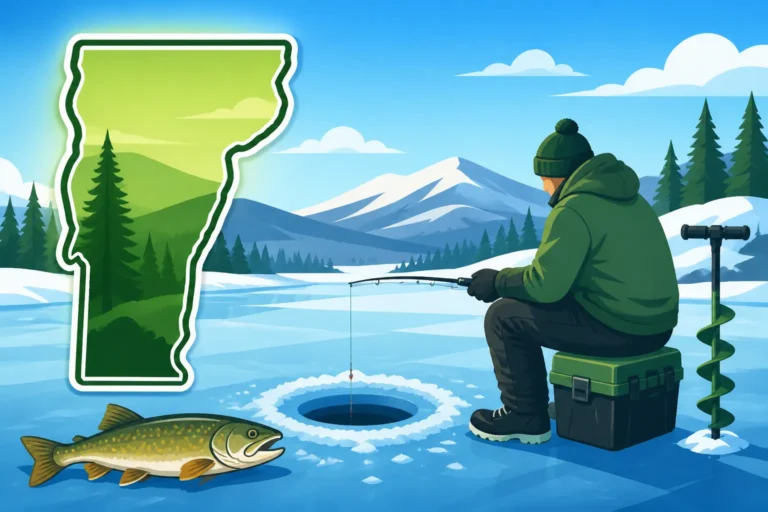
When Ninevah Lake freezes solid, usually from late December through March, a whole new world of fishing opens up: ice fishing. It's a quintessential Vermont winter experience. Be sure to check Vermont Ice Fishing Season Dates and always prioritize ice safety – a minimum of 4 inches of clear, solid ice is recommended for walking.
- Perch and Panfish Dominance: Yellow perch, crappie, and bluegill are the stars of Ninevah Lake's ice fishing scene. They are typically found in shallower to mid-depth areas, often relating to weed edges or subtle changes in depth. Tiny jigs tipped with a waxworm, mousy, or a small piece of plastic are incredibly effective. You can often catch dozens in a single outing.
- Trout Through the Ice: Trout can also be caught through the ice, though they are often found in deeper parts of the lake. Tip-ups rigged with a live minnow or a piece of cut bait can attract larger browns and rainbows. Jigging with small spoons or blade baits can also entice strikes. You might want to consider going with a local guide found on FishingBooker for your first ice fishing trip on Ninevah to learn the ropes.
- Bass in the Cold: While less common to target, bass can also be caught while ice fishing. They'll be sluggish but will hit a slow-fished jigging spoon or a larger live minnow under a tip-up, particularly suspended over deeper breaks.
| Species | Best Season | Preferred Habitat | Recommended Techniques |
|---|---|---|---|
| Rainbow Trout | Spring, Fall | Open water, near inlets | Trolling spoons, PowerBait, worms |
| Brown Trout | Spring, Fall | Deeper water, structure | Trolling stickbaits, minnow imitations |
| Largemouth Bass | Summer, Fall | Weeds, lily pads, timber | Topwater, Texas rigs, spinnerbaits |
| Smallmouth Bass | Summer, Fall | Rocky points, drop-offs | Jigs, tubes, crankbaits, drop shots |
| Yellow Perch | Year-round | Weed edges, schools | Small jigs, worms, minnows |
| Black Crappie | Spring, Summer | Submerged brush, docks | Tiny jigs, minnows under bobber |
| Bluegill | Year-round | Shallow weeds | Worms, crickets, micro jigs under bobber |
Accessing Ninevah Lake and On-Water Facilities
Getting onto Ninevah Lake is relatively straightforward, but it's important to know your access points and what services are available. A little planning can make your day on the water much smoother. Many of the best Vermont State Park Fishing Guide locations often come with excellent amenities, and Ninevah Lake has a good basic setup.
Boat Launches and Shoreline Access
Ninevah Lake has a public boat launch that is maintained for general access, typically suitable for small to medium-sized boats, kayaks, and canoes.
- Public Boat Launch: The primary public boat launch is located on the eastern side of the lake. It's a concrete ramp that offers relatively easy access, though parking can be limited during peak times, especially on weekends in summer. This ramp is managed to prevent the spread of invasive species, so be sure to clean, drain, and dry your boat and gear thoroughly before and after launching. This responsibility falls on all of us to protect Vermont's precious waterways.
- Kayak and Canoe Access: For paddlers, the public launch works perfectly, but you might find other informal spots along the roadside or via small trails that offer easy hand-launching opportunities, particularly on the northern and southern ends of the lake where the water is shallower. Kayak fishing is incredibly popular here because it allows silent access to some of the weedier coves where bass and panfish hide.
- Shoreline Fishing: While much of the shoreline is private, there are still some accessible areas for bank fishing, particularly near the public boat launch and along parts of the public road that skirts sections of the lake. It's not extensive, but you can certainly wet a line from the bank, especially for trout after stocking or for panfish. Always be respectful of private property and posted signs.
Nearby Amenities and Services
Ninevah Lake itself is more on the rustic side, but nearby towns offer essential services for anglers.
- Bait and Tackle: For bait and basic tackle, you'll likely need to stop in a larger nearby town. Rutland, about 25-30 minutes away, is your best bet for a wider selection. There, you'll find sporting goods stores like Dick's Sporting Goods or local bait shops that can provide live bait, lures, and other essentials. It's always a good idea to call ahead to confirm their stock, especially if you're looking for something specific.
- Fuel and Provisions: Gas stations and grocery stores are also available in Rutland or smaller general stores in towns like Ludlow or Belmont, which are closer but may have a more limited selection. It's wise to pack a cooler with drinks and snacks before heading out to the lake.
- Lodging and Dining: If you're planning an extended stay, there are various lodging options in the surrounding areas. From cozy bed and breakfasts to motels and vacation rentals, you can find something to suit your needs in Rutland, Ludlow, or even more remote cabins in the mountains. Dining options range from casual diners to more upscale restaurants, particularly in the ski town of Ludlow. If you're coming from out of state, booking a fishing trip or finding a place to stay can be simplified through platforms like FishingBooker, which can help you find local guides or lodging near the lake.
Understanding Ninevah Lake's Fishing Regulations
Navigating fishing regulations can sometimes feel like deciphering ancient texts, but it's absolutely crucial for ensuring sustainable fisheries and avoiding hefty fines. Ninevah Lake, like all Vermont waters, operates under the rules set by the Vermont Fish & Wildlife Department. Before heading out, it's essential to have a valid Vermont fishing license and be familiar with the current regulations. You can find comprehensive details in our Vermont Fishing License Guide for 2026.
General Vermont Fishing Rules
Even without specific lake rules, all state-wide regulations apply. These include:
- Fishing License: Anyone 15 years or older must possess a valid Vermont fishing license. You can purchase these online, at various vendors, or through town clerks. Knowing where and how to buy a Vermont fishing license is your first step. Remember, you can also consider printing or carrying a digital fishing license in Vermont for convenience.
- Bag and Possession Limits: There are daily bag limits and possession limits for various species. These limits dictate how many fish of a certain species you can keep in a day and how many you can possess at any given time (e.g., in your cooler, at your camp). These are outlined in the annual Vermont Fishing Guide and are critical to follow. For example, understanding Vermont Bag and Possession Limits by Species will tell you exactly how many trout or bass you can legally take home.
- Minimum Length Limits: Some species have minimum length limits, meaning fish below a certain size must be immediately released. This is especially true for bass and trout in many waters, allowing younger fish to grow and contribute to the population.
- Open and Closed Seasons: While many species are open year-round, certain species, particularly bass and trout, have specific open and closed seasons or catch-and-release only periods. For instance, you should be aware of the Vermont Trout Opening Day Traditions to know when the season officially kicks off.
- Prohibited Methods: Certain fishing methods, such as snagging, are prohibited. Always use legal and ethical fishing practices.
- Invasive Species Prevention: It is mandatory to "Clean, Drain, and Dry" your boat, trailer, and gear before and after entering any Vermont water body to prevent the spread of aquatic invasive species.
Specific Ninevah Lake Considerations
While many rules are statewide, individual lakes can have special regulations. Always check the latest Vermont Fishing Guide specifically for Ninevah Lake. As of my last check, Ninevah Lake generally follows the statewide regulations for most species, but special regulations can change from year to year based on fish populations and management goals.
- Trout Regulations: For trout, ensure you are aware of the daily limits and minimum lengths. If Ninevah Lake is part of any special trout management program, there might be unique rules regarding the type of gear allowed or specific catch-and-release only sections.
- Bass Regulations: Bass often have specific seasons for harvest versus catch-and-release, particularly during their spawning periods. Always confirm the current rules for largemouth and smallmouth bass on Ninevah Lake before you decide to keep any.
- Ice Fishing Regulations: While ice fishing is popular, there are specific rules regarding the number of lines you can use, the need for identification on tip-ups, and the removal of ice shanties before ice-out.
Staying informed is your best defense against accidental violations. The Vermont Fish & Wildlife Department's website is an invaluable resource, or you can pick up a physical copy of the fishing guide from any license vendor. If you're ever unsure about a particular rule, it's always best to err on the side of caution or contact the Vermont Fish & Wildlife Department directly for clarification.
Disclaimer
Please remember that fishing regulations, conditions, and access points can change. While every effort has been made to provide accurate and up-to-date information, it is always your responsibility to consult the latest official Vermont Fish & Wildlife Department regulations guide before heading out on the water. Stay safe, respect the environment, and enjoy your time fishing in Vermont.