Ottauquechee River Fishing Guide
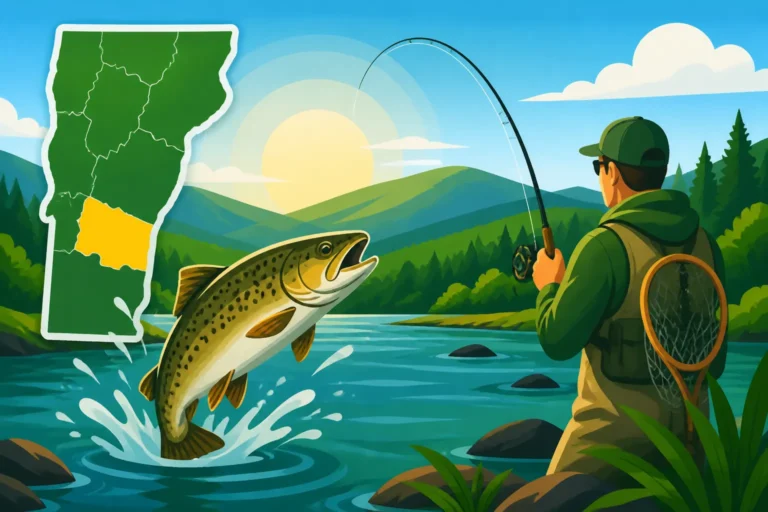
The Ottauquechee River, a picturesque ribbon winding through the heart of Vermont, often gets overshadowed by its larger counterparts, leaving many anglers wondering if it's truly worth their time. The frustration of trying to piece together reliable information on lesser-known waterways can be a real deterrent, pushing folks towards more publicized spots. This comprehensive guide aims to clear up that confusion, providing you with all the insights you need to confidently explore the fantastic fishing opportunities the Ottauquechee has to offer, from its pristine headwaters to its broader lower stretches.
Discovering the Ottauquechee River's Angling Charms
The Ottauquechee River is a true Vermont gem, not just for its stunning natural beauty, but for the diverse angling experiences it provides. It’s a river that transforms as it journeys from its source near the spine of the Green Mountains to its confluence with the mighty Connecticut River, offering something for every type of angler. Many folks drive right past it on Route 4, unknowingly missing out on some incredible fishing, assuming it’s just another small, unremarkable stream. But once you get to know the 'Quechee, as locals affectionately call it, you'll find it has a personality all its own.
A River of Contrasts: Upper, Middle, and Lower Sections
To truly understand the Ottauquechee, it helps to break it down into its distinct personalities. The river's character changes dramatically as it flows, offering different challenges and rewards for anglers willing to explore. This isn't a one-size-fits-all river; what works in one section might be completely different just a few miles downstream.
The upper section of the Ottauquechee, particularly upstream from Bridgewater and extending into the higher elevations near Killington, is where the river truly earns its "mountain stream" reputation. Here, you'll find smaller, faster-flowing water, often tumbling over rocks and through tight pockets. This is classic wild trout country, a place for those who enjoy scrambling along the banks, making precise casts, and seeking solitude. The fish are generally smaller, but their vibrant colors and wild spirit make them incredibly rewarding catches. Think of it as a wilderness experience, where success often depends on stealth and a delicate presentation. If you're looking for an escape from crowds and a chance to truly connect with nature, this is your zone.
As the Ottauquechee flows into its middle section, passing through towns like Bridgewater, Woodstock, and eventually reaching the famed Quechee Gorge, it begins to widen and slow in places. This section is significantly influenced by stocking efforts from the Vermont Fish & Wildlife Department, making it a hotspot for those looking for more consistent action, especially with rainbow trout. Access here is generally easier, with many pull-offs along Route 4 and designated public access points. You'll find a mix of deeper pools, riffles, and runs, often interspersed with charming covered bridges and scenic vistas. This is where you'll encounter more fellow anglers, but there's still plenty of water to explore, offering a delightful blend of accessibility and productive fishing.
Further downstream, as the river approaches its junction with the Connecticut River near Hartland, it enters its lower section. Here, the Ottauquechee becomes a larger, more mature river, with wider pools and a slower, more deliberate current. While trout are still present, especially larger brown trout that might migrate from the Connecticut, this section also opens up opportunities for other species. Smallmouth bass become more prevalent, thriving in the warmer, rockier stretches. This area might appeal to anglers who prefer to fish from a kayak or small boat, allowing them to cover more water and explore the confluence where two significant rivers meet. The fishing here can be quite different, requiring a shift in tactics and an openness to targeting a broader range of fish.
Why the Ottauquechee Stands Out for Anglers
The Ottauquechee isn't just another river; it boasts a unique combination of features that make it a standout destination for anglers of all skill levels. Many anglers search for that perfect balance of accessibility, beauty, and productive fishing, and the 'Quechee delivers on all fronts without the overwhelming crowds found on some larger, more famous rivers.
One of the primary reasons the Ottauquechee shines is its incredible variety of fish species within a relatively compact watershed. While it's primarily known as a trout fishery, offering rainbows, browns, and the elusive native brook trout, the lower sections also provide fantastic opportunities for smallmouth bass and various panfish. This means you can tailor your trip to your preferences, or even switch targets throughout the day depending on the conditions and the section of river you're fishing. It's rare to find a river that can satisfy both a dedicated fly angler chasing wild brookies and a family looking for easy-to-catch panfish, but the Ottauquechee manages it beautifully.
Furthermore, the river's accessibility is a significant draw. Much of the middle and lower river parallels Route 4, making it incredibly easy to find parking and access points. You don't always need to bushwhack for miles to find good water; many productive spots are just a short walk from the road. This makes it a great choice for a spontaneous afternoon trip, or for anglers who might have physical limitations but still want to enjoy river fishing. Even the upper sections, while requiring a bit more effort, have numerous spots where you can pull off and explore. This ease of access, combined with a feeling of being deep in nature, is a rare and cherished combination.
Finally, the scenic beauty of the Ottauquechee is undeniably a major part of its appeal. Fishing here is more than just catching fish; it's an immersive experience in quintessential Vermont landscapes. From the rugged mountain scenery of the headwaters to the pastoral charm around Woodstock and the dramatic Quechee Gorge, the views are simply breathtaking. Imagine casting your line with vibrant fall foliage as your backdrop, or enjoying a peaceful morning surrounded by the sounds of a babbling brook. It's a place where you can make lasting memories, even if the fish aren't biting every minute. Whether you're a seasoned angler or a complete beginner, the Ottauquechee offers a truly rewarding and unforgettable outdoor experience that keeps people coming back year after year.
Species You'll Encounter in the Ottauquechee
The Ottauquechee River is a haven for a variety of fish, but it's particularly celebrated for its trout. Understanding which species inhabit different parts of the river, and their typical behaviors, is key to a successful and enjoyable fishing trip. You might come to Vermont dreaming of catching a specific fish, and the Ottauquechee offers a realistic chance to hook several different kinds.
The Reigning Trout Species: Rainbows, Browns, and Brookies
When most people think of fishing the Ottauquechee, trout immediately come to mind. And for good reason! The river supports a robust population of these cold-water beauties, thanks to both dedicated stocking programs and the presence of native populations in its colder reaches. Each species offers a unique angling experience, making it fun to try and target them all.
Rainbow trout are by far the most commonly encountered trout species in the Ottauquechee, particularly in the middle sections of the river. These fish are heavily stocked by the Vermont Fish & Wildlife Department, ensuring a consistent and exciting fishery, especially from opening day through the early summer. Rainbows are known for their acrobatic fights once hooked, often leaping clear of the water, making them a thrilling catch for anglers of all skill levels. They are generally less wary than their wild counterparts and will readily strike a variety of baits and lures, making them an excellent target for beginners or those seeking steady action. After a fresh stocking, it's not uncommon to find hungry rainbows eager to bite, providing a fantastic opportunity to hone your skills. For those wondering, you can easily use the Vermont Fish Stocking Search Tool, Explained to find out when and where stockings occur.
Brown trout also inhabit the Ottauquechee, both from stocking programs and a decent population of wild, naturally reproducing fish, particularly in the middle and lower sections. While not stocked in the same numbers as rainbows, brown trout are highly sought after for their elusive nature and potential for large size. These fish are typically more cautious, preferring deeper pools, undercut banks, and complex structure where they can hide and ambush prey. A large brown trout can offer an incredible fight, often using the current to their advantage, and their beautiful, spotted coloration is truly a sight to behold. Pursuing wild brown trout requires a bit more patience and finesse, often favoring accurate casts with flies or subtle lures, but the reward of landing one of these wily residents is unparalleled. You'll often find them tucked away in prime lies, waiting for an opportune moment to feed.
The true jewels of the Ottauquechee, particularly in its colder, higher-elevation tributaries and the uppermost stretches of the main stem, are the brook trout. These are Vermont's native trout, and their vibrant colors – with iridescent spots and fiery fins – are simply stunning. Brook trout are typically smaller than rainbows or browns, but what they lack in size, they make up for in beauty and the wildness of their habitat. Finding them often means venturing into more remote areas, hiking along smaller brooks, and embracing a more intimate angling experience. Catching a native brook trout in its natural environment, whether through careful fly presentation or a tiny spinner, is a truly special moment, connecting you to the wild heart of Vermont. It’s a great chance to appreciate Vermont's Native Trout in their pristine home.
Beyond Trout: Smallmouth Bass and Panfish Opportunities
While trout might be the stars of the show, the Ottauquechee River offers excellent fishing for other species, particularly in its warmer, lower sections. This versatility means anglers aren't limited to just cold-water pursuits and can enjoy different types of fishing depending on the season and where they choose to cast their lines.
As the Ottauquechee matures and warms in its lower reaches, especially below Quechee and approaching the Connecticut River, smallmouth bass become a prominent and exciting target. These hard-fighting fish thrive in the river's rockier stretches, preferring current breaks, submerged boulders, and gravel beds where they can ambush baitfish and crayfish. Smallmouth are renowned for their aggressive strikes and powerful, bulldogging fights, often leaping from the water in an attempt to shake the hook. They offer a fantastic warm-water fishery, particularly during the summer months when trout fishing can slow down due to higher water temperatures. Targeting smallmouth with topwater lures in the early morning or late evening can be an incredibly explosive experience, providing thrilling action that's quite different from trout fishing. Anglers targeting smallmouth will find that some of the deeper, wider pools in the lower Ottauquechee hold some surprisingly robust specimens, especially as the river approaches the richer waters of the Connecticut.
Beyond the main gamefish, the Ottauquechee also provides accessible and fun fishing for panfish like yellow perch and various sunfish species, particularly in the slower pools, backwaters, and tributary mouths throughout its middle and lower sections. These species are fantastic targets for new anglers, children, or anyone looking for consistent, easy action. Panfish are often abundant, readily strike small baits like worms or tiny jigs, and provide a delightful tug on ultralight tackle. They are also excellent eating fish, making them a popular choice for those looking to bring home a meal. Imagine a leisurely afternoon with the family, setting up a simple bobber rig in a calm eddy, and watching as kids excitedly reel in brightly colored sunfish. It’s a low-stress way to enjoy the river and introduce newcomers to the joys of fishing.
Prime Fishing Spots and Access Points Along the River
Knowing where to access the Ottauquechee River is just as important as knowing what you're fishing for. This river offers a range of access, from easily reached roadside spots to more secluded stretches that require a bit of a hike. Vermont is generally very angler-friendly, but understanding the lay of the land will significantly enhance your experience.
Upstream Gems: Killington & Bridgewater Areas
For those seeking a more rugged, wild trout experience, the uppermost stretches of the Ottauquechee River, flowing down from the higher elevations of the Green Mountains, are where you'll want to focus. This is the river in its infancy, a spirited mountain stream that demands a bit more effort but rewards you with solitude and beautiful, native fish.
The areas around Killington and Bridgewater offer some prime upstream gems. Here, the river is narrower, with a steeper gradient, creating a dynamic environment of riffles, runs, and small plunge pools. You'll often find access by pulling off Route 4 at various points, particularly on smaller dirt roads that branch off the main highway. Look for areas where the road comes close to the river or where small bridges cross over. Many of these spots require a bit of wading or walking along the bank to find the best water, so be prepared with appropriate footwear like Best Waders for Vermont Trout Streams. While there might not be designated parking lots everywhere, careful observation will reveal numerous spots where you can safely park and make your way to the water.
A notable access point in this upper region is around Gifford Woods State Park. While the main river doesn't flow directly through the core park area, the surrounding region offers excellent access to the upper Ottauquechee and its tributaries. It's an area rich with natural beauty, and exploring the smaller feeder streams here can yield some delightful encounters with native brook trout. The focus in these upstream areas is typically on smaller, wild trout. Anglers should concentrate on fishing pocket water, the seams where fast and slow currents meet, and the deeper sections of small pools formed by boulders or fallen trees. A real-life scenario might involve parking your car on a quiet dirt road, then carefully picking your way through the woods, listening for the sound of the rushing water, until you find a secluded stretch of river where you can cast a small dry fly into a perfect pocket behind a rock, hoping for a vibrant brook trout to rise.
Central Hubs: Woodstock and Quechee Gorge
Moving downstream, the Ottauquechee transforms into a more accessible and often heavily stocked fishery as it flows through the popular towns of Woodstock and Quechee. These central hubs are excellent choices for families, new anglers, or anyone looking for reliable action without venturing too far off the beaten path.
The stretch of river flowing through Woodstock offers a mix of urban and pastoral fishing. Public access points are well-marked, and you'll find numerous spots where you can park and easily reach the water. The river here often features wider, deeper pools and more predictable runs, making it ideal for both spin fishing and fly fishing. The Vermont Fish & Wildlife Department regularly stocks this section with rainbow trout, especially in the spring, which means consistent opportunities for anglers. You'll often see families and individual anglers enjoying the riverbanks. Just downstream from Woodstock, Dewey's Mills Pond, a wider impoundment of the Ottauquechee, also offers good fishing for trout and some panfish, especially from small boats or canoes.
Perhaps the most famous central access point is the iconic Quechee Gorge. While the gorge itself is breathtaking, and fishing within the deepest parts can be challenging and dangerous, the stretches of river immediately above and below the gorge, particularly around Quechee Gorge Village, provide excellent public access. The river here is easily reached, with ample parking and developed trails in some areas. These spots are popular and heavily stocked, making them prime locations for catching trout, especially after a recent stocking. Imagine taking the family to see the impressive gorge, then setting up for an hour or two of fishing in a nearby, easily accessible pool. The combination of stunning scenery and high fish density makes this a very attractive location. A typical scenario might involve arriving early on a spring morning, finding a comfortable spot near a deeper bend, and consistently catching freshly stocked rainbow trout on worms or small spinners, perfect for an excited young angler.
Downstream to the Connecticut: Hartland & Confluence
As the Ottauquechee River completes its journey, it widens and slows, taking on a different character before merging with the Connecticut River. This lower section offers diverse fishing opportunities, including a greater chance to encounter smallmouth bass and potentially larger, transient trout.
The area around Hartland and the confluence with the Connecticut River provides a distinct angling experience. Here, the Ottauquechee is broader and deeper, often flowing through less turbulent stretches. Public access points are available, and some areas may even be suitable for launching smaller boats or kayaks, allowing you to explore a greater expanse of water. This section is particularly interesting because of its proximity to the Connecticut River, a large waterway known for its diverse fish populations. As such, you might encounter fish that have moved in from the larger river, adding to the variety of your catch. If you’re interested in exploring the larger river, we have a detailed guide on Connecticut River Fishing Access in Vermont.
While trout are still present, especially larger brown trout that might follow cooler water or baitfish upstream from the Connecticut, this lower stretch truly excels as a smallmouth bass fishery. The rocky bottom, deeper pools, and slower currents create ideal habitat for bronze-backs. Anglers targeting smallmouth should focus on rocky structures, current seams, and areas with submerged timber. A real-life scenario might involve launching a kayak at a public access point in Hartland, paddling downstream, and working a small crankbait or soft plastic along the rocky shoreline, targeting aggressive smallmouth bass that are holding in current breaks. The fishing here offers a different pace and challenge compared to the upstream trout waters, making it a great option for those who enjoy chasing warm-water species in a riverine environment.
Essential Techniques and Tackle for Ottauquechee Success
No matter how beautiful the river or how many fish swim in its waters, success ultimately comes down to employing the right techniques and having the appropriate tackle. The Ottauquechee, with its varied sections and diverse species, demands a flexible approach. Having the right tools and knowing how to use them can make all the difference between a frustrating day and a memorable one.
Mastering Trout Tactics: Fly Fishing and Spin Fishing
Trout are the undisputed champions of the Ottauquechee, and anglers employ two primary methods to catch them: fly fishing and spin fishing. Both can be incredibly effective, but they each require a nuanced understanding of the fish and the river conditions.
Fly fishing on the Ottauquechee is a deeply rewarding experience, especially in the upper and middle sections where trout are abundant. For many, it's the quintessential Vermont fishing experience. During the spring and early summer, when insect hatches are prevalent, dry fly fishing can be exceptionally productive. Anglers should pay attention to what insects are hatching – caddis, mayflies, and stoneflies are common – and try to "match the hatch" with imitative patterns. Popular dry flies include Elk Hair Caddis, Adams, and Parachute Adams. As the season progresses or during periods of less surface activity, nymphing becomes a highly effective technique. Patterns like the Pheasant Tail, Hare's Ear, Prince Nymph, and Squirmy Wormy can be deadly when drifted naturally along the bottom. For those looking for more specific patterns, check out our detailed guide on Fly Patterns for Vermont Trout Streams. For colder water or aggressive fish, streamers such as Woolly Buggers (in olive, black, or white) can entice larger brown trout to strike, particularly when fished in deeper pools or along undercut banks. The key to successful fly fishing here is often a delicate presentation and a good drift, making your fly appear as natural as possible to wary trout. You might find yourself on a warm summer evening, casting a small caddis imitation to rising trout, or meticulously drifting a nymph through a deep run, waiting for that subtle twitch of your indicator.
Spin fishing is another highly effective method for trout on the Ottauquechee, particularly for stocked fish and in sections with easier access. This method is often more forgiving for beginners and can be incredibly productive, especially after a fresh stocking. The most basic and consistently effective bait is a simple worm, whether it's a piece of a nightcrawler, a red worm, or even mealworms. Fished under a small bobber or on a light bottom rig, worms are irresistible to hungry trout. PowerBait in various colors and forms (dough, nuggets) is also a staple for stocked trout, often fished off the bottom with a small split shot. For those who prefer artificial lures, small spinners like Mepps Aglias, Panther Martins, and Rooster Tails (in silver, gold, or black) are perennial favorites. Cast upstream and reeled in just fast enough to get the blade spinning, they imitate baitfish and attract aggressive strikes. Small spoons, such as Dardevle Daredevle or Kastmaster, can also be effective, particularly in deeper pools where they can be jigged or retrieved with a stop-and-go motion. A common scenario might be a spring day when the river is a bit high and off-color; bait fishing with a worm and a sinker near a slower eddy can yield surprisingly good results from recently stocked rainbows.
Bass and Panfish Approaches for the Lower River
As you shift your focus to the warmer, slower sections of the lower Ottauquechee, particularly for smallmouth bass and panfish, your techniques and tackle will need to adapt. These species have different habits and preferences, and a tailored approach will bring greater success.
For smallmouth bass, which become more prevalent downstream, aggressive presentations often work best. Spinners and small crankbaits are excellent choices for covering water and triggering reaction strikes, especially when fished around rocky areas, current breaks, and submerged structures. Look for crankbaits that mimic baitfish or crawfish, as these are primary food sources for smallmouth. Soft plastics, such as tube jigs (green pumpkin, watermelon), grubs, and creature baits, are incredibly versatile. They can be fished on a jig head, Texas-rigged, or even drop-shotted, allowing for a more subtle presentation when bass are finicky. In the warmer months, topwater lures like poppers and walk-the-dog baits can provide exhilarating, explosive strikes, especially during low-light conditions at dawn or dusk. The thrill of a smallmouth blowing up on a topwater lure is an experience every angler should have. A typical approach for smallmouth might involve casting a tube jig near a submerged log or rock pile, slowly hopping it along the bottom, mimicking a crawfish scurrying for cover.
Panfish, including yellow perch and various sunfish, are perfect targets for a more relaxed fishing experience, and they're particularly good for introducing kids to the sport. The key here is using small baits and light tackle. A simple bobber and worm setup is incredibly effective. A small piece of a nightcrawler or a mealworm on a tiny hook (size 8 or 10) fished under a bobber in a calm pool or backwater will almost guarantee action. Tiny jigs, often tipped with a piece of worm, a grub, or a small plastic tail, are also very productive. These can be fished under a bobber or simply cast out and slowly retrieved. Ultralight spinning gear is ideal for panfish, as it makes even a small sunfish feel like a trophy. Imagine sitting on the bank of a slow-moving section of the Ottauquechee, watching the bobber intently with a child, and the sheer joy when it finally dips under, signaling a feisty perch or sunfish has taken the bait. It’s simple, effective, and incredibly fun.
Reading the Water: Key to Finding Fish
Regardless of the species you're targeting or the method you're using, the ability to "read the water" is perhaps the most crucial skill an angler can develop on a river like the Ottauquechee. The river isn't uniform, and fish don't just hang out randomly; they position themselves in specific spots for safety, comfort, and access to food.
Learning to identify holding lies is paramount. Look for areas that offer a break from the main current, as fish conserve energy by avoiding strong flows. These include eddies, seams where fast and slow currents meet, and behind large boulders or fallen trees. Fish will often position themselves just out of the main current, waiting for food to drift by. Deep pools are obvious holding spots, offering both cover and comfort, especially for larger trout and bass. Undercut banks provide excellent overhead cover and shade, making them prime lies for cautious brown trout. In shallower, faster sections, riffles can hold trout actively feeding on insects, while the calmer water at the tail of a pool (the shallower section where the pool transitions back into a riffle) is also a classic feeding zone.
Understanding how flow affects these spots is also critical. During periods of high water, fish will often move closer to the banks, into slower eddies, or seek refuge behind larger structures to escape the powerful current. The water might be murky, requiring brighter lures or scents. Conversely, during low, clear water conditions, fish become much warier. They'll often seek deeper water or denser cover, and your presentation will need to be much more subtle and precise to avoid spooking them. A real-life scenario on the Ottauquechee might involve walking a section of river and noticing a distinct seam of slower water running parallel to a faster current. You might then focus your casts along that seam, knowing that trout or bass are likely positioned there, waiting for food to be delivered by the current without expending too much energy. The more you observe and interpret the water, the better you'll become at anticipating where the fish are hiding.
Regulations and Responsible Angling on the Ottauquechee
Fishing on the Ottauquechee River, like any other waterway in Vermont, comes with a set of rules designed to protect the fishery and ensure its health for future generations. Understanding and adhering to these regulations is not just about avoiding penalties; it's a fundamental part of responsible angling. Nobody wants to have a great day on the water only to realize they've inadvertently broken a rule.
Navigating Vermont's Fishing Regulations
Before you even make your first cast, it's essential to be familiar with Vermont's fishing regulations. These rules are in place to manage fish populations, protect spawning grounds, and maintain a sustainable fishery. The Vermont Fish & Wildlife Department's annual fishing guide is your bible, and it's always a good idea to consult the most current version.
First and foremost, you'll need a valid Vermont fishing license. This applies to almost everyone, with some specific exemptions. Generally, anyone 15 years of age or older needs a license to fish in Vermont waters. There are different types of licenses available, including resident, nonresident, and various short-term options. Understanding whether you're a resident or nonresident will affect the cost and duration of your license. We've got a full breakdown in our Vermont Fishing License Guide for 2026, and if you're unsure about age requirements, you can also check What age can you fish without a license in Vermont. Licenses can be purchased online, from authorized vendors, or at town clerk offices throughout the state. It's always a good idea to have your license readily available, either a physical copy or a digital one on your phone, in case a game warden checks.
Beyond the license, you must pay close attention to bag limits and length limits for the species you're targeting. These regulations specify how many fish of a certain species you can keep in a single day and, for some species, the minimum or maximum size a fish must be to be legally harvested. For example, trout often have specific daily limits and sometimes minimum length requirements. These rules can vary by species and even by specific water body, though the Ottauquechee typically falls under general statewide regulations for its main stem. Failing to adhere to these limits can result in significant fines. Our guide on Vermont Trout Limit and Possession Rules provides more specific details that are crucial for responsible angling.
It's also crucial to be aware of any special regulations that might apply to specific sections of the Ottauquechee River. While the Ottauquechee primarily follows general regulations, some areas in Vermont might have "catch and release only" rules, "artificial lures and flies only" restrictions, or specific seasonal closures for certain species. Always check the official Vermont Fish & Wildlife digest for the most up-to-date and specific rules for the exact stretch of river you plan to fish. A real-life scenario might involve carefully reading the digest before heading out, confirming that the section near Woodstock you plan to fish doesn't have any specific tackle restrictions, and knowing that if you catch a smallmouth bass in the lower river, it needs to meet a certain length before you can consider keeping it. Being informed is your best defense against accidental violations.
Conservation and Etiquette for a Healthy River
Beyond the legal requirements, responsible angling on the Ottauquechee, and any other natural resource, involves a commitment to conservation and good etiquette. These practices help ensure that the river remains healthy and enjoyable for everyone, both now and in the future. It's about being a good steward of the environment and a considerate user of public spaces.
Practicing catch and release best practices is paramount, especially for wild trout and any fish you don't intend to keep. When releasing a fish, handle it gently, minimizing its time out of the water. Wet your hands before touching the fish to protect its protective slime coat. Use de-barbed hooks or pinch down the barbs on your hooks to make removal easier and reduce harm. If a fish is deeply hooked, it's often best to cut the line as close to the hook as possible rather than trying to rip it out, which can cause irreparable damage. Supporting the fish gently in the water until it's ready to swim away on its own significantly increases its survival rate. This simple act ensures that the fish can continue to thrive and contribute to the river's ecosystem.
Another vital aspect of responsible angling is to leave no trace. This means packing out everything you pack in, including all trash, discarded fishing line, and bait containers. Don't leave any litter behind, no matter how small. It also extends to respecting private property. Much of the land along the Ottauquechee is privately owned, even if the river itself is public access. Be mindful of fences, posted signs, and agricultural areas. Always ask for permission before accessing private land. This respect for landowners helps maintain positive relationships and ensures continued access for anglers.
Finally, respecting other anglers is a key component of river etiquette. The Ottauquechee, especially in its more popular sections, can see a fair number of people enjoying the water. Give fellow anglers ample space – don't crowd them or cast into water they are actively fishing. If someone is already working a pool, either wait patiently for them to move on or find another spot. Keep noise levels down, particularly if others are enjoying the peace and quiet. A real-life scenario might involve arriving at a favorite pool only to find another angler already there. Instead of setting up right next to them, you might wave a friendly greeting and then move further upstream or downstream to find your own water, ensuring everyone has a pleasant experience. By practicing these principles, we all contribute to a positive and sustainable fishing culture on the Ottauquechee.
Planning Your Ottauquechee Fishing Adventure
A successful fishing trip often comes down to thoughtful planning. Knowing when to go, what to bring, and even considering a local expert can significantly enhance your time on the Ottauquechee. This preparation ensures you're ready for whatever the river throws at you and helps maximize your chances of catching fish and making lasting memories.
Best Times of Year to Fish the Ottauquechee
The Ottauquechee River offers angling opportunities throughout most of the year, but the "best" time often depends on what you're hoping to catch and what kind of experience you're looking for. Each season presents unique conditions and targets.
Spring is arguably the most popular time to fish the Ottauquechee, especially for trout. Vermont's trout season typically opens in mid-April, and this period often sees a frenzy of activity. The river is usually running higher and colder from snowmelt, which can make wading challenging but provides excellent habitat for trout. The Vermont Fish & Wildlife Department conducts extensive stocking operations in the spring, meaning there are plenty of hungry rainbow trout ready to bite. For techniques during this vibrant time, you can get a head start with our guide on Spring Trout Fishing Techniques for Vermont Streams. The initial weeks after opening day can be fantastic for consistent action, and as the weather warms, insect hatches begin, providing exciting fly-fishing opportunities.
Summer brings warmer temperatures, and trout fishing on the Ottauquechee can become more challenging, especially during the heat of midday. Wild trout and even stocked fish will seek out colder, deeper pockets, shaded areas, or the cooler waters of tributaries. Early mornings and late evenings become the prime times for trout, when water temperatures are at their coolest and insect activity picks up. However, summer is also when the smallmouth bass fishery in the lower Ottauquechee truly shines. They become more active and aggressive in the warmer water, readily striking topwater lures and various soft plastics. This makes summer an excellent time to target bass, offering a change of pace from trout.
Fall on the Ottauquechee is a visually stunning time to fish, with Vermont's famous foliage providing an incredible backdrop. Trout, particularly brown trout, become more active and aggressive as they prepare for winter and, for some, their spawning rituals. This can be a fantastic time to target larger, wary browns with streamers or nymphs. The cooler water temperatures make trout more comfortable throughout the day, extending fishing hours. Smallmouth bass fishing also remains strong into the early fall before they move to deeper wintering holes.
Even winter can offer unique, albeit limited, opportunities on the Ottauquechee. While much of the river may freeze over, especially in slower sections and backwaters, some stretches with strong current might remain open. Ice fishing might be possible on wider, slower pools or impoundments like Dewey's Mills Pond, but always exercise extreme caution and ensure ice is safely thick. Generally, winter is the least productive time for open-water fishing, but a mild day might offer a chance to target a holdover trout.
Gear Checklist for a Successful Trip
Being properly equipped is crucial for a comfortable and successful day on the Ottauquechee. The gear you bring will depend on the season, the section of river, and the species you're targeting, but some essentials are universal.
For rods and reels, consider what you're fishing for. A 5 or 6-weight fly rod is versatile for most trout fishing on the river, while a medium-light to medium-action spinning rod (6-7 feet) paired with a 1000 or 2500 series reel is ideal for both trout and smaller bass. If you're specifically targeting larger smallmouth in the lower river, a slightly heavier medium-action spinning rod might be preferable. You can find more general advice in our Best Fishing Rods for Vermont Lakes article, which also touches on river fishing considerations.
Your tackle will also need to be specific. For trout, pack a selection of small spinners (Mepps, Panther Martin), spoons, and PowerBait or worms if spin fishing. Fly anglers should have a diverse fly box with dry flies, nymphs, and streamers suitable for the season. For bass and panfish, include small crankbaits, tube jigs, grubs, and maybe a few topwater lures. Don't forget terminal tackle like hooks, split shots, and swivels, along with extra line (4-8 lb monofilament or fluorocarbon is a good general range for trout, a bit heavier for bass).
Waders and wading boots are almost essential for comfortable and effective river fishing on the Ottauquechee, especially if you plan to access prime spots in the upper and middle sections. Neoprene waders are great for colder spring water, while breathable waders are more comfortable for warmer summer days. A good pair of wading boots with felt or rubber soles (depending on personal preference and stream bottom) will provide crucial grip. For a deeper dive into choosing the right footwear, check out Best Waders for Vermont Trout Streams.
Finally, don't overlook essential personal items. Always carry your valid fishing license. A small landing net is highly recommended for safely handling and releasing fish. Pliers or hemostats are vital for removing hooks. Bug spray is a must, especially during warmer months. Bring plenty of water and snacks, and a small first-aid kit is always a smart addition. Polarized sunglasses will help you see into the water, and a hat provides sun protection. A waterproof bag for your phone and keys is also a good idea. A real-life scenario might involve packing your gear the night before, laying out your waders, checking your fly box for appropriate patterns, and double-checking that you have your license tucked into your vest pocket, ensuring you're fully prepared for a productive day.
Finding a Guide or Charter for Expert Insight
Even with all the research in the world, nothing quite compares to the on-the-water knowledge of a local fishing guide. For anglers who are new to the area, or those looking to quickly learn the nuances of the Ottauquechee River, booking a guide can be an invaluable investment.
A local fishing guide possesses an intimate understanding of the river's unique characteristics. They know where the fish are holding based on current conditions, what flies or lures are working best on any given day, and how to navigate the river safely and effectively. This local expertise can save you countless hours of trial and error, getting you straight to the action and teaching you techniques specific to the Ottauquechee. They can help you understand the subtle flows, the best access points, and even point out areas that might hold specific species you're targeting.
For those interested in booking a guide, platforms like FishingBooker are an excellent resource. FishingBooker allows you to search for and connect with local fishing guides in the Vermont area, including those who specialize in river fishing on the Ottauquechee. You can browse profiles, read reviews from other anglers, and compare offerings to find a guide that perfectly matches your preferences, whether you're looking for a fly-fishing specialist or someone who can teach you the ropes of spin fishing. A guide booked through FishingBooker can provide all the necessary gear, instruction, and safety equipment, making your trip hassle-free.
A typical scenario for utilizing a guide might be a visiting angler who has never fished the Ottauquechee before and only has a day or two to spend on the water. Instead of spending precious time scouting, they decide to book a half-day trip through FishingBooker. The guide meets them at an agreed-upon access point, provides rods and reels, teaches them the specific casting techniques for the river's conditions, and leads them to productive spots, ensuring they have a memorable and successful experience. Even experienced anglers can benefit from a guide's insights into a new river, uncovering secrets that might take years to discover on their own.
Disclaimer
Please note that fishing regulations, conditions, and fish stocking schedules can change. Always consult the official Vermont Fish & Wildlife Department regulations guide before heading out on the water. This guide provides general information and recommendations, but it is the angler's responsibility to adhere to all current laws and safety guidelines.