Otter Creek Fishing Spots
Navigating a river as long and diverse as Otter Creek for the best fishing spots can feel like a real puzzle. You might drive for miles, seeing promising water, but never quite knowing where to safely pull over, launch a kayak, or if the stretch even holds the fish you're after. It's frustrating to waste precious angling time searching when you'd rather be casting. This comprehensive guide is designed to cut through that uncertainty, pinpointing prime fishing locations along Otter Creek and giving you the local insights you need to make your next trip a success.
Understanding the Unique Character of Otter Creek
Otter Creek, Vermont's longest river, carves its way for approximately 112 miles from the Green Mountains near Dorset, northward through the heart of Addison County, eventually emptying into Lake Champlain in Ferrisburgh. Its journey is a tale of shifting personalities, from narrow, stony headwaters to wide, slow-moving sections that feel more like a lake. This incredible diversity is precisely what makes it such a phenomenal fishery, but also why understanding its different stretches is key to finding success.
From Mountain Spring to Lake Tributary
The river's character changes dramatically as it flows. In its uppermost reaches, often just a trickle in the mountains, Otter Creek embodies a classic trout stream, cold and oxygenated. As it gains volume, it transforms into a slower, warmer, and often muddier waterway, especially after rain, supporting a completely different array of fish species. This transformation is crucial for anglers to grasp; the tactics that work in the upper section won't necessarily yield results in the lower tidal zones. Think of it as several rivers in one, each with its own rhythm and residents.
By the time Otter Creek reaches towns like Middlebury and Vergennes, it's a significant water body, wide and deep in places, with a slow current. The final stretches near Lake Champlain are heavily influenced by the lake itself, acting as a crucial spawning and feeding ground for many species that inhabit the big lake. This confluence of river and lake dynamics creates incredibly rich and varied fishing opportunities.
Distinct River Sections and Their Habitats
To truly conquer Otter Creek, it helps to break it down into general sections, each offering a unique habitat:
- Upper Reaches (Dorset to Brandon): Here, Otter Creek is narrower, rockier, and faster-flowing, especially around the towns of East Middlebury and the early parts of Middlebury itself. This section, particularly its smaller feeder streams and some designated areas, maintains colder temperatures suitable for trout. Look for riffles, runs, and small plunge pools. These are often surrounded by forested banks, requiring a bit more effort to access. The further upstream you go, the more brook trout you might encounter, though brown and rainbow trout are also present, especially where supplemental stocking occurs.
- Middle Section (Brandon to Vergennes): This is where Otter Creek really begins to slow down and broaden. The predominant habitat shifts to deep pools, long stretches of slow current, extensive weed beds, and submerged timber. This warm-water fishery is a haven for bass, northern pike, and a variety of panfish. Towns like Brandon, Middlebury, and Weybridge offer good access to this section. You'll find plenty of oxbows and backwaters that are perfect for quiet exploration by kayak or canoe.
- Lower Section (Vergennes to Lake Champlain): Below the falls in Vergennes, Otter Creek takes on an almost lake-like feel. It's wide, deep, and tidal, with minimal current fluctuations near its mouth. This area is heavily influenced by Lake Champlain, attracting larger migratory fish. Expect to find bigger bass, significant populations of northern pike, walleye, and even occasional lake trout or landlocked salmon that venture up from the lake. The marshy edges and numerous coves provide excellent cover.
Prime Fishing Zones Along Otter Creek
Now that we understand the river's character, let's dive into some specific spots that consistently produce fish. Otter Creek flows through several towns, each offering unique access points and fishing experiences.
Middlebury: Falls, Pools, and Covered Bridges
The town of Middlebury is a fantastic starting point for exploring Otter Creek, largely due to the iconic Middlebury Falls. While fishing directly in the turbulent falls is often not practical or allowed, the stretches immediately above and below offer excellent opportunities.
- Below the Falls: Downstream from the falls, the river settles into deeper pools and slower runs. This area is particularly good for smallmouth bass and northern pike. Look for eddies and current breaks where fish ambush prey. Access here can be found near local parks and the old mill buildings. It's a great spot for shore anglers and offers beautiful scenery, especially around the historic covered bridges. You can find robust populations of fish here throughout the warmer months.
- Above the Falls (Eastern Middlebury): As you head east, upstream from the main town center, the river becomes more intimate and trouty in character. While not exclusively a trout stream, these cooler, rockier sections can hold brown and rainbow trout, particularly in the spring and fall. Access might require a bit more bushwhacking or parking off smaller roads. This is a great area for those who prefer to wade and cast lighter tackle. Local knowledge, or even a guide booked through a service like FishingBooker, can be invaluable for finding the best trout pockets in this less-traveled zone.
Vergennes: Tidal Influence and Lake-Run Fish
Vergennes, known as "The Little City," sits on Otter Creek, about eight miles upstream from Lake Champlain. The impressive Vergennes Falls marks a significant barrier for most fish, making the section below the falls a unique and highly productive fishery.
- Below Vergennes Falls: This is arguably one of the most exciting sections of Otter Creek. The river here is wide and deep, often several hundred feet across, with minimal current. Because fish cannot easily pass the falls upstream, this area acts as a natural funnel and holding zone for species moving between Lake Champlain and the river. It's a prime location for casting for substantial northern pike and both largemouth and smallmouth bass. Walleye also frequent this area, especially in the spring and fall, as they migrate. There are boat launches nearby that allow for easy access to these prime waters. Kayaks and canoes are also excellent choices for exploring the numerous coves and weed lines.
- Basin Harbor & Mouth of Otter Creek: Just a few miles downstream from Vergennes, Otter Creek empties into Lake Champlain near Basin Harbor. This confluence is a hotspot for lake-run fish. The shallow, marshy areas at the river's mouth are fantastic for pike and largemouth bass, especially in the spring when they move into warmer, shallower water to spawn. Smallmouth bass can be found on rocky points and humps near the main channel. For information on specific limits and seasons in this area, you'll want to review the official Vermont Fishing Regulations Explained before you head out.
Other Notable Stretches and Access Points
Beyond Middlebury and Vergennes, several other points along Otter Creek offer excellent fishing.
- New Haven & Waltham: Between Middlebury and Vergennes, Otter Creek meanders through rural landscapes. This section is generally slower and wider, with many oxbows and weed-choked flats ideal for largemouth bass, northern pike, and panfish. Public fishing access is less defined here, often requiring exploring local road bridges or designated fishing access areas managed by the state. Look for submerged logs, fallen trees, and lily pad fields. Kayak fishing is particularly effective in these stretches, allowing anglers to reach secluded areas.
- Brandon: Further upstream, the town of Brandon offers a mix of river characteristics. Above the town, you'll find more riffle-and-pool habitat that can hold trout, especially if you venture into the smaller feeder streams. Through town, the river offers typical warm-water species. Access points here are often more informal, but local knowledge can help you find good spots.
For those considering a guided trip on these lesser-known stretches, or even the popular ones, remember that many experienced local guides list their services on platforms like FishingBooker, providing insights into these specific areas.
Targeting Key Species in Otter Creek
Otter Creek's diverse habitats support a wide array of fish. Knowing what you're after and where to find them is half the battle.
Smallmouth and Largemouth Bass
Otter Creek is an absolute paradise for bass anglers, boasting robust populations of both smallmouth and largemouth.
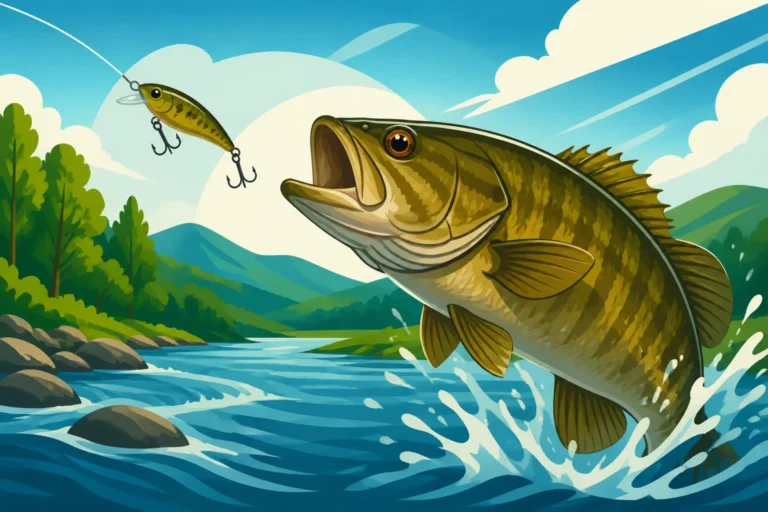
- Smallmouth Bass: These hard-fighting fish prefer cooler, clearer water, and areas with rocky bottoms, current, and structure. You'll find them in the deeper pools and runs below the Middlebury Falls, along rocky shorelines, and near the mouth of Otter Creek where it meets Lake Champlain. They love to hold near submerged timber, rock piles, and bridge pilings. For techniques, stick to tried-and-true methods like crankbaits, spinnerbaits, tube jigs, and topwater lures during low-light conditions. During the pre-spawn and spawn, they'll move shallower, but generally, smallmouth will be found a bit deeper than their largemouth cousins. Understanding How to Catch Smallmouth Bass in Vermont Lakes can definitely translate well to the river's habits.
- Largemouth Bass: As the river widens and slows, particularly in the sections between Brandon and Vergennes, and in the lower tidal zones, largemouth bass become more prevalent. They are masters of ambush, preferring thick weed beds, lily pads, fallen trees, and marshy cover. Look for them in the oxbows and backwaters away from the main current. Flipping and pitching jigs, Texas-rigged worms, buzzbaits, and frogs are incredibly effective for pulling these green monsters out of the dense cover. Early morning and late evening topwater action can be explosive.
Northern Pike and Chain Pickerel
These toothy predators thrive in the slower, weedier sections of Otter Creek and are a blast to catch, offering powerful strikes and thrilling fights.
- Northern Pike: Otter Creek, especially the lower section below Vergennes and near Lake Champlain, is renowned for its northern pike fishing. Pike are ambush predators that patrol weed lines, submerged timber, and the edges of current breaks. They will strike almost any large, flashy lure with aggression. Large spoons, spinnerbaits, lipless crankbaits, and even large dead baits fished under a float are excellent choices. Be sure to use a steel leader or heavy fluorocarbon to prevent bite-offs from their razor-sharp teeth. The Vermont Northern Pike Limit is something to be aware of before you head out, as limits can change.
- Chain Pickerel: Often found in similar habitats as pike, pickerel are generally smaller but no less aggressive. They tend to prefer the shallower, heavily vegetated backwaters and ponds connected to the main stem of Otter Creek. Spoons, spinnerbaits, and plastic worms are effective. They are a fun species to target, especially for younger anglers, though their bony nature makes them less desirable table fare for some.
Panfish: Perch, Crappie, and Bluegill
For family-friendly fishing or a relaxing day on the water, Otter Creek offers excellent panfish opportunities throughout its middle and lower sections.
- Yellow Perch, Black Crappie, and Bluegill: These species congregate in schools around submerged brush, docks, and weed edges. They are eager biters and can provide consistent action, making them perfect for beginner anglers or those looking to simply enjoy a busy day. Use small jigs, worms, minnows, or even tiny spinnerbaits. A simple bobber rig with a small hook and a piece of worm is often all you need. Look for them in the quieter coves and slower moving sections, especially near fallen trees or other cover. Even younger anglers can enjoy great success with a Vermont Youth Fishing License Rules by Age which can make for a memorable outing.
Trout (Upper Reaches)
While not a premier trout river throughout its length, Otter Creek's headwaters and some of its colder tributaries offer classic trout fishing experiences.
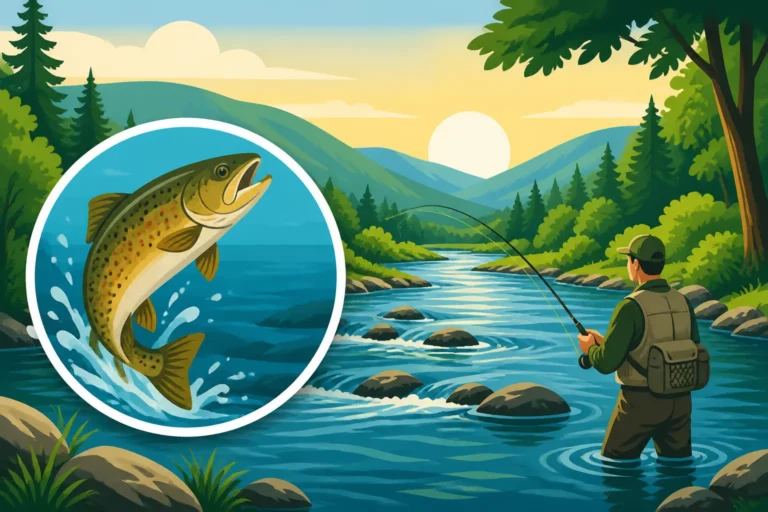
- Brown and Rainbow Trout: In the sections above Middlebury, particularly in the smaller, faster-flowing tributaries, you can find populations of brown and rainbow trout. These areas typically have colder, clearer water, gravel bottoms, and more riffle-and-pool structures. Fly fishing with small nymphs, dry flies, or streamers can be very effective here. Light spinning gear with small spinners or worms will also produce. These headwater sections often feel very secluded and offer a completely different angling experience than the main stem.
Access and Logistics for Anglers
Getting onto Otter Creek can be as simple as parking at a bridge or as involved as launching a full-size boat. Knowing your options beforehand will save you time and frustration.
Public Access Points
Vermont's Fish & Wildlife Department works hard to provide public access to its waterways. Otter Creek has several designated fishing access areas, but many local bridges and municipal parks also offer informal spots.
- Middlebury: Beyond the town's central spots, keep an eye out for pull-offs along Route 7 or smaller roads that parallel the river. Some of the covered bridges, like the Halpin Covered Bridge, offer picturesque spots where you can often access the riverbank. Always be respectful of private property and adhere to posted signs.
- Vergennes: Below the falls in Vergennes, there are public boat launches available for larger craft. For shore anglers, Vergennes Falls Park provides some access, though the steep banks can be challenging. The fishing access areas closer to Lake Champlain, such as those near Basin Harbor or Fort Cassin Point, are popular.
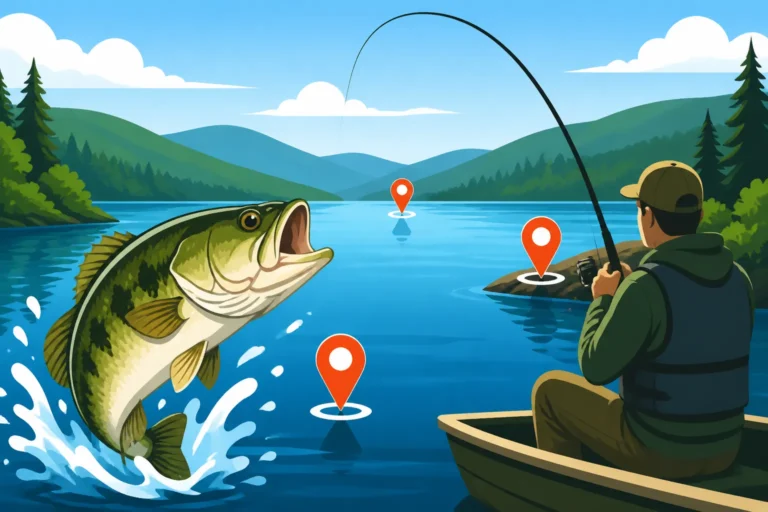
- Other Towns: In towns like Brandon, Salisbury, and New Haven, look for town-owned properties or state fishing access signs. Often, these are small, unimproved parking areas but lead to excellent stretches of river. Utilizing tools like Google Maps satellite view can help identify potential spots and access points from public roads before you leave home.
Boat and Kayak Launches
For many of the prime fishing zones, especially the wider, slower middle and lower sections, a boat or kayak is invaluable for reaching the best spots.
- Motorized Boat Launches: Public boat launches suitable for trailered boats can be found in Vergennes (below the falls) and near the mouth of Otter Creek, providing excellent access to the larger, lake-influenced waters. These launches typically have ample parking and good ramp facilities. Always check Vermont Boating Laws for Anglers regarding safety equipment and registration requirements before you launch.
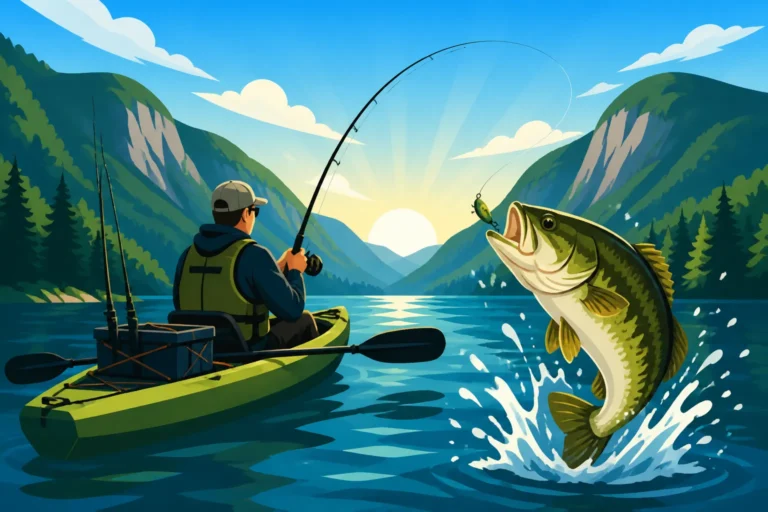
- Kayak and Canoe Access: Otter Creek is a fantastic river for paddle craft. Their shallow draft and quiet approach allow anglers to slip into backwaters and weed beds that larger boats can't reach. Many of the informal access points along the river are perfect for launching a kayak or canoe. Consider inflatable kayaks for their portability, or a dedicated fishing kayak for stability and gear storage. The " Best Kayak for River Fishing in Vermont " article can offer excellent guidance on choosing the right vessel. Pack a dry bag for essentials and consider an anchor trolley system for holding position in a slight current or windy conditions.
Wading Versus Boating: When to Choose What
Deciding whether to wade or use a boat depends heavily on the section of Otter Creek you're fishing and the conditions.
- Wading: In the upper, shallower, and rockier sections of Otter Creek, wading is often the most effective way to fish. It allows for stealthy approaches to trout and smallmouth bass, letting you pick apart individual pockets and runs. Always exercise caution, especially after heavy rains when water levels and currents can rise quickly. A good pair of wading boots with felt or rubber soles and a sturdy wading staff are highly recommended for navigating the uneven bottom.
- Boating (Motorized or Paddle Craft): For the wide, deep, and slower sections of the middle and lower river, a boat is almost essential. It allows you to cover vast amounts of water, explore distant weed beds, and effectively target species like pike, largemouth bass, and walleye. If you're using a motorized boat, be mindful of no-wake zones and other boating regulations. For paddle craft, always wear a PFD and be aware of weather conditions, as strong winds can make paddling challenging on open stretches.
Seasonal Considerations for Otter Creek Fishing
Vermont's distinct seasons profoundly impact fishing on Otter Creek. Understanding these patterns will help you plan your trips for maximum success.
Spring: High Water and Pre-Spawn Action
Spring on Otter Creek is a time of renewal and often, high water. Snowmelt and spring rains can swell the river, making it turbid and challenging to fish. However, it's also a time of intense feeding for many species.
- Early Spring (Ice-out to Mid-May): As ice recedes and water temperatures slowly climb, northern pike become incredibly active, moving into shallow, warmer backwaters and marshy areas to spawn. They are often aggressive and can provide some fantastic early-season action. Largemouth and smallmouth bass will also begin to stir, moving towards shallower staging areas as they prepare for their spawn, which typically happens a bit later in the spring. This is a great time to throw spinnerbaits, lipless crankbaits, and even large jerkbaits for hungry predators. Trout fishing in the upper reaches can be excellent after runoff subsides, with fish eager to feed after a long winter. Check the Vermont Trout Season and Stocking Rules for specific dates.
- Late Spring (Mid-May to June): This period sees water levels stabilize, and temperatures continue to rise. Bass enter their spawning phase, and fishing can be exceptional, though responsible catch-and-release is critical during this sensitive time. Many anglers focus on the warmer, shallower sections. Panfish become very active, and consistent catches are common. This is a popular time, so expect to see more anglers on the water.
Summer: Topwater Thrills and Deep-Water Tactics
Summer brings warm, stable conditions, and for many, the peak of bass fishing on Otter Creek.
- Warm Water Fishing: Largemouth bass will be in their full summer patterns, holding tight to dense cover like lily pads, submerged weeds, and docks. Early morning and late evening topwater action can be explosive. Smallmouth bass will often retreat to deeper, cooler pockets, rocky humps, and current breaks. Deeper diving crankbaits, drop shots, and jigs become more effective.
- Panfish and Pike: Panfish are abundant and active throughout the summer, providing consistent action for light tackle. Northern pike will continue to patrol weed lines, often holding in slightly deeper water during the heat of the day. Consider fishing during low-light hours or targeting shaded areas during peak sun. The dense vegetation during summer can make navigation and casting challenging in some areas, but it also creates fantastic cover for fish. For precise depths and structure on wider sections, consider investing in a good fish finder, as explored in " Best Fish Finders for Vermont Lakes ".
Fall: Feeding Frenzies and Cooler Water
As water temperatures begin to drop in the fall, many fish species enter a pre-winter feeding frenzy, making it an exciting time to fish Otter Creek.
- Aggressive Feeding: Bass, pike, and walleye (in the lower sections) become incredibly active, trying to put on weight for the colder months. This is a great time for trophy fish. Spinnerbaits, crankbaits, and even large minnows fished under a float can be very effective. Look for fish to school up and follow baitfish into shallower bays and coves.
- Trout Opportunities: In the upper reaches, fall is prime time for trout fishing. Brown and rainbow trout will be actively feeding, and streamer fishing can be particularly productive. The vibrant fall foliage makes for a stunning backdrop to your angling adventures.
Winter: Ice Fishing and Limited Open Water
While Otter Creek itself generally doesn't freeze sufficiently for widespread safe ice fishing, some of its calmer backwaters and adjacent ponds might offer limited opportunities.
- Ice Fishing Considerations: If you find safe ice on a connected oxbow or nearby pond, panfish like yellow perch and crappie are common targets. Northern pike can also be caught through the ice. Always prioritize safety and verify ice thickness before venturing out. However, for dedicated ice fishing, you're usually better off exploring the many Best Ice Fishing Lakes in Vermont. The main channel of Otter Creek rarely offers reliable ice fishing conditions due to its current and depth.
Regulations and Conservation
Responsible angling is crucial for maintaining the health of Otter Creek's fishery. Always be aware of and abide by current regulations.
License Requirements and Specific Rules
Before you even wet a line, make sure you have a valid Vermont fishing license. This is non-negotiable and easy to acquire online or from various vendors. You can easily find out Where and How to Buy a Vermont Fishing License for 2026 and get set up.
- General Regulations: Vermont has statewide regulations that cover most species, including minimum length limits, daily bag limits, and possession limits. For example, there are specific Vermont Bass Minimum Length Limits you'll need to adhere to. Always consult the current Vermont Fishing Guide for the most up-to-date information, as rules can change annually.
- Special Regulations: While Otter Creek doesn't have an overwhelming number of unique "special regulations" waters, certain areas, especially in its uppermost trout sections or near specific tributaries, might have different rules. It's always best practice to check the specific body of water you intend to fish.
- Printing or Carrying a Digital License: Whether you prefer a physical license or a digital one on your phone, ensure you have proof of your license while fishing. Read more about Printing or Carrying a Digital Fishing License in Vermont.
Catch and Release Practices
While harvesting fish for the table is part of the angling tradition, practicing catch and release, especially for larger breeding fish, helps sustain healthy populations.
- Minimizing Stress: When releasing fish, handle them gently with wet hands, avoid excessive squeezing, and minimize their time out of the water. Use barbless hooks or crimp down barbs to make hook removal easier and less damaging.
- Proper Tools: A good pair of long-nose pliers or a hook remover can make quick work of extractions. For larger fish like pike, a robust landing net designed for conservation is a must. Knowing how to properly revive a fish before release, by holding it gently in the water and allowing it to swim off under its own power, is a skill every angler should master.
Otter Creek Fishing at a Glance
Here's a quick summary of what to expect from Otter Creek's primary game fish:
| Species | Preferred Habitat | Best Season | Recommended Lures/Baits | Notes |
|---|---|---|---|---|
| Smallmouth Bass | Rocky points, current breaks, submerged timber | Summer, Fall | Crankbaits, tube jigs, spinnerbaits | Hard fighters, good in Middlebury area & lower river. |
| Largemouth Bass | Weed beds, lily pads, fallen trees, marshy areas | Summer, Spring | Jigs, plastic worms, topwater frogs | Abundant in middle & lower, great for ambush tactics. |
| Northern Pike | Weed lines, marsh edges, deep cover | Spring, Fall | Large spoons, spinnerbaits, dead bait | Aggressive, use steel leaders, common in lower river. |
| Yellow Perch | Brush piles, docks, weed edges (schools) | All year | Small jigs, worms, minnows | Great for beginners, consistent action, found throughout. |
| Black Crappie | Submerged brush, timber, quiet coves (schools) | Spring, Fall | Small jigs, minnows | Great panfish, found in similar spots to perch. |
| Brown/Rainbow Trout | Upper reaches: riffles, runs, cold clear water | Spring, Fall | Nymphs, dry flies, small spinners, worms | Limited to upper, colder sections; often wild or stocked. |
Planning Your Otter Creek Adventure
Otter Creek offers some of the most diverse and rewarding fishing experiences in Vermont. From chasing native brook trout in its headwaters to battling trophy northern pike near Lake Champlain, there’s something for every angler.
Before you head out, do a little research. Consult the Vermont Fish & Wildlife Department's website for the most current regulations and fishing reports. Consider talking to local tackle shops; they are an invaluable source of real-time information on what's biting and where. If you're looking for a more hands-on experience or want to quickly learn the ins and outs of a specific section, don't hesitate to check out fishing guides available through platforms like FishingBooker. They can provide equipment, expertise, and a guaranteed good time on the water.
Whether you're looking to spend a quiet afternoon casting from shore, exploring by kayak, or targeting specific trophy species, Otter Creek is ready to deliver. Just make sure you're properly licensed, understand the Vermont Fishing License Guide for 2026, know the rules, and fish responsibly to help preserve this incredible resource for years to come. Enjoy your time on the water, and may your lines be tight!
Disclaimer
The information provided in this guide is for general informational purposes only and is subject to change. Anglers are responsible for consulting the most current Vermont Fish & Wildlife regulations before fishing. Always prioritize safety, be aware of weather conditions, and respect private property.