Battenkill River Trout Fishing
The legendary Battenkill River, winding its way through southwestern Vermont, presents one of the most revered yet challenging trout fishing experiences in the Northeast. Anglers often find themselves frustrated by its finicky, wild trout and deceptive waters. This comprehensive guide is crafted to demystify the Battenkill, offering a deep dive into its unique character, essential regulations, gear, and proven techniques to help you finally connect with its elusive residents.
The Legendary Battenkill River and Its Trout
The Battenkill isn't just a river; it's a living legend in the angling world. Its reputation precedes it, often whispered in hushed tones among fly fishermen who have either been humbled or truly blessed by its waters. This isn't your average stocked trout stream; the Battenkill demands respect, patience, and a nuanced approach that sets it apart from many other fisheries in Vermont.
A River Steeped in History and Challenge
For decades, the Battenkill has drawn anglers from far and wide, captivated by its picturesque beauty and the promise of truly wild trout. Flowing from its headwaters in the Green Mountains, it carves a path through idyllic Vermont landscapes, often bordered by rolling hills, working farms, and charming small towns like Manchester. This river is a crucible for fly fishermen, renowned for its extremely challenging fishing. The trout here are not only wild but often highly educated due to consistent fishing pressure. They demand perfect presentations, subtle fly patterns, and an acute understanding of their environment. Many a seasoned angler has left the Battenkill with a renewed sense of humility, but those who crack its code often describe it as one of the most rewarding experiences imaginable. It’s a place where every landed fish feels like a monumental achievement, a testament to skill, persistence, and a bit of luck. Its crystal-clear, limestone-rich waters contribute to its unique ecosystem, fostering a rich insect life that, in turn, supports a healthy population of wary trout.
Understanding the Resident Trout Population
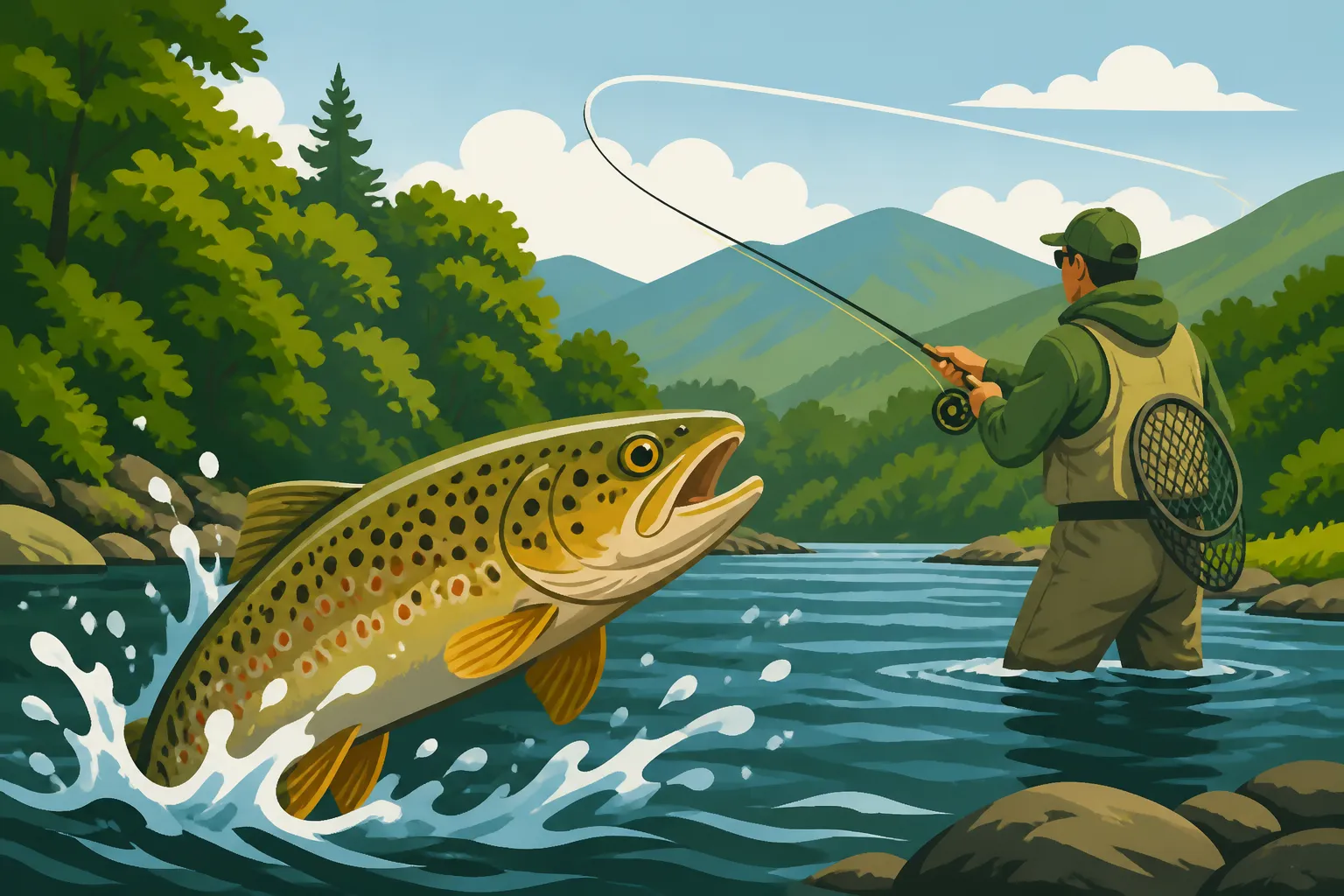
The Battenkill is primarily known for its wild brown trout and native brook trout. Unlike many other rivers that rely heavily on hatchery stockings, the Battenkill's charm lies in its self-sustaining populations. These aren't the eager, pellet-fed fish often found in put-and-take fisheries. Battenkill browns, especially, are notoriously cautious and grow to impressive sizes, offering a truly formidable challenge. They are masters of their environment, utilizing every piece of structure—from undercut banks to submerged logs—as cover. Catching one requires exceptional stealth and precise fly placement.
The native brook trout, while typically smaller, are jewels of the river, often found in the smaller tributaries or the upper, colder reaches of the main stem. Their vibrant colors are a direct reflection of the pristine, oxygen-rich water they inhabit. Both species are highly sensitive to water conditions, pressure changes, and angler approach. Understanding their feeding habits and preferred lies throughout the seasons is key to even a modicum of success on this storied waterway. The sheer wildness of these fish is what truly sets the Battenkill apart, offering a fishing experience that connects you directly with nature.
Why the Battenkill is Different from Other Vermont Rivers
What makes the Battenkill stand out from its Vermont counterparts? Several factors converge to create its distinctive character. Firstly, its limestone geology provides a stable pH, fostering prolific insect hatches and supporting a robust aquatic ecosystem that many freestone rivers can't match. This limestone influence is why the river often maintains its clear, cool character even during warmer months, although thermal refuge areas are still critical in summer. However, this clarity also means trout have an unobstructed view of everything, including clumsy casts or brightly colored lines, making stealth an absolute necessity.
Secondly, the Battenkill, particularly its middle and lower sections, is largely catch-and-release, fly-fishing-only water, which contributes to the survival and education of its trout. This management style is a key reason for the river's wild trout reputation, but it also intensifies the challenge. Fish that have seen countless flies and experienced being hooked develop an incredible wariness. Other Vermont rivers, while beautiful and productive, might have more diverse fishing opportunities, including bait and spin fishing, or receive regular stockings. The Battenkill, by contrast, is a purist's paradise, a place where the pursuit of wild, discerning trout reigns supreme. Its clear, often shallow sections coupled with dense riparian vegetation also limit access in certain areas, funneling anglers into popular spots and further educating the resident fish.
Navigating Regulations and Access on the Battenkill
Before you even think about casting a line into the Battenkill, it’s crucial to understand the specific rules and where you're legally allowed to be. Vermont's fishing regulations can be quite detailed, and the Battenkill, being a trophy trout water, often has its own set of special rules you absolutely need to follow.
Key Vermont Fishing Regulations for the Battenkill
The Battenkill River in Vermont is famous, in part, for its special regulations designed to protect and enhance its wild trout fishery. It is predominantly managed as a catch-and-release, artificial lures and flies only fishery, particularly in its most popular sections. This means no live bait, no scented artificial baits, and any fish you catch must be immediately released unharmed. Specific sections of the river may have varying regulations, so it's always imperative to consult the current Vermont Fishing Regulations Explained guide published by the Vermont Fish & Wildlife Department. For instance, some upstream sections might allow for bait fishing or have different harvest limits, but the prime trophy trout water downstream typically adheres to strict catch-and-release rules.
Understanding the specific tackle restrictions is also key. Barbless hooks are usually required or highly recommended to minimize harm to the fish upon release. The season for trout fishing in the Battenkill generally aligns with the statewide Vermont Trout Season and Stocking Rules, but always double-check for any exceptions or specific closure dates that might apply to designated special regulation waters. Failing to adhere to these rules can result in significant penalties, so taking the time to read and understand the official regulations is not just a suggestion, but a requirement for a responsible and enjoyable outing. You want to ensure your day on the water is memorable for the right reasons, not for a run-in with a game warden.
Public Access Points and Private Land Etiquette
Gaining access to the Battenkill is generally straightforward, but it requires an understanding of both public and private land boundaries. The Vermont Fish & Wildlife Department maintains several designated Fishing Access Areas along the river, providing convenient parking and marked entry points. These spots are your best bet for hassle-free access. Some popular access points include those near Arlington, Shushan, and just outside Manchester, offering a mix of easily walkable sections and more remote stretches.
Beyond these official points, much of the river is bordered by private property. While you have the right to wade or boat in navigable waters, you do not have the right to trespass on private land to gain access to the river or to exit it, except in cases of emergency. Always look for clear "Public Fishing Access" signs, and if in doubt, assume it's private. Parking along roadsides must be done legally and safely, without blocking driveways or impeding traffic. Respecting landowners is paramount; their goodwill is essential for maintaining the generous access anglers currently enjoy. Utilizing resources like the Green Mountain Trout Stream Access maps can help you identify legal entry points and avoid any potential conflicts. Sometimes, local tackle shops like Orvis in Manchester or other independent outfitters can offer hyper-local advice on current access conditions and etiquette. When you see a "No Trespassing" sign, take it seriously. A little bit of respect goes a long way in ensuring these beautiful fishing spots remain open to everyone.
Reciprocity with New York and Boundary Water Rules
The Battenkill River actually flows across state lines, originating in Vermont and eventually making its way into New York. While most anglers focus on the renowned Vermont sections, it's worth noting that downstream portions of the Battenkill are in New York. If your fishing adventures might take you across the state line, even inadvertently, you absolutely need to be aware of the different regulations and licensing requirements. Vermont and New York generally do not have blanket reciprocity agreements for fishing licenses, meaning a Vermont license typically only covers you in Vermont waters, and vice versa.
This is different from some other boundary waters, like parts of the Connecticut River where specific reciprocity agreements might apply for license holders from adjacent states. For the Battenkill, if you plan to fish in New York waters, you will need a valid New York State fishing license. The same strict catch-and-release and artificial lure/fly rules often apply to the New York sections as well, reflecting the shared conservation goals for this unique fishery. It’s always best to check both states’ regulations if you intend to fish close to or across the state border to avoid any legal complications. Never assume your license from one state will cover you in another, especially when it comes to such a strictly regulated and prized fishery.
Essential Gear and Tackle for Battenkill Trout
The Battenkill demands a certain level of preparedness, especially for fly anglers. This isn't a river where you can just show up with any old setup and expect consistent success. The right gear, thoughtfully chosen, will significantly improve your chances and overall experience.
Fly Fishing: The Dominant Method
Given the Battenkill's regulations and the wary nature of its wild trout, fly fishing is not just a preference; it's practically a requirement for much of its prime water. A light to medium-weight fly rod, typically a 3-weight or 4-weight, between 7.5 and 9 feet long, is ideal. This setup provides the delicacy needed for precise presentations and protecting light tippets, yet still offers enough backbone to fight larger brown trout in moving water. Pair this with a matching reel that has a smooth drag system and is loaded with a weight-forward floating line.
For leaders and tippets, think long and light. The Battenkill's clear water and educated fish necessitate leaders often 9 to 12 feet long, tapering down to fine tippet material, typically 5X or 6X fluorocarbon for strength and invisibility. In particularly challenging low-water conditions, some experienced anglers might even drop to 7X. As for flies, a diverse selection is key. Standard dry fly patterns like Sulphurs, Blue-Winged Olives (BWOs), Caddis, and small terrestrials (ants, beetles, hoppers) are often productive when fish are rising. Don't neglect emerger patterns, which can be deadly during a hatch. Nymphs, such as Hare's Ear, Pheasant Tail, and Prince Nymphs, in various sizes, are crucial for subsurface probing. And in the cooler months or during high water, small streamers like Woolly Buggers or Zonkers can entice larger browns. To learn more about specific patterns, check out Fly Patterns for Vermont Trout Streams. For a deeper dive into the overall technique, refer to Fly Fishing for Trout in Vermont. Many local guides, some found through services like FishingBooker, can also provide up-to-the-minute advice on effective patterns.
Wading Gear: Staying Comfortable and Safe
Wading the Battenkill is an integral part of the experience, offering access to prime lies that might be unreachable from the bank. Therefore, proper wading gear is non-negotiable. Breathable chest waders are generally preferred over neoprene, especially for warmer spring and fall days or longer excursions, as they manage moisture and prevent overheating. Brands like Simms and Orvis are popular choices among serious anglers for their durability and comfort. For a comprehensive guide, explore Best Waders for Vermont Trout Streams.
More critically, your wading boots must provide excellent traction on the Battenkill's notoriously slippery, algae-covered rocks. Felt soles have historically been a favorite for their grip, but modern rubber soles with aggressive lug patterns, sometimes augmented with studs, are also highly effective and often preferred in areas where invasive species are a concern. Remember to always clean your boots thoroughly between outings to prevent the spread of aquatic invasive species. A sturdy wading staff is also a lifesaver, providing crucial balance and stability in swift currents or on uneven streambeds, minimizing the risk of a fall. The Battenkill's clear water can be deceptive, masking deeper holes and slick boulders. You'll thank yourself for bringing one. For tips on navigating the riverbed, consider Wading Techniques for Vermont Trout Streams.
Essential Accessories and Streamside Tools
Beyond the core rod, reel, and waders, a few key accessories will make your Battenkill trip much smoother and more productive. First and foremost, a good quality landing net is essential, especially given the catch-and-release nature of the fishery. A net with rubberized, knotless mesh is ideal, as it's gentler on the fish's delicate fins and slime coat, promoting higher survival rates for released trout. Take a look at Best Landing Net for Trout for specific recommendations.
Next, a pair of sharp nippers for cutting line and forceps for easy hook removal are indispensable. Keeping a bottle of floatant handy for your dry flies and a small container of split shot or lead-free weights for nymphing rigs will ensure you're ready for changing conditions. A tippet caddy loaded with spools of various tippet sizes (from 4X to 7X) means you can quickly adapt. And finally, don't underestimate the power of polarized sunglasses. They cut glare, allowing you to spot fish, submerged structure, and navigate the riverbed much more effectively. A small, waterproof fly box or two, filled with the essential patterns mentioned above, will keep you organized and ready for whatever the river throws your way. Having all these tools easily accessible, perhaps in a fishing vest or sling pack, means less fumbling and more focused fishing time.
Effective Techniques and Strategies for Tricky Battenkill Trout
The Battenkill's trout didn't earn their reputation for being easy to catch. They are wary, intelligent, and demand a thoughtful approach. Success on this river comes down to a combination of reading the water, precise presentation, and understanding what the fish are keyed into.
Reading the Water: Identifying Holding Lies
One of the most crucial skills for any Battenkill angler is the ability to effectively "read the water." This means understanding where trout are likely to hold, feed, and seek refuge. On the Battenkill, trout often position themselves in subtle seams where faster currents meet slower water, allowing them to conserve energy while waiting for food to drift by. Look for current breaks created by large rocks, fallen logs, or subtle depressions in the riverbed. Undercut banks are particularly prized lies for larger brown trout, offering both cover from predators and a steady supply of aquatic insects dislodged from the bank.
Riffles, those shallower, turbulent sections, are oxygen-rich feeding zones, especially during hatches, while deeper pools provide sanctuary and often hold bigger fish, particularly in cooler water. Pay close attention to changes in bottom composition, depth, and current speed. Shadows cast by trees or bankside vegetation can also be prime holding areas, offering both cover and cooler water. Don't just cast blindly; take a moment to observe the water, identify potential holding lies, and plan your approach. The clearest water and sparse cover in many sections mean trout are easily spooked, so observing from a distance is always a smart first step.
Presentation is Paramount: Stealth and Accuracy
Once you've identified a promising holding lie, the next challenge is delivering your fly with impeccable presentation. Battenkill trout are notoriously discerning, and any hint of drag on your fly or a clumsy approach will send them scurrying. Stealth is your best friend. Approach your chosen spot slowly, staying low, and avoiding sudden movements that could spook fish in the clear water. Casting upstream or up-and-across is often preferred, allowing your fly to drift naturally back towards the trout without the line over-lining them first.
The goal is a completely drag-free drift, mimicking a natural insect drifting downstream. This often requires mending your line to correct for conflicting currents. Long leaders and light tippets help achieve this delicate presentation and make your setup less visible. Accuracy is also critical; often, a trout will only move a short distance to intercept a fly, so placing your offering precisely into the feeding lane is key. Excessive false casting should be avoided, as the movement and line shadow can alarm fish. Focus on fewer, more efficient casts to minimize disturbance. Mastering these techniques will lead to more hook-ups and is a cornerstone of Drift Fishing for Trout in Vermont Rivers. If you're wading, remember your movements are equally important, as highlighted in Wading Techniques for Vermont Trout Streams.
Matching the Hatch and Beyond
Matching the hatch is a time-honored tradition on the Battenkill, and for good reason. When trout are selectively feeding on a specific insect, presenting an exact imitation can be incredibly effective. The Battenkill experiences strong hatches of insects like Sulphurs, Blue-Winged Olives (BWOs), various Caddis species, and even larger Stoneflies in certain seasons. Observing what's hatching, or what shucks are clinging to streamside vegetation, will give you clues. Carry a wide array of Fly Patterns for Vermont Trout Streams in different sizes and stages (nymphs, emergers, dries).
However, Battenkill trout aren't always looking up or feeding on a specific hatch. Often, particularly during non-hatch periods or when fish are pressured, prospecting with general attractor patterns or subsurface nymphs can be more productive. Dead-drifting nymphs through likely holding lies is a consistent tactic, even when no surface activity is evident. In cooler water or during high flows, stripping small streamers can elicit aggressive strikes from larger brown trout. These fish are predatory, and a well-presented streamer can often trigger a territorial or opportunistic feeding response. Don't be afraid to experiment, especially when the fish are being finicky. Sometimes, a subtle change in fly size, color, or presentation is all it takes to turn a slow day into a memorable one.
Seasonal Considerations and Best Times to Fish
The Battenkill offers diverse fishing experiences throughout the year, with each season presenting its own unique challenges and rewards. Understanding these seasonal nuances is key to planning a successful trip.
Spring: Opening Day and High Water Opportunities
Spring on the Battenkill is a time of renewal and can offer some of the most exciting, albeit challenging, fishing opportunities. Vermont's trout season typically opens in April, and while the Battenkill doesn't receive stockings like many other rivers, the early season can still be productive. Meltwater from snowpack often means higher, colder, and sometimes murkier water, which can make fish less wary. During this period, trout tend to hold in slower seams and eddies, seeking refuge from strong currents and concentrating in areas where food is washed to them.
Focus on nymphing deep runs and pools with heavier patterns to get down to where the fish are holding. Larger, darker nymphs, stonefly imitations, or even small streamers can be effective. As the water warms slightly and flows stabilize, hatches of Blue-Winged Olives and early Caddis can emerge, bringing fish to the surface, especially on overcast days. However, be mindful of extremely high flows during heavy spring rains, as these can make wading dangerous and fishing unproductive. Checking the river flow rates before you head out is always a good idea. For specific tactics during this period, refer to Spring Trout Fishing Techniques for Vermont Streams.
Summer: Low, Clear Water and Technical Challenges
Summer fishing on the Battenkill is characterized by lower water levels and crystal-clear conditions, which only amplify the technical challenge. This is when the river truly lives up to its reputation for finicky trout. The extreme clarity means trout have even more time to inspect your fly and spot any imperfections in your presentation. During the hottest parts of summer, water temperatures can become a concern. When water temperatures exceed 68-70 degrees Fahrenheit, it's best to cease fishing for trout to avoid undue stress on the fish, which can lead to delayed mortality. Wild trout, especially, struggle in warm water.
If you do fish in summer, focus on the cooler morning and evening hours. Look for shady sections and areas with cold feeder springs. Dry fly fishing can be exceptional during summer evenings with prolific hatches of Sulphurs, Isonychia, and various Caddis. Terrestrial patterns like ants, beetles, and small hoppers can also be very effective, especially when fished tight to bankside vegetation. Light tippets (6X or 7X) and long, accurate, drag-free casts are absolutely essential. This is the time to embrace finesse fishing and minimal disturbance.
Fall: Brown Trout Spawning and Cooler Temperatures
Fall is a truly magical time on the Battenkill, offering some of the best fishing of the year. As temperatures cool and leaves begin to change, brown trout become increasingly active, preparing for their annual spawning ritual. This can make them more aggressive and willing to chase larger flies. Streamer fishing with patterns mimicking baitfish can be incredibly effective for enticing larger brown trout. They are often territorial during this time and will strike out of aggression.
However, anglers must also exercise extreme caution and respect during the fall. Brown trout will begin moving onto redds (spawning beds) in shallower, gravelly areas. It is critical to avoid wading on or near these redds, as disturbing them can damage eggs and severely impact future generations of trout. Give spawning fish their space and target active fish holding in deeper runs and pools adjacent to spawning areas. This is often described as the Best Time of Year to Fish in Vermont for trophy browns, but ethical angling is paramount. The vibrant foliage combined with active fish makes for an unforgettable experience, but responsible behavior ensures the health of this precious fishery for years to come.
Battenkill River Fly Patterns by Season
To help you prepare for your trip, here's a quick overview of some essential fly patterns to have on hand for different seasons on the Battenkill. This is not an exhaustive list, but a solid starting point for any angler.
| Season | Dry Flies (Surface) | Nymphs (Subsurface) | Streamers (Subsurface, Baitfish) | Notes |
|---|---|---|---|---|
| Spring | Blue-Winged Olive (BWO) (#18-22), Quill Gordon (#12-14) | Pheasant Tail (#16-20), Hare's Ear (#14-18), Stonefly (#8-12) | Woolly Bugger (Olive, Black) (#8-10), Sculpzilla (Olive) (#6) | High water, early season hatches. Focus on getting nymphs deep. |
| Summer | Sulphur (#16-18), Caddis (Elk Hair, Goddard) (#14-18), Terrestrials (Ants, Hoppers) (#14-18) | Copper John (#14-18), Zebra Midge (#20-22), Green Caddis Larva (#16-18) | Small streamers (e.g., Conehead Bugger) (#10-12) | Low, clear water. Delicate presentations and small flies are key. Avoid fishing in high water temps. |
| Fall | Isonychia (#12-14), October Caddis (#10-12), BWOs (#18-22) | Stonefly (#8-12), Prince Nymph (#12-16), Pheasant Tail (#16-20) | Zonker (Natural, Olive) (#6-8), Muddler Minnow (#4-8), Black Ghost (#6) | Aggressive browns. Larger flies for streamers. Respect spawning fish and redds. |
Remember, carrying a variety of sizes for each pattern is always a good idea, as insect sizes can vary. Also, don't be afraid to try "attractor" patterns, especially when no specific hatch is occurring. Sometimes, a bright, buggy nymph or a flashy streamer is enough to grab a trout's attention on an otherwise slow day. Local insight from a FishingBooker guide can also provide up-to-the-minute recommendations.
Disclaimer
Please note that fishing regulations, access points, and conditions can change. Always consult the latest Vermont Fish & Wildlife Department regulations before heading out, and prioritize safety and ethical angling practices. The information provided here is for general guidance only.