Vermont disabled resident fishing license discount
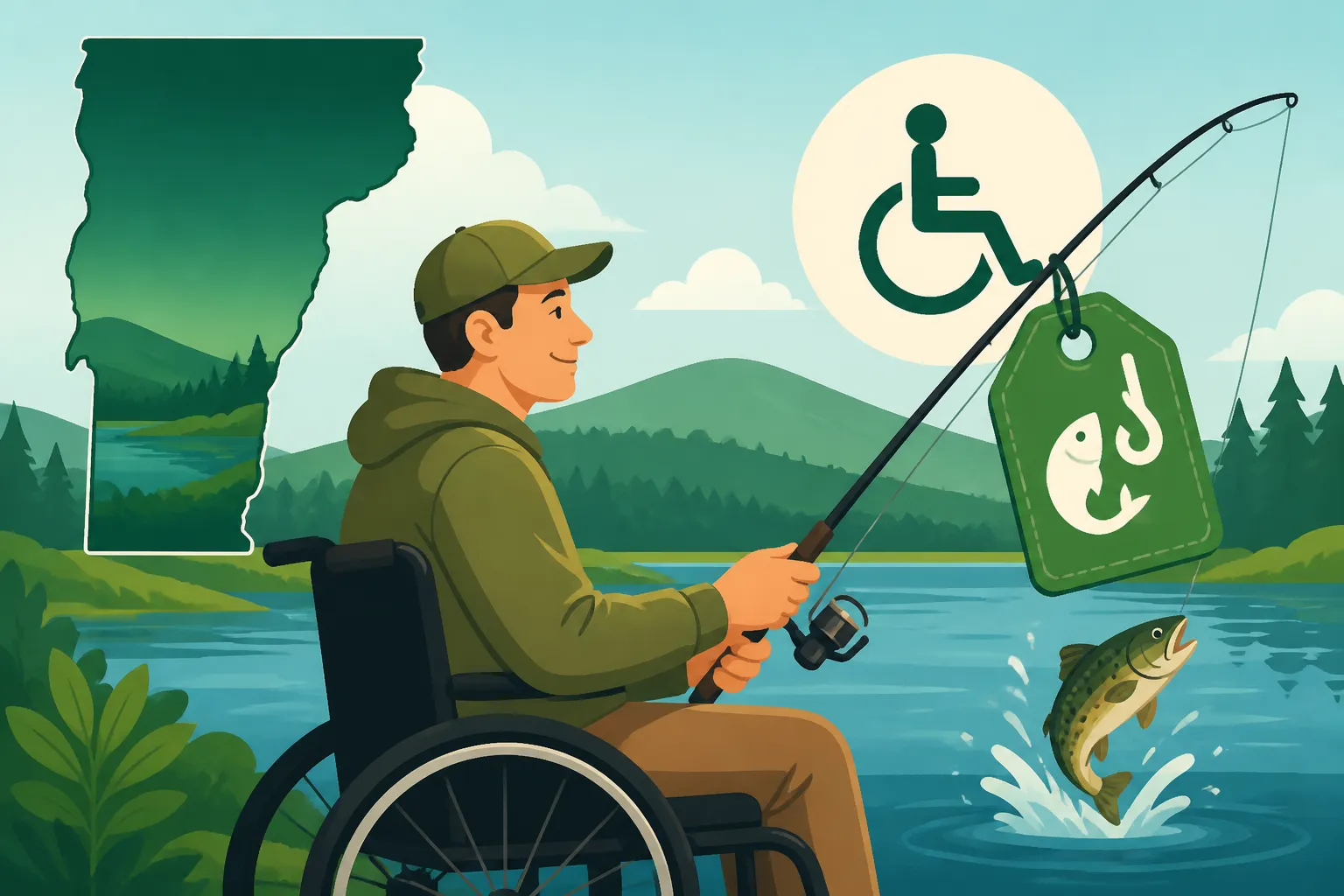
It can be incredibly frustrating and disheartening when you love fishing but feel like the cost of a license is another barrier, especially when living with a disability. Vermont understands these challenges, and thankfully, the state offers specific discounts on fishing licenses for disabled residents. This guide will walk you through everything you need to know about qualifying for and obtaining your discounted Vermont fishing license, helping you get back on the water without unnecessary financial strain.
Understanding Vermont's Commitment to Accessible Fishing
Vermont has long prided itself on its natural beauty and outdoor recreation opportunities, and that commitment extends to ensuring fishing is accessible to everyone, including residents with disabilities. The state recognizes that for many, fishing isn't just a hobby; it's a vital connection to nature, a source of peace, and a way to maintain physical and mental well-being. By offering discounted licenses, Vermont aims to remove financial obstacles, allowing more people to enjoy the tranquil waters and abundant fish populations across the Green Mountain State. It’s a thoughtful initiative that truly makes a difference in the lives of many anglers.
Who Qualifies as a Disabled Resident?
This is often the first and most critical question, and it's understandable why there might be confusion or uncertainty. In Vermont, the term "disabled resident" for fishing license purposes generally refers to individuals who have a permanent physical or mental impairment that substantially limits one or more major life activities. This isn't just a casual term; it's legally defined and requires specific verification.
For instance, if you receive federal disability benefits, such as Social Security Disability Insurance (SSDI) or Supplemental Security Income (SSI), or if you are a permanently disabled veteran (with specific VA ratings), you likely qualify. The key is the permanency of the disability and its substantial limitation on daily activities. It's not about temporary injuries or minor conditions; it's about long-term impairments that genuinely impact your ability to live and function independently. Vermont's framework for these discounts is designed to support those who face ongoing challenges due to their disability. If you're unsure, reaching out directly to the Vermont Fish & Wildlife Department is always a good first step, as they can provide clarity on specific scenarios.
The Specifics of the Discounted License
So, what kind of discount are we talking about? Vermont offers a significant reduction for qualifying disabled residents. For example, a standard annual resident fishing license might cost one amount, but for a disabled resident, the fee is substantially lower, often a nominal processing fee rather than the full price. This isn't merely a small percentage off; it's a real, tangible reduction that makes fishing much more affordable year after year.
It's important to note that this discounted rate typically applies to the annual resident fishing license. While Vermont also offers combination hunting and fishing licenses, the specific discount for disabled individuals usually targets the fishing component directly. There are also specific provisions for disabled veterans, which often provide even more generous benefits, sometimes even a free license. This demonstrates Vermont's deep respect for those who have served and are now navigating life with service-related disabilities. For more information on combined licenses, you might want to look into Vermont Combination Hunting and Fishing License Options. It's always best to consult the current year's fee schedule, which you can find through the Vermont Fish & Wildlife Department, to see the exact cost difference. This discount helps ensure that finances aren't the reason you miss out on a beautiful day on the water.
Navigating the Application Process for Your Discounted License
Once you've determined you qualify, the next step is actually obtaining the license. While it might seem like a bureaucratic hurdle, the process is fairly straightforward if you come prepared. The Vermont Fish & Wildlife Department has streamlined its system to make it as accessible as possible, understanding that navigating complex paperwork can be an added stressor for many.
You'll need to gather specific documents, and knowing what to expect upfront will save you a lot of time and frustration. It’s not just about filling out a form; it’s about providing clear, undeniable proof of your resident status and your qualifying disability. This ensures the system is fair and helps allocate resources to those who truly need them. Taking the time to prepare correctly will make the entire process much smoother.
Required Documentation and Proof of Disability
Getting your discounted fishing license in Vermont hinges on providing the correct documentation. You'll need to prove two main things: your residency and your qualifying disability. For residency, a valid Vermont driver's license or state ID card is usually sufficient. Remember, a Vermont fishing license age requirements article can clarify general age requirements, but for discounts, residency is key.
For proof of disability, this is where it gets a bit more specific. If you receive federal disability benefits, you'll need official documentation from the Social Security Administration (SSA) verifying your status. This could be an award letter or a recent statement. For disabled veterans, official documentation from the U.S. Department of Veterans Affairs (VA) stating your disability rating is required. The Vermont Fish & Wildlife Department may also accept a statement from a licensed physician outlining your permanent disability. It's crucial that any medical documentation clearly states the permanency and the substantial limitations imposed by your condition. Don't just bring a doctor's note; ensure it details your permanent disability. Without this clear documentation, the department won't be able to process your discounted license, leading to delays. Always keep copies of your documents for your records!
Where to Apply: Online, In-Person, or Mail
Vermont offers several convenient ways to apply for your discounted fishing license, understanding that accessibility means offering options. For many, applying online is the easiest route. You can visit the official Vermont Fish & Wildlife Department website, where you'll typically find an online portal for license purchases. While you might be able to start the process online, for initial disability verification, you may still need to submit supporting documents via mail or in-person. Check the specific instructions on the website or call ahead to clarify the exact steps for first-time applicants for a disabled resident discount. For general online purchasing, you can always check out How to Buy a Fishing License Online in Vermont.
If you prefer a face-to-face interaction or need assistance with your application, you can visit a Vermont Fish & Wildlife Department office or one of their authorized license agents. These agents are often located in sporting goods stores, bait shops, or town clerks' offices throughout the state. Calling ahead to confirm their ability to process disability discounts and what documents to bring is highly recommended. Finally, you can also apply by mail, sending your completed application form along with all required documentation and payment to the Vermont Fish & Wildlife Department. This method can take longer, so plan accordingly if you choose this option. Regardless of how you apply, remember that you'll need to present your valid Vermont residency proof and your disability verification. Once approved, you can get to fishing! Make sure you know about Printing or Carrying a Digital Fishing License in Vermont for when you head out.
Beyond the Discount: Making Fishing Accessible in Vermont
Securing a discounted fishing license is a fantastic step, but true accessibility goes further. Vermont is actively working to ensure that disabled anglers not only have affordable licenses but also practical opportunities to enjoy their passion. This means considering physical access to fishing spots and having the right gear that supports varying needs. It's about breaking down all barriers, not just financial ones.
The state’s dedication is evident in initiatives that improve infrastructure and promote adaptive equipment. It’s a holistic approach to foster an inclusive angling community where everyone, regardless of physical challenge, can experience the joy of reeling in a catch. This commitment enhances the overall quality of life for many Vermonters and visitors alike, proving that the beauty of Vermont's outdoors is truly for all.
Accessible Fishing Access Points and Facilities
Vermont has made significant strides in providing accessible fishing opportunities, understanding that a license is only useful if you can actually get to the water. Many state parks and fishing access areas now feature paved paths, accessible docks or fishing platforms, and handicap-accessible restrooms. For instance, sites along Lake Champlain or popular ponds like Lake Bomoseen or Lake Dunmore often have features designed with accessibility in mind.
You'll find designated accessible parking close to fishing areas, allowing for easier transfer from vehicle to fishing spot. Some locations even boast ramps or stable, level ground leading directly to the water's edge, accommodating wheelchairs or mobility aids. It’s always a good idea to check the Vermont Fish & Wildlife Department's website or call them directly for the most up-to-date information on accessible sites before planning your trip. They often have lists or maps specifically highlighting these locations. These efforts ensure that the tranquil experience of fishing isn't out of reach due to physical barriers, allowing you to focus on the joy of the catch. When planning your trip, consider places highlighted in a Vermont State Park Fishing Guide as many state parks prioritize accessibility.
Essential Gear for Disabled Anglers
Having the right gear can transform your fishing experience, making it more comfortable and enjoyable, especially for disabled anglers. Manufacturers have recognized the need for adaptive equipment, designing products that cater to a wide range of physical abilities. For example, hands-free rod holders can be invaluable, allowing you to cast and retrieve with greater ease or manage your tackle without constantly holding the rod. You can find many reliable options on platforms like Amazon, offering a variety of mounts for wheelchairs, boat seats, or even vests.
Another game-changer can be specialized reels with larger handles or power-assisted features, reducing the strain on hands and wrists. Adaptive tackle boxes with easy-open latches and compartmentalized storage prevent fumbling with small items. For mobility, a sturdy, portable fishing chair or an all-terrain wagon for transporting gear to the water's edge can make a world of difference. Even simple items like long-handled landing nets can increase independence. When sourcing these items, sites like Amazon often provide a vast selection, user reviews, and convenient delivery, helping you equip yourself effectively. Investing in the right tools ensures that your focus remains on the joy of fishing, not on physical limitations. For general gear advice, our Best Tackle Box Setup for Vermont Anglers can offer some inspiration.
Table: Vermont Disabled Resident Fishing License Key Information
| Feature | Details |
|---|---|
| Eligibility Criteria | Vermont resident with a permanent physical or mental impairment that substantially limits major life activities. This often includes recipients of federal disability benefits (SSDI, SSI) or permanently disabled veterans (with specific VA ratings). |
| Proof of Disability | Official documentation from the Social Security Administration (award letter, recent statement) or U.S. Department of Veterans Affairs (disability rating letter). A statement from a licensed physician outlining permanent disability may also be accepted. |
| Residency Proof | Valid Vermont driver's license or state ID. |
| License Cost | Significantly reduced fee, often a nominal processing charge instead of the full annual resident fishing license price. For certain disabled veterans, a free license may be available. |
| Application Methods | Online (may require follow-up mail/in-person for initial verification), in-person at Vermont Fish & Wildlife offices or authorized agents, or via mail. |
| License Duration | Typically an annual license, expiring on December 31st each year. |
| Additional Benefits | Access to physically accessible fishing sites, opportunities for adaptive gear, and participation in an inclusive angling community. Check the Free and Discounted Fishing License Options in Vermont for broader context. |
| Important Considerations | Always verify current fees and specific documentation requirements with the Vermont Fish & Wildlife Department before applying. Be prepared with all necessary paperwork to avoid delays. Review Vermont Fishing Regulations Explained to ensure compliance while fishing. |
Important Considerations for Disabled Anglers
Beyond the license itself, there are a few other things that disabled anglers in Vermont should keep in mind to ensure a safe and enjoyable experience. Being prepared for varying conditions, understanding the specific regulations that apply to certain waters, and knowing where to find assistance can make a huge difference in your outing. It’s about planning ahead so that nothing catches you off guard, allowing you to fully immerse yourself in the natural beauty of Vermont.
Weather in Vermont can change quickly, regardless of the season, and accessibility can sometimes be impacted by heavy rain or snow. Always check the forecast and consider how different conditions might affect your chosen fishing spot. Moreover, while a general license covers most waters, some specific locations might have special regulations. Reading the annual Vermont Fishing Regulations Guide is essential to avoid any unintentional violations.
Planning Your Accessible Fishing Trip
A successful fishing trip, especially when considering accessibility needs, really comes down to thoughtful planning. Don't just pick a spot on a whim; do a little research. Start by consulting the Vermont Fish & Wildlife Department's resources for accessible fishing access points, as mentioned before. These are specifically designed to accommodate various mobility challenges, often featuring smooth surfaces, gentle slopes, and robust fishing platforms. This pre-planning can save you immense frustration on the day of your trip, preventing situations where you arrive only to find the terrain unsuitable.
Consider the time of year and day, too. Early mornings or late evenings might offer cooler temperatures or less crowded access points, which can be more comfortable. For instance, during the warmer months, avoiding the midday sun can be crucial for comfort. Think about how long you plan to be out and pack accordingly – plenty of water, snacks, appropriate clothing layers, and any personal medical necessities. If you're going to a less familiar spot, a quick search on Amazon for a portable weather radio or a reliable first-aid kit could be a smart addition to your gear. Bringing a friend or family member along, especially if you anticipate needing assistance, can also enhance both safety and enjoyment. You might find some helpful tips about specific locations in a Best Fishing Lakes in Vermont or Best Fishing Rivers in Vermont guide.
Understanding Special Regulations and Resources
While securing your discounted license is a major win, it's equally important to stay informed about Vermont's fishing regulations, as these apply to all anglers, regardless of license type. The state has specific rules about daily bag and possession limits for various species, minimum length limits, and even seasonal closures for certain fish like trout or bass. You can find comprehensive details in the Vermont Fishing Regulations Explained guide, or even better, pick up a physical copy wherever licenses are sold or view it online from the Fish & Wildlife Department.
Beyond the standard rules, some waters in Vermont have "special regulations," such as catch-and-release only zones, fly-fishing-only sections, or unique bait restrictions. These special rules are often in place to protect sensitive fish populations or enhance specific angling experiences. Always check the regulations for the specific body of water you plan to fish to ensure compliance. Ignorance of the rules is never an excuse, and violations can lead to fines.
Furthermore, remember that the Vermont Fish & Wildlife Department is a fantastic resource. They can provide advice on accessible fishing spots, clarify regulations, and sometimes even offer information on local adaptive fishing programs or events. Don't hesitate to reach out to them if you have questions or need assistance. Their mission is to support anglers of all abilities, and they are there to help make your Vermont fishing adventures as successful and enjoyable as possible. Keep in mind your Vermont annual fishing license expiration date to ensure continuous coverage.
Disclaimer
Please note that fishing regulations, license costs, and eligibility criteria are subject to change. While we strive to provide the most accurate and up-to-date information, it is always best to consult the official Vermont Fish & Wildlife Department website or contact them directly for the latest details before purchasing a license or planning your fishing trip. This guide is for informational purposes only and does not constitute legal advice.