Vermont Trout Opening Day Traditions
That crisp chill in the air, the lingering scent of damp earth and pine, the almost unbearable anticipation as winter's grip finally loosens – for many of us, Vermont's trout opening day isn't just a date on the calendar; it's a deeply ingrained tradition. But let's be honest, navigating the regulations, remembering all the little rituals, and simply deciding where to even cast that first line can feel a bit overwhelming, especially when you just want to soak in the experience. This comprehensive guide is here to walk you through the cherished customs, practical preparations, and hidden gems that make Vermont's trout opening day a truly unforgettable start to the fishing season.
The Deep Roots of Vermont's Opening Day Culture
For generations, the last Saturday in April has marked a significant rite of passage in Vermont. It’s more than just a day to catch fish; it’s a cultural phenomenon, a reconnection with nature, and a tangible link to our past. The quiet solitude of a stream at dawn, the shared laughter with family and friends, and the thrill of that first bite are moments etched into the collective memory of countless Vermonters. This day bridges generations, passing down not just fishing techniques, but a reverence for the outdoors and the traditions that bind us.
The Long Winter's Wait and Spring's Promise
After months of ice-covered lakes and snow-laden riverbanks, the anticipation for trout opening day builds to a fever pitch. There's something almost primal about the urge to get back on the water, to feel the tug of a fish after a long, cold winter. We spend the darker months cleaning reels, checking lines, tying flies, and perhaps even browsing new gear on Amazon. The tackle box gets reorganized, waders are pulled from storage, and maps of favorite streams and ponds are unfurled and studied. This period of preparation isn't just practical; it's part of the emotional journey, a way to keep the angling spirit alive during the off-season. It's a time for dreaming of plump brook trout darting from under rocky overhangs or rainbow trout leaping in a sun-dappled pool. The official announcement of the Vermont trout season opening day for 2026 only fuels this excitement, giving us a firm date to circle on our calendars and count down to.
Community and Family Gatherings
Opening day is often a deeply communal affair. Whether it’s a multi-generational family outing to a favorite stocked pond, a group of friends trekking into the backcountry for wild brookies, or just neighbors swapping stories at the local diner, there’s a palpable sense of camaraderie. I’ve seen families gather the night before, meticulously preparing their gear, packing lunches, and sharing tales of past opening day glories. Grandparents teach grandchildren how to bait a hook or tie a simple knot, instilling a love for fishing that will last a lifetime. These aren't just fishing trips; they're memory-making expeditions, strengthening bonds and creating new stories to tell around the campfire or kitchen table for years to come. The shared pursuit of trout fosters a unique connection, reminding us that some experiences are simply better when enjoyed together.
Enduring Traditions and Opening Day Rituals
Every angler seems to have their own set of rituals for opening day, passed down or simply stumbled upon through years of experience. These little customs add a layer of personal meaning to the event, making it more than just a fishing trip – it's the fishing trip.
The Sacred First Cast
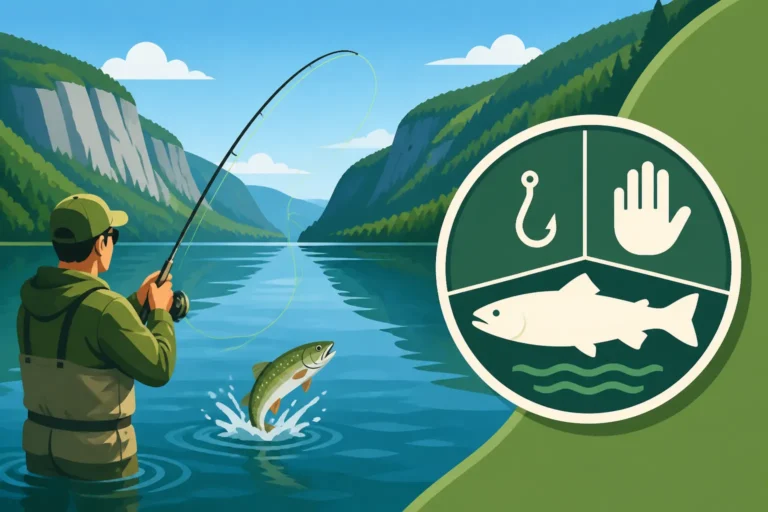
There’s an almost superstitious reverence for the first cast of the season. It's not just about getting your line in the water; it's a symbolic gesture, a hopeful prayer for a bountiful season ahead. Some anglers have a specific spot where they always make their first cast, perhaps a deep eddy on the Winooski River or a quiet bend on the Battenkill. Others might kiss their lure for luck, or silently dedicate their first fish to a loved one. I've heard stories of anglers who refuse to move from their chosen "first cast" spot until they've caught something, no matter how long it takes. It’s about honoring the tradition, setting the tone for the day, and embracing the optimism that spring fishing brings. This moment, regardless of whether a fish is caught, is often the most anticipated part of the day.
The Indispensable Opening Day Breakfast
Ask any seasoned Vermont angler, and they'll tell you that opening day breakfast is nearly as important as the fishing itself. Whether it's a hearty diner breakfast before dawn, sizzling bacon and eggs cooked streamside, or simply a thermos of strong coffee and a bear claw eaten in the pre-dawn darkness, this meal fuels both body and spirit. Local diners near popular fishing spots, like those around Lake Bomoseen or on the way to the White River, often open extra early, bustling with excited anglers sharing tips and predicting the day's catches. It's a chance to warm up, share a laugh, and enjoy a sense of community before the serious business of fishing begins. These breakfasts are a time-honored tradition that fortifies anglers for the chilly morning and the sometimes-long wait for that first bite.
Favorite Baits and Lures for the Big Day
With the waters often still cold and trout fresh from their winter dormancy or recent stocking, bait and lure choices become a crucial part of the opening day strategy. While personal preference and local conditions always play a role, some favorites consistently make an appearance.
Common Opening Day Baits & Lures Table
| Bait/Lure Type | Best Conditions | Target Species | Notes |
|---|---|---|---|
| Worms (Nightcrawlers, Red Wigglers) | Cold water, murky conditions, recently stocked areas | Brook, Rainbow, Brown | The classic, always reliable. Scent is key in cold water. |
| PowerBait/Salmon Eggs | Stocked ponds and slower moving water | Rainbow, Brook | Bright colors and scent are irresistible to hatchery-reared trout. |
| Small Spinners (Mepps, Panther Martin) | Clearer water, moderate current, targeting aggressive fish | Rainbow, Brown, Brook | Flash and vibration mimic baitfish; effective across conditions. |
| Small Spoons (Kastmaster, Little Cleo) | Larger ponds, some river pools, deeper water | Rainbow, Brown | Good for casting distance, erratic action attracts attention. |
| Minnows (live or artificial) | Targeting larger, wilder trout in rivers and lakes | Brown, Rainbow | Excellent for enticing bigger fish, especially if legal in your area. |
| Flies (Woolly Buggers, Nymphs) | Fly-fishing only waters, clear rivers, experienced anglers | All Trout Species | Effective for discerning trout, especially in Vermont fly fishing only special regulation waters. |
Many anglers swear by worms, especially after a spring rain when streams are slightly colored. The natural scent and action of a worm are often irresistible to hungry trout. PowerBait, in its various forms and colors, is another go-to, particularly in recently stocked ponds and lakes. For those who prefer artificials, small inline spinners like a Mepps Aglia or Panther Martin in gold or silver, often with a yellow or orange dressed hook, are perennial favorites. You can find a fantastic selection of these classic lures on Amazon, making it easy to stock up before the big day. Some even bring along a small cooler to keep live bait fresh. It’s all about giving yourself the best chance to catch that first trout of the season.
Decoding Regulations for a Smooth Opening Day
The excitement of opening day can sometimes make us forget the practicalities, particularly the regulations. Vermont's fishing rules are in place to protect our precious fishery resources, and understanding them is crucial for a legal and enjoyable day on the water. Don't let the rules intimidate you; a little homework goes a long way.
Understanding the Vermont Trout Season Opening Day for 2026
The statewide trout season in Vermont generally opens on the last Saturday in April. This date is consistent year after year, offering a reliable target for planning. However, it's absolutely critical to remember that while the general season opens, there are exceptions. Some waters, particularly those designated as Vermont special regulation waters, might have different opening dates, extended seasons, or even year-round catch-and-release opportunities. Always consult the official Vermont Fish & Wildlife Department regulations guide, which can be found online or at any license vendor. It’s your bible for the season! For example, some ponds might open earlier for youth fishing programs, or specific rivers might have later openings to protect spawning fish.
Daily Limits and Possession Rules
Once you've landed a beautiful trout, the next question is often, "Can I keep it?" Vermont has clear Vermont bag and possession limits by species, and trout are no exception. These limits are designed to ensure sustainable fishing for everyone. Typically, there's a daily limit on the number of trout you can keep, and often a minimum length requirement. For instance, the general statewide rule for trout might be a certain number of fish per day, with each fish needing to be at least 6 inches long. These rules can vary significantly by water body. For example, some trophy trout waters might have higher minimum lengths or lower daily limits to promote larger fish. Always verify the specific regulations for the water you plan to fish before you start casting. Having a small ruler or measuring tape on hand is a smart move, ensuring you comply with the Vermont trout minimum length limit rules without any guesswork.
Special Regulation Waters to Be Aware Of
Vermont is blessed with a diverse range of fishing opportunities, from large lakes to tiny mountain streams. To manage these varied habitats and fisheries, the state implements special regulations on certain waters. These might include:
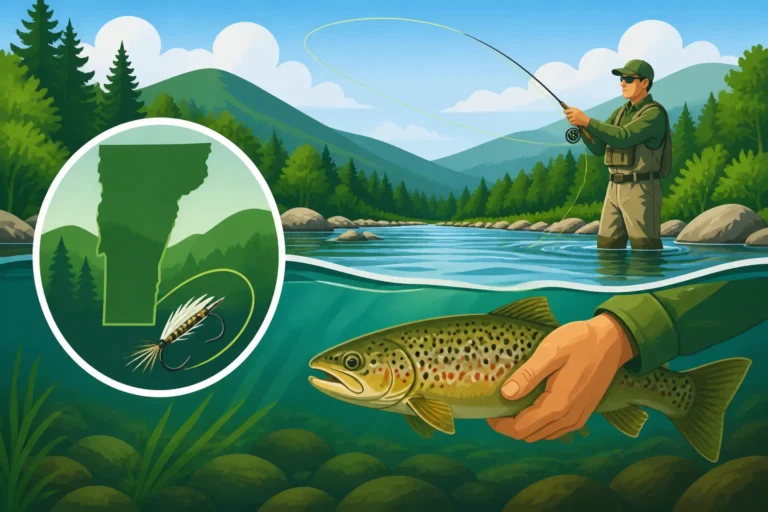
- Catch-and-Release Only Areas: Some pristine streams or trophy waters might require all trout to be immediately released unharmed. These are often Vermont catch and release only trout streams or designated fly-fishing-only sections like parts of the Battenkill River.
- Gear Restrictions: Certain waters may restrict you to artificial lures only, or even fly-fishing only. This is common in designated wild trout management areas.
- Different Season Dates: While the general trout season opens in late April, some high-elevation ponds or specific river sections might have adjusted seasons.
- Size and Bag Limit Variations: As mentioned, limits can be adjusted for specific waters to promote a particular fishery goal, such as growing trophy-sized brown trout.
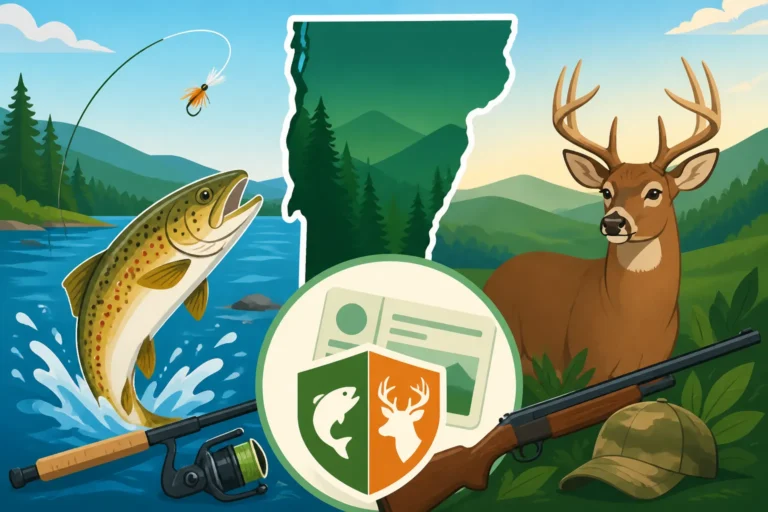
It’s your responsibility as an angler to know these rules. A quick check of the Vermont Fish & Wildlife website or a physical copy of the regulation booklet before heading out can save you from an accidental violation and ensure a responsible, enjoyable day. And of course, make sure your Vermont fishing license guide for 2026 is up-to-date and easily accessible, whether that’s a physical copy or stored digitally on your phone after learning how to buy a fishing license online in Vermont.
Popular Opening Day Destinations and What to Expect
Choosing where to fish on opening day can be half the fun and half the challenge. Vermont offers a fantastic variety of water, each with its own character and potential for a memorable experience.
Stocked Ponds and Rivers for Easy Access
For many families and those looking for consistent action, Vermont’s stocked ponds and rivers are the go-to choices for opening day. The Vermont Fish & Wildlife Department does an excellent job stocking thousands of trout each spring, ensuring plenty of opportunities. Places like Silver Lake in Barnard, Lake Raponda in Wilmington, or even many of the accessible sections of the Otter Creek and Lamoille River, become buzzing hubs of activity. You can often check the Vermont Fish Stocking Search Tool, Explained online to see which waters have recently received a fresh batch of trout, giving you a serious advantage.
These locations are often chosen for their easy access, ample parking, and family-friendly atmosphere. Expect to see lots of other anglers, especially early in the morning. This is where you'll find kids excitedly reeling in their first trout, seasoned anglers sharing stories, and the general celebratory atmosphere of opening day. While the fishing can be fast and furious, it's also a great opportunity to connect with the angling community. Just remember that these spots can get crowded, so plan to arrive early to stake out a good spot, and always be courteous to your fellow anglers.
Wild Trout Streams for the Adventurous
If you crave solitude and the challenge of outwitting a truly wild fish, Vermont's network of smaller, colder, and often harder-to-reach streams offers incredible rewards. These waters, often nestled deep within the Green Mountains, are home to native brook trout – Vermont's state fish – and wild brown and rainbow trout. Access might involve a hike, navigating dense brush, or scrambling over slippery rocks, but the pristine beauty and the thrill of a wild trout strike are unparalleled. The Battenkill River, certain stretches of the White River, and countless unnamed feeder streams are prime examples.
Fishing wild trout streams on opening day requires a different approach. The fish are often more wary, and presentations need to be subtle. Fly fishing is a popular choice in these waters, with small nymphs, streamers, and eventually dry flies as hatches emerge, being effective. If you're a fly angler, exploring the Best Fly Fishing Rivers in Vermont is a must. These streams typically have lower fishing pressure than stocked waters, offering a more peaceful and immersive experience. It's a chance to truly connect with Vermont's wilderness and earn every fish you catch.
Local Hotspots and Community Buzz
Beyond the broadly popular stocked waters and wild streams, every region of Vermont seems to have its own local hotspots that come alive on opening day. These might be specific bridges, deep pools, or particular bends in a river that reliably hold fish. In the Northeast Kingdom, folks might flock to certain spots on the Clyde River or Lake Willoughby tributaries for early season opportunities. Down south, near Bennington, you might find concentrations of anglers on the Walloomsac.
Part of the fun is discovering these local gems, often through word-of-mouth or by simply observing where the trucks with rod racks are parked. Check with local bait shops – they're often a fantastic source of up-to-the-minute information on what's biting where, and what specific baits or lures are working best. Participating in these local rituals is a great way to feel like a true part of the Vermont fishing community. It's a vibrant tapestry of shared enthusiasm, anticipation, and the pure joy of the first big day of fishing.
Making New Memories and Passing Down the Legacy
Opening day isn't just about catching fish; it's about creating enduring memories, fostering a love for the outdoors, and passing on a cherished tradition to the next generation. These experiences shape us as individuals and strengthen the bonds within our families and communities.
Mentoring the Next Generation of Anglers
One of the most heartwarming aspects of Vermont's trout opening day is seeing experienced anglers patiently teach newcomers, especially children, the ropes. Whether it's showing them how to bait a hook for trout or helping them untangle a stubborn backlash, these mentorship moments are invaluable. The excitement in a child's eyes as they feel their first fish on the line is truly contagious. Vermont even offers a Vermont youth fishing license rules by age, ensuring that young people can participate fully and legally. Remember, fostering a love for fishing in children is about more than just catching fish; it's about teaching respect for nature, patience, and the simple joy of being outdoors. Encourage them, celebrate their small victories, and let them experience the magic of the wild. Even if they don't catch a trophy, the shared experience will be a treasure.
Documenting Your Opening Day Adventures
In our modern world, capturing memories is easier than ever. While it’s important to stay present and enjoy the moment, a few photos or even a short video can help preserve the magic of opening day. Snap a picture of that beautiful brook trout before its release, capture the misty morning scene on your favorite river, or get a group shot of your fishing buddies with their catch. These visual reminders become cherished keepsakes, allowing you to relive the excitement years down the line.
Consider keeping a fishing journal too. Jot down details like the weather conditions, water temperature, what baits or flies worked, and who you were with. These notes can be incredibly helpful for future trips, helping you pattern fish behavior and improve your success. Plus, they serve as a wonderful narrative of your angling journey over the years. Just remember to handle fish gently for photos, especially if you plan to release them, to ensure their survival.
Embracing the Unexpected
No matter how much you plan, prepare, or stick to tradition, fishing always throws curveballs. The weather might change unexpectedly, your secret spot might be crowded, or the fish might simply not be biting. Part of embracing the opening day tradition is learning to roll with these punches. Sometimes, the most memorable moments come from the unexpected – a chance encounter with wildlife, a new friend made on the riverbank, or the discovery of a completely new fishing spot when your original plan falls through.
It’s about the journey, not just the destination or the size of the catch. The true spirit of Vermont trout opening day lies in the anticipation, the shared experience, the connection to nature, and the simple joy of being out on the water. So, pack your gear, grab your Vermont fishing license cost, respect the regulations, and most importantly, enjoy every single moment of this incredible Vermont tradition.
Disclaimer
Please be aware that fishing regulations in Vermont can change. Always consult the most current Vermont Fish & Wildlife Department regulations booklet or their official website before heading out to fish. This guide is for informational purposes only and should not be considered a substitute for official regulations.