Best streamer rod setup for big brown trout
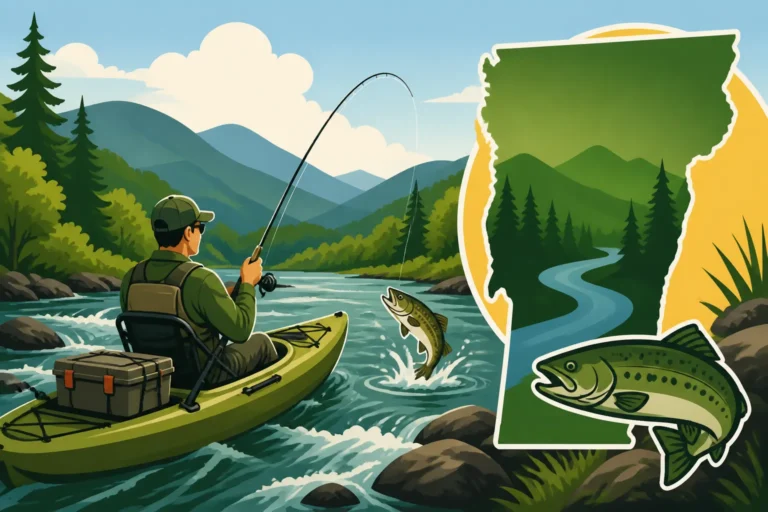
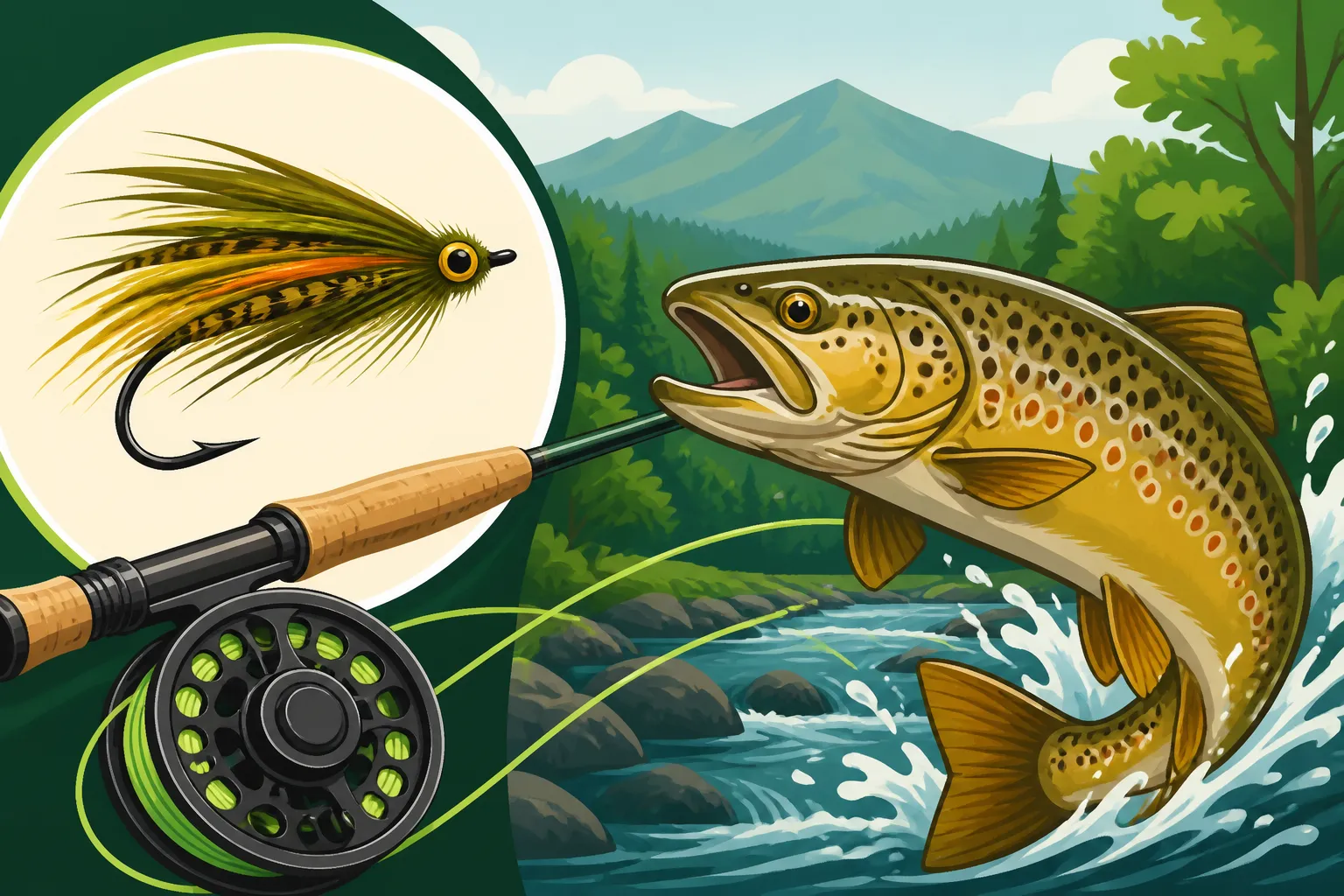
There's a special thrill that comes with chasing big brown trout, especially here in Vermont where they lurk in our storied rivers and streams. Many anglers find themselves frustrated, however, when their delicate dry fly setups just aren't cutting it for those larger, more aggressive browns that are keyed into bigger prey. This guide is all about equipping you with the knowledge to assemble the perfect streamer rod setup, designed specifically to entice and handle those elusive, hard-fighting Vermont trophy brown trout.
The Allure of Streamers for Vermont Brown Trout
When you picture trout fishing, many folks immediately think of tiny dry flies drifting gracefully on the surface. And while that's certainly a beautiful part of the sport, it often targets smaller, more opportunistic fish. For the true behemoths of the river, especially big brown trout, you need to think like a predator – and that means streamers. These flies are designed to imitate baitfish, leeches, sculpins, or even mice, which are the primary food source for larger browns looking to pack on serious weight.
Why Streamers Work for Trophy Browns
Big brown trout are apex predators in their aquatic environment. They've grown large by being efficient hunters, and they're not going to expend precious energy chasing after a minuscule insect when a juicy baitfish imitation swims by. Streamers appeal to their territorial and predatory instincts in a way that smaller flies simply can't. They represent a substantial meal, triggering an aggressive, often violent, strike that can make your heart pound. Think about it: a small fish swimming erratically near a log jam or under a cut bank is an easy target for a brown trout that has learned to conserve energy. The visual appeal, the movement, and the perceived caloric value of a streamer are what turn a casual observer into a committed attacker. It's not just about a nibble; it's about a full-on ambush. This is especially true in our larger rivers like the White River or the Otter Creek, where browns have plenty of forage and space to grow to impressive sizes.
Understanding Brown Trout Behavior in Vermont Rivers
To effectively fish streamers for brown trout in Vermont, you need to understand where these fish live and how they operate. Brown trout, particularly the larger ones, are often more solitary and territorial than brook or rainbow trout. They prefer lies that offer both cover and access to food, often near deeper pools, undercut banks, log jams, large boulders, or current seams. They are ambush predators, often holding in slack water adjacent to faster currents, waiting for unsuspecting prey to drift by. During higher water or in murky conditions, they might move into shallower riffles to feed, but generally, their home is in the darker, more protected parts of the river.
They are also incredibly sensitive to light and water temperature. While you might catch them throughout the day, early morning, late evening, or overcast days are often prime times. Cooler water temperatures, particularly in spring and fall, can trigger more aggressive feeding behavior as they stock up for colder months or recover from spawning. Knowing these habits helps you present your streamer exactly where a big brown is likely to be holding, increasing your chances of that coveted strike. Understanding Brown Trout Habits in Vermont Streams is key to success.
Decoding the Ideal Streamer Rod: Weight, Length, and Action
Choosing the right fly rod is the cornerstone of a successful streamer setup. It's not just about having a rod; it's about having one that can handle the heavier flies, the stout leaders, and the powerful fish you're targeting.
Rod Weight: Matching Power to Prey
For big brown trout and the streamers they demand, you're generally looking at a heavier rod weight than you might use for dry fly fishing. A 6-weight or 7-weight rod is often considered the sweet spot.
- 6-Weight Rod: This is a versatile choice, offering enough backbone to cast medium-sized streamers (think Woolly Buggers, Conehead Sculpins) with reasonable accuracy and distance. It's also still light enough to be enjoyable when you're not casting huge flies all day. Many anglers find a 6-weight to be a fantastic all-around option for larger rivers or when the browns aren't necessarily "trophy" sized but still robust. It offers a good balance of power and finesse, allowing you to feel the nuanced takes but still muscle a fish away from snags.
- 7-Weight Rod: When you're consistently throwing larger, wind-resistant streamers, or fishing in windier conditions common on wider rivers or larger sections of the Connecticut River, a 7-weight really shines. It has the extra power to turn over heavy fly lines and bulky flies, and more importantly, it gives you greater control when fighting a powerful brown trout. That added backbone helps you steer a fish away from submerged logs or strong currents, preventing break-offs. If your primary goal is to target trophy browns with big flies, a 7-weight is arguably the superior choice.
Going any lighter than a 6-weight for dedicated streamer fishing can quickly become frustrating, as the rod struggles to load and cast the heavier fly. Going much heavier, say an 8-weight, is generally overkill for most Vermont brown trout scenarios, unless you're specifically targeting truly massive fish with exceptionally large flies, or perhaps fishing species like pike.
Rod Length: Maneuverability vs. Casting Distance
Fly rod length also plays a significant role in your streamer setup, impacting both casting performance and how you manage the line and fish.
- 9-Foot Rod: This is the standard length for a reason. A 9-foot rod provides an excellent balance of casting distance, line control, and fighting leverage. For most river fishing scenarios in Vermont, whether you're wading or fishing from a drift boat, a 9-foot rod in a 6 or 7-weight will serve you exceptionally well. It allows for longer casts needed to cover wider water, and the length helps mend line and control drifts more effectively in varied currents. The extra length also gives you a bit more reach for roll casts or presentations in tight spots.
- 9.5-Foot or 10-Foot Rod: While less common for general streamer fishing, some anglers prefer a slightly longer rod, especially for specialized techniques or larger rivers. A 9.5-foot or 10-foot rod can offer a marginal increase in casting distance and can be particularly useful for high-stick nymphing techniques often employed in conjunction with streamers, or for better line control when mending long drifts. However, the trade-off is often reduced maneuverability, particularly in brushy or tight river environments common in parts of Vermont. For most dedicated streamer anglers, the 9-foot rod remains the most practical and versatile choice. When shopping for Best Fly Rods for Vermont Trout Streams, consider these lengths carefully.
Rod Action: Fast, Medium, or Slow for Streamers?
The "action" of a fly rod refers to where it bends when stressed. This characteristic is crucial for effective streamer fishing.
- Fast-Action Rods: These rods bend primarily in the tip section, offering maximum power and line speed. They excel at casting heavy, wind-resistant streamers long distances and in windy conditions. The stiff backbone of a fast-action rod also provides excellent control when fighting powerful fish, allowing you to apply significant pressure and quickly bring a trophy brown to the net. Most dedicated streamer rods will lean towards a fast or medium-fast action. They require a bit more precise timing in the casting stroke but reward you with superior performance in demanding situations. Many of the rods you'll find at stores like Bass Pro Shops will be fast-action models, designed for power and distance.
- Medium-Fast Action Rods: These rods bend further down into the middle section, offering a good blend of power and feel. They are often more forgiving to cast than fast-action rods, making them a great choice for anglers who might not have a perfectly tuned double haul. They still have plenty of power for casting streamers and fighting fish but offer a bit more sensitivity and feel for subtle takes. For many anglers, a medium-fast action rod strikes the perfect balance for streamer fishing in Vermont, providing enough power without being overly demanding to cast all day.
- Medium or Slow Action Rods: These rods bend deep into the blank, offering a more traditional, classic fly fishing feel. While wonderful for delicate dry fly presentations or smaller streams, they are generally not suitable for streamer fishing. They lack the backbone to effectively cast heavy flies and struggle to generate the line speed needed for accurate, long-distance streamer casts. You'd quickly get fatigued trying to throw big streamers with a slow-action rod.
Here's a quick comparison of typical rod setups for brown trout:
| Rod Characteristic | Dry Fly / Nymphing (Small Flies) | Streamer Fishing (Big Browns) |
|---|---|---|
| Rod Weight | 3-weight to 5-weight | 6-weight to 7-weight |
| Rod Length | 8.5 feet to 9.5 feet | 9 feet to 10 feet |
| Rod Action | Medium to Medium-Fast | Fast to Medium-Fast |
| Fly Line Type | Weight Forward Floating | Weight Forward Floating/Sink Tip/Full Sink |
| Leader/Tippet | 4X to 6X | 0X to 3X |
Reel Choices and Line Selection for Streamer Success
While the rod gets a lot of attention, the reel and line are equally vital components of a well-balanced streamer setup. You can have the best rod in the world, but if your line doesn't match, or your reel can't handle the strain, you'll be constantly fighting your gear instead of the fish.
The Right Reel for Streamer Fishing
For streamer fishing, your reel primarily serves two functions: holding your line and backing, and providing a drag system to fight strong fish.
- Matching the Rod Weight: Always choose a reel that is designed to balance with your chosen rod weight. A reel designed for a 5/6 weight rod will generally be too light for a 7-weight rod, making the setup feel tip-heavy and unbalanced. Look for a reel that specifies it's for 6/7 weight or 7/8 weight rods.
- Large Arbor Design: A large arbor reel is highly recommended. The larger diameter spool reduces line memory (coiling) and, more importantly, allows for faster line retrieval. When a big brown makes a run, you need to be able to pick up slack quickly or gain line efficiently.
- Smooth, Reliable Drag: This is paramount. When a powerful brown trout charges into the current, you need a drag system that engages smoothly and consistently, without stuttering or sticking. A jerky drag can lead to sudden tension spikes, resulting in snapped tippets or pulled hooks. While you might not "fight" a trout off the reel all the time, having that reliable drag is crucial for those unexpected, explosive runs. You don't need the most expensive reel on the market, but invest in one from a reputable brand that has a sealed or well-protected drag system, especially if you anticipate fishing in harsh conditions.
- Durable Construction: Streamer fishing can be hard on gear. Your reel will get bumped, splashed, and exposed to the elements. Opt for a reel made from durable, corrosion-resistant materials, especially if you plan to fish saltier conditions outside of Vermont, or simply want longevity for years of freshwater use.
Fly Line: Taper, Weight, and Sink Rate
This is where streamer fishing truly diverges from traditional dry fly or nymphing. The fly line choice is perhaps the most critical component for casting and presenting streamers effectively. You'll typically be looking at a few different types:
- Weight Forward (WF) Floating Line with a Short, Aggressive Front Taper: Even if you plan to use sink tips, having a floating line with a more aggressive, shorter front taper (sometimes called a "streamer taper" or "bass bug taper") is excellent for turning over larger, heavier flies. This taper helps transfer the energy of your cast more efficiently to the bulky fly. This is a good choice for shallow runs or when you want to retrieve your streamer closer to the surface.
- Sink-Tip Lines: These are incredibly versatile and popular for streamer fishing. A sink-tip line has a floating running line but features a section at the front (the "tip") that sinks at a specified rate (e.g., Type 3, Type 6, or even Type 8 for faster sink rates). This allows your streamer to get down to the fish's depth quickly while still providing the advantage of a floating line for mending and retrieving. Different sink rates mean you can adapt to various water depths and current speeds. A common setup might involve a floating line with interchangeable sink tips, or a dedicated line with a fixed sink tip.
- Full Sinking Lines: For targeting deep pools, strong currents, or specific holding lies where brown trout are hugging the bottom, a full sinking line is indispensable. These lines sink uniformly along their entire length, getting your fly down deep and keeping it there throughout the retrieve. They come in various sink rates, often denoted by grains or IPS (inches per second). The downside is that they can be harder to cast, mend, and retrieve, but for maximum depth, they are unmatched. You'll want to choose a line weight that matches your rod (e.g., a WF6F/I for a 6-weight rod, where F is floating and I is intermediate, or a WF7S for a 7-weight sinking line). Checking out options on Amazon or at your local fly shop for Best Fly Line for Small Mountain Streams might be a starting point, but remember, for streamers, you'll need something beefier.
Leader and Tippet: The Critical Connection
Unlike delicate dry fly fishing, streamer fishing demands a robust leader and tippet system.
- Shorter, Heavier Leaders: For streamers, you don't need a long, tapered leader for delicate presentations. In fact, a shorter, stouter leader is preferred. A 6-foot to 9-foot leader with a stronger butt section and a quicker taper is ideal. This helps turn over the heavy fly and prevents hinging. Many anglers even simplify this by using a straight section of heavy fluorocarbon or monofilament.
- Strong Tippet: Forget 4X or 5X. For big brown trout and streamers, you're looking at tippet in the 0X, 1X, 2X, or even 3X range. This thicker material provides the breaking strength needed to fight strong fish, especially when they're trying to dive into structure. It also holds up better to the abrasion of toothy fish (though browns aren't as bad as pike, they can still rough up a tippet) and casting heavy flies. Fluorocarbon tippet is often preferred due to its abrasion resistance and its nearly invisible properties underwater. You want a tippet that can withstand powerful strikes and prolonged fights without compromising.
Essential Accessories and Streamer Patterns for Vermont Waters
Beyond the rod, reel, and line, a few key accessories and a selection of proven streamer patterns will complete your setup and ensure you're ready for whatever Vermont's brown trout throw at you.
Must-Have Streamer Fishing Accessories
Streamer fishing, while streamlined in some ways, still benefits from a few specific tools.
- Reliable Nippers and Forceps: You'll be tying on bigger, sometimes more complex knots, and a good pair of nippers is essential. Forceps are crucial for safely removing hooks from the mouths of aggressive brown trout, especially when using larger, often barbed streamer hooks. Look for a pair with a good grip and locking mechanism.
- Large Landing Net: When that trophy brown finally comes to hand, you want to land it safely and efficiently. A large, rubberized landing net is ideal. The rubberized mesh protects the fish's slime coat and fins, minimizing harm, and the larger size ensures you can net a big fish without struggling or losing it at the last second. This is especially important for catch and release. Many anglers prefer a net with a longer handle if they're wading deeper or fishing from a boat. Consider Best Landing Net for Trout options that can handle larger fish.
- Streamer-Specific Fly Box: Those big, bushy streamers won't fit into your standard dry fly box. Invest in a fly box with larger compartments or slotted foam that can accommodate your array of baitfish and sculpin patterns. This keeps your flies organized, prevents them from getting crushed, and allows them to dry properly. Check out Best Fly Boxes for Trout Streams for ideas, but remember to size up for streamers.
- Wading Staff and Quality Waders: Vermont's rivers can be rocky, swift, and unpredictable. A sturdy wading staff provides essential stability, especially when navigating deeper currents or slippery streambeds while chasing those prime brown trout lies. Coupled with a good pair of breathable chest waders and felt or rubber-soled wading boots, you'll be comfortable and safe. Best Waders for Vermont Trout Streams are an absolute must for any serious river angler here.
- Polarized Sunglasses: These are non-negotiable for any kind of sight fishing, but they are incredibly helpful for streamer fishing too. They cut the glare off the water, allowing you to spot underwater structure, identify current seams, and sometimes even see a chasing fish or the flash of a brown trout turning on your fly.
Top Streamer Patterns for Vermont Brown Trout
While personal preferences and local conditions always play a role, some streamer patterns are consistently effective for Vermont's brown trout.
- Woolly Bugger: The undisputed king of streamers. In black, olive, brown, or white, the Woolly Bugger imitates everything from leeches to baitfish. It has incredible movement in the water and can be fished effectively at almost any depth or retrieve speed. A must-have in various sizes and colors. Learn How to fish a wooly bugger for trout to master this versatile fly.
- Sculpin Patterns: Sculpins are a primary food source for big brown trout. Flies like the Muddler Minnow, Sculpzilla, or articulated sculpin patterns with their wide heads and dark profiles are incredibly effective at imitating these bottom-dwelling fish. Fish them dead-drift near the bottom or with short, erratic strips.
- Baitfish Imitations: Clouser Minnows, Deceivers, and various flashy streamer patterns that mimic smelt, shiners, or dace are excellent, especially in clearer water or when baitfish are abundant. Colors like white, olive, grey, or blue over white are often productive. Look for patterns with plenty of flash to grab attention.
- Articulated Streamers: For truly large fish and when you want maximum movement, articulated streamers (flies tied with multiple segments) are fantastic. Patterns like the Sex Dungeon, Drunk & Disorderly, or Dally's Lap Dancer have incredible swimming action and a large profile that can really provoke a strike from a big brown. These are often what you'll find at specialty shops like Bass Pro Shops or online retailers like Amazon, specifically designed for targeting larger game fish.
- Bugger Variants: Don't be afraid to experiment with variations of the Woolly Bugger, such as conehead buggers (for faster sink), jig buggers (to ride hook-point up), or patterns with rubber legs for added action.
These are just a few suggestions, but having a selection of sizes and colors for these core types will put you in a great position. For more specific local insights, check out Best streamer patterns for Vermont brown trout.
Honing Your Streamer Casting and Presentation Skills
Having the right gear is only half the battle; knowing how to use it effectively is the other. Streamer fishing requires a different approach to casting and presentation compared to delicate dry fly work.
Mastering the Double Haul for Streamer Distance
If you want to consistently cast large, heavy streamers across wide rivers or into tricky wind, mastering the double haul is absolutely essential. The double haul is a technique where you simultaneously pull and release the fly line with your free hand during both the backcast and forward cast.
- Increased Line Speed: The primary benefit of the double haul is its ability to generate significant line speed. More line speed means you can carry more line in the air, resulting in longer casts. For heavy streamers that create a lot of drag, this extra velocity is invaluable.
- Better Turnover: High line speed also helps your leader and fly "turn over" properly at the end of the cast, ensuring your streamer lands with authority and extends rather than piling up in a heap.
- Fighting the Wind: Vermont can be windy, especially on larger waters or open river sections. A strong double haul allows you to punch your cast through the wind, maintaining accuracy and distance that would be impossible with a simpler casting stroke.
- Reduced Fatigue: While it takes practice, a well-executed double haul makes casting large streamers much more efficient and less fatiguing over a long day on the water. It uses your body's mechanics to do the work, rather than just arm strength.
Start practicing in an open field, focusing on smooth, synchronized movements. It takes time and repetition, but the payoff for your streamer fishing will be immense.
Reading the Water for Prime Brown Trout Lies
No amount of casting prowess or expensive gear will help if you're not putting your fly where the fish are. Big brown trout are creatures of habit and structure. Learning to read the water is paramount for consistent streamer success.
- Current Seams: Look for the subtle lines where faster current meets slower water. These are highways for baitfish and often prime ambush points for browns. Casting your streamer across these seams and allowing it to swing or stripping it through them can be incredibly effective.
- Undercut Banks: Brown trout love the shelter and shade of undercut banks, which provide protection from predators and the sun, as well as easy access to food washing downstream. Casting your streamer right along the edge of these banks, or even a few inches under them, can often elicit a strike.
- Log Jams and Boulder Fields: Any significant structure in the river breaks up the current and provides holding lies for fish. Log jams, large boulders, and rock gardens offer excellent cover. Work your streamer slowly and methodically around these features, being prepared for an aggressive strike as you pull the fly past a hidden fish.
- Deep Pools and Eddies: Larger browns will often hold in the deeper, slower sections of pools, especially in the middle of the day. Fish these areas with sink-tip or full-sinking lines to get your streamer down to their level. Eddies, where the current swirls back upstream, are also great places for fish to rest and wait for food.
- Confluence of Tributaries: Where a smaller stream flows into a larger river, the mixing currents often create feeding opportunities. These areas can concentrate baitfish and provide unique current breaks for browns.
Pay attention to subtle changes in water color, depth, and current speed. The more you observe, the better you'll become at identifying those prime locations where a big Vermont brown trout is likely lurking, ready to ambush your perfectly presented streamer. Knowing Best Time of Year to Fish in Vermont can also influence where browns are holding and how aggressively they might strike your streamer.
Disclaimer
This article is for general informational purposes only and does not constitute professional advice. Laws, prices and regulations vary by location and change over time. Consult a qualified professional for guidance on your specific situation.