Best rain jacket for spring fishing trips
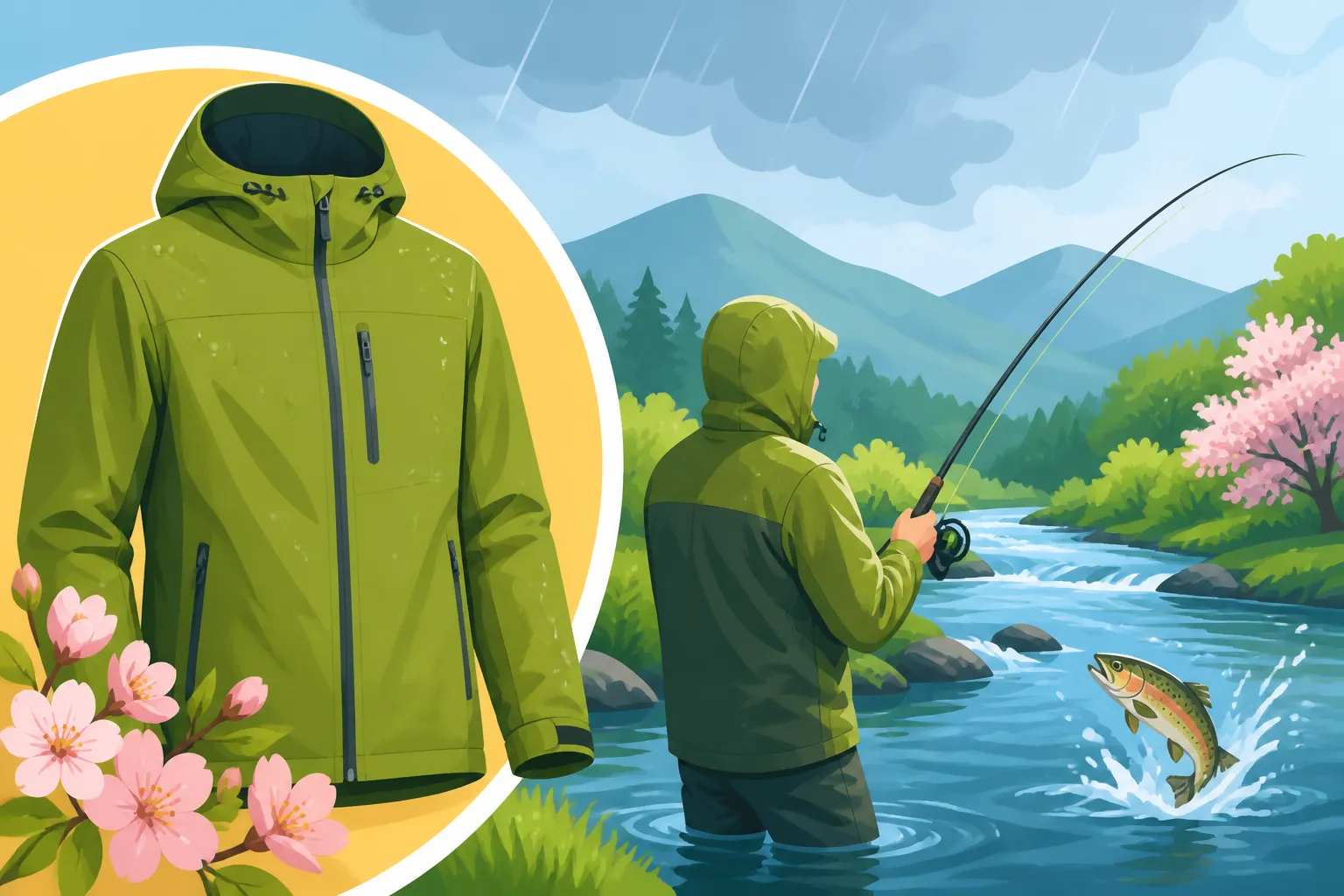
There's nothing quite like the promise of spring fishing in Vermont. The ice is out (or quickly going out!), the rivers are waking up, and the fish are often hungry after a long winter. But let's be real, Vermont springs are notoriously fickle, throwing everything from glorious sunshine to sleet, driving rain, and even a surprise snow squall at a moment's notice. Getting caught out on the water or in a stream without proper rain gear isn't just uncomfortable; it can genuinely put a damper on your whole trip, or worse, become a safety concern. This guide is here to walk you through exactly what makes for the best rain jacket for those unpredictable Vermont spring fishing adventures, ensuring you stay dry, comfortable, and focused on the bite, no matter what Mother Nature throws your way.
Why a Good Rain Jacket is Non-Negotiable for Vermont Spring Fishing
Many anglers focus on rods, reels, and bait, but often overlook one of the most crucial pieces of gear, especially when heading out in early spring: a reliable rain jacket. It's not just about staying dry; it's about comfort, safety, and being able to fish effectively through changing conditions. Skimping here can truly make or break your experience, turning a potentially epic day into a miserable, shivering memory.
Understanding Vermont's Unpredictable Spring Weather
Vermont in spring is a beautiful, wild place, but its weather patterns are anything but consistent. One moment you might be enjoying bright, sunny skies with a light breeze, and the next, a heavy downpour rolls in, accompanied by a significant drop in temperature. This isn't your gentle summer rain; spring rain often comes from melting snow runoff, which means it's usually colder, and can quickly chill you to the bone if you're not properly insulated and protected. These sudden changes are the norm, not the exception, making adaptable gear essential.
Imagine planning a day Spring Trout Fishing Techniques for Vermont Streams or hitting the river for some early season bass. You check the forecast, and it looks clear. But then, an hour into your trip, the clouds roll in, the wind picks up, and a steady, cold rain begins. Without adequate protection, that excitement quickly fades, replaced by chattering teeth and a desire to be anywhere but on the water. A quality rain jacket acts as your personal shield against these rapid shifts, letting you extend your time fishing and truly enjoy the emergence of the season.
The Discomfort and Dangers of Getting Soaked
Beyond just being uncomfortable, getting thoroughly soaked while fishing in cold spring temperatures can pose real risks. Hypothermia is a serious concern, even if the air temperature isn't freezing, especially when combined with wind and wet clothing. When your body loses heat faster than it can produce it, your core temperature drops, leading to symptoms like shivering, confusion, and impaired judgment—none of which are conducive to a safe and enjoyable fishing trip.
Think about it: wet clothes lose their insulating properties, making you feel even colder. Your hands might go numb, making it difficult to tie knots, cast accurately, or even reel in a fish. Your focus shifts from the fishing to simply trying to stay warm, robbing you of the joy and concentration that fishing demands. A good rain jacket, coupled with appropriate layering underneath, prevents this scenario entirely, allowing you to brave the elements with confidence and keep your mind on the task at hand: catching fish. Vermont Fishing Seasons by Month explains more about the varied conditions you might encounter.
Key Features to Look for in a Vermont Spring Fishing Rain Jacket
When you're out there on a Vermont lake or stream, battling spring showers, your rain jacket is your first line of defense. It's not just about keeping water out; it's about comfort, mobility, and functionality. Understanding the critical features will help you pick a jacket that won't let you down when the skies open up.
Waterproofing Technology and Ratings
This is, understandably, the most crucial aspect. You need a jacket that is truly waterproof, not just water-resistant. Look for jackets that utilize advanced waterproofing membranes like GORE-TEX, eVent, or proprietary technologies developed by various brands. These materials are designed with microscopic pores that are too small for water droplets to pass through but large enough for water vapor (sweat) to escape, offering that coveted balance of waterproofing and breathability.
Pay attention to seam sealing. Even the most advanced fabric will fail if the seams aren't fully taped and sealed, as water will inevitably find its way through the needle holes. Most quality fishing rain jackets will boast "fully taped seams" as a key feature. Also, consider the fabric's layers; a 2-layer jacket might be lighter and more packable, while a 3-layer construction offers superior durability and often better waterproofing for really nasty weather. For extreme conditions, some jackets even feature a 2.5-layer design, which adds a protective print or coating to the membrane for added durability without a full third layer. You can often find jackets with these specifications at outdoor retailers or on platforms like Amazon, making it easy to compare.
Breathability for Active Anglers
While keeping rain out is paramount, breathability is equally important, especially for active anglers who might be hiking to a remote stream, wading through currents, or constantly casting. If a jacket isn't breathable, the moisture from your own body heat and sweat will condense inside, making you feel damp and clammy from the inside out. This defeats the purpose of staying dry and can quickly lead to a chill.
High-quality waterproof-breathable membranes are designed to manage this internal moisture. Jackets with pit zips (zippered vents under the arms) are fantastic for dumping excess heat quickly when you're working hard, like portaging a canoe or scrambling over rocky terrain to get to a prime Green Mountain Trout Stream Access. Look for jackets with higher breathability ratings if you tend to overheat easily or plan on covering a lot of ground. It's a fine balance, but a good fishing rain jacket strikes it perfectly, preventing that uncomfortable sauna-like feeling on a cool, damp day.
Fit, Mobility, and Layering Considerations
A rain jacket that restricts your movement while casting or rowing is more of a hindrance than a help. The fit should allow for a full range of motion in your arms and shoulders without pulling or riding up. Remember that you'll likely be wearing layers underneath – a base layer, perhaps a fleece or insulated vest – so ensure there's enough room for these without the jacket feeling baggy or cumbersome.
Adjustable features are also crucial. A well-designed hood should offer excellent peripheral vision and be easily adjustable with one hand, allowing it to cinch down snugly in wind or rain without obstructing your view. Cuffs with Velcro or elastic adjustments prevent water from running up your arms when you're casting or reaching into the water. A drawcord hem helps seal out drafts and prevents water from splashing up from below. For specific activities like Kayaking Fishing Techniques for Vermont Lakes, ensuring the fit works with a personal flotation device is also key.
Essential Fishing-Specific Features
Beyond basic waterproofing, the best rain jackets for fishing incorporate thoughtful features tailored to anglers' needs. Ample, strategically placed pockets that are truly waterproof and easily accessible, even when wearing a life jacket or waders, are a huge plus. These pockets are invaluable for stashing fly boxes, leaders, tools, and a phone.
Look for features like D-rings or attachment points for tools like nippers, hemostats, or a net. A reinforced shoulder area can prevent wear and tear from carrying backpacks or sling packs. Some jackets even include integrated rod holders or removable sun shields. While not strictly necessary, these small additions significantly enhance the jacket's utility and convenience on the water. Thinking about these fishing-specific details means the jacket isn't just a rain shell; it's an integral part of your fishing system.
Material Matters: Common Fabrics and Their Benefits
Delving into the world of rain jacket materials can feel a bit like wading through a technical manual, but understanding the basics can really help you choose the right gear for Vermont's unpredictable spring fishing. It's not just about what keeps the water out, but how it feels, how durable it is, and how it performs during an active day on the water.
Hardshell vs. Softshell for Spring Conditions
You'll often hear the terms "hardshell" and "softshell" thrown around. For dedicated rain protection, especially in true Vermont spring downpours, a hardshell jacket is almost always what you're looking for. Hardshells are designed to be fully waterproof and windproof, providing a robust barrier against the elements. They typically feature a stiffer, more crinkly fabric (though modern hardshells are getting much softer) and are built for maximum protection. When that cold, driving rain starts, a good hardshell will keep you bone dry. They're excellent for standing up to persistent rain, heavy winds, and even light snow, which isn't uncommon in early Vermont spring.
Softshell jackets, on the other hand, prioritize breathability and flexibility. While many softshells offer excellent water resistance (often with a Durable Water Repellent, or DWR, coating) and some wind resistance, very few are truly waterproof. They are fantastic for active pursuits in milder, drizzly conditions where breathability and stretch are more important than absolute waterproofness. For Vermont spring fishing, a softshell might be a great outer layer on a cloudy, breezy day with a chance of light sprinkles, but it will quickly become saturated in a proper rainstorm. Therefore, for the primary rain protection during a spring fishing trip, a hardshell is the recommended choice, possibly layered over a softshell for warmth if needed.
Popular Waterproofing Membranes Explained
The real magic in a hardshell rain jacket happens within the waterproof-breathable membrane. These thin layers are engineered to repel liquid water while allowing water vapor (sweat) to pass through.
- GORE-TEX: This is probably the most famous name in waterproof-breathable technology. GORE-TEX fabrics are known for their exceptional balance of waterproofing and breathability, often setting the industry standard. They come in various formulations (e.g., Paclite, Pro, Active) each optimized for different activities and durability needs. For spring fishing, a good GORE-TEX jacket offers reliable protection that many anglers trust. You'll find many high-performance fishing jackets incorporating this technology.
- eVent: Another high-performance membrane, eVent is often praised for its "direct venting" technology, which some claim makes it even more breathable than GORE-TEX, especially during high-exertion activities. It's a great choice for anglers who are constantly on the move, wading, or hiking to distant fishing spots.
- Proprietary Technologies: Many outdoor and fishing apparel brands develop their own waterproof-breathable membranes (e.g., Omni-Tech by Columbia, H2No by Patagonia, Toray Dermizax, Pertex Shield, or Frogg Toggs' proprietary materials). These can offer excellent performance at various price points. While they might not carry the same brand recognition as GORE-TEX, many are highly effective and represent great value. When considering these, look for specific ratings for waterproofness (often measured in mm of water column) and breathability (often in g/m²/24h) if available, and read reviews from other anglers. These often offer competitive performance, and you can sometimes find great deals on these branded items through retailers like Bass Pro Shops or on Amazon.
Understanding these material differences helps you make an informed decision, ensuring your jacket performs exactly as you need it to when you're out there chasing Vermont Landlocked Salmon Regulations or searching for bass in a spring rain.
Choosing the Right Jacket for Your Vermont Spring Fishing Style
The "best" rain jacket isn't a one-size-fits-all solution; it truly depends on how and where you plan to fish in Vermont during the spring. The demands of wading a fast-flowing river are different from those of trolling on a vast lake. Let's break down the considerations for various angling styles.
Jackets for Wading and Stream Fishing
If your spring fishing adventures mostly involve wading Vermont's trout streams or rivers, like the Battenkill or the White River, your rain jacket needs to be designed with mobility and practical access in mind. Hip-length jackets are often preferred here because they provide enough coverage without interfering with your waders. A jacket that's too long can bunch up or dip into the water, potentially wicking moisture upwards.
Look for jackets that allow unrestricted arm movement for casting, especially if you're fly fishing. High, waterproof pockets are a godsend, keeping your fly boxes, tippet, and indicators dry and accessible above the waterline. Integrated tool tabs or retractors are also incredibly convenient for clippers and forceps. Since you'll likely be moving and potentially bushwhacking, durability in the fabric and reinforced shoulders are beneficial. Quick-drying materials, even for the outer shell, can be a plus for those moments when you step out of a downpour into a light drizzle. You want something that will shed water quickly and effectively when you’re Wading Techniques for Vermont Trout Streams.
Jackets for Boat Fishing and Lake Trips
Anglers targeting species like walleye on Lake Champlain Fishing Guide or lake trout in deeper waters from a boat have slightly different requirements. Here, wind resistance becomes a much more critical factor alongside waterproofing. Boating, especially at speed, can create significant wind chill, and a poorly designed jacket will let that cold wind cut right through. A longer cut jacket, perhaps one that covers your hips more fully, can offer extra protection from spray and wind when seated in a boat.
Heavy-duty waterproofing is paramount for boaters, as you might be exposed to prolonged, intense rain or heavy waves. Larger, more numerous waterproof pockets can be very useful for storing boat keys, radios, or electronics. A sturdy, adjustable hood that stays put even when moving is also essential. Since you're less likely to be hiking miles, a slightly heavier, more robust jacket might be a better choice for pure protection and durability in a marine environment. Consider jackets designed specifically for marine use, as they often have features like offshore collars and robust zippers built to withstand saltwater, even if you're only fishing freshwater.
Budget-Friendly Options vs. High-Performance Investments
The price tag on rain jackets can vary wildly, from surprisingly affordable options to those that feel like a significant investment. Deciding how much to spend often comes down to how frequently you'll use the jacket and the intensity of the conditions you expect to face.
-
Budget-Friendly Options: For casual anglers who only hit the water a few times a spring, or those looking for a backup jacket, there are plenty of excellent budget-friendly choices. Brands like Frogg Toggs or some of the house brands found at larger retailers often offer decent waterproofing at a fraction of the cost. These might not have the same level of breathability, durability, or high-tech features as their premium counterparts, but they will keep you dry in a pinch. You can often find suitable options at good prices on platforms like Amazon, or by checking the sale racks at larger sporting goods stores like Bass Pro Shops. Just be prepared for potentially less comfort over long periods or in very active scenarios.
-
High-Performance Investments: If you're a serious angler who spends a lot of time on the water in all conditions, or if you simply prioritize comfort and durability, investing in a high-performance jacket is often worth it. Jackets featuring GORE-TEX, eVent, or other top-tier proprietary membranes offer superior waterproofing, breathability, and overall construction. They tend to last longer, offer better comfort during active use, and are less likely to fail when you need them most. While the initial cost is higher, the extended lifespan and enhanced fishing experience can justify the expense for dedicated anglers. These are the jackets that truly keep you focused on the fish, not the weather, whether you're fly fishing Best Fly Fishing Rivers in Vermont or battling a big pike.
Ultimately, weigh your personal needs, fishing frequency, and budget. A good rain jacket is an essential piece of safety gear, and peace of mind on the water is priceless.
| Feature Category | High-Performance Investment Jacket | Budget-Friendly Option Jacket |
|---|---|---|
| Waterproofing | GORE-TEX, eVent, advanced proprietary membranes; fully taped seams; high mm ratings | Basic waterproof coatings/laminates; may have critically taped seams; lower mm ratings |
| Breathability | Excellent; often includes pit zips; high g/m²/24h ratings | Fair to poor; limited venting; lower g/m²/24h ratings (can feel clammy) |
| Durability | Rugged multi-layer fabrics; reinforced stress points; built to last many seasons | Lighter, less abrasion-resistant fabrics; may show wear quicker; suitable for occasional use |
| Mobility/Fit | Articulated design for full range of motion; angler-specific cuts; adjustable features | Simpler cut; may feel more restrictive; basic adjustments |
| Fishing Features | Multiple waterproof pockets; D-rings; tool tabs; storm flaps; premium zippers | Fewer, simpler pockets; basic zippers; minimal fishing-specific attachments |
| Comfort | Lightweight, soft hand feel; designed for extended wear; good temperature regulation | Can be stiff, noisy, or feel rubbery; less comfortable for long periods |
| Typical Cost | Higher investment, often provides better long-term value | Lower initial cost, good for occasional or backup use |
Disclaimer
This article is for general informational purposes only and does not constitute professional advice. Laws, prices and regulations vary by location and change over time. Consult a qualified professional for guidance on your specific situation.