Best Ice Shanty for Vermont Lakes
Venturing out onto Vermont's frozen lakes in the dead of winter is an exhilarating experience, but let's be honest, those biting winds and relentless snow squalls can turn a promising fishing trip into a miserable ordeal faster than you can say "ice auger." That's where a well-chosen ice shanty comes into its own, providing a much-needed sanctuary from the elements and transforming your frigid outing into a comfortable, productive day on the hard water. This comprehensive guide will walk you through everything you need to know to select the perfect ice shanty to brave Vermont's often-unforgiving winter conditions, ensuring you stay warm, safe, and focused on those flag-raising bites.
Why a Quality Ice Shanty is Crucial for Vermont Anglers
When you picture ice fishing in Vermont, you might imagine a hardy angler bundled head-to-toe, braving the elements. And while that's certainly part of the allure for some, the reality is that long hours exposed to the cold can quickly lead to discomfort, decreased focus, and even safety concerns. A good ice shanty isn't a luxury; it's an essential piece of gear that allows you to extend your time on the ice, fish more effectively, and enjoy the experience, no matter what Mother Nature throws your way.
Battling Vermont's Winter Elements
Vermont winters are legendary for their beauty, but also for their intensity. We're talking about sub-zero temperatures, fierce winds whipping across wide-open lakes, and sudden snowstorms that can reduce visibility to near zero in minutes. Without adequate shelter, these conditions can make even short fishing trips unbearable. Imagine drilling your holes on a blustery day on Lake Champlain, only to have snow fill them in before you can even drop a line. A shanty provides a sheltered workspace, protecting your holes from drifting snow and slush, and making it far easier to manage your gear without your fingers freezing. It’s the difference between shivering and cursing the cold, and comfortably watching your tip-ups while sipping hot coffee. For those venturing onto large, exposed bodies of water, this protection is absolutely non-negotiable.
Comfort and Safety on the Ice
Beyond just shielding you from the wind and snow, an ice shanty significantly enhances your overall comfort and safety. Inside a shanty, even an unheated one, the air temperature will be noticeably warmer than outside, especially once a few bodies are in there. Add a small portable heater, and you can create a surprisingly cozy environment. This warmth helps prevent frostbite and hypothermia, which are real risks when fishing in extreme cold. Comfort also translates to better fishing; when you're not constantly battling the cold, you can concentrate on your presentation, detect subtle bites, and react more quickly. Plus, having a designated, stable space helps organize your tackle, keeps your electronics from freezing, and provides a secure spot for children or pets if they're joining your adventure. It truly transforms the ice fishing experience from a test of endurance to a relaxing pastime. Don't forget to review How thick ice needs to be to fish safely in Vermont before heading out.
Types of Ice Shanties: Finding Your Match
Just like fishing rods or reels, ice shanties come in a variety of styles, each with its own advantages and disadvantages. The "best" type for you depends largely on your personal fishing style, how many people you typically fish with, and your budget. Let's break down the most common options you'll find for tackling Vermont's frozen waters.
Portable Pop-Up Shanties
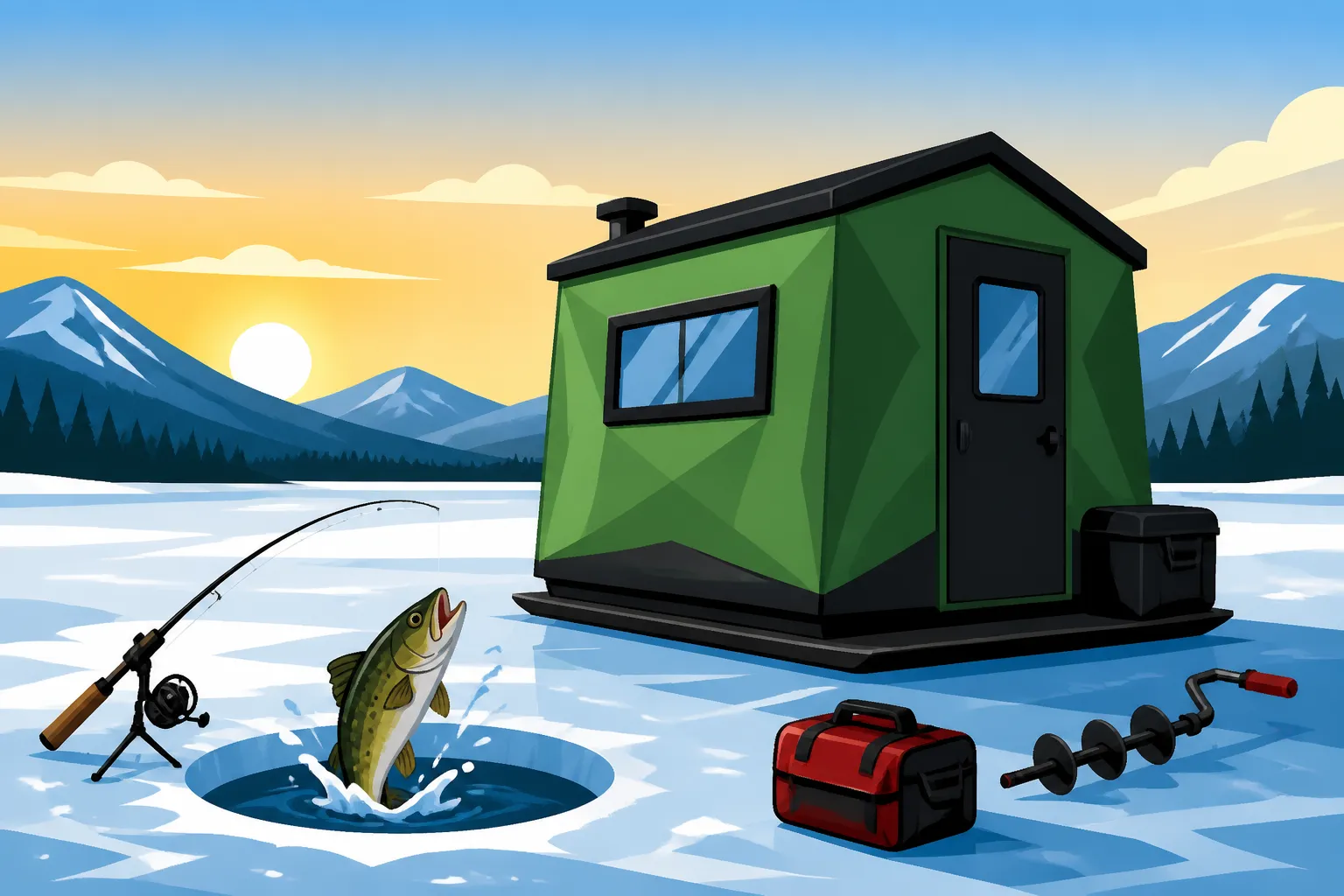
Portable pop-up shanties are perhaps the most popular choice for many Vermont anglers due to their excellent balance of portability, space, and affordability. These are essentially freestanding tents with an easy-to-deploy hub design. You typically unfold them, pull out the hubs on each side, and they "pop up" into a spacious cube or rectangle. They often come in a convenient carry bag, making them relatively easy to transport on a sled or even a backpack for shorter hauls.
The main draw of pop-ups is the amount of interior space they offer for their footprint. A 2-person pop-up can feel quite roomy, allowing space for chairs, an auger, a heater, and multiple fishing holes. Larger models can comfortably accommodate 4-6 anglers. Setting them up is quick once you get the hang of it – usually just a few minutes – and they pack down nearly as fast. They are typically anchored to the ice with screw-in anchors to prevent them from blowing away in a strong gust. While some models offer minimal insulation, many modern pop-ups feature thick, insulated fabric that traps heat remarkably well, making them cozy with a small propane heater. Brands like Eskimo and Clam are popular choices for these styles, often available at retailers like Bass Pro Shops or online at Amazon.
Flip-Over Shanties
Flip-over shanties are the workhorses of the ice fishing world, particularly favored by anglers who prefer mobility and speed. These shanties are built around a sled base, which also serves as your gear storage and transport system. When you arrive at your spot, you simply "flip over" the tent portion, and it deploys into a fishing shelter, often with seating already integrated. This design makes them incredibly fast to set up and tear down – usually in under a minute.
The major advantage of a flip-over is its "run and gun" capability. You can easily pull it behind a snowmobile or ATV, or even by hand on a larger sled, quickly move to a new spot if the fish aren't biting, and be set up again in moments. The sled base keeps all your gear organized and protected during transport, and many models include comfortable swivel seats. While they might offer slightly less open floor space than a comparably sized pop-up (due to the sled occupying some room), their efficiency and convenience are unmatched for active anglers. They excel on places like Lake Memphremagog or Lake Champlain where covering ground can be key to finding fish. For more on navigating those waters, check out Lake Champlain Ice Fishing Village Guide or Lake Memphremagog Muskellunge Fishing.
Hub-Style Shanties
While "pop-up" often refers to hub-style, it's worth distinguishing them slightly. True hub-style shanties are generally larger, more robust versions of the portable pop-up, designed for extended stays or larger groups. They still use the "hub" mechanism for deployment but tend to have heavier-duty frames, thicker, often fully insulated fabric, and more sophisticated anchoring systems. They prioritize interior space and warmth above ultra-light portability.
These shanties are ideal if you plan to set up a base camp for a full day or even multiple days, perhaps on one of Vermont's larger lakes or during one of the Vermont Free Fishing Weekend Dates. They provide ample room for multiple anglers, gear, a substantial heater, and even cooking equipment. While they take a little longer to set up and tear down compared to a flip-over, their spaciousness and ability to withstand harsher conditions make them excellent for social ice fishing or when you're targeting species that require patience and comfort. Imagine a group of friends comfortably jigging for perch or tending tip-ups, sheltered from the biting Vermont wind. Remember to grab all your Best Ice Fishing Gear for Vermont before heading out.
Key Features to Look for in a Vermont Ice Shanty
Choosing the right ice shanty isn't just about picking a type; it's about delving into the specifics of its construction and features. For Vermont's demanding winter environment, certain elements become absolutely critical for both performance and your overall enjoyment.
Insulation and Heating Considerations
When temperatures plummet to single digits or below, insulation becomes your best friend. Many modern ice shanties, especially the higher-end portable and hub-style models, feature insulated fabric walls and ceilings. This insulation typically consists of multiple layers of fabric, often with a thermal barrier in between, similar to what you'd find in a good winter jacket. This multi-layer construction significantly reduces heat loss, making it much easier to keep the interior warm with a portable propane heater. Without insulation, any heat you generate quickly escapes, forcing your heater to work harder and consume more fuel, not to mention the struggle to stay comfortable.
Consider the R-value or insulation rating if provided, but generally, thicker, quilted-looking fabric will offer better thermal retention. Coupled with a safe, efficient propane heater, like those from Mr. Heater or Buddy Heater, a well-insulated shanty can feel downright balmy inside, even when it's frigid outside. However, always ensure proper ventilation when using any propane heater to prevent carbon monoxide buildup. This combination of insulation and a reliable heater is what truly makes those long days on a frozen Vermont lake not just tolerable, but genuinely enjoyable.
Durability and Wind Resistance
Vermont winters are infamous for their strong, gusty winds, especially on large, exposed lakes. A flimsy shanty will quickly become a kite, or worse, tear itself apart. Look for shanties with robust frame materials, such as heavy-gauge aluminum or fiberglass poles. The fabric itself should be made from a high-denier polyester or nylon, indicating its strength and resistance to tears and abrasions. Reinforced corners and stitching are also crucial stress points to inspect.
Wind resistance also comes down to design. Pop-up and hub-style shanties should have strong attachment points for screw-in ice anchors, which are vital for securing the shanty to the ice. Some models even feature skirted bottoms that can be packed down with snow to create a seal against drafts and prevent wind from getting underneath. Flip-over shanties, by virtue of their sled base, tend to be inherently more stable in the wind, but still benefit from strong fabric and secure frame connections. A durable shanty might cost a little more upfront, but it's an investment that will stand up to many seasons of Vermont's challenging weather, saving you the headache and expense of early replacement. You don't want your shanty blowing across the ice while you're focused on Jigging for Perch Through the Ice.
Ventilation and Airflow
While keeping warm is paramount, adequate ventilation is equally important, especially when using a propane heater inside your shanty. Heaters consume oxygen and produce carbon monoxide, an odorless, colorless, and deadly gas. A good ice shanty will have strategically placed vents or zippered windows that allow for cross-ventilation, ensuring a constant supply of fresh air. Never seal yourself completely inside a shanty, even on the coldest days.
Many shanties feature adjustable vents that you can open or close depending on the conditions, allowing you to strike a balance between heat retention and fresh air. Some even have clear vinyl windows that can be unzipped or rolled up, offering both light and ventilation. Always consider bringing a battery-powered carbon monoxide detector to place inside your shanty, especially if you plan on running a heater for extended periods. This simple safety measure provides crucial peace of mind and is highly recommended by experts. Safe airflow ensures you can stay warm without putting your health at risk.
Sizing Your Shanty: Solo Adventures vs. Group Get-Togethers
One of the biggest decisions you'll make when picking an ice shanty is its size. This isn't just about how many people can fit inside; it's about comfort, managing your gear, and how easily you can transport and set up the unit. Think about your typical ice fishing crew and the kind of trips you usually undertake in Vermont.
Solo Angler Needs
For the dedicated solo angler, portability and ease of setup are often paramount. You want something you can easily pull by hand across the ice, quickly deploy when you find the fish, and pack up just as fast to move to a new spot. A compact, single-person flip-over shanty is an excellent choice here. It integrates a comfortable seat and storage within the sled, making it a self-contained fishing machine. You can pull it, often with an auger strapped on, and be fishing in moments. This efficiency is great when you're "scouting" different areas of a lake for active fish, especially on bigger waters where covering ground can be key.
Alternatively, a small, insulated pop-up shanty designed for one or two people can also work well. These offer more interior space for spreading out your gear but require separate seating and a sled for transport. For a solo angler who plans to stay put for a while, a small pop-up offers maximum comfort for a single person. Ultimately, the solo angler needs to balance maximum comfort with minimum fuss in terms of transport and deployment. If you're planning a trip to a remote pond or just want to fish in peace, an efficient solo shanty is indispensable. Don't forget your Best Ice Auger for Vermont Lakes to drill those holes quickly!
Fishing with Friends or Family
If your ice fishing adventures typically involve friends, family, or a larger crew, you'll need a shanty that can accommodate everyone comfortably. This is where larger hub-style shanties truly shine. They offer expansive interior spaces, allowing multiple anglers to fish simultaneously without feeling cramped. A good 4-6 person hub shanty provides enough room for individual fishing holes, chairs, a robust heater, a tackle box (or two!), and even a small table for snacks and drinks.
When fishing with a group, consider the layout of the shanty. Some larger models have multiple doors, which can make entry and exit easier without disturbing other anglers. Look for plenty of mesh pockets or shelves to keep communal gear organized and off the floor. While these larger shanties are less portable than solo flip-overs and take a bit more effort to set up, the shared warmth, camaraderie, and sheer comfort they provide for a group outing are well worth it. They turn a fishing trip into a social event, perfect for making memories on the ice. They're also fantastic for teaching new anglers, especially children, as the warmth and shelter keep them engaged and comfortable. A good quality, spacious shanty can transform a day on the ice into a genuine family tradition, especially on Vermont's larger lakes. You can search for ice fishing spots using the Vermont Fish Stocking Search Tool, Explained.
Transport and Setup Ease
Regardless of the shanty type or size, how easily you can get it onto the ice and set it up is a major factor. For flip-over shanties, the integrated sled is a huge advantage. They often have tow hitches for ATVs or snowmobiles, or comfortable tow ropes for pulling by hand. The ease of setup is unmatched, making them perfect for mobile anglers.
Pop-up and hub-style shanties typically fold down into a relatively compact bag. For shorter distances, these can be pulled on a separate sled. For longer hauls or deeper snow, an ATV or snowmobile is almost a necessity for larger models. The setup process for a hub-style shanty involves unfolding, pulling out the hubs, and then securing it with ice anchors. While not as instant as a flip-over, it's generally a straightforward process that becomes second nature after a few tries. Consider the weight of the shanty and your physical ability or available equipment to transport it. A lighter shanty, even if slightly less robust, might be a better choice if you don't have motorized transport and plan on accessing remote spots. The ideal shanty is one that you'll actually want to take out, not one that's a struggle to get onto the ice.
Maintenance and Storage for Longevity
Investing in a good ice shanty for Vermont's winters means you'll want it to last more than just a season or two. Proper maintenance and storage aren't just about keeping your gear looking good; they're about preventing damage, maintaining performance, and ensuring your shanty is ready to go when that first safe ice forms. Neglecting these steps can lead to mildew, torn fabric, rusted poles, and a generally unpleasant experience next season.
Post-Season Cleaning and Drying
Once the ice starts to melt and the season winds down, your shanty needs a thorough cleaning and, most importantly, complete drying before it goes into storage. This is perhaps the most critical step. Even if your shanty looks clean, it's likely accumulated fish slime, mud, bait residue, and general grime from being on the ice. Use a mild soap and water solution – dish soap works fine – to wipe down all surfaces, inside and out. Pay special attention to the bottom edges and corners where mud and slush tend to collect. Rinse thoroughly with a hose.
The drying process is where many people make mistakes. Never pack away a damp shanty! Even a tiny bit of moisture can lead to mildew, which not only smells terrible but can also degrade the fabric over time, making it brittle and prone to tearing. Set up your shanty in a dry, shaded, well-ventilated area for several days. Open all zippers and vents to maximize airflow. If possible, turn it inside out to ensure all hidden pockets and seams dry completely. If you live in a humid area, consider running a fan nearby. Once you're absolutely sure it's bone dry, then and only then should you pack it up. This painstaking drying process will ensure your shanty is fresh and ready for the Vermont Ice Fishing Season Dates next year.
Repairing Tears and Damage
Even with the best care, ice shanties can experience wear and tear, especially after a few seasons battling Vermont's sharp ice edges, errant auger blades, or strong winds. Small tears in the fabric or punctures are common. Don't let these minor damages go unaddressed, as they can quickly worsen and compromise your shanty's warmth and structural integrity.
Most shanty manufacturers offer repair kits for their fabric, which typically include patches and strong adhesive. For small holes, a simple patch applied according to the instructions can provide a durable fix. For larger tears, you might need to use a heavy-duty fabric repair tape, often available at outdoor or camping supply stores, or even consider having a professional canvas repair shop take a look. Check the poles for any signs of cracking or bending; sometimes, replacement poles can be ordered directly from the manufacturer. It's also a good idea to periodically check zippers for smooth operation and lubricate them with a silicone-based spray if they start to stick. Addressing these small issues as they arise will extend the life of your shanty significantly and save you from having to buy a new one prematurely. Having a well-maintained shanty means you're always ready to hit Best Ice Fishing Lakes in Vermont without worrying about gear failure.
Making the Final Decision: Where to Buy and What to Consider
Deciding on the perfect ice shanty involves weighing your needs against what's available and, of course, your budget. It's an investment that will dramatically impact your winter fishing experience, so taking the time to make an informed choice is crucial.
Considering Budget and Value
Ice shanties range widely in price, from a few hundred dollars for basic, uninsulated pop-ups to over a thousand for large, fully insulated flip-overs with all the bells and whistles. When establishing your budget, think about how often you'll use the shanty and under what conditions. If you're an occasional angler who only goes out on mild days, a more entry-level model might suffice. However, if you plan to be out every weekend, regardless of the weather, investing in a higher-quality, insulated, and durable shanty will offer far better value in the long run.
Don't just look at the upfront cost. Consider the long-term value, including durability, warranty, and ease of repair. A slightly more expensive shanty that lasts for a decade and keeps you consistently warm and comfortable is often a better investment than a cheaper one that needs replacing every couple of seasons or leaves you shivering. Remember to factor in the cost of accessories too, like ice anchors, a portable heater, and a carbon monoxide detector, as these are essential for a safe and enjoyable experience. Look for sales and end-of-season clearances, which can offer significant savings.
Where to Find Your Ideal Shanty
Once you've narrowed down your choices based on type, size, and features, it's time to actually make the purchase. There are several excellent avenues for finding ice shanties, each with its own benefits.
Local Sporting Goods Stores: Visiting a local outdoor or sporting goods store in Vermont can be incredibly helpful. Places that cater to ice fishing enthusiasts often have floor models set up, allowing you to physically step inside, check the space, feel the fabric, and test the setup/take-down process. This hands-on experience is invaluable. You can also talk to knowledgeable staff who understand local conditions and can offer personalized advice. These stores often carry popular brands and can sometimes order specific models if they don't have them in stock.
Big Box Outdoor Retailers: Larger chains like Bass Pro Shops are fantastic resources. They typically have a wide selection of ice shanties from various manufacturers, often at competitive prices. You might find a greater range of sizes and styles compared to smaller local shops. Bass Pro Shops often have seasonal sales on ice fishing gear, which can be a great time to snag a deal. Their online presence also allows for extensive comparison shopping.
Online Retailers: Websites like Amazon offer an enormous selection, often with customer reviews that can provide real-world insights into a shanty's performance. The convenience of having a shanty shipped directly to your door is undeniable. However, the downside is that you can't physically inspect the product before buying. Always double-check return policies and shipping costs when purchasing large items online. Pay close attention to product dimensions and weights to ensure it meets your transport needs.
By carefully considering your budget, the conditions you'll face, and where you prefer to shop, you'll be well-equipped to choose the perfect ice shanty that will serve you well for many rewarding seasons of Ice Fishing in Vermont.
| Shanty Type | Key Advantages | Key Disadvantages | Ideal For |
|---|---|---|---|
| Flip-Over | Fastest setup/takedown; integrated sled storage; very mobile | Less open interior space; heavier to pull by hand for long distances | "Run and gun" anglers; solo or duo fishing; frequent spot changes; ATV/snowmobile transport |
| Portable Pop-Up | Excellent interior space for footprint; relatively lightweight; affordable options | Requires separate sled for gear; can be challenging in high winds without anchors; separate seating needed | Anglers valuing space and portability; group fishing; setting up a base camp; budget-conscious |
| Hub-Style | Maximum interior space; often highly insulated; durable for extended stays | Takes longer to set up/take down; heavier and bulkier for transport; requires strong anchoring | Large groups; long fishing sessions; base camp setup; extreme cold conditions; social ice fishing |
Disclaimer
This article is for general informational purposes only and does not constitute professional advice. Laws, prices and regulations vary by location and change over time. Consult a qualified professional for guidance on your specific situation.