Best fly pattern box for a beginner
Oh, the sheer joy, and sometimes utter bewilderment, of diving into the world of fly fishing! When you're just starting out, especially here in Vermont with all our gorgeous rivers and streams, it can feel like you need a whole new language just to talk about flies, let alone pick them out. One of the first frustrations many new anglers face is how to keep those delicate, often tiny, works of art organized and safe. You invest in a few choice patterns, maybe a handful of nymphs for Otter Creek or some dry flies for the Battenkill, only to find them crushed, tangled, or simply lost at the bottom of a vest pocket. This guide is all about helping you navigate the sometimes overwhelming choices of fly boxes, ensuring you find the best fly pattern box for a beginner, one that keeps your flies ready for action and makes your time on the water much more enjoyable.
Why a Good Fly Box is Crucial for New Anglers in Vermont
Think of your fly box as the tackle box of the fly fishing world, but scaled down and specialized for those feathered and furred creations. It's not just a fancy container; it's an essential piece of gear that can genuinely make or break your fishing experience, particularly when you're still learning the ropes. Fumbling around for the right fly while a hatch is exploding on the Lamoille River or struggling to find a working nymph for a deep pool on the White River can be incredibly frustrating. A well-chosen fly box, even a simple one, removes that stress.
Protecting Your Precious Flies from Vermont's Elements and Clumsy Hands
Vermont weather can be wonderfully unpredictable. One minute it's sunny and calm, the next a sudden shower can blow in, leaving everything damp. Flies, especially dry flies, are delicate creatures. Their hackles and wings can easily get crushed, bent, or waterlogged if they're not stored properly. Imagine spending time tying or carefully selecting a perfectly tied Elk Hair Caddis, only for it to be squashed beyond recognition because it was rattling around loose in your pocket. That's a heartache no angler needs.
Beyond the weather, new anglers, bless their hearts, are often a bit clumsy – and that's totally okay! We've all been there. Dropping a box, fumbling with gear, or simply stuffing a vest pocket too full can wreak havoc on unprotected flies. A good fly box, with its sturdy construction and organized interior, acts like a miniature fortress, safeguarding your investment and ensuring your flies maintain their intended shape and buoyancy. This protection means your flies will fish better and last longer, giving you more bang for your buck as you build your collection.
Staying Organized on Vermont Waters
There’s nothing worse than standing waist-deep in a promising run, seeing fish rising, and realizing you can’t find the right fly. Or maybe you're trying to fish for trout with a specific technique, like Euro Nymphing Vermont Trout Streams, and you need quick access to different weights and sizes. A cluttered mess of flies in various pockets means wasted time, missed opportunities, and escalating frustration. For beginners, who might already feel a little overwhelmed by all the choices, organization is paramount.
A well-designed fly box gives every fly a home. It allows you to quickly locate the pattern you need, whether it's a tiny midge for a slow winter day or a hefty streamer for a feisty brown trout. This streamlined access isn't just about efficiency; it's about confidence. When you know exactly where your flies are, you can focus on reading the water, making a good cast, and presenting your fly effectively. This kind of organization is a true game-changer, turning potential chaos into calm focus, which is exactly what you want when you're learning.
Making the Most of Your Limited Gear
When you're starting out, you likely don't have hundreds of flies, nor should you. Most beginners begin with a curated selection of proven patterns. A good fly box helps you appreciate and utilize this initial, often limited, collection. Instead of just a pile of hooks and feathers, your box makes your flies feel like a valuable arsenal. It’s an investment in your journey.
Furthermore, a dedicated fly box helps you learn. As you gain experience, you'll start to recognize which flies work best in certain conditions or for specific fish. A clear, organized box allows you to observe patterns, keep track of your successful flies, and gradually expand your collection with purpose, rather than just buying whatever looks pretty. It makes the learning curve feel less steep and more manageable, turning your initial frustrations into small victories.
Key Features to Look for in a Beginner-Friendly Fly Box
Choosing your first fly box doesn't have to be complicated. While there are countless options out there, a few key features will make a world of difference for a new angler. You want something practical, durable, and easy to use, without breaking the bank. Think about what will genuinely serve you well on the stream, rather than what looks the most high-tech.
Material and Durability: Weather Resistance for Vermont's Changing Conditions
Vermont can throw all sorts of weather at you in a single day, from bright sunshine to sudden downpours, even hail. Your fly box needs to be able to withstand these elements. Look for boxes made from durable, impact-resistant plastics. Polycarbonate or similar tough plastics are excellent choices, as they can take a bump or a drop without shattering and keep your flies safe and dry.
Waterproofing is another critical feature. Many good fly boxes come with a rubber gasket seal around the lid. This seal is your best friend when it comes to keeping moisture out. Trust me, the last thing you want is to open your box after a sudden rain shower only to find all your dry flies soggy and matted. A waterproof seal also helps keep small midges from escaping if you happen to drop the box in a puddle or shallow stream, a common mishap for even seasoned anglers. Companies like Bass Pro Shops offer a wide range of waterproof options perfect for Vermont's unpredictable weather.
Internal Organization Systems: Foam vs. Compartments
This is where personal preference really comes into play, but for a beginner, certain systems tend to be more forgiving.
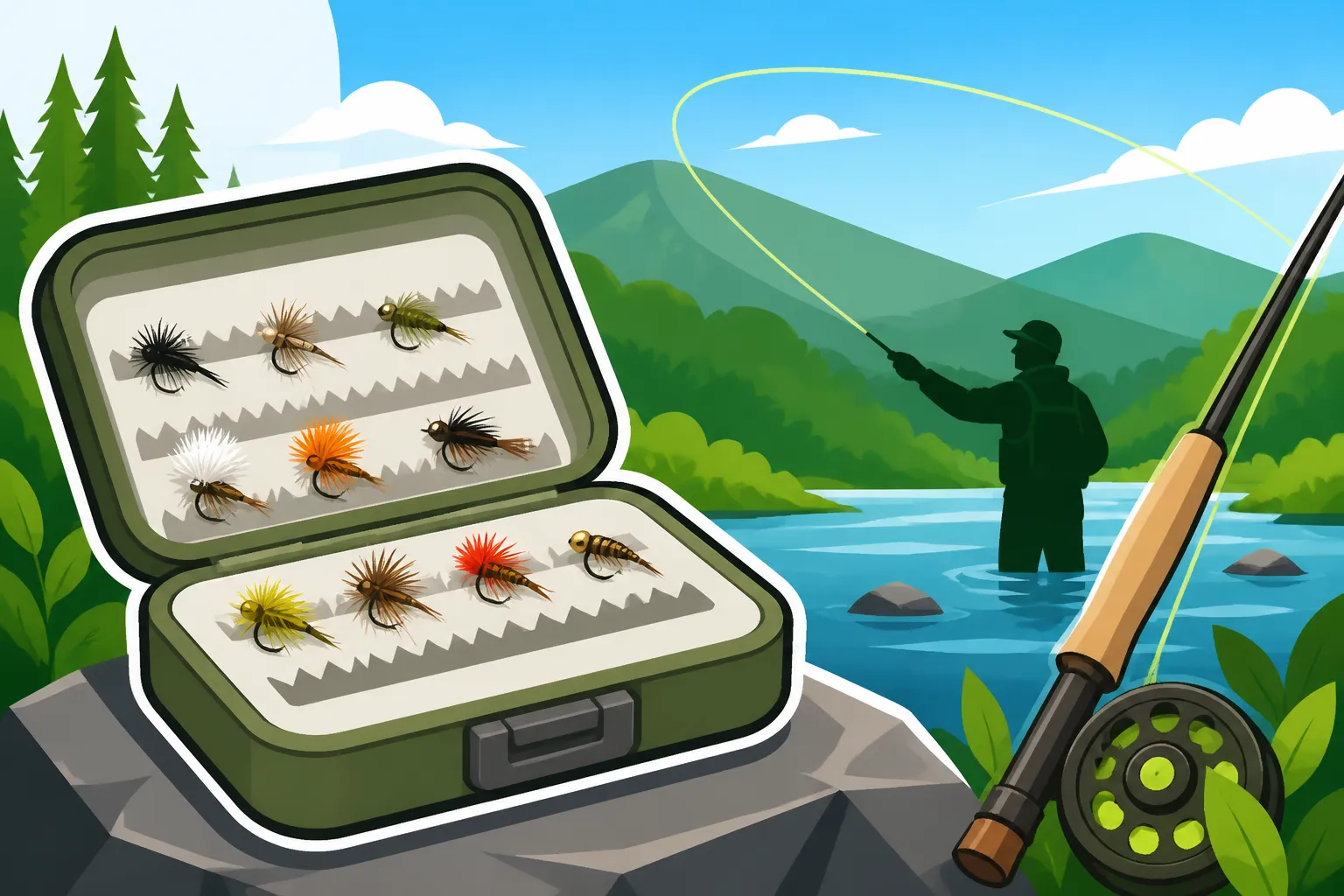
- Slit Foam Inserts: This is arguably the most popular and beginner-friendly option. Flies are simply pushed into pre-cut slits in a high-density foam insert. This system holds flies securely, preventing them from tangling or moving around. It’s fantastic for delicate dry flies and nymphs, as it keeps their hackles and tails pristine. The foam also provides a bit of cushioning if the box takes a tumble. For a new angler, it’s intuitive and effective, allowing you to see all your flies at a glance.
- Magnetic Bottoms: Some boxes feature a magnetic base. These are excellent for small nymphs and wet flies, as the magnet holds the hook securely, preventing them from shifting. They're especially useful for tiny flies that might get lost in foam slits or compartments.
- Compartments: Boxes with individual compartments are less common for general fly storage but can be useful for larger streamers, poppers, or even storing small amounts of split shot or indicators. For a beginner's primary fly box, a foam-based system is usually more versatile and protective for the majority of trout flies.
Many anglers find that a combination approach, with different boxes for different fly types, works best as they progress. But for your first box, a good quality slit foam box is a fantastic starting point.
Size and Capacity: What's Practical for a Beginner's Initial Collection
Don't feel like you need the biggest, most expensive box right off the bat. For a beginner, a medium-sized box that fits comfortably in a vest pocket or small sling pack is ideal. You're likely starting with a dozen to two dozen flies, focusing on versatile patterns for Vermont's diverse waters, like those you might learn about in Fly Patterns for Vermont Trout Streams. A box with enough capacity for 50-100 flies is usually plenty.
Consider the types of flies you'll be carrying. If you're primarily nymphing or fishing small dry flies, you can fit more in a compact box. If you plan to throw bigger streamers, you'll need a box with deeper compartments or wider foam slits to accommodate their bulk. The goal is portability and accessibility. You don't want a box so large it's cumbersome, nor so small that you're constantly running out of space. Many brands available on Amazon offer multi-packs or sets with varying sizes, which can be a cost-effective way to get started.
Closure Mechanism and Security: Keeping Flies Safe from Accidental Spills
A secure closure is often overlooked but incredibly important. There's nothing more disheartening than a fly box springing open and spilling its contents all over the riverbank or, worse, into the water. Look for boxes with robust, positive-locking latches. Single-clasp designs are common and effective, but some higher-end boxes might feature double latches for extra security.
The latch should feel solid and snap shut with a reassuring click. Avoid flimsy plastic tabs that look like they could break easily. Remember, you'll be opening and closing this box frequently, often with wet or cold hands, so it needs to be reliable. A good latch not only prevents accidental spills but also ensures the waterproof seal (if present) is properly engaged, keeping your flies dry and protected from the elements while you’re fishing the Battenkill River Trout Fishing sections.
Different Types of Fly Boxes for the Vermont Beginner
While the market offers a dizzying array of fly boxes, for a beginner, understanding the main categories can simplify your choice. Most anglers eventually accumulate several boxes, each tailored to specific fly types or fishing situations. But for your very first box, you'll likely want something versatile or focused on the primary type of fishing you plan to do.
Streamer and Nymph Boxes for Sub-Surface Patterns
Vermont's rivers and lakes are fantastic for nymphing and streamer fishing, especially during cooler months or when fish aren't rising to dry flies. A nymph and streamer box is designed to hold these heavier, often bulkier, flies. Nymph boxes typically have fine, dense foam slits to accommodate the small hooks of nymphs, keeping them organized and preventing tangles. Some may also have magnetic bottoms for tiny midges and bead-head patterns.
Streamer boxes, on the other hand, usually feature deeper compartments or thicker foam with wider gaps. This allows for the bulk of larger streamers, Woolly Buggers, or even small poppers. Given how popular techniques like Euro Nymphing Vermont Trout Streams and throwing streamers for hungry brown trout are in Vermont, dedicating a box to these subsurface patterns is a smart move. You'll often find these boxes to be a bit more rugged, built to handle the heavier hooks and materials of these flies.
Dry Fly Boxes for Delicate Surface Presentations
There's something magical about seeing a trout rise to a perfectly presented dry fly. Dry fly fishing is a quintessential part of the Vermont experience, especially during hatches on streams like the White River or the Lamoille. Dry flies are perhaps the most delicate flies, with their carefully constructed wings and hackle meant to imitate insects floating on the surface.
A dedicated dry fly box will feature soft, deep foam, often with individual compartments or closely spaced slits. The key here is to prevent any crushing or matting of the fragile materials. You want your dry flies to remain airy and buoyant. Many dry fly boxes are also designed to be relatively slim, fitting easily into a shirt pocket for quick access when the fish start rising. Keeping your dry flies separate and pristine ensures they will float high and look natural when you cast them, which is critical for fooling finicky trout.
Combo Boxes: The Versatile Choice for New Anglers
For most beginners, a "combo" box is the ideal starting point. These boxes are designed with a mix of internal organization systems, often featuring slit foam on one side for dry flies and nymphs, and either a magnetic bottom or a different density of foam for larger patterns or more nymphs on the other. This versatility allows you to carry a good selection of both subsurface and surface flies in a single, convenient container.
A combo box simplifies your gear setup. Instead of juggling multiple specialized boxes, you can carry one all-encompassing box that meets most of your immediate needs. This is especially helpful when you're still exploring different techniques and aren't sure if you'll be primarily dry fly fishing, nymphing, or streamer fishing on any given outing. It’s a practical and cost-effective solution that allows you to experiment without needing a full fly shop's worth of storage. Look for reputable brands or check reviews on platforms like Amazon to find well-regarded combo boxes.
Specialty Boxes and Why a Beginner Might Hold Off
Beyond the basic categories, there are numerous specialty fly boxes: extra-large boxes for saltwater flies, unique designs for tube flies, boxes with integrated magnets for hook storage, or even waterproof cases that hold spools of tippet and other small accessories. While these can be incredibly useful for experienced anglers, they are generally overkill for someone just starting out.
As a beginner, you want to keep things simple. Focus on mastering the basics of casting and presentation with a core set of flies. A simple, durable combo box will serve you far better than a complex, specialized box you don't yet have the flies or the experience to fully utilize. You can always expand your collection of boxes as your passion for Fly Fishing for Trout in Vermont grows and your fly collection becomes more diverse. Start simple, learn what you like, and then upgrade your storage as your needs evolve.
Stocking Your First Fly Box: A Beginner's Vermont Fly Selection
Once you've chosen your trusty fly box, the next exciting step is filling it! As a beginner in Vermont, you don't need to break the bank on hundreds of flies. A small, carefully selected collection of versatile patterns will get you started on most of our rivers and lakes. Think about flies that imitate common insects and baitfish, and that are effective throughout different seasons.
Essential Patterns for Vermont Trout
For trout fishing in Vermont, there's a core group of flies that consistently perform. These are your bread and butter, the patterns you'll reach for again and again.
- Nymphs:
- Pheasant Tail Nymph: A classic. Imitates a wide range of aquatic insects (mayflies, stoneflies). Carry in sizes #12-18.
- Hare's Ear Nymph: Another fantastic generalist, representing caddis and mayfly nymphs. Sizes #12-18.
- Prince Nymph: Great attractor pattern, can imitate stoneflies. Sizes #10-14.
- Caddis Larva/Pupa (e.g., Caddis Larva, Emerger patterns): Caddis are abundant in Vermont. Sizes #12-16.
- Zebra Midge: For those colder days or finicky fish, especially in winter. Sizes #18-22.
- Dry Flies:
- Elk Hair Caddis: Essential for caddis hatches throughout spring and summer. Sizes #12-16.
- Parachute Adams: The ultimate generalist dry fly, imitating various mayflies. Sizes #12-18.
- Stimulator: A high-floating attractor, great for searching big water or mimicking stoneflies. Sizes #10-14.
- Grannom Caddis/Black Caddis: For specific spring hatches. Sizes #14-16.
- Streamers:
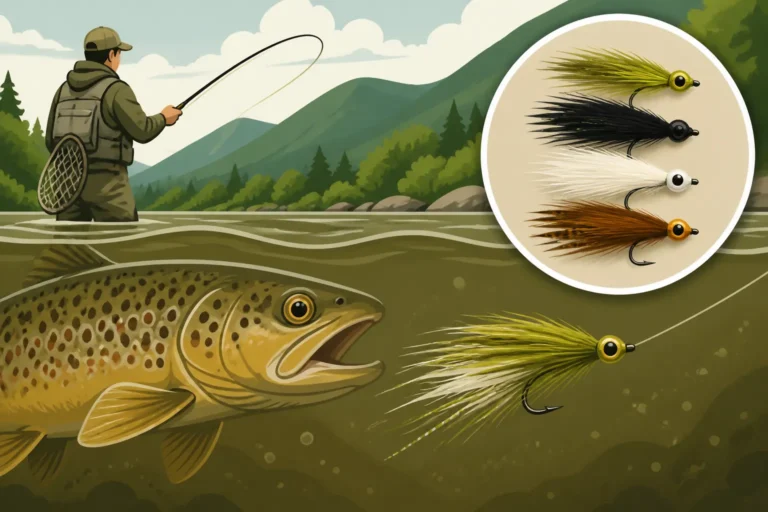
- Woolly Bugger (Olive, Black, Brown): If you only have one streamer, make it a Woolly Bugger. It imitates baitfish, leeches, and aquatic insects. Carry in sizes #4-10.
- Clouser Minnow (White, Olive/White): Great for larger trout or smallmouth bass. Sizes #2-8.
Don't forget to have a range of sizes for each pattern. Sometimes a fish will only take a tiny #18 nymph, while other times a beefy #12 will do the trick. A good beginner's box will have 3-5 of each essential pattern, giving you options. This initial selection will cover most of your bases for general trout fishing in Vermont streams like those mentioned in Best Trout Streams in Vermont.
Thinking About Seasons and Hatches
As you become more experienced, you'll start paying closer attention to specific hatches and seasonal patterns. For now, understand that trout food changes throughout the year. Spring often brings stoneflies and early caddis. Summer sees more mayflies and terrestrials (like ants and grasshoppers). Fall can be excellent for streamers as trout become more aggressive.
Don't overwhelm yourself trying to match every single insect you see. The generalist patterns listed above are called "generalists" for a reason – they work! As you gain confidence, you can start adding more specific patterns like a specific sulfur emerger for a spring hatch, or some bigger Chernobyl Ants for late summer fishing if you’re fishing the Green Mountain Trout Stream Access. For a beginner, focus on the core patterns, and learn to present them well. This will give you more success than having a box full of obscure flies you don't know how to fish.
Where to Start Building Your Collection
Building your first fly collection is part of the fun! You have several excellent avenues for acquiring flies:
- Local Fly Shops: This is highly recommended for beginners. Vermont has some fantastic fly shops. The staff are usually passionate and incredibly knowledgeable about local waters and what flies are working right now. They can help you pick out the right sizes and colors for specific rivers and offer invaluable advice on Best Techniques for Early Spring Trout or even Wading Techniques for Vermont Trout Streams. Think of it as getting flies and a mini-lesson.
- Online Retailers (Amazon, Bass Pro Shops): Once you know what patterns and sizes you need, online retailers like Amazon and Bass Pro Shops offer a huge selection and can be a convenient way to restock. They often have bulk packs of common patterns, which can be cost-effective. Just be sure to read reviews and ensure you're getting quality flies. While the price might be lower, quality can sometimes vary.
- Tying Your Own: This is a rewarding path for many anglers, but probably not where you should start as a total beginner. Fly tying is a hobby unto itself, and you'll want to get some fishing experience under your belt first.
Remember, start with a solid foundation. Don't feel pressured to buy every fly you see. A well-chosen dozen or two patterns in your new fly box will be more than enough to get you started on your incredible Vermont fly fishing adventures.
Here's a quick comparison of popular fly box features for a beginner:
| Feature | Slit Foam Box | Magnetic Box | Compartment Box | Combo Box (Slit Foam + Magnetic/Compartment) |
|---|---|---|---|---|
| Best For | Dry flies, nymphs, delicate patterns | Tiny nymphs, midges, small wet flies | Large streamers, poppers, accessories | Versatile, good for a mix of fly types |
| Fly Security | Excellent, holds flies firmly in place | Very good for small, light flies | Good for bulky flies, but small flies can shift | Good overall, depends on specific layout |
| Visibility | Excellent, flies are spread out and easy to see | Excellent for small flies | Can be harder to see tiny flies in deep compartments | Good, clear sides often enhance visibility |
| Protection | High, foam cushions flies from impacts | Moderate, flies are exposed to crushing if dropped | Moderate, larger flies are more robust | High, especially for foam sections |
| Beginner-Friendly | Highly recommended | Useful as a secondary box for micro flies | Less ideal as a primary box | Highly recommended |
| Common Use | General trout fishing, specific hatches | Winter fishing, technical nymphing | Bass fishing, salmon/steelhead, pike | All-around trout fishing, exploring different techniques |
Embracing fly fishing in Vermont is a journey filled with beauty and discovery. Having the right gear, starting with a well-chosen fly box, sets you up for success and enjoyment. It’s about more than just holding flies; it’s about respecting your craft, staying organized, and building confidence with every cast. Happy fishing!
Disclaimer
This article is for general informational purposes only and does not constitute professional advice. Laws, prices and regulations vary by location and change over time. Consult a qualified professional for guidance on your specific situation.