Best Rod and Reel Combo for Beginners
Stepping into the world of fishing can feel like trying to navigate a dense Vermont forest without a compass. The sheer number of rod and reel options out there is enough to make any newcomer's head spin, leaving you wondering if you'll ever find a setup that just works without demanding a deep dive into advanced angling physics. This guide is here to cut through that confusion, helping you understand the essential factors for choosing your very first, beginner-friendly rod and reel combo so you can spend less time scratching your head and more time enjoying Vermont's beautiful waters.
Understanding the Basics: Rod and Reel Types for Beginners
When you first walk into a fishing aisle, whether it's at a big box store or a cozy local bait shop, you'll be faced with an array of rod and reel types. For absolute beginners, especially those looking to explore the diverse fishing opportunities Vermont offers, two main categories stand out as the most accessible: spinning combos and spincasting combos. While there are other specialized setups like baitcasting or fly fishing gear, these are typically best left until you've gained some fundamental experience and confidence. Jumping into those too soon can lead to frustration, which is the last thing we want when you're just discovering the joy of the sport.
Spinning Combos: The Versatile Workhorse
Spinning rod and reel combos are, by far, the most popular choice for beginners and experienced anglers alike due to their incredible versatility and ease of use. The reel sits below the rod, and it features an open-faced spool where you can visibly see the line. To cast, you simply open a bail, hold the line with your finger, and then release it during your forward cast. This design minimizes tangles and backlashes, which are the bane of many new anglers, making it a forgiving system to learn on.
One of the greatest strengths of a spinning combo for a Vermont beginner is its ability to handle a wide range of fishing situations. Whether you're tossing small spinners for panfish in a local pond, drifting a worm for trout in a gentle stream, or casting a soft plastic for bass in a medium-sized lake, a good spinning setup can do it all. They typically excel with lighter lines and smaller baits, which are often the preferred methods for many of Vermont's common species, from feisty brook trout to opportunistic yellow perch. This adaptability means you don't need a different setup for every type of fish you might encounter as you learn the ropes.
Furthermore, the mechanics of a spinning reel are relatively straightforward. The drag system, which allows line to be pulled out under pressure to prevent your line from snapping, is usually located on the front of the spool and is easy to adjust during a fight. This is crucial for beginners who might be wrestling with their first energetic fish. The sheer availability of spinning combos at every price point, from very affordable entry-level kits to high-performance setups, also makes them a smart starting choice. You can find excellent value combos that will serve you well for years, often available at retailers like Bass Pro Shops or even online through Amazon, ensuring you get quality without overspending right out of the gate.
Spincasting Combos: Simplicity for the Young or New
Spincasting combos are often seen as the ultimate entry-level option, particularly popular with children or those who want the absolute simplest casting experience imaginable. The reel on a spincasting combo sits on top of the rod, much like a baitcasting reel, but it's enclosed with a cone-shaped cover. This cover protects the line and internal mechanisms, and the magic happens with a single button. To cast, you simply press and hold the thumb button, make your casting motion, and then release the button at the peak of your forward swing. It’s incredibly intuitive and almost foolproof, drastically reducing the chances of tangles.
While the spincasting reel excels in simplicity, it does come with some trade-offs. The enclosed design, while great for preventing snags, also means that the line doesn't flow as freely as it does from an open-faced spinning reel. This can limit casting distance and accuracy compared to a spinning setup. Additionally, spincasting reels typically handle lighter lines and baits less effectively, often performing best with monofilament lines in the 6-10 pound test range and lures that have a bit more weight to them.
For those just getting their feet wet, or for parents introducing their kids to fishing in Vermont's calmer waters, a spincasting combo can be an excellent choice. It allows you to focus purely on the joy of casting and reeling without the added complexity of bail manipulation or fighting a backlash. You might be targeting panfish in a serene pond or small bass in a quiet cove. It’s a great stepping stone, and many anglers who start with a spincasting setup eventually graduate to a spinning combo as their confidence and interest grow. Just remember, while simple, they generally aren't as versatile or capable as a spinning setup for a broader range of Vermont fishing scenarios.
When to Consider Other Types
While spinning and spincasting combos are fantastic for beginners, it’s worth briefly understanding why you might hold off on other types for your first purchase. Baitcasting combos, for example, offer superior casting accuracy and power, especially with heavier lines and lures. The reel sits on top of the rod, and the spool rotates freely during the cast. This requires a much more delicate touch and a lot of practice to avoid the dreaded "bird's nest" – a massive tangle of line that can ruin a fishing trip. For a beginner, the learning curve is steep, and it can be a source of significant frustration, especially when you're trying to learn other fundamentals like reading water or setting the hook.
Then there's fly fishing, which is an art form unto itself and incredibly popular in Vermont, particularly on renowned waters like the Battenkill River. A fly fishing setup involves a specialized rod, a basic reel (often just for line storage), and a heavy, tapered fly line that you "cast" with specialized techniques to present lightweight artificial flies. It's a beautiful, engaging way to fish, especially for trout in streams. However, the casting mechanics are completely different from conventional fishing, requiring dedicated lessons and significant practice. While incredibly rewarding, it’s rarely recommended as a first fishing setup. Most fly anglers start with conventional gear before transitioning, so if the allure of fly fishing calls to you, consider mastering a spinning rod first, then look into a Fly Fishing for Trout in Vermont guide down the road.
Key Considerations When Choosing Your First Combo
Picking out your first rod and reel combo isn't just about grabbing the first thing you see; it's about making a thoughtful choice that will enhance your early experiences on the water. For a beginner in Vermont, there are a few core considerations that should guide your decision-making process. Thinking about these aspects before you even step foot in a store will help narrow down the overwhelming options and ensure you end up with a setup that’s truly suited to your needs and ambitions. After all, the goal is to make fishing fun and accessible, not frustrating.
Target Species and Waterways in Vermont
One of the biggest factors in choosing your combo is thinking about what you want to catch and where you plan to fish. Vermont is blessed with an incredible diversity of fish and fishing environments. Are you dreaming of catching panfish like bluegill and perch from a dock at your local state park pond? Or perhaps you envision yourself wading a small brook, hoping for a native brook trout? Maybe you're looking to explore the bigger waters of Lake Champlain for smallmouth bass or even Lake Memphremagog for muskellunge.
For most beginners, starting with panfish or smaller bass and trout is a fantastic idea. These fish are abundant, often willing biters, and provide excellent practice for casting, reeling, and fighting a fish. For these species, a lighter, more sensitive spinning combo is usually ideal. It allows you to feel subtle bites and cast smaller lures or baited hooks effectively. If you're focusing on smaller streams for trout, a slightly shorter rod (around 5.5 to 6.5 feet) might be more maneuverable under overhead branches. For wider lakes and ponds, a longer rod (6.5 to 7 feet) can offer better casting distance. Consider checking out resources like Panfish Fishing in Vermont or How to Catch Largemouth Bass in Vermont to get a sense of what techniques and gear are often used for different species. This initial thought process helps tailor your first combo to realistic and enjoyable targets.
Budget-Friendly Options: Getting Started Without Breaking the Bank
Let’s be honest, fishing can get expensive, but it doesn't have to be, especially when you're just starting. The good news is that there are many excellent, budget-friendly rod and reel combos perfectly suited for beginners. You do not need to spend hundreds of dollars to get a functional and enjoyable setup. In fact, many reputable brands offer combos that provide surprising performance and durability for a very reasonable price.
Typically, you can find a solid beginner spinning or spincasting combo in the range of, say, thirty to eighty dollars. Within this price bracket, you'll find setups that are well-balanced, comfortable to hold, and reliable enough to land plenty of fish. Investing in a combo from a known brand, even at their entry-level, often means better quality components and more reliable customer service should you have any issues. Retailers like Bass Pro Shops or even the vast selection on Amazon can offer competitive prices and allow you to read reviews from other beginners. Remember, the goal isn't to buy the cheapest combo, but the best value combo – one that offers a good balance of features, performance, and durability for its price point. Avoid obscure, no-name brands that might break after a few uses, leading to more frustration than savings.
Durability and Ease of Use
When you’re new to fishing, your gear is going to take a beating. It’s inevitable. You’ll probably drop it, hit it on a tree branch during a cast, or accidentally step on it. Because of this, durability is a huge factor. You want a combo that can withstand the learning curve. Look for rods made from fiberglass or composite materials, as these tend to be more forgiving than the more brittle, higher-modulus graphite rods favored by advanced anglers. Fiberglass might be a bit heavier, but it’s remarkably tough and can take a lot of abuse without snapping.
Ease of use isn't just about casting; it extends to the entire experience. This includes how comfortable the rod feels in your hand, how simple the reel's drag system is to adjust, and how easily the line flows on and off the spool. A combo that's too heavy or unbalanced will quickly lead to fatigue, especially for younger anglers. A drag system that's sticky or hard to adjust can result in lost fish and broken lines. Ultimately, the best combo for a beginner is one that you can pick up, use intuitively, and focus on the act of fishing, rather than constantly battling your gear. A simple, robust, and user-friendly design will make those first fishing trips far more enjoyable and encourage you to keep coming back to the water.
Anatomy of a Beginner-Friendly Rod
Understanding the different parts and specifications of a fishing rod might seem like overkill for a beginner, but it's actually incredibly helpful. It allows you to make an informed choice that will genuinely impact your comfort and success on the water. We're not talking about getting into the nitty-gritty of advanced carbon weaves here, but rather focusing on the aspects that make a real difference for someone just starting out in Vermont. Knowing what rod length, action, and power mean will empower you to select a tool that's truly suited for the kind of fishing you want to do.
Rod Length and Action for Versatility
The length of a fishing rod plays a significant role in its performance, particularly for casting distance and accuracy. For a beginner in Vermont, a versatile rod length typically falls between 6 and 7 feet. A 6-foot rod is often excellent for tighter quarters, like small streams or fishing from a kayak, where maneuverability is key. It's also a great option for younger anglers, as it's easier to handle. A 7-foot rod, on the other hand, will generally allow you to cast further, which can be beneficial when fishing larger lakes or ponds from shore, giving you access to more water. Often, a 6.5-foot rod strikes a sweet balance, offering decent casting distance while remaining manageable.
Rod "action" refers to where the rod bends when pressure is applied. For beginners, a "moderate" or "fast" action rod is usually the most forgiving and versatile.
- Moderate Action: These rods bend through the upper half to two-thirds of the blank. They're excellent for casting a wider variety of lures and baits, and their softer bend is more forgiving when fighting fish, reducing the chances of pulling the hook out of a fish's mouth. This is a fantastic choice for general-purpose fishing in Vermont, from panfish to smallmouth bass.
- Fast Action: These rods bend mainly in the top one-third of the blank. They offer good sensitivity, allowing you to feel subtle bites, and have a quicker hook-setting power. They're still relatively forgiving for beginners but require a bit more finesse in the cast. For someone primarily focused on feeling light bites from cautious trout or panfish, a fast action can be very rewarding. Avoid "slow" action rods initially, as they bend throughout the entire blank and can be tricky for consistent casting accuracy for a novice.
Rod Power: Matching it to Vermont Fish
Rod "power," also known as rod weight, refers to how much force it takes to bend the rod. It's classified as ultralight, light, medium-light, medium, medium-heavy, heavy, and so on. This specification directly relates to the line strength and lure weights the rod is designed to handle, and importantly, the size of the fish you intend to catch. For a beginner in Vermont, focusing on light to medium-light power rods will provide the most enjoyable and successful experiences.
- Light Power: An ultralight or light power rod is fantastic for targeting smaller fish like panfish (perch, bluegill, crappie) or brook trout in smaller streams. These rods are incredibly sensitive, making even a small fish feel like a worthy opponent, which is exciting for new anglers. They are best paired with lighter lines (2-6 lb test) and very small lures or tiny pieces of bait. If your primary goal is to catch lots of small, feisty fish, this is a great choice.
- Medium-Light Power: This is arguably the most versatile power for a beginner's first combo in Vermont. A medium-light rod can handle small panfish, but it also has enough backbone to effectively fight larger trout, smallmouth bass, or even modest largemouth bass. It pairs well with 4-10 lb test line and a wider range of lures and baits, making it suitable for both pond fishing and targeting streams. Many entry-level combos fall into this category for good reason – they offer a great blend of sensitivity and fighting power.
While heavier power rods (medium-heavy, heavy) are essential for larger game fish like pike, muskellunge, or big lake trout, they are generally too stiff and insensitive for the smaller fish and lighter techniques that beginners typically employ. Using too heavy a rod for small fish takes away much of the fun and challenge. Therefore, for your first combo, stick to light or medium-light power to maximize your enjoyment across Vermont’s diverse, yet generally modest, fish populations.
Handle Materials and Comfort
While often overlooked by beginners, the handle of a fishing rod is where you connect with your gear, and its comfort can significantly impact your fishing experience, especially during a long day on the water. The two most common handle materials you'll encounter are cork and EVA foam, each with its own advantages.
Cork Handles: Cork is a traditional material valued for its lightweight nature, sensitivity, and comfortable grip. It conforms to your hand over time, providing a natural feel, and it performs well in a variety of temperatures, remaining comfortable whether it's a chilly spring morning or a warm summer afternoon. High-quality cork often features smaller, denser granules, which contribute to better sensitivity and durability. However, cork can show wear and tear more readily, and it can become slippery when covered in fish slime or bait residue if not wiped clean. Despite this, many anglers prefer the classic feel and responsiveness of a good cork handle, finding it transmits subtle bites and rod movements more effectively up the blank to your hand.
EVA Foam Handles: EVA foam is a synthetic material that's increasingly popular, especially on beginner and mid-range combos. It's typically more durable than cork, less prone to chipping or denting, and easier to clean. EVA foam also provides excellent grip, even when wet or slimy, and often feels warmer to the touch in cold weather. While some argue it's not quite as sensitive as premium cork, modern EVA foam handles are very good at transmitting vibrations, making them perfectly suitable for most beginner applications. For a first rod, an EVA foam handle can offer a great balance of comfort, durability, and low maintenance, which is perfect when you're still getting the hang of things and might not be meticulously cleaning your gear after every outing. Ultimately, the best handle is the one that feels most comfortable and secure in your hand. When you're in the store, make sure to pick up different combos and see which grip feels best.
Deciphering Reel Features for Novices
Just like with rods, understanding a few key features of a fishing reel can make a world of difference for a beginner. You don't need to become an expert on every bearing count or exotic alloy, but knowing about gear ratio, the drag system, and spool capacity will help you select a reel that performs reliably and enhances your learning process on Vermont's waters. A good reel should make casting and retrieving smooth and effortless, allowing you to focus on the fish, not the mechanics.
Gear Ratio and Retrieval Speed
The gear ratio of a reel tells you how many times the spool (or bail, on a spinning reel) rotates for every single turn of the handle. This directly translates to your line retrieval speed. For example, a reel with a 5.2:1 gear ratio means the spool turns 5.2 times for every one full rotation of the handle. Different gear ratios are suited for different fishing styles and target species.
For a beginner, a mid-range gear ratio is usually the most versatile and forgiving. Look for spinning reels with ratios typically between 5.0:1 and 6.0:1.
- Lower Gear Ratios (e.g., 4.x:1 to 5.x:1): These are considered "slower" reels. They provide more torque, which can be beneficial when fighting larger, stronger fish, or when you need to slowly retrieve lures that are meant to be worked at a leisurely pace. While effective for some situations, they might feel a bit slow for general purpose retrieves.
- Mid-Range Gear Ratios (e.g., 5.0:1 to 6.0:1): This is the sweet spot for a beginner. These reels offer a good balance of power and speed, allowing you to retrieve most lures at a moderate pace, which is ideal for a wide variety of techniques and species you'll encounter in Vermont, from reeling in a bobber with a worm to working a small spinnerbait. This versatility means you won't feel either underpowered or like you're reeling in too fast for certain baits.
- Higher Gear Ratios (e.g., 6.x:1 and up): These are "faster" reels, excellent for quickly retrieving slack line, working fast-moving lures, or making repeated casts and retrieves. While useful for specific techniques, they can sometimes feel less powerful when fighting a strong fish and might be overkill for someone just learning to cast and feel a bite.
Ultimately, a moderate gear ratio will give you the most flexibility as you experiment with different baits and learn how to present them effectively to Vermont's fish. It allows you to feel what different speeds accomplish without having to buy multiple reels right away.
Drag System: Your Fish-Fighting Friend
The drag system is arguably the most critical feature of any fishing reel, especially for a beginner. It's the mechanism that allows line to be pulled off the spool when a fish pulls hard, preventing your line from breaking and your rod from snapping. Without a properly functioning drag, you'd snap your line every time a fish decided to make a run. Learning to use and trust your drag is a fundamental skill that every angler must master.
For spinning reels, the drag knob is typically located on the front of the spool, allowing for easy, quick adjustments. When selecting a beginner combo, look for a reel with a smooth and consistent drag system. You want the line to come off the spool evenly, without jerking or sticking, which can happen with cheap or poorly made drags. A jerky drag can lead to sudden line breaks, especially when fighting a strong fish or if you have light line on your spool. While you won't be able to test the drag under actual fish pressure in the store, you can turn the drag knob to feel for smoothness and ensure it adjusts progressively, rather than being just "on" or "off."
Proper drag setting is paramount. A good rule of thumb is to set your drag to about one-third of your line's breaking strength. So, if you're using 6-pound test line, you'd set your drag to about 2 pounds of pressure. This provides enough resistance to wear out the fish while protecting your line from breaking under sudden surges. Many beginners make the mistake of tightening their drag too much, which leads to lost fish and lost tackle. A reliable drag system on your first combo will teach you the importance of this feature and give you the confidence to fight fish effectively, even with lighter lines.
Spool Capacity and Line Management
Spool capacity refers to how much fishing line a reel can hold, usually measured in yards of a particular line test (e.g., 100 yards of 6 lb mono). For a beginner in Vermont, this isn't usually a major concern because you'll primarily be targeting fish that don't make incredibly long runs, and you'll often be fishing in smaller bodies of water. Most beginner spinning reels come with sufficient spool capacity for general-purpose fishing.
What's more important for a novice is effective line management, which encompasses how smoothly the line comes off the spool during a cast and how evenly it lays back on during retrieve. Look for reels that feature good line lay, meaning the line wraps evenly across the spool, preventing lumps or gaps that can cause tangles and reduce casting distance. Many modern beginner reels feature "level wind" systems or advanced oscillation, ensuring consistent line lay. This might seem like a small detail, but uneven line lay is a common source of frustration for new anglers, leading to frustrating wind knots and snags.
When you're first getting started, using monofilament line is highly recommended. It's inexpensive, easy to tie knots with, and relatively forgiving. Make sure the reel you choose is designed to handle the type of line you intend to use. Most spinning reels are versatile enough for mono, fluorocarbon, or braided lines, but for a beginner, starting with quality monofilament around 6-8 pound test will be perfectly adequate for a wide range of Vermont's fish, from panfish to small to medium-sized bass and trout. This also means you don't need a super-deep spool initially, as you'll likely be using standard monofilament which doesn't require excessive backing.
| Feature | Spinning Combo (Beginner Focus) | Spincasting Combo (Beginner Focus) |
|---|---|---|
| Ease of Use | Very easy; open bail, finger control. Quick to learn. | Extremely easy; push-button casting. Most intuitive. |
| Casting Distance | Good to excellent, especially with lighter lures. | Fair; limited by enclosed design, best with slightly heavier lures. |
| Casting Accuracy | Good, with practice. | Decent, often less precise than spinning. |
| Backlash Risk | Very low; rare with proper technique. | Practically non-existent due to enclosed spool. |
| Versatility | High; handles wide range of lures, lines, and species. | Moderate; best for lighter lines and basic presentations. |
| Drag System | Typically front-mounted, smooth, and easily adjustable. | Often dial-based or rear-mounted, less precise/smooth than spinning. |
| Line Flow | Very smooth due to open spool. | Can be restricted by cone, less free-flowing. |
| Recommended Age | 8+ years and adults. | 4-10 years and adults wanting ultimate simplicity. |
| Common Target Fish | Panfish, Trout, Bass, Walleye. | Panfish, Small Bass. |
| Typical Cost | Entry-level $30-80, good value. | Entry-level $20-60, excellent for kids. |
Setting Up Your First Combo: Line, Knots, and Basic Tackle
Congratulations! You've picked out your first rod and reel combo. But that's just the beginning of your angling journey. Now comes the exciting part: setting it up and getting ready to cast your line into Vermont's beautiful waters. This involves choosing the right fishing line, learning a few essential knots, and gathering some basic tackle. Don't worry, you don't need a massive, expensive tackle box to start. A few well-chosen items will get you catching fish right away.
Choosing the Right Fishing Line
The fishing line is your direct connection to the fish, so choosing the right one is crucial. For beginners, especially with a new spinning or spincasting combo, monofilament (mono) line is almost always the best choice.
Why Monofilament for Beginners?
- Ease of Use: Mono is very forgiving. It has a good amount of stretch, which acts like a shock absorber when a fish strikes or makes a sudden run, helping prevent hooks from tearing out or lines from snapping. This stretch also makes it easier to cast for beginners, absorbing some of the inconsistencies in early casting techniques.
- Knot Tying: It's relatively soft and pliable, making it easy to tie and learn fundamental knots. This is a huge advantage when you're just starting and might be fumbling with unfamiliar knots.
- Visibility: Mono comes in various colors, but clear or light green are popular choices for general fishing. You can often see your line, which helps with detecting subtle bites or understanding how your lure is behaving in the water.
- Cost-Effective: Monofilament is typically the most affordable type of fishing line, allowing you to spool up your reel without a significant investment. This means you won't fret as much if you get a tangle and have to cut off some line, which happens to every angler, especially when learning.
Recommended Line Strength for Vermont Beginners:
For general purpose fishing in Vermont – targeting panfish, trout, or small bass – a 6-pound or 8-pound test monofilament line is ideal. This strength offers a good balance of castability, sensitivity, and fighting power for the typical fish you'll encounter. For instance, if you're primarily going after panfish in a pond, 4-pound test might be fun for the added challenge, but 6-pound test gives you a bit more leeway. If you're heading to a lake known for slightly larger bass, 8-pound test will give you added confidence. You can usually find a spool of good quality mono at any sporting goods store, or even on Amazon, to get started.
Essential Knots to Learn
Learning just a couple of reliable fishing knots will empower you immensely. There are hundreds of knots out there, but as a beginner, you only need to master two or three to attach your line to your reel, to a swivel, or directly to a lure or hook. Trying to learn too many at once can be overwhelming.
1. The Arbor Knot:
This is the knot you use to tie your line to the spool of your reel. It’s simple and effective, preventing the line from slipping on the bare spool. It's usually a temporary knot that simply holds the initial wraps of line in place. Don't overthink this one; its main job is just to get the line started.
2. The Improved Clinch Knot:
If there's one knot every beginner absolutely must learn, it's the improved clinch knot. This is your go-to knot for attaching your fishing line directly to a hook, swivel, or lure. It’s strong, relatively easy to tie with practice, and suitable for most situations you’ll face as a beginner. Practice this knot at home with a piece of string and a paperclip until you can tie it quickly and correctly. A strong, properly tied knot is often the difference between landing a fish and watching it swim away with your lure.
3. The Palomar Knot (Optional but Recommended):
Once you're comfortable with the improved clinch, the Palomar knot is an excellent second knot to learn. It's considered one of the strongest and most reliable knots for tying line to hooks, swivels, or lures, especially if you start experimenting with braided lines later on. It’s slightly different to tie than the clinch, but once you get the hang of it, it's very fast and effective. Knowing both the Improved Clinch and the Palomar will cover virtually all your basic terminal tackle needs.
Remember, practice makes perfect. Watch some online videos or ask a seasoned angler to show you in person. Tie them slowly at first, ensuring each step is correct, and always moisten your knot with saliva before pulling it tight to reduce friction and strengthen the knot.
Basic Lures and Baits for Vermont Beginners
You don't need a tackle box overflowing with exotic lures to start catching fish in Vermont. A few versatile and confidence-inspiring options are all you need. For most beginner scenarios, a combination of natural bait and simple artificial lures will cover your bases.
Natural Baits:
- Worms: The undisputed king of beginner baits. Earthworms (nightcrawlers) are universally appealing to almost all freshwater fish, including panfish, trout, and bass. They're easy to use, readily available, and incredibly effective. You can rig them on a simple hook under a bobber or use them for bottom fishing.
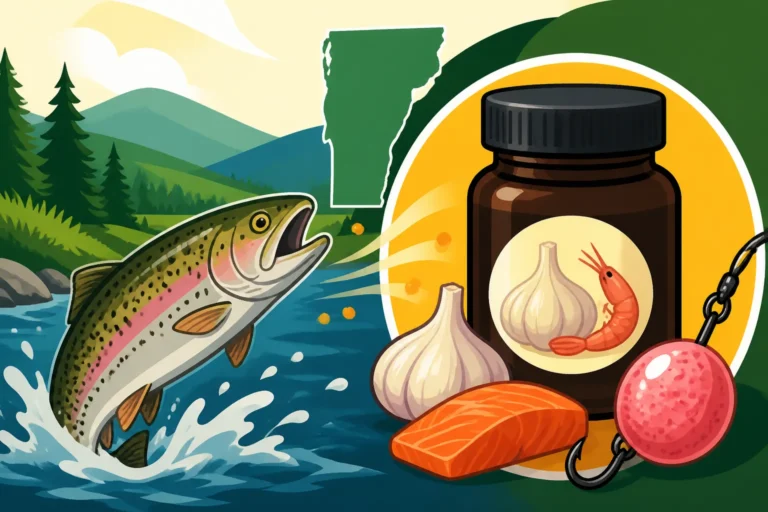
- Corn/PowerBait: For stocked trout in particular, bright-colored PowerBait (in dough form or small nuggets) or even canned corn can be irresistible. These are often used with a small hook and a light sinker to float off the bottom. Check out Spring Trout Fishing Techniques for Vermont Streams for more on this.
Simple Artificial Lures:
- Spinners: Small inline spinners (like Mepps or Panther Martin) are fantastic. They cast well, create flash and vibration that fish can't resist, and are effective for trout, bass, and panfish in both streams and lakes. Size #0 to #2 is a good starting point.
- Jigs: Small marabou or soft plastic jigs (1/16 oz to 1/8 oz) tipped with a small piece of worm or grub imitation are deadly for panfish and effective for bass. They're versatile and can be fished under a bobber or retrieved slowly along the bottom.
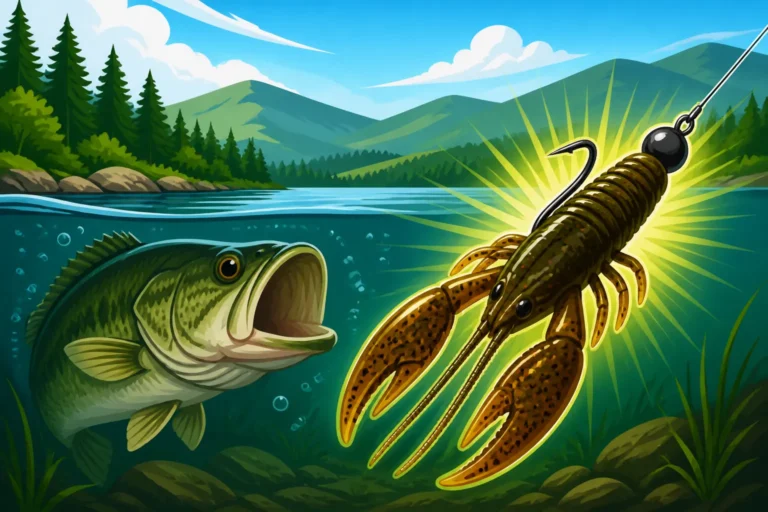
- Soft Plastic Worms/Grubs: For bass, a simple Texas-rigged worm or a small grub on a jig head can be very effective. These mimic natural prey and are relatively weedless, making them good for fishing around cover.
Don't forget some essential terminal tackle:
- Hooks: A variety of small bait holder hooks (sizes 6-10) for worms and corn.
- Bobbers: Small clip-on bobbers are perfect for suspending your bait at a desired depth and indicating bites.
- Sinkers: Small split shot sinkers or bullet weights to add casting weight or get your bait down.
- Swivels: Small barrel swivels can help prevent line twist, especially when using spinners.
A small tackle box or bag, perhaps something you found at Bass Pro Shops or online, to organize these few items will keep you prepared. With this basic setup, you're ready to hit the water and start enjoying the thrill of Vermont fishing. Don't forget your Vermont Fishing License Guide for 2026 before you go!
Where to Find Your First Combo and What to Expect
Once you've got a handle on the types of combos, their features, and how you want to start fishing in Vermont, the next step is actually acquiring your gear. This part of the journey is often overlooked, but where you choose to buy your first rod and reel combo can have a real impact on your overall experience. From getting advice to dealing with potential issues down the line, understanding your options is key to a smooth start.
Local Shops vs. Online Retailers
When it comes to purchasing your first fishing combo, you generally have two main avenues: your local, brick-and-mortar tackle shop or big box sporting goods store, and online retailers. Both have their advantages, and the best choice often depends on your personal preference and what kind of support you're looking for.
Local Shops and Sporting Goods Stores:
Visiting a local shop in Vermont, or a larger sporting goods store like a Bass Pro Shops if one is nearby, offers several distinct benefits for a beginner.
- Hands-On Experience: This is perhaps the biggest advantage. You can physically pick up different rod and reel combos, feel their weight, balance, and the comfort of the handle. You can "test" the action of the rod by gently flexing it, and operate the reel to check for smoothness. This tactile experience is invaluable, as what looks good online might not feel right in your hand.
- Expert Advice: Local bait and tackle shops are often staffed by seasoned anglers who know the local waters of Vermont inside and out. They can offer personalized recommendations based on the specific lakes, rivers, or species you plan to target, even suggesting local hotspots or current fishing conditions. They can also demonstrate how to tie basic knots or spool your reel. This kind of one-on-one guidance is priceless for a beginner.
- Community Connection: Shopping locally helps support small businesses and connects you to the local angling community. You might find out about local fishing clubs, events, or even get tips on Best Shore Fishing Spots in Vermont.
- Immediate Gratification: You buy it, you take it home, you go fishing! No waiting for shipping.
The downside is that prices might be slightly higher than online, and the selection might be more limited. However, for a beginner, the added value of personal advice and the ability to handle the gear often outweighs a small price difference.
Online Retailers:
Websites like Amazon offer an enormous selection of fishing gear, often at competitive prices.
- Vast Selection: You'll find a massive array of brands, models, and price points that no single physical store could ever stock. This can be great if you've done your research and know exactly what you're looking for.
- Price Competition: Online retailers often have lower overheads, which can translate to better deals and frequent sales.
- Convenience: You can shop from the comfort of your home, anytime.
- Customer Reviews: Reading reviews from other buyers, especially other beginners, can provide insights into a combo's performance, durability, and ease of use.
The main drawback for beginners is the lack of a hands-on experience. You can't feel the balance of the rod or the smoothness of the reel. You also miss out on the invaluable local advice you'd get from a tackle shop. For a first-time purchase, the tactile experience and expert guidance often make a local shop the superior choice, even if you do a price comparison search on Amazon afterward.
The Importance of Customer Service and Warranties
Regardless of where you purchase your first rod and reel combo, paying attention to the brand's reputation for customer service and understanding the warranty policy is incredibly important. Even the best beginner combos can sometimes have manufacturing defects, or you might encounter an issue as you learn to use your gear.
Customer Service:
A company with good customer service will stand behind its products. If you have a question about how to string your reel, if a component breaks prematurely, or if you need advice, a responsive and helpful customer service team can save you a lot of headache. When looking at brands, a quick search for their customer service reviews or their return/exchange policies can be very illuminating. Stores like Bass Pro Shops are known for generally strong customer service and liberal return policies, which is a huge peace of mind for a new angler.
Warranties:
Most reputable rod and reel manufacturers offer some form of warranty on their products, even entry-level combos. This warranty might cover manufacturing defects for a certain period, ensuring that if your rod snaps or your reel malfunctions due to a flaw, the company will repair or replace it. Understanding these terms can prevent disappointment. Keep your receipt and any warranty information in a safe place. A good warranty means that your initial investment is protected, allowing you to focus on enjoying your time Fishing Without a License in Vermont: Penalties – just kidding, always have your license! – and learning the ropes, rather than worrying about your gear.
Choosing your first rod and reel combo is an exciting step into the world of Vermont fishing. By considering your target species, budget, the importance of durability and ease of use, and the specific features of rods and reels, you'll be well-equipped to make an informed decision. Whether you opt for the personal touch of a local shop or the vast selection of online retailers, remember that the goal is to find a setup that brings you joy and confidence on the water. Now go forth, tie some knots, cast a line, and make some incredible fishing memories in the Green Mountain State!
Disclaimer
This article is for general informational purposes only and does not constitute professional advice. Laws, prices and regulations vary by location and change over time. Consult a qualified professional for guidance on your specific situation.