Best canoe for a multi-day paddle trip
Embarking on a multi-day paddle trip in Vermont's stunning waterways sounds like a dream, but anyone who's ever tried to cram a week's worth of gear into a flimsy boat knows the frustration of feeling unprepared. Finding the right canoe isn't just about looking good on the water; it's about comfort, safety, and ensuring your precious cargo (and yourself!) makes it through every ripple and portage. This guide is going to walk you through exactly what you need to consider to pick the perfect canoe for your next extended Vermont adventure, helping you avoid those nagging doubts and heavy loads.
Understanding the Demands of a Multi-Day Paddle Trip in Vermont
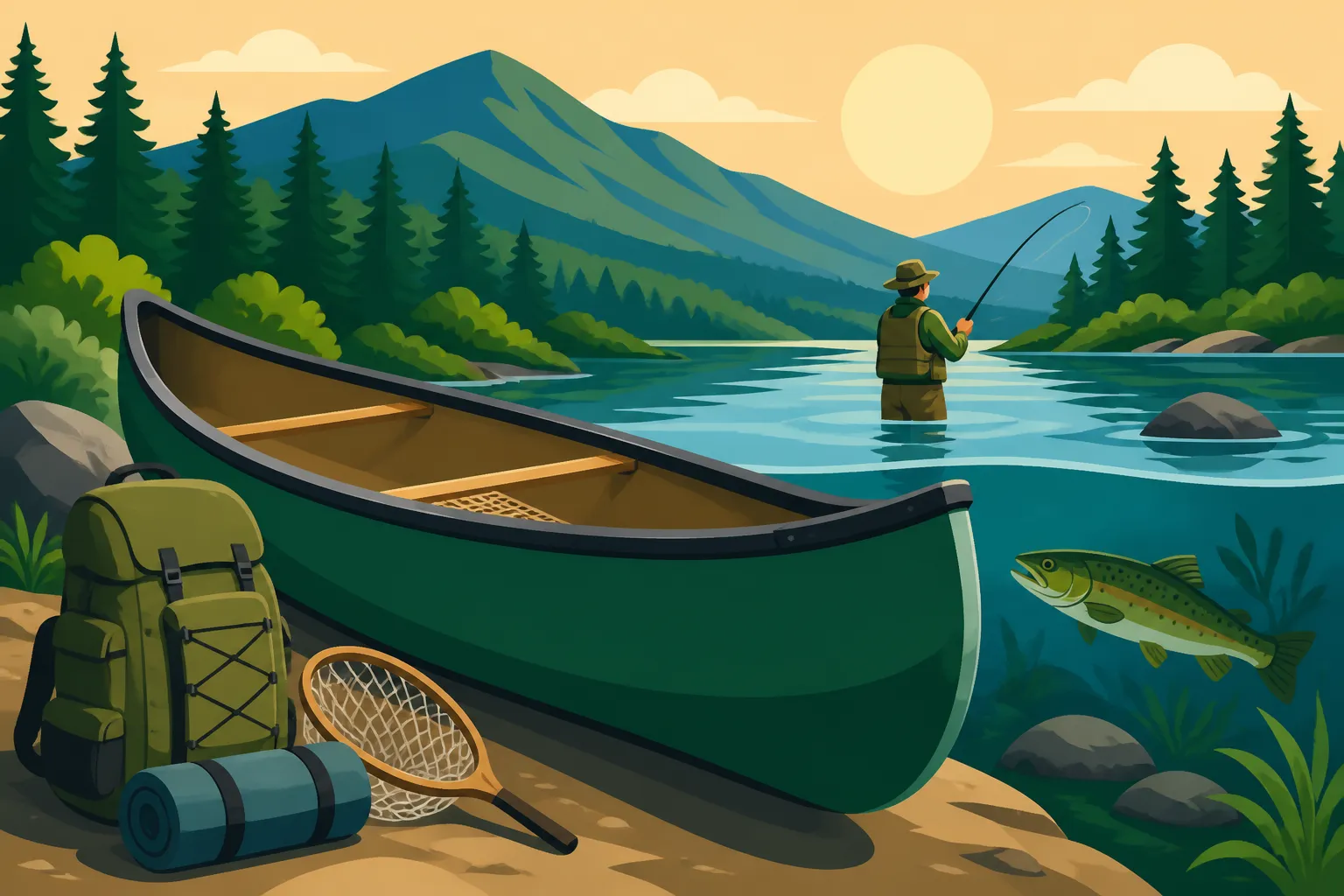
When you're planning a multi-day canoe trip in Vermont, you're not just heading out for a leisurely afternoon paddle. You're signing up for an adventure that will test your gear, your planning, and sometimes, your patience. The unique challenges of Vermont's diverse waterways, coupled with the sheer volume of equipment needed for an extended stay in the wilderness, mean your canoe needs to be more than just a vessel; it needs to be a reliable partner.
What Makes Vermont's Waterways Unique for Canoeing?
Vermont's paddling landscape is incredibly varied, offering everything from tranquil ponds and expansive lakes to winding rivers with sections of quick current and even some white water. This diversity means your canoe needs to be versatile. You might start a trip on a placid lake, then transition into a river that demands more maneuverability. The famous Missisquoi River, for example, offers miles of beautiful paddling, but also sections that can become shallow or have some faster moving water after heavy rains. You'll encounter sandy shores, muddy banks, and rocky sections that can challenge a lesser-built canoe.
Another significant factor is portaging. Many of Vermont's most scenic routes, especially those that link different bodies of water or bypass rapids, require you to get out and carry your canoe and gear. Imagine hauling a heavy, unwieldy canoe a half-mile through the woods while also carrying your packs. A lightweight, well-balanced canoe with comfortable carrying yokes becomes invaluable in these situations. Without careful consideration, a seemingly minor portage can quickly turn into the most grueling part of your day, making you question your life choices!
Essential Gear Weight and Capacity Considerations
Think about everything you need for a few nights (or more!) out in the wild. We're talking about tents, sleeping bags, cooking stoves, fuel, multiple days' worth of food and water, fishing gear, extra clothing layers, first-aid kits, navigation tools, and personal items. It adds up fast, doesn't it? If you're planning on doing some serious angling, you'll also have your Best Tackle for Vermont Smallmouth Bass or Best Gear for Vermont Trout Fishing to consider.
Your canoe needs to have ample capacity – both in terms of weight and physical space – to comfortably carry all this without sitting dangerously low in the water or feeling cramped. A canoe that's overloaded is not only less efficient to paddle but can also become unstable, especially in choppy conditions on larger lakes like Waterbury Reservoir or Lake Champlain. Beyond the sheer volume, you need to be able to organize it all. A well-designed canoe will offer enough flat space and tie-down points to secure your gear, preventing it from shifting around and throwing off your balance, or worse, going overboard.
Comfort and Stability for Extended Periods
Sitting in a canoe for hours on end, day after day, demands a certain level of comfort from your vessel. Hard, uncomfortable seats can quickly lead to aches and pains, making you dread getting back in the boat. Adjustable seating or designs that allow for various paddling positions can make a huge difference in your enjoyment and stamina.
Stability is another non-negotiable for multi-day trips. You'll be reaching for gear, shifting your weight, and potentially navigating unpredictable water or even less-than-ideal weather conditions. A stable canoe instills confidence, reduces fatigue from constantly having to balance, and provides a safer platform for packing, unpacking, and even fishing. No one wants to spend their trip worried about capsizing every time they lean over to grab a snack or land a fish. Consider that a sudden squall can whip up waves on even smaller lakes, and a stable hull will be your best friend.
Key Canoe Features for Multi-Day Adventures
Understanding what you need from your multi-day trip is the first step; now, let's dive into the specifics of canoe design that will meet those needs. It's a delicate balance of features, and often, what you gain in one area, you might slightly compromise in another. The trick is to find the perfect blend for your style of adventure in Vermont.
Length and Width: Balancing Speed and Stability
The dimensions of a canoe play a huge role in its performance. Generally, longer canoes track straighter and are faster, which is a blessing on vast lakes or long stretches of flat water where efficiency is key. They also typically offer more internal volume for gear. However, longer canoes can be more challenging to maneuver in tight spots, like narrow river bends or weaving through submerged obstacles. They can also be heavier for portaging.
Wider canoes tend to be more stable, which is excellent for carrying heavy loads and providing a secure platform. This increased stability often comes at the cost of speed and efficiency, as a wider hull creates more drag. For a multi-day trip with a lot of gear, a balance is crucial. You want enough width for stability and capacity, but not so much that it feels like paddling a bathtub. Most multi-day tripping canoes will fall in the 16 to 18-foot range for length, with a beam (width) of 34-37 inches, hitting that sweet spot for Vermont's varied waters.
Hull Shape and Material: Durability vs. Weight
The shape of a canoe's hull dictates much of its handling characteristics. A flatter bottom provides initial stability (when you first get in), while a rounded bottom offers better secondary stability (how stable it feels when leaning). Rocker, the upward curve of the keel from bow to stern, influences maneuverability; more rocker means easier turning but less straight-line tracking. For multi-day trips, a moderate rocker and a blend of initial and secondary stability are often ideal.
The material of your canoe is probably one of the biggest decisions you'll make, largely influencing its weight, durability, and cost.
- Aluminum: These are robust and require minimal maintenance, often seen on rentals or older models. They can take a beating, which is great for rocky rivers. However, they are typically heavy, noisy, and can get hot in the sun or cold in cool weather. Portaging an aluminum canoe for any distance is a workout.
- Royalex (and its modern equivalent, T-Formex): These materials were revered for their excellent balance of durability, reasonable weight, and flexibility, making them popular for river tripping where impacts are common. They absorb impacts well and are quieter than aluminum. T-Formex is the modern successor to the now-discontinued Royalex.
- Composites (Fiberglass, Kevlar, Carbon Fiber): These are the lightweight champions. Kevlar and carbon fiber canoes are incredibly light, making portaging significantly easier and paddling more efficient. They are stiff and fast but also the most expensive and generally less resistant to heavy impacts than Royalex/T-Formex or aluminum. A severe impact on a composite canoe might result in a crack, whereas a Royalex boat might just flex and bounce back. For those long carries between ponds in Vermont's Green Mountain National Forest, a composite boat feels like a dream.
The choice really boils down to how much you're willing to spend, how much weight you're willing to carry, and how many rocks you anticipate hitting!
Seating and Storage Options
Don't underestimate the importance of comfortable seating. Standard canoe seats are often molded plastic or woven cane. Cane seats are breathable and traditional but can feel hard over time. Drop-in bucket seats or seats with backrests can be added for extra comfort, especially for long hours on the water. A good thwart (cross-brace) placement can also aid in load distribution and provide extra grab points.
For multi-day trips, a well-designed yoke is absolutely crucial. This is the central thwart, often padded and contoured, that allows you to comfortably carry the canoe on your shoulders during portages. A poorly designed yoke will make even short carries agonizing. Look for ergonomic yokes or plan to install an aftermarket one.
Storage within the canoe is often about securing your dry bags and equipment. You'll want plenty of D-rings or other tie-down points to lash everything down securely. Some expedition canoes feature integrated dry compartments, but these are less common. The key is to have a good system with dry bags and barrels to keep your gear safe and dry. Best Dry Bag for Kayak Fishing insights often apply to canoeists too!
Top Canoe Types for Vermont's Backcountry
With the various features in mind, let's look at the types of canoes that excel for multi-day trips, specifically tailored to the kind of paddling you might encounter in the Vermont wilderness.
Expedition-Style Canoes: The Workhorses of the Water
These are the heavy-duty haulers designed for serious wilderness excursions. Expedition canoes are typically longer, wider, and have a higher carrying capacity than recreational canoes. They are built for stability with heavy loads and excellent tracking to handle long distances on large lakes and wide rivers. They often have a deeper hull, which means more freeboard (distance from the waterline to the gunwale) to keep gear dry in waves.
While they might not be the quickest or most nimble, their reliability and ability to carry vast amounts of gear make them ideal for extended trips with multiple people and bulky supplies. Think trips where you're covering long distances on Lake Champlain or navigating longer stretches of the Connecticut River. Their robust construction, often in Royalex or T-Formex, makes them forgiving of bumps and scrapes you might encounter on less-maintained access points or shallow sections.
Tripping Canoes: Blending Performance and Portability
Tripping canoes hit a sweet spot between the robust capacity of expedition canoes and the lighter, more agile feel of recreational models. They are designed for efficient paddling over varied waters, from lakes to moderately flowing rivers, and are optimized for reasonable portaging. They generally feature a good balance of length and width, offering decent speed and tracking without sacrificing too much maneuverability.
Many tripping canoes are made from lighter composite materials like Kevlar or fiberglass, making them significantly easier to lift and carry over portages. This is a huge advantage when you're linking up remote ponds or navigating river sections with frequent carry-arounds in areas like the Northeast Kingdom. They still offer ample storage for multi-day gear but prioritize a more enjoyable paddling experience for the human-powered journey. If you're looking for a versatile boat that can handle both the longer flatwater paddles and the occasional river bend, a tripping canoe is often the best choice.
Tandem vs. Solo Canoes for Multi-Day Trips
This choice depends entirely on your group size and preference.
- Tandem Canoes: These are designed for two paddlers and are by far the most common choice for multi-day trips. They offer superior carrying capacity for gear, as the two paddlers can share the load. The combined power of two paddlers also makes covering long distances or paddling against headwinds much more efficient. Communication and coordination are key in a tandem, but a good paddling partner can make the experience incredibly rewarding. Most expedition and tripping canoes are tandem models.
- Solo Canoes: For those who prefer solitude or have very specific trip goals, solo canoes can be a fantastic option. They are much lighter and more maneuverable than tandems, making tight turns and navigating small streams a breeze. They are also incredibly easy to portage. However, their carrying capacity is significantly less than a tandem, meaning you'll need to pack lighter and more efficiently. Solo canoes are also generally slower over long distances, and you bear all the paddling responsibility yourself. While great for Best Kayak Fishing Spots in Vermont due to their size, for true multi-day trips, they are usually reserved for experienced, minimalist paddlers.
Choosing Your Canoe: A Practical Guide
Okay, you've got a good handle on canoe types and features. Now, let's get down to the nitty-gritty of making your personal selection. This isn't just about what looks good; it's about what will genuinely serve your adventures.
Assessing Your Trip's Specific Needs
Before you even start looking at models, sit down and honestly evaluate your typical (or dream) multi-day trip.
- Type of Water: Will you primarily be on large, open lakes (Lake Bomoseen, Lake Dunmore, or Lake Champlain for instance), or winding, smaller rivers (like the White River or Otter Creek)? Lakes favor longer canoes with good tracking, while rivers benefit from more maneuverability and durability.
- Duration of Trip: A 2-day overnight requires less gear than a 5-day wilderness excursion, influencing the required capacity.
- Number of Paddlers: Solo or tandem? This is a fundamental decision that dictates the size and type of canoe you'll need. If you're often paddling with kids, you might even consider a larger tandem that can accommodate a small third passenger or extra gear for the family.
- Portage Frequency and Length: If your routes involve many or long portages, prioritize a lighter canoe, especially composite materials, and an excellent yoke system. If portages are rare, a slightly heavier, more durable material might be acceptable.
- Budget: This is often the reality check. Top-tier composite canoes can be a significant investment.
Creating a small table like this can help clarify your priorities:
| Feature/Consideration | Primary Need for My Trip | Preferred Canoe Characteristic | Why It Matters |
|---|---|---|---|
| Water Type | Rivers with some rapids | Durable material, moderate rocker | Avoid damage, easy turning |
| Trip Duration | 4-5 days | High capacity, good stability | Carry gear, secure ride |
| Paddlers | Two adults, sometimes a dog | Tandem, ample legroom | Comfort, shared load |
| Portages | Frequent, moderate length | Lightweight, ergonomic yoke | Reduce fatigue, save time |
| Budget | Mid-range | T-Formex/Royalex or used composite | Balance cost and performance |
Budgeting for a Multi-Day Canoe
Canoes vary wildly in price. Aluminum models can be the most budget-friendly upfront, while advanced composite canoes (Kevlar, carbon fiber) represent a significant investment. Royalex/T-Formex sits comfortably in the middle, offering a great balance of durability and weight for its price point.
Don't forget to factor in accessories when budgeting! Paddles, PFDs (personal flotation devices, absolutely essential – see Life Jacket Requirements for Vermont Boaters), dry bags, and maybe even a good car-topping system or trailer will add to the overall cost. Sometimes, investing a bit more in a lighter, more efficient canoe will pay dividends in enjoyment and ease of use over many years of trips. Think long-term value, not just the initial sticker shock.
Where to Find and Try Out Canoes
The best way to choose a canoe is to get in one! Local outfitters and specialty paddle sports stores are fantastic resources. They often have experienced staff who can guide you through the options, explain the nuances of different hull designs, and sometimes even offer demo days or rentals where you can try out various models on the water. This is invaluable.
If you're looking for new boats, established brands like Old Town Canoes and Wenonah Canoe Company are well-regarded for their tripping and expedition models. You can often find a good selection at larger outdoor retailers, or even through online channels like Bass Pro Shops or Amazon, though for such a significant purchase, I always recommend seeing it in person first if possible.
The used market can also be a goldmine. Check online classifieds or local paddling club forums. You might find a high-quality composite canoe at a fraction of the new price. Just be sure to thoroughly inspect any used canoe for damage, especially cracks or excessive wear on the hull.
Essential Accessories for a Comfortable Multi-Day Canoe Trip
A great canoe is only part of the equation. The right accessories can elevate your multi-day trip from an endurance test to a truly comfortable and enjoyable experience. Don't skimp on these critical items!
Paddles and PFDs: Don't Skimp on Safety and Efficiency
Your paddle is your connection to the water. For multi-day trips, an efficient and comfortable paddle is crucial. Look for lightweight paddles made from wood, fiberglass, or carbon fiber. Blade shape and size will impact your stroke, so try a few different styles if possible. A spare paddle is also a non-negotiable for any extended trip – losing or breaking a paddle in the backcountry is a major problem.
Personal Flotation Devices (PFDs) are not just a legal requirement in many places, including Vermont; they are life-saving devices. Choose a PFD that fits comfortably and allows for a full range of motion while paddling. Modern paddling-specific PFDs are much less bulky than traditional life jackets. A good fit means you'll wear it, and wearing it is the whole point! Check out Vermont Boating Laws for Anglers and Vermont required boat safety equipment checklist for more details on what's required.
Portaging Gear: Yokes, Wheels, and Packs
We've already touched on yokes, but it bears repeating: a comfortable, well-padded yoke can make or break your portaging experience. If your canoe doesn't come with one, consider installing an aftermarket model.
For longer, flatter portages (like those found on rail trails that connect waterways), a canoe cart or portage wheels can be a back-saver. These simple devices allow you to roll your loaded or unloaded canoe, reducing the strain on your shoulders. However, they are less useful on rugged, uneven trails.
Finally, think about how you'll carry your other gear during a portage. Large dry bags with shoulder straps, or specialized portage packs, make it much easier to carry your essentials once the canoe is off the water. The goal is to make the portage a smooth, efficient transition, not a chaotic scramble.
Waterproofing and Organization
Keeping your gear dry is paramount on a multi-day trip. Even on a sunny day, splashes and capsizes can happen.
- Dry Bags: These are the backbone of canoe camping. Get a variety of sizes for different items – a large one for your sleeping bag and clothes, smaller ones for electronics, first aid, and food. Make sure they are truly waterproof and roll-top closures are sealed correctly. You can find excellent options from outdoor brands at retailers like Amazon.
- Dry Barrels: For critical items or food, a sturdy plastic dry barrel with a screw-top lid offers bombproof protection and is often bear-resistant in some areas. They also float.
- Tie-Downs: Use good quality rope, cam straps, or bungee cords to secure all your gear to the thwarts and grab loops of your canoe. An unsecured load can shift, affecting stability, or worse, float away if you capsize. Always imagine your canoe flipping over – what would stay, and what would go?
With the right canoe and the proper accessories, your multi-day paddle trip through Vermont's stunning lakes and rivers won't just be an adventure; it'll be a comfortable, memorable, and safe journey into the heart of the Green Mountain State. Happy paddling!
Disclaimer
This article is for general informational purposes only and does not constitute professional advice. Laws, prices and regulations vary by location and change over time. Consult a qualified professional for guidance on your specific situation.