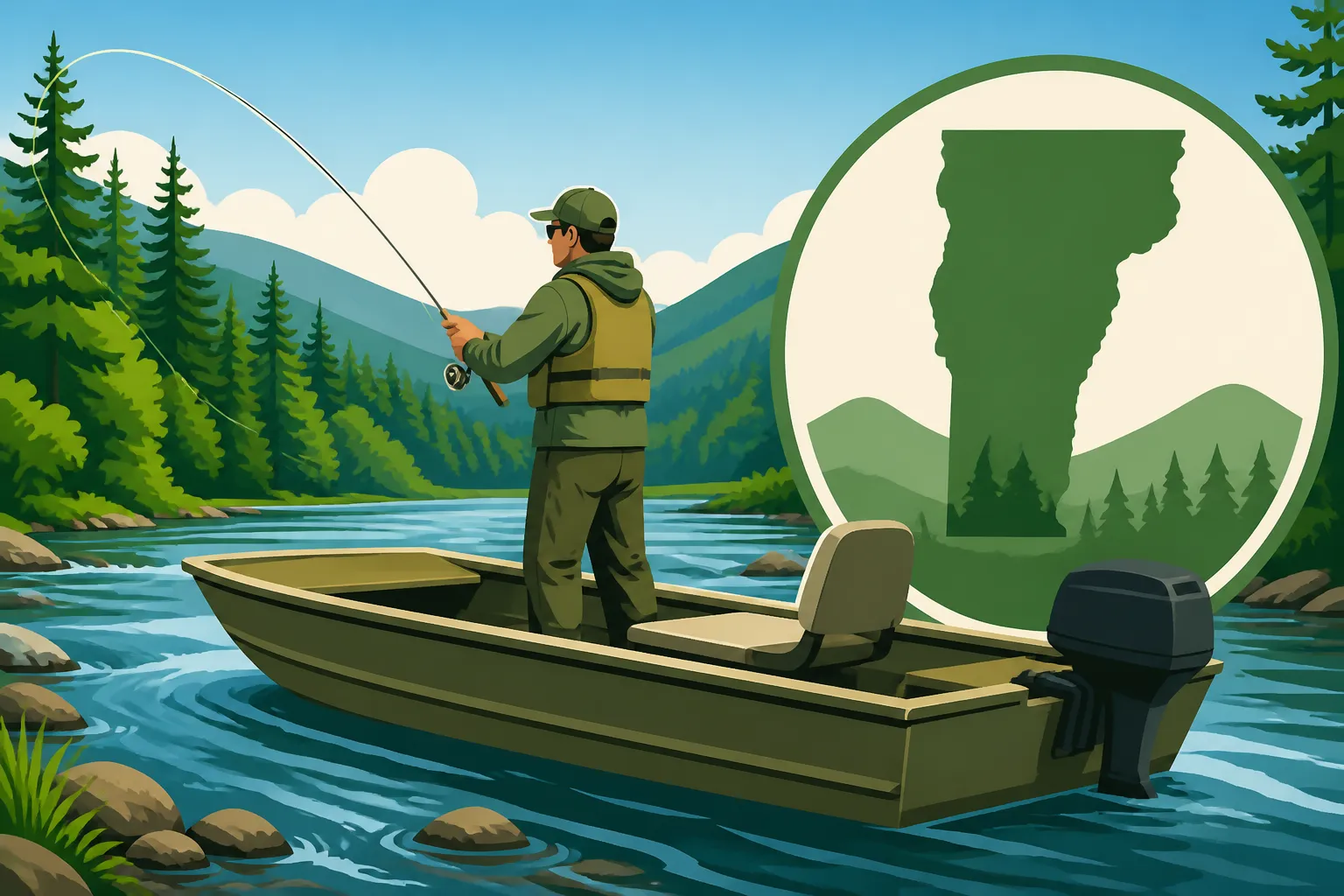
Best flat-bottom boat for river fishing
Trying to navigate Vermont's winding rivers and shallow stretches in the wrong boat can be incredibly frustrating. Many anglers find themselves constantly hitting bottom, unable to reach prime fishing spots, or feeling unstable when trying to cast. This guide is designed to help you understand why a flat-bottom boat, often called a jon boat, is an ideal choice for river fishing in the Green Mountain State, and what to look for when picking one out.
Why Flat-Bottom Boats are a Game Changer for Vermont River Anglers
Vermont's rivers, from the Otter Creek to the Winooski River, offer incredible fishing opportunities for smallmouth bass, trout, and more, but they present unique challenges. You're often dealing with varying water levels, rocky bottoms, submerged logs, and tight bends. A traditional V-hull boat, while great for big lakes, just isn't built for these conditions. That's where the humble flat-bottom boat truly shines, offering stability and shallow-water access that other boats can't.
Navigating Shallow Waters and Obstacles
The most significant advantage of a flat-bottom boat is its incredibly shallow draft. This means the boat sits high on the water, requiring very little depth to float and move. Think about those beautiful stretches of the Lamoille River where the water can be only a foot or two deep. A V-hull would be dragging bottom, or worse, getting stuck. A flat-bottom boat, however, can glide right over these areas, opening up a whole new world of accessible water. You'll be able to get into those back eddies, hidden pockets, and skinny water runs where big fish often hold, especially during lower water periods.
Moreover, the flat bottom distributes the boat's weight evenly across the surface of the water. This design helps reduce the impact if you do happen to graze a rock or a submerged log, which is almost inevitable when exploring Vermont's rivers. Instead of a sharp keel taking the full brunt, the broad, flat hull can slide over obstacles more easily, minimizing damage and keeping you moving. It gives you a sense of confidence that you can explore without constantly worrying about your boat's underside. Many anglers find this invaluable when trying to reach less-pressured fishing spots that are inaccessible to deeper-draft vessels. Best Jon Boats for Shallow Rivers provides more insights into specific models.
Stability for Casting and Moving Around
Another huge benefit of flat-bottom boats, especially for river fishing, is their exceptional stability. Because the hull sits flat on the water, it offers a broad, stable platform. This is crucial when you're standing up to cast, which is often necessary for accurate presentations, especially when targeting bass in tight cover or fly fishing for trout. Imagine trying to make a precise cast with a fly rod while teetering in a wobbly V-hull – it's a recipe for frustration.
This stability also makes it much safer and more comfortable to move around the boat, whether you're netting a fish, re-rigging, or just stretching your legs. If you fish with a buddy, or even with kids, that added stability means everyone can enjoy the experience without constant worry about tipping. It transforms the boat from a mere means of transport into a comfortable fishing platform, allowing you to focus on the fish rather than keeping your balance. This is particularly noticeable in situations where you might encounter sudden wakes from other boats or small rapids on a river, where a less stable boat would have you gripping the gunwales.
Versatility Beyond Just Fishing
While our focus is on fishing, a flat-bottom boat offers a remarkable degree of versatility that extends beyond just chasing fish. Its robust and simple design makes it a workhorse for many river activities. For instance, if you enjoy waterfowl hunting in the fall, a flat-bottom boat can easily be camouflaged and used to access remote marshes and shallow coves that larger boats can't reach. Its stable platform is perfect for setting decoys or retrieving game.
Beyond hunting, these boats are fantastic for general exploration of Vermont's natural beauty. Picture a peaceful afternoon paddle down a quiet stretch of the White River, observing wildlife or simply enjoying the tranquility. They are also incredibly practical for hauling gear for camping trips along riverbanks, transporting supplies for a remote cabin, or even doing light maintenance work along shorelines. The open layout and sturdy construction mean you can load them up with coolers, dry bags, camping equipment, or tools without much fuss. Many folks find them indispensable for a variety of outdoor adventures. For those interested in kayaking, Best Kayak for River Fishing in Vermont offers alternative perspectives on river access.
Key Features to Look For in a Vermont River Fishing Boat
Choosing the right flat-bottom boat isn't just about picking the first one you see. There are specific features that will make a world of difference when you're out on a Vermont river. Thinking about these aspects beforehand can save you headaches and ensure you have a boat that truly meets your needs.
Material and Construction for Durability
The material a flat-bottom boat is made from significantly impacts its durability, weight, and maintenance. Aluminum is arguably the most popular choice for river boats in Vermont, and for good reason. It's incredibly durable, resisting dents and punctures better than fiberglass in shallow, rocky environments. Aluminum boats are also relatively lightweight, making them easier to load, unload, and transport, especially if you're frequently trailering it to different river access points. The inherent strength of aluminum also means they can take a beating from bumping against riverbanks or floating over submerged debris without compromising structural integrity.
Fiberglass models are another option, typically offering a smoother ride and often more refined interior finishes. However, they can be heavier and more prone to damage from impacts with rocks or other hard objects, which are common in Vermont's rivers. A fiberglass hull might spiderweb or chip if struck hard, requiring more complex repairs than a simple aluminum patch. Some anglers also opt for rotomolded plastic or polyethylene boats, which are extremely tough and virtually maintenance-free. These are often seen in smaller, more specialized craft, but some larger flat-bottom models are available. Ultimately, for the rugged demands of Vermont river fishing, a well-built aluminum boat often offers the best balance of durability and practicality.
Size and Weight Considerations for Transport and Launch
When it comes to flat-bottom boats for river fishing, size and weight are critical factors. You need a boat that's large enough to comfortably accommodate you and your gear, but not so large or heavy that it becomes a nightmare to transport and launch. Many Vermont river access points are unimproved, meaning no fancy docks or concrete ramps. You might be launching from a grassy bank, a rocky shore, or even hauling it down a short trail. A boat that's too heavy for one or two people to manage can quickly turn a fishing trip into a chore.
Consider the length and beam (width) of the boat. A 12 to 16-foot boat is often a sweet spot for river fishing, offering enough space without being unwieldy. A wider beam will provide more stability, which we've already established as a huge plus, but it also means a heavier, bulkier boat. Think about your vehicle's towing capacity and how you plan to transport the boat – a smaller, lighter model might even fit in the bed of a truck or on a small utility trailer, making solo trips much easier. Always check the boat's "dry weight" (without motor or gear) and factor in the weight of your equipment to ensure you can safely and conveniently handle it. Best Jon Boats for Shallow Rivers again offers excellent practical advice on this.
Deck Layout and Storage Solutions
The interior layout of a flat-bottom boat, while often simple, can greatly impact your fishing experience. Look for a design that prioritizes open, uncluttered space, allowing for easy movement and casting. Flat, non-slip decks are paramount for safety, especially if you plan to stand and fish. Some models offer elevated casting decks at the bow or stern, which can give you a better vantage point for spotting fish and making longer casts.
Storage is another often-overlooked feature. While these boats are typically minimalistic, having dedicated spaces for gear can keep your boat tidy and prevent trip hazards. Look for features like under-seat storage compartments, built-in tackle trays, rod holders, and perhaps even a livewell. Even simple bench seats with open space underneath can be used for stowing gear in dry bags. Consider how you typically organize your tackle and equipment. Will you bring a large tackle box or a Best Tackle Bag for Bank Fishing? Having places to secure items like anchors, paddles, and safety equipment is not just convenient, it's a matter of safety, preventing loose items from sliding around and interfering with your fishing or navigation.
Top Considerations When Choosing Your Flat-Bottom Boat
Once you have a general idea of what kind of flat-bottom boat will work for you, it's time to drill down into some more specific considerations. These decisions will impact not only your fishing experience but also your long-term satisfaction and adherence to Vermont's boating regulations.
Propulsion Options: Oars, Trolling Motors, or Outboards
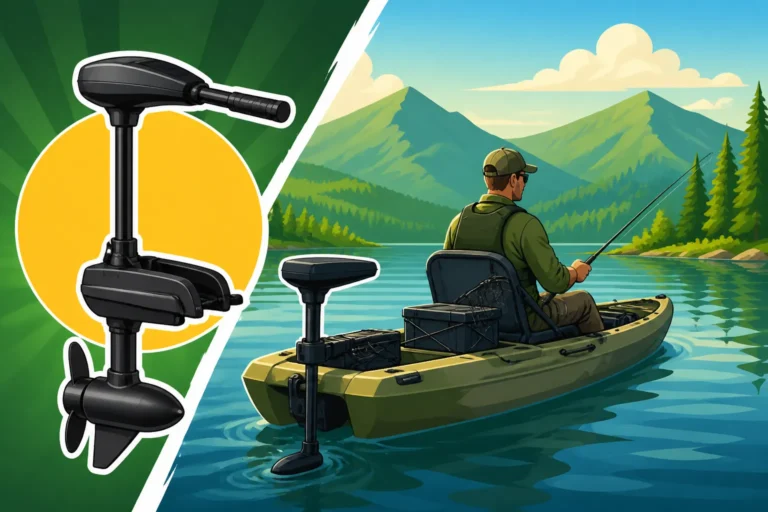
How you plan to power your flat-bottom boat on Vermont's rivers is a crucial decision. For many smaller rivers and serene stretches, a good set of oars or a quiet electric trolling motor might be all you need. Oars offer silent propulsion, perfect for stealthy approaches to wary fish, and they require no fuel. Trolling motors, especially those with GPS capabilities, provide hands-free control, allowing you to focus on fishing while the motor holds your position against the current. These are fantastic for drifting productive stretches or working specific structures. You can find a wide range of trolling motors and deep cycle batteries at stores like Bass Pro Shops or through online retailers like Amazon.
For larger rivers or when you need to cover more distance, a small outboard motor (typically 5-25 horsepower, depending on boat size) can be invaluable. Outboards allow you to quickly move between spots, fight stronger currents, or get back to your launch point against a headwind. However, they come with added costs (fuel, maintenance, purchase price) and might be restricted in certain "no-wake" or electric-only zones on some Vermont waters. Always check local regulations for specific rivers, as some might have horsepower limits or designated quiet zones. It's a balance between power, portability, and the type of fishing experience you're seeking.
Budget and Long-Term Investment
Let's be real: buying a boat, even a seemingly simple flat-bottom one, is an investment. Prices can vary widely based on size, material, brand, and features. It's easy to get caught up in wanting the biggest and best, but a realistic budget is key. Start by defining your maximum spending limit, and remember to factor in not just the boat itself, but also essential accessories like a motor, trailer, life jackets, anchors, and any required safety gear.
Consider whether you're looking for a bare-bones utility craft or something a bit more outfitted for comfort and convenience. A basic aluminum jon boat might be quite affordable, while a fully-rigged model with casting decks and a powerful trolling motor will command a higher price. Think about the long-term value. A well-maintained aluminum boat can last for decades, holding its value reasonably well. Also, don't forget ongoing costs like registration, insurance (though often optional for smaller boats, it's wise to consider), and fuel if you opt for an outboard. Sometimes, buying a slightly used boat can be a smart way to get more for your money, but be sure to inspect it thoroughly for damage.
Legal and Safety Requirements in Vermont
Before you even think about putting your new flat-bottom boat in a Vermont river, you absolutely must be aware of the state's boating laws and safety requirements. This isn't just about avoiding fines; it's about protecting yourself and others on the water. All motorized boats in Vermont, regardless of size, must be registered with the Department of Motor Vehicles. Even if you're only using a small electric trolling motor, you'll need to register your boat. Vermont Boat Registration Requirements details the process.
Beyond registration, always carry the required safety equipment. This typically includes U.S. Coast Guard-approved life jackets for every person on board (and specific rules for children under 12, as outlined in Life Jacket Requirements for Vermont Boaters), a sound-producing device (like a whistle), a fire extinguisher if you have an inboard fuel tank, navigation lights for night operation, and a throwable flotation device for boats over a certain length. It's a good idea to create a checklist and go through it before every outing. Understanding and adhering to these rules ensures your river fishing trips are not only successful but also safe and legal.
Getting Your Flat-Bottom Boat Ready for Vermont Rivers
You've picked out your ideal flat-bottom boat, maybe ordered some accessories from Amazon, and now it's time to get it rigged and ready for the water. The right setup can significantly improve your fishing efficiency and enjoyment.
Essential Accessories for River Fishing
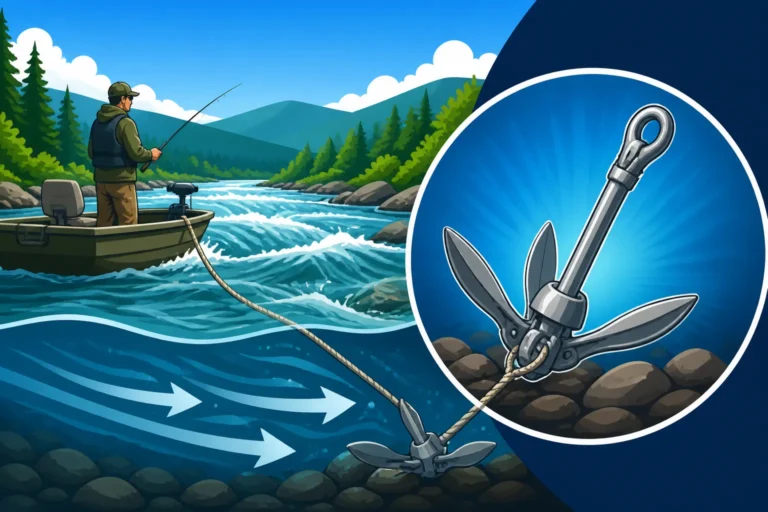
Beyond the obvious like a motor and trailer, there are several key accessories that will make your flat-bottom boat a true river fishing machine. First, a reliable anchor system is non-negotiable for river fishing. The current in Vermont's rivers can be surprisingly strong, and you'll want to hold your position in specific runs or holes. Consider a river anchor designed to dig into the bottom, combined with an anchor trolley system that allows you to deploy and retrieve your anchor from either the bow or stern. This provides incredible control and safety. Best Anchor System for River Fishing offers detailed advice.
Next, quality rod holders are a lifesaver, especially if you're trolling or just need a safe place to set your rod down while navigating. Cup holders, too, are surprisingly appreciated on a long day. A good cooler, like those available at Bass Pro Shops, is essential for keeping drinks, snacks, and your catch fresh. Finally, don't forget a first-aid kit, a repair kit for your boat (especially if it's inflatable or plastic), and a good map or GPS device, as cell service can be spotty on some remote river stretches. Having the right gear not only makes fishing easier but also ensures you're prepared for unexpected situations.
Maintenance Tips for Longevity
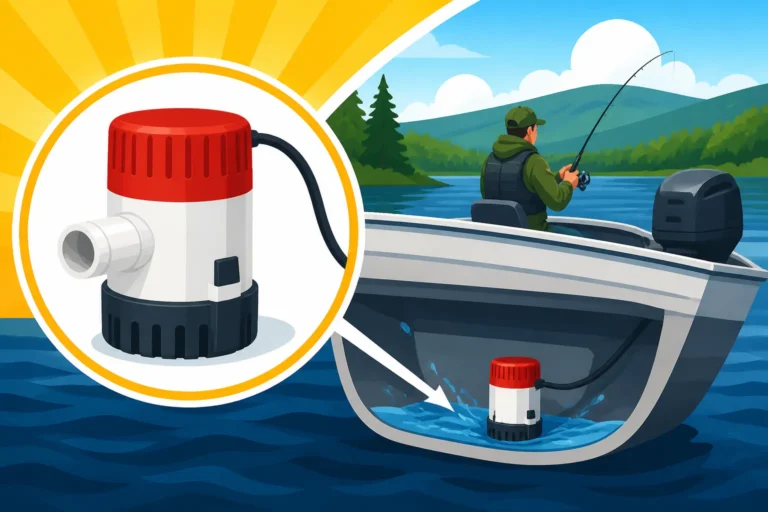
A flat-bottom boat is built tough, but a little regular maintenance goes a long way in ensuring its longevity and reliability. After every trip, especially if you've been in muddy or sandy rivers, rinse your boat thoroughly with fresh water. This removes grit and corrosive elements that can build up and cause wear. Pay special attention to the bilge area where water and debris can accumulate.
Regularly inspect the hull for any dents, scrapes, or punctures, particularly on aluminum boats. Small dings can often be buffed out, and more significant damage might require a patch. Check all rivets and welds for signs of stress or corrosion. If you have an outboard motor, follow the manufacturer's recommendations for service, including oil changes, spark plug checks, and fuel system maintenance. For electric trolling motors, ensure batteries are properly charged and terminals are clean and free of corrosion. Store your boat in a covered area or use a good quality boat cover to protect it from the elements, especially during the harsh Vermont winters. Proactive care will keep your flat-bottom boat performing optimally for many seasons of river fishing.
Disclaimer
This article is for general informational purposes only and does not constitute professional advice. Laws, prices and regulations vary by location and change over time. Consult a qualified professional for guidance on your specific situation.